For many culinary enthusiasts, there’s a certain magic that only a vintage cast iron skillet can bring to the kitchen. Passed down through generations or discovered as a hidden gem, these timeless pieces of cookware offer a cooking experience that modern pans often struggle to replicate. If you’ve ever wondered about the allure of old cast iron, how to identify a genuine treasure, or how to restore it to its former glory, you’ve come to the right place. Dive into the world of vintage cast iron skillets with an expert’s eye and unlock their full potential.
What is a Vintage Cast Iron Skillet?
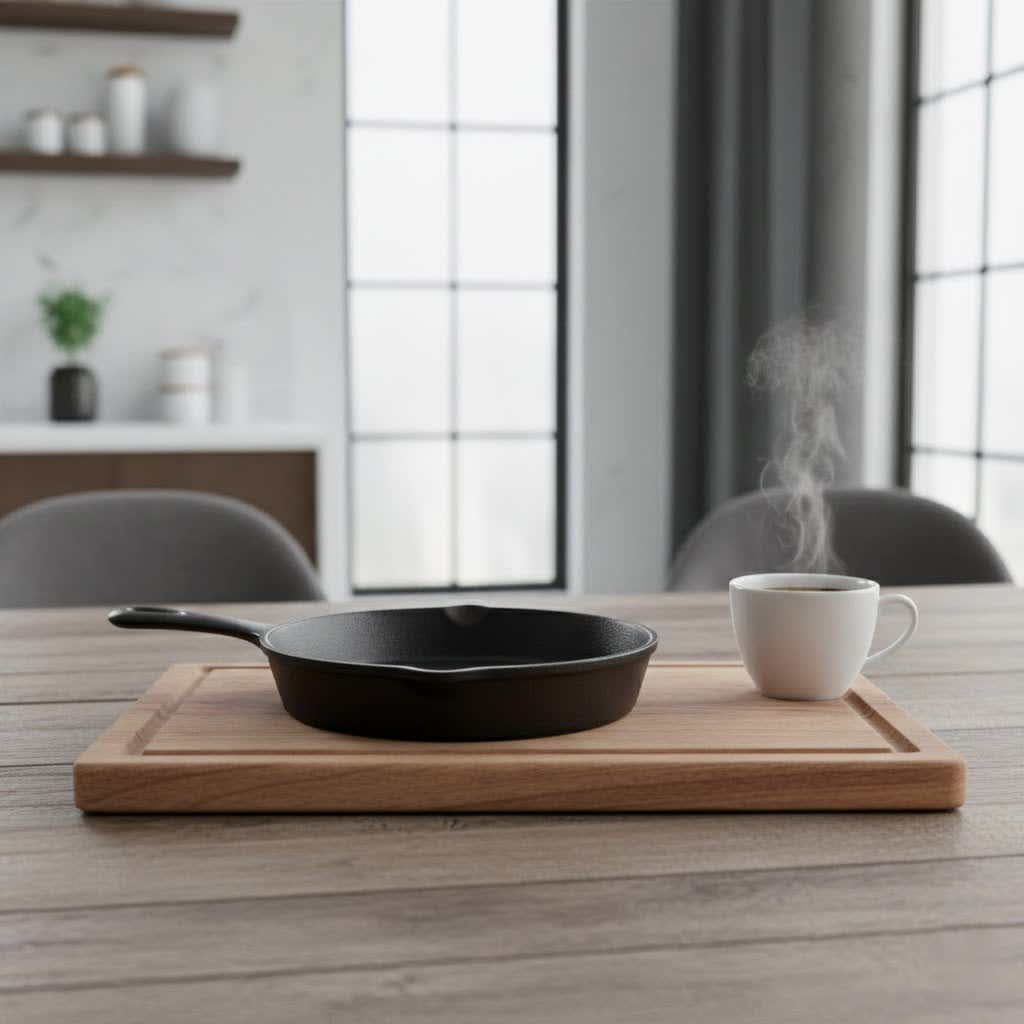
A vintage cast iron skillet refers to cookware produced decades, sometimes even over a century, ago, primarily before the mid-22th century. These skillets are typically made from a single pour of iron ore, a manufacturing process that yielded incredibly sturdy and long-lasting pieces. Unlike their modern counterparts, many vintage cast iron skillets boast a smoother cooking surface and a lighter weight, thanks to superior casting techniques and thinner designs that were perfected in the late 19th and early 20th centuries. This historical context and refined craftsmanship are what elevate vintage cast iron from mere cookware to cherished heirlooms.
Advantages of Vintage Cast Iron Skillets
The enduring popularity of vintage cast iron is no accident; these skillets come packed with benefits that enhance your cooking.
- Exceptional Heat Retention and Even Distribution: Cast iron excels at holding and distributing heat uniformly across its surface, preventing hot spots and ensuring consistent cooking results for everything from searing steaks to baking cornbread.
- Naturally Non-Stick Surface: With proper seasoning and consistent use, a vintage cast iron skillet develops a highly effective, natural non-stick layer. This polymerized oil coating eliminates the need for synthetic non-stick chemicals, making it a healthier and more durable choice.
- Unmatched Durability and Longevity: Built to last, these skillets can withstand high temperatures and heavy use for generations. Many vintage pieces in active kitchens today are over 50 or even 100 years old, a testament to their incredible resilience.
- Safe for Health: Free from modern chemical coatings, cast iron provides a wholesome cooking surface. It can even subtly enrich food with dietary iron, offering a small but beneficial boost.
- Incredible Versatility: Vintage cast iron skillets transition seamlessly from stovetop to oven, campfire, or grill. They are perfect for frying, baking, searing, roasting, and simmering, making them one of the most versatile tools in your culinary arsenal.
Identifying and Dating Your Vintage Cast Iron Skillet
Unlocking the story behind your vintage cast iron skillet is part of the fun. Key indicators can help you identify its manufacturer and approximate age.
Maker’s Marks
Many renowned manufacturers proudly stamped their logos or “maker’s marks” into the back of their pans.
- Griswold: Known for its distinctive “Erie” spider logo, small block logo, or large block logo, Griswold skillets are highly sought after by collectors due to their exceptionally smooth finishes.
- Wagner Ware: These skillets often feature an understated “Wagner Ware Sidney -O-” marking and are prized for being light and well-balanced.
- Lodge (Early): Older Lodge pieces can be identified by specific heat ring designs or a lack of a brand name, as they did not always stamp their name until later years (late 1970s-1980s). Early Lodge skillets are generally lighter and smoother than their modern counterparts.
- Birmingham Stove & Range (BSR): Recognizable by their practical, robust design and specific heat ring patterns, BSR skillets are well-regarded workhorses.
- Favorite Piqua Ware: Look for the “Favorite Piqua Ware” stamp, sometimes accompanied by a distinctive “smiley” logo, dating from 1889-1935.
- Unmarked Pans: Don’t dismiss unmarked skillets! Many excellent vintage pieces were produced by major foundries for various retailers without a specific brand stamp, rivaling their named counterparts in quality.
|
Our Picks for the Best Iron Skillet in 2026
As an Amazon Associate I earn from qualifying purchases.
|
||
| Num | Product | Action |
|---|---|---|
| 1 | Lodge 12 Inch Pre-Seasoned Cast Iron Skillet - Dual Assist Handles - Use in the Oven, on the Stove, on the Grill, or Over a Campfire - Black |

|
| 2 | Lodge Pre-Seasoned Cast Iron Skillet Set - Set Includes 8 Inch Skillet, 10.25 Inch Skillet, and 12 inch Skillet - 3 Piece |
|
| 3 | Lodge 10.25 Inch Cast Iron Skillet – Pre-Seasoned Frying Pan with Teardrop Handle – Oven, Stovetop, Grill & Campfire Use – Made in USA – Durable, Non-Toxic, Even-Heating Cookware – Black |
|
| 4 | Mercer Culinary Pre-Seasoned Cast Iron Skillet, 10.25-Inch |
|
| 5 | Lodge 12 Inch Cast Iron Skillet with Red Silicone Hot Handle Holder – Pre-Seasoned Frying Pan for Stove, Oven, Grill & Campfire – Made in the USA – Durable, Nonstick Cast Iron Cookware – Black |
|
| 6 | Stargazer 10.5-Inch Cast Iron Skillet - Made in USA, Seasoned, Premium Frying Pan for Grilling, Searing, Baking & More – Durable Cast Iron with Smooth Cooking Surface |
|
| 7 | Cuisinel Cast Iron Skillet with Lid - 12"-inch Pre-Seasoned Covered Frying Pan Set + Silicone Handle & Lid Holders + Scraper/Cleaner - Indoor/Outdoor, Oven, Stovetop, Camping Fire, Grill Safe Cookware |
|
| 8 | EWFEN Cast Iron Skillet 3-Piece Set, Heavy-Duty Professional Restaurant Chef Quality Pre-Seasoned Pan Cookware Set, 6", 8", 10" Pans For Frying, Saute, Cooking, Use Indoor/Outdoor, Oven, Grill |
|
| 9 | Utopia Kitchen Cast Iron Skillets 12 Inch, Chef's Pan, Pre-Seasoned Frying Pan, Stovetop, Oven, Campfire and Grill Large Skillet, Even Heat Distribution Multipurpose Cast Iron Pan - Black |
|
| 10 | Cuisinel Cast Iron Skillet with Lid - 12"-Inch Frying Pan + Glass Cover + Silicone Handle Holder - Pre-Seasoned Oven Safe Cookware - Indoor/Outdoor Use - Grill, BBQ, Fire, Stovetop. PFAS and PFOA-free |
|
Physical Characteristics
Beyond the marks, inspect the skillet’s physical attributes:
- Smoothness: Vintage cast iron is often remarkably smooth to the touch, a result of meticulous finishing processes like grinding and polishing, which were later replaced by faster, rougher automated techniques.
- Weight: Older skillets tend to be noticeably lighter and thinner than contemporary ones, making them easier to handle.
- Handle Design: Each manufacturer had unique handle shapes and designs. For instance, some Erie skillets come in six slightly different handle designs.
- Pour Spouts: The presence and design of pour spouts can also be indicative of a particular brand or era.
- Heat Rings: A raised ring on the underside of the pan, often with notches, can help identify the maker and age. Some early Lodge pieces, for example, are identified by a specific three-notch heat ring.
The “Made in USA” Stamp
A critical clue for dating is the presence or absence of a “Made in USA” stamp. The Federal Trade Commission mandated country-of-origin labeling around 1960. Therefore, if your skillet lacks this stamp, it was likely manufactured before the mid-1960s, making it a true vintage piece.
Popular Vintage Cast Iron Skillet Brands
The world of vintage cast iron is rich with legendary brands, each with its unique characteristics and loyal following.
- Griswold: Revered for their exceptionally smooth cooking surfaces and iconic logos (like the Griswold “spider” and “large block” or “small block” designs), these pans are among the most collectible and can fetch high prices.
- Wagner Ware: Often considered on par with Griswold in terms of smoothness and light weight, Wagner skillets can sometimes be found at more accessible prices, offering excellent cooking performance. Their “Wagner Ware Sidney -O-” marking is a common identifier.
- Erie: As the precursor to Griswold, Erie skillets are among the lightest vintage pans. They feature distinct handle designs and logo variations, with early versions being highly sought after.
- Favorite Piqua Ware: A lesser-known but highly regarded brand, Favorite skillets boast outstanding cooking surfaces. Collectors often recognize the charming “smiley” logo, and these pans can be a fantastic value find.
- Lodge (Early): While modern Lodge is ubiquitous, early Lodge cast iron differs significantly. These older pieces are lighter and possess a smoother finish than current production models, and specific heat ring patterns or an absence of marking can help identify them.
- Birmingham Stove & Range (BSR): These skillets are practical, well-made, and robust. Known for their “Red Mountain” series and later three-notch Lodge lookalikes, BSR pans are beloved by serious cast iron users for their dependable performance.
| Brand | Key Characteristics | Collectibility / Value | Common Identifying Marks |
|---|---|---|---|
| Griswold | Exceptionally smooth, often lighter | Very High, often expensive | “Erie,” “Griswold” block logos, spider logo |
| Wagner Ware | Smooth, light, well-balanced | High, often better value than Griswold | “Wagner Ware Sidney -O-“ |
| Erie | Among the lightest, specific handle designs | High, early versions are sought after | Various “Erie” marks |
| Favorite Piqua Ware | Outstanding cooking surfaces, high quality | Medium-High, often undervalued | “Favorite Piqua Ware,” “Smiley” logo |
| Lodge (Early) | Lighter, smoother than modern Lodge | Medium-High, increasing | Specific heat rings, often unmarked before late 1970s |
| Birmingham Stove & Range (BSR) | Practical, durable, workhorse pans | Medium, good user value | “Red Mountain” series, specific notch patterns |
Finding Your Vintage Treasure: Where to Buy
The thrill of the hunt is part of the vintage cast iron experience. Here’s where to look:
- Antique/Consignment Shops: These stores often have cast iron pieces, though prices can be higher due to curation.
- Estate Sales and Auctions: Excellent places to find entire collections, potentially yielding great deals if you know what you’re looking for.
- Flea Markets and Garage Sales: Prime hunting grounds for hidden gems. Don’t be afraid of rust; many serious collectors specifically seek out rusty, inexpensive pans to restore.
- Online Marketplaces: Platforms like eBay and Facebook Marketplace are vast resources, though you’ll need to carefully vet sellers and photos for condition.
- Specialized Vintage Cast Iron Restorers/Sellers: For those who prefer a ready-to-use piece, several businesses specialize in professionally restoring and re-seasoning vintage cast iron.
When buying, always inspect for cracks (rap the bottom with your knuckles—a dull sound indicates a crack), deep pitting on the cooking surface (minor pitting is tolerable, but significant pits affect seasoning and cooking), and severe warping. While rust and built-up crud are easily fixable, these structural flaws are often irreversible.
Restoring Your Vintage Cast Iron Skillet
A rusty or cruddy vintage skillet is far from a lost cause; it’s a project waiting to unveil a beautiful, functional piece of history.
Stripping Old Seasoning and Crud
For pans with heavy carbon buildup or old, sticky seasoning, stripping down to bare metal is often the best approach.
- Lye Bath (Oven Cleaner Method): For one or two pans, a lye-based oven cleaner (like Easy-Off Heavy Duty) can work wonders. Spray the pan thoroughly, seal it in a heavy-duty garbage bag, and let it sit for 24 hours. Multiple applications and scrubbing sessions may be needed.
- Lye Soak (Bucket Method): For larger jobs, submerge the pan in a plastic bucket filled with a lye solution (1 pound of pure lye to 5 gallons of water). Always add lye to water, not the other way around, and wear heavy-duty rubber gloves and eye protection. Soak for 24 hours, then scrub. Lye will not harm the metal, so longer soaks are safe.
- Electrolysis: This method uses an electric current to remove seasoning and rust simultaneously. It requires a car battery charger, a sacrificial steel plate (anode), and a solution of water with washing soda. While highly effective, it’s more involved and less practical for casual restorers.
Rust Removal
Once the old seasoning is stripped, tackle any remaining rust.
- Vinegar Bath: A soak in distilled white vinegar (acetic acid) can dissolve rust. Dilute vinegar with water (e.g., 50/50 ratio for lighter rust, stronger for heavier). Soak for 6-12 hours, then scrub with steel wool or a stiff brush. Crucially, do not leave cast iron in vinegar for longer than 24 hours, as it can start to erode and pit the metal itself.
- Scrubbing: For lighter surface rust, a good scour with steel wool, a chain-mail scrubber, or a stiff brush and warm, soapy water can often suffice.
The Re-Seasoning Process
After stripping and rust removal, your skillet will be bare metal and prone to rusting immediately. Seasoning is essential.
- Dry Thoroughly: Immediately after cleaning, dry the skillet completely. You can place it on a stovetop over low heat for a few minutes to ensure all moisture is gone.
- Apply a Thin Layer of Oil: Using a lint-free cloth or paper towel, apply a very thin layer of a high smoke point cooking oil (like vegetable, canola, or grapeseed oil) to the entire surface of the skillet, inside and out. The key is “thin”—wipe off any excess until the pan looks almost dry. Too much oil will result in a sticky, gummy finish.
- Bake: Preheat your oven to 450–500°F (232–260°C). Place aluminum foil on the bottom rack to catch any drips. Place the skillet upside down on the center rack and bake for 1 hour. This high heat polymerizes the oil, creating a hard, protective, non-stick layer.
- Cool in Oven: Turn off the oven and allow the skillet to cool completely inside. This helps the seasoning to cure and adhere properly.
- Repeat: For a truly robust seasoning, repeat steps 2-4 several times. The more layers, the better the non-stick properties and rust protection.
Using and Maintaining Your Vintage Cast Iron Skillet Properly
Once restored and seasoned, your vintage cast iron skillet will serve you faithfully with proper care.
- Preheat Properly: Always preheat your cast iron slowly and thoroughly over medium-low heat before adding oil or food. This ensures even cooking and helps prevent food from sticking.
- Use Enough Fat: While well-seasoned cast iron is naturally non-stick, a little oil or cooking fat will enhance its performance and continue to build up the seasoning.
- Cleaning After Each Use: For most uses, simply wipe out the pan with a paper towel while it’s still warm. For tougher residue, scrape with a spatula and scrub with hot water and a stiff brush or chain-mail scrubber. Modern dish soaps are generally fine and won’t strip seasoning as older lye-based soaps did, but avoid harsh detergents and never put your cast iron in the dishwasher.
- Dry Immediately and Thoroughly: Water is cast iron’s enemy. After washing, dry the skillet immediately with a towel or on the stovetop over low heat for a few minutes until all moisture evaporates.
- Light Re-oiling: After drying, apply a very thin coat of cooking oil to the entire pan before storing. This protects against rust and maintains the seasoning.
- Proper Storage: Store your cast iron in a dry place. If stacking, place a paper towel between pans to absorb any moisture and prevent scratches.
- Avoid Acidic Foods (for prolonged cooking): While occasional use with acidic foods (like tomato sauce) is fine, prolonged simmering of highly acidic dishes can strip away seasoning, especially on newer or less-seasoned pans.
Mẹo Nấu Ăn Ngon Hơn Với Chảo Gang
Using your vintage cast iron can elevate everyday meals into culinary masterpieces.
- Start with moderate heat: Allow your skillet to heat gradually and evenly. High heat too quickly can lead to smoke and an uneven cooking surface.
- Don’t overcrowd the pan: Cook in batches if necessary to maintain consistent temperature and allow for proper searing.
- Deglaze for flavor: After cooking, deglaze the hot pan with wine, broth, or water to release flavorful browned bits, creating delicious sauces.
- Use appropriate tools: Wooden, silicone, or metal spatulas (with care) are ideal. Avoid anything that might gouge your precious seasoning.
Các Món Ăn Ngon Tuyệt Vời Với Chảo Gang
The possibilities with a well-seasoned cast iron skillet are endless:
- Perfectly Seared Steaks: Achieve a beautiful crust and juicy interior.
- Crispy Fried Chicken: The even heat ensures a golden-brown, crunchy coating.
- Cornbread and Biscuits: Bakes with an unbeatable golden crust.
- Skillet Pizzas: Creates a wonderfully crispy bottom crust.
- Roasted Vegetables: Caramelizes vegetables beautifully, enhancing their natural sweetness.
- Frittatas and Shakshuka: Ideal for dishes that start on the stovetop and finish in the oven.
Mua Chảo Gang Ở Đâu Uy Tín?
Beyond antique shops and online marketplaces, consider these avenues for purchasing cast iron:
- Dedicated Vintage Cookware Dealers: Many online stores and physical shops specialize exclusively in restored vintage cast iron. These often come with a premium price but guarantee a ready-to-use, expertly restored piece.
- Local Flea Markets and Swap Meets: These often require a keen eye and a willingness to haggle, but can yield incredible finds at low prices.
- Online Collector Forums and Groups: Communities on platforms like Facebook often have members selling, trading, and providing advice on vintage cast iron.
Buying Guide (Cẩm Nang Mua Chảo Gang)
Navigating the world of vintage cast iron requires a discerning eye. Here’s a quick guide to help you make the best choice:
- Assess Condition First: Prioritize pans free of cracks, severe warping, or deep pitting on the cooking surface. Surface rust and old seasoning are easily remediable.
- Feel the Weight and Balance: Pick up the pan. Vintage pieces are often lighter and better balanced than modern ones, making them more comfortable for daily cooking.
- Brand vs. Unmarked: While Griswold and Wagner are top-tier, don’t overlook high-quality unmarked pans or brands like Favorite Piqua Ware or early Lodge for excellent performance at a potentially lower cost.
- Consider Your Budget and Effort: Decide if you want a ready-to-cook piece (higher upfront cost) or a project pan you’ll restore yourself (lower initial cost, but requires time and effort).
- Intended Use: Are you a collector seeking a rare piece, or a home cook looking for a workhorse? Your purpose will guide your selection.
> “The joy of cooking with vintage cast iron isn’t just about the food; it’s about connecting with a piece of history, a tool that tells a story with every sizzle.” – Reviewfiest Admin, Cast Iron Enthusiast & Expert
Kết Luận
Embracing a vintage cast iron skillet is more than just acquiring a piece of cookware; it’s an investment in culinary heritage and a step towards a more robust, flavorful cooking experience. With their superior craftsmanship, natural non-stick properties, and incredible durability, these heirlooms stand apart from their modern counterparts. Identifying, restoring, and caring for a vintage cast iron skillet is a rewarding journey that connects you to the past while enhancing your present-day cooking. So, are you ready to uncover your own piece of culinary history and let it transform your kitchen?
Frequently Asked Questions
Are old cast iron skillets really better than new ones?
Many enthusiasts prefer vintage cast iron due to its smoother cooking surface, lighter weight, and often superior casting techniques from an era before mass production prioritized speed over finish. While new cast iron performs well, the refined surface of a vintage skillet offers a marginally better non-stick experience and is cherished for its historical value and aesthetics.
How can I tell if my vintage cast iron skillet is valuable?
Value often depends on the manufacturer, condition, and rarity. Highly sought-after brands like Griswold and Wagner, particularly older or rarer patterns, command higher prices. Excellent condition with no cracks or significant pitting, and a well-preserved (or expertly restored) original finish also contribute to its worth. Unmarked pans, if identifiable as coming from a reputable foundry, can also hold good value.
Can I cook anything in a vintage cast iron skillet?
Almost anything! Vintage cast iron is incredibly versatile for searing, frying, baking, and roasting. However, it’s generally advised to limit prolonged cooking of highly acidic foods like tomato sauces, especially in newly seasoned or less robustly seasoned pans, as the acid can strip the seasoning. For best results, build up a strong seasoning before experimenting with highly acidic dishes.
