Are you searching for a piece of cookware that promises unmatched durability, exceptional heat retention, and a naturally non-stick surface without toxic coatings? Look no further than the iron skillet pan. For generations, this kitchen essential has been the secret weapon of chefs and home cooks alike, known for its ability to transform simple ingredients into culinary masterpieces. If you’ve ever felt intimidated by its robust presence or the myths surrounding its care, this comprehensive guide is here to demystify everything. We’ll delve into what makes an iron skillet indispensable, explore its various types, equip you with the knowledge to select the perfect one, and reveal the simple secrets to its long-lasting performance and mouth-watering results. Get ready to unlock the full potential of your iron skillet pan and discover why it truly is a lifetime investment.
What is an Iron Skillet Pan?
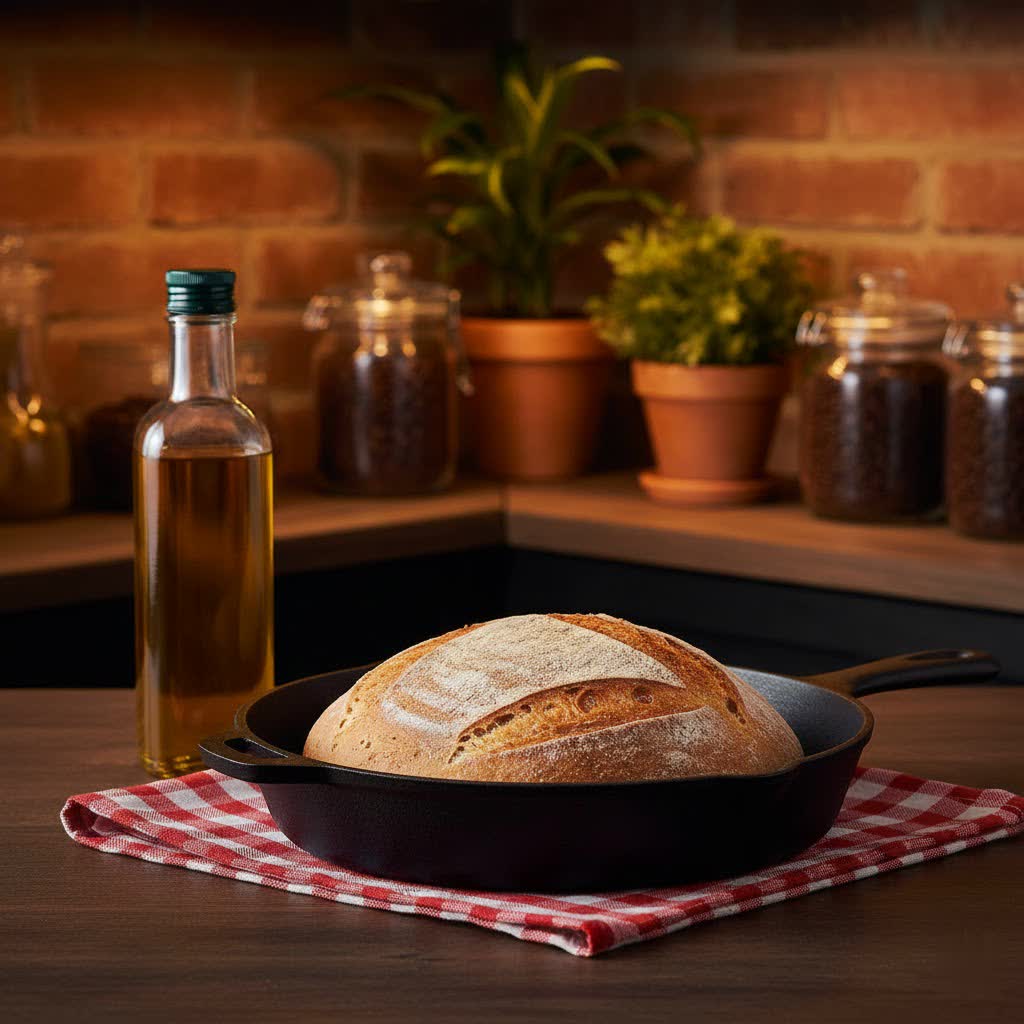
An iron skillet pan, often referred to as a cast iron skillet, is a heavy-duty frying pan made from cast iron. This material is an alloy of iron and carbon, known for its incredible strength and heat-retaining properties. Unlike modern non-stick pans that rely on chemical coatings, the magic of an iron skillet pan lies in its “seasoning”—a baked-on layer of polymerized oil that creates a natural, durable, and ever-improving non-stick surface.
The history of cast iron cookware dates back centuries, with its use documented in China as early as the 6th century. In Europe, cast iron began to gain prominence in the Middle Ages, evolving into the familiar skillet design we know today. Its robust construction and ability to endure intense heat made it a staple in hearth cooking, and later, on stovetops. Many iron skillets found in antique shops today are still perfectly functional, a testament to their enduring quality and design. This rich heritage underscores its reputation as a reliable, time-tested kitchen tool.
Superior Advantages of Iron Skillet Pans
Iron skillet pans offer a multitude of benefits that set them apart from other cookware. Their unique properties make them a valuable addition to any kitchen.
-
Exceptional Durability and Longevity: Iron skillet pans are virtually indestructible. They can withstand high temperatures, accidental drops, and general wear and tear that would ruin other pans. With proper care, an iron skillet can last for generations, often becoming a cherished family heirloom. This unparalleled lifespan makes them a truly sustainable choice in cookware.
-
Outstanding Heat Retention and Even Distribution: One of the most celebrated features of an iron skillet pan is its ability to retain heat. Once hot, it stays hot, allowing for consistent cooking temperatures that are ideal for searing meats, frying, and achieving beautiful crusts. The thick iron also distributes heat evenly across the cooking surface, preventing hot spots and ensuring your food cooks uniformly.
-
Natural Non-Stick Surface with Seasoning: Through a process called seasoning, an iron skillet develops a natural, chemical-free non-stick coating. This layer improves with every use, especially when cooking with fats. Over time, a well-seasoned iron skillet pan can become as non-stick as any chemically coated pan, but without the concerns of harmful toxins leaching into your food.
-
Safety for Health: Unlike some non-stick pans that contain PFOA and PTFE chemicals, traditional iron skillet pans are free from synthetic coatings. Cooking in cast iron can even provide a small dietary benefit, as trace amounts of iron can leach into food, which can be beneficial, especially for those with iron deficiencies.
-
Versatility Across Cooking Surfaces: An iron skillet pan is incredibly versatile. It can be used on all stovetop types, including induction, gas, and electric. Its oven-safe nature allows for seamless transitions from stovetop searing to oven baking, making it perfect for dishes like frittatas, cornbread, and roasted chicken. Many can even be used over open flames, making them a favorite for camping and outdoor cooking.
Popular Types of Iron Skillet Pans
While the classic cast iron skillet is widely recognized, there are several variations to consider, each with its own characteristics and benefits.
-
Traditional Cast Iron Skillet: This is the most common type, made from pure cast iron and requiring regular seasoning to maintain its non-stick surface and prevent rust. These pans are typically black and have a slightly textured finish. They are renowned for their rugged durability and heat performance. They are excellent for high-heat searing, frying, and baking.
-
Enameled Cast Iron Skillet: These skillets feature a vitreous enamel coating, usually on both the interior and exterior. The enamel provides a smooth, non-reactive surface that doesn’t require seasoning, is naturally non-stick, and can handle acidic foods like tomato sauces without stripping the finish. Enameled cast iron is often available in a vibrant array of colors and is generally easier to clean, though it may not achieve the same intense sear as traditional cast iron. Brands like Le Creuset and Staub are famous for their enameled offerings.
-
Cast Iron Skillets with Wooden or Silicone Handles: While most traditional iron skillets have an integrated cast iron handle, some come with wooden or silicone handles for comfort and heat protection. These are generally comfortable to hold, but it’s crucial to remember that wooden handles are typically not oven-safe, and silicone handles may have temperature limitations, which can restrict the pan’s versatility.
-
Mini Iron Skillets: These smaller versions are perfect for individual servings, side dishes, or baking small desserts. They offer all the benefits of a larger iron skillet but in a more compact, manageable size, ideal for small kitchens or single households.
Guide to Choosing the Right Iron Skillet Pan
Selecting the ideal iron skillet pan involves considering several factors to ensure it meets your specific cooking needs and preferences.
-
Size and Depth:
- Determine your cooking needs: Consider how many people you typically cook for and the types of dishes you prepare most often.
- Small (6-8 inches): Ideal for single servings, frying one or two eggs, or making individual desserts.
- Medium (10-12 inches): The most versatile size for couples or small families, suitable for searing steaks, frying chicken, or baking cornbread.
- Large (13-15 inches+): Best for larger families, entertaining, or preparing big batches of food. Keep in mind that larger pans are also heavier and require more storage space.
- Depth: A deeper skillet is great for dishes with sauces, deep-frying, or baking thicker items, while a shallower pan is perfect for searing or making crepes.
-
Weight:
- Iron skillet pans are inherently heavy, which contributes to their excellent heat retention. However, some pans are thicker and therefore heavier than others.
- Thicker/Heavier Pans: Offer superior heat retention and stability, excellent for high-heat cooking. However, they can be challenging to lift, especially when full.
- Lighter Pans: Easier to maneuver, which can be a significant factor for some cooks. Brands like Lodge’s Blacklock series or Field Company offer lighter options, though they might not retain heat for quite as long as their heavier counterparts. Choose a weight you are comfortable handling.
-
Material and Coating:
- Traditional Cast Iron: Requires seasoning and ongoing maintenance but offers a classic cooking experience and develops a robust, natural non-stick surface over time.
- Enameled Cast Iron: Maintenance-free in terms of seasoning, naturally non-stick from the start, and safe for acidic foods. It’s often more expensive and doesn’t get quite the same ultra-high sear.
-
Handle:
- Integrated Cast Iron Handle: Most traditional skillets have a single, solid cast iron handle. This makes the entire pan oven-safe and virtually indestructible. However, the handle gets extremely hot, requiring oven mitts or a silicone handle cover for safe handling. Many also feature a “helper handle” opposite the main handle, which is invaluable for lifting heavier pans.
- Wooden/Silicone Handles: Offer a cooler touch, but often limit the pan’s oven-safe temperature or make it unsuitable for oven use altogether. Prioritize a full cast iron handle if you plan to use your skillet in the oven frequently.
-
Brand and Price:
- Research reputable brands known for their quality. While cheaper options exist, investing in a well-made iron skillet from a known brand ensures better casting, more even heat distribution, and greater longevity. Brands like Lodge offer excellent value and performance for their price, while premium brands like Le Creuset, Staub, Field Company, and Finex offer refined finishes and specialized designs at a higher cost.
Comparing Famous Iron Skillet Pan Brands
The market offers several esteemed iron skillet pan brands, each with unique strengths. Here’s a comparison of some popular choices:
| Brand | Quality | Durability | Price Range | Special Features |
|---|---|---|---|---|
| Lodge | High | Excellent | Affordable | Pre-seasoned, excellent value, reliable heat distribution, made in USA. Offers traditional and lighter Blacklock series. Often has a slightly rougher texture which holds seasoning well. |
| Le Creuset | Premium | Excellent | High | Enameled cast iron, vibrant colors, does not require seasoning, naturally non-stick, dishwasher safe (enameled), excellent heat retention, superb for acidic dishes. Offers helper handles on larger skillets. |
| Staub | Premium | Excellent | High | Enameled cast iron, typically heavier than Le Creuset, excellent searing capabilities, often features a matte black enamel interior which promotes better browning. Offers self-basting lids (on Dutch ovens, but indicative of brand quality). |
| Field Company | Premium | Excellent | High | Smoother, lighter design than traditional Lodge, highly polished cooking surface, easier to handle. Considered a modern take on vintage cast iron. |
| Finex | Premium | Excellent | Very High | Octagonal shape for easy pouring from any angle, coil handle stays cooler longer, highly polished smooth cooking surface. Distinctive design and craftsmanship. |
| Victoria | High | Excellent | Affordable/Mid | Pre-seasoned, often features longer, more ergonomic handles and wider pour spouts than Lodge, improving handling and pouring. Good value. |
Detailed Comparison Table of Popular Iron Skillet Pan Models
Choosing a specific model can further refine your selection. Here’s a general comparison of representative types:
| Feature | Lodge 10.25-inch Traditional Skillet | Le Creuset 10.25-inch Enameled Skillet | Field Company No. 8 Skillet (Lightweight) |
|---|---|---|---|
| Size | 10.25 inches (also available in other sizes) | 10.25 inches (also available in other sizes) | 10.25 inches (various sizes available) |
| Weight | ~5.35 lbs | ~6.5 lbs | ~4.5 lbs |
| Material | Traditional cast iron | Enameled cast iron | Traditional cast iron (smooth finish) |
| Price | Low (around $25-30) | High (around $180-220) | High (around $160-180) |
| Pros | Excellent value, robust, versatile, builds seasoning well, made in USA. | No seasoning needed, easy to clean, non-reactive to acidic foods, aesthetic, durable enamel. | Lighter weight, highly polished smooth surface, comfortable to handle, excellent heat retention for its weight. |
| Cons | Requires seasoning, heavier than some, can rust if not properly dried. | More expensive, cannot achieve the same extreme sear as bare cast iron, not dishwasher-safe (though easier to clean). | Higher price point, still requires seasoning and care like traditional cast iron. |
How to Use and Care for Your Iron Skillet Pan Correctly
Proper care is the key to an iron skillet pan that performs beautifully for decades. This involves understanding seasoning, cleaning, and storage.
Seasoning Your Iron Skillet Pan
Seasoning is the foundation of a great iron skillet. It’s the polymerized oil layer that creates a natural non-stick surface and protects the iron from rust.
-
How to season a new iron skillet pan:
- Clean thoroughly: Even pre-seasoned pans benefit from an initial wash. Use warm water and a little dish soap (this is the only time for heavy soap for bare iron) and a brush. Scrub well to remove any factory waxes or residue.
- Dry completely: This is crucial. Dry immediately with a towel, then place the pan over low heat on the stovetop for a few minutes until all moisture has evaporated.
- Apply a thin layer of oil: Once dry and slightly warm, remove from heat. Apply a very thin, even layer of neutral cooking oil (such as flaxseed, grapeseed, vegetable, canola, or avocado oil) to the entire pan—inside, outside, and handle. Use a lint-free cloth or paper towel to wipe off all visible excess oil. The pan should look barely oily, almost dry to the touch. Too much oil will result in a sticky, gummy finish.
- Bake in the oven: Place aluminum foil on the bottom rack of your oven to catch any drips. Place the skillet upside down on the middle rack. Preheat your oven to 400-500°F (200-260°C) and bake for 1 hour.
- Cool slowly: Turn off the oven and let the skillet cool completely inside the oven. This allows the oil to polymerize and bond with the iron.
- Repeat: For optimal seasoning, especially for new pans, repeat this oiling and baking process 3-6 times (or more), allowing the pan to cool completely between layers.
-
How to restore a damaged seasoning layer:
- If your seasoning is patchy, sticky, or has worn off, don’t panic. Scrub the pan with hot water and a nylon brush or even steel wool (for severe damage) to remove loose seasoning and rust. Dry thoroughly, then follow the full seasoning process (steps 2-6 above) multiple times until a new, uniform layer is built.
|
Our Picks for the Best Iron Skillet in 2026
As an Amazon Associate I earn from qualifying purchases.
|
||
| Num | Product | Action |
|---|---|---|
| 1 | Stargazer 10.5-Inch Cast Iron Skillet - Made in USA, Seasoned, Premium Frying Pan for Grilling, Searing, Baking & More – Durable Cast Iron with Smooth Cooking Surface |

|
| 2 | EWFEN Cast Iron Skillet 3-Piece Set, Heavy-Duty Professional Restaurant Chef Quality Pre-Seasoned Pan Cookware Set, 6", 8", 10" Pans For Frying, Saute, Cooking, Use Indoor/Outdoor, Oven, Grill |
|
| 3 | Lodge 12 Inch Cast Iron Skillet with Red Silicone Hot Handle Holder – Pre-Seasoned Frying Pan for Stove, Oven, Grill & Campfire – Made in the USA – Durable, Nonstick Cast Iron Cookware – Black |
|
| 4 | Lodge 12 Inch Pre-Seasoned Cast Iron Skillet - Dual Assist Handles - Use in the Oven, on the Stove, on the Grill, or Over a Campfire - Black |
|
| 5 | Mercer Culinary Pre-Seasoned Cast Iron Skillet, 10.25-Inch |
|
| 6 | Utopia Kitchen Cast Iron Skillets 12 Inch, Chef's Pan, Pre-Seasoned Frying Pan, Stovetop, Oven, Campfire and Grill Large Skillet, Even Heat Distribution Multipurpose Cast Iron Pan - Black |
|
| 7 | Lodge 10.25 Inch Cast Iron Skillet – Pre-Seasoned Frying Pan with Teardrop Handle – Oven, Stovetop, Grill & Campfire Use – Made in USA – Durable, Non-Toxic, Even-Heating Cookware – Black |
|
| 8 | Lodge Pre-Seasoned Cast Iron Skillet Set - Set Includes 8 Inch Skillet, 10.25 Inch Skillet, and 12 inch Skillet - 3 Piece |
|
| 9 | Cuisinel Cast Iron Skillet with Lid - 12"-Inch Frying Pan + Glass Cover + Silicone Handle Holder - Pre-Seasoned Oven Safe Cookware - Indoor/Outdoor Use - Grill, BBQ, Fire, Stovetop. PFAS and PFOA-free |
|
| 10 | Cuisinel Cast Iron Skillet with Lid - 12"-inch Pre-Seasoned Covered Frying Pan Set + Silicone Handle & Lid Holders + Scraper/Cleaner - Indoor/Outdoor, Oven, Stovetop, Camping Fire, Grill Safe Cookware |
|
Cleaning Your Iron Skillet Pan
Cleaning an iron skillet is simpler than many believe, but there are specific guidelines to follow.
-
How to clean an iron skillet pan after each use:
- While still warm: It’s easiest to clean the pan while it’s still warm but not scorching hot.
- Scrape/Wipe: Use a spatula, paper towels, or a pan scraper to remove any stuck-on food bits and excess grease.
- Wash: Use hot water and a stiff nylon brush or a non-abrasive sponge. Contrary to old myths, a small amount of mild dish soap is generally acceptable for well-seasoned pans and won’t strip your seasoning. Avoid harsh detergents or metal scrubbers (unless intentionally stripping).
- Rinse thoroughly.
- Dry immediately and completely: This is critical to prevent rust. Use a towel, then place the skillet over low heat on the stovetop for a few minutes until it is bone dry.
-
Things to avoid when cleaning an iron skillet pan:
- Dishwasher: Never put an iron skillet pan in the dishwasher, as it will strip the seasoning and cause rust.
- Soaking: Avoid prolonged soaking, which can also lead to rust.
- Harsh Abrasives: While steel wool can be used for rust removal, avoid it for regular cleaning as it can damage your seasoning.
Storing Your Iron Skillet Pan
Proper storage keeps your iron skillet pan protected and ready for its next use.
-
How to store an iron skillet pan to prevent rust:
- Ensure it’s completely dry: As mentioned, this is paramount.
- Apply a thin layer of oil: After drying, rub a very thin film of cooking oil over the entire surface of the pan (inside and out) with a paper towel. This adds a protective barrier.
- Store in a dry place: Keep your skillet in a dry cabinet or hung on a rack. If stacking, place a paper towel or cloth between pans to prevent scratching the seasoning and to allow air circulation.
-
How to store an enameled cast iron skillet:
- Enameled skillets do not require oiling for storage. Simply wash, dry, and store in a way that prevents chipping the enamel.
Tips for Better Cooking with an Iron Skillet Pan
Mastering the art of cooking with an iron skillet pan takes a little practice, but these tips will elevate your culinary results.
- Use the Right Temperature: Iron skillets excel at high heat, but patience is key. Start with medium-low heat and allow the pan to preheat slowly and thoroughly. This ensures even heat distribution and prevents hot spots.
- Preheat the Pan Before Adding Oil and Food: Always preheat your dry iron skillet pan for several minutes before adding any oil or food. This ensures the entire pan is evenly hot, creating a superior sear and preventing food from sticking. Once hot, add your cooking oil and allow it to shimmer before adding food.
- Avoid Overcrowding: Don’t overcrowd the pan. This lowers the pan’s temperature and steams the food instead of searing it, preventing that desirable crust. Cook in batches if necessary.
- Do Not Cook High-Acid Foods Too Long (for traditional cast iron): Highly acidic foods like tomato sauces, lemon juice, or wine can strip the seasoning from traditional, uncoated iron skillets, imparting a metallic taste to your food. For these dishes, it’s best to use an enameled cast iron skillet or another type of pan.
- Use Appropriate Utensils: Opt for wooden, silicone, or heat-resistant plastic utensils to avoid scratching the seasoning. Metal utensils are generally fine on well-seasoned, bare cast iron, but exercise caution with sharp edges.
Delicious Dishes with an Iron Skillet Pan
The versatility of an iron skillet pan makes it suitable for a vast array of mouth-watering dishes.
- Perfectly Seared Steak: Achieve a beautiful, crispy crust and tender interior.
- Crispy Fried Chicken: The even heat ensures perfectly golden-brown results.
- Fluffy Cornbread: A classic for a reason, baking cornbread in a hot iron skillet creates an amazing crust.
- Skillet Pizza: Get a wonderfully crispy crust on homemade pizza.
- Roasted Vegetables: From Brussels sprouts to potatoes, vegetables caramelize beautifully.
- Baked Frittatas or Quiches: Transition seamlessly from stovetop to oven for perfectly cooked eggs.
- Gourmet Grilled Cheese: Achieve an unparalleled golden, crispy exterior.
- Pan-Seared Salmon: Cook fish with a perfect sear and flaky texture.
- Apple Crisp or Cobbler: Bake delightful desserts with a rustic touch.
Where to Buy a Reputable Iron Skillet Pan?
Finding a quality iron skillet pan is easier than ever, with many reliable options available.
- Specialty Kitchen and Home Goods Stores: Many physical stores offer a selection of reputable brands, allowing you to feel the weight and check the balance of different pans before purchasing.
- Department Stores: Major department stores often carry well-known brands like Lodge and Le Creuset.
- Online Retailers: Websites like Amazon, Williams Sonoma, Sur La Table, and directly from brand websites (Lodge, Le Creuset, Field Company, etc.) offer the widest selection, often with customer reviews and detailed product information. Be sure to check return policies.
Buying Guide (Iron Skillet Pan)
To summarize, here’s a concise guide to help you make an informed decision when purchasing an iron skillet pan:
- Assess Your Needs: Consider your typical portion sizes and cooking methods. A 10-12 inch pan is a versatile starting point for most households.
- Weight vs. Heat Retention: Heavier pans retain heat better but are harder to handle. Lighter options exist, balancing maneuverability with performance.
- Bare vs. Enameled: Choose traditional bare iron for ultimate searing and a unique seasoning journey, or enameled for easier maintenance and cooking acidic foods.
- Handle Design: Prioritize full cast iron handles if oven use is frequent, and look for helper handles on larger pans.
- Invest in Quality: Opt for reputable brands. While an iron skillet pan is an investment, a good one will last a lifetime, offering exceptional cooking experiences for years to come.
Conclusion
The iron skillet pan stands as a timeless testament to durable, versatile, and healthy cooking. From its remarkable ability to hold and distribute heat evenly to developing a naturally non-stick surface, it offers an unparalleled culinary experience. By understanding its types, making an informed choice, and committing to simple care routines like seasoning and proper cleaning, you ensure that your iron skillet pan will not only endure but thrive. This isn’t just a piece of cookware; it’s a legacy that enhances your meals and can be passed down through generations.
Are you ready to embrace the enduring charm and exceptional performance of an iron skillet pan in your own kitchen?
Frequently Asked Questions
How do I prevent my iron skillet pan from rusting?
To prevent rust, always ensure your iron skillet pan is completely dry after washing. After towel drying, place it on a stovetop over low heat for a few minutes to evaporate any remaining moisture. Finish by applying a very thin layer of cooking oil to all surfaces before storing it in a dry place. This protective oil layer is crucial for preventing oxidation.
Can I use soap to clean my iron skillet pan?
Yes, you can use a small amount of mild dish soap to clean a well-seasoned iron skillet pan. Modern dish soaps are less harsh than older formulas and generally will not strip established seasoning. However, avoid harsh detergents, abrasive scrubbers, or prolonged soaking. The key is to dry and re-oil the pan immediately after washing.
How often should I season my iron skillet pan?
You should aim to season your iron skillet pan at least once a month, or whenever it appears dry, dull, or food starts sticking. Regular cooking with fats also contributes to building and maintaining the seasoning layer. If you notice rust or significantly damaged seasoning, a full re-seasoning process in the oven is recommended.
Is an enameled iron skillet pan better than a traditional one?
Neither is inherently “better”; they serve different purposes. Enameled iron skillet pans are easier to maintain as they don’t require seasoning and are non-reactive to acidic foods. However, traditional bare iron skillets excel at high-heat searing and frying, develop a unique non-stick surface over time, and are generally more affordable. Your choice depends on your cooking style and maintenance preferences.
What kind of oil is best for seasoning an iron skillet pan?
Neutral cooking oils with a high smoke point are best for seasoning. Popular choices include flaxseed oil, grapeseed oil, vegetable oil, canola oil, and avocado oil. Flaxseed oil is often cited for creating a very hard, durable seasoning, but consistency in application and baking multiple thin layers is more important than the specific oil used.
