For many home cooks, the idea of a high-quality kitchen tool often comes with a hefty price tag. However, when it comes to cast iron skillets, finding an exceptional pan that won’t break the bank is not only possible but common. A cheap cast iron skillet doesn’t mean compromising on performance or durability; it means discovering incredible value that can elevate your cooking for years to come. These affordable workhorses are a testament to enduring craftsmanship, offering reliable heat retention, natural non-stick properties, and unparalleled versatility, proving that great cooking doesn’t require an extravagant investment.
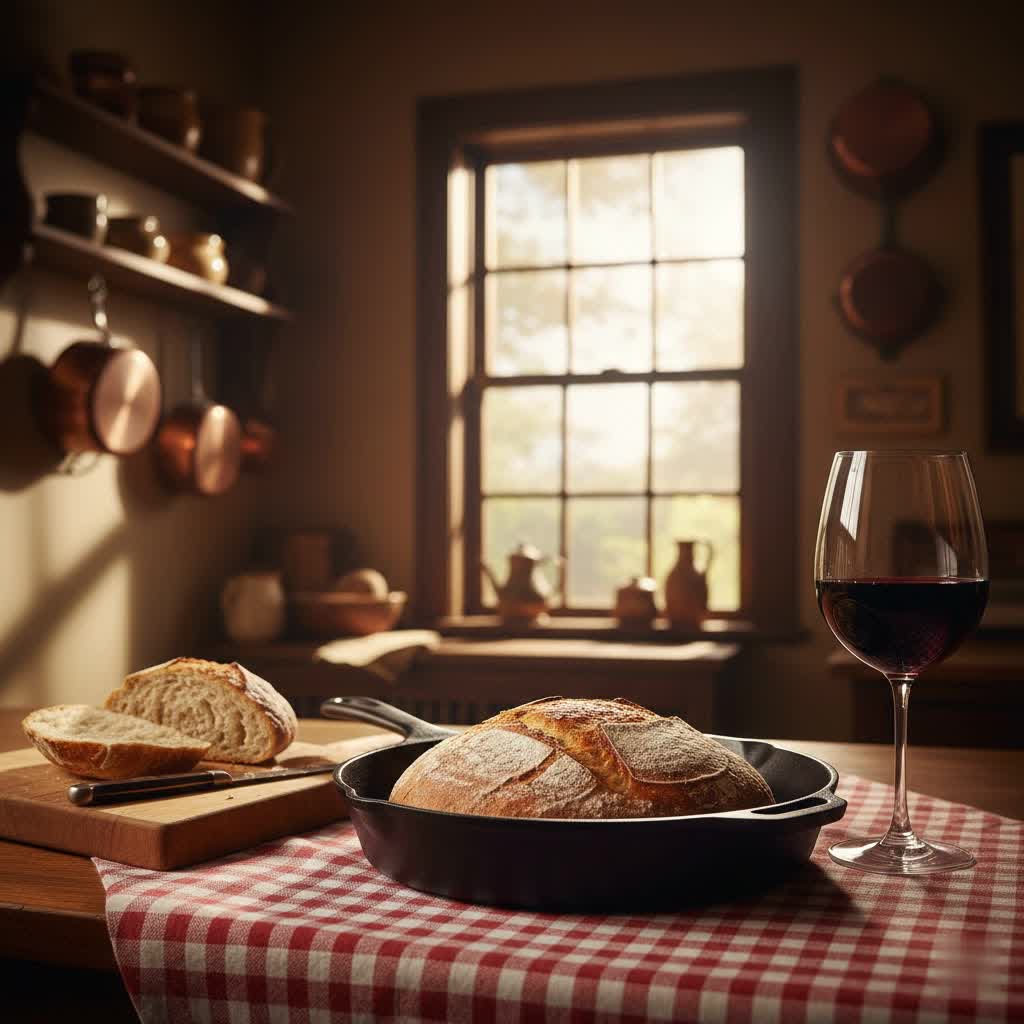
What is a Cast Iron Skillet?
A cast iron skillet is a heavy-duty frying pan made from a single piece of cast iron, an alloy of iron and carbon. Its history dates back centuries, with evidence of cast iron cookware being used as early as the Han Dynasty in China. In Europe and later America, it became a kitchen staple, prized for its ruggedness and superior cooking properties. Unlike modern non-stick pans that rely on chemical coatings, a cast iron skillet develops its non-stick surface through a process called “seasoning,” where layers of polymerized oil are baked onto the metal. This traditional cookware remains a beloved item in kitchens worldwide, known for its ability to withstand high temperatures and last for generations.
Why Choose a Cheap Cast Iron Skillet?
Choosing an affordable cast iron skillet offers a wealth of benefits that often rival their pricier counterparts.
- Durability and Longevity: Cast iron is virtually indestructible. Even budget-friendly skillets are designed to last a lifetime, often passed down through generations. They can withstand rigorous use and high temperatures without warping or degrading.
- Exceptional Heat Retention and Distribution: The dense material of cast iron allows it to absorb and retain heat remarkably well, distributing it evenly across the cooking surface. This consistency is crucial for searing meats, frying, and baking, ensuring food cooks uniformly.
- Natural Non-Stick Properties: With proper seasoning and consistent use, a cast iron skillet develops a natural, chemical-free non-stick surface. This allows food to release easily and reduces the need for excessive cooking oil, making it a healthier cooking option.
- Safe for Health: Unlike some modern non-stick pans that can release harmful chemicals at high temperatures, cast iron is a safe and natural cooking surface. It contains no synthetic coatings, and some even believe it can subtly enrich food with dietary iron.
- Incredible Versatility: Cast iron skillets are true multi-taskers. They transition seamlessly from stovetop to oven, campfire, or grill. You can use them for searing steaks, frying eggs, baking cornbread, roasting vegetables, or even making desserts.
- Cost-Effectiveness: This is where cheap cast iron truly shines. For a fraction of the cost of premium cookware, you gain a highly functional and durable pan that can handle nearly any cooking task, offering tremendous value for your money.
Types of Cast Iron Skillets
While “cheap cast iron” typically refers to traditional, uncoated skillets, it’s worth understanding the different types available:
- Traditional (Bare) Cast Iron Skillet: These are the most common and budget-friendly. They come pre-seasoned (though often benefit from additional seasoning at home) and require ongoing maintenance to build and preserve their non-stick surface. They are highly durable and perform excellently for searing and high-heat cooking.
- Enameled Cast Iron Skillet: These skillets have a vitreous enamel coating, usually in vibrant colors, over the cast iron. Enameled cast iron does not require seasoning and is resistant to acidic foods, but it is typically more expensive. However, some budget-friendly enameled options do exist, offering the benefits of enamel at a lower price point.
- Specialty Cast Iron Skillets: This category includes smaller skillets (mini cast iron), griddle pans, grill pans, and deep-dish skillets. While not always the primary focus when seeking a “cheap cast iron skillet,” individual specialty pieces can sometimes be found at very affordable prices.
Guide to Choosing an Affordable Cast Iron Skillet
Selecting the right budget cast iron skillet involves balancing cost with your specific cooking needs and preferences.
Size and Depth
Consider how you plan to use your skillet and for how many people.
- For individuals or small families: A 8-inch or 10-inch skillet is often sufficient for daily cooking like frying eggs or searing a single steak.
- For larger families or entertaining: A 12-inch or 13-inch skillet provides ample space for batch cooking, roasting whole chickens, or making large quantities of cornbread. Deeper skillets are better for frying or stewing.
|
Our Picks for the Best Iron Skillet in 2026
As an Amazon Associate I earn from qualifying purchases.
|
||
| Num | Product | Action |
|---|---|---|
| 1 | Cuisinel Cast Iron Skillet with Lid - 12"-inch Pre-Seasoned Covered Frying Pan Set + Silicone Handle & Lid Holders + Scraper/Cleaner - Indoor/Outdoor, Oven, Stovetop, Camping Fire, Grill Safe Cookware |

|
| 2 | Lodge Pre-Seasoned Cast Iron Skillet Set - Set Includes 8 Inch Skillet, 10.25 Inch Skillet, and 12 inch Skillet - 3 Piece |
|
| 3 | Utopia Kitchen Cast Iron Skillets 12 Inch, Chef's Pan, Pre-Seasoned Frying Pan, Stovetop, Oven, Campfire and Grill Large Skillet, Even Heat Distribution Multipurpose Cast Iron Pan - Black |
|
| 4 | Lodge 12 Inch Pre-Seasoned Cast Iron Skillet - Dual Assist Handles - Use in the Oven, on the Stove, on the Grill, or Over a Campfire - Black |
|
| 5 | EWFEN Cast Iron Skillet 3-Piece Set, Heavy-Duty Professional Restaurant Chef Quality Pre-Seasoned Pan Cookware Set, 6", 8", 10" Pans For Frying, Saute, Cooking, Use Indoor/Outdoor, Oven, Grill |
|
| 6 | Cuisinel Cast Iron Skillet with Lid - 12"-Inch Frying Pan + Glass Cover + Silicone Handle Holder - Pre-Seasoned Oven Safe Cookware - Indoor/Outdoor Use - Grill, BBQ, Fire, Stovetop. PFAS and PFOA-free |
|
| 7 | Lodge 12 Inch Cast Iron Skillet with Red Silicone Hot Handle Holder – Pre-Seasoned Frying Pan for Stove, Oven, Grill & Campfire – Made in the USA – Durable, Nonstick Cast Iron Cookware – Black |
|
| 8 | Stargazer 10.5-Inch Cast Iron Skillet - Made in USA, Seasoned, Premium Frying Pan for Grilling, Searing, Baking & More – Durable Cast Iron with Smooth Cooking Surface |
|
| 9 | Lodge 10.25 Inch Cast Iron Skillet – Pre-Seasoned Frying Pan with Teardrop Handle – Oven, Stovetop, Grill & Campfire Use – Made in USA – Durable, Non-Toxic, Even-Heating Cookware – Black |
|
| 10 | Mercer Culinary Pre-Seasoned Cast Iron Skillet, 10.25-Inch |
|
Weight
Cast iron is inherently heavy, which contributes to its excellent heat retention.
- Manageability: Consider your strength and comfort in lifting and moving a heavy pan, especially when full of food. Some brands, like Lodge Blacklock, offer lighter designs, though these are usually at a higher price point.
- Cooking Performance: Heavier pans generally hold heat better, which is ideal for consistent searing.
Material and Coating
When buying cheap cast iron, you’ll primarily be looking at traditional, uncoated cast iron.
- Pre-seasoned: Most affordable options come pre-seasoned from the factory, which gives you a head start, though additional seasoning is always beneficial. Look for skillets seasoned with vegetable or soybean oil.
- Surface Texture: Budget cast iron often has a rougher surface texture compared to vintage or premium smooth-ground pans. This isn’t a deal-breaker, as repeated seasoning and use will smooth out the surface and enhance non-stick properties.
Handle
A comfortable and functional handle is important for safety and ease of use.
- Design: Look for a sturdy handle that feels secure in your grip. Some budget brands offer longer handles, which can stay cooler longer.
- Helper Handle: Many larger skillets include a smaller helper handle opposite the main handle, which is invaluable for safely lifting heavy pans, especially when moving them in and out of the oven.
- Material: While most handles are cast iron (and thus get hot), some come with silicone covers or are designed to be ergonomic.
Brand and Price
For affordable cast iron, certain brands consistently offer excellent quality at competitive prices.
- Reputable Brands: Focus on well-known budget brands like Lodge, Victoria, and Utopia Kitchen. These brands have a proven track record of producing durable and effective cast iron cookware.
- Value: Compare prices and features to find the best value. Remember that “cheap” doesn’t mean low quality in this category; it means efficient production and a focus on core functionality.
Comparing Popular Affordable Cast Iron Skillet Brands
When exploring the best value in cast iron, a few brands consistently rise to the top for their quality and affordability.
| Brand | Key Characteristics | Typical Price (10-12 inch) | Quality | Durability | Special Features |
|---|---|---|---|---|---|
| Lodge | Best Overall Value. American-made, incredibly durable, and widely available. Known for reliable performance and pre-seasoned finish. The standard for entry-level and everyday cast iron. | $25 – $35 | Excellent | High | Pre-seasoned (vegetable oil), made in USA, wide range of sizes, helper handles on larger models. |
| Victoria | Colombian-made, excellent value. Often praised for better out-of-the-box seasoning (flaxseed oil) and longer, more ergonomic handles that stay cooler longer. Good pour spouts. | $25 – $35 | Very Good | High | Longer, curved handles; deeper cooking surface; good pour spouts; pre-seasoned (flaxseed oil). |
| Utopia Kitchen | Offers large skillets at very low price points, ideal for cooking for families. Heavier than some competitors. | ~$30 – $40 | Good | Good | Very large cooking surface; often comes with a silicone handle cover. Pre-seasoned (soybean oil). |
| Ozark Trail | Extremely budget-friendly, often sold in multi-piece sets, making it a great option for campers or those on a very tight budget. Lightweight for its size. | ~$25 – $30 (for a set) | Fair to Good | Medium | Very affordable, often sold in sets, lightweight (good for camping), usually comes pre-seasoned. |
| Amazon Basics | A functional and inexpensive option for basic cast iron needs. Offers a straightforward design without many frills, providing a decent entry point into cast iron cooking. | ~$25 – $30 | Good | Good | Basic, pre-seasoned design, often comes with a thumb-print indent on the handle for grip. |
| Crock-Pot Artisan (Enameled) | Best Budget Enameled. Offers the benefits of enameled cast iron (no seasoning, resistant to acidic foods) at a significantly lower price than premium brands. | ~$30 | Very Good | Medium-High | Enameled (no seasoning needed), vibrant colors, easy to clean, compatible with all cooktops. |
Detailed Comparison Table of Affordable Cast Iron Skillet Models
Choosing from the variety of affordable cast iron skillets can be simplified by looking at their specific features and how they compare. Here’s a detailed comparison focusing on popular models frequently recommended for their value.
| Model/Brand | Size (approx.) | Weight (approx.) | Pre-Seasoned | Price (approx.) | Key Pros | Key Cons |
|---|---|---|---|---|---|---|
| Lodge 10.25-inch | 10.25 inches | 5.35 lbs | Yes | $26 | Excellent value, durable, reliable heat retention, made in USA, versatile. | Surface can be rougher than premium brands, initial seasoning may produce a strong smell. |
| Victoria 10-inch | 10 inches | ~5 lbs | Yes | $26 | Good initial seasoning, longer ergonomic handle, effective pour spouts, robust build. | Handle can be shorter than some other premium options, surface not as smooth as high-end skillets. |
| Utopia Kitchen 12.5-inch | 12.5 inches | 8 lbs | Yes | $30-40 | Large cooking surface ideal for big meals, very cost-effective for its size. | Very heavy, surface may be rougher than Lodge/Victoria, inconsistent quality control possible due to outsourcing. |
| Ozark Trail 10-inch | 10 inches | 4.5 lbs | Yes | ~$25 (set) | Extremely affordable, especially as part of a set; lightweight for camping or lighter lifting needs. | Less durable than top brands, rougher surface, shorter handle, may lack a helper handle. |
| Lodge Blacklock 10.25-inch | 10.25 inches | Lighter than std. | Yes (triple) | $60 | Heats up faster due to thinner design, lighter weight makes it easier to maneuver compared to standard cast iron. | More expensive than other “cheap” options, handle can have slightly sharp edges. |
| Crock-Pot Artisan 10-inch (Enameled) | 10 inches | ~5-6 lbs | N/A | $30 | Enameled surface requires no seasoning, resistant to acidic foods, easy to clean, attractive colors. | Not traditional bare cast iron, enamel can chip if dropped or abused. |
How to Use and Care for Your Budget Cast Iron Skillet Properly
Proper care is paramount to unlocking the full potential of any cast iron skillet, especially an affordable one. With consistent attention, even the cheapest pan can develop a beautiful, durable, and naturally non-stick surface.
Seasoning Cast Iron
Seasoning is the process of baking thin layers of oil onto the cast iron, creating a polymerized, non-stick surface.
- Initial Seasoning (Even for Pre-seasoned Pans): While most new affordable skillets come pre-seasoned, adding a few more layers at home can significantly improve performance.
- Wash and Dry: Scrub the pan thoroughly with warm, soapy water (yes, soap is fine for new pans or deep cleaning). Dry it completely and immediately. You can place it on a low burner for a few minutes to ensure all moisture evaporates.
- Apply Oil: Apply a very thin layer of high smoke point cooking oil (like vegetable oil, canola oil, grapeseed oil, or avocado oil) to the entire skillet, inside and out, including the handle.
- Wipe Excess: The most critical step: wipe off all visible excess oil with a paper towel. The pan should look dry, not greasy. Any pooling oil will become sticky.
- Bake: Place the skillet upside down on the middle rack of a preheated oven (450-500°F / 230-260°C). Put a sheet of aluminum foil on the bottom rack to catch any drips. Bake for 30-60 minutes.
- Cool and Repeat: Turn off the oven and let the pan cool completely inside. Repeat this oiling, wiping, and baking process 3-4 times for a robust initial seasoning.
- Restoring Damaged Seasoning: If your seasoning flakes or becomes sticky, simply scrub off the damaged areas, re-season following the steps above, and continue to use it frequently.
Cleaning Cast Iron
After each use, clean your skillet to prevent rust and maintain seasoning.
- Immediate Cleaning: Clean the pan while it’s still warm (but not scorching hot).
- Warm Water and Scrubber: Use warm water and a stiff brush, a plastic scraper, or a chain mail scrubber to remove food residue. For stubborn bits, you can use a small amount of mild dish soap and scrub.
- Avoid Harsh Abrasives: Do not use steel wool or harsh chemical cleaners, as these can strip the seasoning.
- Dry Thoroughly: After washing, immediately dry the skillet completely. You can place it back on a stovetop burner over low heat for a few minutes to ensure it’s bone dry.
- Light Re-oiling: Once dry, apply a very thin layer of cooking oil to the entire cooking surface with a paper towel. This protects the seasoning and prevents rust.
Storing Cast Iron
Proper storage is crucial for longevity.
- Dry Environment: Store your skillet in a dry place.
- Prevent Rust: Ensure the pan is always completely dry and lightly oiled before storing.
- Stacking: If stacking multiple cast iron pans, place a paper towel or cloth between them to absorb any residual moisture and prevent scratching.
Tips for Cooking Better with Cheap Cast Iron
Maximizing the performance of your affordable cast iron skillet is easy with a few key cooking techniques.
- Preheat Thoroughly: Cast iron heats slowly but retains heat exceptionally well. Always preheat your skillet over medium heat for 5-10 minutes before adding food. This ensures even cooking and prevents sticking.
- Use Enough Fat: While well-seasoned cast iron is non-stick, a little cooking fat (oil, butter, bacon grease) helps create a better sear and further protects your seasoning.
- Avoid Overcrowding: Give food space. Overcrowding the pan can lower its temperature, leading to steaming instead of searing, and food that sticks. Cook in batches if necessary.
- Go Easy on Acidic Foods Initially: Highly acidic foods (like tomato sauces or lemon juice) can strip away new seasoning if cooked for prolonged periods. With a well-established, older seasoning, this is less of an issue, but exercise caution with newer pans.
- Use Appropriate Utensils: Metal spatulas are fine and can even help smooth out the seasoning over time, but avoid sharp utensils that could gouge the surface. Wood or silicone are always safe bets.
Delicious Dishes to Cook in Your Cast Iron Skillet
Your affordable cast iron skillet is a culinary canvas, perfect for a wide range of dishes.
- Perfectly Seared Steak: The high, even heat retention of cast iron creates an incredible crust.
- Crispy Fried Chicken: Achieve that coveted golden-brown, crunchy exterior.
- Fluffy Cornbread: Bake directly in the skillet for a beautifully crisp crust.
- Skillet Pizza: Get a crispy bottom crust that rivals brick-oven pizzas.
- Frittatas and Quiches: Start on the stovetop and finish in the oven for a perfect, easy meal.
- Roasted Vegetables: Achieve tender-crisp veggies with a lovely char.
- Skillet Cookies or Brownies: A fun and impressive dessert, served warm from the pan.
Buying Guide: Getting the Best Value in Cast Iron
Investing in an affordable cast iron skillet is one of the smartest kitchen decisions you can make. Here’s a quick summary to guide your purchase:
- Prioritize Brands: Stick to reputable budget brands like Lodge and Victoria for proven quality and durability.
- Consider Size: Choose a size that best fits your typical cooking volume and stovetop.
- Don’t Fear the Price Tag: “Cheap” cast iron offers exceptional value and performance, often rivaling much more expensive options when properly cared for.
- Embrace Seasoning: Understand that a little initial and ongoing seasoning work will transform your affordable pan into a non-stick powerhouse.
- Check for Helper Handles: For larger pans, a helper handle makes maneuvering much easier.
Your journey into the world of cast iron doesn’t need to be expensive. With the right choice and proper care, an affordable cast iron skillet will become a cherished and indispensable tool in your kitchen, delivering fantastic results for years to come. What delicious meal will you cook first in your new cast iron skillet?
Frequently Asked Questions
Are cheap cast iron skillets as good as expensive ones?
Yes, for most cooking tasks, affordable cast iron skillets from reputable brands like Lodge or Victoria perform exceptionally well. While expensive brands might offer smoother finishes or lighter designs, budget options provide the same excellent heat retention, durability, and the ability to develop a natural non-stick surface with proper seasoning and care, making them an incredible value.
Do I need to season a pre-seasoned cast iron skillet?
Even if your cast iron skillet comes pre-seasoned from the factory, it’s highly recommended to add a few more layers of seasoning at home. This extra step helps to create a more robust and non-stick surface, improving initial cooking performance and further protecting the pan from rust. The factory seasoning is a good start, but home seasoning builds a better foundation.
Can I use soap to clean my cheap cast iron skillet?
Yes, you can use mild dish soap on a well-seasoned cast iron skillet. The common myth about avoiding soap originated from harsher lye-based soaps that would strip seasoning. Modern dish soaps are much gentler. The key is to always dry your skillet immediately and thoroughly after washing, preferably on a stovetop burner, and then apply a thin layer of oil to protect the seasoning.
How do I prevent my cast iron skillet from rusting?
To prevent rust, always dry your cast iron skillet immediately and completely after washing; never let it air dry or soak in water. Placing it on a low stovetop burner for a few minutes ensures all moisture evaporates. After drying, apply a very thin layer of cooking oil to the entire cooking surface before storing it in a dry place.
