Welcome to the world of cast iron, where durability meets culinary excellence. As an Admin of reviewfiest.com with over a decade of experience passionately reviewing home appliances, especially iron skillets, I’ve delved deep into the nuances of their care. You’ve invested in a kitchen workhorse, a pan that, with proper attention, will serve you for generations. But like any cherished tool, your iron skillet thrives on meticulous care, particularly when it comes to cleaning. This comprehensive guide will unravel the mysteries of maintaining your cast iron, ensuring it remains a non-stick, rust-free, and invaluable asset in your kitchen. Get ready to transform your cleaning routine from a chore into a simple act of culinary preservation.
Understanding Your Cast Iron Skillet: The Basics of Seasoning
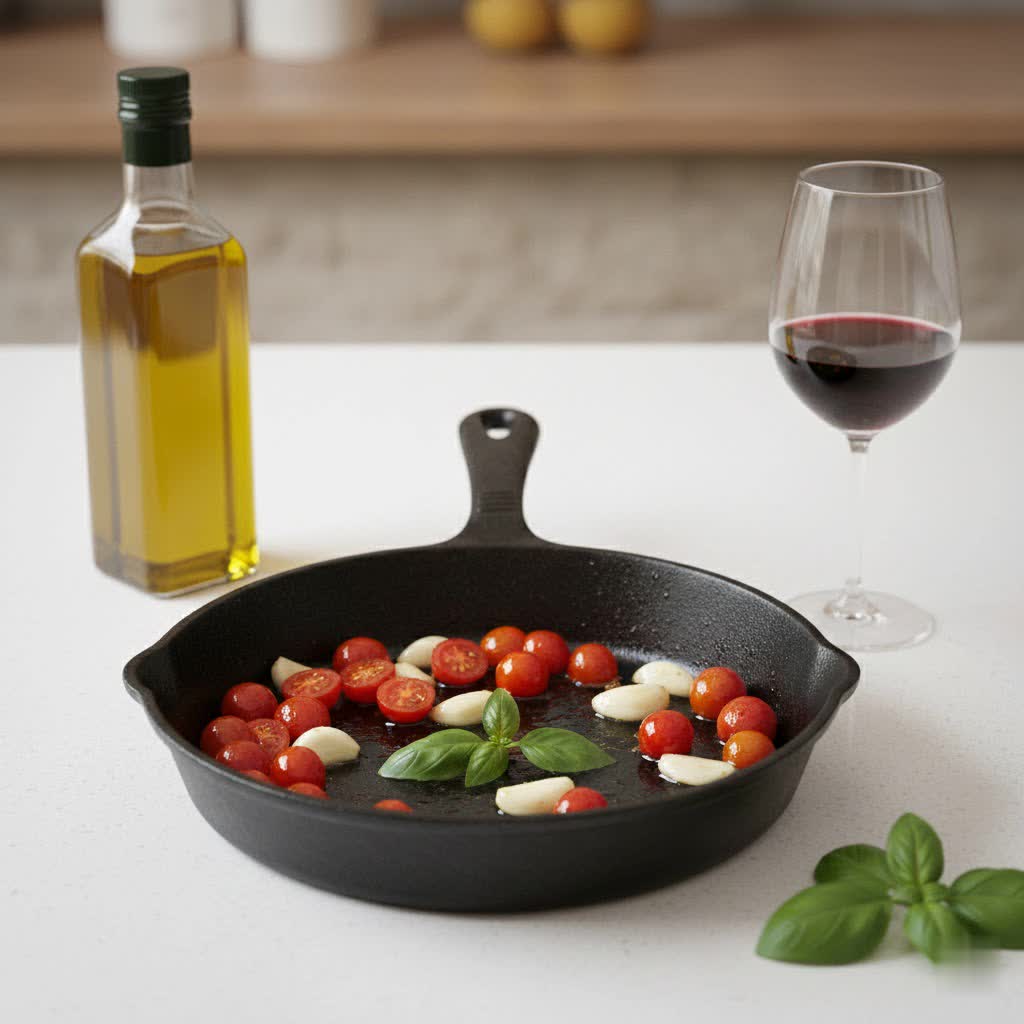
What exactly is an iron skillet, and why does its unique nature dictate specific cleaning methods? At its heart, a traditional cast iron skillet is a piece of cooking equipment made by pouring molten iron into a mold. Its unparalleled heat retention and even heat distribution make it a favorite for searing, frying, and baking. The magic, however, lies in its “seasoning” – a layer of polymerized oil baked onto the surface, creating a natural, non-stick coating and protecting the iron from rust. This seasoning is not merely a coating; it’s a bond that strengthens with every use and proper cleaning.
Historically, cast iron cookware has been a staple in kitchens worldwide for centuries, valued for its robustness and versatility. Early cast iron pieces often had rougher surfaces, requiring more intensive seasoning. Over time, manufacturing processes have improved, leading to smoother finishes and even pre-seasoned pans that are ready to use right out of the box. Understanding this foundation is key to appreciating why certain cleaning practices are not just recommendations but vital for maintaining your skillet’s integrity.
Why Proper Cleaning is Essential for Cast Iron Longevity
Properly cleaning your cast iron skillet isn’t just about hygiene; it’s the cornerstone of its longevity and peak performance. A well-cared-for skillet develops a superior non-stick surface over time, making cooking and cleanup a joy. Conversely, neglect can lead to rust, sticky residue, and a compromised cooking experience.
The benefits extend beyond mere functionality:
- Exceptional Durability and Lifespan: With correct cleaning and maintenance, your cast iron skillet can literally last for hundreds of years, becoming a cherished family heirloom.
- Even Heat Distribution and Retention: Keeping your pan clean ensures optimal heat transfer, preventing hot spots and cooking your food uniformly.
- Natural Non-Stick Surface: A consistently clean and re-oiled pan reinforces its seasoning, enhancing its natural non-stick properties without the need for synthetic coatings.
- Health Safety: Unlike some modern non-stick pans that can flake or release chemicals at high temperatures, a seasoned cast iron skillet offers a safe, chemical-free cooking surface.
- Versatility: A clean, well-maintained skillet can move seamlessly from stovetop to oven to grill, making it incredibly versatile for a wide array of dishes.
Essential Tools for Cleaning Your Cast Iron Skillet
Having the right tools makes cleaning your cast iron skillet quick and effortless. You don’t need a vast collection, but a few key items will significantly aid in maintaining your pan’s condition.
Here’s a breakdown of the essentials:
- Stiff-Bristled Brush or Nylon Scrubber: Ideal for everyday cleaning, these brushes effectively remove food particles without damaging the seasoning.
- Pan Scraper: A plastic pan scraper is invaluable for dislodging stubborn, stuck-on food without scratching the pan’s surface. Wooden spatulas can also serve a similar purpose.
- Coarse Salt (Kosher or Sea Salt): An excellent natural abrasive for more stubborn food residues. When combined with a little oil, it creates a powerful scrubbing paste.
- Paper Towels or Lint-Free Cloths: Essential for wiping down the pan, drying it thoroughly, and applying a thin layer of oil after cleaning. Dedicate a specific cloth, as it might get stained.
- Mild Dish Soap (Optional, for traditional; Recommended for enameled): While historically debated for traditional cast iron, modern mild dish soaps are generally safe for well-seasoned pans. For enameled cast iron, it’s a must.
- Neutral Cooking Oil: Crucial for re-oiling your traditional cast iron skillet after cleaning. Vegetable oil, canola oil, grapeseed oil, or even flaxseed oil work well.
- Chainmail Scrubber (Optional): A popular tool for its ability to scrub away gunk without stripping a good layer of seasoning.
- Steel Wool/Metal Scrubber (For Rust Only): Use with caution and only when dealing with rust, as it can be too abrasive for daily cleaning and will necessitate re-seasoning.
How to Clean a Traditional Cast Iron Skillet (Step-by-Step)
Cleaning a traditional cast iron skillet is a straightforward process once you understand the steps. The goal is to remove food particles without harming the seasoning and to prevent rust.
Immediate Post-Cooking Care
|
Our Picks for the Best Iron Skillet in 2026
As an Amazon Associate I earn from qualifying purchases.
|
||
| Num | Product | Action |
|---|---|---|
| 1 | Lodge 12 Inch Cast Iron Skillet with Red Silicone Hot Handle Holder – Pre-Seasoned Frying Pan for Stove, Oven, Grill & Campfire – Made in the USA – Durable, Nonstick Cast Iron Cookware – Black |

|
| 2 | Lodge Pre-Seasoned Cast Iron Skillet Set - Set Includes 8 Inch Skillet, 10.25 Inch Skillet, and 12 inch Skillet - 3 Piece |
|
| 3 | Cuisinel Cast Iron Skillet with Lid - 12"-Inch Frying Pan + Glass Cover + Silicone Handle Holder - Pre-Seasoned Oven Safe Cookware - Indoor/Outdoor Use - Grill, BBQ, Fire, Stovetop. PFAS and PFOA-free |
|
| 4 | Cuisinel Cast Iron Skillet with Lid - 12"-inch Pre-Seasoned Covered Frying Pan Set + Silicone Handle & Lid Holders + Scraper/Cleaner - Indoor/Outdoor, Oven, Stovetop, Camping Fire, Grill Safe Cookware |
|
| 5 | Lodge 10.25 Inch Cast Iron Skillet – Pre-Seasoned Frying Pan with Teardrop Handle – Oven, Stovetop, Grill & Campfire Use – Made in USA – Durable, Non-Toxic, Even-Heating Cookware – Black |
|
| 6 | Mercer Culinary Pre-Seasoned Cast Iron Skillet, 10.25-Inch |
|
| 7 | EWFEN Cast Iron Skillet 3-Piece Set, Heavy-Duty Professional Restaurant Chef Quality Pre-Seasoned Pan Cookware Set, 6", 8", 10" Pans For Frying, Saute, Cooking, Use Indoor/Outdoor, Oven, Grill |
|
| 8 | Utopia Kitchen Cast Iron Skillets 12 Inch, Chef's Pan, Pre-Seasoned Frying Pan, Stovetop, Oven, Campfire and Grill Large Skillet, Even Heat Distribution Multipurpose Cast Iron Pan - Black |
|
| 9 | Stargazer 10.5-Inch Cast Iron Skillet - Made in USA, Seasoned, Premium Frying Pan for Grilling, Searing, Baking & More – Durable Cast Iron with Smooth Cooking Surface |
|
| 10 | Lodge 12 Inch Pre-Seasoned Cast Iron Skillet - Dual Assist Handles - Use in the Oven, on the Stove, on the Grill, or Over a Campfire - Black |
|
The easiest time to clean your cast iron is often right after use, while it’s still warm but cool enough to handle. This prevents food from hardening and becoming a persistent challenge. Empty any remaining food and allow the pan to cool slightly.
Dealing with Light Messes
For everyday messes, a simple approach is often all you need:
- Rinse with Hot Water: Under warm running water, use a stiff-bristled brush or nylon scrubber to dislodge any food bits.
- Wipe with Oil (Light Cleaning): For very light residue, you can even skip water. Pour a small amount of cooking oil into the warm skillet and scrub with a paper towel or rag until clean. This method also lightly re-oils the pan.
Tackling Stuck-On Food
When food decides to cling a little tighter, more robust methods are required:
- Salt Scrub Method: Sprinkle a tablespoon or two of coarse salt (kosher or sea salt) into the warm skillet. Use a paper towel, a cut potato, or a stiff brush to scrub the salt around, forming an abrasive paste. The salt acts as a gentle abrasive to lift stubborn bits without harming the seasoning. Rinse thoroughly.
- Pan Scraper Technique: For truly caked-on food, a plastic pan scraper can be highly effective. Hold the pan under warm running water and use the scraper to gently push off hardened food.
- Boiling Water Strategy: If food remains stubbornly stuck, fill the pan with about an inch of water and bring it to a boil on the stovetop. Let it simmer for a few minutes, then use a wooden or plastic spatula to scrape away the softened residue. Discard the water, allow to cool slightly, and proceed with regular cleaning.
The “Soap Debate”: When and How Much Soap is Okay
For decades, the mantra was “never use soap on cast iron!” This originated from a time when lye-based soaps were common, which would strip seasoning. Modern mild dish soaps, however, are gentler. Most experts now agree that a small amount of mild dish soap is acceptable for well-seasoned cast iron, especially for removing greasy residue.
> “Modern dish soaps are formulated differently. A quick wash with a small amount of mild soap won’t destroy a well-established seasoning, but always rinse thoroughly and dry immediately.” – Chef Sarah Jenkins, Culinary Educator
If your pan is newly seasoned or if you’re concerned, stick to the salt scrub or hot water methods. However, for a truly clean pan, especially after cooking particularly greasy or strong-smelling foods, a little soap can be beneficial.
Thorough Drying Techniques
This is arguably the most critical step to prevent rust:
- Hand Dry Immediately: As soon as you finish scrubbing and rinsing, dry the skillet thoroughly with paper towels or a clean, lint-free cloth. Do not let it air dry.
- Stovetop Drying: For absolute dryness, place the now-dry skillet on your stovetop over medium heat for a few minutes. You’ll see any residual moisture evaporate. This ensures every last drop of water is gone, preventing rust.
Re-Oiling/Light Seasoning
After drying, your skillet needs a protective layer:
- Apply a Thin Oil Coat: Once the pan is dry and still slightly warm (not hot), add a few drops of neutral cooking oil (e.g., vegetable, canola, grapeseed) to the interior.
- Wipe Excess: Use a paper towel to rub the oil over the entire cooking surface, including the exterior if it’s not enameled. The key is a very thin layer; you want it to look dry, not greasy. Excess oil will lead to a sticky residue. This light re-oiling helps maintain the seasoning and protects against rust.
Cleaning Enameled Cast Iron Skillets: A Different Approach
Enameled cast iron skillets offer the benefits of cast iron’s heat retention with a non-reactive, easier-to-clean surface. Because they have a glass-like enamel coating, their cleaning requirements are different from traditional cast iron.
No Seasoning Required, Gentle Care
Unlike traditional cast iron, enameled cast iron does not require seasoning. The enamel coating protects the iron, makes it naturally non-reactive to acidic foods, and simplifies cleanup. However, the enamel can chip or crack if mishandled.
Approved Tools and Cleaners
- Warm Soapy Water and Mild Dish Soap: This is the go-to for enameled cast iron. Use a gentle dish soap.
- Soft Sponges and Nylon Brushes: These are perfect for scrubbing the surface without scratching the enamel.
- Plastic Pan Scrapers: Effective for dislodging stuck-on food.
- Specialized Enamel Cleaners: Some brands offer cleaners specifically designed for stubborn stains on enamel.
Handling Stuck-On Food
- Soaking: If food is stuck, fill the pan with warm, soapy water and let it soak for 15-20 minutes to loosen the residue.
- Baking Soda Boil: For more stubborn, baked-on food, fill the pan with 2 cups of water and 4 tablespoons of baking soda. Bring to a simmer for 8-10 minutes. The baking soda helps lift the food, which can then be easily scraped off with a soft utensil.
- For Stains: Enameled cast iron can develop stains over time. A paste of baking soda and water applied with a soft sponge can often remove these. For very persistent stains, some sources suggest a dilute bleach solution (3 tablespoons bleach per quart of water) for 2-3 hours, followed by thorough washing. Always rinse and dry completely.
What to Avoid
- Metal Scrapers or Steel Wool: These can scratch or chip the enamel surface.
- Abrasive Cleaners: Harsh scrubbing powders can damage the glossy finish.
- Sudden Temperature Changes (Thermal Shock): Never put a hot enameled pan into cold water or vice-versa, as this can cause the enamel to crack.
- Citrus-Based Cleaners: These can dull the exterior gloss of the enamel.
- Dishwashers: While some manufacturers claim dishwasher-safe, hand washing is generally recommended to preserve the finish over time.
Restoring Your Cast Iron: How to Handle Rust and Stubborn Stains
Even with the best intentions, rust can appear on traditional cast iron, and stubborn stains can mar enameled pieces. Don’t despair; most issues are fixable!
Rust Removal (Traditional Cast Iron)
Rust forms when bare iron is exposed to moisture. Addressing it promptly is key:
- Aggressive Scrubbing: Use steel wool, a metal scrubber, or a sturdy brush with warm, soapy water. Scour the rusted areas vigorously until all visible rust is gone. For larger rust patches, you might use a rust eraser or even fine-grit sandpaper.
- Rinse and Dry Thoroughly: After scrubbing, rinse the pan completely to remove all rust particles and soap residue. Immediately dry it thoroughly, ideally by heating it on the stovetop.
- Re-Seasoning: This is crucial after rust removal. Apply a very thin, even layer of neutral cooking oil to the entire pan (inside and out). Place the pan upside down in a preheated oven (450-500°F / 230-260°C) for one hour, with aluminum foil on the rack below to catch drips. Turn off the oven and let the pan cool completely inside. Repeat this seasoning process 2-3 times for a robust new layer.
Deep Cleaning for Traditional Cast Iron
If your traditional cast iron has accumulated a sticky, uneven seasoning or thick gunk, a deep clean might be necessary, essentially resetting the pan. This involves stripping the old seasoning, which can be done with a lye-based oven cleaner (in a well-ventilated area, with gloves and eye protection) or through electrolysis. This is an advanced technique, and for most everyday issues, rust removal followed by re-seasoning is sufficient.
Stain Removal for Enameled Cast Iron
For persistent discoloration or light stains on enameled cast iron:
- Baking Soda Paste: Mix baking soda with a little water to form a paste. Apply it to the stained area, let it sit for a while, then gently scrub with a soft sponge.
- Specialized Cleaners: Products like Bar Keepers Friend (powder form, used sparingly with water) can be effective for tough stains on enamel, but always test in an inconspicuous area first and avoid abrasive scrubbing.
- Bleach Solution (for extreme cases): As mentioned, a dilute bleach solution can tackle very stubborn stains, but use with caution and rinse exceptionally well.
Maintaining Your Cast Iron Skillet’s Pristine Condition
Consistent maintenance is the secret to a happy, long-lasting cast iron skillet. By incorporating a few simple habits, you can ensure your pan performs flawlessly for decades.
Regular Seasoning Tips
- Post-Cleaning Oil: Always apply a thin layer of oil after every wash and dry. This replenishes the seasoning.
- Cook with Oil: Regularly cooking with fats and oils, especially high smoke point oils, helps build and strengthen the seasoning over time.
- Avoid Harsh Utensils: While cast iron is tough, excessively scraping with metal utensils can scratch and compromise the seasoning. Use wood, silicone, or plastic when possible.
Storage Best Practices
- Dry Environment: Store your cast iron in a cool, dry place to prevent moisture buildup and rust.
- Prevent Scratches: If stacking pans, place a paper towel or a soft cloth between them to protect the cooking surface from scratches.
- Lids: If storing with a lid, place a paper towel between the lid and the pan to allow for air circulation and prevent moisture trapping.
Common Mistakes to Avoid
- The Dishwasher: Never put traditional cast iron in the dishwasher. The harsh detergents and prolonged exposure to water will strip seasoning and cause rust.
- Soaking: Avoid leaving traditional cast iron to soak in water for extended periods, as this is a primary cause of rust.
- Air Drying: Always dry your cast iron immediately and thoroughly to prevent rust.
- Over-Oiling: Applying too much oil after cleaning can leave a sticky residue. Use just enough to create a thin, almost dry sheen.
- Using Abrasives on Enameled Cast Iron: Metal scrubbers or harsh abrasive cleaners can permanently damage the enamel.
Expert Tips for a Lifetime of Cast Iron Cooking
Beyond the basics, a few expert insights can elevate your cast iron care routine, transforming your skillet into an unparalleled kitchen companion. Embrace the philosophy that cast iron improves with age and use, not despite it.
> “Think of your cast iron skillet like a garden. Consistent, gentle care yields the most beautiful results. Every cleaning is an opportunity to nurture its seasoning.” – Dr. Emily Chen, Food Science Researcher
Always preheat your cast iron slowly and thoroughly before adding food. This prevents thermal shock and ensures even cooking. For traditional skillets, avoid cooking highly acidic foods (like tomato sauce or vinegar-based dishes) for prolonged periods, especially when the seasoning is new or weak, as acidity can strip the seasoning. If you do, clean and re-oil immediately afterward. Remember that a perfectly seasoned pan will develop a deep, dark patina over time. Minor imperfections or changes in color are normal and part of its unique character. Don’t strive for pristine; strive for functional perfection.
Where to Find Reliable Cast Iron Care Products
Maintaining your cast iron skillet often benefits from a few specialized products designed for its unique needs. You can typically find these items at several reliable locations.
Most well-stocked kitchen supply stores or specialty cookware shops will carry items like chainmail scrubbers, pan scrapers, and cast iron seasoning oils. Major department stores with kitchenware sections often have a selection of these products, particularly from popular brands like Lodge. For the widest variety and often competitive pricing, online retailers such as Amazon, Lodge Cast Iron’s official website, or other dedicated kitchenware e-commerce sites are excellent resources. Always check reviews to ensure product quality and efficacy, looking for items specifically designed for cast iron to guarantee compatibility and optimal results.
Cleaning Checklist for Your Cast Iron Skillet
Keeping your cast iron skillet in top condition is simple with a consistent routine. Use this quick checklist as your guide to flawless care after every use.
| Item | Traditional Cast Iron | Enameled Cast Iron |
|---|---|---|
| Cooling | Allow to cool slightly (warm is okay) | Allow to cool completely to room temperature |
| Cleaning Agent | Hot water, mild soap (optional), coarse salt | Warm water, mild dish soap (essential) |
| Scrubber | Stiff brush, nylon scrubber, chainmail, pan scraper | Soft sponge, nylon brush, plastic pan scraper |
| Stubborn Food | Salt scrub, boiling water, pan scraper | Soaking (warm soapy water), baking soda boil, pan scraper |
| Drying | Immediately hand dry, then stovetop dry | Immediately hand dry |
| Post-Clean Care | Apply thin layer of neutral cooking oil | No oil needed |
| Rust Treatment | Steel wool/metal scrubber, re-season (if needed) | No rust (only rim of unenameled lids need occasional oil) |
| Avoid | Dishwasher, prolonged soaking, air drying, too much oil | Abrasive scrubbers, metal utensils, thermal shock, citrus cleaners, dishwashers (for finish) |
Conclusion
Caring for your cast iron skillet is an art, but it’s one easily mastered with the right knowledge and consistent practice. From understanding the vital role of seasoning to mastering the delicate balance of cleaning and re-oiling, you now possess the expertise to ensure your iron skillet remains a cherished, high-performing tool. Whether you wield a traditional or an enameled piece, remember that meticulous cleaning is not just maintenance; it’s an investment in countless delicious meals and enduring culinary memories. Embrace these practices, and your cast iron will not merely last a lifetime – it will thrive. What culinary masterpiece will you create next in your perfectly maintained skillet?
Frequently Asked Questions
Can I really use soap on my cast iron skillet?
Yes, modern mild dish soaps are generally safe for well-seasoned cast iron. The old rule about avoiding soap stemmed from harsh lye-based soaps, which would strip seasoning. Today’s gentle detergents won’t harm a properly established seasoning, but always rinse thoroughly and dry your pan immediately afterward to prevent rust.
How do I remove burnt food from my cast iron without ruining the seasoning?
For stubborn burnt-on food, you can use a few methods. Try scrubbing with coarse salt and a paper towel, or use a plastic pan scraper under warm water. If very persistent, boil an inch of water in the skillet for a few minutes and then scrape with a wooden spatula. Always re-oil lightly after cleaning.
My cast iron skillet has rust. Is it ruined?
Absolutely not! Rust on cast iron is almost always fixable. Scrub the rusted areas vigorously with steel wool or a metal scrubber and warm, soapy water until all rust is gone. Rinse thoroughly, dry immediately on the stovetop, and then re-season the pan multiple times to build a new protective layer.
How often should I season my cast iron skillet?
For a well-seasoned pan, a light re-oiling after every cleaning is usually sufficient. If you notice food starting to stick more, or if the pan looks dull, it might be time for a more intensive re-seasoning process (applying oil and baking it in the oven). Regular cooking with fats also contributes to maintaining seasoning.
What’s the best way to dry my cast iron skillet to prevent rust?
After washing, immediately dry your cast iron skillet thoroughly with paper towels or a lint-free cloth. To ensure all moisture is gone, place the dry pan on your stovetop over medium heat for a few minutes until any remaining water evaporates. This critical step prevents rust from forming.
