Have you ever wondered about that iconic piece of cookware that promises to last a lifetime and only gets better with age? Welcome to the world of the pre-seasoned cast iron skillet. In an era of fleeting kitchen gadgets, this robust workhorse stands apart, offering unparalleled durability, exceptional cooking performance, and a natural non-stick surface that improves with every meal. If you’re ready to transform your cooking experience and invest in a true kitchen heirloom, you’ve come to the right place. This comprehensive guide will walk you through everything you need to know about choosing, using, and caring for your pre-seasoned cast iron skillet, ensuring it becomes your most cherished kitchen tool.
What is a Pre-Seasoned Cast Iron Skillet?
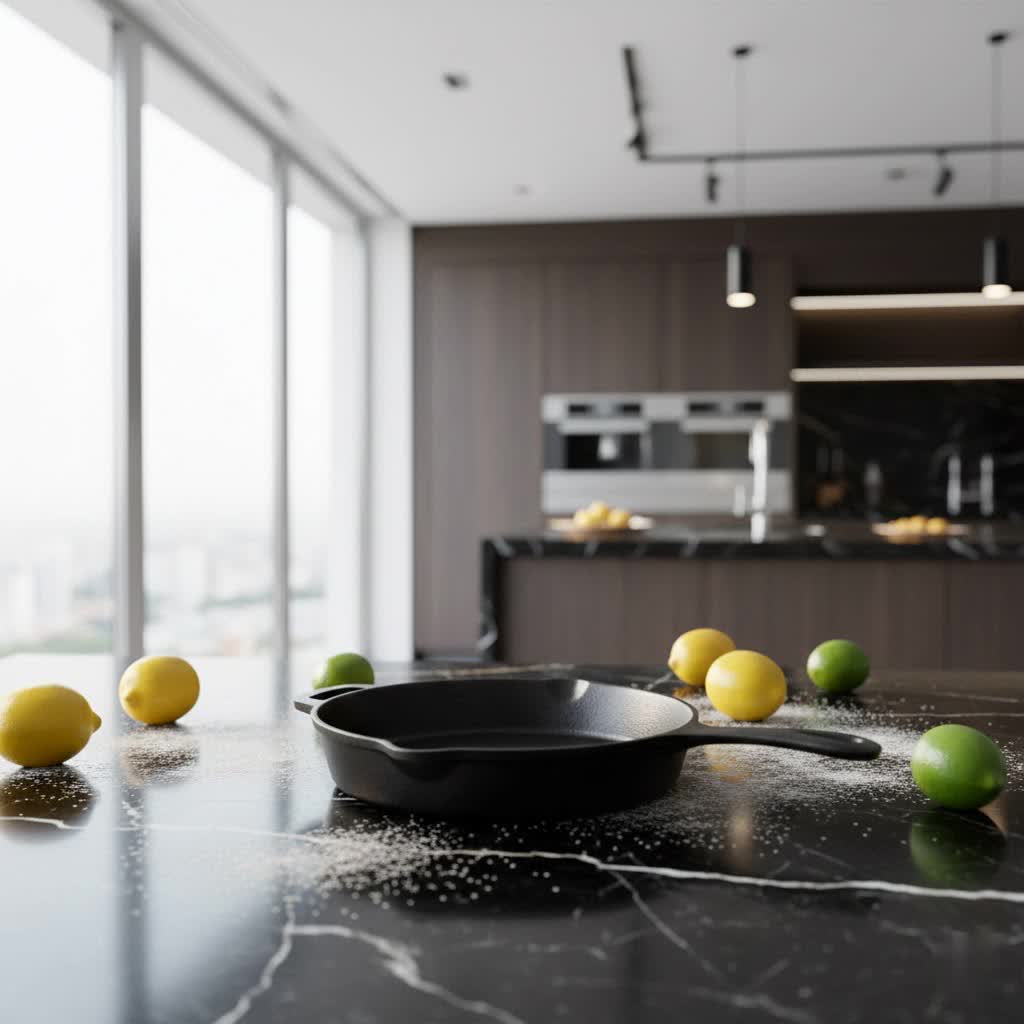
A pre-seasoned cast iron skillet is essentially a traditional cast iron pan that has undergone an initial “seasoning” process at the factory. Seasoning refers to a layer of polymerized oil – often a soy-based vegetable oil – that has been baked onto the iron at a very high temperature. This factory-applied layer serves two crucial purposes: it protects the raw iron from rust during shipping and storage, and it provides an immediate, foundational non-stick surface, making the skillet ready for use right out of the box after a quick wash. While all cast iron pans require seasoning to build up their legendary non-stick properties and protect against corrosion, pre-seasoned skillets give you a head start, eliminating the labor-intensive initial seasoning steps often associated with raw cast iron.
The history of cast iron cookware dates back centuries, with evidence suggesting its use in China as early as the 6th century BC. European nations, particularly France and England, later adopted and refined cast iron production, making it a staple in kitchens worldwide. Its enduring popularity stems from its fundamental material properties and the unique cooking experience it offers.
Superior Advantages of Cast Iron Skillets
Cast iron skillets, especially pre-seasoned ones, are celebrated for a multitude of benefits that elevate them above most other cookware. Their inherent qualities make them a favorite among professional chefs and home cooks alike.
First and foremost is their exceptional durability and longevity. Unlike typical non-stick pans that degrade and need replacement every few years, a well-maintained cast iron skillet can last for generations. It is virtually indestructible, capable of withstanding rigorous use without warping, chipping, or breaking. Many cast iron enthusiasts proudly cook with skillets passed down through their families, testaments to their incredible lifespan.
Another significant advantage is their superior heat retention and even heat distribution. Cast iron heats up slowly but holds onto that heat remarkably well, ensuring a consistent cooking temperature across the entire surface. This even heating prevents hot spots and is perfect for achieving perfect searing, browning, and uniform cooking results, whether you’re on a stovetop, in an oven, or over an open flame.
Perhaps the most beloved feature of a pre-seasoned cast iron skillet is its ability to develop a natural non-stick layer that improves over time. With each use, especially when cooking with fats and oils, the seasoning layer strengthens and smooths out, creating a naturally slick surface. This chemical-free non-stick quality is healthier than synthetic coatings and, with proper care, can become incredibly effective for everything from eggs to delicate fish.
Furthermore, cast iron is considered safe for health as it doesn’t contain the harmful chemicals often found in traditional non-stick coatings. When you cook with cast iron, you’re interacting with pure iron and polymerized oil, a completely natural cooking surface. There’s even a minor benefit of dietary iron leaching into food, though it’s not a primary health claim.
Finally, cast iron skillets are incredibly versatile. They are compatible with nearly all heat sources, including gas, electric, induction cooktops, ovens, grills, and even campfires. This adaptability allows you to seamlessly transition from searing on the stovetop to finishing a dish in the oven, making them ideal for a wide range of recipes from everyday meals to gourmet creations.
Popular Types of Cast Iron Skillets
While the core material remains the same, cast iron skillets come in various forms, each suited for different preferences and cooking needs. Understanding these types can help you make an informed decision when purchasing.
The traditional cast iron skillet, often pre-seasoned, is the most common and versatile type. It features a rugged, durable surface that builds up seasoning over time, offering excellent heat retention and natural non-stick properties. These are the workhorses of the kitchen, perfect for searing, frying, baking, and roasting.
Enameled cast iron skillets are another popular option. Unlike traditional cast iron, these are coated with a layer of porcelain enamel, which means they do not require seasoning and are typically easier to clean. Enameled cast iron is less reactive to acidic foods and often comes in a variety of vibrant colors, making it attractive for serving. However, it can be more expensive, heavier, and may have a lower maximum heat tolerance compared to traditional cast iron.
Some cast iron skillets feature wooden handles. These can be more comfortable to grip and stay cooler during stovetop cooking. However, the wooden handle limits their oven-safe temperature or prohibits oven use entirely, making them less versatile for recipes that require stovetop-to-oven transitions.
Finally, mini cast iron skillets are adorable and practical for specific uses. They are perfect for individual servings, frying a single egg, preparing side dishes, or even baking small desserts like skillet cookies. Their compact size makes them easy to store and handle.
Guide to Choosing the Right Cast Iron Skillet
Selecting the perfect cast iron skillet involves considering your specific cooking habits, kitchen setup, and personal preferences. A thoughtful choice will ensure your skillet serves you well for decades.
Size and Depth
Consider your typical cooking volume and the types of dishes you prepare.
- For individuals or small families, a 6 to 8-inch skillet is ideal for single servings, frying eggs, or small side dishes.
- For most home cooks and families of 2-4, a 10 to 12-inch skillet is the most versatile option, suitable for searing steaks, frying chicken, baking cornbread, or preparing one-pan meals. This size offers ample cooking surface without being overly cumbersome.
- Larger families or those who frequently entertain might prefer a 13-inch or larger skillet, which can accommodate bigger cuts of meat or multiple servings.
|
Our Picks for the Best Iron Skillet in 2026
As an Amazon Associate I earn from qualifying purchases.
|
||
| Num | Product | Action |
|---|---|---|
| 1 | Lodge Pre-Seasoned Cast Iron Skillet Set - Set Includes 8 Inch Skillet, 10.25 Inch Skillet, and 12 inch Skillet - 3 Piece |

|
| 2 | Cuisinel Cast Iron Skillet with Lid - 12"-inch Pre-Seasoned Covered Frying Pan Set + Silicone Handle & Lid Holders + Scraper/Cleaner - Indoor/Outdoor, Oven, Stovetop, Camping Fire, Grill Safe Cookware |
|
| 3 | Utopia Kitchen Cast Iron Skillets 12 Inch, Chef's Pan, Pre-Seasoned Frying Pan, Stovetop, Oven, Campfire and Grill Large Skillet, Even Heat Distribution Multipurpose Cast Iron Pan - Black |
|
| 4 | Mercer Culinary Pre-Seasoned Cast Iron Skillet, 10.25-Inch |
|
| 5 | Stargazer 10.5-Inch Cast Iron Skillet - Made in USA, Seasoned, Premium Frying Pan for Grilling, Searing, Baking & More – Durable Cast Iron with Smooth Cooking Surface |
|
| 6 | Cuisinel Cast Iron Skillet with Lid - 12"-Inch Frying Pan + Glass Cover + Silicone Handle Holder - Pre-Seasoned Oven Safe Cookware - Indoor/Outdoor Use - Grill, BBQ, Fire, Stovetop. PFAS and PFOA-free |
|
| 7 | Lodge 12 Inch Pre-Seasoned Cast Iron Skillet - Dual Assist Handles - Use in the Oven, on the Stove, on the Grill, or Over a Campfire - Black |
|
| 8 | Lodge 12 Inch Cast Iron Skillet with Red Silicone Hot Handle Holder – Pre-Seasoned Frying Pan for Stove, Oven, Grill & Campfire – Made in the USA – Durable, Nonstick Cast Iron Cookware – Black |
|
| 9 | Lodge 10.25 Inch Cast Iron Skillet – Pre-Seasoned Frying Pan with Teardrop Handle – Oven, Stovetop, Grill & Campfire Use – Made in USA – Durable, Non-Toxic, Even-Heating Cookware – Black |
|
| 10 | EWFEN Cast Iron Skillet 3-Piece Set, Heavy-Duty Professional Restaurant Chef Quality Pre-Seasoned Pan Cookware Set, 6", 8", 10" Pans For Frying, Saute, Cooking, Use Indoor/Outdoor, Oven, Grill |
|
Weight
Cast iron is inherently heavy, which contributes to its excellent heat retention. However, too heavy a pan can be difficult to lift and maneuver, especially when full.
- Assess your strength and comfort level with handling heavier cookware. Some brands offer slightly lighter cast iron options, but be aware that extreme lightness might compromise some heat retention.
- Look for skillets with a “helper handle” on the opposite side of the main handle. This secondary handle significantly aids in lifting and transporting the pan, particularly larger or heavier models, reducing strain and improving safety.
Material and Coating
While the core is always cast iron, variations exist.
- Prioritize pure cast iron with a robust factory pre-seasoning for the best long-term performance and natural non-stick development. Inspect the surface for an even, dark finish.
- If considering an enameled cast iron skillet, choose high-quality enamel from reputable brands. While they don’t require seasoning, quality enamel resists chipping and staining better. Understand that their non-stick properties might differ from a well-seasoned traditional skillet.
Handle
The handle design is crucial for comfort and safety.
- Choose a sturdy, integrated cast iron handle that feels balanced in your hand. While these handles get hot, they offer maximum oven versatility. Always use an oven mitt or a silicone handle cover.
- Ergonomic designs or handles with a slight curve or thumb rest can offer a more comfortable grip.
- For larger skillets, the presence of a helper handle is almost a necessity for safe lifting and pouring.
Brand and Price
Investing in a reputable brand often guarantees quality and longevity.
- Lodge is widely regarded as a benchmark for affordable, high-quality pre-seasoned cast iron, offering excellent value and performance for its price.
- Other brands like Victoria, Field Company, and Finex offer premium options with smoother finishes or unique designs, often at a higher price point.
- For enameled cast iron, Le Creuset and Staub are top-tier brands known for their craftsmanship and durability.
- Compare prices across different retailers and consider sales, but view a cast iron skillet as a long-term investment rather than a disposable item. The initial cost spread over decades of use makes even pricier options economical.
Comparing Famous Cast Iron Skillet Brands
When delving into the world of cast iron, certain brands consistently rise to the top for their quality, innovation, and user satisfaction. Here’s a comparison of some leading brands, focusing on their pre-seasoned offerings where applicable, and noting key differences.
| Brand | Key Features (Focus on Pre-Seasoned) | Quality & Durability | Price Range | Special Features |
|---|---|---|---|---|
| Lodge | Most popular for pre-seasoned cast iron; wide range of sizes. | Excellent; renowned for longevity and consistent performance. | Affordable ($$) | Made in USA; rougher surface texture that aids seasoning adhesion; often includes a helper handle; readily available. |
| Victoria | Pre-seasoned; noted for longer, ergonomic handles and dual pour spouts. | Very good; often praised for better initial seasoning than Lodge. | Affordable ($$) | Longer, thinner handle that stays cooler longer; excellent pour spouts; large loop helper handle. |
| Field Company | Lighter weight and smoother cooking surface; pre-seasoned. | Premium quality; designed for a lifetime of use. | Higher-end ($$$) | Smoother, polished surface for a more naturally non-stick experience; lighter weight for easier handling; classic aesthetic. |
| FINEX | Polished, smooth surface; distinctive octagonal shape; pre-seasoned. | High-end craftsmanship; extremely durable. | Premium ($$$$) | Ergonomic spring handles that dissipate heat; unique octagonal shape for easy pouring from any angle; very smooth cooking surface; often comes with a lid. |
| Le Creuset | Enameled cast iron (not typically pre-seasoned in the traditional sense). | Exceptional; heirloom quality. | Luxury ($$$$$) | Vibrant color range; superior heat distribution; black satin enamel interior for searing (requires no seasoning); dishwasher safe. |
| Staub | Enameled cast iron. | Exceptional; highly durable. | Luxury ($$$$$) | Known for self-basting lids (on Dutch ovens); excellent heat retention and distribution; durable enamel finishes; typically features a matte black enamel interior. |
Detailed Comparison Table of Cast Iron Skillet Models
While brand comparison gives a general idea, looking at specific models can highlight nuanced differences. Below is an example comparison, focusing on popular pre-seasoned options.
| Model | Size (Diameter) | Weight (approx.) | Material | Price (approx.) | Pros | Cons |
|---|---|---|---|---|---|---|
| Lodge 10.25-inch Pre-Seasoned | 10.25 inches | 5.4 lbs | Cast Iron | $25-$30 | Excellent value; durable; good heat retention; helper handle. | Rougher texture initially; seasoning can require upkeep. |
| Victoria 10-inch Pre-Seasoned | 10 inches | 5.35 lbs | Cast Iron | $25-$35 | Longer, ergonomic handle; dual pour spouts; good factory seasoning. | Can still be heavy for some; not as widely available as Lodge. |
| Field Company No. 8 Skillet | 10.25 inches | 4.5 lbs | Cast Iron | $160-$175 | Smoother surface; lighter weight; elegant design; pre-seasoned. | Significantly more expensive; premium investment. |
| FINEX 10-inch Cast Iron Skillet | 10 inches | 6.5 lbs | Cast Iron | $200-$225 | Octagonal design; coil handle; very smooth finish; pre-seasoned. | Heaviest of this size; highest price point. |
This table illustrates that while Lodge and Victoria offer fantastic entry-level and everyday options, brands like Field Company and FINEX cater to those seeking a more refined experience with smoother surfaces and thoughtful design elements, albeit at a higher cost.
How to Properly Use and Maintain Your Cast Iron Skillet
The secret to a long-lasting, naturally non-stick cast iron skillet lies in consistent and correct usage and maintenance. It’s simpler than you might think, and these habits will become second nature over time.
Seasoning Cast Iron
Even though your skillet comes pre-seasoned, continuing to build up this protective layer is key to its performance and longevity. Seasoning is a polymerized layer of oil that bonds to the iron, creating a smooth, non-stick surface and preventing rust.
- Initial use: After receiving your pre-seasoned skillet, hand-wash it with hot water, and a tiny bit of mild soap if desired, then dry it immediately and thoroughly. Many experts recommend applying a thin coat of cooking oil before your very first use, and before each subsequent use, to further build up the seasoning and prevent rust.
- How to re-season a damaged layer: If your seasoning looks dry, patchy, or food starts sticking consistently, it’s time to re-season. Clean the skillet thoroughly. Apply a very thin, even layer of high smoke point cooking oil (like vegetable, canola, or grapeseed oil) over the entire surface of the skillet, wiping off any excess so it appears almost dry to the touch. Place the skillet upside down in an oven preheated to 350-400°F (175-200°C) for one hour. Placing aluminum foil on the rack below can catch any drips. Let it cool completely in the oven. Repeat this process a few times for a robust new layer of seasoning.
Cleaning Cast Iron
Forget everything you might have heard about never using soap on cast iron. Modern dish soaps are milder than those of the past and won’t strip away well-established seasoning.
- After each use: The easiest time to clean your cast iron is while it’s still warm. Rinse it with hot water. For most messes, a stiff brush or a pan scraper is sufficient to remove food particles.
- For stubborn food: If food is stuck, you can simmer water in the skillet for 3-5 minutes, then scrape with a pan scraper once cooled. Alternatively, scrub with a mixture of coarse salt and a few tablespoons of cooking oil, then rinse.
- Using soap: You can use a small amount of mild dish soap, especially for heavy-duty cleaning, but always ensure you dry the skillet immediately and thoroughly afterward. Never let it air dry, as this is the quickest way for rust to form.
- What to avoid: Do not use metal scouring pads (like steel wool) as they will strip the seasoning. Avoid putting your cast iron skillet in the dishwasher; the harsh detergents will remove seasoning and promote rust.
Storing Cast Iron
Proper storage is crucial for maintaining your skillet’s seasoning and preventing rust.
- Always dry thoroughly: After washing, place the skillet on low heat on the stovetop for a few minutes to ensure it’s completely dry.
- Apply a light oil coat: Once dry and still warm, rub a very thin layer of cooking oil over the entire surface, inside and out, with a paper towel. This adds a protective barrier.
- Store in a dry place: Store your cast iron in a dry cabinet or hang it up. If stacking with other pans, place a paper towel between them to absorb any moisture and prevent scratches.
> “The biggest barrier to ditching nonstick for cast iron is usually just unlearning the habits taught to us by Teflon. Once you get the hang of it, cast iron care is surprisingly easy.” – The Ironclad Co.
Tips for Better Cooking with Cast Iron Skillets
Unlock the full potential of your cast iron skillet with these simple cooking tips, designed to enhance both your culinary results and the pan’s performance.
- Preheat Slowly and Thoroughly: Cast iron needs time to heat up evenly. Place your skillet on medium-low heat and allow it to preheat for 5-10 minutes before adding any oil or food. A properly preheated skillet ensures even cooking and prevents sticking.
- Use Appropriate Heat: Due to its excellent heat retention, cast iron often requires lower heat settings than other pans. Avoid cooking on high heat unless specifically searing for short periods. Starting with medium-low heat and adjusting as needed is a good practice.
- Always Use a Little Fat: Even with a well-seasoned pan, a small amount of cooking oil, butter, or animal fat will help food release smoothly and further contribute to building your seasoning layer.
- Avoid Overcrowding: Give your food space! Overcrowding the pan can drop the temperature, steam the food instead of searing it, and lead to uneven cooking and sticking. Cook in batches if necessary.
- Limit Acidic Foods, Especially Early On: Highly acidic foods like tomatoes, lemon juice, or vinegar can strip away the seasoning, particularly in newer skillets or those with less robust seasoning. While occasional use is fine for well-seasoned pans, it’s best to avoid prolonged cooking of highly acidic dishes until your skillet has a very strong, established seasoning.
- Use the Right Utensils: Opt for wooden, silicone, or heat-resistant plastic utensils to protect your seasoning. While a well-seasoned pan can tolerate occasional metal utensil use, it’s generally best to minimize it, especially during the seasoning development phase.
Delicious Dishes to Make With a Cast Iron Skillet
The versatility of a cast iron skillet means you can cook an incredible array of dishes, from savory mains to delectable desserts. Here are just a few ideas to get you started:
- Perfectly Seared Steak: The high, even heat of cast iron creates an unparalleled crust on steaks, locking in juices for a tender, flavorful result.
- Crispy Fried Chicken: Achieve a golden-brown, crispy exterior and juicy interior thanks to cast iron’s consistent heat.
- Fluffy Cornbread: Baking cornbread in a preheated cast iron skillet gives it a wonderfully crispy crust and a moist crumb.
- Skillet Pizza: For a crispier crust than a traditional oven-baked pizza, try cooking it in a hot cast iron skillet.
- Roasted Vegetables: From Brussels sprouts to potatoes, vegetables roast beautifully in cast iron, developing rich caramelized flavors.
- Skillet Cookies and Brownies: Bake decadent desserts directly in the skillet for a warm, shareable treat that’s easy to serve.
- Breakfast Favorites: Fry eggs, bacon, or make pancakes with ease once your seasoning is well-established.
Where to Buy Reliable Cast Iron Skillets?
Finding a reliable cast iron skillet is easier than ever, with options available for every budget and preference.
- Home Goods Stores: Many kitchenware and home goods stores carry popular brands like Lodge, allowing you to see and feel the skillets before purchasing.
- Supermarkets/Department Stores: Larger supermarkets and department stores often stock basic but reliable cast iron options, particularly during seasonal promotions.
- Online Retailers: Websites like Amazon, Walmart, and the official brand websites (Lodge, Victoria, Field Company, etc.) offer the widest selection, competitive pricing, and user reviews to help guide your choice. Be sure to check seller reputation if purchasing from third-party vendors.
- Specialty Cookware Shops: For high-end brands like Le Creuset or Staub, specialty cookware stores provide expert advice and a chance to experience the luxury feel firsthand.
Buying Guide (Cast Iron Skillet)
Choosing your ideal pre-seasoned cast iron skillet doesn’t have to be complicated. Keep these key factors in mind to ensure you select a pan that will be a joy to cook with for years to come.
1. Consider Your Core Needs: Are you cooking for one or a family? What types of dishes do you make most often? This will dictate the optimal size (10-12 inches is generally the most versatile for most households).
2. Prioritize Pre-Seasoned: Look for “pre-seasoned” to ensure it’s ready for immediate use and to minimize initial seasoning effort.
3. Assess Weight and Handling: While heavy is good for heat, ensure you can comfortably lift and maneuver the skillet, especially when full. A helper handle is a significant bonus for larger pans.
4. Brand Reputation Matters: Brands like Lodge offer excellent quality and value, making them a safe and reliable choice for beginners and seasoned cooks alike.
5. Budget vs. Investment: Cast iron is a long-term investment. While affordable options exist, spending a bit more on a premium brand can offer a smoother finish or enhanced design features that might improve your overall cooking experience.
6. Check for Key Features: Look for integrated handles for oven versatility, and pour spouts if you frequently drain liquids.
Ultimately, the best cast iron skillet is one that fits your lifestyle and encourages you to cook more. Don’t be intimidated by its reputation; with a little care, your pre-seasoned cast iron skillet will become an indispensable part of your culinary journey.
Conclusion
The pre-seasoned cast iron skillet is more than just a pan; it’s a timeless culinary tool that offers exceptional durability, superior heat performance, and a naturally evolving non-stick surface. By understanding its advantages, choosing the right size and brand, and committing to simple care routines, you’re not just buying cookware—you’re investing in a legacy that can last for generations. Embrace the art of cooking with cast iron, and you’ll discover a richer, more flavorful world in your kitchen.
What will be the first dish you master in your new pre-seasoned cast iron skillet?
Frequently Asked Questions
Do pre-seasoned cast iron skillets need to be seasoned again?
Yes, while pre-seasoned skillets come with a factory-applied layer, they benefit greatly from continued seasoning through regular use and occasional re-seasoning to build up a robust, naturally non-stick surface and prevent rust. Each time you cook with oil, you’re reinforcing the seasoning.
Can I use soap to clean my cast iron skillet?
Contrary to popular belief, modern mild dish soap is generally safe for cleaning well-seasoned cast iron skillets. The key is to immediately and thoroughly dry the skillet on the stovetop after washing and apply a thin layer of oil to maintain the seasoning.
Why is my food sticking to my pre-seasoned cast iron skillet?
Food sticking can occur for several reasons: the skillet wasn’t preheated properly (not hot enough), not enough cooking oil was used, the seasoning layer is thin or damaged, or the pan was overcrowded. Ensure you preheat slowly, use sufficient fat, and allow your seasoning to build over time.
How do I prevent rust on my cast iron skillet?
The best way to prevent rust is to always dry your cast iron skillet immediately and thoroughly after washing, preferably by heating it on the stovetop. Following this, apply a very thin layer of cooking oil over the entire surface before storing it in a dry place.
Is enameled cast iron better than traditional pre-seasoned cast iron?
Neither is inherently “better”; they serve different purposes. Enameled cast iron requires no seasoning, is easier to clean, and handles acidic foods well, but it’s typically more expensive and can be heavier. Traditional pre-seasoned cast iron is more affordable, excels at searing at high temperatures, and develops a natural non-stick surface that improves with age.
Can I cook acidic foods like tomato sauce in my cast iron skillet?
It’s generally recommended to limit cooking highly acidic foods in traditional cast iron, especially when the seasoning is new or weak, as acids can strip the seasoning and impart a metallic taste. Well-seasoned pans can tolerate occasional acidic cooking, but it’s best to avoid prolonged exposure.
