For centuries, the humble cast iron skillet pan has been a cornerstone of kitchens worldwide, celebrated for its unparalleled durability and exceptional cooking performance. Whether you’re a seasoned chef or just beginning your culinary journey, understanding this timeless piece of cookware can transform your cooking experience. This guide will delve into everything you need to know about cast iron skillet pans, from their rich history and unique benefits to choosing the perfect one, proper care, and delicious recipes to get you started.
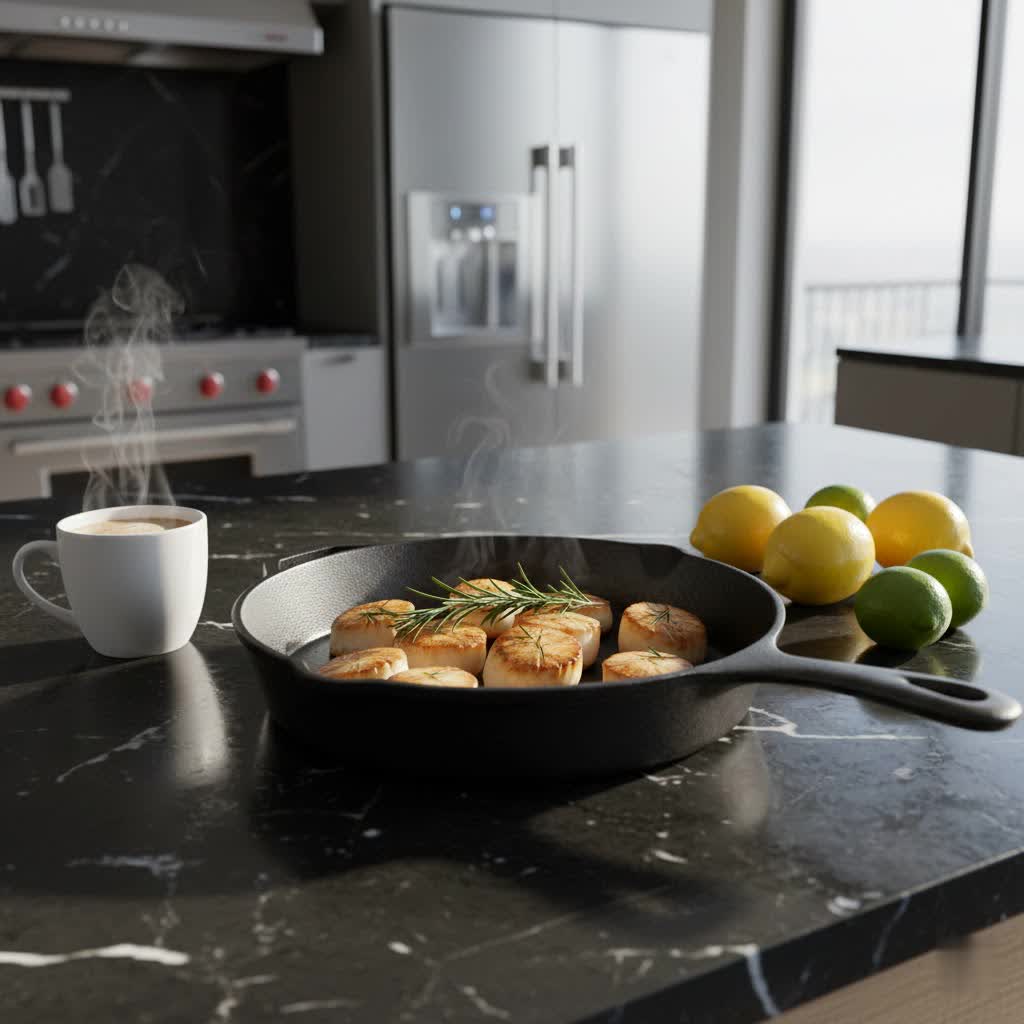
What is a Cast Iron Skillet Pan?
A cast iron skillet pan is a heavy-duty frying pan made from a single piece of cast iron, an alloy primarily composed of iron, carbon, and silicon. Unlike modern non-stick pans with synthetic coatings, traditional cast iron relies on a naturally formed, polymerized oil layer, known as seasoning, to create its non-stick surface. This unique composition allows it to withstand incredibly high temperatures and provides superior heat retention, making it a versatile tool for a wide array of cooking tasks.
Historically, cast iron cookware has been present in homes for hundreds of years. Early designs often featured “heat rings” on the bottom and size numbers that corresponded to the openings of wood-burning stoves, rather than the pan’s diameter. The presence of a “gate mark” – a raised straight line on the bottom – can even indicate a very old, sand-cast piece from the 1800s, reflecting a long legacy of robust and reliable cooking.
Superior Advantages of Cast Iron Skillet Pans
Cast iron skillet pans offer a multitude of benefits that set them apart from other cookware. These advantages contribute to their enduring popularity and make them a worthwhile investment for any kitchen.
- Exceptional Durability and Longevity: Cast iron is renowned for its strength, lasting for generations with proper care. Unlike many modern pans that wear out quickly, a cast iron skillet is virtually indestructible and can often be restored even from significant rust.
- Outstanding Heat Retention and Even Heating: While some debate initial heat distribution over direct flames, cast iron excels at retaining heat once hot, ensuring consistent cooking temperatures. This makes it ideal for searing meats to perfection, achieving crispy crusts, and keeping food warm long after it’s removed from the heat.
- Natural Non-Stick Surface: With consistent seasoning and use, a well-cared-for cast iron pan develops a natural, chemical-free non-stick surface. This eliminates the need for potentially harmful synthetic coatings found in many contemporary non-stick pans.
- Boosts Dietary Iron: Cooking in cast iron can leach small amounts of dietary iron into your food, providing a beneficial supplement. This can be particularly advantageous for individuals who need to increase their iron intake.
- Unrivaled Versatility: A cast iron skillet is truly an all-in-one cooking tool. It can be used on various heat sources, including stovetops (gas, electric, induction), ovens, grills, and even over open campfires. This adaptability allows for a wide range of cooking methods, from searing and frying to baking and braising.
- Chemical-Free Cooking: For those concerned about PFOA, PTFE, or other chemicals associated with conventional non-stick coatings, cast iron offers a safe, natural alternative that relies solely on polymerized oil.
Common Types of Cast Iron Skillet Pans
While the core material remains the same, cast iron skillets come in a couple of primary types, each with distinct characteristics and maintenance requirements.
- Traditional (Uncoated) Cast Iron Skillet: This is the classic cast iron pan, typically black or dark gray. It comes either “bare” (requiring initial seasoning by the user) or “pre-seasoned” from the factory (like many Lodge pans), meaning it has a foundational layer of baked-on oil. These pans need ongoing seasoning to maintain their non-stick properties and prevent rust. They are known for their rugged appeal and the rich, dark patina they develop over time.
- Enameled Cast Iron Skillet: This type features a cast iron core coated with a layer of smooth, vitreous enamel. Enameled skillets do not require seasoning and are generally easier to clean, often being dishwasher-safe (though hand-washing is recommended for longevity). The enamel surface is less reactive, making these pans suitable for cooking acidic foods like tomato sauces that can strip the seasoning from uncoated cast iron. They are typically more expensive and come in a wide array of vibrant colors, adding a decorative touch to your kitchen.
Beyond these main categories, you might also encounter specialized cast iron items such as Dutch ovens, griddles, grill pans, or mini skillets. Some skillets may also have wooden or silicone handles for comfort, though these are typically not oven-safe above certain temperatures.
Guide to Choosing the Right Cast Iron Skillet Pan
Selecting the perfect cast iron skillet involves considering your cooking habits, budget, and personal preferences. Here’s a detailed guide to help you make an informed decision:
Size and Depth
The size of your cast iron skillet should align with your household’s needs and cooking style.
- Determine Your Usage: Consider how many people you typically cook for and the types of dishes you prepare most often.
- Common Sizes: A 10-inch to 10.25-inch skillet is highly versatile and serves most households well, perfect for frying a few eggs, making pancakes, or searing a couple of steaks. For larger families or batch cooking, a 12-inch skillet provides ample cooking surface for more substantial meals like casseroles or whole roasted chickens.
|
Our Picks for the Best Iron Skillet in 2026
As an Amazon Associate I earn from qualifying purchases.
|
||
| Num | Product | Action |
|---|---|---|
| 1 | Mercer Culinary Pre-Seasoned Cast Iron Skillet, 10.25-Inch |

|
| 2 | Cuisinel Cast Iron Skillet with Lid - 12"-Inch Frying Pan + Glass Cover + Silicone Handle Holder - Pre-Seasoned Oven Safe Cookware - Indoor/Outdoor Use - Grill, BBQ, Fire, Stovetop. PFAS and PFOA-free |
|
| 3 | Lodge Pre-Seasoned Cast Iron Skillet Set - Set Includes 8 Inch Skillet, 10.25 Inch Skillet, and 12 inch Skillet - 3 Piece |
|
| 4 | Lodge 12 Inch Cast Iron Skillet with Red Silicone Hot Handle Holder – Pre-Seasoned Frying Pan for Stove, Oven, Grill & Campfire – Made in the USA – Durable, Nonstick Cast Iron Cookware – Black |
|
| 5 | Utopia Kitchen Cast Iron Skillets 12 Inch, Chef's Pan, Pre-Seasoned Frying Pan, Stovetop, Oven, Campfire and Grill Large Skillet, Even Heat Distribution Multipurpose Cast Iron Pan - Black |
|
| 6 | Stargazer 10.5-Inch Cast Iron Skillet - Made in USA, Seasoned, Premium Frying Pan for Grilling, Searing, Baking & More – Durable Cast Iron with Smooth Cooking Surface |
|
| 7 | Cuisinel Cast Iron Skillet with Lid - 12"-inch Pre-Seasoned Covered Frying Pan Set + Silicone Handle & Lid Holders + Scraper/Cleaner - Indoor/Outdoor, Oven, Stovetop, Camping Fire, Grill Safe Cookware |
|
| 8 | Lodge 12 Inch Pre-Seasoned Cast Iron Skillet - Dual Assist Handles - Use in the Oven, on the Stove, on the Grill, or Over a Campfire - Black |
|
| 9 | Lodge 10.25 Inch Cast Iron Skillet – Pre-Seasoned Frying Pan with Teardrop Handle – Oven, Stovetop, Grill & Campfire Use – Made in USA – Durable, Non-Toxic, Even-Heating Cookware – Black |
|
| 10 | EWFEN Cast Iron Skillet 3-Piece Set, Heavy-Duty Professional Restaurant Chef Quality Pre-Seasoned Pan Cookware Set, 6", 8", 10" Pans For Frying, Saute, Cooking, Use Indoor/Outdoor, Oven, Grill |
|
Weight
Cast iron is inherently heavy, but there’s a spectrum within that.
- Handling Considerations: Heavier pans excel at heat retention and stability, but can be challenging to lift and maneuver, especially when full. Consider your strength and comfort.
- Lighter Options: Some modern brands and vintage skillets are designed to be lighter without sacrificing performance, making them easier on the wrists. Generally, a heavier pan indicates better heat retention, but a well-balanced, lighter pan can still perform exceptionally.
Material and Coating
This is a key differentiator between traditional and enameled cast iron.
- Pure Cast Iron (Uncoated): Opt for this if you prefer a traditional, rugged pan that builds character over time. Ensure it’s pre-seasoned if you want to use it right out of the box. The surface texture can vary, with some modern budget brands having a rougher finish, while higher-end or vintage-inspired pans offer a smoother, polished surface that can improve non-stick properties.
- Enameled Cast Iron: Choose enameled if you desire lower maintenance, prefer vibrant colors, or frequently cook acidic foods. These do not require seasoning and are typically easier to clean.
Handles
A well-designed handle is crucial for comfort and safety.
- Sturdy and Heat-Resistant: Look for a solid, integrated cast iron handle. If you plan to use your skillet in the oven, avoid pans with wooden or silicone handles unless they are explicitly designed to be oven-safe at high temperatures.
- Helper Handles: For larger or heavier skillets (10 inches and above), a helper handle on the opposite side of the main handle is incredibly beneficial for lifting and moving the pan safely.
- Pour Spouts: Skillets with one or two pouring spouts make it easier to drain excess fat or pour sauces without making a mess.
Brand and Price
Researching reputable brands can ensure quality and longevity.
- Reputation Matters: Invest in brands known for their quality and durability. While some high-end skillets come with a hefty price tag, many affordable options offer excellent performance.
- Budget vs. Splurge: Determine your budget. You can find excellent performing skillets at a lower price point (e.g., Lodge, Victoria), or choose to splurge on lighter, smoother, or enameled options (e.g., Field Company, Le Creuset) for aesthetic appeal or specific features.
Comparing Famous Cast Iron Skillet Pan Brands
The cast iron market boasts several prominent brands, each with its unique characteristics. Here’s a comparison of some leading names:
- Lodge: An American institution, Lodge is perhaps the most widely recognized and recommended brand. Known for its affordability, durability, and pre-seasoned finish, Lodge skillets are an excellent entry point for new cast iron users. Their pans tend to have a rougher texture but perform exceptionally well.
- Le Creuset: A premium French brand, Le Creuset is famous for its vibrant enameled cast iron cookware. These skillets are expensive but offer superior quality, do not require seasoning, and are easier to clean. They are a top choice for those who value aesthetics and reduced maintenance.
- Staub: Another esteemed French brand specializing in enameled cast iron, Staub offers similar quality and performance to Le Creuset, often with a slightly different aesthetic and darker interior enamel.
- Field Company: Field Company produces lightweight, smooth-surfaced cast iron skillets inspired by vintage designs. They are prized for their elegant finish and ease of handling, though they come at a higher price.
- Finex: Known for its octagonal shape and polished, ultra-smooth cooking surface, Finex skillets are high-end options designed for discerning cooks. They are excellent for delicate searing but are a significant investment.
- Victoria: A Colombian brand offering quality cast iron at a budget-friendly price, similar to Lodge. Victoria skillets often feature longer, curved handles and good pre-seasoning.
- Smithey Ironware: Producing meticulously crafted, smooth-finished cast iron, Smithey skillets offer a luxurious cooking experience. They are heavy and pricey but built to last for generations.
- Lancaster Cast Iron: Another brand focused on lightweight, smooth, and pre-seasoned skillets, offering excellent maneuverability and performance at a mid-to-high price range.
Detailed Comparison Table of Popular Cast Iron Skillet Models
Here’s a comparison of some popular cast iron skillet models, highlighting key specifications and considerations:
| Feature | Lodge 10.25-inch Pre-Seasoned | Victoria 10-inch Cast Iron Skillet | Le Creuset 10.25-inch Enameled | Field Company No. 8 Skillet (10.25-inch) | Lancaster No. 8 Skillet (10.5-inch) |
|---|---|---|---|---|---|
| Type | Traditional (Uncoated) | Traditional (Uncoated) | Enameled | Traditional (Uncoated) | Traditional (Uncoated) |
| Weight | ~5 lbs, 7 oz | ~5 lbs, 8.9 oz | ~5 lbs, 6.8 oz | ~4 lbs, 5 oz | ~4 lbs, 4.3 oz |
| Surface | Rough texture | Rough texture | Smooth enamel | Smooth, polished | Smooth, polished |
| Pre-seasoned? | Yes | Yes | No (enameled) | Yes | Yes |
| Helper Handle? | Yes | Yes | Yes | Yes | No |
| Pour Spouts? | Yes | Yes | Yes | No (flared sides) | Yes |
| Price Range | $25 – $35 | $25 – $40 | $200 – $250 | $150 – $180 | $160 – $190 |
| Pros | Affordable, durable, excellent value, widely available | Budget-friendly, good handle design, reliable performance | Easy to clean, vibrant colors, no seasoning, suitable for acidic foods, induction-safe | Lightweight, elegant design, quick heat response, easier to clean | Very lightweight, fast heating, smooth surface, excellent non-stick properties out of the box |
| Cons | Heavier, rougher surface, can emit smell initially | Heavier, can emit smell initially | Expensive, heavy, enamel can chip if dropped | Pricey, can wobble on glass-top stoves if empty, no pour spouts | Pricey, no helper handle, can wobble on glass-top stoves if empty |
Proper Use and Care for Cast Iron Skillet Pans
Caring for your cast iron skillet is crucial for its longevity and performance. While it might seem intimidating, the process is straightforward and becomes second nature with practice.
Seasoning Your Cast Iron Skillet
Seasoning is the foundation of cast iron cooking – it creates the natural non-stick surface and protects against rust.
- How to Season a New/Bare Skillet:
- Clean Thoroughly: Wash the skillet with warm, soapy water and a stiff brush (yes, soap is okay for new or deeply stripped pans!). Rinse well.
- Dry Completely: Dry the pan immediately with a lint-free cloth. To ensure all moisture is gone, place the skillet on a stovetop burner over medium heat for a few minutes until it’s completely dry.
- Apply Oil: Once dry and slightly warm, apply a very thin, even layer of neutral cooking oil with a high smoke point (e.g., canola, vegetable, grapeseed, avocado oil, or even solid Crisco) to the entire skillet, inside and out, including the handle. Buff it thoroughly with a paper towel until it no longer looks greasy – excess oil will become sticky.
- Bake: Preheat your oven to 450-500°F (230-260°C). Place the oiled skillet upside down on the middle rack. Put a sheet of aluminum foil on the bottom rack to catch any drips. Bake for one hour.
- Cool: Turn off the oven and let the skillet cool completely inside the oven. This allows the oil to polymerize and bond with the iron.
- Repeat: For a robust initial seasoning, repeat the oiling and baking process three to four times.
- How to Restore a Damaged Seasoning/Remove Rust: If your skillet rusts or the seasoning flakes, don’t panic. Scrub the affected areas with steel wool, a chainmail scrubber, or coarse salt and a sponge until the rust is removed. Wash thoroughly, dry, and then repeat the full seasoning process outlined above.
Cleaning Your Cast Iron Skillet
Proper cleaning after each use helps maintain the seasoning and prevents food from sticking.
- Immediately After Use: Clean your skillet while it’s still warm (but not scorching hot).
- Wash with Hot Water and Soap: Contrary to old myths, it’s perfectly fine to use a small amount of mild dish soap and a nylon brush or sponge. The polymerized seasoning layer is robust enough to withstand mild soap without being stripped.
- Remove Stuck-On Food: For stubborn bits, use a pan scraper or a wooden/silicone spatula. You can also add a little water to the pan and bring it to a simmer on the stovetop, then scrape the food off. For very tough residue, coarse salt can act as a gentle abrasive.
- NEVER Soak: Do not leave your cast iron skillet to soak in water, as this is the quickest way to cause rust.
- Dry Thoroughly: This is critical. After washing, dry the skillet immediately with a lint-free towel. For absolute dryness, place it back on a low stovetop burner for a few minutes until all moisture evaporates.
- Light Oil Wipe: Once dry, apply a very thin layer of cooking oil to the entire cooking surface with a paper towel. This adds another micro-layer of seasoning and protects against rust.
Storing Your Cast Iron Skillet
Correct storage is vital for preventing rust and preserving your pan.
- Keep It Dry: Always ensure your skillet is bone-dry before storing. Avoid humid environments.
- Cabinet or Drawer: Store in a dry cabinet or drawer. If stacking, place a paper towel or a felt pan protector between skillets to absorb any residual moisture and prevent scratches.
- Avoid Over-Stove Storage: Avoid hanging it directly over the stove where steam and condensation can cause rust.
Tips for Better Cooking with Cast Iron Skillet Pans
Unlock the full potential of your cast iron skillet with these expert cooking tips:
- Preheat Properly: Cast iron takes longer to heat than other pans, but once hot, it retains heat exceptionally well. Always preheat your skillet gradually over medium-low heat for 5-10 minutes before adding oil or food. You can test readiness by dropping a few drops of water; they should sizzle and evaporate, not immediately disappear (too hot) or just sit there (not hot enough).
- Add Fat Liberally: While a well-seasoned pan is non-stick, always use a good amount of cooking oil or butter to ensure food releases easily and to further enhance your seasoning.
- Avoid Overcrowding: Don’t overcrowd the pan, as this lowers the temperature and can lead to steaming instead of searing. Cook in batches if necessary.
- Mind Acidic Foods: For uncoated cast iron, limit cooking highly acidic foods (like tomato sauce, lemon juice, or vinegar-based dishes) for extended periods. Acidity can strip the seasoning. Quick deglazes are generally fine. Enameled cast iron is safe for all acidic foods.
- Use Appropriate Utensils: Metal spatulas can be used on cast iron, but wood or silicone utensils are gentler and help preserve the seasoning.
Delicious Dishes to Make in a Cast Iron Skillet Pan
The versatility of a cast iron skillet means you can prepare an incredible range of dishes. Here are just a few ideas to inspire your next meal:
- Perfectly Seared Steaks: Achieve a beautiful, crusty sear on your favorite cuts of beef, pork, or lamb.
- Crispy Skillet Chicken: From pan-seared chicken breasts to oven-roasted chicken thighs with golden-brown skin.
- Golden Cornbread: Bake a classic, tender cornbread with perfectly crisp edges.
- Homemade Pizza: Create a rustic, crispy-crust pizza right on your stovetop and finish in the oven.
- Fried Eggs and Bacon: The ultimate breakfast duo cooks beautifully and evenly in cast iron.
- Skillet Pancakes: Enjoy fluffy pancakes with a uniform golden-brown finish.
- Roasted Vegetables: Achieve beautifully caramelized vegetables with a tender interior.
- Baked Desserts: From apple crumbles to giant chocolate chip cookies, cast iron creates a wonderful crust.
Where to Buy Reliable Cast Iron Skillet Pans?
Finding a quality cast iron skillet pan is easier than ever. You can purchase them from several trusted sources:
- Home Goods Stores: Many large retailers like Target, Walmart, or department stores carry popular brands such as Lodge and Victoria.
- Specialty Kitchenware Shops: Stores dedicated to cooking supplies often offer a wider selection, including higher-end brands like Le Creuset, Staub, Field Company, or Finex.
- Online Retailers: Websites like Amazon, Williams Sonoma, or the direct brand websites (e.g., Lodge Cast Iron, Field Company) provide extensive options, detailed product information, and customer reviews.
- Antique Shops/Flea Markets: For those seeking vintage cast iron, these are great places to find older, often lighter and smoother pans, though they may require significant restoration and re-seasoning.
Cast Iron Skillet Pan Buying Guide
To summarize, here are the crucial factors to consider when purchasing your next cast iron skillet:
- Size: A 10-10.25 inch skillet is generally recommended for most home cooks, balancing capacity with manageability.
- Type: Decide between traditional uncoated (requires seasoning, develops patina) and enameled (no seasoning, easier care, colorful).
- Weight: Heavier pans offer superior heat retention; lighter options improve maneuverability.
- Handles: Prioritize sturdy, integrated handles and consider a helper handle for larger skillets.
- Surface Finish: Smoother finishes (often found in higher-end or vintage-inspired pans) can offer a more naturally non-stick experience, while rougher finishes are common and effective in more affordable options.
- Pre-seasoning: Most new uncoated skillets come pre-seasoned, making them ready to use out of the box.
Consider your cooking frequency, the types of dishes you prepare, and your comfort with maintenance to choose a skillet that will become a cherished, lifelong companion in your kitchen.
Conclusion
The cast iron skillet pan is more than just a piece of cookware; it’s a legacy. With its incredible durability, versatile performance, and ability to impart unique flavors to your food, it stands as a testament to timeless cooking methods. By understanding its benefits, choosing wisely, and committing to proper seasoning and care, your cast iron skillet will not only enhance your culinary skills but also become a beloved heirloom, ready to serve delicious meals for generations to come.
What culinary adventures will you embark on with your cast iron skillet pan?
Frequently Asked Questions
Is it really okay to use soap on my cast iron skillet?
Yes! Modern dish soaps are mild enough not to strip the polymerized seasoning layer from your cast iron. The old advice against soap largely stems from lye-based soaps that would indeed damage seasoning. For everyday cleaning, hot water and a small amount of mild dish soap are perfectly fine.
What should I avoid cooking in an uncoated cast iron skillet?
It’s generally recommended to avoid cooking highly acidic foods like tomato sauces, lemon juice, or vinegar-based dishes for extended periods in uncoated cast iron, as the acid can strip away the seasoning. Also, very delicate foods like fish may stick initially, but this improves with a well-established seasoning.
How often should I season my cast iron pan?
For frequently used pans, a full re-seasoning (baking in the oven) can be done once a month or as needed if the pan looks dry or food starts to stick. However, simply wiping the pan with a thin layer of oil after each cleaning and drying contributes to maintaining and building up the seasoning over time.
Why does my new cast iron skillet smell smoky or asphalt-like when I first use it?
Some pre-seasoned cast iron skillets, particularly from brands like Lodge and Victoria, can emit an asphalt-like smell and some smoke during their initial uses. This is typically due to the factory seasoning curing further at high heat. The smell usually dissipates after a few uses.
Can I put my cast iron skillet in the dishwasher?
No, never put your cast iron skillet in the dishwasher. The harsh detergents and prolonged exposure to water in a dishwasher will strip the seasoning and almost certainly lead to rust. Always hand-wash your cast iron.
