Step into any well-loved kitchen, and chances are you’ll find a cast iron skillet. More than just a piece of cookware, these heavy, versatile pans are kitchen heirlooms, passed down through generations, each acquiring a unique story and an even better non-stick surface with age. If you’re looking to elevate your cooking, embrace durability, and perhaps even connect with a culinary tradition, the cast iron skillet is an unparalleled choice. This guide will walk you through everything you need to know, from selecting your first skillet to mastering its care and unlocking its full cooking potential.
What is a Cast Iron Skillet?
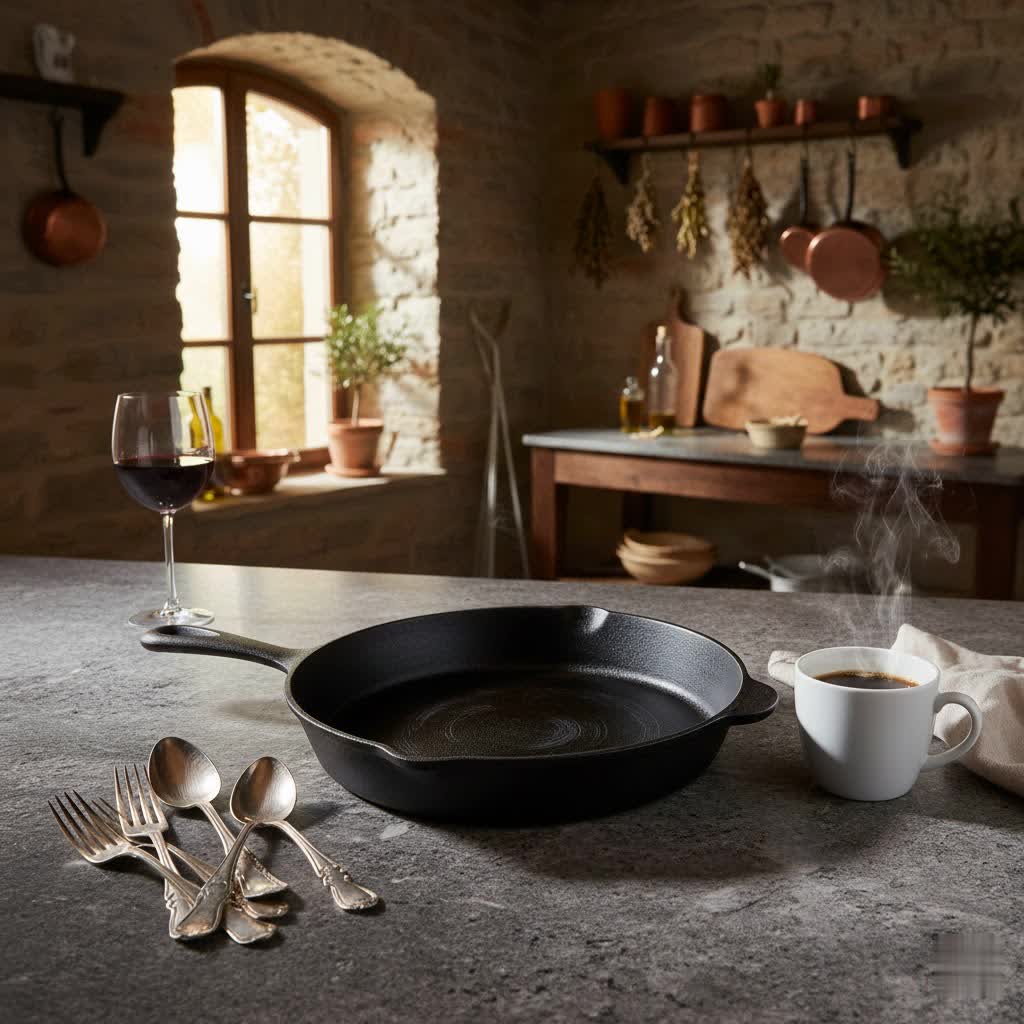
A cast iron skillet is a frying pan made from cast iron, an alloy of iron and carbon. Unlike modern non-stick pans with chemical coatings, cast iron creates a naturally non-stick surface through a process called “seasoning”—a baked-on layer of polymerized oil that bonds to the metal. This makes it a healthier, more durable, and often more effective cooking tool.
The history of cast iron cookware dates back centuries, with early examples found in China as far back as the 5th century BC. Its popularity surged in Europe and America from the 17th century onwards, becoming a kitchen staple due to its robust nature and exceptional cooking properties. While designs have evolved, the fundamental appeal of cast iron remains unchanged: a simple, solid piece of metal that performs beautifully.
Superior Advantages of Cast Iron Skillets
Cast iron skillets offer a host of benefits that set them apart from other cookware. Understanding these advantages highlights why they remain a favorite among home cooks and professional chefs alike.
- Exceptional Durability and Longevity: Cast iron is incredibly tough. It’s virtually indestructible in a typical kitchen setting and, with proper care, can last for decades, often becoming a cherished family heirloom. Unlike other pans that wear out, cast iron only improves with age and use.
- Excellent Heat Retention and Even Distribution: One of cast iron’s most prized qualities is its ability to retain heat. Once hot, it stays hot, making it ideal for searing steaks, frying chicken, and achieving that perfect crust. While it may take a little longer to heat up initially, it distributes that heat remarkably evenly across the cooking surface, preventing hot spots.
- Natural Non-Stick Surface: Through the simple act of cooking with fats and oils, and regular seasoning, a cast iron skillet develops a natural, chemical-free non-stick layer. This “seasoning” improves with every use, creating a slick surface that easily releases food.
- Health-Safe Cooking: Free from synthetic chemical coatings often found in modern non-stick pans, cast iron provides a safe cooking surface. Furthermore, cooking in cast iron can even impart small amounts of dietary iron into your food, a beneficial bonus for some.
- Incredible Versatility: Cast iron skillets are true multi-taskers. They can be used on almost any heat source: gas, electric, induction stovetops, in the oven, on the grill, or even over an open campfire. This makes them perfect for a wide range of cooking methods, from searing and frying to baking and roasting.
Popular Types of Cast Iron Skillets
While the core material remains the same, cast iron skillets come in a few variations, each with its unique characteristics.
- Traditional Cast Iron Skillet: These are the classic, uncoated skillets that require seasoning. They are known for their rugged appeal, excellent heat properties, and the satisfying dark patina that develops over time. They typically come pre-seasoned from brands like Lodge, making them ready to use out of the box after a quick rinse.
- Enameled Cast Iron Skillet: These skillets have a vitreous enamel glaze applied to the cast iron, both inside and out. The enamel prevents rust, eliminates the need for seasoning, and offers a naturally smoother, often non-stick surface. Enameled cast iron is easier to clean and maintain, and it comes in a vibrant array of colors. Brands like Le Creuset and Staub are renowned for their enameled offerings.
- Wooden-Handled Cast Iron Skillets: Some cast iron skillets feature a wooden handle for a comfortable, cool grip. While aesthetically pleasing and functional on the stovetop, these skillets are typically not oven-safe unless the handle is removable.
- Mini Cast Iron Skillets: Perfect for single servings, individual desserts, or side dishes, mini cast iron skillets offer all the benefits of their larger counterparts in a compact size. They’re excellent for baking individual portions or keeping food warm for serving.
How to Choose the Right Cast Iron Skillet
Selecting the ideal cast iron skillet depends on your cooking habits and preferences. Consider these factors to find your perfect match.
Size and Depth
The size and depth of your skillet are crucial for its intended use.
- Determine Your Needs: Consider how many people you typically cook for and the types of dishes you prepare. A small skillet (6-8 inches) is great for individual eggs or small side dishes, while a medium skillet (10-12 inches) is versatile enough for most family meals, from searing chicken breasts to baking cornbread. Larger skillets (13-15 inches) are ideal for bigger families, entertaining, or roasting whole chickens.
- Consider Volume: Deeper skillets are better for frying or stewing, where you need to contain liquids or prevent splattering, while shallower skillets are perfect for searing and pan-frying.
|
Our Picks for the Best Iron Skillet in 2026
As an Amazon Associate I earn from qualifying purchases.
|
||
| Num | Product | Action |
|---|---|---|
| 1 | Cuisinel Cast Iron Skillet with Lid - 12"-inch Pre-Seasoned Covered Frying Pan Set + Silicone Handle & Lid Holders + Scraper/Cleaner - Indoor/Outdoor, Oven, Stovetop, Camping Fire, Grill Safe Cookware |

|
| 2 | Stargazer 10.5-Inch Cast Iron Skillet - Made in USA, Seasoned, Premium Frying Pan for Grilling, Searing, Baking & More – Durable Cast Iron with Smooth Cooking Surface |
|
| 3 | EWFEN Cast Iron Skillet 3-Piece Set, Heavy-Duty Professional Restaurant Chef Quality Pre-Seasoned Pan Cookware Set, 6", 8", 10" Pans For Frying, Saute, Cooking, Use Indoor/Outdoor, Oven, Grill |
|
| 4 | Lodge Pre-Seasoned Cast Iron Skillet Set - Set Includes 8 Inch Skillet, 10.25 Inch Skillet, and 12 inch Skillet - 3 Piece |
|
| 5 | Cuisinel Cast Iron Skillet with Lid - 12"-Inch Frying Pan + Glass Cover + Silicone Handle Holder - Pre-Seasoned Oven Safe Cookware - Indoor/Outdoor Use - Grill, BBQ, Fire, Stovetop. PFAS and PFOA-free |
|
| 6 | Lodge 10.25 Inch Cast Iron Skillet – Pre-Seasoned Frying Pan with Teardrop Handle – Oven, Stovetop, Grill & Campfire Use – Made in USA – Durable, Non-Toxic, Even-Heating Cookware – Black |
|
| 7 | Mercer Culinary Pre-Seasoned Cast Iron Skillet, 10.25-Inch |
|
| 8 | Utopia Kitchen Cast Iron Skillets 12 Inch, Chef's Pan, Pre-Seasoned Frying Pan, Stovetop, Oven, Campfire and Grill Large Skillet, Even Heat Distribution Multipurpose Cast Iron Pan - Black |
|
| 9 | Lodge 12 Inch Cast Iron Skillet with Red Silicone Hot Handle Holder – Pre-Seasoned Frying Pan for Stove, Oven, Grill & Campfire – Made in the USA – Durable, Nonstick Cast Iron Cookware – Black |
|
| 10 | Lodge 12 Inch Pre-Seasoned Cast Iron Skillet - Dual Assist Handles - Use in the Oven, on the Stove, on the Grill, or Over a Campfire - Black |
|
Weight
Cast iron is inherently heavy, but there can be variations.
- Handling: Heavier skillets retain heat better but can be challenging to lift, especially when full. Newer, lighter cast iron skillets (like those from Field Company or Stargazer) offer improved maneuverability without sacrificing much performance.
- Comfort: Choose a weight that you are comfortable lifting and moving, especially if you plan to transfer it frequently from stovetop to oven. Many larger skillets come with a “helper handle” for easier two-handed lifting.
Material and Finish
The type of cast iron and its surface can impact performance and maintenance.
- Traditional vs. Enameled: Decide if you prefer the traditional seasoned surface that requires regular care but offers a unique cooking experience, or the low-maintenance convenience of enameled cast iron. Enameled skillets are generally more expensive but require no seasoning and are easier to clean.
- Surface Texture: Traditional cast iron skillets vary in their finish. Some, like Lodge, have a slightly rougher, textured surface which helps with seasoning. Others, like Smithey or Stargazer, offer a smoother, machine-polished finish that some cooks prefer for easier food release, though these often come at a higher price point.
- Pre-seasoned: Most new cast iron skillets come pre-seasoned, meaning they have a factory-applied layer of oil baked onto the surface, making them ready for use after a quick wash. While this provides a good start, home seasoning will further enhance their non-stick properties over time.
Handle
The handle design affects comfort and versatility.
- Ergonomics and Heat Resistance: Look for a sturdy, comfortable handle. Traditional cast iron handles get hot, so always use an oven mitt or a silicone handle cover. Some designs include a helper handle on the opposite side, which is invaluable for lifting heavier skillets.
- Removable Handles: If you opt for a wooden-handled skillet, ensure the handle is removable if you intend to use the skillet in the oven.
Brand and Price
Reputation and budget play a role in your decision.
- Research Reputable Brands: Investigate well-known brands that have a history of producing quality cast iron.
- Budget: Cast iron skillets range widely in price. Entry-level options from brands like Lodge offer excellent value and performance, while premium brands like Le Creuset or Finex represent a significant investment. Consider your budget and how frequently you intend to use the skillet.
Comparing Renowned Cast Iron Skillet Brands
The market offers a variety of reputable cast iron skillet brands, each with its own loyal following. Here’s a comparison of some top contenders:
| Brand | Key Characteristics | Quality & Durability | Price Range | Special Features |
|---|---|---|---|---|
| Lodge | American-made, pre-seasoned, slightly textured | Excellent, heirloom | Affordable | Great value, wide range of sizes, helper handles |
| Le Creuset | Enameled cast iron, vibrant colors | Premium, heirloom | High | No seasoning, easy clean, oven-safe, beautiful |
| Staub | Enameled cast iron, sophisticated design | Premium, heirloom | High | Excellent heat retention, self-basting lids |
| Field Company | Lightweight, smooth polished finish, thinner walls | High, premium | Mid-High | Ergonomic handle, easy to maneuver |
| Finex | Octagonal design, polished interior, spring handle | High, artisanal | High | Fast heating, unique aesthetic, cool-touch handle |
| Smithey | Smooth, polished surface, hand-finished | High, artisanal | High | Beautiful craftsmanship, deep blue-black finish |
| Victoria | Pre-seasoned, long handles, pour spouts | Very Good, durable | Very Affordable | Good everyday performer, budget-friendly |
| Stargazer | Smooth, polished finish, flared rim | High, premium | Mid-High | Comfortable handle, pour spouts |
| YETI | Lightweight, ergonomic handle, outdoor-focused | High, rugged | High | Built for home and outdoors, durable |
| KitchenAid | Enameled, variety of colors | Good, reliable | Mid | Easy to clean, often includes lid |
Detailed Comparison of Popular Cast Iron Skillet Models
Choosing a specific model can be daunting. Here’s a comparative look at some widely praised cast iron skillet models, considering various aspects:
| Model | Size (inches) | Weight (lbs) | Material | Price ($) | Pros | Cons |
|---|---|---|---|---|---|---|
| Lodge 10.25-inch Pre-Seasoned | 10.25 | 5.35 | Traditional Cast Iron | 25-35 | Excellent value, durable, good heat retention | Rougher texture, handle gets hot |
| Le Creuset Signature 10.25-inch | 10.25 | 6.4 | Enameled Cast Iron | 180-220 | No seasoning, easy clean, beautiful colors | Expensive, heavier, some sticking possible |
| Field Company No. 8 Skillet | 10.25 | 4.6 | Traditional Cast Iron | 130-160 | Lightweight, smooth finish, ergonomic | Expensive, needs initial seasoning care |
| Victoria 10-inch Skillet | 10 | 6.2 | Traditional Cast Iron | 25-35 | Long handle, pour spouts, good value | Can be heavy, rougher finish |
| Smithey No. 10 Skillet | 10.25 | 6.6 | Hand-finished Cast Iron | 175-225 | Exceptionally smooth, beautiful craftsmanship | Very expensive |
How to Properly Use and Care for Your Cast Iron Skillet
The secret to a long-lasting, high-performing cast iron skillet lies in consistent care, particularly seasoning and cleaning.
Seasoning Your Cast Iron Skillet
Seasoning is the process of baking thin layers of oil onto the cast iron, creating a natural, non-stick, rust-resistant coating.
- Initial Seasoning (for new or stripped pans):
- Clean Thoroughly: Even pre-seasoned pans benefit from an initial deep clean. Wash with warm, soapy water (yes, soap is generally fine for modern cast iron!) and a stiff brush, scrubbing well. Rinse thoroughly.
- Dry Completely: This is critical. Immediately dry the skillet with a lint-free cloth. For extra assurance, place it on a stovetop burner over medium heat for a few minutes until all moisture evaporates and the pan is completely dry.
- Apply a Thin Oil Layer: Use a high smoke point cooking oil (like flaxseed, canola, grapeseed, or avocado oil). Apply a very thin, even layer to the entire skillet – inside, outside, and handle. Wipe away any excess oil as if you’re trying to remove it all; only a microscopic layer should remain. Too much oil will result in a sticky, gummy surface.
- Bake: Place the skillet upside down in a cold oven. Place a foil-lined baking sheet on the rack below to catch any potential drips. Preheat the oven to 350-400°F (175-200°C) and bake for 1 hour.
- Cool: Turn off the oven and let the skillet cool completely inside the oven. This allows the oil to polymerize and bond to the iron.
- Repeat: For best results, especially with a new or stripped pan, repeat this process 3-5 times to build up a robust seasoning layer.
- Restoring Damaged Seasoning: If your seasoning becomes patchy or food starts sticking, simply repeat the seasoning process. For rust spots, scrub them off with steel wool or a stiff brush before cleaning and re-seasoning.
Cleaning Your Cast Iron Skillet
Proper cleaning maintains the seasoning and prevents rust.
- After Each Use:
- Cool Slightly: Allow the skillet to cool down after cooking, but don’t let it get completely cold if food is stuck.
- Wash: Hand wash with warm water. For everyday cleaning, you can use a small amount of mild dish soap and a stiff brush or sponge. For stubborn food, use a pan scraper or a chainmail scrubber. Avoid abrasive pads like steel wool on seasoned surfaces, unless you are actively trying to strip the seasoning to re-do it entirely.
- Rinse Thoroughly: Ensure all food particles and soap residue are removed.
- Dry Immediately and Completely: This is the most crucial step to prevent rust. Dry with a towel, then place the skillet on a stovetop over low heat for a few minutes until any residual moisture has evaporated.
- Light Oil Wipe: Once dry and slightly warm, apply a very thin layer of cooking oil to the entire cooking surface with a paper towel. Wipe away any excess. The pan should look lightly shined, not greasy.
- Things to Avoid:
- Dishwashers: Never put cast iron in the dishwasher, as it will strip the seasoning and cause rust.
- Soaking: Do not let cast iron soak in water for extended periods.
- Harsh Abrasives: Avoid steel wool for routine cleaning of a seasoned pan.
Storing Your Cast Iron Skillet
- Dry, Ventilated Area: Store your completely dry and lightly oiled skillet in a cool, dry place.
- Prevent Scratches: If stacking, place a paper towel or cloth between skillets to protect the seasoned surface.
- Enameled Cast Iron: Enameled skillets don’t require oiling for storage, but ensure they are clean and dry. Store carefully to prevent chipping the enamel.
Tips for Cooking Better with Cast Iron
Unlocking the full potential of your cast iron skillet comes with a few key techniques:
- Preheat Properly: Cast iron needs time to heat up evenly. Place your skillet on medium-low heat for 5-10 minutes before adding oil or food. This ensures consistent cooking and prevents sticking.
- Use Enough Fat: While seasoning creates a non-stick surface, a little cooking fat (oil, butter, bacon grease) is always beneficial, especially when your seasoning is still developing. It helps with food release and enhances flavor.
- Avoid Overcrowding: Don’t overload the pan. Overcrowding can lower the pan’s temperature, leading to steaming instead of searing, and food that sticks. Cook in batches if necessary.
- Let Food Release Naturally: When searing, resist the urge to move the food too soon. Allow a crust to form; the food will naturally release from the pan when it’s ready.
- Limit Highly Acidic Foods: While an occasional quick simmer of acidic foods (like tomato sauce) in a well-seasoned pan is fine, prolonged cooking of highly acidic ingredients can strip the seasoning and impart a metallic taste. Wait until your pan has a very robust seasoning before tackling acidic dishes regularly.
- Use Appropriate Utensils: Metal utensils are generally fine on a well-seasoned cast iron skillet, but be mindful not to aggressively scrape or gouge the surface, which could damage the seasoning. Wood or silicone utensils are always safe options.
Delicious Dishes to Cook in Your Cast Iron Skillet
The versatility of a cast iron skillet means you can cook an astonishing array of dishes, from breakfast to dessert.
- Perfectly Seared Steaks: Achieve a restaurant-quality crust and juicy interior.
- Crispy Fried Chicken: The even heat ensures a golden, crunchy coating.
- Golden Cornbread: A classic for cast iron, resulting in a beautifully crisp bottom.
- One-Pan Roasts: Roast chicken, potatoes, and vegetables all in one skillet, moving from stovetop to oven.
- Skillet Pizzas: Creates a delightfully crispy crust.
- Frittatas and Shakshuka: Ideal for stovetop-to-oven egg dishes.
- Baked Desserts: From apple crumbles to giant chocolate chip cookies, cast iron bakes beautifully and retains heat for warm servings.
Where to Buy a Reputable Cast Iron Skillet
Finding a quality cast iron skillet is easier than ever.
- Kitchenware Stores: Many specialty kitchen stores carry a selection of popular brands, allowing you to feel the weight and inspect the finish in person.
- Department Stores and Supermarkets: Larger retail chains often stock entry-level brands like Lodge at competitive prices.
- Online Retailers: Websites like Amazon, Williams Sonoma, Sur La Table, and the official brand websites (LodgeCastIron.com, LeCreuset.com) offer the widest selection, often with detailed reviews and occasional sales. Be sure to purchase from authorized sellers to ensure authenticity.
Cast Iron Skillet Buying Guide
To summarize your journey to finding the perfect cast iron skillet, consider this concise buying guide:
- Define Your Primary Use: Will it be for searing, frying, baking, or camping? This dictates size, weight, and type.
- Traditional vs. Enameled: Choose based on your willingness to season and maintain, and your budget. Traditional is durable and versatile; enameled is low-maintenance and colorful.
- Size Matters: Match the skillet size to your household needs and cooking batch sizes. A 10-12 inch skillet is a great all-rounder.
- Comfort is Key: Test the weight and handle feel, especially if you have mobility concerns. A helper handle is a big plus for larger pans.
- Brand Reputation: Stick with established brands known for quality and customer support. Lodge offers excellent value, while Le Creuset and Finex are premium choices.
- Budget Alignment: Quality cast iron can be found at all price points. Determine your investment level, knowing that even affordable options can last a lifetime with proper care.
Frequently Asked Questions
Is it really okay to use soap on cast iron?
Yes, modern dish soaps are typically mild enough not to harm the polymerized oil seasoning on your cast iron skillet. The old advice against soap stemmed from harsh lye-based soaps that would strip seasoning. Always dry thoroughly and apply a light oil coat after washing.
How do I fix a sticky cast iron skillet?
A sticky skillet usually means there was too much oil applied during seasoning or after cleaning, or the oil didn’t polymerize properly. To fix it, scrub the sticky residue off with a stiff brush and warm water (you might need a little soap), dry completely, and then re-season with a very thin layer of high smoke point oil, baking it properly.
What is the best oil for seasoning cast iron?
High smoke point oils like flaxseed, grapeseed, canola, or avocado oil are excellent for seasoning. Flaxseed oil is often praised for creating a very hard, smooth layer, but any of these will work effectively with consistent application.
My cast iron skillet is rusty. Can I save it?
Absolutely! Most rust on cast iron is surface rust and can be removed. Scrub the rusty areas with steel wool or a stiff wire brush and warm, soapy water until the rust is gone. Rinse, dry completely, and then re-season the pan thoroughly to protect it.
How often should I season my cast iron skillet?
A new or stripped pan benefits from 3-5 initial seasoning coats. After that, simply using your skillet regularly, especially with fats, will continue to build up seasoning. You only need to actively re-season if you notice food sticking, dry patches, or if you’ve aggressively cleaned or stripped the pan.
