The modern kitchen is constantly evolving, with induction cooktops becoming increasingly popular for their efficiency, precision, and sleek design. As home cooks embrace this advanced technology, a common question arises: can the time-honored cast iron skillet, a beloved workhorse of generations, truly adapt to the electromagnetic world of induction? The answer is a resounding yes! Not only are cast iron skillets compatible with induction cooktops, but they are also one of the best materials for this innovative cooking method. This guide will delve into everything you need to know about pairing your durable cast iron with your high-tech induction stove, ensuring you get the most out of this powerful combination.
Cast Iron Skillet: An Overview
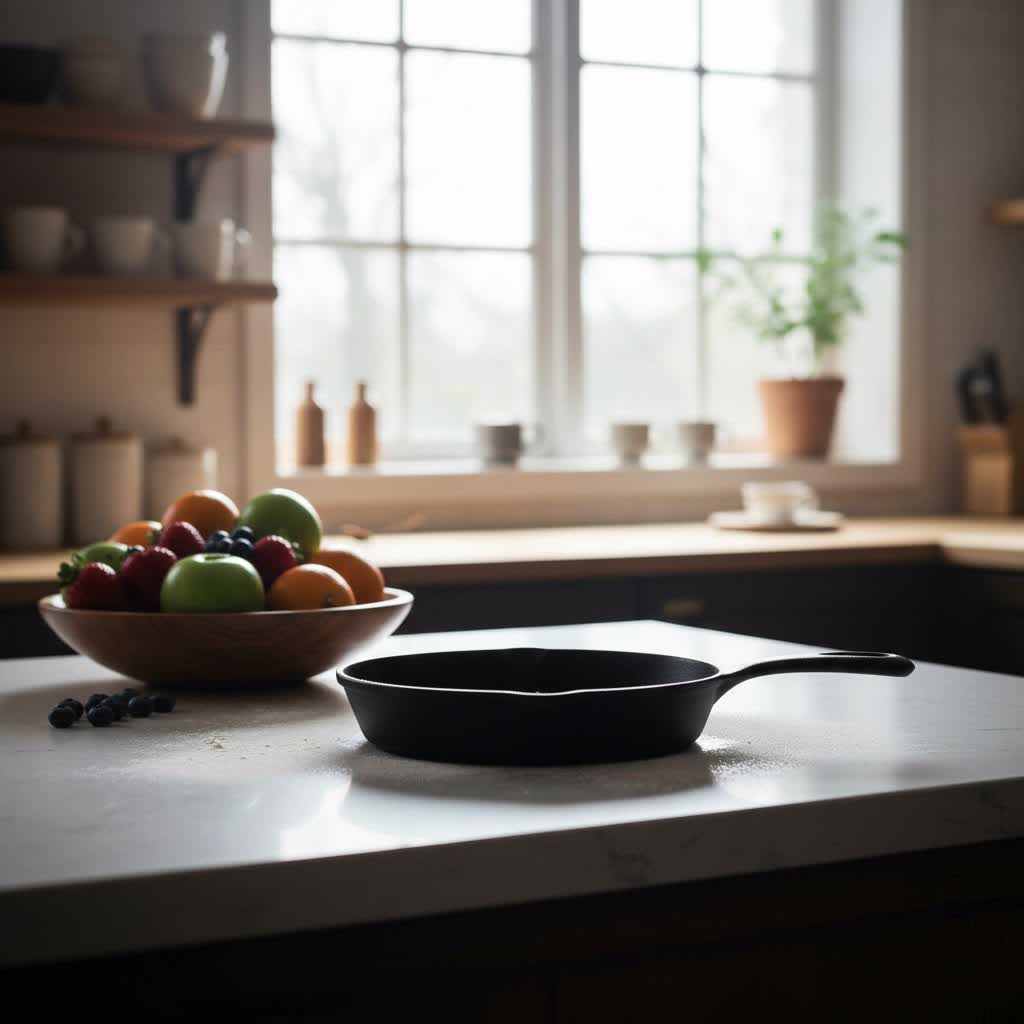
A cast iron skillet is a heavy-duty, versatile piece of cookware made by pouring molten iron into a mold. Its robust construction and natural properties have made it a staple in kitchens worldwide for centuries. Historically, cast iron cookware has been a symbol of durability and functionality, evolving from basic cooking vessels to sophisticated kitchen tools. The key to its compatibility with induction cooktops lies in its fundamental composition: iron is a ferrous metal, meaning it contains iron and is therefore inherently magnetic. This magnetic quality is precisely what induction technology requires to generate heat, making cast iron a perfect partner.
Superior Advantages of Cast Iron Skillets on Induction
Using a cast iron skillet on an induction cooktop offers a synergy that enhances both the cooking experience and the longevity of your cookware.
- Exceptional Heat Retention and Even Distribution: Cast iron is renowned for its ability to retain heat exceptionally well and distribute it uniformly across its surface. On an induction cooktop, this translates to stable cooking temperatures, eliminating hot spots and ensuring your food cooks evenly, whether you’re searing a steak or simmering a stew.
- Durability and Longevity: A well-cared-for cast iron skillet can last for generations, often becoming an heirloom. Its robust nature stands up to high heat and frequent use, making it an excellent long-term investment for your kitchen.
- Natural Non-Stick Properties: With proper seasoning, a cast iron skillet develops a natural, chemical-free non-stick surface that improves with every use. This seasoned layer offers a healthier alternative to synthetic coatings, which can degrade over time.
- Safety for Health: Unlike some non-stick pans that may contain chemicals, traditional cast iron is free from harmful substances, providing a safe cooking surface for your family.
- Versatility: Cast iron skillets are incredibly versatile. They transition seamlessly from an induction cooktop to a traditional gas or electric stove, into the oven, or even onto a grill or open campfire, expanding your cooking possibilities.
- Energy Efficiency: Induction cooktops are highly efficient, directly heating the cookware rather than the surrounding air. When combined with cast iron’s excellent heat absorption, this pairing results in quicker heat-up times and more efficient energy use, saving time and reducing utility costs.
Popular Types of Cast Iron Skillets
When choosing a cast iron skillet for your induction cooktop, understanding the different types available is helpful:
- Traditional (Bare) Cast Iron Skillet: This is the classic, un-coated cast iron that requires seasoning. Its raw, magnetic nature makes it highly responsive to induction heating. It’s ideal for searing, frying, and baking, developing a robust patina over time.
- Enameled Cast Iron Skillet: These skillets are coated with a layer of glass enamel, inside and out. The enamel protects the iron from rust, eliminates the need for seasoning, and allows for cooking acidic foods without reacting with the metal. For induction cooktops, enameled cast iron offers a smoother base, reducing the risk of scratching the glass surface. Brands like Le Creuset and Staub are famous for their enameled offerings.
- Cast Iron with Wooden Handles: While the cast iron body is induction compatible, the wooden handle might limit its use in high-temperature ovens. These are generally preferred for stovetop-only cooking.
- Mini Cast Iron Skillets: Perfect for single servings or individual desserts, these small skillets are just as induction-friendly as their larger counterparts, provided they are magnetic and have a flat bottom.
How to Choose the Right Cast Iron Skillet for Induction
Selecting the ideal cast iron skillet for your induction cooktop involves a few key considerations:
- Size and Depth: Choose a skillet size that closely matches your induction burner’s cooking zone. This ensures efficient heat transfer and prevents the cooktop’s safety features from not recognizing the pan. Consider your typical cooking needs; a smaller skillet for one or two people, or a larger one for family meals.
- Weight: Cast iron is inherently heavy. While this contributes to its stability and heat retention, consider your ability to comfortably lift and move the pan, especially when full. Some modern cast iron brands offer lighter designs without compromising performance.
- Material and Coating: For bare cast iron, ensure the bottom is as smooth and flat as possible to maximize contact with the induction surface and prevent scratching. Enameled cast iron offers a naturally smoother base. Always prioritize high-quality, pure cast iron that is truly magnetic.
- Handles: Look for sturdy, ergonomic handles that offer a comfortable grip. Helper handles on larger skillets are a significant advantage for safe lifting. If you plan to transfer the skillet to an oven, ensure the handle material (e.g., metal or oven-safe silicone) can withstand high temperatures.
- Brand and Price: Invest in reputable brands known for their quality and durability. While some cast iron skillets can be a significant investment, many excellent, affordable options are available that perform exceptionally well on induction.
Comparing Renowned Cast Iron Skillet Brands
The market offers a range of cast iron skillet brands, each with unique characteristics that cater to different preferences and budgets. Here’s a look at some of the most prominent brands compatible with induction:
- Lodge: A widely recognized American brand, Lodge offers durable, pre-seasoned cast iron skillets at an accessible price point. They are known for their reliable heat distribution and sturdy construction, making them an excellent value choice for induction.
- Le Creuset: Hailing from France, Le Creuset is synonymous with high-end enameled cast iron. Their skillets boast vibrant colors, exceptional heat performance, and a smooth enamel finish that is gentle on induction surfaces and easy to clean.
- Staub: Another premium French brand, Staub provides high-performance enameled cast iron, often with a slightly more rugged aesthetic than Le Creuset. Their skillets are praised for superior searing capabilities and durability.
- Field Company: Known for their lighter-weight, smoother-finished bare cast iron, Field Company skillets offer an experience closer to vintage cast iron, making them easier to handle while still providing excellent induction compatibility.
- Finex: This brand offers distinctive octagonal designs and polished, smooth cooking surfaces. Finex skillets are a splurge, but they combine aesthetic appeal with high functionality, including efficient induction heating.
- Victoria: A Colombian brand offering quality pre-seasoned cast iron, Victoria skillets are noted for their larger loop handles, which provide better grip and maneuverability, especially beneficial for heavy cast iron on induction.
- Skeppshult: A Swedish brand, Skeppshult crafts precision-milled cast iron with flat, concave bottoms, ensuring maximum contact and optimal heat distribution on induction cooktops.
Detailed Comparison Table of Cast Iron Skillet Models
Choosing the right cast iron skillet for your induction cooktop can be simplified by comparing popular models based on key features. Here’s a detailed look at some highly-rated options:
| Feature | Lodge 10.25-inch Seasoned Skillet | Le Creuset 10-inch Enameled Skillet | Field Company No. 8 Skillet (10.25-inch) | KitchenAid 12-inch Enameled Frying Pan |
|---|---|---|---|---|
| Material | Pre-seasoned Cast Iron | Enameled Cast Iron | Smooth-finished Cast Iron | Enameled Cast Iron |
| Induction Comp. | Yes | Yes | Yes | Yes |
| Base | Flat, slightly textured | Smooth Enamel | Milled, very smooth | Smooth Enamel |
| Weight | Approx. 5.3 lbs | Approx. 6 lbs | Approx. 4.5 lbs | Approx. 7 lbs |
| Main Handle | Short, sturdy | Ergonomic | Longer, thinner | Comfortable, helper handle |
| Helper Handle | Yes | Yes | Yes | Yes |
| Oven Safe | Up to 500°F | Up to 500°F (Phenolic knob) | Up to 600°F | Up to 500°F |
| Care | Requires seasoning, hand wash | No seasoning, dishwasher safe | Requires seasoning, hand wash | No seasoning, dishwasher safe |
| Price Range | $ | $$$$ | $$$ | $$ |
| Pros | Excellent value, durable | Easy to clean, vibrant colors | Lightweight, very smooth surface | Versatile, great searing performance |
| Cons | Can scratch if dragged | Heavier, higher cost | Higher cost than Lodge | Can be heavy |
Proper Use and Care for Cast Iron Skillets on Induction
To ensure your cast iron skillet performs optimally and lasts a lifetime on your induction cooktop, proper use and care are essential.
Seasoning Your Cast Iron Skillet
- Initial Seasoning (for bare cast iron): Many new cast iron skillets come pre-seasoned, but adding a few more layers enhances their non-stick properties. To season, apply a thin layer of high smoke point oil (like flaxseed, grapeseed, or vegetable oil) to the entire pan, inside and out. Wipe off any excess, then bake it upside down in an oven at 400-450°F (200-230°C) for an hour. Let it cool slowly. Repeat this process several times for a robust seasoning.
- Restoring Seasoning: If your seasoning layer gets damaged, simply clean the pan thoroughly and repeat the seasoning process.
|
Our Picks for the Best Iron Skillet in 2026
As an Amazon Associate I earn from qualifying purchases.
|
||
| Num | Product | Action |
|---|---|---|
| 1 | Lodge Pre-Seasoned Cast Iron Skillet Set - Set Includes 8 Inch Skillet, 10.25 Inch Skillet, and 12 inch Skillet - 3 Piece |

|
| 2 | Stargazer 10.5-Inch Cast Iron Skillet - Made in USA, Seasoned, Premium Frying Pan for Grilling, Searing, Baking & More – Durable Cast Iron with Smooth Cooking Surface |
|
| 3 | Lodge 12 Inch Pre-Seasoned Cast Iron Skillet - Dual Assist Handles - Use in the Oven, on the Stove, on the Grill, or Over a Campfire - Black |
|
| 4 | Cuisinel Cast Iron Skillet with Lid - 12"-Inch Frying Pan + Glass Cover + Silicone Handle Holder - Pre-Seasoned Oven Safe Cookware - Indoor/Outdoor Use - Grill, BBQ, Fire, Stovetop. PFAS and PFOA-free |
|
| 5 | Lodge 12 Inch Cast Iron Skillet with Red Silicone Hot Handle Holder – Pre-Seasoned Frying Pan for Stove, Oven, Grill & Campfire – Made in the USA – Durable, Nonstick Cast Iron Cookware – Black |
|
| 6 | Cuisinel Cast Iron Skillet with Lid - 12"-inch Pre-Seasoned Covered Frying Pan Set + Silicone Handle & Lid Holders + Scraper/Cleaner - Indoor/Outdoor, Oven, Stovetop, Camping Fire, Grill Safe Cookware |
|
| 7 | EWFEN Cast Iron Skillet 3-Piece Set, Heavy-Duty Professional Restaurant Chef Quality Pre-Seasoned Pan Cookware Set, 6", 8", 10" Pans For Frying, Saute, Cooking, Use Indoor/Outdoor, Oven, Grill |
|
| 8 | Mercer Culinary Pre-Seasoned Cast Iron Skillet, 10.25-Inch |
|
| 9 | Lodge 10.25 Inch Cast Iron Skillet – Pre-Seasoned Frying Pan with Teardrop Handle – Oven, Stovetop, Grill & Campfire Use – Made in USA – Durable, Non-Toxic, Even-Heating Cookware – Black |
|
| 10 | Utopia Kitchen Cast Iron Skillets 12 Inch, Chef's Pan, Pre-Seasoned Frying Pan, Stovetop, Oven, Campfire and Grill Large Skillet, Even Heat Distribution Multipurpose Cast Iron Pan - Black |
|
Cleaning Your Cast Iron Skillet
- After Each Use: Scrape off any food residue with a spatula, then rinse with hot water. For stubborn bits, use a stiff brush or a cast iron scraper. Avoid harsh soaps, as they can strip the seasoning.
- Drying: Immediately after washing, thoroughly dry your cast iron skillet to prevent rust. You can place it on a low burner for a few minutes to ensure all moisture evaporates.
- Light Oiling: Once dry, apply a very thin coat of cooking oil to the interior of the pan before storing.
Storing Your Cast Iron Skillet
- Preventing Rust: Store your cast iron in a dry place. If stacking, place a paper towel between skillets to absorb any moisture and prevent scratches.
- Enameled Cast Iron Care: Enameled cast iron does not require seasoning. It’s generally easier to clean and can often go in the dishwasher, though hand washing is recommended to preserve its finish. Avoid harsh abrasive scrubbers.
Tips for Enhanced Cooking with Cast Iron on Induction
Unlock the full potential of your cast iron skillet on an induction cooktop with these expert tips:
- Preheat Slowly and Gradually: Induction cooktops heat rapidly. To prevent thermal shock, which can warp or crack cast iron, always preheat your skillet slowly over low to medium heat for a few minutes before increasing the temperature. This allows the heat to distribute evenly throughout the pan.
- Match Pan Size to Burner: For maximum efficiency and even heating, use a cast iron skillet that is close in size to the induction burner you are using. This ensures the magnetic field effectively covers the entire base of the pan.
- Lift, Don’t Slide: Cast iron skillets are heavy and can have a slightly rough bottom, which might scratch the glass surface of an induction cooktop. Always lift your skillet when moving it, rather than sliding or dragging it.
- Be Mindful of Acidic Foods: While seasoned bare cast iron is non-stick, cooking highly acidic foods (like tomato sauce or vinegar-based dishes) for extended periods can strip the seasoning. For such dishes, enameled cast iron is a better choice.
- Use Appropriate Utensils: Wooden, silicone, or heat-resistant plastic utensils are best to protect your skillet’s seasoning and the induction surface. Metal utensils can be used cautiously on bare cast iron but may scratch enameled surfaces.
Delicious Dishes to Cook in Your Induction-Ready Cast Iron
The combination of cast iron’s superior heat properties and induction’s precision opens up a world of culinary possibilities:
- Perfectly Seared Steaks: Achieve a beautiful crust and juicy interior thanks to the cast iron’s high, even heat.
- Crispy Fried Chicken: The consistent temperature control on induction paired with cast iron ensures golden-brown, crispy results.
- Fluffy Cornbread: Cast iron is ideal for baking cornbread, creating a perfectly browned crust.
- One-Pan Frittatas and Egg Dishes: Cook eggs beautifully without sticking (with good seasoning) and easily transfer to the oven if needed.
- Oven-to-Stove Meals: Many recipes benefit from starting on the induction cooktop for searing and finishing in the oven for even baking.
- Rustic Pizzas and Focaccias: The hot cast iron provides a crisp crust akin to a pizza stone.
Where to Buy Reputable Cast Iron Skillets
When you’re ready to invest in a cast iron skillet for your induction cooktop, consider these reliable sources:
- Specialty Kitchen Stores: These stores often carry a curated selection of high-quality brands and can offer expert advice.
- Department Stores: Larger department stores typically have a kitchenware section with various cast iron brands, including both traditional and enameled options.
- Online Retailers: Websites like Amazon, Williams Sonoma, Sur La Table, and directly from brand websites (e.g., Lodge, Le Creuset) offer a vast selection, customer reviews, and competitive pricing.
Buying Guide: Your Essential Checklist
To make an informed decision when purchasing a cast iron skillet for your induction cooktop, keep this checklist in mind:
- Induction Compatibility: Ensure the pan is made of a ferrous (magnetic) material and has a flat bottom.
- Smooth Base: For glass induction surfaces, a smooth or milled bottom is crucial to prevent scratches. Enameled options are inherently smoother.
- Size Match: Choose a skillet that aligns with your induction burner’s diameter for optimal heating and efficiency.
- Weight & Handles: Consider the overall weight and the comfort/security of the handles, especially helper handles for larger pans.
- Material Type: Decide between traditional (bare) cast iron for seasoning and a classic feel, or enameled cast iron for easier maintenance and cooking acidic foods.
- Brand Reputation: Stick to well-known brands that have a track record of quality and durability.
- Budget: Cast iron skillets are available at various price points; find one that offers the best value for your needs.
Conclusion
Combining a robust cast iron skillet with the precision of an induction cooktop creates an exceptional cooking experience. By understanding the magnetic principles of induction and applying proper care techniques, you can harness the incredible heat retention and even distribution of cast iron to produce perfectly cooked dishes every time. From searing and frying to baking and slow cooking, your cast iron skillet is not just compatible with induction; it thrives on it, offering unmatched versatility, durability, and a lifetime of delicious meals. Embrace this powerful duo in your kitchen and elevate your culinary adventures.
Ready to explore the delicious possibilities? Which cast iron skillet will you choose to embark on your induction cooking journey?
Frequently Asked Questions
Will cast iron scratch an induction cooktop?
While cast iron is heavy and can have a rough texture, scratches can be avoided with proper care. Always lift, rather than slide, your cast iron skillet across the glass surface of your induction cooktop, and gently place it down. Choosing skillets with a milled or smooth bottom can further reduce this risk.
Do enameled cast iron skillets work on induction?
Yes, enameled cast iron skillets are fully compatible with induction cooktops. They offer the same magnetic properties as bare cast iron while providing a smooth, non-reactive surface that is less likely to scratch the cooktop and is easier to clean, often not requiring seasoning.
How quickly does cast iron heat up on induction?
Cast iron heats up relatively quickly on induction cooktops due to its magnetic properties and the direct heat transfer. However, because of its thickness and excellent heat retention, it takes longer to fully distribute that heat evenly throughout the entire pan compared to thinner cookware. Slow preheating is crucial to prevent hot spots and thermal shock.
Is all cast iron compatible with induction?
Generally, almost all cast iron cookware is compatible with induction cooktops because iron is a ferrous metal, meaning it is magnetic. The main requirements are that the pan has a flat bottom to ensure good contact with the induction surface and contains sufficient iron content to interact with the magnetic field.
