Owning a cast iron skillet is like inheriting a culinary heirloom—it’s a piece of cookware renowned for its incredible durability, even heat distribution, and naturally non-stick surface that only gets better with age. But unlike modern non-stick pans, cast iron requires a specific kind of care, especially when it comes to cleaning. Many home cooks feel intimidated, fearing they’ll strip away the hard-earned “seasoning” or cause dreaded rust. However, mastering the art of washing your cast iron skillet is simpler than you think and is the cornerstone of its longevity and superior cooking performance. This guide will demystify the cleaning process, ensuring your beloved skillet remains a non-stick workhorse for generations.
What is a Cast Iron Skillet?
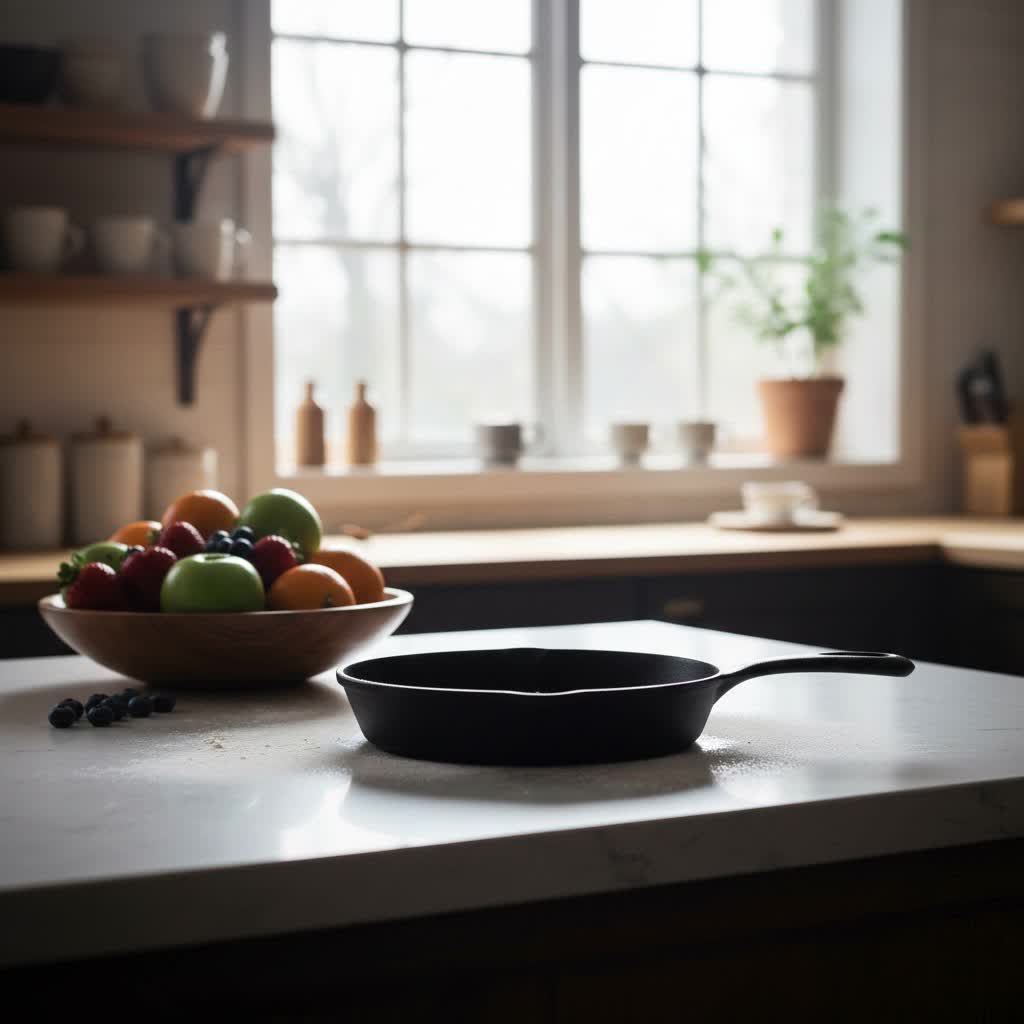
At its heart, a cast iron skillet is a heavy-duty frying pan made from a single piece of cast iron. What truly distinguishes it, however, is its “seasoning.” This isn’t just a layer of oil; it’s polymerized oil baked onto the surface, creating a natural, slick, non-stick coating that also protects the iron from rust. This seasoning is vital—it’s what allows cast iron to perform so well and makes its cleaning process unique. Unlike conventional pans where cleaning aims to remove everything, with cast iron, the goal is to clean thoroughly without harming this precious patina.
Outstanding Advantages of Cast Iron Skillets
Cast iron skillets offer a host of benefits that make them a favorite in kitchens worldwide. They are incredibly durable and long-lasting, often outliving their owners if cared for properly. Their remarkable heat retention and even heat distribution ensure consistent cooking, from perfectly seared steaks to evenly baked cornbread. With diligent use, they develop a natural non-stick surface, reducing the need for excessive cooking fats. Moreover, cast iron is safe for health, free from the synthetic chemicals found in some other non-stick coatings. Its versatility is unmatched, moving seamlessly from stovetop to oven, and working on gas, electric, induction, or even over an open fire. These advantages are all intrinsically linked to proper maintenance, especially the cleaning regimen that preserves its vital seasoning.
Types of Cast Iron Skillets
While the core material is cast iron, these skillets come in a few common varieties. Traditional (or bare) cast iron skillets are the most common and require seasoning and specific care, which is the primary focus of this article. Enameled cast iron skillets, on the other hand, feature a vitreous enamel coating over the cast iron. This coating eliminates the need for seasoning and changes the cleaning procedure significantly, allowing for soap and even dishwasher use in some cases (always check manufacturer instructions). Other variations include smaller mini skillets or those with wooden handles (which require extra care to avoid soaking the handle). For the purpose of washing and seasoning, we’ll concentrate on the traditional, bare cast iron skillet.
Choosing the Right Cleaning Tools for Your Cast Iron Skillet
Selecting the correct tools for cleaning your cast iron skillet is crucial to preserving its seasoning and preventing damage. The right tools ensure effective cleaning without resorting to harsh methods that can strip away the protective layer.
- Stiff-Bristled Brush: A good quality nylon brush is your everyday workhorse for scrubbing off food particles without scratching the seasoning.
- Pan Scraper: For stubborn, stuck-on food, a plastic or polycarbonate pan scraper can be invaluable. Its firm edge can dislodge burnt bits without marring the surface.
- Chainmail Scrubber: A stainless steel chainmail scrubber offers more abrasive power for particularly tough messes or early-stage rust without being as aggressive as steel wool. It’s gentle enough for seasoned cast iron but effective.
- Coarse Salt: Kosher or sea salt can act as a natural abrasive. When combined with a little oil or water, it helps scrub away grime.
- Mild Dish Soap: Contrary to old wives’ tales, modern mild dish soap is generally safe for well-seasoned cast iron. It helps cut grease without stripping the polymerized oil. However, use sparingly.
- Paper Towels or Lint-Free Cloths: Essential for drying and applying the post-cleaning oil layer.
- Cooking Oil: A neutral cooking oil like vegetable, canola, grapeseed, or flaxseed oil is needed for the final seasoning step after cleaning.
Avoid abrasive scouring pads like steel wool for routine cleaning as they can be too harsh on the seasoning, though they may be necessary for rust removal (followed by re-seasoning).
How to Use and Maintain a Cast Iron Skillet Correctly
Proper use and maintenance are intertwined, with cleaning being a pivotal step. Understanding the “why” behind each action ensures your skillet remains a joy to cook with.
Understanding Seasoning and Its Role in Cleaning
|
Our Picks for the Best Iron Skillet in 2026
As an Amazon Associate I earn from qualifying purchases.
|
||
| Num | Product | Action |
|---|---|---|
| 1 | Cuisinel Cast Iron Skillet with Lid - 12"-Inch Frying Pan + Glass Cover + Silicone Handle Holder - Pre-Seasoned Oven Safe Cookware - Indoor/Outdoor Use - Grill, BBQ, Fire, Stovetop. PFAS and PFOA-free |

|
| 2 | Stargazer 10.5-Inch Cast Iron Skillet - Made in USA, Seasoned, Premium Frying Pan for Grilling, Searing, Baking & More – Durable Cast Iron with Smooth Cooking Surface |
|
| 3 | Lodge Pre-Seasoned Cast Iron Skillet Set - Set Includes 8 Inch Skillet, 10.25 Inch Skillet, and 12 inch Skillet - 3 Piece |
|
| 4 | EWFEN Cast Iron Skillet 3-Piece Set, Heavy-Duty Professional Restaurant Chef Quality Pre-Seasoned Pan Cookware Set, 6", 8", 10" Pans For Frying, Saute, Cooking, Use Indoor/Outdoor, Oven, Grill |
|
| 5 | Cuisinel Cast Iron Skillet with Lid - 12"-inch Pre-Seasoned Covered Frying Pan Set + Silicone Handle & Lid Holders + Scraper/Cleaner - Indoor/Outdoor, Oven, Stovetop, Camping Fire, Grill Safe Cookware |
|
| 6 | Mercer Culinary Pre-Seasoned Cast Iron Skillet, 10.25-Inch |
|
| 7 | Lodge 10.25 Inch Cast Iron Skillet – Pre-Seasoned Frying Pan with Teardrop Handle – Oven, Stovetop, Grill & Campfire Use – Made in USA – Durable, Non-Toxic, Even-Heating Cookware – Black |
|
| 8 | Utopia Kitchen Cast Iron Skillets 12 Inch, Chef's Pan, Pre-Seasoned Frying Pan, Stovetop, Oven, Campfire and Grill Large Skillet, Even Heat Distribution Multipurpose Cast Iron Pan - Black |
|
| 9 | Lodge 12 Inch Cast Iron Skillet with Red Silicone Hot Handle Holder – Pre-Seasoned Frying Pan for Stove, Oven, Grill & Campfire – Made in the USA – Durable, Nonstick Cast Iron Cookware – Black |
|
| 10 | Lodge 12 Inch Pre-Seasoned Cast Iron Skillet - Dual Assist Handles - Use in the Oven, on the Stove, on the Grill, or Over a Campfire - Black |
|
Seasoning is the baked-on layer of oil that gives cast iron its non-stick properties and protects it from rust. Every time you cook with fat and clean your pan correctly, you reinforce this layer. The goal of cleaning is to remove food residue without stripping the seasoning. Harsh detergents, prolonged soaking, or aggressive scrubbing with the wrong tools can damage this layer, leading to food sticking and rust.
Washing a Cast Iron Skillet: Step-by-Step Guide
The key to cleaning a cast iron skillet effectively is to do it promptly after use and avoid common pitfalls.
-
Clean While Warm: The easiest time to clean your cast iron skillet is while it’s still warm, but not scorching hot. This allows food particles to release more easily.
-
Scrape Off Excess Food: Use a wooden or plastic spatula to scrape off any large food remnants into the trash.
-
Choose Your Cleaning Method:
-
Method 1: Warm Water and Brush (with optional mild soap)
- Rinse the skillet under warm running water.
- For everyday cleaning, use a stiff-bristled brush or a non-abrasive sponge to scrub away food particles.
- If necessary, add a small amount of mild dish soap. Modern soaps are not lye-based and won’t strip well-established seasoning. Scrub gently but thoroughly.
- Rinse the pan completely, ensuring no soap residue remains.
-
Method 2: Coarse Salt Scrub (for stubborn bits)
- For more stuck-on food, pour a few tablespoons of coarse salt (like kosher salt) into the warm pan.
- Add a very small amount of warm water, just enough to create a paste.
- Use a paper towel or a stiff brush to scrub the salt paste over the affected areas. The salt acts as a gentle abrasive.
- Rinse the pan thoroughly to remove all salt and food residue.
-
-
For Extremely Stuck-on Food: If food remains stubbornly stuck, fill the skillet with a small amount of water and bring it to a simmer on the stovetop for a few minutes. Use a wooden or metal spatula to scrape the loosened food while the water is simmering. Discard the water, let the pan cool slightly, and then proceed with one of the cleaning methods above.
What Not to Do When Washing Cast Iron Skillet
Avoiding these common mistakes is just as important as knowing the right steps:
- Never Soak: Do not leave your cast iron skillet soaking in water. This is the fastest way to invite rust.
- No Dishwasher: The harsh detergents and intense heat of a dishwasher will strip the seasoning and almost guarantee rust.
- Avoid Harsh Scouring Pads (for daily use): Steel wool or very aggressive scrubbers can scratch and remove the seasoning. Reserve them only for rust removal, understanding that re-seasoning will be necessary afterward.
- Don’t Air Dry: Leaving your cast iron to air dry will almost certainly lead to rust.
Maintaining Cast Iron Skillet: Drying and Oiling
After cleaning, two steps are non-negotiable for preserving your skillet’s seasoning and preventing rust.
- Thorough Drying: This is perhaps the most critical step after washing.
- Immediately after rinsing, dry the skillet thoroughly with a clean paper towel or lint-free cloth.
- To ensure all moisture is evaporated, place the skillet on your stovetop over low to medium heat for a few minutes until it’s completely dry. You’ll see any remaining water evaporate. This also opens the pores of the iron slightly, preparing it for oiling.
- Light Oiling (Re-seasoning): While the pan is still warm, turn off the heat and apply a very thin layer of cooking oil (vegetable, canola, grapeseed, or flaxseed oil) to the entire surface of the pan—inside, outside, and handle.
- Use a clean paper towel to wipe the oil on, then use a fresh, dry paper towel to wipe off any excess. The goal is a super thin, almost invisible layer; too much oil will make the pan sticky. This thin layer protects the iron and reinforces the seasoning.
- Let the pan cool completely before storing.
Caring for Enameled Cast Iron
For enameled cast iron, the rules are different. You can use mild dish soap and hot water, and even soak it briefly. Avoid abrasive scrubbers like steel wool, which can scratch the enamel. Always refer to the manufacturer’s instructions for specific care.
Tips for Cooking Better with Cast Iron
Proper cooking techniques can actually make cleaning easier by helping to build and maintain a good seasoning.
- Preheat Gradually: Always preheat your cast iron skillet slowly over medium-low heat. This ensures even heat distribution and prevents hot spots that can cause food to stick.
- Use Enough Fat: While cast iron is naturally non-stick, using a small amount of cooking oil, butter, or other fat helps prevent sticking and contributes to building up the seasoning layer.
- Avoid High Acidity Early On: When your seasoning is new or still developing, limit cooking highly acidic foods like tomato sauces for prolonged periods, as they can strip the seasoning.
Delicious Dishes with Cast Iron Skillets
A well-maintained and properly cleaned cast iron skillet opens up a world of culinary possibilities. The robust seasoning (a direct result of good cleaning habits) allows you to achieve incredible results:
- Perfectly Seared Steaks or Chicken: The even, high heat creates a beautiful crust.
- Crispy Fried Chicken: Achieve that golden-brown crunch.
- Flavorful Roasts: From oven-roasted vegetables to a whole chicken, cast iron delivers.
- Rustic Breads and Pizza: The skillet can go from stovetop to oven, providing a fantastic baking surface.
- Skillet Desserts: Bake up gooey cookies or fruit crisps directly in the pan.
The versatility and performance of cast iron, bolstered by proper cleaning, make it an indispensable tool for these and countless other delicious meals.
Essential Maintenance Guide for Your Cast Iron Skillet
Maintaining your cast iron skillet goes beyond just cleaning; it’s about a holistic approach to ensuring its longevity and optimal performance.
- Regular Use: The best way to maintain a cast iron skillet is to use it frequently. Regular cooking with fats helps to continually reinforce and improve the seasoning layer.
- Prompt Cleaning: Always clean your skillet immediately after use. Don’t let food sit and harden, making it more difficult to remove.
- Thorough Drying: Never skip the stovetop drying step. Any residual moisture is a rust magnet.
- Light Oiling: A thin layer of oil after every wash is your primary defense against rust and keeps the seasoning strong.
- Proper Storage: Store your skillet in a cool, dry place. If stacking other pans, place a paper towel or cloth between them to prevent scratching the seasoning.
- Dealing with Rust: If rust appears, don’t despair. Scrub it off with steel wool or a chainmail scrubber, wash thoroughly, and then immediately re-season the pan (which involves applying oil and baking it in a hot oven).
- Re-seasoning: If your pan becomes dull, sticky, or food starts to stick excessively, it might be time for a full re-seasoning.
Conclusion
Washing a cast iron skillet might seem like a nuanced task, but by understanding the fundamentals—especially the importance of seasoning and the dangers of moisture—it becomes second nature. Embrace the rhythm of cleaning while warm, avoiding soaking, thoroughly drying on the stove, and applying a thin coat of oil. These simple yet crucial steps ensure your cast iron not only survives but thrives, becoming an increasingly valuable asset in your kitchen with every meal prepared. By dedicating a few moments to proper care after each use, you’re not just cleaning a pan; you’re preserving a legacy of delicious cooking. How will you make your cast iron skillet truly shine in your kitchen?
Frequently Asked Questions
Can I use dish soap on my cast iron skillet?
Yes, you can use a small amount of mild dish soap on a well-seasoned cast iron skillet. Modern dish soaps are formulated differently than old lye-based soaps and will not strip away the polymerized oil layer that forms the seasoning. Just ensure you rinse thoroughly and dry immediately.
What should I do if food is stuck on my cast iron skillet?
For stubborn stuck-on food, try a few methods. While the pan is warm, scrape with a wooden or plastic spatula. For tougher spots, scrub with coarse salt and a little warm water, or use a chainmail scrubber. Alternatively, simmer a small amount of water in the pan for a few minutes to loosen debris, then scrape and clean.
How do I prevent my cast iron skillet from rusting?
The most crucial steps to prevent rust are immediate and thorough drying after washing, followed by applying a very thin layer of cooking oil to the entire surface of the pan. Never let your cast iron air dry or soak in water.
Is it okay to put cast iron in the dishwasher?
No, absolutely not. Putting cast iron in the dishwasher will strip away its seasoning, exposing the bare metal to moisture and harsh detergents, which will inevitably lead to rust and damage your skillet. Always hand wash.
How often should I re-season my cast iron skillet?
The best way to maintain seasoning is regular use and proper cleaning (drying and oiling) after each use. A full re-seasoning, where you bake oil onto the pan in the oven, is typically only necessary if your pan becomes rusty, dull, or starts to stick consistently.
What kind of oil should I use for seasoning and maintenance?
Neutral cooking oils with a high smoke point are best. Common choices include vegetable oil, canola oil, grapeseed oil, or flaxseed oil. Apply a very thin, even layer to avoid a sticky residue.
