Discovering rust on your cherished iron skillet can be disheartening. That tell-tale orange-red coating often signals neglect, but don’t despair! A rusty cast iron skillet is far from ruined; with the right approach, it can be fully restored to its former glory, ready to deliver decades more of incredible cooking experiences. Whether you’re dealing with a few unsightly spots or a pan seemingly consumed by oxidation, understanding the proper techniques for cleaning a rusty cast iron skillet is key to bringing it back to life and ensuring its longevity in your kitchen.
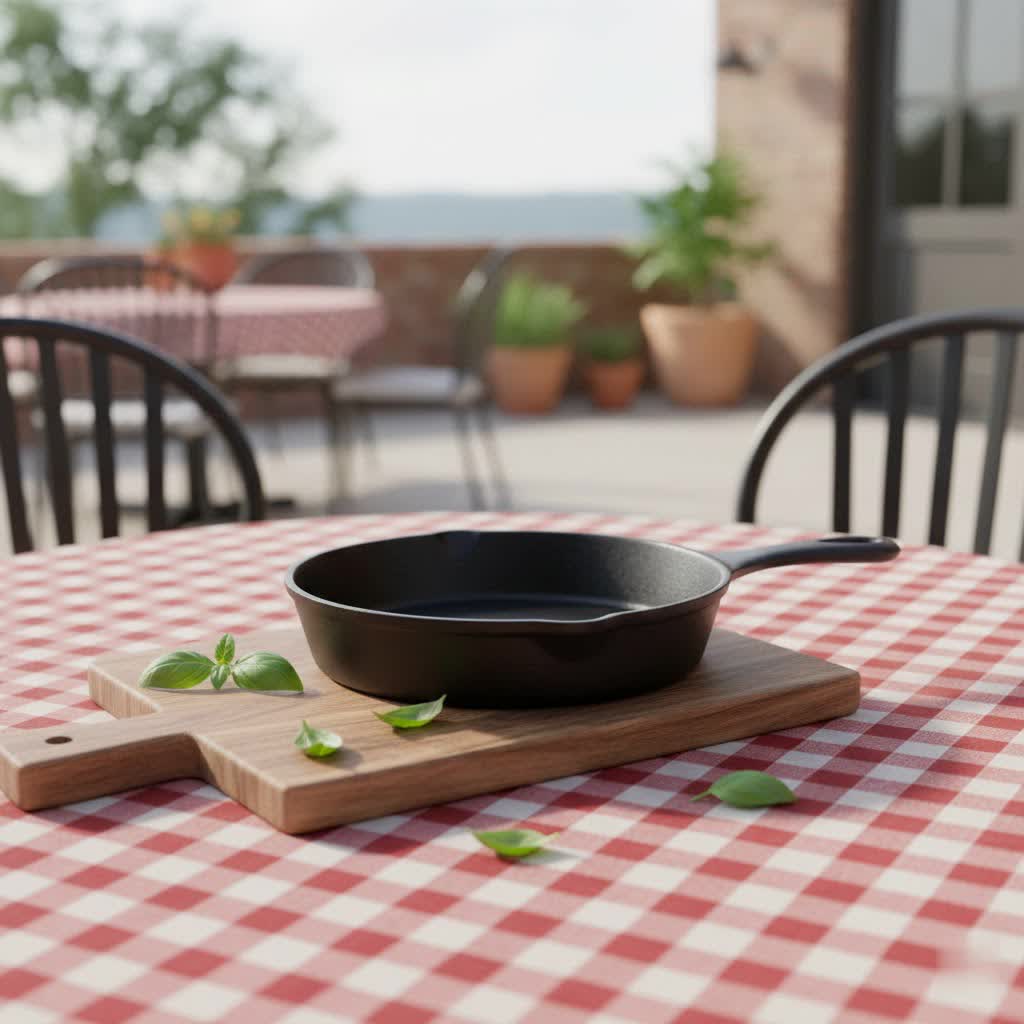
What is Cast Iron Skillet Rust?
Rust, scientifically known as iron oxide, is formed when iron reacts with oxygen and moisture. Given that cast iron is primarily made of iron, it is inherently susceptible to rusting if its protective seasoning layer is compromised. This seasoning is a polymerized layer of oil that bonds to the iron, creating a natural, non-stick surface and acting as a barrier against rust. When this layer is stripped away or moisture is left on the surface, rust can begin to form, appearing as a reddish-brown discoloration. While cooking with a slightly rusted pan won’t typically cause immediate harm, consuming rust is not recommended, making thorough removal crucial before use.
Why Your Cast Iron Skillet Rusted
Understanding why your iron skillet rusted is the first step in preventing it from happening again. The primary culprit is almost always moisture. Common reasons for rust include:
- Improper Drying: Leaving your cast iron skillet to air dry or not thoroughly drying it after washing is the most frequent cause of rust. Even a few water droplets can lead to oxidation.
- Harsh Cleaning: Using abrasive soaps, steel wool (without proper re-seasoning intent), or dishwashers can strip away the pan’s protective seasoning, exposing the bare iron to moisture.
- Extended Soaking: Letting your cast iron soak in water for prolonged periods, especially in a sink, is a sure way to encourage rust formation.
- Acidic Foods: Cooking highly acidic foods like tomato sauce for too long can erode the seasoning layer, leaving the iron vulnerable.
- Improper Storage: Storing your skillet in a humid environment or stacking it without a protective barrier can trap moisture.
Essential Tools and Materials for Rust Removal
Before you begin the restoration process, gather these essential items:
- Abrasive Scrubbers:
- Steel wool (#0 or #00): Highly effective for tough rust.
- Stiff-bristled nylon brush or scouring pad: Good for lighter rust or after a vinegar soak.
- Chain mail scrubber: Useful for general cleaning and some rust, but steel wool is often better for deeper rust.
- Cleaning Agents:
- White vinegar: A powerful acidic rust remover, typically used diluted.
- Baking soda: A mild abrasive, effective as a paste for spot treatment or lighter rust.
- Dish soap (mild): For initial cleaning and removing residues (use sparingly if seasoning is intact, but for rust removal, you’ll re-season anyway).
- Drying Aids:
- Paper towels or lint-free cloths: For immediate drying.
- Stovetop or oven: To ensure complete moisture evaporation.
- Re-Seasoning Supplies:
- Neutral cooking oil: Vegetable oil, canola oil, grapeseed oil, or flaxseed oil are excellent choices for re-seasoning. Avoid olive oil due to its low smoke point.
- Aluminum foil: To catch oil drips in the oven during re-seasoning.
- Oven mitts: For safety during heating.
Step-by-Step Guide: Cleaning Mild Rust from Your Cast Iron Skillet
For skillets with light, superficial rust spots, a gentle but effective approach is often sufficient.
- Initial Scrub: Using a stiff brush or a non-scratch scouring pad, scrub the rusty areas under warm water. You can add a little mild dish soap to help lift loose rust particles and grime.
- Baking Soda Paste Treatment: If rust remains, create a thick paste with baking soda and a small amount of water. Apply this paste generously to the rusty spots.
- Scrub and Rinse: Let the paste sit for 10-15 minutes, then vigorously scrub the affected areas with a stiff brush or steel wool. The abrasive nature of baking soda combined with scrubbing will help remove the rust. Rinse thoroughly with warm water.
- Inspect and Repeat: Check your skillet for any remaining rust. If stubborn spots persist, repeat steps 2 and 3.
- Thorough Drying: Immediately dry the skillet completely with paper towels or a clean cloth. Then, place it on a stovetop over medium heat for 5-10 minutes, or in a warm oven (200°F / 93°C) for 15 minutes, to evaporate every last trace of moisture. This step is critical to prevent immediate re-rusting.
- Re-Season: Once completely dry and slightly warm, apply a very thin, even layer of neutral cooking oil over the entire skillet (inside, outside, and handle). Wipe off any excess oil with a clean paper towel until the surface appears almost dry. Proceed to the re-seasoning instructions below.
Step-by-Step Guide: Tackling Heavy Rust on Your Cast Iron Skillet
For a cast iron skillet with significant rust coverage, a more intensive treatment is required, often involving an acidic soak.
- Initial Scrubbing: Begin by scrubbing away as much loose, flaky rust as possible with steel wool or a stiff wire brush. This clears the way for the rust-removing solution.
- Vinegar Soak Preparation: Find a container large enough to fully submerge your skillet. Mix equal parts white vinegar and water (a 50:50 solution).
- Submerge and Soak: Carefully place your rusty iron skillet into the vinegar solution, ensuring it is completely submerged.
- Monitor Soak Time:
- For moderate rust, soak for about 30 minutes to 1 hour.
- For heavy rust, you might extend the soak up to 2-3 hours, but never exceed 8 hours without checking. Vinegar is acidic and can begin to pit or damage the iron if left too long. Check the skillet frequently by gently scraping with a plastic scraper; if rust begins to come off easily, it’s ready.
- “Too long in vinegar can harm the iron, so don’t let it sit longer than an hour at a time for typical rust.”
- Scrub After Soaking: Remove the skillet from the vinegar solution and rinse it under cold water. Immediately use steel wool, a stiff brush, or a scouring pad to scrub away the loosened rust. You’ll likely see the rust come off in dark, murky streaks.
- Wash Thoroughly: After scrubbing, wash the entire skillet with warm, soapy water to remove all rust particles and vinegar residue. Rinse well.
- Thorough Drying: This is non-negotiable. Dry the skillet immediately and completely with paper towels or a lint-free cloth. Then, place it on the stovetop over medium heat for 10-15 minutes, or in a preheated oven (200°F / 93°C) for 20 minutes, to ensure all moisture has evaporated. The skillet should be bone dry.
- Re-Season: With the skillet completely dry and warm, apply a very thin, even layer of neutral cooking oil over all surfaces. Wipe off any excess until it looks dry to the touch. Proceed to the re-seasoning instructions below.
The Critical Step: Drying Your Cast Iron Skillet Completely
After any cleaning, especially rust removal, absolute dryness is paramount. Cast iron is essentially raw iron, and any lingering moisture will immediately invite rust back.
- Towel Dry: Immediately after washing, use a clean, absorbent paper towel or lint-free cloth to dry your entire skillet thoroughly, inside and out.
- Heat Dry: Place the skillet over medium heat on your stovetop for 5-15 minutes, or in an oven preheated to 200-250°F (93-121°C) for 15-20 minutes. You should see light smoke or steam as any remaining moisture evaporates. This ensures your skillet is bone dry.
Re-Seasoning Your Cast Iron Skillet After Rust Removal
Removing rust strips away old seasoning, making re-seasoning an essential final step. This process creates a new protective layer and restores its non-stick properties.
- Apply Oil: Once your skillet is completely dry and slightly warm from heat drying, apply a very thin, even layer of neutral cooking oil (like vegetable, canola, or grapeseed oil) to all surfaces—the cooking surface, exterior, and handle.
- Wipe Excess: Using a clean paper towel, wipe off as much oil as you possibly can. The goal is a microscopically thin layer; too much oil will result in a sticky, uneven finish. It should look dry to the touch.
- Bake Upside Down: Preheat your oven to a high temperature, typically 450-500°F (232-260°C). Place a layer of aluminum foil on the bottom rack of your oven to catch any potential oil drips. Then, place your oiled skillet upside down on the middle rack. Baking it upside down prevents oil from pooling and creating sticky spots.
- Bake for One Hour: Let the skillet bake for one hour. During this time, the oil will polymerize, creating a hard, durable seasoning layer.
- Cool Slowly: After one hour, turn off the oven and allow the skillet to cool completely inside the oven. This slow cooling helps the seasoning set properly.
- Repeat for Best Results: For optimal results and a robust, dark seasoning, repeat the oiling and baking process 3-5 times. Each layer contributes to a more durable and non-stick finish.
Comparing Rust Removal Methods: Pros and Cons
| Method | Pros | Cons | Best For |
|---|---|---|---|
| Abrasive Scrubbing | Simple, quick, doesn’t require chemicals. | Requires significant elbow grease; less effective for deeply pitted rust. | Mild surface rust, spot treatment. |
| Baking Soda Paste | Non-toxic, mild abrasive, good for spot cleaning. | Can be less effective for widespread or heavy rust. | Light rust spots, pre-treatment. |
| White Vinegar Soak | Highly effective for moderate to heavy rust, minimal scrubbing needed. | Can damage iron if left too long (pitting); strong odor; requires complete re-seasoning. | Moderate to heavy rust, full pan restoration. |
| Self-Cleaning Oven Cycle | Burns off rust and old seasoning with minimal effort. | Risk of thermal shock (cracking); can release fumes; may not remove all rust/seasoning. (Not generally recommended) | Extreme cases, but with significant caution. |
Tips to Prevent Future Rust on Your Iron Skillet
Prevention is always better than cure when it comes to cast iron. Follow these practices to keep your skillet rust-free:
- Dry Immediately and Thoroughly: This is the golden rule. After every wash, dry your skillet with a towel and then heat it on the stovetop or in the oven for a few minutes to ensure it’s completely dry.
- Avoid the Dishwasher: Dishwashers are cast iron’s arch-nemesis. The harsh detergents and prolonged water exposure will strip seasoning and cause rust.
- Limit Soaking: Do not leave your cast iron skillet to soak in water. Clean it promptly after use.
- Lightly Oil After Each Use: After cleaning and drying, apply a very thin layer of cooking oil with a paper towel. This adds a protective barrier.
- Proper Storage: Store your skillet in a dry place. If stacking, place a paper towel or cloth between pans to allow for air circulation and absorb any residual moisture.
- Regular Use: The more you cook with your cast iron skillet and properly care for it, the stronger its seasoning will become, making it more resistant to rust.
When to Seek Professional Help or Replace Your Skillet
While most rusty cast iron skillets are salvageable, there are rare instances when it might be beyond home repair.
- Deep Pitting: If the rust has eaten away at the iron, creating deep pits or holes in the cooking surface, the pan’s integrity may be compromised, and it might be time for a replacement.
- Cracks: Any significant cracks in the skillet indicate irreparable damage, as they can worsen with heat and make the pan unsafe for use.
- Extensive Heat Damage: If the skillet has been subjected to extreme, uneven heat, it might show signs of warping or discoloration that is beyond simple rust.
> “Don’t fear the rust! Cast iron is incredibly resilient. Most rusty skillets can be brought back to life with a little effort and the right techniques. The key is thorough drying and consistent re-seasoning.” – Admin, Reviewfiest.com
Buying Guide (Cast Iron Skillet Care)
Caring for your cast iron skillet is an ongoing journey. Remember these crucial elements:
- Routine Drying: Always prioritize drying your skillet immediately and thoroughly after every wash.
- Seasoning Maintenance: Understand that seasoning is dynamic. It builds up with use and requires occasional touch-ups or full re-seasoning after intensive cleaning.
- Gentle Cleaning: For everyday cleaning, avoid harsh detergents and abrasive scrubbers that can strip the seasoning. A gentle scrape with a spatula and hot water is often enough.
- Patience: Restoring a heavily rusted skillet takes time and patience, particularly with the multi-layered re-seasoning process.
Conclusion
A rusty iron skillet is not a lost cause. With the right tools, techniques, and a little dedication, you can effectively clean and restore your beloved cast iron cookware, ensuring it remains a staple in your kitchen for generations. From tackling mild surface spots with baking soda to revitalizing heavily rusted pans with a vinegar soak, the process culminates in the essential re-seasoning step, which fortifies your skillet against future corrosion. Embrace the minor effort required for cleaning a rusty cast iron skillet, and you’ll be rewarded with a naturally non-stick, incredibly durable, and consistently performing piece of cookware. What rusty cast iron treasures will you bring back to life next?
Frequently Asked Questions
Can a very rusty cast iron skillet be saved?
|
Our Picks for the Best Iron Skillet in 2026
As an Amazon Associate I earn from qualifying purchases.
|
||
| Num | Product | Action |
|---|---|---|
| 1 | Lodge 12 Inch Pre-Seasoned Cast Iron Skillet - Dual Assist Handles - Use in the Oven, on the Stove, on the Grill, or Over a Campfire - Black |

|
| 2 | Lodge 10.25 Inch Cast Iron Skillet – Pre-Seasoned Frying Pan with Teardrop Handle – Oven, Stovetop, Grill & Campfire Use – Made in USA – Durable, Non-Toxic, Even-Heating Cookware – Black |
|
| 3 | Utopia Kitchen Cast Iron Skillets 12 Inch, Chef's Pan, Pre-Seasoned Frying Pan, Stovetop, Oven, Campfire and Grill Large Skillet, Even Heat Distribution Multipurpose Cast Iron Pan - Black |
|
| 4 | Cuisinel Cast Iron Skillet with Lid - 12"-Inch Frying Pan + Glass Cover + Silicone Handle Holder - Pre-Seasoned Oven Safe Cookware - Indoor/Outdoor Use - Grill, BBQ, Fire, Stovetop. PFAS and PFOA-free |
|
| 5 | Lodge Pre-Seasoned Cast Iron Skillet Set - Set Includes 8 Inch Skillet, 10.25 Inch Skillet, and 12 inch Skillet - 3 Piece |
|
| 6 | Cuisinel Cast Iron Skillet with Lid - 12"-inch Pre-Seasoned Covered Frying Pan Set + Silicone Handle & Lid Holders + Scraper/Cleaner - Indoor/Outdoor, Oven, Stovetop, Camping Fire, Grill Safe Cookware |
|
| 7 | Lodge 12 Inch Cast Iron Skillet with Red Silicone Hot Handle Holder – Pre-Seasoned Frying Pan for Stove, Oven, Grill & Campfire – Made in the USA – Durable, Nonstick Cast Iron Cookware – Black |
|
| 8 | EWFEN Cast Iron Skillet 3-Piece Set, Heavy-Duty Professional Restaurant Chef Quality Pre-Seasoned Pan Cookware Set, 6", 8", 10" Pans For Frying, Saute, Cooking, Use Indoor/Outdoor, Oven, Grill |
|
| 9 | Mercer Culinary Pre-Seasoned Cast Iron Skillet, 10.25-Inch |
|
| 10 | Stargazer 10.5-Inch Cast Iron Skillet - Made in USA, Seasoned, Premium Frying Pan for Grilling, Searing, Baking & More – Durable Cast Iron with Smooth Cooking Surface |
|
Yes, in almost all cases, a very rusty cast iron skillet can be completely restored. Cast iron is incredibly durable, and even severe rust can typically be removed through methods like a vinegar soak and aggressive scrubbing, followed by thorough re-seasoning to create a new protective layer.
Is it safe to cook on a cast iron skillet that has rust?
No, it is generally not considered safe to cook on a cast iron skillet that has rust. While a tiny amount of rust might not cause serious harm, rust is not a food-safe material. It’s crucial to remove all rust and properly re-season the pan before using it for cooking to ensure food safety and the longevity of your cookware.
What is the best oil for seasoning cast iron after removing rust?
For seasoning cast iron after removing rust, neutral oils with high smoke points are best. Popular choices include vegetable oil, canola oil, grapeseed oil, or flaxseed oil. These oils polymerize effectively when heated, forming a hard, non-stick, and protective layer that prevents future rust.
How long should I soak cast iron in vinegar for rust removal?
For effective rust removal, a cast iron skillet can be soaked in a 50:50 solution of white vinegar and water for 30 minutes to 1-2 hours. For very heavy rust, you might extend this to a few hours, but never longer than 8 hours without checking, as prolonged exposure to vinegar can potentially pit or damage the iron.
How do I prevent rust on my cast iron skillet after cleaning it?
To prevent rust after cleaning, always dry your cast iron skillet immediately and thoroughly with paper towels, then heat it on the stovetop or in the oven to evaporate all moisture. After drying, apply a very thin layer of cooking oil to the entire surface and store it in a dry place. Regular use also helps maintain its seasoning.
