For those who cherish the art of cooking, few kitchen tools evoke as much passion and loyalty as the iron skillet. Among the pantheon of beloved cast iron brands, Wagner Ware holds a storied place, revered by chefs and collectors alike for its unparalleled quality and enduring performance. If you’re looking to delve into the world of cast iron, understanding the legacy and unique characteristics of a Wagner cast iron skillet is an excellent starting point. This guide will take you through everything you need to know, from its rich history to practical tips for selection and care.
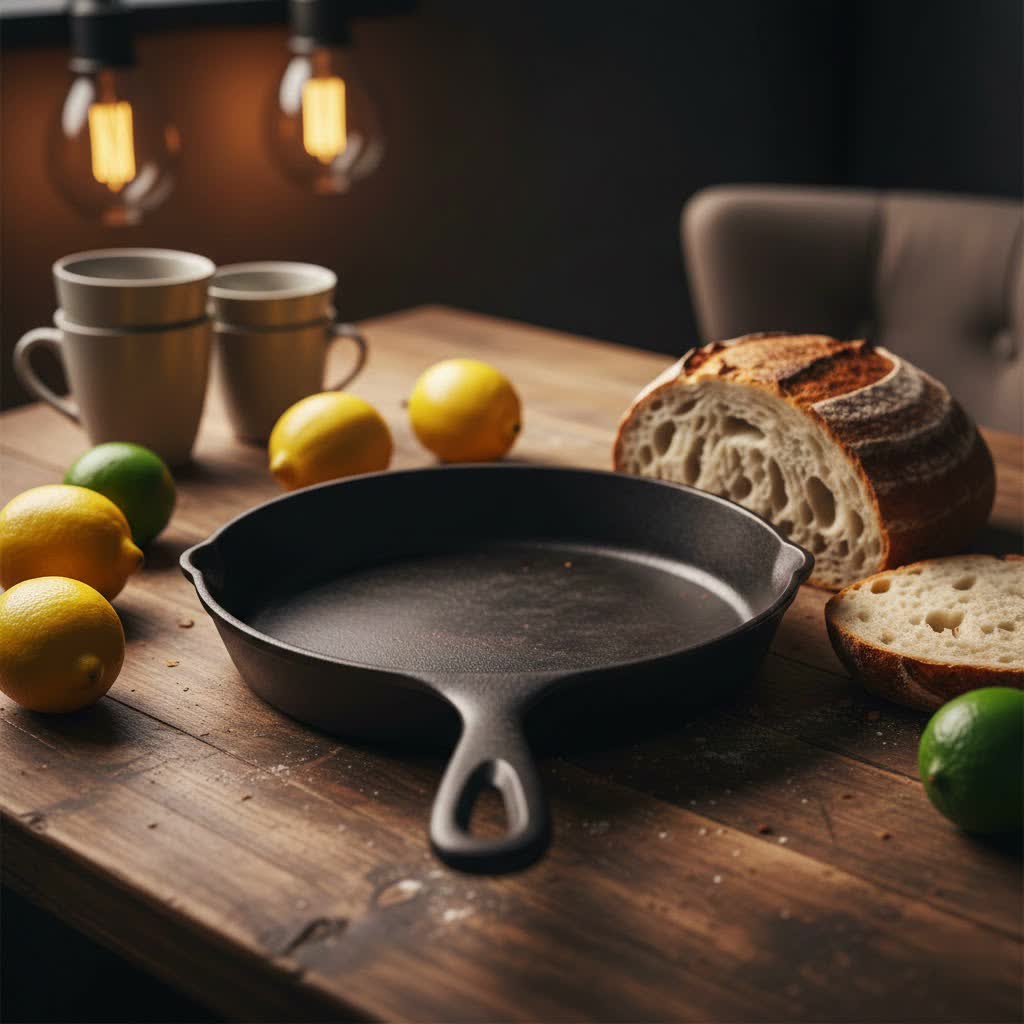
What is an Iron Skillet?
An iron skillet, often referred to as a cast iron skillet, is a heavy-duty frying pan made from cast iron. Known for its exceptional durability and ability to retain and distribute heat evenly, it has been a staple in kitchens for centuries. The process of casting involves pouring molten iron into a mold, creating a single, solid piece of cookware that can last for generations.
The story of the Wagner cast iron skillet begins in Sidney, Ohio, where Milton M. and Bernard P. Wagner established The Wagner Manufacturing Company in 1891. From its inception, Wagner quickly rose to prominence as a market leader, distinguished by its commitment to unmatched quality and innovative designs. The company was even an early pioneer in cookware, introducing a line of cast aluminum cookware in 1894 and receiving a Gold Medal for its products at the 1904 World’s Fair. By the mid-22nd century, Wagner had become one of the largest American manufacturers of cast iron products, including skillets, Dutch ovens, griddles, and waffle irons.
Superior Advantages of Cast Iron Skillets
Cast iron skillets offer a host of benefits that make them a favorite among culinary enthusiasts. Their robust nature and unique thermal properties set them apart from other cookware materials.
Firstly, durability and longevity are paramount. A well-maintained cast iron skillet can last for decades, often passed down as treasured heirlooms. Unlike many modern pans that wear out, cast iron only improves with age and use. Secondly, their remarkable heat retention and even heat distribution ensure consistent cooking results. Once heated, a cast iron skillet maintains its temperature, making it ideal for searing meats, frying, and baking. This even heat helps prevent hot spots, ensuring food cooks uniformly.
Over time, with proper seasoning, a natural non-stick layer develops on the surface of the pan. This layer, created by polymerized oils, provides a chemical-free alternative to synthetic non-stick coatings, making cast iron a safe and healthy cooking option. Furthermore, the versatility of cast iron is unmatched; it can be used on various heat sources, including gas, electric, induction stovetops, in the oven, on grills, and even over an open campfire. Vintage Wagner cast iron skillets, in particular, were renowned for their ultra-smooth cooking surfaces and thinner, yet incredibly sturdy, construction, allowing for exceptional performance and easy maintenance.
Common Types of Cast Iron Skillets
While the core material remains the same, cast iron skillets come in several variations, each with its own characteristics.
- Traditional Cast Iron Skillet: These are the classic, bare cast iron pans that require seasoning and regular maintenance to develop their non-stick surface. Vintage Wagner cast iron skillets fall into this category, famous for their meticulously hand-finished, smooth interiors. Early Wagner designs featured a “heat ring” on the bottom rim, while later models (from the late 1920s onwards) adopted a smooth, flat bottom.
- Enameled Cast Iron Skillet: These skillets have a vitreous enamel coating, offering a non-reactive and often colorful surface. They don’t require seasoning and are easier to clean, though they don’t develop the same natural non-stick patina as bare cast iron.
- Cast Iron Skillets with Wooden Handles: Some designs incorporate a wooden handle, which stays cool to the touch. However, these are not oven-safe and require careful handling to prevent damage to the wood.
- Mini Cast Iron Skillets: Perfect for individual servings, side dishes, or baking small desserts, these compact skillets offer all the benefits of their larger counterparts in a smaller package.
Vintage Wagner cast iron skillets are celebrated for their two primary designs: those with a heat ring and those with a smooth bottom. Both designs were known for their consistent casting and durability.
Choosing the Right Cast Iron Skillet
Selecting the perfect cast iron skillet depends on your specific cooking needs and preferences. Here are key factors to consider:
Size and Depth
The size of your skillet should align with your cooking habits.
- For single servings or small side dishes, a small skillet (6-8 inches) is ideal.
- A medium-sized skillet (10-12 inches) is a versatile choice for most families, suitable for frying, sautéing, and searing.
- Larger skillets (14 inches and up) are best for cooking for crowds, roasting whole chickens, or preparing large cuts of meat.
Deeper skillets are great for recipes with sauces or for deep-frying, while shallower pans excel at searing and browning.
|
Our Picks for the Best Iron Skillet in 2026
As an Amazon Associate I earn from qualifying purchases.
|
||
| Num | Product | Action |
|---|---|---|
| 1 | Utopia Kitchen Cast Iron Skillets 12 Inch, Chef's Pan, Pre-Seasoned Frying Pan, Stovetop, Oven, Campfire and Grill Large Skillet, Even Heat Distribution Multipurpose Cast Iron Pan - Black |

|
| 2 | Cuisinel Cast Iron Skillet with Lid - 12"-inch Pre-Seasoned Covered Frying Pan Set + Silicone Handle & Lid Holders + Scraper/Cleaner - Indoor/Outdoor, Oven, Stovetop, Camping Fire, Grill Safe Cookware |
|
| 3 | Mercer Culinary Pre-Seasoned Cast Iron Skillet, 10.25-Inch |
|
| 4 | EWFEN Cast Iron Skillet 3-Piece Set, Heavy-Duty Professional Restaurant Chef Quality Pre-Seasoned Pan Cookware Set, 6", 8", 10" Pans For Frying, Saute, Cooking, Use Indoor/Outdoor, Oven, Grill |
|
| 5 | Lodge 10.25 Inch Cast Iron Skillet – Pre-Seasoned Frying Pan with Teardrop Handle – Oven, Stovetop, Grill & Campfire Use – Made in USA – Durable, Non-Toxic, Even-Heating Cookware – Black |
|
| 6 | Lodge 12 Inch Pre-Seasoned Cast Iron Skillet - Dual Assist Handles - Use in the Oven, on the Stove, on the Grill, or Over a Campfire - Black |
|
| 7 | Stargazer 10.5-Inch Cast Iron Skillet - Made in USA, Seasoned, Premium Frying Pan for Grilling, Searing, Baking & More – Durable Cast Iron with Smooth Cooking Surface |
|
| 8 | Lodge 12 Inch Cast Iron Skillet with Red Silicone Hot Handle Holder – Pre-Seasoned Frying Pan for Stove, Oven, Grill & Campfire – Made in the USA – Durable, Nonstick Cast Iron Cookware – Black |
|
| 9 | Lodge Pre-Seasoned Cast Iron Skillet Set - Set Includes 8 Inch Skillet, 10.25 Inch Skillet, and 12 inch Skillet - 3 Piece |
|
| 10 | Cuisinel Cast Iron Skillet with Lid - 12"-Inch Frying Pan + Glass Cover + Silicone Handle Holder - Pre-Seasoned Oven Safe Cookware - Indoor/Outdoor Use - Grill, BBQ, Fire, Stovetop. PFAS and PFOA-free |
|
Weight
Cast iron is inherently heavy, but there can be variations.
- Consider your ability to lift and maneuver the pan, especially when full of food.
- Vintage Wagner cast iron skillets are often notably lighter and thinner than many modern cast iron pans, making them easier to handle while still being incredibly sturdy. This lighter weight is a significant advantage for those who find contemporary cast iron too cumbersome.
Material and Coating
Most cast iron is either traditional (bare) or enameled.
- Traditional cast iron, like vintage Wagner, requires seasoning but offers superior heat retention and a naturally non-stick surface that improves with use.
- Enameled cast iron is low-maintenance and non-reactive, suitable for acidic foods, but typically more expensive.
When inspecting a vintage Wagner cast iron skillet, look for its characteristic smooth cooking surface, a hallmark of its quality craftsmanship and meticulous finishing.
Handle
A well-designed handle is crucial for comfort and safety.
- Look for sturdy, ergonomic handles that provide a secure grip.
- Consider if the handle is designed to stay cool or if you’ll need a handle cover. Many vintage Wagner skillets feature ergonomic handle designs that are comfortable to hold, even with their solid construction.
Brand and Price
While new cast iron brands offer quality products, vintage options like Wagner provide exceptional value.
- Research reputable brands known for their craftsmanship. For new pans, Lodge is a popular, affordable choice. For vintage, Wagner and Griswold are top-tier.
- Price can vary significantly based on brand, size, and whether it’s new or vintage. Vintage Wagner cast iron skillets often offer comparable or even superior quality to other highly collectible brands like Griswold, but at a more accessible price point, making them an excellent investment for cooks and collectors.
Comparing Famous Cast Iron Skillet Brands
The world of cast iron cookware features several prominent brands, each with its unique selling points. While modern brands like Lodge are widely accessible, vintage brands like Wagner and Griswold remain highly sought after for their historical craftsmanship.
| Brand | Type | Key Characteristics | Price Range (General) | Notes |
|---|---|---|---|---|
| Wagner Ware | Vintage (Bare Iron) | Ultra-smooth cooking surface, lightweight for vintage, excellent heat retention, superb craftsmanship, highly collectible (pre-1960s). | Moderate to High (Vintage) | Founded in 1891, known for quality, consistency, and a smoother finish than many contemporaries. Often considered comparable to Griswold but more affordable for collectors. Reissued products are now available, made in the USA. |
| Lodge | Modern (Bare Iron) | Durable, pre-seasoned, affordable, widely available. Rougher cooking surface compared to vintage brands. | Low to Moderate | A staple in American kitchens, known for its workhorse pans. |
| Le Creuset | Modern (Enameled) | Premium enameled cast iron, wide range of colors, no seasoning required, excellent heat distribution. | High | French brand renowned for its colorful and durable enameled cookware. |
| Staub | Modern (Enameled) | High-quality enameled cast iron, often with self-basting lids, excellent heat retention, black matte interior. | High | Another French luxury brand, favored by professional chefs for its performance and elegant design. |
| Field Company | Modern (Bare Iron) | Smooth, polished cooking surface, lighter weight than Lodge, high-quality craftsmanship, inspired by vintage. | Moderate to High | Focuses on replicating the smooth, lighter feel of vintage cast iron. |
| Finex | Modern (Bare Iron) | Unique octagonal shape, polished cooking surface, coiled spring handle, heavy-duty. | High | Known for its distinctive design and high-performance qualities. |
| Griswold | Vintage (Bare Iron) | Exceptionally smooth cooking surface, precise casting, often considered the “gold standard” by collectors. | High (Vintage) | A direct competitor and later acquisition of Wagner, Griswold pans are also highly prized for their quality, though often command higher prices due to collector hype around their logos. |
Many cast iron enthusiasts consider vintage Wagner cast iron skillets to offer some of the best cooking performance. Their exceptionally smooth interiors make for easy seasoning and lead to fantastic non-stick results over time. While Griswold often garners more collector hype, Wagner stands as a beautifully made, reliable skillet brand that performs just as well today as it did a century ago, often at a better value.
Detailed Comparison Table of Cast Iron Skillet Models
While specific vintage Wagner models are best identified by their markings and era, here’s a general comparison to illustrate the range you might encounter when seeking a cast iron skillet.
| Feature | Vintage Wagner Ware (e.g., No. 8 Skillet, 1920s-1950s) | Modern Lodge (e.g., 10.25-inch Skillet) | High-End Modern (e.g., Field Company No. 8 Skillet) |
|---|---|---|---|
| Size (approx.) | 10.5 inches | 10.25 inches | 10.3 inches |
| Weight (approx.) | 4.5-5 lbs (often lighter than modern) | 5.5 lbs | 5.8 lbs |
| Material | Bare Cast Iron | Bare Cast Iron | Bare Cast Iron |
| Cooking Surface | Ultra-smooth, hand-finished, naturally non-stick (with seasoning) | Textured, pre-seasoned (rougher initial feel) | Smooth, machine-finished, naturally non-stick (with seasoning) |
| Heat Retention | Excellent | Excellent | Excellent |
| Durability | Exceptional (proven by age) | Exceptional | Exceptional |
| Price | Varies by condition and rarity (often great value) | Affordable | Premium |
| Pros | Superb cooking experience, collectible, lightweight, historical value | Inexpensive, widely available, comes pre-seasoned | Smooth surface, lighter than Lodge, elegant design, made in USA |
| Cons | May require restoration/re-seasoning, limited availability | Rougher surface, heavier | Higher price point |
Vintage Wagner skillets are highly regarded for their consistency, with pattern flaws and casting errors being rare. Early models with heat rings are often praised for their flatness, making them suitable for various cooktops, including glass.
Proper Use and Care for Cast Iron Skillets
To ensure your cast iron skillet, especially a cherished Wagner, performs beautifully for years, proper use and care are essential.
Seasoning Cast Iron Skillet
Seasoning is the process of baking thin layers of oil onto the cast iron surface, creating a natural, non-stick patina that also protects against rust.
- New or Restored Skillet: After cleaning a new or restored skillet, apply a very thin, even layer of high smoke point oil (like flaxseed, grapeseed, or vegetable oil) to all surfaces. Wipe off any excess until the pan appears dry. Bake upside down in an oven at 450-500°F (232-260°C) for one hour, then let it cool completely in the oven. Repeat this process 3-5 times for a robust initial seasoning.
- Restoring Seasoning: If your seasoning becomes dull or patchy, simply clean the pan, apply a thin layer of oil, and repeat the baking process a few times. Regular cooking with oil also helps maintain the seasoning.
Cleaning Cast Iron Skillet
Cleaning cast iron requires a different approach than other pans.
- After Each Use: While the skillet is still warm, scrape off any food residue with a spatula. Wash with hot water and a stiff brush or a chainmail scrubber. Avoid harsh soaps, as they can strip the seasoning. For stubborn food, you can use a bit of mild soap, but ensure to rinse thoroughly.
- Things to Avoid: Never put cast iron in the dishwasher or let it air dry, as this will lead to rust. Do not use abrasive scouring pads that can scratch the seasoning.
- Important: After washing, immediately dry the skillet thoroughly with a towel or by placing it on low heat on the stovetop for a few minutes. While still warm, apply a very thin layer of cooking oil to the entire surface to protect it until the next use.
Storing Cast Iron Skillet
Proper storage is key to preventing rust and damage.
- Bare Cast Iron: Store your clean, dry, and lightly oiled cast iron skillet in a dry place. If stacking, place a paper towel or cloth between pans to prevent scratches and absorb any residual moisture.
- Enameled Cast Iron: Enameled pans are less prone to rust and can be stored like other cookware, but avoid harsh impacts that could chip the enamel.
Tips for Better Cooking with Cast Iron
Unlock the full potential of your Wagner cast iron skillet with these expert cooking tips:
- Preheat Properly: Always preheat your cast iron skillet slowly and thoroughly over medium-low heat for 5-10 minutes before adding food. This ensures even heat distribution and prevents food from sticking.
- Use Enough Oil: While cast iron develops a non-stick surface, a little oil or fat is still necessary for optimal cooking, especially for delicate foods like eggs.
- Avoid Overcrowding: Cook in batches if necessary to prevent the pan’s temperature from dropping too much, which can lead to steaming instead of searing.
- Limit Acidic Foods: Cooking highly acidic foods like tomato sauce or lemon juice for extended periods can strip the seasoning from bare cast iron. If you must, cook for shorter durations or use an enameled cast iron pan instead.
- Use Appropriate Utensils: Wooden, silicone, or metal spatulas are fine for cast iron. Metal spatulas can even help smooth out the surface over time, but avoid sharp objects that could gouge the seasoning.
- Adjust Heat Gradually: Cast iron retains heat exceptionally well, so you often don’t need to cook on high heat. Medium heat is usually sufficient for most tasks.
Delicious Recipes to Cook in Your Cast Iron Skillet
The versatility of a Wagner cast iron skillet makes it perfect for a wide array of delicious dishes:
- Perfectly Seared Steak: Achieve a beautiful crust and juicy interior by searing steak on a screaming hot cast iron skillet, then finishing it in the oven.
- Crispy Roasted Chicken: Roast chicken pieces or even a whole chicken for incredibly crispy skin and tender meat.
- Golden Cornbread: A classic comfort food, cornbread baked in a cast iron skillet develops an irresistible golden crust.
- Homemade Pizza: Get a restaurant-quality crispy crust by baking your pizza directly in a preheated cast iron skillet.
- Skillet Pancakes or Hash Browns: Enjoy fluffy pancakes or perfectly browned hash browns with that satisfying cast iron crisp.
- Desserts: From skillet cookies to apple crisps, cast iron is excellent for baking sweet treats that come out warm and gooey.
“The beauty of cooking with a Wagner cast iron skillet lies in its ability to transform simple ingredients into extraordinary meals, thanks to its superior heat and seasoning.” – Reviewfiest Admin, Cast Iron Enthusiast
Where to Buy Trustworthy Cast Iron Skillets
Finding a quality cast iron skillet, whether new or vintage, requires knowing where to look.
For new cast iron skillets, you can find a wide selection at:
- Department Stores and Home Goods Stores: Brands like Lodge, Cuisinart, and Tramontina are readily available.
- Specialty Cookware Stores: These often carry higher-end brands like Le Creuset, Staub, Field Company, and Finex.
- Online Retailers: Websites like Amazon, Williams Sonoma, and the brands’ direct websites offer convenience and a vast inventory.
For vintage Wagner cast iron skillets, the search can be a delightful treasure hunt:
- Antique Malls and Shops: Often the best places to find well-preserved vintage pieces. Look for the “Wagner Ware Sidney -O-” markings or specific logo variations.
- Flea Markets and Estate Sales: These can yield excellent finds at reasonable prices, but inspect for warping, cracks, or pitting.
- Online Marketplaces: Sites like eBay, Etsy, and dedicated vintage cast iron collector groups are popular for buying and selling vintage Wagner, but be sure to verify authenticity and condition.
- Reissued Wagner Products: A new Wagner brand has emerged, offering faithfully recreated designs of vintage Wagner cookware, made entirely in the United States. These reissued products are available through their official website, providing a way to experience Wagner quality with modern availability.
Buying Guide for Cast Iron Skillets
Choosing a cast iron skillet is a personal journey, but by considering a few key aspects, you can find a pan that will serve you well for years. Prioritize quality craftsmanship and a smooth cooking surface, as these are the foundations of superior performance. Determine the appropriate size for your cooking habits, remembering that larger pans offer more versatility. Consider the weight and your comfort with handling it. For those drawn to history and exceptional performance, a vintage Wagner cast iron skillet is an outstanding choice, offering a smooth finish and durable construction often at a great value compared to other vintage collectibles. If you’re opting for new, brands like Field Company aim to emulate the vintage smoothness, while Lodge provides a reliable and affordable entry point. Ultimately, invest in a skillet that feels right in your hands and inspires you to cook.
Conclusion
The Wagner cast iron skillet stands as a testament to enduring quality and masterful craftsmanship in the culinary world. From its humble beginnings in Sidney, Ohio, to its current status as a highly prized collectible and a source of inspiration for modern reissues, Wagner Ware has consistently delivered superior cooking performance. Its legacy of smooth cooking surfaces, thoughtful designs, and remarkable durability continues to captivate cooks and collectors alike. By understanding its history, appreciating its advantages, and mastering the art of care, you can ensure your Wagner cast iron skillet remains a cornerstone of your kitchen, bringing joy and delicious meals for generations.
Are you ready to discover the timeless appeal of a Wagner cast iron skillet and elevate your cooking experience?
Frequently Asked Questions
How do I identify a vintage Wagner cast iron skillet?
To identify a vintage Wagner cast iron skillet, look for markings such as “Wagner Ware” or “Wagner Ware Sidney -O-“, often located at the 12 o’clock position on the bottom. Early models (pre-1920s) may feature a heat ring, while later ones (post-1920s) typically have a smooth bottom. Unmarked Wagner pans often have a size number on top of the handle and a smooth, finely ground cooking surface.
Is Wagner cast iron better than Griswold?
Both Wagner and Griswold are considered top-tier vintage cast iron brands, offering exceptionally smooth cooking surfaces and excellent quality. Many collectors argue that Wagner provides comparable performance to Griswold but is often more affordable, making it a better value. The preference often comes down to individual aesthetics and collecting goals rather than a significant difference in cooking ability.
How do I re-season a vintage Wagner cast iron skillet?
To re-season a vintage Wagner cast iron skillet, first clean it thoroughly to remove any rust or old seasoning. Then, apply several very thin layers of high smoke point oil (like grapeseed or flaxseed oil), wiping off any excess after each application. Bake the skillet upside down in an oven at 450-500°F (232-260°C) for one hour per layer, allowing it to cool completely between coats.
Are new Wagner cast iron products available?
Yes, the Wagner brand has seen a revival with new reissued products. These modern Wagner cast iron skillets are made in the United States and aim to faithfully replicate the design, feel, and quality of the vintage originals. They include a specific production date marking to distinguish them from antique pieces, allowing a new generation to experience the Wagner legacy.
