For centuries, the humble cast iron skillet has been a cornerstone of kitchens worldwide, celebrated for its unparalleled durability and exceptional cooking performance. But when you add a lid, this kitchen workhorse transforms into an even more versatile culinary tool, unlocking a world of new cooking possibilities. Whether you’re a seasoned chef or just starting your cast iron journey, understanding the nuances of a cast iron skillet with a lid can elevate your cooking, making every meal a masterpiece. This comprehensive guide will explore everything you need to know, from its unique benefits and different types to essential care, expert cooking tips, and popular brands, ensuring you find the perfect covered cast iron skillet for your culinary adventures.
What is a Cast Iron Skillet?
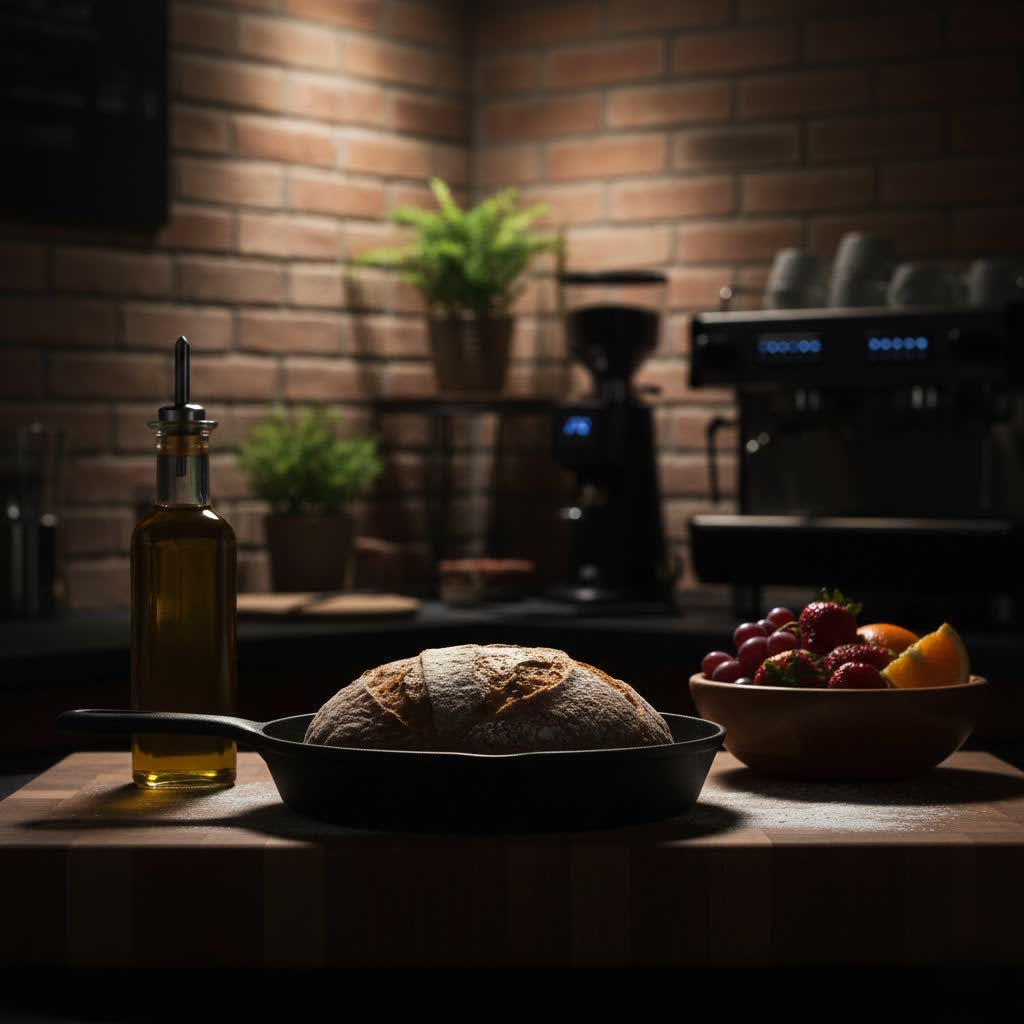
A cast iron skillet is a heavy-duty frying pan made from casting molten iron into a mold. Its robust construction and unique material properties make it a standout in the world of cookware. Originally developed centuries ago, cast iron gained prominence for its ability to withstand high temperatures and retain heat exceptionally well. The addition of a lid significantly expands the skillet’s utility, allowing for cooking methods like braising, steaming, and slow simmering that are often challenging in an open pan. This makes a cast iron skillet with a lid a truly multi-functional piece, bridging the gap between a traditional frying pan and a Dutch oven.
Superior Advantages of a Cast Iron Skillet with a Lid
The combination of cast iron’s inherent qualities and the added functionality of a lid offers numerous benefits that distinguish it from other cookware.
- Exceptional Heat Retention and Even Distribution: Cast iron is renowned for its ability to hold and distribute heat uniformly across its surface. Once heated, it maintains a consistent temperature, preventing hot spots and ensuring your food cooks evenly. The lid amplifies this, trapping heat inside and creating a mini-oven effect, perfect for thorough cooking and maintaining warmth.
- Natural Non-Stick Surface (with Seasoning): Properly seasoned traditional cast iron develops a natural, chemical-free non-stick surface that improves with every use. This seasoning, a layer of polymerized oil baked onto the surface, provides an easy-release finish for your food.
- Health Benefits: Cooking with cast iron can subtly fortify your food with dietary iron, which can be particularly beneficial for individuals needing an iron boost. Unlike some modern non-stick coatings, cast iron does not leach harmful chemicals into your food, making it a safe and healthy choice for your kitchen.
- Unrivaled Durability and Longevity: Cast iron skillets are built to last for generations. With proper care, these pans are virtually indestructible and can become cherished family heirlooms. Their robust nature means they can withstand rigorous use on various heat sources without warping or degrading.
- Exceptional Versatility: A cast iron skillet with a lid is incredibly adaptable. It can seamlessly transition from stovetop (gas, electric, induction) to oven, grill, or even an open campfire. The lid makes it ideal for a wider range of dishes, from searing steaks to braising meats, baking breads, simmering stews, and steaming vegetables, offering unparalleled flexibility in cooking methods. The lid also helps contain splatters during frying and keeps food warm after cooking.
Types of Cast Iron Skillets
When exploring cast iron skillets, you’ll primarily encounter two main types, both of which can come with or accommodate a lid, each offering distinct characteristics.
Traditional (Seasoned) Cast Iron Skillet
This is the classic, bare cast iron pan that comes either pre-seasoned from the factory or requires initial seasoning at home.
- Characteristics: These skillets have a dark, often slightly textured surface. They are known for their ruggedness and ability to develop a superior non-stick coating over time through regular use and seasoning.
- Seasoning and Maintenance: Traditional cast iron requires ongoing seasoning to maintain its non-stick properties and prevent rust. This involves applying a thin layer of cooking oil and heating the pan to polymerize the oil onto the surface. After each use, it should be hand-washed, thoroughly dried, and lightly oiled.
- Lid Functionality: A lid on a traditional cast iron skillet is excellent for locking in moisture, allowing for braising, simmering, and slow-cooking, which tenderizes meats and infuses flavors deeply. It also helps in steaming vegetables and ensures baked goods like cornbread cook evenly without drying out.
|
Our Picks for the Best Iron Skillet in 2026
As an Amazon Associate I earn from qualifying purchases.
|
||
| Num | Product | Action |
|---|---|---|
| 1 | Lodge 10.25 Inch Cast Iron Skillet – Pre-Seasoned Frying Pan with Teardrop Handle – Oven, Stovetop, Grill & Campfire Use – Made in USA – Durable, Non-Toxic, Even-Heating Cookware – Black |

|
| 2 | Stargazer 10.5-Inch Cast Iron Skillet - Made in USA, Seasoned, Premium Frying Pan for Grilling, Searing, Baking & More – Durable Cast Iron with Smooth Cooking Surface |
|
| 3 | EWFEN Cast Iron Skillet 3-Piece Set, Heavy-Duty Professional Restaurant Chef Quality Pre-Seasoned Pan Cookware Set, 6", 8", 10" Pans For Frying, Saute, Cooking, Use Indoor/Outdoor, Oven, Grill |
|
| 4 | Lodge Pre-Seasoned Cast Iron Skillet Set - Set Includes 8 Inch Skillet, 10.25 Inch Skillet, and 12 inch Skillet - 3 Piece |
|
| 5 | Utopia Kitchen Cast Iron Skillets 12 Inch, Chef's Pan, Pre-Seasoned Frying Pan, Stovetop, Oven, Campfire and Grill Large Skillet, Even Heat Distribution Multipurpose Cast Iron Pan - Black |
|
| 6 | Lodge 12 Inch Cast Iron Skillet with Red Silicone Hot Handle Holder – Pre-Seasoned Frying Pan for Stove, Oven, Grill & Campfire – Made in the USA – Durable, Nonstick Cast Iron Cookware – Black |
|
| 7 | Lodge 12 Inch Pre-Seasoned Cast Iron Skillet - Dual Assist Handles - Use in the Oven, on the Stove, on the Grill, or Over a Campfire - Black |
|
| 8 | Cuisinel Cast Iron Skillet with Lid - 12"-Inch Frying Pan + Glass Cover + Silicone Handle Holder - Pre-Seasoned Oven Safe Cookware - Indoor/Outdoor Use - Grill, BBQ, Fire, Stovetop. PFAS and PFOA-free |
|
| 9 | Mercer Culinary Pre-Seasoned Cast Iron Skillet, 10.25-Inch |
|
| 10 | Cuisinel Cast Iron Skillet with Lid - 12"-inch Pre-Seasoned Covered Frying Pan Set + Silicone Handle & Lid Holders + Scraper/Cleaner - Indoor/Outdoor, Oven, Stovetop, Camping Fire, Grill Safe Cookware |
|
Enameled Cast Iron Skillet
Enameled cast iron skillets feature a porcelain enamel coating over the cast iron core, offering a different set of advantages.
- Characteristics: These skillets often come in vibrant colors and have a smooth, glass-like cooking surface, which can be light-colored, making it easier to monitor browning.
- Pros:
- No Seasoning Required: The enamel coating acts as a protective barrier, eliminating the need for traditional seasoning and making it rust-resistant.
- Non-Reactive Surface: The enamel prevents the iron from reacting with acidic foods like tomatoes or wine, allowing you to cook a wider variety of dishes without imparting a metallic taste or damaging the pan.
- Easier to Clean: Enameled cast iron is generally easier to clean than traditional cast iron, often only requiring warm soapy water and a soft sponge. Some are even dishwasher-safe, though hand-washing is often recommended to preserve the finish.
- Aesthetic Appeal: Available in a wide array of colors, enameled cast iron skillets can be a stylish addition to any kitchen and are suitable for serving straight from the stove to the table.
- Cons:
- Heavier Weight: Enameled cast iron can be even heavier than traditional cast iron due to the coating, potentially making it cumbersome for some users.
- Higher Price Point: These skillets typically come with a higher price tag, reflecting their premium quality and intricate manufacturing process.
- Can Chip or Crack: While durable, the enamel coating can chip or crack if subjected to harsh impacts or extreme temperature changes, which can affect performance.
- Not Inherently Non-Stick: The enamel surface is smooth but not as naturally non-stick as a well-seasoned traditional cast iron, often requiring some oil for cooking.
- Slower to Heat and Not for High-Heat Dry Cooking: Enameled cast iron takes longer to heat up and is not ideal for very high-heat dry searing, as excessive heat can damage the enamel over time.
- Lid Functionality: Lids on enameled cast iron skillets serve the same moisture-retaining purposes as with traditional cast iron, perfect for braising and simmering. Many high-end enameled brands feature self-basting lids with spikes or rings on the underside to redistribute moisture back into the food, enhancing tenderness and flavor.
How to Choose a Cast Iron Skillet with a Lid
Selecting the ideal cast iron skillet with a lid involves considering several factors to match your cooking style and needs.
Size and Depth
The size and depth of your skillet should align with your typical cooking requirements.
- Determine Your Needs: A smaller skillet (8-inch) is perfect for single servings, eggs, or side dishes, while a 10.25-inch or 12-inch skillet is more versatile for family meals, searing larger cuts of meat, or baking.
- Consider Depth: A deeper skillet, especially with a lid, offers more capacity for braising, frying, or preparing one-pot meals, minimizing splatters and maximizing moisture retention.
Weight
Cast iron is inherently heavy, but variations exist.
- Manageability: Consider your ability to comfortably lift and maneuver the skillet, especially when full. Some modern designs and brands offer slightly lighter cast iron options without compromising performance.
- Heat Retention vs. Portability: While heavier pans generally offer superior heat retention, lighter options can be more practical for frequent use or camping.
Material and Coating
Decide between traditional seasoned cast iron and enameled cast iron.
- Traditional vs. Enameled: If you prioritize low maintenance and the ability to cook acidic foods, enameled is a great choice. If you prefer building a natural non-stick surface and appreciate the rustic feel, traditional cast iron is ideal.
- Lid Material: Lids are typically made of cast iron (offering better heat retention and oven safety at higher temperatures) or tempered glass (allowing you to monitor food without lifting). Cast iron lids are more durable and can be used in the oven at very high temperatures, while glass lids are convenient for stovetop simmering.
Handle Design
A well-designed handle enhances safety and ease of use.
- Main Handle: Look for a sturdy, ergonomic handle that provides a secure grip. Silicone handle covers are a popular accessory for bare cast iron to protect hands from heat.
- Helper Handle: Many larger skillets feature a “helper handle” opposite the main handle, which is crucial for safely lifting and transporting the heavy pan, especially when full.
Brand and Price
Reputable brands often signify quality, but there are excellent options across various price points. Researching brands and reading reviews can help you find a product that offers good value for your investment.
Comparing Popular Cast Iron Skillet Brands
The market offers a range of reputable cast iron brands, each with its own strengths. Here’s a comparison of some popular choices, with a focus on covered skillets where applicable.
| Brand | Type | Key Features (with Lid Context) | Price Range |
|---|---|---|---|
| Lodge | Traditional (Seasoned) | Durable, affordable, pre-seasoned. Offers covered deep skillets, some lids with self-basting spikes. | $-$$$ |
| Le Creuset | Enameled | High-end, vibrant colors, excellent heat retention, easy maintenance. Skillets (often enameled) can come with or fit universal lids. | $$$$ |
| Staub | Enameled | High-end, often features “self-basting” lids with spikes to redistribute moisture [cite: 5 (search result)]. | $$$$ |
| Victoria | Traditional (Seasoned) | Good value, pre-seasoned, known for longer handles and generous helper handles [cite: 4 (search result)]. Lids available. | $-$$ |
| Field Company | Traditional (Seasoned) | Lighter weight than traditional, smoother finish, minimal seasoning required [cite: 1 (search result)]. Lids sold separately or in sets. | $$$ |
| Finex | Traditional (Seasoned) | Premium, polished smooth surface, often hexagonal shape, coiled stainless steel handle. Lids available. | $$$$ |
Using and Caring for Your Cast Iron Skillet with a Lid
Proper use and consistent care are crucial for maintaining your cast iron skillet and ensuring its longevity.
Seasoning Your Cast Iron Skillet
Seasoning is the process of baking a thin layer of oil onto the cast iron, creating a natural, non-stick, and rust-resistant surface.
- Initial Seasoning: Most new cast iron skillets come pre-seasoned, but an additional layer or two at home can enhance their performance. Apply a very thin layer of high smoke point cooking oil (like vegetable, canola, or grapeseed oil) to the entire surface of the skillet (inside, outside, and handle). Wipe off any excess so the pan looks dry with a dull matte finish. Place it upside down in an oven preheated to 375-500°F (190-260°C) for one hour. Turn off the oven and let the skillet cool completely inside. Repeat this process a few times for optimal results [cite: 1 (search result), 2 (search result), 4 (search result)].
- Maintaining Seasoning: The best way to maintain seasoning is to use your skillet regularly, especially for cooking with oil or fat. Each use adds another layer, strengthening the non-stick surface [cite: 5 (search result)].
- Restoring Damaged Seasoning: If your seasoning flakes or becomes sticky, don’t panic. You can scrub the pan with a nylon brush or salt, rinse, dry thoroughly, and reapply oil. For more severe damage or rust, you may need to strip the old seasoning and re-season the entire pan in the oven [cite: 1 (search result)].
Cleaning Your Cast Iron Skillet
Cleaning cast iron is simpler than many believe, but it requires specific steps.
- After Each Use: While the skillet is still warm, scrape off any food residue with a wooden or metal spatula. Hand-wash with warm water and a nylon brush or sponge. Contrary to old myths, a small amount of mild dish soap is generally acceptable and will not ruin well-established seasoning [cite: 5 (search result)].
- Thorough Drying: This is the most critical step. Immediately after washing, thoroughly dry the skillet with a towel or by placing it over low heat on the stovetop for a few minutes until all moisture has evaporated. Water is cast iron’s enemy and can cause rust [cite: 1 (search result)].
- Re-oiling: Once completely dry, apply another very thin layer of cooking oil to the cooking surface (and exterior for traditional cast iron) with a paper towel. This protects it from moisture until the next use [cite: 1 (search result)].
- Enameled Cast Iron Cleaning: For enameled skillets, use warm soapy water and a soft, non-abrasive sponge. For stubborn residue, soak the pan with warm soapy water to soften the food. Avoid metal cleaning pads or harsh abrasive agents that can scratch or chip the enamel [cite: 2 (browse result)].
- Glass Lids: Wash glass lids with warm soapy water and a soft cloth. Never use abrasive cleaners or metal pads on glass to prevent damage [cite: 3 (search result)].
Storing Your Cast Iron Skillet
Proper storage prevents damage and rust.
- Dry Environment: Always store your cast iron skillet in a dry place.
- Preventing Scratches: For nested skillets, place a paper towel or cloth between them to prevent scratching the seasoned surface.
- In the Oven: Many cooks store their cast iron in the oven (when not in use) to keep it dry and readily accessible.
Tips for Cooking Better with a Cast Iron Skillet with a Lid
Leveraging your covered cast iron skillet effectively can transform your cooking.
- Preheat Properly: Always preheat your cast iron skillet slowly and thoroughly on medium heat before adding oil or food. This ensures even cooking and helps prevent food from sticking.
- Utilize the Lid for Moisture and Tenderness: The lid is your secret weapon for retaining moisture. Use it for braising tough cuts of meat, simmering sauces, steaming vegetables, or keeping dishes warm. The trapped steam helps tenderize food and deepen flavors. Some lids feature spikes or rings underneath to create a self-basting effect, recirculating moisture back into the dish [cite: 3 (browse result)].
- Don’t Overcrowd the Pan: Cook in batches if necessary to avoid lowering the pan’s temperature, which can lead to steaming instead of searing and hinder browning.
- Avoid Highly Acidic Foods (for Traditional Cast Iron): Prolonged cooking of acidic foods (like tomato sauce or lemon juice) in traditional cast iron can strip the seasoning and impart a metallic taste. Enameled cast iron is non-reactive and perfectly suitable for such dishes [cite: 2 (browse result), 4 (browse result)].
- Use Appropriate Utensils: Opt for wooden, silicone, or heat-resistant plastic utensils to protect the seasoning or enamel surface. Metal spatulas are generally fine on traditional cast iron, especially once a good seasoning is established, but avoid sharp metal utensils on enameled surfaces.
Delicious Recipes with a Covered Cast Iron Skillet
The versatility of a cast iron skillet with a lid opens the door to a wide array of delicious meals.
- Perfectly Seared Steaks with Pan Sauce: Sear your steak to perfection in the open skillet, then use the lid to rest the meat and create a flavorful pan sauce.
- Hearty Braised Short Ribs: Achieve tender, fall-off-the-bone short ribs by searing them first, then covering and slow-cooking in the oven with aromatic vegetables and liquids.
- One-Pan Roast Chicken and Vegetables: Roast a whole chicken or chicken pieces with your favorite root vegetables. The lid helps keep the chicken juicy while the vegetables cook to tender perfection.
- Deep-Dish Pizza or Focaccia: The skillet’s heat retention creates a wonderfully crispy crust for homemade pizzas and focaccia bread, while the lid helps ensure the top cooks through.
- Skillet Lasagna or Casseroles: Layer your favorite lasagna ingredients directly in the skillet, cover, and bake for a comforting, bubbling meal.
- Steamed Mussels or Clams: The lid creates the perfect environment for steaming shellfish in wine or broth, keeping them moist and tender.
Where to Buy a Reliable Cast Iron Skillet with a Lid
You can find high-quality cast iron skillets with lids at various retailers:
- Specialty Cookware Stores: These stores often carry a wide selection of brands and offer expert advice.
- Department Stores: Many larger department stores feature well-known cookware brands.
- Online Retailers: Websites like Amazon, Target, Walmart, and the official brand websites (Lodge, Le Creuset, Staub, Field Company) offer extensive selections, reviews, and competitive pricing.
Buying Guide: Your Essentials for a Covered Cast Iron Skillet
To summarize, here’s a concise guide to help you make an informed purchase:
- Purpose: Consider what you’ll primarily cook. A traditional skillet is ideal for searing and rustic charm, while enameled offers versatility for acidic foods and easier cleaning.
- Size: Choose a size that suits your household and common recipes. A 10.25-inch or 12-inch is a versatile starting point for most families.
- Lid Preference: Decide between a cast iron lid (for maximum heat retention and oven use) or a glass lid (for visibility). Some brands offer lids with self-basting features.
- Budget: Cast iron skillets with lids range from affordable to premium. Invest in the best quality you can afford, as a good one will last a lifetime.
- Maintenance: Be prepared for the specific care requirements of traditional cast iron seasoning, or enjoy the lower maintenance of enameled options.
- Handles: Look for comfortable, secure handles, and consider skillets with helper handles for easier lifting.
Conclusion
A cast iron skillet with a lid is far more than just a pan; it’s a timeless investment in your kitchen, offering unparalleled durability, exceptional heat performance, and remarkable versatility. From achieving the perfect sear to slow-cooking tender braises and baking delectable desserts, its capabilities are boundless. By understanding the distinct advantages of traditional versus enameled options and committing to simple care routines like proper seasoning and drying, your covered cast iron skillet will not only enhance your culinary creations but also become a cherished heirloom, improving with every meal you make.
What delicious dishes will you create first with your new cast iron skillet and its indispensable lid?
Frequently Asked Questions
Can I use my cast iron skillet with lid on an induction cooktop?
Yes, most cast iron skillets, both traditional and enameled, are compatible with induction cooktops due to their ferrous material. The heavy, flat bottom ensures good contact and efficient heat transfer. However, always check the manufacturer’s specifications to confirm compatibility.
Is it really safe to use soap on my seasoned cast iron skillet?
Yes, modern dish soaps are mild enough not to strip well-established seasoning from your cast iron skillet. The old advice against soap stemmed from harsh lye-based soaps that could damage seasoning. After cooking, hand-wash with warm water and a small amount of mild soap, then rinse and dry thoroughly.
How often do I need to re-season my cast iron skillet?
For frequently used skillets, simply applying a thin layer of oil after each cleaning helps maintain the seasoning. A full oven re-seasoning is typically only needed if the seasoning is visibly damaged, sticky, or flaking, or if rust appears. Many experts recommend a thorough re-seasoning once a month or as needed.
Can I put a hot cast iron skillet directly into cold water?
No, you should never plunge a hot cast iron skillet into cold water. Extreme temperature changes can shock the metal, potentially causing it to crack or warp. Always allow your skillet to cool down gradually before cleaning.
What are the benefits of a cast iron lid over a glass lid?
A cast iron lid offers superior heat retention, creating a more consistent cooking environment, especially for slow cooking or baking in the oven at high temperatures. It’s also more durable and less prone to breaking than glass. Some cast iron lids feature self-basting spikes that continually redistribute moisture back into the food.
