Stepping into the world of cast iron cooking can transform your culinary experience, and a high-quality skillet is often the first step. For many home chefs, the Tramontina cast iron skillet represents an accessible yet effective choice, offering impressive heat retention and versatile cooking capabilities. But how does this popular brand stand up to the demands of daily use, and what should you consider before making it a staple in your kitchen? This article will delve into everything you need to know about Tramontina cast iron skillets, from their benefits and types to essential care and cooking tips, helping you find the perfect partner for your culinary adventures.
What is an Iron Skillet?
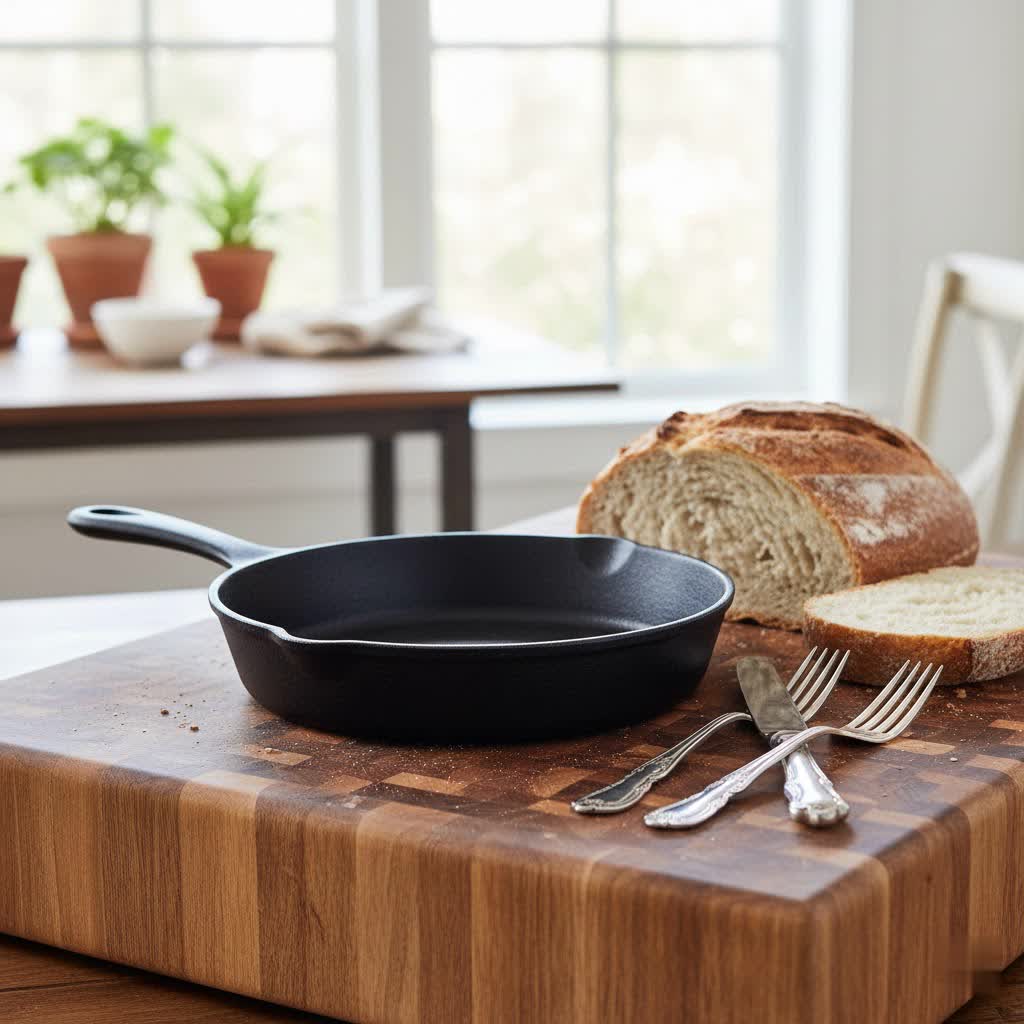
An iron skillet, commonly known as a cast iron skillet, is a heavy-duty frying pan made from cast iron. This material is renowned for its exceptional durability and ability to retain and distribute heat evenly across its surface. Cast iron cookware boasts a rich history, with its origins tracing back centuries, evolving from basic cooking vessels to essential kitchen tools appreciated for their robust nature and cooking performance.
Superior Advantages of Cast Iron Skillets
Cast iron skillets offer a multitude of benefits that make them a favorite among seasoned cooks. Their unmatched durability ensures they can last for generations with proper care, often becoming cherished family heirlooms. These skillets excel in heat retention and even distribution, eliminating hot spots and ensuring consistent cooking results, whether you’re searing a steak or simmering a stew.
Over time, with regular use and seasoning, cast iron develops a natural non-stick surface, reducing the need for excessive oils and making cleanup easier. Unlike some modern non-stick coatings, cast iron is safe for health, free from harmful chemicals like PFOA and PTFE. Its robust construction also makes it incredibly versatile, suitable for use on almost any heat source, including gas, electric, induction cooktops, ovens, and even open campfires.
Common Types of Cast Iron Skillets
The cast iron market offers several types of skillets, each with distinct characteristics to suit different cooking needs.
- Traditional Cast Iron Skillet: These are raw cast iron pans that require seasoning – a baked-on layer of oil that creates a natural non-stick surface and prevents rust. They are highly durable and improve with age as the seasoning deepens.
- Enameled Cast Iron Skillet: These skillets feature a porcelain enamel coating over the cast iron. The enamel provides a smooth, often colorful, non-reactive surface that doesn’t require seasoning and is easier to clean. Tramontina primarily offers enameled cast iron skillets, known for their vibrant finishes and user-friendly properties.
- Cast Iron Skillet with Wood Handle: Some traditional cast iron skillets come with wooden handles, which stay cool to the touch during stovetop cooking. However, these are generally not oven-safe unless the handle is removable.
- Mini Cast Iron Skillets: Smaller versions perfect for individual servings, side dishes, or baking desserts like personal brownies.
Tramontina Cast Iron Skillet Product Features
Tramontina cast iron skillets are predominantly enameled, combining the benefits of cast iron with the convenience of an easy-to-clean, non-reactive surface. Many Tramontina enameled cast iron skillets boast superior heat distribution for even cooking, often featuring a smooth porcelain-enameled interior that aids in food release.
These skillets are typically oven-safe up to 450°F (232°C), making them versatile for transitioning from stovetop searing to oven baking. They are also compatible with all cooktops, including induction, gas, electric, and ceramic glass. Design features often include practical handles, sometimes with pouring spouts, and matching self-basting lids that help lock in moisture and flavor. Tramontina also offers traditional pre-seasoned cast iron, which is ready for use right out of the box.
Choosing the Right Cast Iron Skillet for You
Selecting the ideal cast iron skillet requires considering several factors to match your cooking habits and kitchen needs.
Size and Depth
The size and depth of your skillet should align with your typical cooking volume and dish types.
- Determine your usage needs: Consider how many people you usually cook for. A smaller skillet (8-10 inches) is great for single servings or small side dishes, while a larger one (12-15 inches) is ideal for family meals or entertaining.
- Match size to dishes: Deeper skillets are better for frying or dishes with sauces, while shallower ones are perfect for searing and baking.
|
Our Picks for the Best Iron Skillet in 2026
As an Amazon Associate I earn from qualifying purchases.
|
||
| Num | Product | Action |
|---|---|---|
| 1 | Stargazer 10.5-Inch Cast Iron Skillet - Made in USA, Seasoned, Premium Frying Pan for Grilling, Searing, Baking & More – Durable Cast Iron with Smooth Cooking Surface |

|
| 2 | Lodge 12 Inch Pre-Seasoned Cast Iron Skillet - Dual Assist Handles - Use in the Oven, on the Stove, on the Grill, or Over a Campfire - Black |
|
| 3 | Cuisinel Cast Iron Skillet with Lid - 12"-inch Pre-Seasoned Covered Frying Pan Set + Silicone Handle & Lid Holders + Scraper/Cleaner - Indoor/Outdoor, Oven, Stovetop, Camping Fire, Grill Safe Cookware |
|
| 4 | Lodge 10.25 Inch Cast Iron Skillet – Pre-Seasoned Frying Pan with Teardrop Handle – Oven, Stovetop, Grill & Campfire Use – Made in USA – Durable, Non-Toxic, Even-Heating Cookware – Black |
|
| 5 | Cuisinel Cast Iron Skillet with Lid - 12"-Inch Frying Pan + Glass Cover + Silicone Handle Holder - Pre-Seasoned Oven Safe Cookware - Indoor/Outdoor Use - Grill, BBQ, Fire, Stovetop. PFAS and PFOA-free |
|
| 6 | EWFEN Cast Iron Skillet 3-Piece Set, Heavy-Duty Professional Restaurant Chef Quality Pre-Seasoned Pan Cookware Set, 6", 8", 10" Pans For Frying, Saute, Cooking, Use Indoor/Outdoor, Oven, Grill |
|
| 7 | Mercer Culinary Pre-Seasoned Cast Iron Skillet, 10.25-Inch |
|
| 8 | Utopia Kitchen Cast Iron Skillets 12 Inch, Chef's Pan, Pre-Seasoned Frying Pan, Stovetop, Oven, Campfire and Grill Large Skillet, Even Heat Distribution Multipurpose Cast Iron Pan - Black |
|
| 9 | Lodge Pre-Seasoned Cast Iron Skillet Set - Set Includes 8 Inch Skillet, 10.25 Inch Skillet, and 12 inch Skillet - 3 Piece |
|
| 10 | Lodge 12 Inch Cast Iron Skillet with Red Silicone Hot Handle Holder – Pre-Seasoned Frying Pan for Stove, Oven, Grill & Campfire – Made in the USA – Durable, Nonstick Cast Iron Cookware – Black |
|
Weight
Cast iron is inherently heavy, which contributes to its excellent heat retention.
- Consider lifting ability: While heavy, ensure you can comfortably lift and maneuver the skillet, especially when full. A 12-inch enameled cast iron skillet can weigh over 10 pounds.
- Balance and ergonomics: Look for a skillet with a well-balanced design and comfortable handles to aid in lifting.
Material and Coating
Most Tramontina cast iron skillets are enameled, offering specific advantages.
- Enameled cast iron: This provides a non-reactive surface that doesn’t require seasoning and is suitable for acidic foods. Tramontina’s enamel is generally of good quality, though some users note it may chip over time with rough handling.
- Traditional cast iron: If opting for traditional cast iron, ensure it’s pre-seasoned or be prepared to season it yourself. Tramontina offers pre-seasoned options that reduce initial prep.
Handle Design
The handle is crucial for comfort and safety.
- Sturdy, heat-resistant handles: Look for unibody cast iron handles that can withstand high oven temperatures. Some Tramontina models include silicone grips for stovetop comfort, which are typically removable for oven use.
- Pouring spouts: These are a convenient feature found on many Tramontina skillets, allowing for easy draining of liquids.
Brand and Price
Tramontina is often praised for offering excellent value for money in the cast iron market.
- Reputable brands: Researching brands like Tramontina, Lodge, Le Creuset, and Staub helps in understanding quality and features.
- Value proposition: Tramontina provides a solid balance of quality and affordability, often performing at 85-90% of premium brands at a fraction of the cost.
Comparing Prominent Cast Iron Skillet Brands
When considering a Tramontina cast iron skillet, it’s helpful to understand how it stacks up against other popular brands.
| Feature | Tramontina Cast Iron Skillet | Lodge Cast Iron Skillet | Le Creuset Cast Iron Skillet | Staub Cast Iron Skillet |
|---|---|---|---|---|
| Primary Type | Predominantly enameled cast iron | Both traditional seasoned and enameled cast iron | Enameled cast iron | Enameled cast iron |
| Origin | Brazil (enameled cookware) | USA (traditional), China (enameled) | France | France |
| Heat Retention | Excellent, often with thicker walls in enameled versions | Excellent | Excellent | Excellent |
| Enamel Quality | Good, some reports of chipping/fading | Good, some reports of chipping | Very high, durable and chip-resistant | Very high, durable and chip-resistant |
| Price Point | Mid-range, excellent value | Budget-friendly | High-end / Premium | High-end / Premium |
| Oven Safety | Up to 450°F (enameled) | Up to 500°F (enameled), higher for traditional | Up to 500°F | Up to 500°F |
| Lid Features | Often self-basting ridges | Often smooth interior | Self-basting (some models) | Self-basting spikes on lid |
| Handle Comfort | Can be smaller on some models | Generally sturdy and comfortable | Ergonomic, large loop handles | Ergonomic, large loop handles |
| Aesthetics | Wide range of colors, often gradated | Standard color options | Iconic colors, elegant design | Rich, deep colors, professional look |
| Warranty | Lifetime warranty | Lifetime warranty | Lifetime warranty | Lifetime warranty |
Tramontina offers a compelling alternative to more expensive brands, providing robust performance and aesthetic appeal at a more accessible price point. While some user reviews mention concerns about enamel durability over extended periods, its overall value proposition remains strong.
Detailed Comparison of Tramontina Cast Iron Skillet Models
Tramontina offers various cast iron skillets, primarily focusing on enameled versions. Here’s a general overview, as specific model names can vary by retailer and region:
| Model Type | Size (Diameter) | Weight (approx.) | Material | Price Range (USD) | Pros | Cons |
|---|---|---|---|---|---|---|
| Enameled Cast Iron Skillet with Lid | 10-inch, 12-inch | 7-10 lbs | Enameled Cast Iron | $40 – $80 | Even heating, easy to clean, oven-safe, lid included, induction compatible, pouring spouts. | Can be heavy, enamel may chip with misuse or impact. |
| Enameled Cast Iron Open Skillet (Set) | 9-inch, 12-inch | 5-9 lbs | Enameled Cast Iron | $50 – $100 | Good value as a set, versatile sizes, same benefits as covered skillet. | No lid included, still heavy. |
| Pre-Seasoned Cast Iron Skillet (Traditional) | 10-inch, 12-inch | 6-9 lbs | Traditional Cast Iron | $25 – $50 | Natural non-stick (with care), very durable, excellent searing, no enamel to chip. | Requires diligent seasoning maintenance, not suitable for highly acidic foods initially. |
Note: Prices are estimates and can vary based on retailer, promotions, and specific features.
Proper Usage and Maintenance for Your Cast Iron Skillet
Proper care is paramount to extending the life and enhancing the performance of any cast iron skillet, especially enameled ones.
Seasoning Cast Iron (Traditional & Enameled Rims)
- For traditional (non-enameled) cast iron: If your Tramontina skillet is pre-seasoned, it’s ready for use. To re-season or maintain it, apply a thin, even coat of high smoke-point oil (like vegetable or flaxseed oil) over the entire surface. Heat in an oven at 350°F (176°C) for an hour, or on a stovetop over medium heat until it smokes for 10-15 minutes, then let it cool. This process creates a durable, non-stick layer.
- For enameled cast iron rims: While the enameled interior doesn’t need seasoning, Tramontina recommends seasoning the exposed cast iron rim of the vessel and lid (if applicable). Lightly rub a neutral oil on these edges and bake in a 350°F (176°C) oven for one hour, then allow to cool. This prevents rust on the exposed iron.
Cleaning Your Cast Iron Skillet
- After each use (enameled): Allow the skillet to cool completely before washing. Hand-wash with warm, soapy water and a non-abrasive sponge or brush. Avoid sudden temperature changes (thermal shock) as this can damage the enamel.
- After each use (traditional): Hand-wash with hot water. Mild soap can be used but sparingly, as it might strip some seasoning. For stubborn food, use a stiff brush or a cast iron scraper. Avoid metal scouring pads.
- Never put enameled cast iron in the dishwasher: This can damage the enamel finish and void the warranty.
- Thorough drying: Always dry your cast iron skillet immediately and thoroughly after washing to prevent rust, especially on exposed edges.
Storing Your Cast Iron Skillet
- Prevent rust: For traditional cast iron, lightly rub cooking oil over the entire surface after drying to maintain seasoning and prevent rust.
- Protect enamel: For enameled skillets, avoid stacking other pans directly on the enameled surface to prevent scratches or chips. Use pan protectors or a soft cloth between stacked items. Store in a dry place.
Tips for Cooking Better with Your Cast Iron Skillet
Unlocking the full potential of your Tramontina cast iron skillet involves a few key cooking techniques:
- Preheat thoroughly and gradually: Cast iron takes time to heat up evenly. Always preheat your skillet on low to medium heat for 5-10 minutes before adding food. Avoid high heat with enameled cast iron to protect the coating.
- Use appropriate oil: When cooking with traditional cast iron, use oils with a high smoke point like grapeseed, canola, or vegetable oil. Even with enameled surfaces, a little oil or butter is recommended for best results.
- Don’t overcrowd the pan: Cooking too much food at once can lower the pan’s temperature, leading to steaming instead of searing. Cook in batches if necessary.
- Avoid acidic foods (initially for traditional): For traditional, newly seasoned cast iron, highly acidic foods like tomatoes or wine sauces can strip the seasoning. With a well-established seasoning, this becomes less of an issue. Enameled cast iron is non-reactive and perfectly safe for acidic ingredients.
- Use the right utensils: Stick to wooden, silicone, or nylon utensils to protect both traditional seasoning and enameled surfaces from scratches. Metal utensils can be used on very well-seasoned traditional cast iron after many uses.
- Leverage oven versatility: Don’t forget your Tramontina cast iron skillet is oven-safe up to 450°F. This makes it perfect for dishes that start on the stovetop and finish in the oven, like frittatas, cornbread, or oven-roasted chicken.
Delicious Dishes to Cook in Your Cast Iron Skillet
The versatility of a Tramontina cast iron skillet makes it perfect for a wide array of culinary creations:
- Perfectly Seared Steak: Achieve a beautiful crust and tender interior.
- Crispy Skinned Chicken: Get that restaurant-quality crispiness on chicken thighs or breasts.
- Fluffy Cornbread: A classic for cast iron, producing a golden, crunchy crust.
- Skillet Pizza: Create a deep-dish style pizza with a perfectly browned bottom.
- Frittatas and Omelets: Cook evenly and then transfer to the oven to finish.
- Baked Goods: From apple crisps to giant chocolate chip cookies, cast iron bakes beautifully.
- Sautéed Vegetables: Achieve a lovely caramelization and even cooking.
Where to Purchase Your Tramontina Cast Iron Skillet
Tramontina cast iron skillets are widely available, making them easy to find for your kitchen.
- Department Stores and Home Goods Retailers: Major stores like Macy’s, Kohl’s, and Bed Bath & Beyond often carry Tramontina cookware.
- Superstores and Wholesale Clubs: Retailers such as Walmart, Target, and Costco (especially for bundled sets) are common sources.
- Online Marketplaces: Websites like Amazon, Wayfair, and the official Tramontina USA website offer a broad selection.
Always ensure you are buying from an authorized retailer to guarantee authenticity and warranty coverage.
Tramontina Cast Iron Buying Guide: Essential Takeaways
Choosing a Tramontina cast iron skillet means investing in a piece of cookware that offers durability, even heating, and excellent value. Focus on whether an enameled or traditional pre-seasoned model best suits your cleaning preferences and cooking needs. Consider the size based on your household and typical meal preparations, remembering that while cast iron is heavy, it’s also incredibly stable and long-lasting. Look for comfortable handles and ensure oven compatibility if you plan to use it for baking or finishing dishes. With proper care, a Tramontina cast iron skillet can be a cornerstone of your kitchen for many years to come.
“Tramontina provides a solid balance of quality and affordability, offering robust performance that rivals premium brands without the premium price tag.” – Chef Maria Rodriguez, Culinary Equipment Specialist
Frequently Asked Questions
Is Tramontina cast iron skillet good quality?
Yes, Tramontina cast iron skillets are generally considered good quality, especially for their price point. They are praised for superior heat retention, even distribution, and durable construction. While some users report enamel chipping over time, they offer excellent value for everyday cooking needs.
How do I clean my Tramontina enameled cast iron skillet?
To clean your Tramontina enameled cast iron skillet, always allow it to cool completely before washing. Hand-wash with warm, soapy water and a non-abrasive sponge or brush. Avoid harsh detergents, metallic scrubbers, and dishwashers, as these can damage the enamel. Dry thoroughly to prevent rust on any exposed cast iron rims.
Can Tramontina cast iron skillets be used on induction cooktops?
Yes, Tramontina cast iron skillets, both traditional and enameled, are compatible with all cooktops, including induction, gas, electric, and ceramic glass. Their heavy cast iron construction makes them ideal for induction heating due to their ferromagnetic properties.
Do Tramontina enameled cast iron skillets need to be seasoned?
The enameled interior of Tramontina enameled cast iron skillets does not require seasoning. However, Tramontina recommends seasoning the exposed cast iron rim of the vessel and lid (if applicable) to prevent rust. For traditional, pre-seasoned Tramontina cast iron, occasional re-seasoning helps maintain its natural non-stick surface.
What is the maximum oven temperature for Tramontina cast iron skillets?
Tramontina enameled cast iron skillets are typically oven-safe up to 450°F (232°C), including the lid’s stainless steel knob. Traditional (non-enameled) cast iron skillets often tolerate even higher temperatures, but always check specific product guidelines if available.
How does Tramontina cast iron compare to Lodge?
Tramontina enameled cast iron often offers comparable performance to Lodge’s enameled line, sometimes with thicker walls (in Dutch ovens) and a wider color selection, while Lodge is generally more budget-friendly. Both are considered excellent value options compared to premium brands, though some users note potential differences in enamel durability.
Does Tramontina offer a warranty on its cast iron skillets?
Yes, Tramontina offers a lifetime warranty on its cast iron cookware, covering defects in material and workmanship for the lifetime of the original purchaser under normal, non-commercial household use and proper care.
