For home chefs who cherish the exceptional cooking performance of a cast iron skillet, the question of its compatibility with modern glass top stoves is a common concern. With their superior heat retention, even cooking, and natural non-stick properties, cast iron skillets are beloved kitchen workhorses. However, the delicate surface of a glass top stove demands careful handling. This guide, drawing on over a decade of hands-on experience, will equip you with all the knowledge to confidently and safely use your cast iron skillet, ensuring both your cookware and your stovetop remain in pristine condition. Discover the best practices, selection tips, and maintenance secrets for a seamless culinary experience.
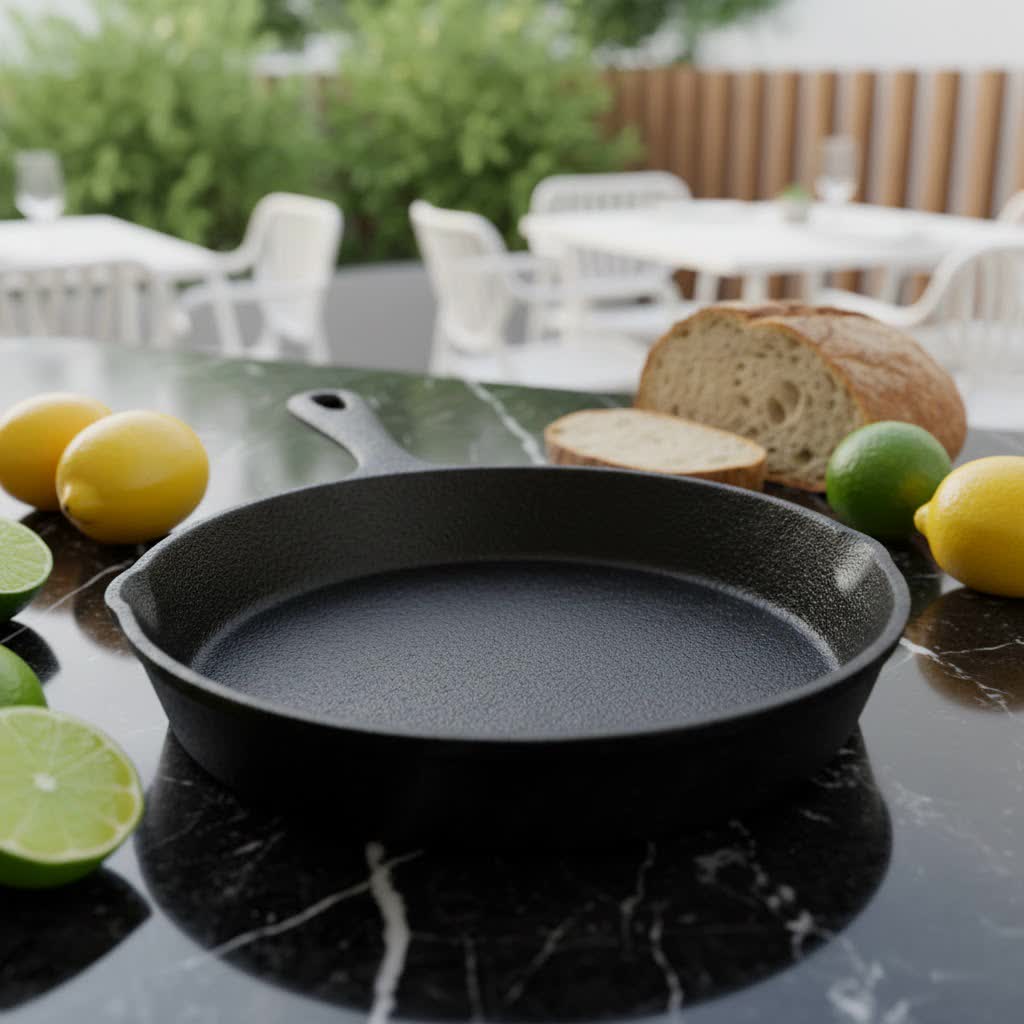
What is a Cast Iron Skillet?
A cast iron skillet is a heavy, durable frying pan made from an alloy of iron and carbon. Renowned for its robustness and exceptional cooking capabilities, it has been a kitchen staple for centuries. Unlike other cookware, cast iron develops a natural non-stick surface, known as “seasoning,” through repeated use and proper care. This makes it ideal for searing, frying, baking, and simmering a wide variety of dishes. Historically, cast iron cookware dates back to ancient China, gaining widespread popularity in Europe and America as a versatile and long-lasting cooking tool.
Outstanding Advantages of Cast Iron Skillets
Cast iron skillets offer a host of benefits that make them a favorite among culinary enthusiasts. Their durability and high longevity mean they can last for generations with proper care, often becoming treasured family heirlooms. One of their most significant advantages is their excellent heat retention and even heat distribution, which ensures food cooks uniformly and achieves a perfect sear. Over time, with consistent seasoning, cast iron develops a natural non-stick surface, reducing the need for excessive oils and fats. Furthermore, cast iron is safe for health, as it doesn’t leach harmful chemicals into food and can even fortify meals with dietary iron. Its versatility is unmatched, as it can be used on various cooktops, in the oven, on grills, and even over open fires.
Types of Cast Iron Skillets
When exploring cast iron cookware, you’ll primarily encounter two main types, each with unique characteristics that are important to consider, especially for glass top stoves.
-
Traditional Cast Iron Skillet: This is the classic, bare cast iron pan that requires regular seasoning to build and maintain its non-stick surface. These skillets are incredibly durable and offer superior heat retention. However, their often rough or textured bottom can pose a risk of scratching delicate glass cooktops if not handled with extreme care. They are also prone to rusting if not dried thoroughly after washing.
-
Enameled Cast Iron Skillet: These skillets feature a vitreous enamel coating, usually on both the interior and exterior. The enamel layer eliminates the need for seasoning, provides a naturally smoother cooking surface, and prevents rusting. Enameled cast iron tends to have a much smoother bottom, making it a safer option for glass top stoves as it significantly reduces the risk of scratches. While they still offer good heat retention, the enamel can be more susceptible to chipping if dropped or subjected to extreme thermal shock.
Other variations include cast iron grill pans with raised ridges, dual-handle pans for easier lifting of heavier pieces, and mini skillets perfect for individual servings.
Can You Use Cast Iron Skillets on a Glass Top Stove?
The short answer is yes, you absolutely can use cast iron skillets on a glass top stove. However, it requires a conscious effort to adopt specific precautions and handle the cookware with care. Glass top stoves, while sleek and efficient, are more susceptible to damage from heavy, rough, or improperly handled cookware compared to traditional gas or electric coil stoves. The primary concerns revolve around the weight and texture of cast iron, which can lead to scratches, cracks, or scorch marks if precautions are ignored. By understanding and implementing the right techniques, you can enjoy the exceptional cooking performance of cast iron without compromising the integrity of your beautiful glass cooktop.
Essential Precautions for Using Cast Iron on Glass Top Stoves
To ensure both your cast iron skillet and glass top stove remain in excellent condition, follow these crucial precautions:
- Lift, Don’t Slide: This is perhaps the most important rule. Cast iron skillets are heavy, and their bottoms, especially traditional seasoned ones, can be rough. Sliding them across the glass surface can easily cause scratches. Always lift the skillet completely when moving it, even a short distance.
- Clean Pan Bottom Thoroughly: Before placing your cast iron skillet on the stove, inspect and clean its bottom. Any food debris, carbonized residue, or even excess oil can burn onto the glass, leaving difficult-to-remove marks or even fusing to the surface. A clean, smooth bottom minimizes risks.
- Gentle Placement: Avoid dropping or slamming your heavy cast iron skillet onto the glass top. The impact can cause cracks or chips in the ceramic glass. Always place it down gently and deliberately.
- Gradual Heating: Cast iron retains heat exceptionally well, but rapid temperature changes can cause thermal shock to both the pan and the stovetop. Preheat your skillet slowly over low to medium heat, gradually increasing the temperature as needed. This allows the pan to expand evenly and prevents stress on the glass.
- Prompt Removal After Cooking: Do not leave a hot cast iron skillet on a cool glass top to cool down. The prolonged, concentrated heat can lead to scorch marks or heat discoloration on the glass surface. Once cooking is complete, move the hot pan to a trivet or cooling rack.
- Consider Heat Diffusers: For an added layer of protection and potentially more even heat distribution, a heat diffuser can be placed between the cast iron skillet and the glass cooktop. These accessories provide a buffer, but be aware they might slightly increase preheating times.
- Enameled Cast Iron as an Alternative: If you’re particularly concerned about scratches, consider using enameled cast iron. Its smooth, non-porous enamel coating drastically reduces the risk of scratching the glass surface, as it lacks the inherent roughness of bare cast iron.
- Mind Weight Limitations: Glass top stoves often have specific weight limits. Be cautious when using very large or multiple heavy cast iron pans simultaneously, as exceeding these limits could potentially damage the cooktop’s internal components or the glass itself.
- Ensure a Flat Bottom: Inspect your cast iron skillet for any warping or unevenness. A perfectly flat bottom ensures maximum contact with the heating element and reduces the risk of rocking or instability that could lead to scratches.
How to Choose the Right Cast Iron Skillet for Your Glass Top Stove
Selecting the perfect cast iron skillet involves balancing performance with glass top stove compatibility. Here’s what to look for:
- Size and Depth:
- Determine Usage Needs: Consider how many people you typically cook for and the types of dishes you prepare. A smaller skillet (8-10 inches) is great for single servings or eggs, while a larger one (12 inches or more) is better for family meals or searing larger cuts of meat.
- Match to Burner Size: Ensure the skillet’s base diameter closely matches your stove’s burner size for optimal heat transfer and efficiency. An oversized pan on a small burner can lead to uneven heating, while a pan that is too small for a large burner might not be recognized by induction elements (if applicable).
- Weight:
- Consider Maneuverability: Cast iron is inherently heavy. While heavy pans offer excellent heat retention, they can be cumbersome to lift. Choose a weight that you can comfortably manage to prevent accidental drops or strenuous lifting, which is crucial for glass top stove safety.
- Glass Top Limits: Be mindful of the overall weight of the pan plus food, especially for larger skillets, to avoid exceeding your stove’s weight capacity.
- Material and Coating:
- Bare Cast Iron: Offers traditional performance and durability. Look for skillets advertised with a smoother, factory-ground finish to minimize surface roughness, which is preferable for glass tops. Regular, thorough seasoning will also contribute to a smoother base.
- Enameled Cast Iron: Often recommended for glass tops due to its inherently smooth, non-abrasive enamel coating. This greatly reduces the risk of scratching and offers easier maintenance.
- Handle:
- Sturdy and Heat-Resistant: Choose a skillet with a robust, comfortable handle that feels secure in your grip. For oven use, ensure the handle is also oven-safe.
- Helper Handles: Larger skillets often come with a helper handle on the opposite side, which is invaluable for safely lifting and transporting the heavy pan, especially when full.
- Brand and Price:
- Reputation Matters: Invest in reputable brands known for quality cast iron. While some premium brands come with a higher price tag, they often offer superior finishes and durability.
- Balance Budget and Quality: High-quality cast iron doesn’t always mean exorbitant prices. Brands like Lodge offer excellent performance at an accessible price point, while others like Le Creuset or Staub represent a significant investment in enameled cast iron.
Comparing Popular Cast Iron Skillet Brands
When choosing a cast iron skillet, several brands stand out for their quality, durability, and user experience. Here’s a brief comparison, with an eye towards glass top stove compatibility:
- Lodge:
- Quality & Durability: Known for robust, pre-seasoned cast iron. Excellent value.
- Glass Top Suitability: Generally good, but bare cast iron still requires careful lifting. Some newer Lodge lines (e.g., Blacklock) feature lighter, smoother designs that are more glass-top friendly.
- Price: Very affordable, making it a popular entry-level choice.
- Le Creuset:
- Quality & Durability: Premium enameled cast iron. Exceptional craftsmanship and vibrant colors.
- Glass Top Suitability: Highly recommended. The smooth enamel surface significantly reduces scratch risk.
- Price: High-end, a significant investment.
- Staub:
- Quality & Durability: Another high-end enameled cast iron brand, often praised for its black matte enamel interior, which promotes better searing.
- Glass Top Suitability: Excellent, thanks to the smooth enamel.
- Price: Premium, comparable to Le Creuset.
- Field Company:
- Quality & Durability: Produces lighter, smoother, and often more ergonomic bare cast iron skillets, reminiscent of vintage cast iron.
- Glass Top Suitability: Good. The smoother finish compared to some traditional cast iron makes them a better bare cast iron option for glass tops, still requiring careful handling.
- Price: Mid to high-range.
- Finex:
- Quality & Durability: Known for its unique octagonal design, polished cooking surface, and ergonomic spring handles.
- Glass Top Suitability: Good, as the polished surface tends to be smoother than standard bare cast iron.
- Price: High-end, premium.
For glass top stove owners, enameled options like Le Creuset or Staub offer the least risk due to their smooth bottoms. Among bare cast iron, brands like Field Company and Finex, or specific smoother lines from Lodge, are preferable over rougher, unrefined surfaces.
Detailed Comparison Table of Cast Iron Skillet Models
Choosing the right cast iron skillet for your glass top stove involves weighing several factors. Here’s a comparison of common types and their general suitability:
| Feature | Traditional Cast Iron (e.g., Lodge Classic 10.25″) | Enameled Cast Iron (e.g., Le Creuset Signature 10.25″) | Lightweight Cast Iron (e.g., Field No.8) |
|---|---|---|---|
| Dimensions | ~10.25″ diameter, 2″ deep | ~10.25″ diameter, 2″ deep | ~10.25″ diameter, 2″ deep |
| Weight | ~5.5 lbs | ~6-7 lbs (due to enamel) | ~4.5 lbs |
| Material | Seasoned bare cast iron | Cast iron with vitreous enamel coating | Smoother, lighter bare cast iron |
| Glass Top Suitability | Good, with strict adherence to lift-don’t-slide rule. Potential for scratches if mishandled. | Excellent. Smooth enamel significantly reduces scratch risk. Easier to clean. | Very Good. Smoother finish than traditional bare cast iron reduces risk. Still requires careful lifting. |
| Price Range | Low ($20-$40) | High ($150-$250+) | Mid-High ($100-$150) |
| Pros | Excellent heat retention, durable, affordable, builds natural seasoning. | No seasoning needed, rust-proof, smooth surface, aesthetically pleasing. | Lighter, easier to handle, often smoother finish, excellent heat retention. |
| Cons | Can scratch glass if dragged, requires regular seasoning, prone to rust if not dried. | Higher price, enamel can chip, slightly heavier. | Higher price than traditional, still requires seasoning, can scratch if dragged. |
This table provides a general overview, but always check specific product details for the exact weight, dimensions, and manufacturer recommendations.
Proper Use and Maintenance of Cast Iron on Glass Top Stoves
Effective maintenance is key to preserving both your cast iron skillet and your glass top stove.
Seasoning Cast Iron Skillets
Seasoning creates a natural non-stick layer and, importantly for glass tops, can help smooth the pan’s bottom over time.
- How to Season a New Skillet: Most new cast iron skillets come pre-seasoned, but enhancing it is beneficial. Wash the pan with warm, soapy water (briefly, for bare cast iron), dry thoroughly, and apply a very thin, even layer of high smoke point oil (like flaxseed, grapeseed, or vegetable oil) to all surfaces. Wipe off any excess. Bake upside-down in an oven at 400°F (200°C) for one hour. Let it cool slowly in the oven. Repeat this process 3-4 times for a robust seasoning. This process can also help create a smoother base over time.
- Restoring Damaged Seasoning: If your seasoning is flaking or sticky, clean the pan thoroughly, removing any loose bits. Re-season using the steps above. Consistent cooking and proper cleaning will rebuild the layer.
|
Our Picks for the Best Iron Skillet in 2026
As an Amazon Associate I earn from qualifying purchases.
|
||
| Num | Product | Action |
|---|---|---|
| 1 | Lodge 12 Inch Cast Iron Skillet with Red Silicone Hot Handle Holder – Pre-Seasoned Frying Pan for Stove, Oven, Grill & Campfire – Made in the USA – Durable, Nonstick Cast Iron Cookware – Black |

|
| 2 | Mercer Culinary Pre-Seasoned Cast Iron Skillet, 10.25-Inch |
|
| 3 | Lodge 12 Inch Pre-Seasoned Cast Iron Skillet - Dual Assist Handles - Use in the Oven, on the Stove, on the Grill, or Over a Campfire - Black |
|
| 4 | Cuisinel Cast Iron Skillet with Lid - 12"-Inch Frying Pan + Glass Cover + Silicone Handle Holder - Pre-Seasoned Oven Safe Cookware - Indoor/Outdoor Use - Grill, BBQ, Fire, Stovetop. PFAS and PFOA-free |
|
| 5 | Utopia Kitchen Cast Iron Skillets 12 Inch, Chef's Pan, Pre-Seasoned Frying Pan, Stovetop, Oven, Campfire and Grill Large Skillet, Even Heat Distribution Multipurpose Cast Iron Pan - Black |
|
| 6 | Lodge Pre-Seasoned Cast Iron Skillet Set - Set Includes 8 Inch Skillet, 10.25 Inch Skillet, and 12 inch Skillet - 3 Piece |
|
| 7 | EWFEN Cast Iron Skillet 3-Piece Set, Heavy-Duty Professional Restaurant Chef Quality Pre-Seasoned Pan Cookware Set, 6", 8", 10" Pans For Frying, Saute, Cooking, Use Indoor/Outdoor, Oven, Grill |
|
| 8 | Lodge 10.25 Inch Cast Iron Skillet – Pre-Seasoned Frying Pan with Teardrop Handle – Oven, Stovetop, Grill & Campfire Use – Made in USA – Durable, Non-Toxic, Even-Heating Cookware – Black |
|
| 9 | Stargazer 10.5-Inch Cast Iron Skillet - Made in USA, Seasoned, Premium Frying Pan for Grilling, Searing, Baking & More – Durable Cast Iron with Smooth Cooking Surface |
|
| 10 | Cuisinel Cast Iron Skillet with Lid - 12"-inch Pre-Seasoned Covered Frying Pan Set + Silicone Handle & Lid Holders + Scraper/Cleaner - Indoor/Outdoor, Oven, Stovetop, Camping Fire, Grill Safe Cookware |
|
Cleaning Cast Iron Skillets
Proper cleaning is vital to prevent residue build-up that could damage your glass top.
- After Each Use: While the pan is still warm, scrape out any large food particles. Wash with hot water and a mild dish soap (yes, soap is fine for seasoned cast iron, just don’t let it soak). Use a stiff brush or non-abrasive scrubber. Pay special attention to the exterior and bottom to remove any carbonized gunk that could transfer to your stove.
- What to Avoid:
- Harsh Abrasives: Avoid steel wool or overly abrasive scrubbers that can strip seasoning or scratch enameled surfaces.
- Dishwashers: Never put bare cast iron in a dishwasher, as it will strip the seasoning and cause rust.
- Soaking: Do not let bare cast iron soak in water for extended periods, as it promotes rust.
Storing Cast Iron Skillets
Correct storage protects both your pan and your kitchen.
- Preventing Rust: After cleaning, immediately and thoroughly dry bare cast iron. You can place it on a low burner for a few minutes to ensure all moisture evaporates. Apply a very thin layer of cooking oil before storing.
- Protecting Your Cooktop and Pans: If stacking cast iron skillets, place a paper towel or felt protector between them to prevent scratches on both the pans themselves and other surfaces. Store in a dry place.
- Enameled Cast Iron Storage: Enameled cast iron should also be dried thoroughly. While not prone to rust, protect the enamel from chipping by avoiding harsh impacts during storage.
Tips for Better Cooking with Cast Iron on Glass Top Stoves
Unlock the full potential of your cast iron skillet on a glass top stove with these expert cooking tips:
- Use Appropriate Heat Settings: Glass top stoves can transfer heat intensely. Start with low to medium heat and allow the cast iron to preheat gradually. Avoid instantly cranking it to high, which can lead to thermal shock and uneven cooking.
- Preheat Your Skillet Properly: Give your cast iron skillet ample time to preheat before adding oil or food. This ensures an even cooking temperature across the entire surface and helps prevent sticking. A good rule of thumb is to preheat for 5-10 minutes on medium heat.
- Avoid High-Acid Foods for Extended Periods (Bare Cast Iron): While you can cook acidic foods like tomato sauce briefly, prolonged simmering can strip the seasoning from bare cast iron and impart a metallic taste to your food. Enameled cast iron is perfectly safe for acidic dishes.
- Choose the Right Utensils: Opt for wooden, silicone, or heat-resistant plastic utensils to prevent scratching the seasoned surface of your bare cast iron or the enamel coating of an enameled skillet. Metal utensils, while generally fine on well-seasoned bare cast iron, should be used with caution.
Delicious Dishes to Cook in Your Cast Iron Skillet
The versatility of a cast iron skillet means you can prepare an astonishing array of dishes. Its ability to achieve high heat and maintain it evenly makes it perfect for:
- Perfectly Seared Steaks: Achieve that coveted crust and juicy interior.
- Crispy Fried Chicken: The even heat ensures golden, crispy results.
- Skillet Roasts and Chicken: From whole chickens to pork loins, it transitions beautifully from stovetop to oven.
- Cornbread and Baked Goods: Cast iron creates an unbeatable crispy crust on cornbread, biscuits, and even deep-dish pizzas.
- Sautéed Vegetables: Get a beautiful char and tenderness.
- Pan-Seared Salmon: Develop a delicious, flaky crust.
- Breakfast Favorites: Eggs, bacon, pancakes, and hash browns all benefit from cast iron’s even heat.
- Pizzas and Flatbreads: Achieve a crispy bottom crust in the oven.
Where to Buy Trustworthy Cast Iron Skillets?
Investing in a quality cast iron skillet means knowing where to find authentic and reliable products.
- Home Goods Stores: Many large retailers specializing in kitchenware carry popular brands like Lodge and often enameled options from various manufacturers. You can inspect the pan’s finish and weight firsthand.
- Department Stores: Major department stores with kitchen sections frequently stock a range of cast iron skillets, including premium brands.
- Online Retailers: Websites like Amazon, Walmart, Target, and specialty kitchenware sites offer an extensive selection. Look for verified reviews and detailed product descriptions. Always purchase from reputable sellers to avoid counterfeits.
- Specialty Cookware Stores: For artisanal or harder-to-find brands, a dedicated cookware store can be an excellent resource, often staffed with knowledgeable experts.
- Manufacturer Websites: Buying directly from brands like Lodge, Le Creuset, or Field Company ensures authenticity and access to their full product lines and customer support.
Buying Guide: Your Cast Iron Skillet Checklist
Navigating the world of cast iron for your glass top stove can be simple with a clear checklist. Keep these factors in mind:
- Prioritize a Smooth Bottom: Whether bare or enameled, a skillet with a smooth, flat base is paramount to prevent scratching your glass top. Enameled cast iron offers the smoothest option by default.
- Consider Weight and Handles: Choose a skillet that you can comfortably lift and maneuver with both hands, especially if it has a helper handle. Lighter options, like those from Field Company or specific Lodge lines, can reduce the risk of accidental drops.
- Match Size to Burner: For efficient and even cooking, ensure the skillet’s base diameter is appropriate for your stove’s burner size.
- Evaluate Maintenance vs. Convenience: Are you prepared for the seasoning and specific cleaning routines of bare cast iron, or do you prefer the lower maintenance of enameled cast iron?
- Set a Budget: Quality cast iron is an investment, but excellent options exist across all price points. Balance your budget with the features and brand reputation that matter most to you.
By keeping these points in mind, you can confidently select a cast iron skillet that will be a joy to cook with and a safe companion for your glass top stove for years to come.
Conclusion
Using a cast iron skillet on a glass top stove is not only possible but can also elevate your cooking to new heights, provided you approach it with knowledge and care. By understanding the unique properties of cast iron and adhering to essential precautions—such as always lifting instead of sliding, ensuring a clean pan bottom, and preheating gradually—you can effectively protect your delicate cooktop. Whether you choose traditional seasoned cast iron for its rustic charm and superior searing, or the smooth, low-maintenance elegance of enameled cast iron, the rewards are undeniable. Embrace the longevity and exceptional performance of this timeless cookware. What delicious cast iron creation will you embark on next?
Frequently Asked Questions
Can I use any cast iron skillet on a glass top stove?
While most cast iron skillets can be used, those with smoother, flatter bottoms or enameled coatings are generally safer. Always prioritize careful handling, such as lifting the pan instead of sliding it, and ensure the bottom is clean to prevent scratches or damage to your glass cooktop.
How do I prevent scratches on my glass top stove from cast iron?
The key to preventing scratches is to always lift your cast iron skillet when moving it, rather than sliding. Additionally, ensure the bottom of the pan is perfectly clean and smooth, free from any food debris or rough carbon build-up. Consider using enameled cast iron for a smoother surface.
Is enameled cast iron better for glass top stoves than bare cast iron?
Yes, enameled cast iron is often considered a safer choice for glass top stoves. Its smooth, non-porous enamel coating drastically reduces the risk of scratching the glass surface compared to the potentially rougher bottom of bare cast iron. It also requires less specific maintenance.
Can thermal shock damage my cast iron or glass top stove?
Yes, rapid temperature changes can cause thermal shock. For cast iron, this can lead to cracking or warping. For a glass top stove, quickly placing a very hot or cold pan on the surface can cause stress to the glass, potentially leading to cracks. Always preheat your cast iron gradually on a low setting.
How do I clean my cast iron skillet when using it on a glass top stove?
After each use, clean your cast iron skillet with hot water and a mild dish soap, using a stiff brush or non-abrasive scrubber. It’s crucial to pay extra attention to the outer bottom of the pan, ensuring it’s free of any burnt-on food or residue that could stain or scratch your glass cooktop. Always dry thoroughly immediately.
