There’s an undeniable allure to cast iron cookware, an heirloom quality that speaks of generations of delicious meals. But the true magic, the secret to its legendary durability and natural non-stick prowess, lies in a simple yet crucial process: seasoning. If you’ve ever wrestled with sticky food or battled rust on your beloved pan, you understand the importance of a robust, well-maintained seasoning. This comprehensive guide will demystify the art of oven seasoning, offering a step-by-step approach to achieve a flawless, naturally non-stick finish that will make your cast iron skillet a joy to use for years to come.
What is Cast Iron Seasoning?
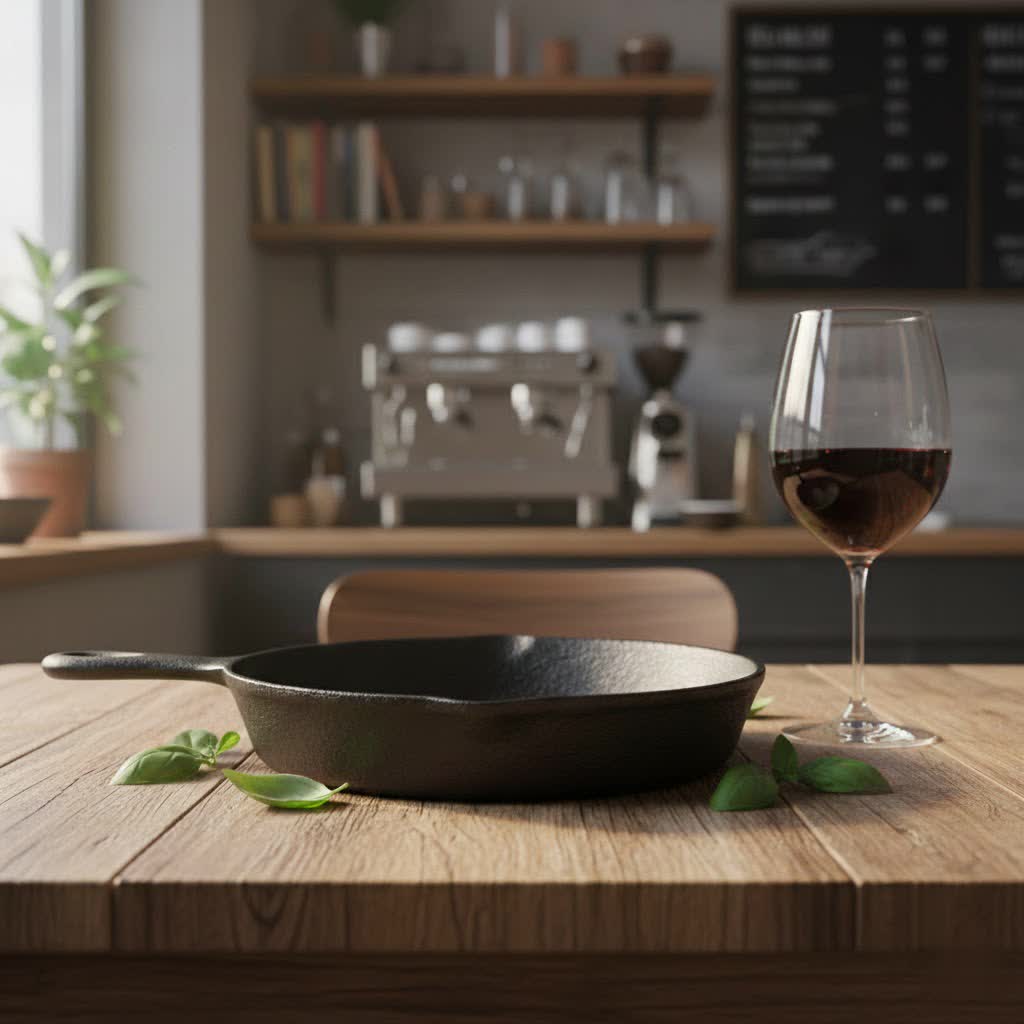
At its heart, cast iron seasoning is a protective, non-stick layer created by baking oil onto the metal surface of your skillet. When oils or fats are heated to a high enough temperature, they undergo a process called polymerization. This chemical reaction transforms the liquid oil into a hard, slick, and non-porous coating that molecularly bonds with the iron. This hardened layer provides a natural, easy-release cooking surface and acts as a crucial barrier against rust, ensuring your cookware’s longevity.
Why Season Your Cast Iron Skillet in the Oven?
While stovetop seasoning has its place for quick touch-ups, oven seasoning offers distinct advantages, making it the preferred method for building a strong foundational layer. The oven provides uniform, consistent heat all around the pan, promoting even polymerization across every inch of the cast iron. This prevents the hot and cool spots that can occur on a stovetop burner, which might lead to uneven seasoning.
Furthermore, placing the skillet upside down in the oven allows any excess oil to drip away, preventing sticky or gummy spots from forming. This gravity-assisted method ensures you achieve a super-thin, perfectly bonded layer rather than a thick, prone-to-flaking coating. The sustained, high temperature in the oven also encourages a more robust and durable polymerization, leading to a long-lasting seasoning that’s less likely to chip or wear off quickly. It’s a “set it and forget it” approach that yields superior results.
Types of Cast Iron Skillets and Seasoning
When discussing seasoning, it’s important to distinguish between different types of cast iron cookware. Traditional, raw cast iron skillets are the primary focus for oven seasoning. These pans rely entirely on the polymerized oil layer for their non-stick properties and rust protection.
On the other hand, enameled cast iron skillets are coated with a vitreous enamel layer. This smooth, often colorful coating is naturally non-stick and protects the iron beneath, meaning enameled cast iron does not require seasoning. Attempting to season an enameled pan can actually damage its finish.
Many modern cast iron skillets come “pre-seasoned” from the factory. While this provides a good head start, performing an initial oven seasoning or a few rounds of seasoning at home can significantly enhance this factory layer, making it even more resilient and non-stick right from the first use.
Choosing the Right Oil for Oven Seasoning
The type of oil you choose for seasoning plays a significant role in the quality and durability of your cast iron’s finish. The best oils for seasoning are those with a high smoke point and a good content of polyunsaturated fats, which are more reactive and prone to polymerization.
- Vegetable Oil: A popular and accessible choice, widely used for its moderate smoke point and effectiveness.
- Canola Oil: Similar to vegetable oil, it’s a great all-around option.
- Grapeseed Oil: Known for its high smoke point and light texture, making it excellent for thin layers.
- Flaxseed Oil: While highly recommended by some for its polymerization properties, others find it can create a brittle seasoning that is prone to flaking. Use sparingly and ensure very thin coats.
- Shortening (Crisco): A traditional favorite, shortening offers excellent coverage and a durable finish. Lodge Cast Iron also offers a specialized Seasoning Spray formulated for cast iron.
Avoid oils with very low smoke points, such as extra virgin olive oil, for initial seasoning, as they can burn and create a sticky, gummy layer rather than a hard, protective one.
Step-by-Step Guide: How to Season a Cast Iron Skillet in the Oven
Mastering the oven seasoning technique will empower you to restore old pans, enhance new ones, and maintain a superior cooking surface. Follow these steps carefully for the best results:
Preparation is Key
|
Our Picks for the Best Iron Skillet in 2026
As an Amazon Associate I earn from qualifying purchases.
|
||
| Num | Product | Action |
|---|---|---|
| 1 | Cuisinel Cast Iron Skillet with Lid - 12"-Inch Frying Pan + Glass Cover + Silicone Handle Holder - Pre-Seasoned Oven Safe Cookware - Indoor/Outdoor Use - Grill, BBQ, Fire, Stovetop. PFAS and PFOA-free |

|
| 2 | Lodge 10.25 Inch Cast Iron Skillet – Pre-Seasoned Frying Pan with Teardrop Handle – Oven, Stovetop, Grill & Campfire Use – Made in USA – Durable, Non-Toxic, Even-Heating Cookware – Black |
|
| 3 | Utopia Kitchen Cast Iron Skillets 12 Inch, Chef's Pan, Pre-Seasoned Frying Pan, Stovetop, Oven, Campfire and Grill Large Skillet, Even Heat Distribution Multipurpose Cast Iron Pan - Black |
|
| 4 | Stargazer 10.5-Inch Cast Iron Skillet - Made in USA, Seasoned, Premium Frying Pan for Grilling, Searing, Baking & More – Durable Cast Iron with Smooth Cooking Surface |
|
| 5 | EWFEN Cast Iron Skillet 3-Piece Set, Heavy-Duty Professional Restaurant Chef Quality Pre-Seasoned Pan Cookware Set, 6", 8", 10" Pans For Frying, Saute, Cooking, Use Indoor/Outdoor, Oven, Grill |
|
| 6 | Lodge 12 Inch Cast Iron Skillet with Red Silicone Hot Handle Holder – Pre-Seasoned Frying Pan for Stove, Oven, Grill & Campfire – Made in the USA – Durable, Nonstick Cast Iron Cookware – Black |
|
| 7 | Cuisinel Cast Iron Skillet with Lid - 12"-inch Pre-Seasoned Covered Frying Pan Set + Silicone Handle & Lid Holders + Scraper/Cleaner - Indoor/Outdoor, Oven, Stovetop, Camping Fire, Grill Safe Cookware |
|
| 8 | Lodge 12 Inch Pre-Seasoned Cast Iron Skillet - Dual Assist Handles - Use in the Oven, on the Stove, on the Grill, or Over a Campfire - Black |
|
| 9 | Mercer Culinary Pre-Seasoned Cast Iron Skillet, 10.25-Inch |
|
| 10 | Lodge Pre-Seasoned Cast Iron Skillet Set - Set Includes 8 Inch Skillet, 10.25 Inch Skillet, and 12 inch Skillet - 3 Piece |
|
- Clean Thoroughly: Especially for a new, used, or rusty pan, a thorough cleaning is paramount. Wash your cast iron skillet with warm, soapy water and a stiff brush or scrub pad. Don’t be afraid to use soap for this initial deep clean; you need to remove any factory waxes, grime, or rust. For rusty pans, use steel wool or a wire brush to remove all traces of rust.
- Dry Completely: This is a critical step to prevent immediate rust formation. After washing, hand-dry the skillet immediately with a lint-free towel. To ensure all moisture is evaporated, place the skillet on a stovetop burner over medium heat for 5-10 minutes, or in a low oven (around 200°F / 95°C) for 10-15 minutes, until it’s completely dry and warm to the touch.
Applying the Oil
- Apply a Very Thin Layer of Oil: Once the skillet is clean and dry (and slightly warm, which helps the oil spread), apply a very thin, even coat of your chosen seasoning oil to all surfaces of the pan. This includes the inside, outside, handle, and even the bottom. The key here is “very thin”—you want a micro-layer, not a thick coating. Use a paper towel or lint-free cloth and buff the oil into the iron as if you’re trying to wipe it all off. If you can see or feel any excess oil, keep wiping until it looks almost dry. Less truly is more when it comes to preventing stickiness.
The Baking Process
- Preheat Your Oven: Set your oven to a temperature between 400°F and 500°F (200°C to 260°C). A common and effective range is 450°F (230°C). While the oven preheats, place a sheet of aluminum foil on the bottom rack to catch any potential oil drips from your skillet. Good ventilation in your kitchen is also advisable, as there might be some smoke.
- Position the Skillet: Once the oven is preheated, place your oiled skillet upside down on the middle rack. This crucial step prevents any residual oil from pooling on the cooking surface and turning gummy.
- Bake: Bake the skillet for a full hour. During this time, the oil will polymerize and bond with the iron, forming the first durable layer of seasoning.
- Cool Down: After an hour, turn off the oven but leave the skillet inside to cool down completely. This slow cooling process allows the newly formed seasoning layer to properly cure and adhere to the cast iron, creating a stronger, more resilient finish.
Repeat for Optimal Results
- Repeat Multiple Times: For a truly robust and durable initial seasoning, repeat the entire oiling and baking process (steps 3-7) at least 3-4 times. Each layer builds upon the last, creating a deeper, darker, and more naturally non-stick surface. Patience here pays off significantly.
Troubleshooting Common Seasoning Issues
Even experienced cast iron users can encounter minor seasoning hiccups. Here are some common issues and how to resolve them:
- Tacky or Sticky Surface: This is almost always caused by applying too much oil. The excess oil didn’t polymerize fully and remains sticky. To fix this, simply put the pan back in the oven at 450-500°F (230-260°C) for another hour, or wipe off as much stickiness as you can and re-bake. Ensure your oil layer is incredibly thin next time.
- Uneven Seasoning: If your seasoning looks patchy or uneven, it could be due to an inconsistent oil application or, less commonly with the oven method, uneven heating. Scrub the affected areas lightly, ensure a super-thin, uniform oil coat, and repeat the seasoning process.
- Flaking Seasoning: If your seasoning is peeling or flaking, it indicates that the layers didn’t bond sufficiently to the metal. This can happen with overly thick layers or if the pan wasn’t perfectly clean before seasoning. Don’t panic. Scrub the affected area vigorously (a nylon brush or even salt can help), rinse, dry thoroughly, apply a very thin layer of oil, and re-season in the oven. Continued cooking will also help rebuild the layer.
Maintaining Your Seasoned Cast Iron Skillet
Oven seasoning is a fantastic foundation, but ongoing maintenance is what truly preserves your cast iron’s non-stick legacy.
- Cook Regularly: The best way to maintain seasoning is to use your pan often, especially when cooking with fats. Every time you cook, you’re essentially reinforcing the seasoning.
- Cleaning: After cooking, allow the pan to cool slightly. Scrape off any stuck-on food with a stiff brush or a cast iron scraper. Rinse with hot water. For a well-seasoned pan, a little mild dish soap is generally acceptable if you feel it’s necessary, but always rinse thoroughly.
- Dry Thoroughly: Always dry your cast iron immediately after washing. Towel dry, then place it on a low burner for a few minutes until all moisture evaporates.
- Light Re-oiling: After drying, apply a very thin coat of cooking oil to the interior of the pan before storing. This protects against rust and continues to build the seasoning.
- Avoid Acidic Foods: Cooking highly acidic foods (like tomato sauce or lemon juice) for prolonged periods can strip away seasoning. It’s best to avoid this, especially with newer or less seasoned pans.
- Re-season as Needed: If your pan starts to look dull and matte, food begins to stick more frequently, or you notice rust, it’s a sign that it’s time for another oven seasoning treatment.
The Benefits of a Well-Seasoned Cast Iron Skillet
A properly seasoned cast iron skillet is more than just a piece of cookware; it’s a culinary tool with immense advantages:
- Natural Non-Stick Surface: Say goodbye to synthetic coatings. A good seasoning provides a naturally slick surface that improves with every use.
- Enhanced Flavor: Over time, cast iron develops a unique patina that can subtly enhance the flavor of your food.
- Exceptional Durability and Longevity: Cast iron is virtually indestructible and can last for centuries with proper care, becoming a true family heirloom.
- Even Heat Retention and Distribution: Its ability to retain and distribute heat uniformly ensures perfectly cooked dishes every time.
- Versatility: From searing steaks on the stovetop to baking cornbread in the oven, or even cooking over an open fire, cast iron is incredibly versatile.
- Chemical-Free Cooking: Enjoy peace of mind knowing you’re cooking on a natural, chemical-free surface.
Buying Guide: What to Look for in a Cast Iron Skillet
When selecting a cast iron skillet, consider whether it comes pre-seasoned or unseasoned. Pre-seasoned pans offer convenience, allowing you to start cooking sooner, but performing your own oven seasoning rounds will build a stronger, more personal bond with your pan. If you find an unseasoned pan, you have the satisfying opportunity to build its character from scratch using the oven method. Look for a pan with a comfortable handle and a smooth cooking surface; while modern cast iron can be a bit rougher, the seasoning process will smooth it out over time.
> “A perfectly seasoned cast iron skillet isn’t just a cooking tool; it’s a legacy. The deep, dark patina tells a story of countless meals, a testament to care and culinary passion.” – Admin, reviewfiest.com
Conclusion
The journey of seasoning your cast iron skillet in the oven is one of patience, precision, and immense reward. By understanding the principles of polymerization, choosing the right oil, and diligently following the cleaning, oiling, and baking steps, you empower yourself to transform a raw piece of iron into a prized culinary companion. A well-seasoned cast iron skillet offers unparalleled durability, superior cooking performance, and a naturally non-stick surface that only improves with age. Embrace the process, and you’ll unlock a world of delicious possibilities. Are you ready to embark on your cast iron seasoning adventure and create your own culinary legacy?
Frequently Asked Questions
How often should I season my cast iron?
Ideally, you don’t need to perform a full oven seasoning often if you use and clean your pan properly. A light stovetop re-oiling after each wash is usually sufficient. A full oven seasoning is recommended when the pan starts to look dull, food sticks consistently, or rust appears, typically every few months to a year depending on usage.
Can I use dish soap on cast iron?
Yes, for a well-seasoned cast iron pan, mild dish soap is generally safe to use. The old adage about avoiding soap comes from a time when soaps contained lye, which stripped seasoning. Modern dish soaps are gentler. However, it’s always best to dry thoroughly and apply a light coat of oil immediately after washing.
What if my skillet is rusty?
Don’t despair! Rust on cast iron is treatable. Scrub the rusty areas aggressively with steel wool, a wire brush, or even sandpaper until all traces of rust are gone. Wash, dry thoroughly, and then proceed with a full oven seasoning process, repeating several times to build up a new protective layer.
How do I know my skillet is well-seasoned?
A well-seasoned skillet will have a deep, dark, uniformly smooth, and slightly glossy finish. Food will release easily from the surface, and water will bead up on it. It should not feel sticky or tacky. The more you cook, the better the seasoning becomes.
Can I season an enameled cast iron skillet?
No, you should never attempt to season an enameled cast iron skillet. Enameled pans have a protective glass-like coating that is naturally non-stick and doesn’t require oil polymerization. Seasoning an enameled pan can damage the enamel and is unnecessary.
What if my seasoning is flaking off?
Flaking seasoning usually means the layers didn’t bond well, possibly due to too much oil or insufficient cleaning. Gently scrub away the loose flakes with a brush or scraper, wash and dry the pan completely, apply an extremely thin layer of oil, and then perform several rounds of oven seasoning to rebuild the protective coat.
