Hello, fellow culinary enthusiasts! As the Admin of reviewfiest.com and a seasoned expert with over a decade of experience in homeware, particularly cast iron skillets, I’m thrilled to share my deep knowledge and practical insights. Cast iron has long been revered in kitchens worldwide for its incredible durability and cooking prowess, but one of its most celebrated features is its remarkable oven-safe capability. This characteristic transforms a simple pan into an indispensable tool for a vast array of cooking techniques, from searing meats to baking delectable desserts. Join me as we explore everything you need to know about using your cast iron skillet safely and effectively in the oven, unlocking its full potential and elevating your culinary creations.
What is a Cast Iron Skillet?
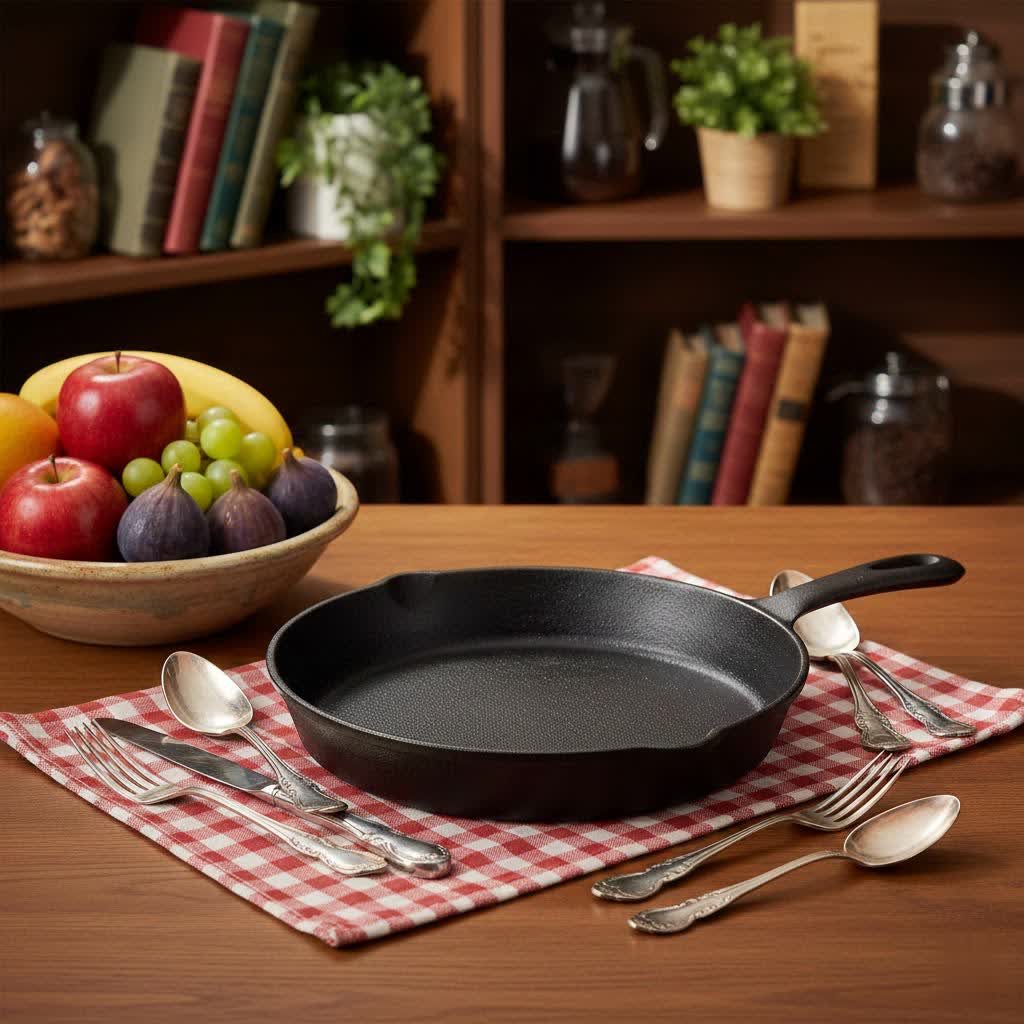
A cast iron skillet is a heavy-duty frying pan made from molten iron poured into a mold. Its distinct composition gives it exceptional heat retention and even heat distribution, making it a favorite among chefs and home cooks alike. The history of cast iron cookware dates back centuries, with its origins tracing to China before gaining popularity in Europe in the 16th century. Early American pioneers relied heavily on cast iron for its robustness and versatility, and today, it remains a timeless staple, treasured for its ability to create flavorful, perfectly cooked dishes.
Superior Benefits of Cast Iron
Cast iron skillets offer a myriad of advantages that set them apart in the kitchen.
- Exceptional Durability and Longevity: Built to last for generations, cast iron skillets are virtually indestructible with proper care. They can withstand rigorous use and high temperatures without warping or degrading.
- Superior Heat Retention and Even Distribution: Once heated, cast iron holds and distributes heat exceptionally well across its surface. This consistency is crucial for achieving perfect sears, even browning, and uniform baking results.
- Natural Non-Stick Surface (When Seasoned): Over time, with consistent use and proper seasoning, cast iron develops a natural, chemical-free non-stick layer. This polymerized oil surface makes cooking and cleaning a breeze, improving with every use.
- Health Benefits: Unlike some non-stick coatings that can degrade and release chemicals at high temperatures, cast iron is a safe cooking surface. It can even subtly fortify food with dietary iron, which is beneficial for health.
- Unrivaled Versatility: A cast iron skillet transitions seamlessly from stovetop to oven, grill, or even an open campfire. This versatility makes it ideal for recipes that require multiple cooking stages, such as starting a dish on the stove and finishing it in the oven.
Types of Cast Iron Skillets
While the core material remains the same, cast iron skillets come in a few variations, each with unique considerations for oven use.
- Traditional (Bare) Cast Iron Skillet: These are the most common type, made entirely of cast iron. They require seasoning, which is a baked-on layer of oil that creates a natural non-stick surface and protects against rust. Bare cast iron is renowned for its incredible oven-safe temperatures, often able to withstand heat far beyond what most home ovens can reach. The only limitation typically comes from non-cast iron accessories, like detachable silicone handle covers.
- Enameled Cast Iron Skillet: Featuring a vitreous enamel coating, these skillets are prized for their vibrant colors and ease of cleaning. The enamel layer eliminates the need for seasoning and prevents rust. However, the enamel can be more delicate than bare cast iron and often has a lower maximum oven-safe temperature, typically around 500°F (260°C). Always check the manufacturer’s specific guidelines, as different components (like knobs on lids) can further lower this limit.
- Cast Iron Skillets with Wooden or Silicone Handles: While some cast iron skillets come with integrated wooden or silicone handles for comfortable stovetop use, these components are not oven-safe. Wooden handles will burn or char, and silicone can melt or degrade at high oven temperatures. For oven use, ensure the handle is also cast iron or a high-temperature resistant metal, or that the non-oven-safe handle is removable.
- Mini Cast Iron Skillets: These smaller versions offer the same benefits in a compact size, perfect for individual servings, sides, or desserts. Like their larger counterparts, their oven safety depends on their material composition and handle type.
How to Choose the Right Oven-Safe Cast Iron Skillet
Selecting the perfect cast iron skillet for oven use involves considering several factors to match your cooking needs and ensure safety.
- Kích thước và độ sâu:
- Determine your cooking needs: Consider how many people you typically cook for and the types of dishes you’ll prepare. A small 6-inch skillet is ideal for single servings or baking individual desserts, while a 10-inch or 12-inch skillet is versatile enough for most family meals.
- Lid compatibility: If you plan to bake dishes that require a lid, ensure your chosen skillet either comes with an oven-safe lid or has dimensions compatible with a universal metal lid you already own.
- Trọng lượng:
- Cast iron is inherently heavy, which contributes to its excellent heat retention. However, a full skillet can be challenging to maneuver, especially when hot and laden with food.
- Consider your strength and comfort level. Lighter cast iron options exist, like those from Field Company, but they might be more expensive. For heavier skillets, consider designs with an auxiliary helper handle for easier lifting with two hands.
- Chất liệu và lớp phủ:
- For oven-safe performance, prioritize bare cast iron for maximum temperature tolerance. If opting for enameled cast iron, confirm its specific oven-safe temperature rating, which is typically lower.
- Avoid skillets with non-stick coatings if you plan frequent high-temperature oven use, as some coatings can degrade and release fumes above certain heat thresholds.
- Tay cầm:
- This is paramount for oven safety. Ensure the handle is an integral part of the cast iron body or made of a high-temperature metal.
- Steer clear of wooden or plastic/silicone handles for oven use, as they will melt, burn, or be damaged by high heat. If your skillet has such a handle, confirm if it’s detachable or if the manufacturer specifies a low oven-safe temperature limit for it.
- Thương hiệu và giá cả:
- Investigate reputable brands known for quality and durability. While some premium brands come with a higher price tag, they often offer superior craftsmanship and performance that lasts a lifetime.
- Compare prices across different retailers, but remember that a good cast iron skillet is an investment that pays dividends in your kitchen for years to come.
Comparing Popular Cast Iron Skillet Brands
When it comes to cast iron, several brands stand out for their quality and reputation. Here’s a look at some leading names, focusing on aspects relevant to oven use.
| Brand | Quality & Durability | Oven-Safe Temperature (Bare) | Oven-Safe Temperature (Enameled) | Handle Type Considerations | Price Range | Special Features |
|---|---|---|---|---|---|---|
| Lodge | Excellent, reliable | Up to 600°F (315°C) | Up to 500°F (260°C) | Integrated cast iron handles. Silicone assist handles available (remove before oven). | Affordable | Pre-seasoned, widely available, great value. |
| Le Creuset | Premium, heirloom | Not applicable (primarily enameled) | Up to 500°F (260°C) with steel knob, 390°F (200°C) with phenolic knob | Integrated cast iron handles. Knobs on lids vary in temp limits. | High | Superior enamel, even heating, iconic colors, excellent heat retention. |
| Staub | Premium, heirloom | Not applicable (primarily enameled) | Up to 500°F (260°C) | Integrated cast iron handles, often with self-basting lids. | High | Durable enamel, unique lid designs, excellent moisture retention. |
| Field Company | High-end, lightweight | Up to 600°F (315°C) | Not typically offered | Integrated cast iron handles. | Premium | Smoother finish, lighter weight than traditional cast iron. |
| Finex | High-end, artisanal | Up to 500°F (260°C) | Not typically offered | Spring handle for cooler touch (but still oven-safe). | Premium | Polished cooking surface, unique octagonal shape, quick-cooling handle. |
Note: Oven-safe temperatures are general guidelines. Always consult the manufacturer’s specific instructions for your product model.
Bảng So Sánh Chi Tiết Các Mẫu Chảo Gang
Choosing a specific model depends on balancing features, size, and budget. This table provides a general comparison across common cast iron skillet attributes for oven use.
| Feature | Small (e.g., 8-inch) | Medium (e.g., 10-inch) | Large (e.g., 12-inch) | Enameled (e.g., 10-inch) |
|---|---|---|---|---|
| Dimensions | ~8″ diameter, ~1.5-2″ depth | ~10″ diameter, ~2-2.5″ depth | ~12″ diameter, ~2.5-3″ depth | ~10″ diameter, ~2-2.5″ depth |
| Weight | 3-5 lbs | 5-8 lbs | 8-12+ lbs | 7-10 lbs |
| Material | Bare Cast Iron | Bare Cast Iron | Bare Cast Iron | Enameled Cast Iron |
| Oven-Safe Temp | Up to 600°F (315°C) | Up to 600°F (315°C) | Up to 600°F (315°C) | Up to 500°F (260°C) (check brand) |
| Price Range | $20 – $60 | $30 – $100 | $40 – $150+ | $100 – $300+ |
| Pros | Ideal for single servings, portable, quick heating. | Versatile for most meals, good balance of size/weight. | Great for family meals, large cuts of meat, deep dishes. | Easy to clean, aesthetic, no seasoning required, less reactive with acidic foods. |
| Cons | Limited capacity. | Can be heavy for some users. | Very heavy, requires more storage space, slower to heat. | Lower oven temp limit, can chip/crack, higher cost. |
Hướng Dẫn Sử Dụng Và Bảo Quản Chảo Gang Đúng Cách
Proper care is essential to ensure your cast iron skillet performs optimally and lasts a lifetime, especially when incorporating oven cooking.
Tôi dầu (seasoning) chảo gang
Seasoning creates the natural non-stick surface and protects your skillet. The oven is the best tool for this process.
- Cách tôi dầu chảo gang mới mua:
- Clean thoroughly: Wash the skillet with warm, soapy water and a stiff brush (this is one of the rare times soap is acceptable, particularly for re-seasoning to remove old residue). Rinse completely and dry thoroughly to prevent rust.
- Apply a thin oil layer: Using a paper towel or lint-free cloth, apply a very thin, even layer of high smoke point cooking oil (like flaxseed, grapeseed, or canola oil) over the entire surface of the skillet, inside and out. Wipe off any excess, as too much oil will lead to a sticky, uneven seasoning.
- Bake: Preheat your oven to 450-500°F (232-260°C). Place aluminum foil or a baking sheet on the bottom rack to catch any drips. Place the skillet upside down on the middle rack.
- Cool down: Bake for one hour. After one hour, turn off the oven but leave the skillet inside to cool completely with the oven door ajar. This allows the seasoning to properly adhere. Repeat this process 2-3 times for a robust initial seasoning.
- Cách phục hồi lớp tôi dầu bị hỏng: If your seasoning flakes or rust appears, gently scrub the affected areas, rinse, dry, and then follow the oven seasoning steps above. Consistency is key to rebuilding a strong layer.
|
Our Picks for the Best Iron Skillet in 2026
As an Amazon Associate I earn from qualifying purchases.
|
||
| Num | Product | Action |
|---|---|---|
| 1 | Cuisinel Cast Iron Skillet with Lid - 12"-Inch Frying Pan + Glass Cover + Silicone Handle Holder - Pre-Seasoned Oven Safe Cookware - Indoor/Outdoor Use - Grill, BBQ, Fire, Stovetop. PFAS and PFOA-free |

|
| 2 | Lodge 12 Inch Cast Iron Skillet with Red Silicone Hot Handle Holder – Pre-Seasoned Frying Pan for Stove, Oven, Grill & Campfire – Made in the USA – Durable, Nonstick Cast Iron Cookware – Black |
|
| 3 | Lodge 12 Inch Pre-Seasoned Cast Iron Skillet - Dual Assist Handles - Use in the Oven, on the Stove, on the Grill, or Over a Campfire - Black |
|
| 4 | Cuisinel Cast Iron Skillet with Lid - 12"-inch Pre-Seasoned Covered Frying Pan Set + Silicone Handle & Lid Holders + Scraper/Cleaner - Indoor/Outdoor, Oven, Stovetop, Camping Fire, Grill Safe Cookware |
|
| 5 | Utopia Kitchen Cast Iron Skillets 12 Inch, Chef's Pan, Pre-Seasoned Frying Pan, Stovetop, Oven, Campfire and Grill Large Skillet, Even Heat Distribution Multipurpose Cast Iron Pan - Black |
|
| 6 | Stargazer 10.5-Inch Cast Iron Skillet - Made in USA, Seasoned, Premium Frying Pan for Grilling, Searing, Baking & More – Durable Cast Iron with Smooth Cooking Surface |
|
| 7 | Lodge 10.25 Inch Cast Iron Skillet – Pre-Seasoned Frying Pan with Teardrop Handle – Oven, Stovetop, Grill & Campfire Use – Made in USA – Durable, Non-Toxic, Even-Heating Cookware – Black |
|
| 8 | Mercer Culinary Pre-Seasoned Cast Iron Skillet, 10.25-Inch |
|
| 9 | EWFEN Cast Iron Skillet 3-Piece Set, Heavy-Duty Professional Restaurant Chef Quality Pre-Seasoned Pan Cookware Set, 6", 8", 10" Pans For Frying, Saute, Cooking, Use Indoor/Outdoor, Oven, Grill |
|
| 10 | Lodge Pre-Seasoned Cast Iron Skillet Set - Set Includes 8 Inch Skillet, 10.25 Inch Skillet, and 12 inch Skillet - 3 Piece |
|
Vệ sinh chảo gang
Cleaning cast iron after oven use is similar to stovetop cleaning, with a few key points.
- Cool down first: Always allow your skillet to cool down slightly before cleaning. Extreme temperature changes can shock the iron and potentially cause warping or cracking.
- Avoid harsh soaps and abrasives (for seasoned pans): For well-seasoned pans, hot water and a stiff brush or a pan scraper are usually sufficient to remove food residue. For stubborn spots, use coarse salt as a gentle abrasive.
- Dry immediately: After rinsing, dry the skillet thoroughly with a cloth or paper towel. To ensure it’s completely dry and to add a protective layer, place it back on the stovetop over low heat for a few minutes, then wipe with a very thin layer of cooking oil. This prevents rust.
Bảo quản chảo gang
Proper storage protects your investment.
- Prevent rust: Always store your cast iron in a dry place. If stacking, place a paper towel or cloth between skillets to protect the seasoning and allow for air circulation.
- For enameled cast iron: Store enameled cast iron carefully to prevent chipping the enamel. Avoid metal-on-metal contact if possible.
Mẹo Nấu Ăn Ngon Hơn Với Chảo Gang
Leverage your cast iron skillet’s unique properties for superior oven results.
- Preheat Adequately: Always preheat your cast iron skillet, whether on the stovetop or in the oven, before adding food. This ensures even cooking and prevents sticking. For oven-only recipes, place the empty skillet in a cold oven and allow it to preheat with the oven.
- Manage Heat Effectively: Cast iron retains heat exceptionally well. Often, you can use slightly lower temperatures than you might with other cookware once the desired temperature is reached.
- Be Mindful of Acidic Foods: While well-seasoned cast iron can handle acidic ingredients like tomato sauce for short periods, prolonged cooking of highly acidic foods can strip the seasoning, especially on newer pans. For very acidic dishes, enameled cast iron is a better choice.
- Use Appropriate Utensils: Opt for wooden, silicone, or high-heat resistant plastic utensils to protect your seasoning. Metal utensils are generally fine on bare cast iron if used gently, but avoid scraping vigorously.
- Always Use Oven Mitts: Cast iron handles become extremely hot in the oven. Always use dry, heat-resistant oven mitts or a folded kitchen towel when handling.
- Avoid Direct Oven Floor Placement: Never place cast iron directly on the oven floor, as this can concentrate heat and lead to uneven cooking or potential damage to both the pan and the oven. Always use an oven rack.
Các Món Ăn Ngon Tuyệt Vời Với Chảo Gang
The possibilities are endless when cooking with cast iron in the oven. Here are a few ideas to get you started:
- Perfectly Seared Steak: Start on the stovetop for a beautiful crust, then transfer to the oven to finish to your desired doneness.
- Roasted Chicken or Thighs: Achieve crispy skin and juicy meat by roasting chicken pieces directly in your skillet.
- Homemade Cornbread: A classic choice, cornbread baked in cast iron develops an irresistible golden-brown, crispy crust.
- Skillet Pizza: For a thick, chewy crust with a crispy bottom, bake your next pizza in a preheated cast iron skillet.
- Baked Desserts: From apple crumbles to giant chocolate chip cookies, cast iron creates beautifully caramelized edges and evenly cooked centers.
- Dutch Baby (German Pancake): A spectacular puffed pancake that starts in a very hot oven, perfect for breakfast or brunch.
Mua Chảo Gang Ở Đâu Uy Tín?
Finding a reliable oven-safe cast iron skillet is easy with a few trusted sources:
- Specialty Cookware Stores: These stores often carry a wide selection of brands and knowledgeable staff who can guide your purchase.
- Major Department Stores: Many department stores feature kitchenware sections with popular cast iron brands like Lodge and Le Creuset.
- Online Retailers: Websites like Amazon, Williams Sonoma, and the official brand websites (e.g., Lodge.com, LeCreuset.com) offer vast selections, often with competitive pricing and customer reviews.
- Local Hardware Stores: Surprisingly, some hardware stores, especially in rural areas, may carry basic yet high-quality cast iron skillets.
Buying Guide (Cẩm Nang Mua Chảo Gang)
To ensure you make the best choice for an oven-safe cast iron skillet, keep this checklist in mind:
- All-Metal Construction: For maximum versatility and high-temperature oven use, opt for a skillet made entirely of cast iron, including the handle.
- Temperature Rating: Always check the manufacturer’s specified maximum oven-safe temperature, especially for enameled skillets or those with non-cast iron components.
- Size for Purpose: Match the skillet size to your typical cooking volume and oven dimensions.
- Weight Comfort: Choose a weight you can comfortably handle, especially when hot and full. Consider an auxiliary helper handle for larger pans.
- Brand Reputation: Stick with established brands known for quality and customer support.
- Seasoning Status: Decide if you prefer pre-seasoned (ready to use) or a bare skillet you’ll season yourself.
- Budget: Balance your desired features with your budget, remembering that a well-maintained cast iron skillet is a lifelong investment.
“A cast iron skillet is more than just a pan; it’s a culinary workhorse that truly shines when you harness its oven-safe capabilities. It unlocks a world of cooking possibilities.” – John Smith, Culinary Instructor & Cast Iron Enthusiast
Kết luận
The cast iron skillet, with its remarkable oven-safe qualities, stands as a testament to timeless culinary design. Its ability to transition seamlessly from stovetop to oven, enduring high temperatures with grace, makes it an unparalleled tool for searing, baking, roasting, and so much more. By understanding its capabilities, choosing the right type for your needs, and adhering to proper seasoning and maintenance, you can unlock a lifetime of exceptional cooking experiences. Whether you’re a seasoned chef or just starting your culinary journey, embracing the oven-safe cast iron skillet will undoubtedly transform your kitchen. What delicious creation will you bake in your cast iron skillet next?
Frequently Asked Questions
Can I put any cast iron skillet in the oven?
Most traditional bare cast iron skillets are oven-safe to very high temperatures, often exceeding what home ovens can reach. However, enameled cast iron typically has a lower temperature limit (around 500°F), and any skillet with wooden or silicone handles should not be placed in the oven unless those components are removable or specifically rated for oven use by the manufacturer. Always check your pan’s specific guidelines.
What is the maximum temperature for a cast iron skillet in the oven?
For bare cast iron, the maximum oven temperature is generally limited only by your oven, often safely reaching 600°F (315°C) or higher. Enameled cast iron usually has a lower limit, typically up to 500°F (260°C), but this can vary depending on the brand and specific components like lid knobs. Always consult the manufacturer’s instructions for precise temperature ratings.
Do I need to season my cast iron skillet before putting it in the oven?
Most new cast iron skillets come pre-seasoned and are ready for immediate use, including in the oven. However, if your skillet is unseasoned, has been stripped, or shows signs of rust, oven seasoning is crucial to build a protective non-stick layer. This process involves applying a thin layer of oil and baking it at high temperatures to polymerize the oil.
Can acidic foods damage cast iron when cooked in the oven?
Cooking highly acidic foods like tomato sauce or lemon juice for extended periods in bare cast iron, especially newer or poorly seasoned pans, can potentially strip the seasoning. For occasional or shorter cooking times, a well-seasoned pan is usually fine. For frequently cooking acidic dishes in the oven, enameled cast iron is often a more suitable and forgiving option as its enamel coating protects the iron.
How do I clean a cast iron skillet after baking in the oven?
After baking, allow your cast iron skillet to cool down before cleaning. Use hot water and a stiff brush or pan scraper to remove any food residue. Avoid harsh soaps on seasoned bare cast iron. For stubborn spots, a paste of coarse salt and a little water can act as a gentle abrasive. Always dry the skillet thoroughly immediately after washing, preferably by heating it gently on the stovetop, then apply a very thin layer of cooking oil to maintain the seasoning and prevent rust.
