For generations, the seasoned cast iron skillet has been a cornerstone of kitchens worldwide, celebrated for its durability, versatility, and the unique flavors it imparts to food. If you’re passionate about cooking, understanding this remarkable piece of cookware is not just a skill—it’s an investment in countless delicious meals and cherished memories. From perfecting a searing steak to baking a golden cornbread, a properly cared-for cast iron skillet can transform your culinary experience. But what exactly makes a skillet “seasoned,” and how can you unlock its full potential? Let’s delve into the world of cast iron and discover the secrets to choosing, using, and maintaining this kitchen workhorse for a lifetime of exceptional cooking.
What is a Seasoned Cast Iron Skillet?
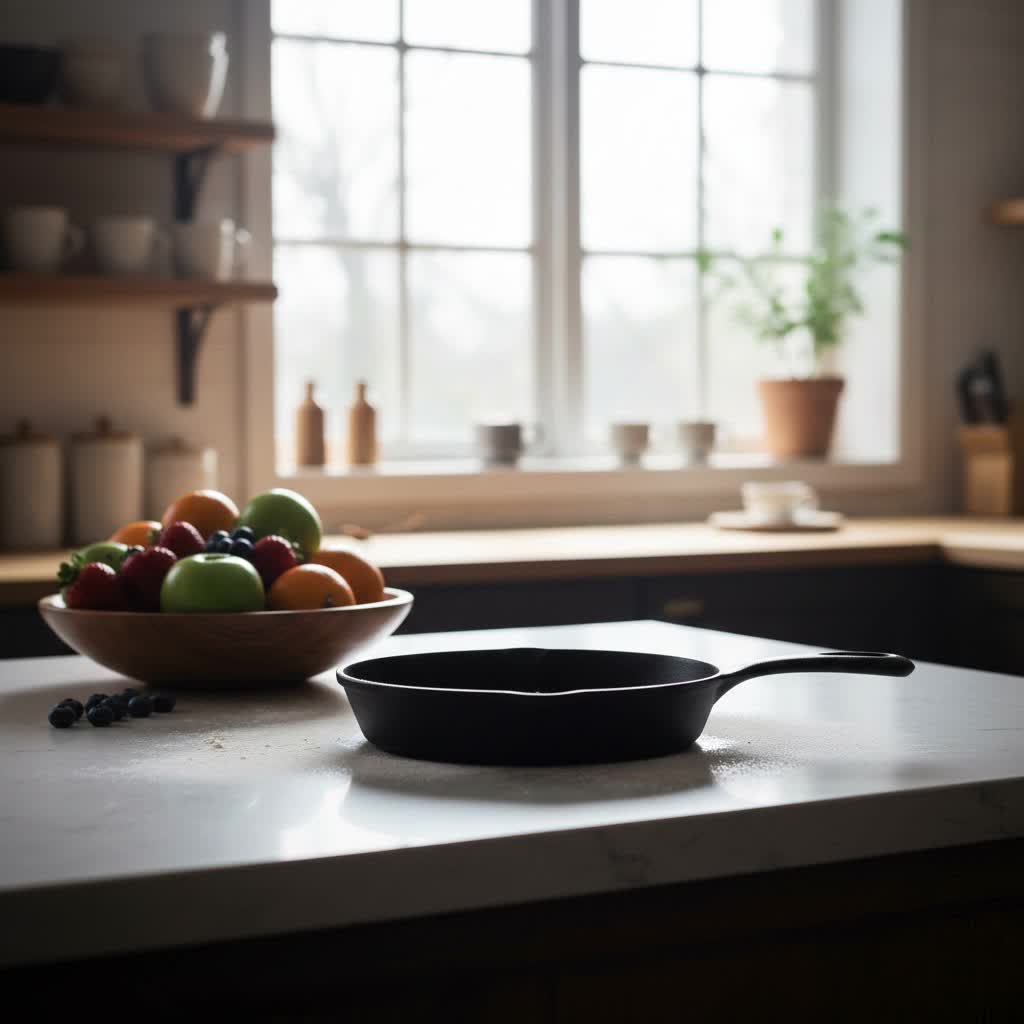
At its heart, a seasoned cast iron skillet is a piece of cookware that has undergone a natural, non-stick transformation. Seasoning is a process where cooking oil or fat is applied to the bare cast iron and then heated to a high temperature, causing the oil to polymerize. This polymerization creates a hard, slick, and protective layer that bonds directly to the iron. This dark, almost glass-like coating, often called a “patina,” serves multiple crucial functions: it provides a natural, easy-release cooking surface and acts as a barrier against rust, which bare iron is susceptible to.
The history of cast iron cookware dates back centuries, evolving from basic smelting techniques to the refined pieces we use today. Early cast iron was heavy and often quite rough, requiring diligent home seasoning to achieve a functional cooking surface. Modern manufacturing has made cast iron more accessible, with many skillets now coming “pre-seasoned” from the factory, meaning they have an initial layer of seasoning applied, making them ready to use right out of the box. However, the true beauty of cast iron is that its non-stick properties only improve and deepen with continued use and proper care, making each skillet a unique culinary companion that gets better with age.
Superior Benefits of Cast Iron Skillets
The enduring popularity of cast iron is no accident. These pans offer a host of benefits that set them apart from other types of cookware, making them a favorite among home cooks and professional chefs alike.
One of the most significant advantages is their exceptional durability and longevity. Cast iron skillets are virtually indestructible, capable of withstanding extreme temperatures and rigorous use without warping or breaking. With proper care, a cast iron skillet can easily last for generations, becoming a treasured family heirloom passed down through the years.
Cast iron’s superior heat retention and even heat distribution are also key benefits. Its density allows it to hold heat much longer than thinner pans, ensuring a consistent cooking temperature across the entire surface. This is ideal for achieving a perfect sear on meats, frying foods evenly, or baking dishes that require sustained heat. While it may take a little longer to heat up, once hot, it stays hot, reducing hot spots and ensuring your food cooks uniformly.
The natural non-stick surface that develops with seasoning is another major draw. Unlike chemical non-stick coatings, which can degrade and potentially release harmful chemicals when scratched or overheated, cast iron develops its non-stick properties through baked-on oil. This means you can cook with confidence, knowing your pan is free from perfluorinated compounds (PFCs) like PFOA and PFOS. As the seasoning builds up over time, food releases with incredible ease, often requiring less cooking oil.
Furthermore, cooking in cast iron can fortify your food with dietary iron. Small amounts of iron can naturally leach into your meals, which can be a beneficial boost for individuals looking to increase their iron intake. This makes cast iron a practical choice for those mindful of their health and seeking a chemical-free alternative to modern non-stick options.
Finally, cast iron skillets are incredibly versatile. They can be used on almost any heat source—from stovetops (gas, electric, induction) and ovens to grills and open campfires. This adaptability allows for a wide range of cooking techniques, including searing, frying, baking, roasting, braising, and even making desserts.
Popular Types of Cast Iron Skillets
When considering a cast iron skillet, you’ll generally encounter a few main types, each with its own characteristics:
- Traditional Cast Iron Skillet (Bare/Raw Cast Iron): This is what most people envision—a solid, heavy, black pan. These skillets require seasoning to protect them from rust and create a non-stick surface. Many modern traditional cast iron skillets come “pre-seasoned” from the factory, meaning they have an initial layer of baked-on oil, but will still benefit from continued seasoning at home. They are known for their ruggedness and ability to withstand very high temperatures.
- Enameled Cast Iron Skillet: These skillets feature a vitreous enamel glaze coating the cast iron, both inside and out. The enamel prevents rusting and eliminates the need for seasoning, offering an easy-to-clean, non-reactive surface. Enameled cast iron is excellent for slow cooking, braising, and acidic dishes that might strip the seasoning from bare cast iron. Brands like Le Creuset and Staub are renowned for their high-quality enameled offerings. However, they can be more expensive and typically cannot withstand the extremely high temperatures that bare cast iron can.
- Antique vs. Modern Cast Iron: There’s also a distinction between older, vintage cast iron skillets (like Griswold and Wagner Ware) and modern ones (like Lodge). Antique pans are often prized for their lighter weight and incredibly smooth cooking surfaces, a result of older manufacturing processes. Modern pans, especially those from value brands, tend to be heavier and have a rougher texture initially, though their surfaces will smooth out with repeated seasoning and use. Some newer premium brands, like Field Company and Finex, aim to replicate the smooth, lighter qualities of antique cast iron with modern craftsmanship.
- Specialty Cast Iron Cookware: Beyond the standard skillet, cast iron comes in many forms, including Dutch ovens, griddles, grill pans, waffle irons, and even mini skillets. These variations are designed for specific cooking tasks but share the fundamental benefits of cast iron.
Choosing the Right Cast Iron Skillet
Selecting the perfect cast iron skillet involves considering your cooking habits, family size, and preferences. Here’s a guide to help you make an informed decision:
Size and Depth
The size of your skillet should align with your typical cooking needs.
- For single servings or small meals: A 8-inch or 10-inch skillet is ideal for frying an egg, making a small batch of pancakes, or preparing a quick sauté.
- For families of two to four: A 10.25-inch to 12-inch skillet is the most versatile choice, suitable for searing steaks, baking cornbread, or cooking larger family meals. Many recipes call for this size.
- For larger families or entertaining: A 13-inch or 15-inch skillet, or a deep skillet/Dutch oven, provides ample space for big batches, roasts, or one-pan meals.
Consider also the depth; deeper skillets are better for braising or dishes with more liquid, while shallower ones excel at searing and frying.
|
Our Picks for the Best Iron Skillet in 2026
As an Amazon Associate I earn from qualifying purchases.
|
||
| Num | Product | Action |
|---|---|---|
| 1 | Cuisinel Cast Iron Skillet with Lid - 12"-Inch Frying Pan + Glass Cover + Silicone Handle Holder - Pre-Seasoned Oven Safe Cookware - Indoor/Outdoor Use - Grill, BBQ, Fire, Stovetop. PFAS and PFOA-free |

|
| 2 | Lodge 12 Inch Pre-Seasoned Cast Iron Skillet - Dual Assist Handles - Use in the Oven, on the Stove, on the Grill, or Over a Campfire - Black |
|
| 3 | EWFEN Cast Iron Skillet 3-Piece Set, Heavy-Duty Professional Restaurant Chef Quality Pre-Seasoned Pan Cookware Set, 6", 8", 10" Pans For Frying, Saute, Cooking, Use Indoor/Outdoor, Oven, Grill |
|
| 4 | Stargazer 10.5-Inch Cast Iron Skillet - Made in USA, Seasoned, Premium Frying Pan for Grilling, Searing, Baking & More – Durable Cast Iron with Smooth Cooking Surface |
|
| 5 | Lodge 10.25 Inch Cast Iron Skillet – Pre-Seasoned Frying Pan with Teardrop Handle – Oven, Stovetop, Grill & Campfire Use – Made in USA – Durable, Non-Toxic, Even-Heating Cookware – Black |
|
| 6 | Utopia Kitchen Cast Iron Skillets 12 Inch, Chef's Pan, Pre-Seasoned Frying Pan, Stovetop, Oven, Campfire and Grill Large Skillet, Even Heat Distribution Multipurpose Cast Iron Pan - Black |
|
| 7 | Cuisinel Cast Iron Skillet with Lid - 12"-inch Pre-Seasoned Covered Frying Pan Set + Silicone Handle & Lid Holders + Scraper/Cleaner - Indoor/Outdoor, Oven, Stovetop, Camping Fire, Grill Safe Cookware |
|
| 8 | Mercer Culinary Pre-Seasoned Cast Iron Skillet, 10.25-Inch |
|
| 9 | Lodge Pre-Seasoned Cast Iron Skillet Set - Set Includes 8 Inch Skillet, 10.25 Inch Skillet, and 12 inch Skillet - 3 Piece |
|
| 10 | Lodge 12 Inch Cast Iron Skillet with Red Silicone Hot Handle Holder – Pre-Seasoned Frying Pan for Stove, Oven, Grill & Campfire – Made in the USA – Durable, Nonstick Cast Iron Cookware – Black |
|
Weight
Cast iron is inherently heavier than other cookware due to its density.
- Standard weight: Most traditional cast iron skillets are robust and heavy, contributing to their excellent heat retention. A 10-inch skillet can weigh around 5 pounds, and a 12-inch can be 8-10 pounds.
- Lighter options: Some premium modern brands, like Field Company, focus on producing lighter cast iron, making them easier to handle, especially when full. Antique skillets are also often lighter. If weight is a concern, look for these specific options. Remember, a heavier pan often indicates better heat retention.
Material and Finish
The choice of material and finish impacts performance and maintenance.
- Bare Cast Iron: Offers superior searing and browning capabilities and builds a natural non-stick surface over time. Requires seasoning and specific cleaning methods to prevent rust.
- Enameled Cast Iron: Provides a non-reactive, easier-to-clean surface that doesn’t require seasoning. It’s excellent for acidic foods and slow cooking. However, it can be more expensive and the enamel can chip if mishandled.
- Surface Texture: Traditional cast iron often has a slightly rough, pebbled surface initially, which allows seasoning to adhere well. Over time and with use, this surface becomes smoother. Some premium brands offer machined smooth surfaces from the start, which some cooks prefer for more delicate foods.
Handles
A comfortable and secure handle is crucial.
- Integrated handles: Most cast iron skillets have a handle cast as part of the pan. Look for one that feels balanced and sturdy. Some come with a helper handle on the opposite side, which is very useful for lifting heavier skillets, especially when full.
- Silicone covers: Many modern skillets include or offer silicone handle covers, which provide heat protection and a better grip.
- Detachable handles: Less common for skillets, but found on some specialized cast iron cookware, offering versatility for oven use and storage.
Brand and Price
While cast iron can be a significant investment, there are excellent options across various price points.
- Entry-level/Value: Brands like Lodge offer incredibly durable and high-performing pre-seasoned skillets at affordable prices, often around $20-30 for a 10-inch pan. They are an excellent starting point for any cast iron enthusiast.
- Mid-range to Premium: Brands like Victoria also offer great value. Higher-end brands like Finex, Field Company, Smithey, Le Creuset, and Staub (for enameled) provide lighter, smoother finishes, enhanced designs, or specialized coatings, often at higher price points (e.g., $100-$300+).
Researching reputable brands and reading reviews can help you find a skillet that fits both your budget and your culinary aspirations.
Comparing Leading Cast Iron Skillet Brands
The market offers a range of excellent cast iron brands, each with its own strengths. Here’s a comparative overview of some of the most prominent names:
| Brand | Type (Primary) | Surface Finish | Weight (Relative) | Price Range (10-12 inch) | Key Features / Notes |
|---|---|---|---|---|---|
| Lodge | Traditional | Rough (initially) | Heavy | $25 – $60 | Pros: Excellent value, extremely durable, pre-seasoned and ready to use, widely available, reliable heat retention. Cons: Can be heavier, initially rougher texture requires more use to smooth out. |
| Le Creuset | Enameled | Smooth | Moderate | $180 – $250+ | Pros: No seasoning needed, chemical-free non-stick, vibrant colors, easy to clean, excellent for acidic foods and slow cooking. Cons: High price, enamel can chip, not ideal for extremely high searing temperatures. |
| Staub | Enameled | Smooth/Textured | Heavy | $150 – $250+ | Pros: High-quality enamel, often has a textured interior for better browning, excellent heat retention, durable. Cons: High price, heavy, enamel can chip. |
| Field Company | Traditional | Smooth | Lighter | $150 – $250 | Pros: Designed to mimic antique cast iron (lighter, smoother finish), excellent craftsmanship, pre-seasoned. Cons: Premium price point. |
| Finex | Traditional | Smooth | Heavy | $200 – $300+ | Pros: Polished smooth surface, unique octagonal design with coiled stainless steel handle (stays cooler), excellent searing. Cons: Very high price, can be quite heavy. |
| Victoria | Traditional | Moderately Rough | Moderate/Heavy | $25 – $40 | Pros: Good value, often noted for slightly improved pour spouts and handle design compared to basic Lodge, pre-seasoned. Cons: Similar to Lodge, may require more seasoning to achieve optimal smoothness. |
| Lancaster | Traditional | Smooth | Lighter | $175 – $275+ | Pros: Hand-machined smooth finish, lightweight design, American-made, excellent cooking performance. Cons: Premium price point, smaller range of sizes currently. |
Note: Prices are approximate and can vary based on retailer, sales, and specific model.
Detailed Comparison of Popular Cast Iron Skillet Models
Choosing a specific model can be daunting, so here’s a focused comparison of some highly-regarded cast iron skillets:
| Model | Size (Diameter) | Weight (Approx.) | Material/Finish | Price (Approx.) | Pros | Cons |
|---|---|---|---|---|---|---|
| Lodge 10.25-inch Pre-Seasoned Skillet | 10.25 inches | 5.35 lbs | Traditional, pre-seasoned, rough textured | $25 | Affordable, extremely durable, excellent heat retention, versatile, great for beginners. | Heavier than some alternatives, initial texture may take time to smooth out, handle gets hot. |
| Field Company No. 8 Skillet | 10.25 inches | 4.5 lbs | Traditional, smooth-machined, pre-seasoned | $165 | Lighter weight, vintage-style smooth cooking surface, quick to heat, exceptional craftsmanship. | Higher price point. |
| Le Creuset 10.25-inch Enameled Skillet | 10.25 inches | 6 lbs | Enameled cast iron | $220 | No seasoning required, easy to clean, non-reactive for acidic foods, vibrant colors, elegant design. | Expensive, enamel can chip, not suitable for extreme high-heat searing, heavier than some bare iron. |
| Victoria 10-inch Cast Iron Skillet | 10 inches | 5 lbs | Traditional, pre-seasoned, slightly smoother | $26 | Excellent value, good heat distribution, larger helper handle and pour spouts than Lodge, pre-seasoned. | Similar weight to Lodge, still benefits from additional seasoning. |
| Finex 10-inch Cast Iron Skillet | 10 inches | 6.5 lbs | Traditional, polished smooth, octagonal | $200 | Ultra-smooth cooking surface, unique octagonal shape for multiple pour spouts, cool-touch spring handle. | Very expensive, heavy. |
Using and Maintaining Your Cast Iron Skillet
The secret to a long-lasting and effective cast iron skillet lies in proper use and maintenance. It’s simpler than you might think, and with a little care, your pan will only improve over time.
Seasoning Your Cast Iron Skillet
Seasoning is the foundation of cast iron care. While many skillets come pre-seasoned, adding your own layers of seasoning strengthens the patina.
-
Initial Seasoning (for new or stripped pans):
- Clean thoroughly: Wash the pan with warm, soapy water and a stiff brush (yes, soap is okay for initial cleaning or when stripping a pan). Dry completely with a towel, then place on a burner over low heat for a few minutes to ensure all moisture has evaporated. Rust is cast iron’s enemy!
- Apply oil: Using a lint-free cloth or paper towel, apply a very thin layer of high-smoke-point cooking oil (such as flaxseed, canola, vegetable oil, or Crisco shortening) to the entire pan—inside, outside, and handle. Wipe away any excess oil until the pan looks almost dry with a dull matte finish; too much oil will result in a sticky surface.
- Bake: Preheat your oven to 450-500°F (some prefer 350-400°F for a slower build-up). Place aluminum foil on the bottom rack to catch any drips. Place the skillet upside down on the middle rack to prevent oil pooling. Bake for 1 hour.
- Cool: Turn off the oven and let the skillet cool completely inside. This allows the seasoning to bond to the iron.
- Repeat: For optimal results, repeat this oiling and baking process 3-5 times, allowing the pan to cool completely between layers.
-
Maintaining Seasoning (Cooking is Key!): The best way to maintain and improve your seasoning is simply to cook with your pan regularly, especially with oils and fats. Each cooking session adds a new layer. If your seasoning looks dry, patchy, or food starts sticking, it’s time to re-season.
Cleaning Your Cast Iron Skillet
Forget the old myths; modern dish soap won’t strip your seasoning if done correctly.
- After each use: While the pan is still warm, hand wash it with warm water and a stiff brush or pan scraper to remove food bits. A few drops of mild dish soap are fine for daily cleaning.
- Stubborn food: For really stuck-on food, you can simmer a small amount of water in the pan for 3-5 minutes, then scrape with a non-metal scraper after it cools. Alternatively, use coarse salt as an abrasive with a paper towel, then rinse.
- Avoid: Never put your cast iron skillet in the dishwasher, as this will strip the seasoning and cause rust. Avoid harsh scouring pads or steel wool for daily cleaning, as they can remove seasoning.
- Dry immediately: This is paramount. After washing, dry the pan thoroughly with a towel. If it still feels damp, place it over low heat on the stovetop for a few minutes until completely dry.
Storing Your Cast Iron Skillet
Proper storage prevents rust and preserves seasoning.
- Oil after drying: Once completely dry, apply a very thin layer of cooking oil to the entire pan (inside and out) and wipe off any excess. This protects it from moisture.
- Dry environment: Store your skillet in a dry place. If stacking multiple pans, place a paper towel between them to absorb any moisture and prevent scratching.
Tips for Cooking Better with Cast Iron
Unlock the full potential of your seasoned cast iron skillet with these cooking tips:
- Preheat thoroughly: Cast iron needs time to heat evenly. Place your skillet on the stove over medium-low heat for 5-10 minutes before adding oil or food. This ensures consistent heat and prevents sticking.
- Use appropriate heat: Due to its excellent heat retention, you often don’t need to cook on high heat. Start with medium-low and adjust as needed. High heat on a cold cast iron can lead to hot spots and sticking.
- Don’t skimp on fat: While a well-seasoned pan is naturally non-stick, using a small amount of cooking oil, butter, or animal fat (like bacon grease) will enhance the non-stick properties and contribute to flavor.
- Let food release naturally: When searing, avoid moving the food too soon. Allow it to cook undisturbed until it forms a crust and naturally releases from the pan. This is especially true for delicate items like fish or eggs.
- Mind acidic foods: Highly acidic foods (like tomato sauce or citrus) can strip the seasoning, especially on a new or lightly seasoned pan. It’s best to avoid cooking them for extended periods until your skillet has a robust, well-established seasoning. Enameled cast iron is a good alternative for these dishes.
- Use the right tools: Wooden, silicone, or heat-resistant plastic utensils are best to protect your seasoning. Metal spatulas are generally fine for a well-seasoned pan, but avoid excessive scraping.
Delightful Dishes to Cook in Your Cast Iron Skillet
The versatility of a seasoned cast iron skillet means you can cook an astonishing array of dishes, from savory to sweet. Here are some fantastic ideas to get you started:
- Searing Meats: Achieve a perfect, crusty sear on steaks, chicken thighs, pork chops, and fish. The high, even heat of cast iron is unparalleled for this.
- Frying: From crispy fried chicken to golden-brown potatoes, bacon, and eggs, cast iron excels at frying.
- Baking: Skillets are fantastic for baking cornbread with crispy edges, frittatas, shepherd’s pie, and even deep-dish pizzas.
- Roasted Vegetables: Roast a medley of vegetables to tender perfection with beautiful caramelization.
- Desserts: Don’t forget dessert! Skillet cookies, fruit crisps, apple pies, and even brownies bake up wonderfully in cast iron, often served warm directly from the pan.
- One-Pan Meals: Create delicious, easy-cleanup dinners like chicken and sausage with vegetables, pasta skillets, or flavorful hashes.
Where to Purchase Reliable Cast Iron Skillets
Investing in a seasoned cast iron skillet is a choice for quality and longevity. You can find excellent options through various channels:
- Specialty Cookware Stores: Stores specializing in kitchenware often carry a curated selection of reputable brands like Lodge, Le Creuset, and Staub, allowing you to feel the weight and quality in person.
- Department Stores: Larger department stores may offer a range of cast iron skillets, including both traditional and enameled varieties.
- Online Retailers: Websites like Amazon, Walmart, and Target offer a vast selection from numerous brands, often with competitive pricing and customer reviews to guide your choice.
- Brand Websites: Direct-to-consumer websites for brands like Lodge, Field Company, and Lancaster Cast Iron provide their full product lines and often offer valuable care resources.
Buying Guide: Your Seasoned Cast Iron Skillet Checklist
To recap and help you make the best purchase, consider these key factors:
- Understand Your Needs: What do you cook most often? How many people do you cook for? This will guide your size and type (bare vs. enameled) decisions.
- Size Matters: For most households, a 10-inch or 12-inch skillet offers the most versatility.
- Surface Preference: Do you prefer a naturally developing patina (traditional) or a low-maintenance, colorful option (enameled)? If traditional, consider if you want a rougher surface that smooths with use or a pre-machined smooth finish.
- Weight and Handling: Lift the pan! Ensure it feels balanced and manageable for you, especially when full. Look for a helper handle on larger skillets.
- Quality Brands: Stick with established and reputable brands known for their durability and performance, like Lodge for value, or Field Company/Le Creuset for premium options.
- Budget: Cast iron is available at various price points. An affordable Lodge pan can be just as effective as a pricier alternative, especially with good seasoning.
- Commitment to Care: Be prepared for the simple yet specific care routine (washing, drying, oiling) that ensures your cast iron thrives.
Remember, a seasoned cast iron skillet isn’t just a pan; it’s a culinary partner that will evolve with your cooking journey, offering unparalleled performance and a rich connection to cooking traditions.
Frequently Asked Questions
Can I use soap to clean my seasoned cast iron skillet?
Yes, modern mild dish soap is generally safe for cleaning a seasoned cast iron skillet. The old advice against soap dates back to harsher lye-based soaps that could strip seasoning. Today’s gentle soaps will not harm a well-established patina. Always dry thoroughly immediately after washing to prevent rust.
How often should I re-season my cast iron skillet?
The frequency depends on how often you use it and what you cook. Regular cooking with oils and fats naturally builds seasoning. You might need to re-season every few months if you notice food sticking, dry patches, or after cooking very acidic foods. If your pan looks dark and smooth, you’re doing great!
What are the signs of a well-seasoned cast iron skillet?
A well-seasoned cast iron skillet will typically have a deep, uniform black, shiny patina. It should feel smooth and dry to the touch, not greasy or sticky. Water will bead up on its surface, indicating its natural non-stick properties are strong and it’s protected from rust.
Can I cook acidic foods like tomato sauce in cast iron?
While a very well-seasoned cast iron skillet can handle occasional acidic foods, it’s generally best to avoid cooking highly acidic dishes for extended periods, especially in newer or less seasoned pans. Acids can break down the seasoning, causing food to stick and potentially imparting a metallic taste. For frequent acidic cooking, enameled cast iron is a better choice.
What kind of oil is best for seasoning cast iron?
High-smoke-point oils are ideal for seasoning. Popular choices include flaxseed oil (known for creating a hard, durable finish), canola oil, vegetable oil, grapeseed oil, and even solid vegetable shortening (Crisco) or lard. The key is to apply a very thin layer.
