Step into any kitchen enthusiast’s home, and you’re likely to find a cherished cast iron skillet – a timeless workhorse that effortlessly bridges generations of culinary tradition. But for those truly in the know, the name “Wagner 1891” evokes a special reverence. This isn’t just any old pan; it represents a pinnacle of American craftsmanship, a piece of history forged in iron, and a cooking tool revered for its unparalleled performance. If you’ve inherited one, stumbled upon it in an antique shop, or are simply curious about these legendary skillets, you’re about to discover why the Wagner 1891 cast iron skillet remains a coveted treasure. This comprehensive guide will explore its origins, unique characteristics, care, and why it’s still considered a top-tier choice for discerning cooks today.
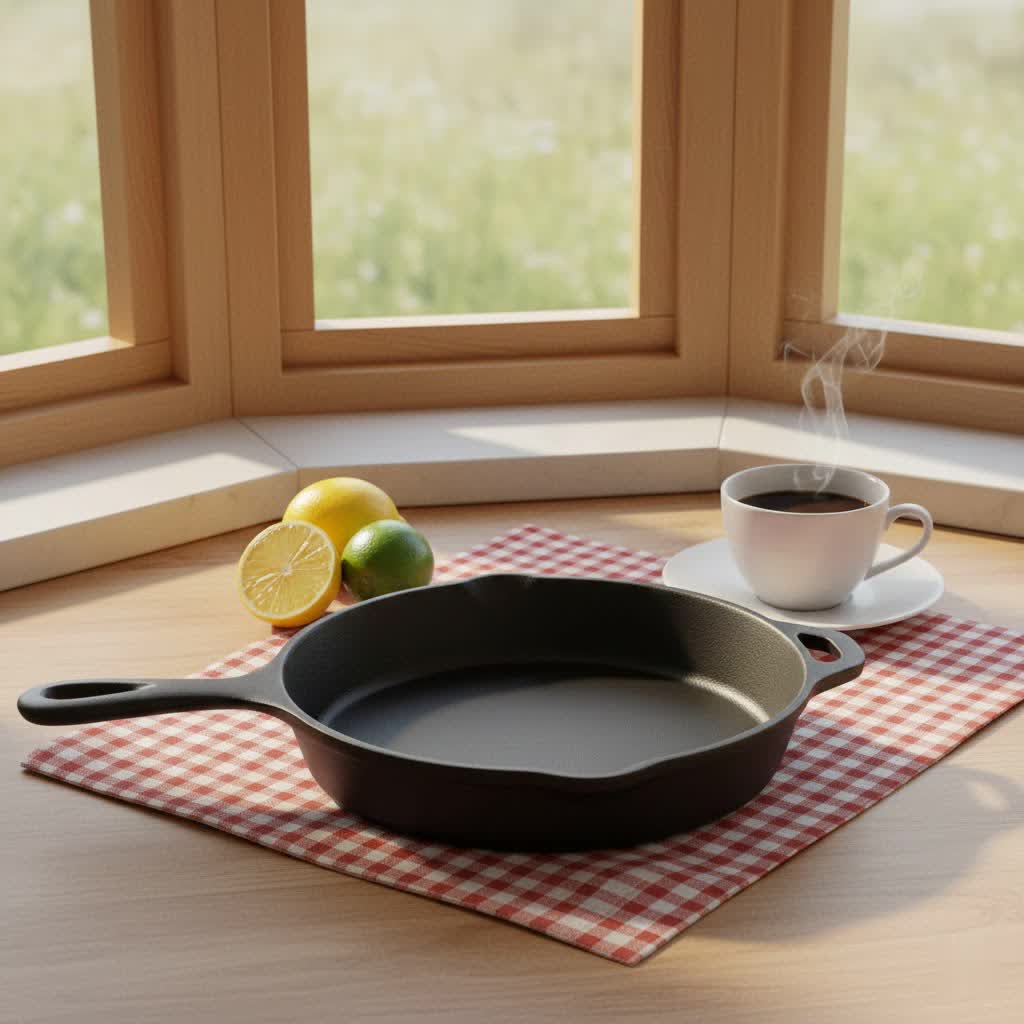
What is a Wagner 1891 Cast Iron Skillet?
The “Wagner 1891” refers to the initial era of production by the Wagner Manufacturing Company, established in Sidney, Ohio, in June 1891. Founded by brothers Milton M. and Bernard P. Wagner, the company quickly grew from a modest twenty employees to a significant manufacturer of cast iron hollowware, which included skillets, kettles, and Dutch ovens. From its inception, Wagner set out to produce high-quality cookware, operating with the motto: “We do not strive to manufacture hollow ware as cheaply as possible, but as good as it can be made.” This commitment to excellence cemented Wagner’s reputation, making its products synonymous with superior craftsmanship and durability. Early pieces typically bore a simple “Wagner” marking on the bottom, with “Sidney, O.” being added around 1895.
The Enduring Appeal of Vintage Wagner Cast Iron
Vintage Wagner cast iron skillets, especially those from the company’s early years, offer a host of benefits that continue to captivate cooks. Their enduring appeal stems from a combination of robust construction and superior cooking properties.
- Exceptional Durability and Longevity: Crafted from pure iron, these skillets are virtually indestructible. Many Wagner pans are well over a century old and remain fully functional, capable of being passed down through generations.
- Even Heat Retention and Distribution: Cast iron is renowned for its ability to absorb and hold heat, distributing it uniformly across the cooking surface. This eliminates hot spots, ensuring consistent cooking results whether you’re searing a steak or baking cornbread.
- Natural Non-Stick Surface: With proper seasoning, a Wagner skillet develops a natural, chemical-free non-stick layer. This polymerized oil surface improves with every use, offering a healthier and more durable alternative to synthetic coatings.
- Health and Safety: Unlike modern non-stick pans that can release harmful chemicals when scratched or overheated, cast iron is inert and safe. It can even subtly fortify food with dietary iron.
- Versatility Across Cooking Surfaces: These skillets are incredibly versatile, performing beautifully on gas, electric, induction cooktops, and even over an open fire. They are also oven-safe, making them ideal for dishes that start on the stovetop and finish in the oven.
Types of Wagner Cast Iron Cookware
While the term “Wagner 1891” broadly refers to the company’s early cast iron production, Wagner Manufacturing produced a diverse range of items over its history.
- Traditional Cast Iron Skillets: These are the classic, un-enameled pans known for their smooth cooking surface and excellent heat properties. They require regular seasoning to maintain their non-stick qualities and prevent rust.
- Nickel-Plated Cast Iron: Early in its history, around 1892, Wagner pioneered nickel-plated cast iron. This innovation offered a brighter, easier-to-clean surface and was particularly resistant to acidic foods.
- Cast Aluminum Cookware: By 1894, Wagner was also among the first to introduce cast aluminum cookware, prized for its lighter weight and heat conductivity. While not “cast iron,” this highlights Wagner’s innovative spirit.
- Specialty Items: Beyond skillets, Wagner produced a wide array of cast iron items, including Dutch ovens, griddles, waffle irons (Wagner patented an innovative hinge design in 1892), muffin pans, and roasters.
How to Identify and Date Your Wagner Cast Iron Skillet
Identifying an authentic Wagner 1891 era skillet, or any vintage Wagner piece, involves examining its markings and characteristics.
- Early Markings (1891-c. 1895): The very first Wagner pieces often bear a simple “WAGNER” cast into the bottom, sometimes with a pattern number. These are among the earliest and most sought-after.
- “Sidney, O.” Markings (c. 1895-1920s): Around 1895, Wagner began adding “SIDNEY, O.” beneath the “WAGNER” name. This marking evolved over time, appearing in different sizes and fonts.
- “Wagner Ware Sidney, O.” (Post-1920s): Later pieces, particularly from the 1920s onwards, often feature the “WAGNER WARE SIDNEY, O.” logo, sometimes accompanied by a stylized “W” or a small logo.
- Smooth Finish: Vintage Wagner skillets are known for their incredibly smooth, almost polished cooking surfaces. This was a hallmark of their manufacturing process, which involved extensive grinding and buffing.
- Heat Rings: Many older Wagner skillets feature a “heat ring” on the underside, a raised rim that helped center the pan over wood or coal stove eyes and improved heat distribution.
- Handle Style: While variations exist, Wagner handles are typically well-designed for balance and comfort, though they do get hot.
Choosing the Right Vintage Wagner Skillet for Your Needs
When considering a vintage Wagner 1891 cast iron skillet, several factors come into play:
- Size and Depth: Think about your primary cooking needs. Smaller skillets (e.g., #5 or #6) are great for single servings, eggs, or side dishes. Larger skillets (e.g., #8, #10, #12) are ideal for family meals, searing meats, or baking.
- Weight: While all cast iron is heavy, older Wagner pieces are often surprisingly lighter than many modern counterparts due to their thinner, finer casting. Ensure you’re comfortable handling the weight, especially when full.
- Condition: Look for skillets that are free from cracks, severe pitting, or excessive warping. Rust is often superficial and can be removed, but deep pitting can affect cooking performance. A well-seasoned pan is a bonus, but a poorly seasoned one can be restored.
- Handle Comfort: The handle should feel secure and balanced in your hand. Check for any wobbling or damage.
- Authenticity and Value: Research typical prices for the specific size and marking you’re interested in. Be wary of pieces that seem too good to be true, and always try to verify authenticity through reputable sellers or by comparing with known examples.
Caring for Your Vintage Wagner 1891 Cast Iron Skillet
Proper care is essential to preserve your Wagner skillet and ensure its legendary performance for years to come.
Seasoning Your Wagner Skillet
- Initial Seasoning (for new or stripped pans): Clean the skillet thoroughly with warm, soapy water and a stiff brush (this is one of the rare times soap is acceptable for bare cast iron). Dry completely. Apply a very thin, even layer of high smoke point oil (like flaxseed, grapeseed, or vegetable oil) to all surfaces. Wipe off any excess so the pan looks dry. Bake upside down in an oven at 450-500°F (230-260°C) for one hour, then let it cool slowly in the oven. Repeat this process 3-5 times for a robust initial layer.
- Maintaining Seasoning: After each use, wash the skillet with hot water and a stiff brush or non-abrasive scrubber. Avoid harsh soaps if possible, as they can strip seasoning. Dry immediately and thoroughly, then apply a very thin layer of cooking oil before storing.
|
Our Picks for the Best Iron Skillet in 2026
As an Amazon Associate I earn from qualifying purchases.
|
||
| Num | Product | Action |
|---|---|---|
| 1 | Lodge Pre-Seasoned Cast Iron Skillet Set - Set Includes 8 Inch Skillet, 10.25 Inch Skillet, and 12 inch Skillet - 3 Piece |

|
| 2 | Cuisinel Cast Iron Skillet with Lid - 12"-inch Pre-Seasoned Covered Frying Pan Set + Silicone Handle & Lid Holders + Scraper/Cleaner - Indoor/Outdoor, Oven, Stovetop, Camping Fire, Grill Safe Cookware |
|
| 3 | Lodge 10.25 Inch Cast Iron Skillet – Pre-Seasoned Frying Pan with Teardrop Handle – Oven, Stovetop, Grill & Campfire Use – Made in USA – Durable, Non-Toxic, Even-Heating Cookware – Black |
|
| 4 | Cuisinel Cast Iron Skillet with Lid - 12"-Inch Frying Pan + Glass Cover + Silicone Handle Holder - Pre-Seasoned Oven Safe Cookware - Indoor/Outdoor Use - Grill, BBQ, Fire, Stovetop. PFAS and PFOA-free |
|
| 5 | Utopia Kitchen Cast Iron Skillets 12 Inch, Chef's Pan, Pre-Seasoned Frying Pan, Stovetop, Oven, Campfire and Grill Large Skillet, Even Heat Distribution Multipurpose Cast Iron Pan - Black |
|
| 6 | EWFEN Cast Iron Skillet 3-Piece Set, Heavy-Duty Professional Restaurant Chef Quality Pre-Seasoned Pan Cookware Set, 6", 8", 10" Pans For Frying, Saute, Cooking, Use Indoor/Outdoor, Oven, Grill |
|
| 7 | Mercer Culinary Pre-Seasoned Cast Iron Skillet, 10.25-Inch |
|
| 8 | Stargazer 10.5-Inch Cast Iron Skillet - Made in USA, Seasoned, Premium Frying Pan for Grilling, Searing, Baking & More – Durable Cast Iron with Smooth Cooking Surface |
|
| 9 | Lodge 12 Inch Pre-Seasoned Cast Iron Skillet - Dual Assist Handles - Use in the Oven, on the Stove, on the Grill, or Over a Campfire - Black |
|
| 10 | Lodge 12 Inch Cast Iron Skillet with Red Silicone Hot Handle Holder – Pre-Seasoned Frying Pan for Stove, Oven, Grill & Campfire – Made in the USA – Durable, Nonstick Cast Iron Cookware – Black |
|
Cleaning and Restoration
- After Every Use: Scrape off food residue with a spatula. Wash with hot water and a brush. For stubborn bits, use a little salt as an abrasive. Dry immediately on the stovetop over low heat for a few minutes to ensure all moisture is gone.
- Dealing with Rust: Light rust can be scrubbed away with steel wool and then re-seasoned. For heavier rust, a vinegar bath (1 part white vinegar to 1 part water, soak for no more than 1-3 hours, checking frequently) followed by scrubbing and thorough re-seasoning can work wonders. Electrolysis is an advanced method for severe rust.
- What to Avoid:
- Dishwashers: Never put cast iron in a dishwasher; it will strip seasoning and cause immediate rust.
- Abrasive Cleaners: Avoid harsh scouring pads or chemicals that can damage the seasoning.
- Prolonged Soaking: Do not let cast iron soak in water for extended periods.
Storage
Store your Wagner skillet in a dry place. If stacking other pans on top, place a paper towel or cloth between them to prevent moisture accumulation and scratches. Hanging them is ideal for air circulation.
Cooking with Your Wagner 1891 Skillet
Unlocking the full potential of your Wagner skillet means understanding how to cook with it effectively.
- Preheat Properly: Always preheat your cast iron skillet slowly and thoroughly over medium-low heat before adding oil or food. This ensures even cooking and prevents food from sticking. A good rule of thumb is 5-10 minutes.
- Use the Right Amount of Oil: Once hot, add a thin layer of cooking oil. Cast iron loves oil, which helps create that fantastic sear and maintains the non-stick surface.
- Embrace High Heat Searing: Cast iron excels at achieving a perfect crust on meats, fish, and vegetables due to its high heat retention.
- Avoid Overcrowding: Don’t put too much food in the pan at once, as it can lower the temperature and lead to steaming instead of searing.
- Limit Acidic Foods: While seasoned cast iron can handle occasional acidic ingredients (like tomatoes or lemon juice), prolonged simmering of highly acidic foods can strip the seasoning and impart a metallic taste to your dish. Use well-seasoned pans for shorter durations, or opt for enameled cast iron for long-simmering acidic recipes.
- Use Appropriate Utensils: Wooden, silicone, or metal spatulas are generally fine. Avoid anything that might aggressively scrape off the seasoning.
Where to Find Authentic Wagner 1891 Cast Iron Skillets
Finding a genuine Wagner 1891 skillet can be a rewarding hunt.
- Antique Shops and Flea Markets: These are prime locations for discovering vintage cast iron. Be prepared to clean and restore pieces you find.
- Online Marketplaces: Websites like eBay, Etsy, and specialized cast iron collector forums often have Wagner skillets for sale. Carefully examine photos and seller descriptions.
- Estate Sales and Auctions: These can yield hidden gems, sometimes at very reasonable prices.
- Specialized Vintage Cookware Dealers: Some dealers specialize in vintage cast iron and can offer authenticated pieces, often already restored and seasoned.
Buying Guide: Essential Considerations for Vintage Wagner
When purchasing a vintage Wagner 1891 skillet, keep these tips in mind to ensure you make a wise investment:
- Check for Cracks: Hold the skillet up to a light source. Small hairline cracks can expand with heat. Tap the pan; a dull thud instead of a clear ring can indicate a crack.
- Look for Warping or Wobble: Place the skillet on a flat surface. Does it sit flat? A slight wobble is acceptable for very old pans, but severe warping (a “spinner”) can make it unusable on flat-top stoves.
- Inspect for Pitting: While rust can be cleaned, deep pitting (small holes or rough spots) in the cooking surface is irreversible and can affect cooking.
- Evaluate the Handle and Pour Spouts: Ensure the handle is secure and comfortable. Check that pour spouts are intact if the design includes them.
- Price vs. Condition: Be realistic about pricing. A perfectly restored, early Wagner piece will command a higher price than a rusty, unseasoned one requiring work. Factor in restoration time and materials if you plan to do it yourself.
- Seller Reputation: Buy from reputable sellers who accurately describe the item’s condition and provide clear photos.
Conclusion
The Wagner 1891 cast iron skillet is more than just a piece of cookware; it’s a testament to enduring quality, a link to culinary history, and a tool that can transform your cooking experience. Its smooth finish, superior heat dynamics, and incredible durability have earned it a legendary status among chefs and home cooks alike. By understanding its origins, recognizing its unique characteristics, and committing to proper care, you can ensure your Wagner skillet not only continues its legacy but also becomes a cherished heirloom in your own kitchen for generations to come.
What culinary masterpieces will you create with your Wagner 1891 skillet?
Frequently Asked Questions
What makes Wagner 1891 cast iron skillets so special compared to modern pans?
Wagner 1891 skillets are prized for their exceptionally smooth cooking surfaces, a result of meticulous finishing processes that are often absent in modern cast iron. This smoothness contributes to a naturally better non-stick surface with proper seasoning, superior heat distribution, and a lighter feel compared to many contemporary heavy-duty cast iron pans.
How can I tell if my Wagner skillet is truly from the 1891 era?
To determine if your Wagner skillet is from the company’s early years (around 1891-1895), look for the simple “WAGNER” marking cast on the bottom, often without “SIDNEY, O.” added. These early pieces tend to have a very smooth finish and may or may not have a heat ring, depending on the specific pattern.
Can I use a vintage Wagner 1891 skillet on an induction cooktop?
Yes, vintage Wagner 1891 cast iron skillets are generally compatible with induction cooktops. Cast iron is a ferromagnetic material, which is required for induction cooking. Ensure the bottom of the skillet is relatively flat to maximize contact and heating efficiency, though a slight wobble is common with older pans.
Is it safe to cook acidic foods like tomato sauce in my vintage Wagner skillet?
While well-seasoned vintage cast iron can handle occasional exposure to acidic foods for short periods, prolonged simmering of highly acidic ingredients is generally not recommended. Acids can strip the seasoning and may cause the food to absorb a metallic taste. For long-simmering acidic dishes, enameled cast iron or other cookware materials are often preferred.
What is the best way to clean a rusty Wagner 1891 cast iron skillet?
For light rust, scrub with hot water and steel wool, then immediately dry and re-season. For moderate to heavy rust, consider a 50/50 white vinegar and water bath for an hour or two (checking frequently to avoid pitting the iron), followed by thorough scrubbing, rinsing, drying, and multiple rounds of seasoning.
