Are you ready to transform your cooking experience and uncover the secrets of a kitchen workhorse that has stood the test of time? For enthusiasts and seasoned home cooks alike, the cast iron skillet isn’t just a pan; it’s a legacy. With over a decade of hands-on experience, I’ve delved deep into the world of cast iron, testing countless models and uncovering the nuances that make this cookware truly exceptional. This comprehensive guide will equip you with everything you need to choose, use, and care for your cast iron skillet, unlocking its full potential for generations of delicious meals.
What is a Cast Iron Skillet?
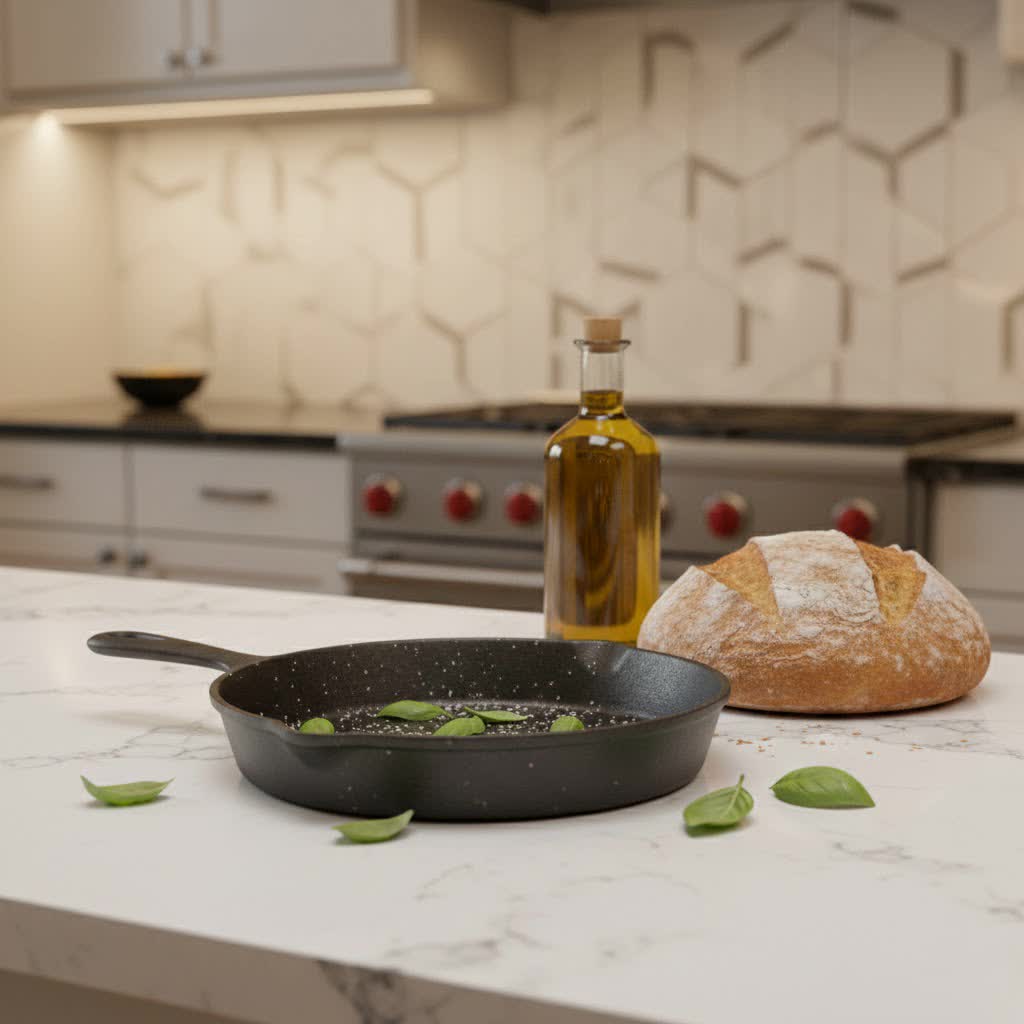
A cast iron skillet is a heavy-duty frying pan made by pouring molten iron into a mold. This simple yet robust construction gives it unique cooking properties. Dating back centuries, cast iron cookware has been a staple in kitchens around the globe, cherished for its resilience and ability to endure diverse cooking environments, from stovetops to open campfires. Its history is rooted in practicality, offering unparalleled durability long before modern non-stick coatings existed.
Superior Advantages of Cast Iron Skillets
Cast iron skillets offer a host of benefits that set them apart from other cookware. Their inherent qualities make them a favorite among chefs and home cooks seeking both performance and longevity.
- Exceptional Durability and Longevity: Built to last, a well-maintained cast iron skillet can be passed down through generations, becoming a true family heirloom. It resists warping, denting, and scratching far better than many contemporary materials.
- Outstanding Heat Retention and Even Distribution: The thick material of cast iron excels at absorbing and retaining heat, ensuring your food cooks evenly. This steady heat is perfect for achieving a perfect sear on steaks or maintaining a consistent temperature for deep frying.
- Natural Non-Stick Surface (with Proper Seasoning): When properly seasoned, cast iron develops a natural, chemical-free non-stick surface that improves with every use. This creates a healthier cooking alternative to pans coated with synthetic chemicals.
- Health Benefits: Cooking in cast iron can naturally fortify your food with small amounts of dietary iron, which can be beneficial for those looking to increase their iron intake.
- Remarkable Versatility: A cast iron skillet transitions seamlessly from stovetop to oven, grill, or even an open flame, making it ideal for a vast array of recipes, from baking cornbread to searing meats.
- Affordability: Despite its incredible durability and performance, many quality cast iron skillets are surprisingly affordable, offering excellent value for money over their extensive lifespan.
- Flavor Enhancement: Over time, the seasoning layer on a cast iron pan absorbs flavors, adding a subtle depth and richness to your meals that is unmatched by other cookware.
- Rustic Charm: Beyond its utility, the classic dark coloration and robust build of a cast iron skillet bring a timeless, rustic aesthetic to any kitchen.
Common Types of Cast Iron Skillets
When choosing a cast iron skillet, you’ll primarily encounter two main types, each with distinct characteristics and maintenance requirements.
Traditional Cast Iron Skillets
|
Our Picks for the Best Iron Skillet in 2026
As an Amazon Associate I earn from qualifying purchases.
|
||
| Num | Product | Action |
|---|---|---|
| 1 | Cuisinel Cast Iron Skillet with Lid - 12"-inch Pre-Seasoned Covered Frying Pan Set + Silicone Handle & Lid Holders + Scraper/Cleaner - Indoor/Outdoor, Oven, Stovetop, Camping Fire, Grill Safe Cookware |

|
| 2 | Lodge 12 Inch Cast Iron Skillet with Red Silicone Hot Handle Holder – Pre-Seasoned Frying Pan for Stove, Oven, Grill & Campfire – Made in the USA – Durable, Nonstick Cast Iron Cookware – Black |
|
| 3 | Lodge 10.25 Inch Cast Iron Skillet – Pre-Seasoned Frying Pan with Teardrop Handle – Oven, Stovetop, Grill & Campfire Use – Made in USA – Durable, Non-Toxic, Even-Heating Cookware – Black |
|
| 4 | Mercer Culinary Pre-Seasoned Cast Iron Skillet, 10.25-Inch |
|
| 5 | Stargazer 10.5-Inch Cast Iron Skillet - Made in USA, Seasoned, Premium Frying Pan for Grilling, Searing, Baking & More – Durable Cast Iron with Smooth Cooking Surface |
|
| 6 | Cuisinel Cast Iron Skillet with Lid - 12"-Inch Frying Pan + Glass Cover + Silicone Handle Holder - Pre-Seasoned Oven Safe Cookware - Indoor/Outdoor Use - Grill, BBQ, Fire, Stovetop. PFAS and PFOA-free |
|
| 7 | Lodge Pre-Seasoned Cast Iron Skillet Set - Set Includes 8 Inch Skillet, 10.25 Inch Skillet, and 12 inch Skillet - 3 Piece |
|
| 8 | Lodge 12 Inch Pre-Seasoned Cast Iron Skillet - Dual Assist Handles - Use in the Oven, on the Stove, on the Grill, or Over a Campfire - Black |
|
| 9 | Utopia Kitchen Cast Iron Skillets 12 Inch, Chef's Pan, Pre-Seasoned Frying Pan, Stovetop, Oven, Campfire and Grill Large Skillet, Even Heat Distribution Multipurpose Cast Iron Pan - Black |
|
| 10 | EWFEN Cast Iron Skillet 3-Piece Set, Heavy-Duty Professional Restaurant Chef Quality Pre-Seasoned Pan Cookware Set, 6", 8", 10" Pans For Frying, Saute, Cooking, Use Indoor/Outdoor, Oven, Grill |
|
These skillets feature an exposed, seasoned finish. They are known for their rugged durability and ability to develop a superior non-stick surface over time through diligent seasoning. Traditional cast iron is generally more affordable and offers a truly authentic cooking experience, but it requires specific care to prevent rust and maintain its seasoning.
Enameled Cast Iron Skillets
Enameled cast iron skillets have a protective layer of glass-like enamel coating the cast iron core. This coating makes them easier to clean, often allowing for soap and sometimes even dishwasher use (though handwashing is still recommended). Enameled skillets do not require seasoning and are non-reactive, meaning you can cook acidic foods without concern. They often come in a vibrant array of colors, adding an aesthetic touch to your kitchen. However, they are typically more expensive and can be more susceptible to chipping if mishandled.
How to Choose the Right Cast Iron Skillet for You
Selecting the perfect cast iron skillet involves considering your cooking habits, needs, and preferences.
Size and Depth
The size of your skillet should align with your typical cooking volume.
- Smaller skillets (3.5 to 8 inches): Ideal for single servings, frying an egg, or preparing side dishes.
- Medium skillets (10 to 12 inches): Excellent for 1-2 people, searing two steaks, or baking a small cornbread.
- Larger skillets (12 inches and up): Best for families of four or more, batch cooking, roasting a whole chicken, or making large pizzas.
Consider a deeper skillet if you plan on frying, stewing, or using a lid to create a Dutch oven effect.
Weight
Cast iron skillets are inherently heavy, but their weight can vary significantly based on size and thickness.
- Lighter models: Easier to maneuver and lift, especially for those with wrist or arm strength considerations. Some modern lightweight cast iron pans can be up to 50% lighter than traditional ones.
- Heavier models: Tend to retain heat slightly better and distribute it more evenly, making them excellent for consistent searing.
Aim for a balance where you can comfortably handle the pan, especially when full of food. Many larger skillets benefit from a helper handle for easier lifting.
Material and Coating
- Traditional (Uncoated) Cast Iron: Prioritize skillets made from pure cast iron. Check if it comes pre-seasoned, which offers a head start on building its non-stick layer. Even if pre-seasoned, an initial seasoning at home is recommended for added protection.
- Enameled Cast Iron: Look for high-quality enamel that is resistant to chipping. A matte black interior enamel can be less prone to staining. Ensure the enamel is smooth and consistent.
Handles
- Main Handle: Opt for a sturdy handle that feels comfortable and secure in your grip. Longer handles with rounded edges are often preferred.
- Helper Handle: Essential for larger, heavier skillets, a helper handle provides a secondary grip point, making it much easier and safer to lift and transport the pan, especially from the oven.
Brand and Price
Researching reputable brands is crucial, as quality can vary. While premium brands often come with a higher price tag, there are excellent budget-friendly options that perform exceptionally well. Consider your budget and how often you’ll use the skillet.
Comparing Famous Cast Iron Skillet Brands
The market offers a wide range of cast iron skillet brands, each with its unique selling points. Here’s a comparison of some of the most prominent names:
| Brand | Type | Key Features | Pros | Cons | Price Range |
|---|---|---|---|---|---|
| Lodge | Traditional (and Enameled) | Classic, pre-seasoned (many models), heavy-duty construction, various lines (Blacklock, Chef Collection) | Excellent value, extremely durable, widely available, good heat retention, versatile, Blacklock line offers lighter weight and improved ergonomics. | Can be very heavy, rougher finish requires more seasoning work initially, pour spouts can be small, classic line runs hot. | Low to Mid |
| Le Creuset | Enameled | Premium enameled, vibrant colors, black satin interior enamel, ergonomic handles, large helper handles | No seasoning required, easy to clean, non-reactive to acidic foods, excellent heat distribution, beautiful aesthetic, superior craftsmanship. | Very expensive, susceptible to chipping if dropped or overheated, not truly non-stick without oil. | High |
| Staub | Enameled | High-quality enameled, often lighter than other enameled pans, matte black interior, self-basting lids | Heats faster and more evenly than some enameled competitors, durable enamel, great for searing, elegant design, often includes self-basting lids. | Expensive, still requires care to prevent chipping, can be heavy depending on size. | High |
| Field Co. | Traditional | Lightweight design, smooth cooking surface, modern minimalist aesthetic, made in USA | Significantly lighter than traditional cast iron, very smooth finish for easier seasoning and cooking, attractive design, quality craftsmanship. | More expensive than Lodge, may not be non-stick out of the box (requires consistent seasoning), requires diligent care. | Mid to High |
| Finex | Traditional | Polished cooking surface, multi-faceted design, coil handles, made in USA (now owned by Lodge) | Very smooth surface, distinctive aesthetic, thick base for excellent heat retention, robust and durable. | Very expensive, noticeably heavier than some competitors, unique handle design may not appeal to all, now manufactured by Lodge. | High |
Detailed Comparison of Cast Iron Skillet Models
Choosing between specific models often comes down to your priorities—budget, weight, ease of maintenance, and specific cooking needs.
| Feature / Model Type | Traditional Lodge Skillet (e.g., 10.25-inch) | Le Creuset Enameled Skillet (e.g., 10.25-inch) | Field Company Skillet (e.g., No. 8) | Lodge Blacklock Skillet (e.g., 10.25-inch) |
|---|---|---|---|---|
| Size (Diameter) | 10.25 inches (common) | 10.25 inches (common) | Varies, e.g., No. 8 (10.375 inches) | 10.25 inches (common) |
| Weight | ~6-7 lbs | ~5-6 lbs | ~4.5-5 lbs | ~5-6 lbs (lighter than classic Lodge) |
| Material | Cast Iron | Enameled Cast Iron | Cast Iron | Triple-Seasoned Cast Iron |
| Price Range | $20 – $50 | $150 – $250 | $150 – $250 | $60 – $100 |
| Seasoning Req. | Yes, ongoing | No | Yes, ongoing | Less initial, ongoing maintenance |
| Acidic Foods | Avoid prolonged cooking | Yes, safe | Avoid prolonged cooking | Avoid prolonged cooking |
| Pros | Affordable, durable, excellent heat retention, good entry-level. | Easy to clean, aesthetic, non-reactive, reliable performance. | Lightweight, very smooth surface, easy handling. | Lighter than classic Lodge, pre-seasoned, improved ergonomics. |
| Cons | Heavy, requires consistent seasoning and careful cleaning, can rust. | Expensive, can chip, not inherently non-stick. | Expensive, still needs careful seasoning, can be slick. | More expensive than classic Lodge. |
How to Use and Care for Your Cast Iron Skillet Properly
Proper usage and care are paramount to ensuring your cast iron skillet performs optimally and lasts a lifetime.
Seasoning Your Cast Iron Skillet
Seasoning is the process of baking thin layers of oil onto your cast iron, creating a natural, polymerized, non-stick surface and protecting it from rust.
- For a New Skillet: Even if pre-seasoned, wash it with warm water (no soap!), dry thoroughly, then apply a very thin layer of high smoke point oil (like flaxseed, grapeseed, or vegetable oil). Wipe off excess until it looks dry. Bake upside down in an oven at 450-500°F (232-260°C) for one hour, then let it cool completely in the oven. Repeat this process 2-3 times for a strong initial seasoning.
- Restoring Damaged Seasoning: If your seasoning is flaking or rust appears, scour the pan clean (steel wool may be needed), then re-season using the steps above.
Cleaning Your Cast Iron Skillet
Cleaning cast iron doesn’t have to be a chore if done correctly.
- After Each Use: While the pan is still warm, scrape off any food residue with a flat-edged spatula. Rinse with hot water, using a stiff brush or a chainmail scrubber for stubborn bits. Avoid harsh dish soaps, as they can strip away the seasoning.
- Drying: Thoroughly dry your skillet immediately after washing to prevent rust. You can place it back on the stovetop over low heat for a few minutes to evaporate any remaining moisture.
- Oiling: Once dry, apply a very thin layer of cooking oil to the entire surface of the pan, inside and out. Buff it lightly with a paper towel until it looks almost dry.
Storing Your Cast Iron Skillet
Proper storage is crucial to prevent rust and maintain seasoning.
- Prevent Rust: Always ensure your skillet is bone dry and lightly oiled before storing.
- Ventilation: Store in a dry, well-ventilated area. If stacking other cookware on top, place a paper towel or cloth between the pans to absorb moisture and protect the surface.
- Enameled Cast Iron: Enameled cast iron requires less strict drying and oiling for rust prevention but still benefits from careful storage to prevent chips.
Tips for Better Cooking with Cast Iron
Unlock the full potential of your cast iron skillet with these expert cooking tips:
- Preheat Properly: Always preheat your cast iron slowly and thoroughly over medium heat before adding oil or food. This ensures even cooking and prevents sticking.
- Use Enough Oil: Despite its non-stick potential, always use a sufficient amount of cooking oil (with a high smoke point) or fat when cooking to prevent food from sticking and to maintain the seasoning.
- Avoid Overcrowding: Give your food space to cook. Overcrowding the pan can lower its temperature and lead to steaming rather than searing, resulting in less flavorful food.
- Limit Acidic Foods: While enameled cast iron handles acidic foods well, traditional cast iron should avoid prolonged cooking of highly acidic ingredients like tomato sauces or lemon juice, as this can strip the seasoning and impart a metallic taste.
- Choose the Right Utensils: Use wooden, silicone, or metal spatulas. Metal spatulas can actually help smooth out the cooking surface over time without damaging the seasoning, unlike non-stick coatings.
“A well-loved cast iron skillet is more than just a tool; it’s a testament to timeless cooking, offering a depth of flavor and durability that no modern pan can truly replicate.” – Chef Elena Rodriguez, Culinary Historian and Cast Iron Enthusiast
Delicious Dishes Perfect for Your Cast Iron Skillet
The versatility of a cast iron skillet means you can cook almost anything in it, from breakfast to dessert.
- Perfectly Seared Steaks: Achieve a beautiful, crusty sear and tender interior.
- Crispy Fried Chicken: The even heat ensures a golden-brown, crunchy exterior.
- Skillet Roasted Chicken and Vegetables: Go from stovetop to oven for juicy, flavorful results.
- Fluffy Cornbread: Develops an incredible crust and tender crumb when baked in cast iron.
- Deep-Dish Pizza: The skillet creates a wonderfully crispy bottom crust.
- Sizzling Fajitas: Ideal for maintaining high heat to cook meats and vegetables quickly.
- Rustic Apple Crisp or Cobbler: Bake directly in the skillet for a warm, comforting dessert.
- Hash and Eggs: A classic breakfast, easily prepared and served hot.
Where to Buy an Authentic Cast Iron Skillet
Authentic and high-quality cast iron skillets are readily available from various reputable sources:
- Specialty Kitchenware Stores: These stores often carry a curated selection of brands and knowledgeable staff.
- Department Stores: Many large department stores feature kitchen sections with popular cast iron brands.
- Online Retailers: Websites like Amazon, Williams Sonoma, and direct-to-consumer brand sites (Lodge, Field Company, Le Creuset) offer the widest selection, often with customer reviews to guide your choice.
- Hardware Stores: Some traditional hardware stores still carry basic, reliable cast iron skillets.
- Thrift Stores/Estate Sales: With careful inspection and a willingness to re-season, you can often find vintage cast iron treasures at bargain prices.
Cast Iron Skillet Buying Guide: Key Takeaways
Choosing your cast iron skillet doesn’t have to be daunting. Remember these core considerations:
- Traditional vs. Enameled: Decide if you prefer the classic seasoning ritual and rustic charm (traditional) or the easier maintenance and non-reactive properties (enameled).
- Size for Your Needs: Match the skillet’s diameter and depth to your typical cooking volume.
- Weight Comfort: Find a balance you can comfortably lift and maneuver, utilizing helper handles for larger pans.
- Pre-Seasoned or Not: Pre-seasoned offers convenience, but a homemade initial seasoning is always a good idea.
- Brand Reputation: Invest in a reputable brand that aligns with your budget and quality expectations.
- Accessories: Consider if a silicone handle cover, chainmail scrubber, or a matching lid would enhance your cooking experience.
Conclusion
The cast iron skillet is more than just cookware; it’s a culinary companion that, with proper care, will serve you faithfully for decades. From its unmatched heat retention to its natural non-stick properties and ability to infuse rich flavors, the benefits are clear. Embracing the art of seasoning and mindful maintenance will unlock a world of delicious possibilities, making your cast iron skillet an indispensable part of your kitchen story. Are you ready to embark on your cast iron journey and discover the magic it brings to your cooking?
Frequently Asked Questions
What are the main health benefits of cooking with cast iron?
Cooking with cast iron can leach small amounts of dietary iron into your food, which can be beneficial for those with iron deficiencies. Additionally, it offers a chemical-free alternative to non-stick coatings, promoting a healthier cooking environment.
Can I use soap to clean my cast iron skillet?
For traditional cast iron, it’s generally best to avoid harsh dish soaps as they can strip away the hard-earned seasoning. Hot water and a stiff brush or chainmail scrubber are usually sufficient. Enameled cast iron can typically handle mild soap.
How often should I re-season my cast iron skillet?
For traditional cast iron used regularly, it’s good practice to lightly oil it after every wash. A full re-seasoning in the oven 2-3 times a year, or whenever the non-stick properties diminish or rust appears, will keep it in prime condition.
Can I cook acidic foods like tomato sauce in a cast iron skillet?
For traditional cast iron, it’s best to avoid cooking highly acidic foods for prolonged periods, as they can strip the seasoning and cause the iron to leach, potentially imparting a metallic taste. Enameled cast iron is non-reactive and perfectly safe for acidic ingredients.
Is lightweight cast iron as good as traditional heavy cast iron?
Modern lightweight cast iron offers similar benefits to traditional heavy cast iron, including excellent heat retention and durability, but with significantly easier handling. While some argue heavier pans retain heat slightly better, lightweight options often perform admirably and are more user-friendly for daily use.
