For centuries, the humble iron skillet has been a cornerstone in kitchens worldwide, prized for its robust nature and exceptional cooking performance. It’s more than just a pan; it’s an heirloom, a reliable companion that transforms everyday ingredients into extraordinary meals. If you’re looking to elevate your culinary experience, understanding the diverse world of iron skillets, especially the top brands, is your first step. This comprehensive guide will navigate you through everything you need to know, from selecting the perfect pan to mastering its care and unlocking its full cooking potential.
What is an Iron Skillet?
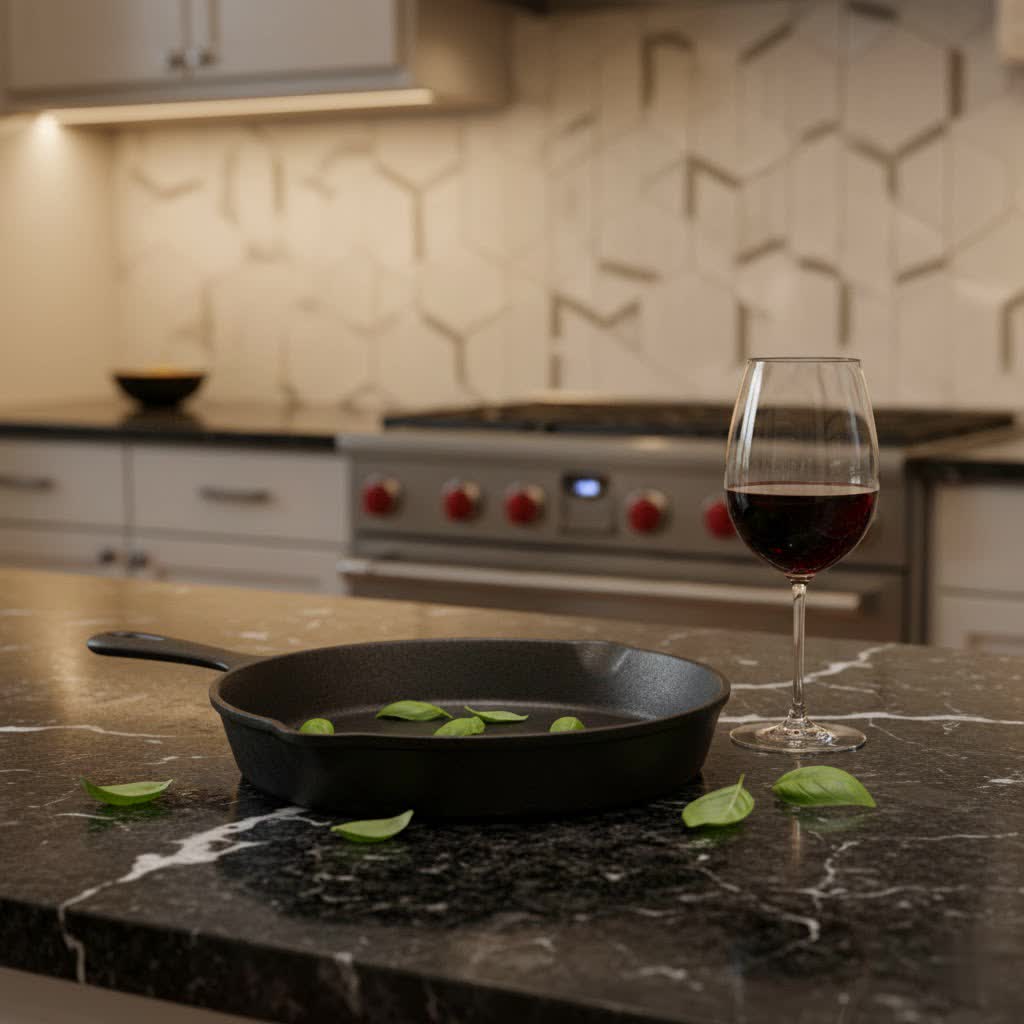
An iron skillet is a heavy-duty frying pan made from cast iron, an alloy of iron, carbon, and silicon. Known for its distinct dark, often matte, appearance and substantial weight, it stands apart from modern non-stick or stainless steel cookware. Historically, cast iron cookware dates back centuries, with its presence noted in Europe and Asia for its durability and efficient heat properties. Its simple yet effective design has ensured its longevity and continued popularity, evolving slightly over time but retaining its core characteristics.
Superior Advantages of Iron Skillets
The enduring appeal of the iron skillet stems from a range of unparalleled benefits that make it a favorite among professional chefs and home cooks alike.
- Durability and Longevity: Built to last, a well-maintained iron skillet can literally be passed down through generations, becoming a treasured family heirloom. Its robust construction resists warping, denting, and scratching.
- Exceptional Heat Retention and Even Heat Distribution: Iron skillets heat slowly but retain heat remarkably well, ensuring a consistent cooking temperature across the entire surface. This is crucial for achieving perfect searing and uniform cooking.
- Natural Non-Stick Layer: With proper seasoning—a layer of polymerized oil baked onto the surface—an iron skillet develops a naturally non-stick finish that improves with every use. This allows food to release easily and reduces the need for excessive cooking fats.
- Health Safety: Unlike some non-stick pans that can release chemicals when overheated, traditional cast iron is free from synthetic coatings, offering a chemical-free cooking surface. It can even fortify food with small amounts of dietary iron.
- Versatility: An iron skillet is incredibly versatile. It can be used on almost any heat source, including gas, electric, induction, glass-top stoves, ovens, grills, and even open campfires. This makes it ideal for everything from frying and searing to baking and roasting.
Popular Types of Iron Skillets
While the core material remains cast iron, skillets come in a few distinct types, each offering unique benefits.
- Traditional Cast Iron Skillet (Raw/Seasoned): This is the classic, bare cast iron pan, typically pre-seasoned by manufacturers to provide an initial non-stick layer and protect against rust. It requires ongoing seasoning and specific care to maintain its natural non-stick properties.
- Enameled Cast Iron Skillet: These skillets feature a cast iron core coated with a durable enamel finish, often in vibrant colors. The enamel prevents rust, eliminates the need for seasoning, and allows for cooking acidic foods without reactivity. They are generally easier to clean but can be more delicate than traditional cast iron.
- Cast Iron with Wooden Handles: Some skillets feature wooden handles for comfortable, heat-safe gripping on the stovetop. However, these handles limit oven use, as wood can burn at high temperatures.
- Mini Cast Iron Skillets: Smaller versions perfect for individual servings, side dishes, or decorative use, often featuring the same properties as their larger counterparts.
Guide to Choosing the Right Iron Skillet
Selecting the ideal iron skillet involves considering your cooking habits and preferences. A thoughtful choice ensures your pan will be a joy to use for years to come.
Size and Depth
- Determine Your Needs: Consider how many people you typically cook for and the types of dishes you prepare. A solo cook might find a smaller pan sufficient, while a family will need a larger option.
- Choose the Right Dimensions: A 10- to 10.25-inch skillet is often recommended as a versatile starting size for most individuals or small families. For larger meals, family-sized portions, or baking, a 12-inch skillet is an excellent choice. Deeper skillets are better for frying or stewing, while shallower pans excel at searing.
|
Our Picks for the Best Iron Skillet in 2026
As an Amazon Associate I earn from qualifying purchases.
|
||
| Num | Product | Action |
|---|---|---|
| 1 | EWFEN Cast Iron Skillet 3-Piece Set, Heavy-Duty Professional Restaurant Chef Quality Pre-Seasoned Pan Cookware Set, 6", 8", 10" Pans For Frying, Saute, Cooking, Use Indoor/Outdoor, Oven, Grill |

|
| 2 | Lodge 10.25 Inch Cast Iron Skillet – Pre-Seasoned Frying Pan with Teardrop Handle – Oven, Stovetop, Grill & Campfire Use – Made in USA – Durable, Non-Toxic, Even-Heating Cookware – Black |
|
| 3 | Lodge 12 Inch Cast Iron Skillet with Red Silicone Hot Handle Holder – Pre-Seasoned Frying Pan for Stove, Oven, Grill & Campfire – Made in the USA – Durable, Nonstick Cast Iron Cookware – Black |
|
| 4 | Utopia Kitchen Cast Iron Skillets 12 Inch, Chef's Pan, Pre-Seasoned Frying Pan, Stovetop, Oven, Campfire and Grill Large Skillet, Even Heat Distribution Multipurpose Cast Iron Pan - Black |
|
| 5 | Lodge 12 Inch Pre-Seasoned Cast Iron Skillet - Dual Assist Handles - Use in the Oven, on the Stove, on the Grill, or Over a Campfire - Black |
|
| 6 | Mercer Culinary Pre-Seasoned Cast Iron Skillet, 10.25-Inch |
|
| 7 | Cuisinel Cast Iron Skillet with Lid - 12"-Inch Frying Pan + Glass Cover + Silicone Handle Holder - Pre-Seasoned Oven Safe Cookware - Indoor/Outdoor Use - Grill, BBQ, Fire, Stovetop. PFAS and PFOA-free |
|
| 8 | Lodge Pre-Seasoned Cast Iron Skillet Set - Set Includes 8 Inch Skillet, 10.25 Inch Skillet, and 12 inch Skillet - 3 Piece |
|
| 9 | Cuisinel Cast Iron Skillet with Lid - 12"-inch Pre-Seasoned Covered Frying Pan Set + Silicone Handle & Lid Holders + Scraper/Cleaner - Indoor/Outdoor, Oven, Stovetop, Camping Fire, Grill Safe Cookware |
|
| 10 | Stargazer 10.5-Inch Cast Iron Skillet - Made in USA, Seasoned, Premium Frying Pan for Grilling, Searing, Baking & More – Durable Cast Iron with Smooth Cooking Surface |
|
Weight
- Consider Portability vs. Heat Retention: Cast iron is inherently heavy. Thicker, heavier pans offer superior heat retention and distribution, which is ideal for consistent cooking. However, lighter cast iron options exist, which are easier to maneuver, especially when full. Choose a weight that feels comfortable for you to lift and handle.
Material and Coating
- Raw Cast Iron vs. Enameled: Decide if you prefer the traditional, naturally non-stick experience of raw, seasoned cast iron, which requires more maintenance but offers exceptional durability, or the convenience of enameled cast iron, which is easier to clean and requires no seasoning, but is typically more expensive.
- Pre-Seasoned Benefits: Most traditional cast iron skillets come pre-seasoned, meaning they are ready to use right out of the box. This provides a head start on building your pan’s non-stick surface.
Handles
- Sturdy and Heat-Resistant: Look for a main handle that is robust and comfortable to grip, ideally designed to allow for easy lifting with an oven mitt.
- Helper Handles: Many larger skillets feature a smaller helper handle on the opposite side. This is invaluable for safely lifting and transporting a heavy pan, especially when it’s full.
- Material Considerations: For oven or grill use, choose an iron skillet with a full cast iron handle. Avoid silicone or wooden handles if you plan frequent high-temperature oven cooking, as these can be damaged.
Brand and Price
- Quality vs. Budget: Cast iron skillets are available at a wide range of price points. While premium brands often boast refined finishes and superior craftsmanship, many affordable options offer excellent performance and longevity. Research reputable brands and consider your budget to find the best value.
Comparing Renowned Iron Skillet Brands
When it comes to iron skillet brands, several names consistently rise to the top, each offering distinct qualities.
| Brand | Key Features | Price Range (Approx.) | Ideal For |
|---|---|---|---|
| Lodge | Durable, affordable, pre-seasoned, excellent heat retention, American-made | $ – $$ | Everyday cooking, budget-conscious buyers, beginners, outdoor enthusiasts |
| Le Creuset | High-end, enameled, vibrant colors, superior quality, no seasoning, French-made | $$$$ | Gourmet cooking, slow-cooking, aesthetic appeal, easy maintenance |
| Staub | High-quality enameled, self-basting lids, excellent heat distribution, French-made | $$$ | Professional cooks, braising, high-performance enameled needs |
| Field Company | Lightweight, smooth polished finish, modern design, quick heating | $$$ | Those seeking lighter cast iron, refined cooking, artisanal quality |
| Smithey Ironware Co. | Premium, handcrafted, exceptionally smooth surface, heirloom quality | $$$$ | Collectors, luxury buyers, gifting, premium cooking experience |
| Victoria | Good value, pre-seasoned with flaxseed oil, larger curved handles, versatile | $ | Budget-friendly, beginners, comfortable handling |
| Finex | Octagonal shape, polished smooth surface, stainless steel spring handle, premium | $$$ | Design-conscious cooks, unique aesthetic, high performance |
Detailed Comparison Table of Iron Skillet Models
Choosing from the myriad of iron skillet models can be daunting. This table provides a general comparison across common types and representative brand offerings, focusing on what differentiates them.
| Feature | Traditional Cast Iron (e.g., Lodge 10.25-inch) | Enameled Cast Iron (e.g., Le Creuset 10.25-inch) | Lightweight Cast Iron (e.g., Field Company No. 8) | Premium Handcrafted (e.g., Smithey No. 12) |
|---|---|---|---|---|
| Material | Raw cast iron | Cast iron with enamel coating | Thinner cast iron | High-quality cast iron, hand-polished |
| Weight | Moderate to Heavy (e.g., 5-6 lbs for 10-inch) | Heavy (e.g., 6-7 lbs for 10-inch) | Lighter (e.g., 4-5 lbs for similar size) | Moderate to Heavy |
| Surface | Textured, develops natural non-stick | Smooth, non-reactive enamel | Very smooth, polished | Exceptionally smooth, mirror-like |
| Seasoning | Required & improves with use | Not required | Required & improves with use | Required & improves with use |
| Care | Hand wash, dry thoroughly, oil | Hand wash (dishwasher safe for some brands) | Hand wash, dry thoroughly, oil | Hand wash, dry thoroughly, oil |
| Acidic Foods | Avoid prolonged cooking | Safe for acidic foods | Avoid prolonged cooking | Avoid prolonged cooking |
| Oven Safe | Yes (all cast iron parts) | Yes (up to specific temp for knob) | Yes | Yes |
| Price Range | Affordable ($20-$60) | High-end ($150-$250+) | Mid-High ($120-$200) | Premium ($200-$350+) |
| Pros | Durable, excellent value, builds character | Easy to clean, versatile, colorful, no rust | Easier to handle, quick heating | Exceptional quality, cooking experience |
| Cons | Requires maintenance, can rust, reactive | More expensive, can chip/crack, heavier | Might not retain heat as long as thicker pans | Very expensive |
Proper Use and Care for Your Iron Skillet
The secret to a long-lasting and high-performing iron skillet lies in consistent and correct care.
Seasoning Iron Skillets
- Initial Seasoning (for bare iron): Many new skillets come pre-seasoned, but you can enhance this. Apply a very thin layer of high smoke point oil (like flaxseed, grapeseed, or vegetable oil) to the entire pan, inside and out. Wipe off any excess so it appears dry, then bake upside down in an oven at 450-500°F (230-260°C) for one hour. Let it cool completely. Repeat this process a few times for an optimal base layer.
- Restoring Seasoning: If your seasoning becomes patchy or food starts sticking, you can re-season the pan following the same steps as initial seasoning. Scrub off any rust or loose flakes before re-seasoning.
Cleaning Iron Skillets
- After Each Use: Clean your iron skillet while it’s still warm. Scrape off any stuck-on food with a stiff-bristled brush or a pan scraper. For stubborn bits, you can boil a little water in the pan to loosen them.
- Soap Usage: For traditional cast iron, many purists avoid soap, fearing it strips the seasoning. However, mild dish soap can be used without harm, especially on a well-established seasoning layer. The key is to rinse quickly and dry immediately. For enameled cast iron, mild soap and water are perfectly fine.
- What to Avoid: Never put a traditional cast iron skillet in the dishwasher or let it air dry, as this will lead to rust. Avoid harsh abrasives or metal scourers on enameled cast iron, as they can scratch the finish.
Storing Iron Skillets
- Prevent Rust: After washing, always dry your traditional iron skillet thoroughly. You can place it over low heat on the stove for a minute or two to ensure all moisture evaporates.
- Oil Lightly: Once dry and cooled, apply a very thin layer of cooking oil to the interior of traditional cast iron skillets to protect the seasoning and prevent rust during storage.
- Proper Placement: Store your skillet in a dry, cool place. If stacking other pans on top, place a paper towel or cloth liner inside the skillet to prevent scratches and absorb any residual moisture. Enameled cast iron can be stored like any other cookware, though careful stacking is still advisable.
Tips for Better Cooking with Iron Skillets
Unlock the full potential of your iron skillet with these expert tips.
- Preheat Properly: Always preheat your iron skillet slowly and thoroughly on medium heat for 5-10 minutes before adding food. This ensures even heat across the surface and helps prevent sticking.
- Use Appropriate Fats: A generous amount of cooking oil or fat (like butter, lard, or bacon grease) not only helps with non-stick properties but also contributes to the flavor and seasoning of the pan.
- Limit Acidic Foods: While enameled cast iron can handle acidic ingredients, prolonged cooking of highly acidic foods (like tomato sauces or lemon-based dishes) in traditional cast iron can strip its seasoning and impart a metallic taste.
- Choose the Right Utensils: Opt for wooden, silicone, or heat-resistant plastic utensils to protect your pan’s surface, especially with enameled skillets. Metal utensils are generally fine on well-seasoned traditional cast iron but can scratch enameled surfaces.
Delicious Dishes to Cook in Your Iron Skillet
The versatility of an iron skillet shines through in the endless array of dishes you can create.
- Perfectly Seared Steak or Chicken: Achieve a beautiful, crispy crust and tender interior.
- Crispy Fried Chicken: The even heat is ideal for golden-brown, juicy results.
- Fluffy Cornbread: Develops a wonderfully crisp and flavorful crust.
- One-Pan Roasts: Roast vegetables, potatoes, or whole chicken for easy, flavorful meals.
- Skillet Pizza: Creates a delicious, crispy-bottomed crust.
- Baked Goods: From giant cookies to fruit crisps, the skillet delivers fantastic results.
- Breakfast Staples: Fry eggs, bacon, and pancakes with ease.
Mua Chảo Gang Ở Đâu Uy Tín?
Finding a reliable place to purchase your iron skillet is key to ensuring authenticity and quality. You can find these versatile pans at several types of retailers.
- Specialty Kitchen Stores: These stores often carry a curated selection of higher-end brands and offer knowledgeable staff.
- Department Stores: Larger department stores typically have a cookware section with popular brands like Lodge and sometimes Le Creuset or Staub.
- Online Retailers: Websites like Amazon, Williams Sonoma, Sur La Table, and the official brand websites (Lodge, Le Creuset, Staub, Field Company, Smithey) offer a vast selection, competitive pricing, and often direct shipping. Ensure you purchase from reputable sellers to avoid counterfeits.
Buying Guide for Iron Skillets
Choosing the right iron skillet is an investment in countless delicious meals and a piece of cookware that can last a lifetime. Here’s a concise guide to help you make the best decision:
- Assess Your Cooking Needs: Consider how often you cook, the number of people you serve, and your preferred cooking methods (searing, baking, frying) to determine the ideal size and type (traditional or enameled).
- Prioritize Material: Decide between classic seasoned cast iron for its robust, natural non-stick evolution and enameled cast iron for its vibrant aesthetics and easier maintenance.
- Examine Weight and Handles: Balance the desire for superior heat retention (heavier pans) with ease of handling. Look for sturdy handles and a helper handle for larger skillets.
- Set a Budget: While premium brands offer exceptional quality, excellent performance can be found across various price points. Lodge provides outstanding value, while brands like Le Creuset and Smithey are a significant investment for heirloom quality and specialized features.
- Consider Brand Reputation: Stick to well-known brands celebrated for their durability and customer satisfaction.
Your iron skillet should feel like an extension of your culinary passion, ready to tackle any recipe with confidence.
Conclusion
The enduring appeal of the iron skillet is undeniable. From its remarkable durability and unmatched heat retention to its naturally developing non-stick surface, it’s a piece of cookware that truly stands the test of time. Whether you opt for the workhorse reliability of a Lodge, the vibrant elegance of a Le Creuset, or the refined craftsmanship of a Smithey, understanding the differences among top brands empowers you to make an informed choice that aligns with your cooking style and budget. With proper care and a little practice, your iron skillet will become an indispensable tool in your kitchen, delivering exceptional results for generations. Are you ready to embark on your cast iron culinary journey?
Frequently Asked Questions
Can I use soap to clean my cast iron skillet?
Yes, mild dish soap can be used to clean traditional cast iron skillets without stripping a well-established seasoning. The key is to rinse quickly and dry the pan thoroughly immediately after washing to prevent rust.
How can I prevent rust on my iron skillet?
To prevent rust, always dry your traditional cast iron skillet completely after washing, ideally by placing it over low heat on the stove for a minute. Once cool, apply a very thin layer of cooking oil to the surface before storing.
Is enameled cast iron better than traditional cast iron?
Neither is inherently “better”; they serve different purposes. Enameled cast iron offers easier maintenance, is non-reactive to acidic foods, and comes in various colors, but it’s typically more expensive and can chip. Traditional cast iron develops a natural non-stick surface over time, is extremely durable, and often more affordable, but it requires more specific care and seasoning.
What size cast iron skillet should I buy?
For most home cooks, a 10- to 10.25-inch cast iron skillet is an excellent starting point, versatile enough for individual meals or small families. If you frequently cook for larger groups or make one-pan roasts, a 12-inch skillet would be a more suitable choice.
How long do cast iron skillets last?
With proper care and maintenance, a high-quality cast iron skillet can last for many decades, often becoming an heirloom passed down through generations. Their robust construction makes them incredibly durable and resistant to wear and tear.
