Have you ever wondered what makes a cast iron skillet a cherished kitchen essential, often passed down through generations? For enthusiasts and everyday cooks alike, finding the perfect cast iron skillet is more than just a purchase; it’s an investment in a durable, versatile piece of cookware that promises exceptional culinary results. With countless options on the market, choosing the right one can feel daunting. This comprehensive guide will navigate you through the world of cast iron, highlighting top-rated models, essential features, and expert tips to ensure your skillet becomes your favorite kitchen companion.
What is an Iron Skillet?
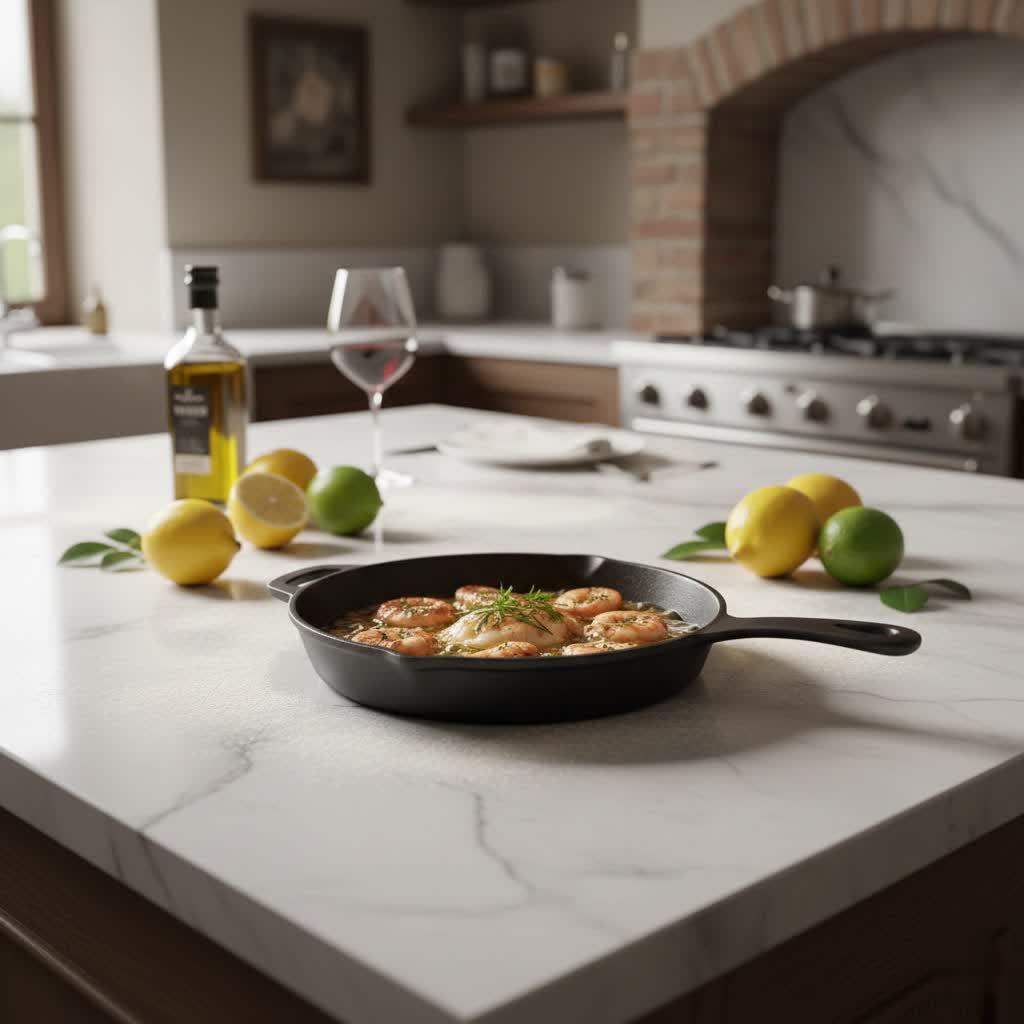
An iron skillet, commonly known as a cast iron skillet, is a heavy-duty frying pan made by pouring molten iron into a mold. This creates a single, seamless piece of cookware composed primarily of iron and carbon. Its robust construction dates back centuries, with a rich history of development that has solidified its place as a fundamental tool in kitchens worldwide. Unlike modern nonstick pans with chemical coatings, traditional cast iron relies on a process called “seasoning”—a baked-on layer of polymerized oil—to create a naturally nonstick surface.
Superior Advantages of Cast Iron Skillets
Cast iron skillets offer a host of unparalleled benefits that make them a favorite among home cooks and professional chefs alike.
- Exceptional Durability and Longevity: Built to last, a well-cared-for cast iron skillet can literally be an heirloom, serving multiple generations. Its solid construction means it can withstand high temperatures and rigorous use without warping or breaking down.
- Outstanding Heat Retention and Even Heat Distribution: Cast iron is renowned for its ability to hold heat exceptionally well and distribute it evenly across the cooking surface. This ensures consistent cooking, perfect for searing steaks to achieve a beautiful crust, or baking cornbread with a uniform golden finish.
- Natural Nonstick Properties: Over time and with proper seasoning, a cast iron skillet develops a natural, chemical-free nonstick surface. This coating improves with each use, offering a healthier and more durable alternative to synthetic nonstick options.
- Health and Safety: Free from synthetic chemicals often found in traditional nonstick pans, cast iron provides a safe cooking surface. It can even subtly fortify food with dietary iron, a small but welcome benefit.
- Incredible Versatility: From the stovetop (including induction) to the oven, grill, and even over an open campfire, cast iron skillets are incredibly adaptable. They are perfect for frying, searing, baking, roasting, braising, and more, making them a true kitchen workhorse.
Popular Types of Cast Iron Skillets
While all cast iron skillets share core characteristics, they primarily come in two main varieties:
- Traditional Cast Iron Skillet: These are the classic, uncoated skillets that require seasoning to build and maintain their nonstick surface. They typically have a darker, often rougher, matte finish and are prized for their ruggedness and ability to withstand extremely high temperatures.
- Enameled Cast Iron Skillet: Featuring a vitreous enamel coating over the cast iron, these skillets are often vibrant in color and do not require seasoning. The enamel prevents food from reacting with the raw metal, making them ideal for cooking acidic foods without concern. They are also generally easier to clean, with some even being dishwasher-safe.
Other variations include those with wooden or silicone handles (often detachable), mini skillets for individual portions, or specialty pans like grill pans and griddles.
How to Choose the Right Cast Iron Skillet for Your Needs
Selecting the perfect cast iron skillet involves considering several factors to match your cooking style and preferences.
- Size and Depth:
- Determine Your Needs: Consider how many people you typically cook for and the types of dishes you prepare most often.
- Choose the Right Size: A 10-inch or 10.25-inch skillet is often recommended as a versatile starting point for most households, suitable for frying eggs, making pancakes, or searing a couple of pork chops. For larger families or bigger meals, a 12-inch or 14-inch skillet might be more appropriate. Deeper skillets, sometimes called chicken fryers, offer more capacity and reduce splatter.
- Weight:
- Consider Maneuverability: Cast iron is inherently heavy. While a heavier pan often signifies better heat retention, consider your comfort level when lifting and moving the skillet, especially when it’s full of food. Lighter-weight options from brands like Stargazer, Field Company, and Lodge Blacklock offer easier handling without significant compromise on performance.
- Material and Finish:
- Uncoated vs. Enameled: Decide if you prefer the traditional ritual of seasoning and maintaining uncoated cast iron or the convenience and acid-food compatibility of enameled cast iron.
- Surface Texture: Some modern, premium cast iron skillets feature a smoother, machine-finished surface (e.g., Stargazer, Field Company), which can offer better nonstick properties from the start and easier cleaning. Traditional skillets often have a rougher texture that builds seasoning over time.
- Handles:
- Sturdy Design: Look for a main handle that feels comfortable and secure in your grip.
- Helper Handles: A small loop on the opposite side, known as a helper handle, is invaluable for lifting heavier skillets with two hands, especially when moving them in and out of the oven.
- Material: While wooden or silicone handles can offer comfort and heat protection, ensure they are oven-safe if you plan to use your skillet for baking or roasting. Many traditional cast iron skillets have an integrated cast iron handle that gets hot, necessitating oven mitts.
- Brand and Price:
- Reputation Matters: Research reputable brands known for quality and durability.
- Budget vs. Investment: Cast iron skillets range in price. While budget-friendly options can offer excellent performance, higher-priced models often feature refined designs, smoother finishes, or premium enamel coatings that justify the investment.
Comparing Top Cast Iron Skillet Brands
When exploring the best cast iron skillets, several brands consistently rise to the top, each offering unique features and catering to different preferences.
| Brand | Key Characteristics | Quality | Durability | Price Range | Special Features |
|---|---|---|---|---|---|
| Lodge | America’s oldest and most well-known cast iron manufacturer. Offers traditional, pre-seasoned, and Blacklock lines. | Excellent, reliable performance. | Very high; renowned for lasting generations. | Budget-Mid | Pre-seasoned, excellent value, various sizes, accessible. Blacklock line is lighter and heats faster. |
| Le Creuset | French brand famous for high-end enameled cast iron. | Premium, superior enamel quality. | Exceptional; chip-resistant enamel. | High | Wide range of vibrant colors, no seasoning required, dishwasher-safe options, acid-food friendly. |
| Staub | French brand known for high-quality enameled cast iron, often with a more rustic appearance. | Premium, excellent cooking performance. | Very high, highly durable enamel. | High | Often features a matte black enamel interior for better searing, self-basting lids on Dutch ovens. |
| Stargazer | Known for smooth cooking surfaces, lighter weight, and ergonomic handles. Made in USA. | High, very refined. | High, designed for longevity. | Mid-High | Smooth polished cooking surface, easy-pour edge, stay-cool handle design, lighter than traditional. |
| Lancaster | Praised for excellent heat conductivity and ease of handling, with a polished finish. Made in USA. | High, balanced performance. | High, durable construction. | Mid-High | Lighter weight, comfortable handle, develops beautiful patina, great searing. |
| Field Co. | Focuses on lightweight, smooth-finished cast iron skillets, replicating vintage designs. Made in USA. | High, very maneuverable. | High, heirloom quality. | Mid-High | Exceptionally lightweight, smooth cooking surface, easy to maintain. |
| FINEX | Distinctive octagonal shape, polished smooth surface, and a coiled spring handle. Made in USA. | Premium, design-forward. | Very high, heavy-duty construction. | High | Octagonal shape for pouring from multiple angles, polished surface, “speed-cool” spring handle. |
| Victoria | Colombian brand offering good quality at an affordable price, often with longer handles and wider pour spouts than Lodge. | Good, great value for money. | High, sturdy construction. | Budget | Longer handle, wider pour spouts, pre-seasoned, reliable performance. |
| YETI | Known for outdoor gear, their cast iron skillets offer a polished surface and robust construction. | High, excellent searing capabilities. | Very high, built for heavy use. | High | Polished, shiny surface, generous helper handle, durable, good for outdoor cooking. |
Detailed Comparison of Popular Cast Iron Skillet Models
Let’s dive deeper into some specific highly-rated models to help you make an informed choice.
| Model | Size (approx.) | Weight (approx.) | Material/Finish | Price Range | Pros | Cons |
|---|---|---|---|---|---|---|
| Lodge Blacklock Skillet (10.25″) | 10.25 inches | 3.87 lbs | Triple-seasoned cast iron | $60 | Lighter weight, heats up fast, super nonstick, ergonomic handle. | Pour spouts can cause spillage. |
| Lodge Cast Iron Skillet (10.25″) | 10.25 inches | 5.35 lbs | Pre-seasoned cast iron | $26 | Excellent value, consistent heat, good searing, comes with silicone handle cover, easy to clean. | Heavier than Blacklock, small pour spouts, some sticking in egg tests. |
| Le Creuset Enameled Skillet (11.75″) | 11.75 inches | 6.8 lbs | Enameled cast iron | $230 | High-quality design, even heating, durable, easy to clean, no seasoning, acid-food friendly. | Expensive, shallower sides can cause splatter, heavier than some others. |
| Stargazer Cast Iron Skillet (10.5″) | 10.5 inches | 5.2 lbs | Seasoned cast iron | $107-155 | Lightweight (for cast iron), extremely nonstick, easy-pour edge, stay-cool handle. | Can show marks of wear quickly, needs frequent cleaning for pristine look. |
| Lancaster No. 8 Cast Iron Skillet (10.25″) | 10.25 inches | 4 lbs | Polished cast iron | $175 | Excellent heat conductivity, very lightweight, comfortable handle, beautiful design. | No cover included, must avoid acid for first cooks. |
| Field Company No. 8 Cast Iron Skillet (10.25″) | 10.25 inches | 4.5 lbs | Smooth cast iron | $132-165 | Incredibly lightweight, easy to handle, smooth finish, minimal design. | No pour spouts, higher price point. |
| FINEX 10″ Cast Iron Skillet | 10.25 inches | 6.3 lbs | Polished cast iron | $150-200 | Gorgeous octagonal design, excellent searing, unique “stay-cool” spring handle. | Very heavy, very expensive. |
| YETI Cast Iron Skillet 10 | 10 inches | 4.8 lbs | Polished cast iron | $200 | Beautiful polished surface, generous helper handle, excellent searing, durable. | Smaller cooking surface, handle can be uncomfortable, pricey, may need reseasoning. |
| Victoria 10-Inch Cast Iron Skillet | 10 inches | 5.3 lbs | Pre-seasoned cast iron | $26 | Great value, large loop handle for hanging, wide and deep pour spouts, compatible with all heat sources. | Can have hot spots, can be bulky. |
Guide to Using and Caring for Your Cast Iron Skillet
Proper use and care are crucial for maximizing the performance and longevity of your cast iron skillet.
- Seasoning Your Cast Iron Skillet:
- New Skillets: Most modern uncoated cast iron skillets come pre-seasoned, meaning they’re ready to use. However, additional seasoning will improve their nonstick properties over time.
- Seasoning Process: To season, apply a very thin layer of high-smoke-point cooking oil (like vegetable oil, grapeseed oil, or shortening) over the entire pan. Wipe off any excess, then heat the pan upside down in an oven at 450°F (230°C) for an hour. Let it cool slowly. Repeat this process a few times for a robust seasoning. Each time you cook with oil, you’re also adding to the seasoning layer.
- Restoring Seasoning: If your seasoning is damaged (e.g., food starts sticking excessively, or the pan looks dull), you can repeat the seasoning steps. For severe damage, some recommend a vinegar bath (50-50 vinegar-water solution) to remove rust, followed by thorough drying and re-seasoning.
- Cleaning Cast Iron Skillets:
- After Each Use: Scrape out any cooked-on food. Use a stiff-bristled brush or scrubber with hot water. Mild dish soap is generally fine for uncoated cast iron and won’t strip a well-established seasoning, contrary to some myths.
- What to Avoid: Do not use abrasive scouring pads or harsh detergents that can strip the seasoning. Avoid soaking uncoated cast iron in water for extended periods, as this can lead to rust.
- Drying: Thoroughly dry your cast iron skillet immediately after washing to prevent rust. You can place it on a stovetop burner over low heat for a few minutes to ensure all moisture evaporates.
- Enameled Cast Iron: These are much easier to clean and often dishwasher-safe. Check manufacturer instructions, but generally, mild soap and water are sufficient.
- Storing Cast Iron Skillets:
- Prevent Rust: After cleaning and drying, apply a very thin layer of cooking oil to the interior of uncoated skillets before storing. This protects against moisture and rust.
- Proper Storage: Store in a dry place. Avoid stacking other cookware directly inside uncoated skillets, as this can scratch the seasoning. You can use paper towels or pan protectors between stacked pieces.
Tips for Better Cooking with Cast Iron
Unlock the full potential of your cast iron skillet with these culinary insights:
- Preheat Properly: Cast iron heats slowly but retains heat exceptionally well. Always preheat your skillet gradually over medium heat for several minutes before adding oil or food. This ensures even cooking and prevents sticking.
- Use Appropriate Oil: For high-heat searing, choose oils with a high smoke point like grapeseed oil, avocado oil, or refined vegetable oil.
- Avoid Overcrowding: Give food enough space in the pan to ensure proper searing and browning. Overcrowding can lower the pan’s temperature and lead to steaming instead of searing.
- Limit Acidic Foods (for uncoated): While a well-seasoned uncoated cast iron pan can handle short exposures to acidic ingredients (like a squeeze of lemon), prolonged simmering of highly acidic foods (e.g., tomato sauce) can strip the seasoning and impart a metallic taste to your food. Use enameled cast iron for such dishes.
- Use Suitable Utensils: Metal spatulas are generally fine for well-seasoned cast iron and can even help smooth the cooking surface. However, for newer or less seasoned pans, or if you prefer caution, silicone or wooden utensils are excellent choices.
Delicious Dishes to Cook in Your Cast Iron Skillet
The versatility of cast iron makes it perfect for a wide array of mouth-watering dishes:
- Perfectly Seared Steak: Achieve an incredible crust and juicy interior.
- Crispy Pan-Fried Chicken: Get that irresistible golden-brown skin.
- Cornbread and Biscuits: Bake fluffy, evenly browned cornbread or biscuits with crispy edges.
- Skillet Pizza: Create a deep-dish pizza with a deliciously crispy crust.
- Sautéed Vegetables: Cook vegetables to perfection with consistent heat.
- Frittatas and Shakshuka: Ideal for stovetop-to-oven dishes.
- Desserts: Bake apple crisps, cobblers, or even giant cookies.
Where to Buy Trustworthy Cast Iron Skillets
When you’re ready to purchase your best-rated cast iron skillet, consider these reliable avenues:
- Specialty Cookware Stores: These stores often carry a wide selection of brands and knowledgeable staff.
- Department Stores: Major department stores typically stock popular brands like Lodge and Le Creuset.
- Online Retailers: Websites like Amazon, Williams Sonoma, and the official brand websites (Lodge, Stargazer, Field Company, etc.) offer extensive selections and competitive pricing. Look for official brand storefronts to ensure authenticity.
Buying Guide: Your Cast Iron Skillet Checklist
To summarize, here’s your quick checklist for purchasing the best cast iron skillet:
- Purpose: What will you primarily cook? Searing, baking, general frying?
- Size: A 10.25-inch is versatile, but size up for families or specific dishes.
- Weight: Consider lighter options if maneuverability is a concern, but heavier often means better heat retention.
- Type: Uncoated for traditionalists and high-heat tasks; enameled for ease of maintenance and acidic foods.
- Handles: Look for sturdy, comfortable handles, with a helper handle for larger pans.
- Pre-seasoned: A convenient feature for uncoated pans.
- Brand Reputation: Stick to well-regarded brands known for quality and customer satisfaction.
Choosing a cast iron skillet is about finding a companion that will enhance your cooking experience for years to come. With the right choice and proper care, your skillet will not only perform beautifully but also become a treasured item in your kitchen.
Frequently Asked Questions
Is a more expensive cast iron skillet always better?
|
Our Picks for the Best Iron Skillet in 2026
As an Amazon Associate I earn from qualifying purchases.
|
||
| Num | Product | Action |
|---|---|---|
| 1 | Cuisinel Cast Iron Skillet with Lid - 12"-inch Pre-Seasoned Covered Frying Pan Set + Silicone Handle & Lid Holders + Scraper/Cleaner - Indoor/Outdoor, Oven, Stovetop, Camping Fire, Grill Safe Cookware |

|
| 2 | Stargazer 10.5-Inch Cast Iron Skillet - Made in USA, Seasoned, Premium Frying Pan for Grilling, Searing, Baking & More – Durable Cast Iron with Smooth Cooking Surface |
|
| 3 | Lodge Pre-Seasoned Cast Iron Skillet Set - Set Includes 8 Inch Skillet, 10.25 Inch Skillet, and 12 inch Skillet - 3 Piece |
|
| 4 | Utopia Kitchen Cast Iron Skillets 12 Inch, Chef's Pan, Pre-Seasoned Frying Pan, Stovetop, Oven, Campfire and Grill Large Skillet, Even Heat Distribution Multipurpose Cast Iron Pan - Black |
|
| 5 | EWFEN Cast Iron Skillet 3-Piece Set, Heavy-Duty Professional Restaurant Chef Quality Pre-Seasoned Pan Cookware Set, 6", 8", 10" Pans For Frying, Saute, Cooking, Use Indoor/Outdoor, Oven, Grill |
|
| 6 | Lodge 12 Inch Pre-Seasoned Cast Iron Skillet - Dual Assist Handles - Use in the Oven, on the Stove, on the Grill, or Over a Campfire - Black |
|
| 7 | Mercer Culinary Pre-Seasoned Cast Iron Skillet, 10.25-Inch |
|
| 8 | Cuisinel Cast Iron Skillet with Lid - 12"-Inch Frying Pan + Glass Cover + Silicone Handle Holder - Pre-Seasoned Oven Safe Cookware - Indoor/Outdoor Use - Grill, BBQ, Fire, Stovetop. PFAS and PFOA-free |
|
| 9 | Lodge 10.25 Inch Cast Iron Skillet – Pre-Seasoned Frying Pan with Teardrop Handle – Oven, Stovetop, Grill & Campfire Use – Made in USA – Durable, Non-Toxic, Even-Heating Cookware – Black |
|
| 10 | Lodge 12 Inch Cast Iron Skillet with Red Silicone Hot Handle Holder – Pre-Seasoned Frying Pan for Stove, Oven, Grill & Campfire – Made in the USA – Durable, Nonstick Cast Iron Cookware – Black |
|
Not necessarily. While premium brands often offer refined finishes and specialized designs, many budget-friendly options, like the classic Lodge skillet, provide excellent performance and durability, often outperforming more expensive pans in various tests.
How often should I season my cast iron skillet?
For uncoated cast iron, regular cooking with oil will maintain your seasoning. If you notice food sticking or the pan appearing dull, it’s a good sign to perform a full re-seasoning, which might be a few times a year or as needed based on use and cleaning methods.
Can I really use soap on my cast iron skillet?
Yes, you can use mild dish soap on a well-seasoned cast iron skillet without destroying the seasoning. The myth of avoiding soap stems from older lye-based soaps that could strip seasoning; modern dish soaps are much milder. Just remember to dry it thoroughly immediately after washing.
What’s the ideal size cast iron skillet for a small apartment?
For a small apartment or cooking for one to two people, a 10-inch or 8-inch cast iron skillet is generally ideal. It’s versatile enough for most daily tasks without being too heavy or taking up excessive storage space.
Can I put my cast iron skillet in the dishwasher?
Only enameled cast iron skillets are typically dishwasher-safe. Traditional, uncoated cast iron should never be put in the dishwasher, as the harsh detergents and prolonged moisture will strip its seasoning and lead to rust.
Why does food sometimes stick to my “nonstick” cast iron?
Food sticking usually indicates that your seasoning layer is not robust enough, or the pan was not properly preheated with enough oil. Building up your seasoning and ensuring the pan is hot before adding food and a layer of cooking oil will improve its nonstick performance.
Is cast iron safe to use on all stovetops, including induction?
Yes, cast iron is compatible with all stovetops, including gas, electric, and induction. However, on glass-top stoves, be mindful of the skillet’s weight and rough bottom, as dragging it can cause scratches. Always lift the pan to move it.
