Step into any serious chef’s kitchen, and you’re likely to find a well-loved cast iron skillet. While the classic round pan has long held its reign, the square cast iron skillet is rapidly gaining popularity, offering unique advantages that can transform your cooking experience. From maximizing stovetop space to achieving perfect searing on larger cuts, this versatile workhorse is more than just a pan—it’s a culinary companion built to last generations. If you’re looking to elevate your everyday meals, understand the nuances of this durable cookware, and keep it in pristine condition, you’ve come to the right place. We’ll explore everything you need to know about selecting, using, and maintaining your perfect square cast iron skillet.
What is a Cast Iron Skillet?
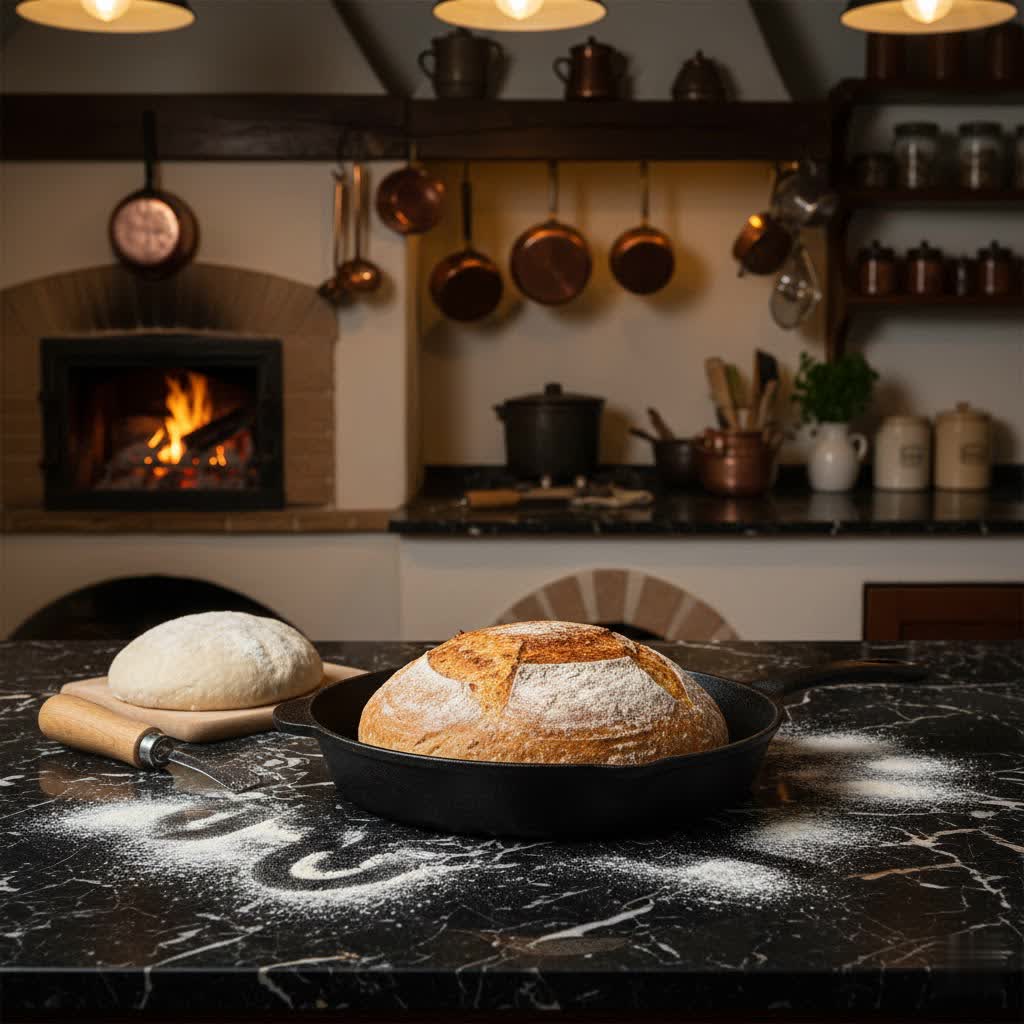
A cast iron skillet is a heavy-duty frying pan made from cast iron, an alloy of iron and carbon. This material is renowned for its exceptional durability and cooking properties. The history of cast iron cookware dates back centuries, with evidence of its use in China as early as the 7th century BCE. Over time, it became a staple in kitchens worldwide, prized for its ability to withstand high temperatures and retain heat effectively. Modern manufacturing techniques have refined the process, but the fundamental appeal of a single, robust piece of cookware, handle included, remains unchanged.
Outstanding Advantages of Cast Iron Skillets
Cast iron skillets, including their square counterparts, offer a suite of benefits that make them invaluable kitchen tools.
- Exceptional Durability and Longevity: With proper care, a cast iron skillet can literally last for generations, becoming a cherished family heirloom. Unlike many modern non-stick pans that degrade over time, cast iron only improves with age and use.
- Superior Heat Retention and Even Distribution: Cast iron excels at absorbing and retaining heat, distributing it uniformly across its surface. This consistent heat is ideal for achieving perfect searing, browning, and cooking foods evenly, eliminating frustrating hot spots. Once hot, it stays hot, making it energy-efficient.
- Natural Non-Stick Surface: Through a process called “seasoning,” a properly maintained cast iron skillet develops a natural, slick, non-stick surface. This polymerized layer of oil not only prevents food from sticking but also protects the pan from rust.
- Health-Safe Cooking: Cast iron skillets are free from harmful chemicals often found in some non-stick coatings, which can release toxic substances at high temperatures. Cooking with cast iron can also subtly increase the iron content in your food, which can be beneficial for those with iron deficiencies.
- Incredible Versatility: From stovetop to oven, broiler, or even an open campfire, cast iron skillets can handle it all. They are perfect for frying, baking, sautéing, roasting, grilling, and braising, adapting to a wide range of culinary techniques.
Popular Types of Cast Iron Skillets
While the core material remains cast iron, variations exist to suit different cooking needs and preferences.
- Traditional Cast Iron Skillet: This is the classic, bare cast iron pan that requires regular seasoning to build and maintain its non-stick surface and prevent rust. It offers superb heat performance and is incredibly durable.
- Enameled Cast Iron Skillet: These skillets are coated with a layer of enamel, which makes them easier to clean, resistant to rust, and eliminates the need for seasoning. Enameled cast iron also allows for cooking acidic foods (like tomato sauces) without reacting with the metal, which can strip traditional seasoning. They often come in a vibrant array of colors.
- Cast Iron with Wooden Handles: Some designs feature wooden handles for a cooler grip, though these are typically not oven-safe above certain temperatures due to the handle material.
- Mini Cast Iron Skillets: Perfect for individual servings, side dishes, or preparing small quantities, these scaled-down versions offer the same cast iron benefits in a compact form.
Guiding Your Choice: How to Select the Right Square Cast Iron Skillet
Choosing the ideal square cast iron skillet involves considering several factors to match your cooking habits and kitchen setup.
Size and Depth
The dimensions of your skillet are crucial for accommodating your cooking volume and preferred dishes.
- Determine Your Needs: Consider how many people you typically cook for and the types of meals you prepare. A smaller skillet (e.g., 8-inch square) might be perfect for one or two people or side dishes, while a larger one (10-inch, 12-inch, or even rectangular griddles spanning two burners) is better for family meals, batch cooking, or grilling multiple items simultaneously.
- Maximize Space: Square skillets inherently offer more usable cooking surface area compared to round pans of a similar diameter, making them excellent for fitting more food without crowding, like multiple pieces of bacon, eggs, or square-cut brownies.
|
Our Picks for the Best Iron Skillet in 2026
As an Amazon Associate I earn from qualifying purchases.
|
||
| Num | Product | Action |
|---|---|---|
| 1 | Lodge 10.25 Inch Cast Iron Skillet – Pre-Seasoned Frying Pan with Teardrop Handle – Oven, Stovetop, Grill & Campfire Use – Made in USA – Durable, Non-Toxic, Even-Heating Cookware – Black |

|
| 2 | Stargazer 10.5-Inch Cast Iron Skillet - Made in USA, Seasoned, Premium Frying Pan for Grilling, Searing, Baking & More – Durable Cast Iron with Smooth Cooking Surface |
|
| 3 | Lodge 12 Inch Cast Iron Skillet with Red Silicone Hot Handle Holder – Pre-Seasoned Frying Pan for Stove, Oven, Grill & Campfire – Made in the USA – Durable, Nonstick Cast Iron Cookware – Black |
|
| 4 | EWFEN Cast Iron Skillet 3-Piece Set, Heavy-Duty Professional Restaurant Chef Quality Pre-Seasoned Pan Cookware Set, 6", 8", 10" Pans For Frying, Saute, Cooking, Use Indoor/Outdoor, Oven, Grill |
|
| 5 | Utopia Kitchen Cast Iron Skillets 12 Inch, Chef's Pan, Pre-Seasoned Frying Pan, Stovetop, Oven, Campfire and Grill Large Skillet, Even Heat Distribution Multipurpose Cast Iron Pan - Black |
|
| 6 | Lodge 12 Inch Pre-Seasoned Cast Iron Skillet - Dual Assist Handles - Use in the Oven, on the Stove, on the Grill, or Over a Campfire - Black |
|
| 7 | Lodge Pre-Seasoned Cast Iron Skillet Set - Set Includes 8 Inch Skillet, 10.25 Inch Skillet, and 12 inch Skillet - 3 Piece |
|
| 8 | Mercer Culinary Pre-Seasoned Cast Iron Skillet, 10.25-Inch |
|
| 9 | Cuisinel Cast Iron Skillet with Lid - 12"-inch Pre-Seasoned Covered Frying Pan Set + Silicone Handle & Lid Holders + Scraper/Cleaner - Indoor/Outdoor, Oven, Stovetop, Camping Fire, Grill Safe Cookware |
|
| 10 | Cuisinel Cast Iron Skillet with Lid - 12"-Inch Frying Pan + Glass Cover + Silicone Handle Holder - Pre-Seasoned Oven Safe Cookware - Indoor/Outdoor Use - Grill, BBQ, Fire, Stovetop. PFAS and PFOA-free |
|
Weight
Cast iron is naturally heavy, and this weight contributes to its excellent heat retention.
- Consider Handling: Evaluate your comfort level with lifting and maneuvering a heavy pan, especially when full. While heavier pans retain heat better, lighter options exist (e.g., Lodge Blacklock, Field Company) that offer a good balance of performance and ease of use. A helper handle can significantly aid in lifting heavier skillets.
Material and Coating
The type of cast iron dictates its care and optimal use.
- Pure Cast Iron: Choose high-quality, un-enameled cast iron for maximum durability and the unique seasoning process. These require consistent care but offer unmatched performance.
- Enameled Cast Iron: Opt for a high-quality enameled skillet if you prefer minimal maintenance, want to cook acidic foods, or desire vibrant kitchen aesthetics. Ensure the enamel is robust and chip-resistant.
- Pre-Seasoned: Many modern cast iron skillets come pre-seasoned, offering a head start on your non-stick surface. While useful, additional seasoning layers will continue to improve performance.
Handle Design
The handle is key for safe and comfortable handling.
- Sturdy and Heat-Resistant: Look for a securely attached handle. For oven use, a fully cast iron handle is essential. Silicone handle covers are often available for cooler handling on the stovetop.
- Helper Handles: Larger square skillets often include a secondary helper handle, which is incredibly useful for safely lifting and transporting the pan, especially when it’s hot and heavy.
Brand and Price
Investing in a reputable brand often means better quality and longevity.
- Reputable Brands: Research well-known brands like Lodge, Le Creuset, Staub, Finex, and Field Company. Each offers distinct features and price points.
- Budget Alignment: Cast iron skillets range from affordable workhorses (like Lodge) to premium heirloom pieces (like Le Creuset or Finex). Determine your budget and balance it with desired features and brand reputation.
Comparing Renowned Cast Iron Skillet Brands
When selecting a cast iron skillet, understanding the leading brands can help you make an informed decision. Here’s a comparison of some top contenders:
| Brand | Quality / Finish | Durability | Price Range | Special Features |
|---|---|---|---|---|
| Lodge | Robust, often a bit rough texture (improves with seasoning) | Excellent; renowned for longevity | Affordable | Classic American brand, widely accessible, great value, often pre-seasoned. |
| Le Creuset | Smooth enameled finish, vibrant colors | Outstanding; resists chipping, no seasoning needed | Premium | Enameled cast iron, exceptional heat distribution, oven-safe to high temps, dishwasher-safe. |
| Staub | Enameled, often with a textured matte black interior | Excellent; high chip resistance | Premium | Similar to Le Creuset, known for self-basting lids, excellent for braising. |
| Field Company | Lightweight, smooth polished finish | Very Good; lighter than traditional cast iron | Mid-High | Focus on lighter weight and smoother cooking surface, minimal seasoning required initially. |
| Finex | Polished, octagonal design, coiled spring handle | Exceptional; built to be an heirloom | Premium | Unique aesthetic, polished interior, ergonomically designed handle for cooler touch. |
| Victoria | Good quality, often pre-seasoned with a smoother finish than basic Lodge | Very Good | Budget-Mid | Known for larger helper handles and pouring spouts, good value. |
Detailed Comparison of Square Cast Iron Skillet Models
While many brands focus on round skillets, square cast iron pans offer unique benefits, particularly in maximizing cooking surface. Here’s a hypothetical comparison focusing on features relevant to square designs:
| Model/Brand | Size (approx.) | Weight (approx.) | Material/Coating | Price (approx.) | Pros | Cons |
|---|---|---|---|---|---|---|
| Lodge 10.5″ Square Griddle | 10.5″ x 10.5″ | 7 lbs | Pre-seasoned cast iron | $30 | Excellent surface area, reversible grill/griddle option, affordable. | Can be heavy, corners may heat less evenly than center. |
| Cuisinart 9.25″ Square Grill Pan | 9.25″ x 9.25″ | 5 lbs | Pre-seasoned cast iron | $50 | Good for grill marks, lighter weight, decent overall performance. | Smaller cooking area, specific for grilling, not a flat skillet. |
| Victoria 11″ Square Skillet | 11″ x 11″ | 8 lbs | Pre-seasoned cast iron | $40 | Large cooking area, often includes helper handle, good for family meals. | Can be quite heavy, may require more effort to heat evenly. |
Mastering Your Square Cast Iron Skillet: Use and Care
Proper care is the secret to a long-lasting, high-performing cast iron skillet.
Seasoning Your Cast Iron Skillet
Seasoning is the process of baking thin layers of oil onto the cast iron, creating a natural, non-stick, rust-resistant surface.
- Initial Seasoning (for new or stripped pans):
- Clean the pan thoroughly with warm, soapy water and a stiff brush, then dry it completely.
- Apply a very thin, even layer of neutral cooking oil (like vegetable, canola, or grapeseed oil) to the entire surface of the skillet, inside and out, including the handle. Buff it until it barely looks oiled.
- Place the skillet upside down on the top rack of your oven. Place aluminum foil on the bottom rack to catch any drips.
- Bake at 450-500°F (230-260°C) for one hour.
- Turn off the oven and let the skillet cool completely inside the oven. Repeat this process 2-3 times for a robust initial seasoning.
- Restoring Seasoning: If your seasoning becomes patchy or food starts to stick, follow the initial seasoning steps.
Cleaning Your Cast Iron Skillet
Contrary to popular belief, a little soap won’t ruin your cast iron! Modern dish soaps are mild enough not to strip well-established seasoning.
-
After Each Use:
- While the pan is still warm, hand wash it with hot water and a nylon brush or a gentle scrubber. A small amount of mild dish soap is acceptable for stubborn food.
- For stuck-on food, you can add some coarse salt and a little oil to the pan and scrub with a paper towel or sponge, or simmer water in the pan and scrape with a wooden spatula.
- Crucially, dry the skillet immediately and thoroughly. You can place it on a stovetop burner over medium heat for a few minutes until all moisture evaporates.
- Once dry and slightly cooled, apply a very thin layer of cooking oil (a few drops wiped with a paper towel) to the cooking surface to protect it until its next use.
-
What to Avoid:
- Soaking: Never leave cast iron soaking in water, as this is the fastest way for rust to develop.
- Dishwasher: Do not put cast iron in the dishwasher.
- Harsh Abrasives (unless removing rust): Avoid steel wool or overly aggressive scrubbers for daily cleaning, as they can strip seasoning.
Storing Your Cast Iron Skillet
Proper storage prevents rust and keeps your skillet ready for action.
- Keep it Dry: Always ensure your skillet is bone-dry before storing.
- Prevent Scratches: Place a paper towel or a pan protector between stacked cast iron pans to absorb any residual moisture and prevent scratching.
- Cool, Dry Place: Store your skillet in a cool, dry cabinet or hang it to ensure good air circulation.
Tips for Enhanced Cooking with a Square Cast Iron Skillet
Maximize the potential of your square cast iron skillet with these expert tips:
- Preheat Slowly and Thoroughly: Cast iron needs time to heat evenly. Place your skillet over medium-low heat for 5-10 minutes before adding food to ensure consistent temperature across the entire surface, including the corners.
- Use the Right Amount of Oil: Once preheated, add a small amount of oil or fat. A well-seasoned pan often needs less.
- Avoid Overcrowding: While square skillets offer more space, avoid overcrowding to ensure food sears and browns properly rather than steaming.
- Mind Acidic Foods (for un-enameled pans): Cooking highly acidic foods like tomato sauces or lemon juice for extended periods can strip the seasoning from traditional cast iron. If you frequently cook such dishes, consider an enameled cast iron skillet.
- Choose Appropriate Utensils: Use wooden, silicone, or heat-resistant plastic utensils to avoid scratching the seasoning. Metal spatulas are generally fine for well-seasoned surfaces and can even help smooth out the seasoning over time, but avoid aggressive scraping.
Delicious Dishes to Cook in Your Square Cast Iron Skillet
A square cast iron skillet truly shines with recipes that benefit from its ample, flat surface and high heat retention:
- Perfectly Seared Steaks or Chops: The even heat creates a beautiful crust.
- Crispy Bacon: Lay out more strips side-by-side thanks to the square shape.
- Golden Pancakes and French Toast: Cook more at once for family breakfasts.
- Square Cornbread or Skillet Pizza: Achieve a wonderfully crispy crust all around.
- Roasted Vegetables: Spread them out for better caramelization.
- Frittatas and Omelets: Though generally made in round pans, a square skillet can yield unique, perfectly portioned egg dishes.
- Baked Desserts: From cobblers to brownies, the skillet transfers beautifully from stovetop to oven.
Where to Purchase Reliable Square Cast Iron Skillets
Finding a quality square cast iron skillet is easy with these trusted sources:
- Home Goods Stores: Major retailers like Williams Sonoma, Sur La Table, and local kitchen supply stores often carry a selection of cast iron.
- Department Stores: Stores such as Macy’s, Kohl’s, and JCPenney frequently stock popular brands.
- Online Retailers: Amazon, Wayfair, and the official websites of brands like Lodge, Le Creuset, and Field Company offer a vast selection, customer reviews, and competitive pricing.
- Specialty Cookware Shops: These stores can provide expert advice and a curated selection of higher-end or artisanal options.
Buying Guide: Your Essential Checklist for a Square Cast Iron Skillet
Navigating the world of cast iron can seem daunting, but with this buying guide, you’ll be well-equipped to make the best choice.
- Purpose: What will you primarily use it for? (e.g., grilling, searing, baking, family meals). A square skillet is especially good for maximizing surface area for foods like bacon, eggs, or square cuts of meat/bread.
- Size: Does the skillet’s footprint match your stovetop burners and oven dimensions? Consider how much food you usually prepare.
- Weight: Can you comfortably lift and maneuver the pan, especially when full? Don’t forget to account for the weight of food.
- Handle(s): Is the handle comfortable and heat-safe for your intended uses? A helper handle is a big plus for larger, heavier square pans.
- Material: Do you prefer traditional cast iron (requiring seasoning) or the low-maintenance elegance of enameled cast iron?
- Budget: Balance your desired features with what you’re willing to spend. Excellent quality can be found at various price points.
- Pre-seasoned: While not a deal-breaker, a pre-seasoned pan saves you an initial step. Remember, ongoing seasoning is key for all traditional cast iron.
Frequently Asked Questions
What are the main benefits of a square cast iron skillet over a round one?
A square cast iron skillet offers a larger effective cooking surface area for its footprint, allowing you to fit more food at once, such as multiple pieces of bacon, eggs, or larger cuts of meat. Its straight edges are also excellent for dishes like square cornbread or brownies, ensuring uniform shape and crispy edges.
How do I prevent my square cast iron skillet from rusting?
To prevent rust, always dry your cast iron skillet immediately and thoroughly after washing, preferably by heating it on the stovetop. Then, apply a very thin layer of cooking oil to the entire surface before storing it in a cool, dry place. Avoid soaking the pan in water or putting it in the dishwasher.
Can I use a square cast iron skillet on an induction cooktop?
Yes, square cast iron skillets are generally compatible with induction cooktops because cast iron is a ferromagnetic material. Its flat bottom allows for good contact with the induction element, ensuring efficient heat transfer. However, ensure the skillet’s base matches the size of your induction burner for optimal performance.
Is enameled square cast iron better than traditional cast iron?
Neither is inherently “better”; they simply serve different purposes. Enameled cast iron is easier to clean, doesn’t require seasoning, and can handle acidic foods without issue. Traditional cast iron is often more affordable, develops a unique natural non-stick patina over time, and is virtually indestructible. Your choice depends on your maintenance preference and cooking style.
How often should I season my square cast iron skillet?
For frequently used square cast iron skillets, a light re-oiling after each wash and dry is beneficial. A full seasoning process (baking in the oven) should be done periodically, perhaps once a month or whenever the seasoning appears dry, patchy, or if food starts to stick.
The square cast iron skillet stands as a testament to timeless kitchen utility, offering unparalleled durability, heat performance, and versatility. By understanding its unique advantages, particularly its maximized cooking surface, and committing to simple care routines, you unlock a world of culinary possibilities. From searing succulent steaks to baking golden cornbread, this pan will become an indispensable part of your kitchen arsenal, improving with every meal you create. Are you ready to embrace the enduring legacy and exceptional performance of the square cast iron skillet?
