Are you searching for the perfect cast iron skillet to elevate your cooking? With a decade of experience passionately exploring the world of home appliances, especially cast iron cookware, I understand the challenge of finding a pan that truly delivers. This comprehensive guide will equip you with expert insights, practical tips, and detailed comparisons to help you choose, use, and maintain the best cast iron skillet for your culinary needs. Dive in to discover the robust charm and unparalleled performance of these kitchen workhorses.
What is an Iron Skillet?
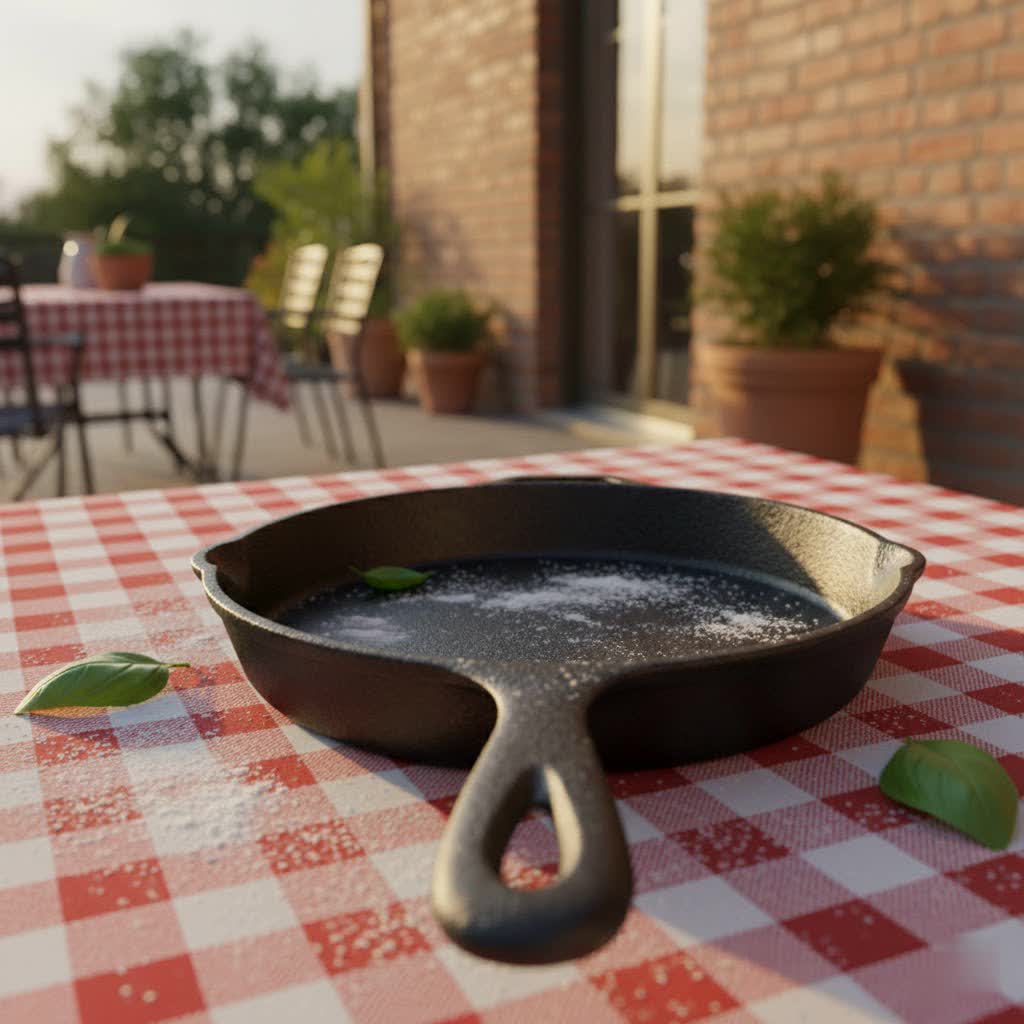
An iron skillet, commonly known as a cast iron skillet, is a heavy-duty frying pan made by pouring molten iron into a mold. This traditional method of manufacturing gives it exceptional density and heat retention properties. Dating back centuries, cast iron cookware has a rich history, with its origins tracing to ancient China before becoming a staple in European and American kitchens. Its enduring popularity stems from its incredible durability and unique cooking characteristics.
Outstanding Advantages of Iron Skillets
Cast iron skillets offer a host of benefits that set them apart from other cookware, making them a cherished item for home cooks and professional chefs alike.
- Exceptional Durability and Longevity: Built to last for generations, a well-cared-for cast iron skillet can be a true family heirloom. Its robust construction resists warping and denting, standing up to rigorous use.
- Superior Heat Retention and Even Heat Distribution: Cast iron excels at holding heat, ensuring consistent cooking temperatures across the entire surface. This even heat distribution is crucial for achieving perfect searing, browning, and baking results.
- Natural Non-Stick Surface Over Time: With proper seasoning and consistent use, cast iron develops a natural, chemical-free non-stick layer. This patina improves with every use, offering a healthier alternative to synthetic non-stick coatings.
- Health-Safe Cooking: Unlike some modern cookware that can leach chemicals at high temperatures, cast iron is safe and inert. It can even add small amounts of dietary iron to your food, which is a bonus for many.
- Remarkable Versatility: A cast iron skillet is incredibly adaptable. It can be used on almost any heat source, including gas, electric, induction cooktops, grills, campfires, and safely transferred directly into the oven for baking, roasting, or finishing dishes.
Popular Types of Iron Skillets
While all cast iron skillets share core characteristics, variations exist to suit different preferences and cooking styles.
- Traditional Cast Iron Skillet: These are the classic, bare cast iron pans that require seasoning to create a non-stick surface and protect against rust. They are known for their ruggedness and ability to achieve high searing temperatures.
- Enameled Cast Iron Skillet: Featuring a durable enamel coating, these skillets do not require seasoning and are typically easier to clean. The enamel prevents rust and allows for cooking acidic foods without stripping the seasoning. They often come in a variety of vibrant colors.
- Cast Iron Skillet with Wooden Handle: Some skillets feature wooden handles for a comfortable, cool-to-touch grip. However, these are generally not oven-safe unless the handle is removable.
- Mini Cast Iron Skillet: Smaller versions are perfect for individual servings, side dishes, or baking single-portion desserts like skillet cookies.
Guide to Choosing the Right Iron Skillet
Selecting the ideal cast iron skillet involves considering several factors tailored to your specific cooking habits and needs.
Size and Depth
The size and depth of your skillet directly impact its utility.
- Determine Usage Needs: Consider how many people you typically cook for and the types of dishes you prepare. A smaller skillet (6-8 inches) is great for one or two people or side dishes, while a larger one (10-12 inches) suits families and diverse meal preparations.
- Choose Appropriate Size: A 10-inch skillet is often recommended as a versatile choice for most households, suitable for everything from pancakes to frying chicken and baking. For larger families or batch cooking, a 12-inch or 12.5-inch skillet might be more appropriate.
|
Our Picks for the Best Iron Skillet in 2026
As an Amazon Associate I earn from qualifying purchases.
|
||
| Num | Product | Action |
|---|---|---|
| 1 | Cuisinel Cast Iron Skillet with Lid - 12"-Inch Frying Pan + Glass Cover + Silicone Handle Holder - Pre-Seasoned Oven Safe Cookware - Indoor/Outdoor Use - Grill, BBQ, Fire, Stovetop. PFAS and PFOA-free |

|
| 2 | Stargazer 10.5-Inch Cast Iron Skillet - Made in USA, Seasoned, Premium Frying Pan for Grilling, Searing, Baking & More – Durable Cast Iron with Smooth Cooking Surface |
|
| 3 | Lodge 10.25 Inch Cast Iron Skillet – Pre-Seasoned Frying Pan with Teardrop Handle – Oven, Stovetop, Grill & Campfire Use – Made in USA – Durable, Non-Toxic, Even-Heating Cookware – Black |
|
| 4 | Mercer Culinary Pre-Seasoned Cast Iron Skillet, 10.25-Inch |
|
| 5 | EWFEN Cast Iron Skillet 3-Piece Set, Heavy-Duty Professional Restaurant Chef Quality Pre-Seasoned Pan Cookware Set, 6", 8", 10" Pans For Frying, Saute, Cooking, Use Indoor/Outdoor, Oven, Grill |
|
| 6 | Lodge 12 Inch Pre-Seasoned Cast Iron Skillet - Dual Assist Handles - Use in the Oven, on the Stove, on the Grill, or Over a Campfire - Black |
|
| 7 | Lodge 12 Inch Cast Iron Skillet with Red Silicone Hot Handle Holder – Pre-Seasoned Frying Pan for Stove, Oven, Grill & Campfire – Made in the USA – Durable, Nonstick Cast Iron Cookware – Black |
|
| 8 | Utopia Kitchen Cast Iron Skillets 12 Inch, Chef's Pan, Pre-Seasoned Frying Pan, Stovetop, Oven, Campfire and Grill Large Skillet, Even Heat Distribution Multipurpose Cast Iron Pan - Black |
|
| 9 | Cuisinel Cast Iron Skillet with Lid - 12"-inch Pre-Seasoned Covered Frying Pan Set + Silicone Handle & Lid Holders + Scraper/Cleaner - Indoor/Outdoor, Oven, Stovetop, Camping Fire, Grill Safe Cookware |
|
| 10 | Lodge Pre-Seasoned Cast Iron Skillet Set - Set Includes 8 Inch Skillet, 10.25 Inch Skillet, and 12 inch Skillet - 3 Piece |
|
Weight
Cast iron skillets are inherently heavy, a testament to their durability and heat retention.
- Consider Lifting and Movement: Assess your ability to comfortably lift and maneuver the pan, especially when full. Lighter cast iron options exist, such as those from Field Company or some Le Creuset models, which can be easier to handle without sacrificing performance.
- Select Weight Suited to Your Strength: While heavier pans generally retain heat better, a moderately weighted pan can offer a good balance of performance and ease of use.
Material and Coating
The composition and surface of the skillet are critical for both cooking and maintenance.
- Prioritize Quality Cast Iron: Opt for pure cast iron for traditional seasoning benefits or high-quality enameled cast iron for ease of maintenance and resistance to acidic foods.
- Inspect Non-Stick Coating (if applicable): For enameled pans, ensure the coating is smooth and free from imperfections to guarantee durability and safe food release. Traditional cast iron relies on a naturally developed seasoning layer.
Handle
The design and material of the handle contribute significantly to safety and convenience.
- Choose Sturdy, Heat-Resistant Handles: Look for solid cast iron handles that are integral to the pan for maximum durability and oven-safety. An assist handle on the opposite side can greatly improve control and maneuverability, especially for heavier skillets.
- Consider Removable Handles: If a wooden handle is preferred for comfort, ensure it’s removable if you plan to use the skillet in the oven. Silicone hot handle holders are also excellent accessories for managing hot cast iron handles.
Brand and Price
Reputation and cost often reflect quality and features.
- Research Reputable Brands: Investigate established brands known for their quality and customer satisfaction. Brands like Lodge, Le Creuset, and Staub are widely recognized leaders in the cast iron market.
- Compare Prices and Features: Balance your budget with the features and quality you desire. While premium brands can be a significant investment, they often offer superior performance and longevity. Value-oriented brands provide excellent entry points into cast iron cooking.
Comparing Renowned Iron Skillet Brands
When it comes to cast iron, several brands stand out for their quality and reputation. Here’s a comparison of some top contenders:
| Brand | Quality & Durability | Heat Retention | Seasoning (if applicable) | Price Range | Key Features |
|---|---|---|---|---|---|
| Lodge | Excellent, robust | Very good | Pre-seasoned | Affordable | Great value, assist handle, made in USA, reliable workhorse |
| Le Creuset | Premium, enameled | Excellent | Not required | High | Vibrant colors, no seasoning needed, dishwasher-safe, lighter options |
| Staub | Premium, enameled | Superior | Not required | High | Heavy, excellent heat distribution, elegant design, often includes lid |
| Field Company | High, smooth finish | Very good | Requires seasoning | Mid-to-High | Lightweight for cast iron, smooth polished surface, elegant design |
| Victoria | Very good | Good | Pre-seasoned | Mid-range | Larger loop handle, good value, often thicker than Lodge |
| Finex | High, unique design | Excellent | Pre-seasoned | High | Octagonal shape, polished cooking surface, coil handle |
| Smithey Ironware | Premium, artisanal | Excellent | Pre-seasoned | High | Smooth, polished surface, hand-finished, heirloom quality |
| KitchenAid | Good, enameled | Very good | Not required | Mid-to-High | Good enameled option, various sizes |
| Yeti | Premium, robust | Excellent | Pre-seasoned | High (Splurge) | Durable, outdoor-focused, high performance |
| Our Place | Good, versatile | Good | Requires seasoning | Mid-range | Focus on multi-functionality, sleek aesthetic (Always Pan concept) |
> “The best cast iron skillet isn’t always the most expensive one. It’s the one you’ll use consistently and care for properly.” – Chef Isabella Rossi, Culinary Expert
Detailed Comparison of Top 10 Cast Iron Skillet Models
Here’s a closer look at specific models that frequently receive high praise, helping you pinpoint the best fit.
| Model | Size (approx.) | Weight (approx.) | Material | Price Range | Pros | Cons | Best For |
|---|---|---|---|---|---|---|---|
| Lodge 10.25-Inch Cast Iron Skillet | 10.25 in | 5.35 lbs | Traditional Cast Iron | $20-$30 | Excellent value, durable, pre-seasoned, assist handle | Rougher surface than premium brands, requires seasoning | Everyday cooking, beginners, budget-conscious |
| Victoria 10-Inch Cast Iron Skillet | 10 in | 5.8 lbs | Traditional Cast Iron | $25-$40 | Larger helper handle, pre-seasoned, good heat retention | A bit heavier than Lodge, handle can get hot | All-around cooking, frequent use |
| Le Creuset Signature Enameled Skillet | 10.25 in | 5.5 lbs | Enameled Cast Iron | $180-$220 | No seasoning, easy to clean, vibrant colors, oven-safe | High price, not ideal for very high searing | Beginners (enameled), those who dislike seasoning, gifting |
| Staub 10-Inch Cast Iron Fry Pan | 10 in | 5.9 lbs | Enameled Cast Iron | $160-$200 | Superior heat retention, elegant design, excellent searing | High price, heavy, not designed for super high heat like bare cast iron | Gourmet cooking, oven-to-table presentation, durable investment |
| Field Company No. 8 Skillet | 10.25 in | 4.5 lbs | Traditional Cast Iron | $130-$170 | Lightweight, smooth cooking surface, excellent balance | Requires initial seasoning, high price | Those seeking lighter cast iron, smooth finish, investment |
| Finex 10″ Cast Iron Skillet | 10 in | 6.5 lbs | Traditional Cast Iron | $190-$230 | Unique design, polished surface, spring handle stays cooler | Very high price, heavy, specific aesthetic | Design enthusiasts, high-end cooking, heirloom piece |
| Smithey Ironware No. 10 Skillet | 10 in | 6 lbs | Traditional Cast Iron | $170-$210 | Incredibly smooth finish, hand-finished, heirloom quality | High price, heavy | Connoisseurs, heirloom quality, artisan craftsmanship |
| KitchenAid 12-Inch Enameled Cast Iron | 12 in | 7.5 lbs | Enameled Cast Iron | $80-$120 | Large cooking surface, no seasoning, sturdy | Heavy, can be pricey for enameled | Families, those needing a larger enameled pan |
| Yeti 12″ Cast Iron Skillet | 12 in | 8.3 lbs | Traditional Cast Iron | $200-$250 | Extremely durable, excellent heat retention, outdoor-friendly | Very heavy, high price, requires careful seasoning | Outdoor enthusiasts, heavy-duty use, collectors |
| Our Place Cast Iron Always Pan | 10.5 in | 5.9 lbs | Traditional Cast Iron | $99-$150 | Multi-functional, modern design, includes lid and steamer | May not excel at specific tasks as dedicated skillets | Space-saving, multi-purpose cooking, modern kitchens |
How to Use and Care for Your Iron Skillet Properly
Proper care is essential for maintaining the performance and longevity of your cast iron skillet.
Seasoning Your Cast Iron Skillet
Seasoning is the process of baking thin layers of oil onto the cast iron surface, creating a natural, polymerized non-stick coating.
- How to Season a New Cast Iron Skillet: Even pre-seasoned skillets benefit from an initial seasoning. Wash the pan with hot, soapy water (for the first time only), dry thoroughly, apply a very thin layer of high-smoke-point oil (like grapeseed, flaxseed, or vegetable oil) all over, wipe off excess, then bake upside down in an oven at 400-450°F (200-230°C) for an hour. Let it cool in the oven. Repeat 2-3 times for a robust layer.
- How to Restore Damaged Seasoning: If your seasoning flakes or rust appears, scour off the rust with steel wool, wash, dry, and then repeat the seasoning process from scratch.
Cleaning Your Cast Iron Skillet
Cleaning cast iron requires a specific approach to protect the seasoning.
- How to Clean a Cast Iron Skillet After Each Use: While warm, scrape off food residue. Wash with hot water and a stiff brush or non-abrasive scrubber. Avoid soap if possible, as it can strip seasoning (though a mild dish soap is generally fine on a well-seasoned pan). Dry immediately and thoroughly with a towel, or by heating it briefly on the stovetop, then apply a very thin layer of oil before storing.
- Things to Avoid When Cleaning Cast Iron: Never put bare cast iron in the dishwasher. Avoid harsh scouring pads or metal utensils that can scratch the seasoning. Do not let it air dry, as this can lead to rust.
Storing Your Cast Iron Skillet
Proper storage prevents rust and keeps your skillet ready for action.
- How to Store Cast Iron to Prevent Rust: Ensure the pan is completely dry and has a light layer of oil. Store it in a dry place, either hanging or stacked with a paper towel or cloth between pans to allow airflow and absorb any residual moisture.
- How to Store Enameled Cast Iron: Enameled cast iron is less prone to rust. Wash with soap and water, dry, and store. Avoid stacking without protection to prevent chipping the enamel.
Tips for Better Cooking with an Iron Skillet
Unlock the full potential of your cast iron skillet with these expert cooking tips.
- Use Appropriate Heat: Cast iron retains heat exceptionally well, so you often don’t need to use as high a heat setting as with other pans. Preheat slowly and steadily over medium heat to achieve even cooking.
- Preheat the Skillet Before Adding Oil: Always preheat your cast iron skillet for several minutes before adding oil or food. This creates a more even cooking surface and helps achieve a better sear and non-stick performance.
- Avoid Cooking Highly Acidic Foods for Too Long: While well-seasoned cast iron can handle some acidic foods (like tomato sauce) for short periods, prolonged simmering of highly acidic ingredients can strip the seasoning and impart a metallic taste. For these dishes, enameled cast iron is a better choice.
- Use Wood or Silicone Utensils: To protect your pan’s seasoning, opt for wooden, silicone, or plastic utensils. Metal spatulas can scratch the surface, compromising the non-stick layer.
Delicious Dishes to Make in an Iron Skillet
The versatility of cast iron allows for a wide array of mouth-watering dishes.
- Perfectly Seared Steaks: The intense, even heat of cast iron creates an incredible crust on steaks.
- Crispy Roasted Chicken: Achieve beautifully golden-brown, juicy chicken with a skillet that transitions from stovetop to oven.
- Garlic Butter Skillet Bread: A warm, crusty loaf baked to perfection.
- Homemade Skillet Pizza: Create a crispy, chewy pizza crust right on your stovetop.
- Skillet Cookies and Brownies: Bake decadent desserts that can be served warm directly from the pan.
- Cornbread: A classic for cast iron, achieving a beautifully golden and crunchy exterior.
- Frittatas and Omelets: Though tricky at first, a well-seasoned skillet yields perfect, fluffy eggs.
Where to Buy a Reliable Iron Skillet?
Finding an authentic and high-quality cast iron skillet is easier than ever.
- Home Goods Stores: Many large retailers and specialty kitchen stores carry popular brands like Lodge and Le Creuset.
- Supermarkets with Cookware Sections: Some larger grocery stores may offer basic cast iron options.
- Online Retailers: Websites like Amazon, Williams Sonoma, Sur La Table, and directly from brand websites (e.g., Lodge.com, LeCreuset.com) offer the widest selection, competitive pricing, and customer reviews.
Buying Guide: Your Cast Iron Skillet Checklist
To ensure you make the best choice, keep this checklist in mind:
- Purpose: What will you primarily use it for (searing, baking, camping, everyday)?
- Size: Does it match your family size and common recipes (10-inch for versatility, 12-inch for larger meals)?
- Type: Traditional (requires seasoning) or Enameled (easier maintenance, no seasoning)?
- Weight: Can you comfortably lift and maneuver it? Consider lighter options if strength is a concern.
- Handles: Are they sturdy, oven-safe, and comfortable to grip? An assist handle is a bonus.
- Budget: What are you willing to invest? Options range from affordable workhorses to premium heirlooms.
- Brand Reputation: Stick with established brands known for quality and customer support.
Consider your personal cooking style and priorities. If you value low maintenance and vibrant aesthetics, an enameled skillet might be ideal. For those who appreciate traditional craftsmanship, superior searing, and the satisfaction of building a natural non-stick surface, a traditional cast iron skillet is unmatched.
Conclusion
Choosing the right cast iron skillet is an investment in your culinary future. By understanding the types, advantages, and care requirements, you can select a pan that not only meets your cooking needs but also becomes a cherished part of your kitchen for generations. From perfectly seared steaks to hearty skillet desserts, the versatility and performance of a well-maintained cast iron skillet are truly exceptional. Ready to transform your cooking? Which cast iron skillet will be the next star of your kitchen?
Frequently Asked Questions
Is a pre-seasoned cast iron skillet truly non-stick right out of the box?
While pre-seasoned skillets offer a good start, they are typically not fully non-stick immediately. The pre-seasoning provides a foundational layer, but consistent use and additional layers of seasoning built up over time are necessary to develop a truly robust and naturally non-stick surface.
Can I use soap to clean my cast iron skillet?
Yes, modern dish soap is generally safe to use on a well-seasoned cast iron skillet without stripping the seasoning. Old advice cautioned against soap because lye-based soaps could strip the seasoning, but today’s mild dish soaps are fine. The key is to dry the pan thoroughly immediately after washing and apply a thin layer of oil before storing.
How do I prevent my cast iron skillet from rusting?
To prevent rust, always ensure your cast iron skillet is completely dry after washing – air drying is a common cause of rust. After drying, apply a very thin layer of cooking oil to the entire surface of the pan, inside and out, before storing it in a dry place.
What’s the ideal size for a first cast iron skillet?
For most households and diverse cooking needs, a 10-inch or 10.25-inch cast iron skillet is considered the ideal starting size. It’s versatile enough for searing, frying, baking, and can accommodate meals for 2-4 people without being overly heavy or difficult to store.
Can enameled cast iron go in the oven?
Yes, enameled cast iron skillets are generally oven-safe. However, always check the manufacturer’s specific temperature recommendations, as some lids or knobs may have lower heat limits. Enameled pans are excellent for dishes that start on the stovetop and finish in the oven.
