The trusty cast iron skillet has been a cornerstone of kitchens for centuries, celebrated for its incredible durability, superior heat retention, and the naturally non-stick surface it develops over time. Yet, even this robust workhorse isn’t immune to a common enemy: rust. A rusty cast iron skillet can be disheartening, but fear not – most rust issues are easily fixable, allowing your cherished cookware to return to its glory days. This guide will walk you through understanding why rust forms, how to effectively remove it, and, most importantly, how to prevent it, ensuring your cast iron serves you and future generations flawlessly.
What is a Cast Iron Skillet and Why Does it Rust?
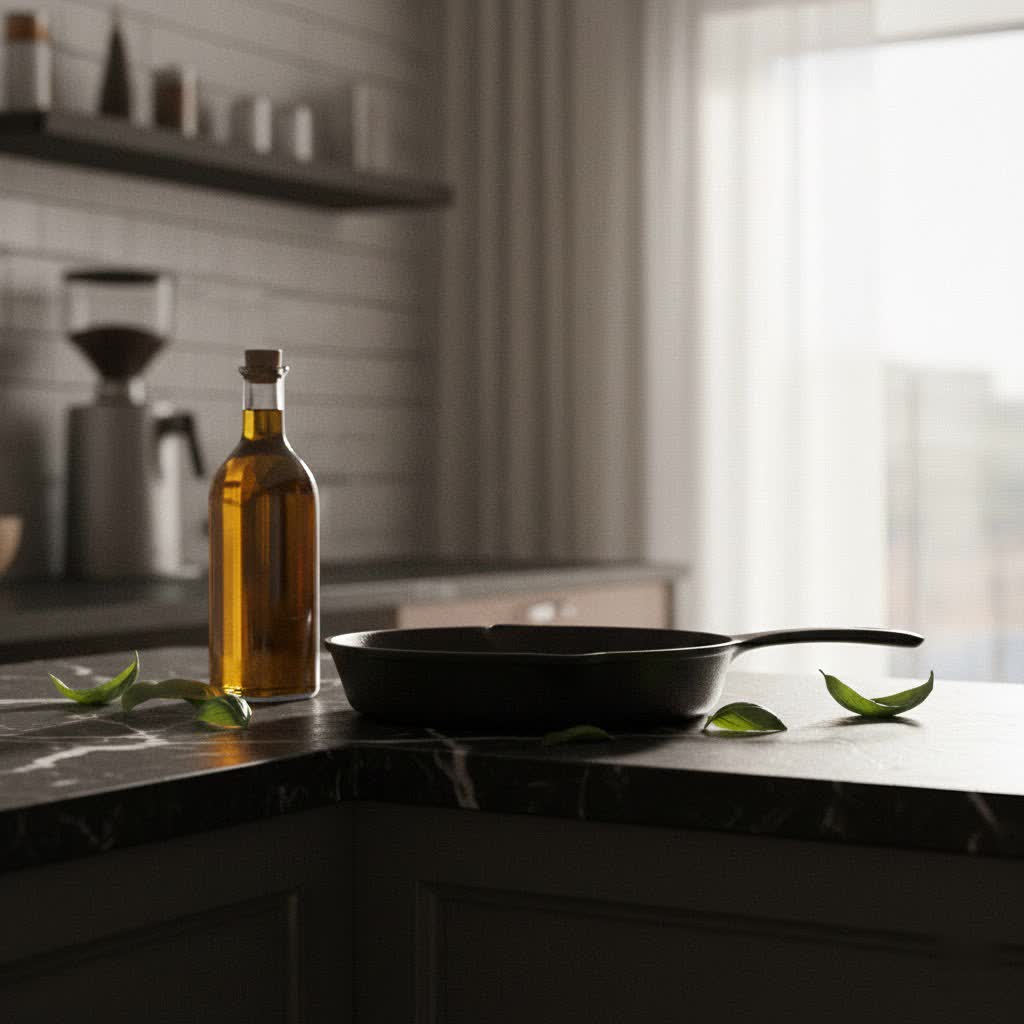
A cast iron skillet is a piece of cookware made by pouring molten iron into a mold. Once cooled, the result is a dense, heavy pan renowned for its ability to hold and distribute heat evenly. Unlike modern non-stick pans with synthetic coatings, cast iron develops its non-stick properties through a process called “seasoning,” where layers of polymerized oil bond to the metal surface, creating a protective barrier.
However, the very nature of iron makes it susceptible to oxidation, commonly known as rust. Rust, or iron oxide, forms when iron comes into prolonged contact with oxygen and water. For cast iron skillets, this chemical reaction typically occurs due to:
- Improper Drying: Leaving water in the pan or not thoroughly drying it after washing.
- High Humidity: Storing cast iron in humid environments without adequate oil protection.
- Stripped Seasoning: When the protective seasoning layer is damaged or completely removed, exposing the raw iron to moisture.
- Acidic Foods: Cooking highly acidic foods for extended periods can strip away seasoning and expose the iron.
Is a Rusty Cast Iron Skillet Safe to Use?
|
Our Picks for the Best Iron Skillet in 2026
As an Amazon Associate I earn from qualifying purchases.
|
||
| Num | Product | Action |
|---|---|---|
| 1 | Cuisinel Cast Iron Skillet with Lid - 12"-inch Pre-Seasoned Covered Frying Pan Set + Silicone Handle & Lid Holders + Scraper/Cleaner - Indoor/Outdoor, Oven, Stovetop, Camping Fire, Grill Safe Cookware |

|
| 2 | Stargazer 10.5-Inch Cast Iron Skillet - Made in USA, Seasoned, Premium Frying Pan for Grilling, Searing, Baking & More – Durable Cast Iron with Smooth Cooking Surface |
|
| 3 | EWFEN Cast Iron Skillet 3-Piece Set, Heavy-Duty Professional Restaurant Chef Quality Pre-Seasoned Pan Cookware Set, 6", 8", 10" Pans For Frying, Saute, Cooking, Use Indoor/Outdoor, Oven, Grill |
|
| 4 | Lodge 12 Inch Pre-Seasoned Cast Iron Skillet - Dual Assist Handles - Use in the Oven, on the Stove, on the Grill, or Over a Campfire - Black |
|
| 5 | Lodge Pre-Seasoned Cast Iron Skillet Set - Set Includes 8 Inch Skillet, 10.25 Inch Skillet, and 12 inch Skillet - 3 Piece |
|
| 6 | Lodge 10.25 Inch Cast Iron Skillet – Pre-Seasoned Frying Pan with Teardrop Handle – Oven, Stovetop, Grill & Campfire Use – Made in USA – Durable, Non-Toxic, Even-Heating Cookware – Black |
|
| 7 | Cuisinel Cast Iron Skillet with Lid - 12"-Inch Frying Pan + Glass Cover + Silicone Handle Holder - Pre-Seasoned Oven Safe Cookware - Indoor/Outdoor Use - Grill, BBQ, Fire, Stovetop. PFAS and PFOA-free |
|
| 8 | Lodge 12 Inch Cast Iron Skillet with Red Silicone Hot Handle Holder – Pre-Seasoned Frying Pan for Stove, Oven, Grill & Campfire – Made in the USA – Durable, Nonstick Cast Iron Cookware – Black |
|
| 9 | Mercer Culinary Pre-Seasoned Cast Iron Skillet, 10.25-Inch |
|
| 10 | Utopia Kitchen Cast Iron Skillets 12 Inch, Chef's Pan, Pre-Seasoned Frying Pan, Stovetop, Oven, Campfire and Grill Large Skillet, Even Heat Distribution Multipurpose Cast Iron Pan - Black |
|
While a little surface rust isn’t inherently toxic, it’s generally not recommended to cook with a rusty cast iron skillet. The rust can impart an metallic taste to food and, in larger quantities, consuming it might cause mild gastrointestinal upset. The good news is that surface rust is usually easy to remove, and once the pan is clean and re-seasoned, it’s perfectly safe to use again. The key is to address the rust promptly to prevent it from worsening.
Comprehensive Guide: How to Remove Rust from Your Cast Iron Skillet
Removing rust from your cast iron skillet might seem daunting, but it’s a straightforward process that varies depending on the severity of the rust. You’ll need some elbow grease and patience, but the results are always rewarding.
For Mild Surface Rust
If your skillet only has small patches of orange-red surface rust, these simple steps can bring it back to life:
-
Scrub with Abrasives: Begin by scrubbing the rusty areas with an abrasive material. Options include:
- Steel wool: Effective for tenacious rust, but use gently to avoid over-abrading the iron, which can make it harder for new seasoning to stick.
- Stiff brush or scouring pad: Great for less severe rust, these provide ample friction without being overly harsh.
- Chain mail scrubber: Excellent for general cleaning, but for direct rust removal, a finer abrasive might be more efficient.
Use warm, soapy water to help dislodge the rust particles.
-
Baking Soda Paste (for Stubborn Spots): For rust spots that resist scrubbing, create a paste using baking soda and a small amount of water. Apply the paste to the rusted areas and let it sit for 15-20 minutes, then scrub vigorously with your chosen abrasive.
-
Immediate and Thorough Drying: This step is crucial. After scrubbing, rinse the skillet completely to remove all rust particles and cleaning agents. Immediately dry the pan with a towel. To ensure all moisture is gone (cast iron is porous), place the skillet on your stovetop over medium-low heat for 5-10 minutes until completely dry and warm to the touch. You should see no lingering water spots or dampness.
-
Light Oil Wipe: Once completely dry, apply a very thin layer of neutral cooking oil (like vegetable or canola oil) to the entire surface of the skillet, inside and out, using a paper towel or lint-free cloth. This provides immediate protection against flash rust until you can fully re-season.
For Moderate to Severe Rust (Stripping & Restoration)
If your skillet is heavily rusted, with deep red flaking or corrosion covering a large area, a more aggressive approach is needed to strip it down to bare metal before re-seasoning.
The Vinegar Bath Method
This method uses acetic acid to dissolve rust. It’s effective but requires careful monitoring to prevent etching the iron itself.
- Prepare the Solution: Mix equal parts white vinegar and water in a container large enough to fully submerge your skillet. For example, use 1 gallon of white vinegar with 1 gallon of water.
- Submerge the Skillet: Place your rusty cast iron into the vinegar solution.
- Soak and Monitor: Let the skillet soak for approximately 30 minutes to 1 hour. Crucially, do not leave it for longer than 2-3 hours for mild to moderate rust, and absolutely no more than 24 hours for very severe cases. Vinegar is acidic and can begin to pit or erode the cast iron if left too long. Check the pan frequently.
- Scrub After Soaking: Once removed from the bath, scrub the pan with steel wool or a stiff brush. The rust should come off much more easily.
- Thorough Rinsing and Drying: Immediately rinse the skillet under cold water to neutralize the acid. Dry it completely with a towel, then place it on the stovetop over medium-low heat for 5-10 minutes to evaporate any residual moisture. Apply a light coat of oil immediately.
The Lye Method (Oven Cleaner / Lye Bath)
Lye (sodium hydroxide) is excellent for stripping away old, baked-on seasoning, which often goes hand-in-hand with heavy rust. This method is highly effective but requires strict safety precautions.
- Safety First: Lye is a corrosive chemical. Always wear heavy-duty rubber gloves, eye protection, and long sleeves. Work in a well-ventilated area, preferably outdoors. Keep children and pets away.
- Using Lye-Based Oven Cleaner (Easy-Off):
- Spray a liberal amount of lye-based oven cleaner (like Easy-Off Heavy Duty) over the entire surface of your cast iron skillet.
- Place the skillet inside a heavy-duty garbage bag and seal it tightly.
- Let it sit for 12-24 hours. The lye will break down the polymerized oil.
- After soaking, remove the skillet (wearing gloves!) and scrub with a stiff brush or scraper under running water. Repeat if necessary until all old seasoning is gone and the pan appears a uniform gunmetal gray.
- Rinse thoroughly and dry immediately on the stovetop.
- Creating a Lye Solution Bath (for Multiple Pans/Speedier Results):
- In a large plastic bucket, slowly add 1 pound of pure lye (available at hardware stores as drain cleaner – check the ingredients to ensure it’s pure lye) to 5 gallons of water. Always add lye to water, not water to lye, to prevent a violent chemical reaction.
- Carefully submerge your cast iron skillets in the lye solution.
- Let them soak for 24 hours, or longer for very stubborn seasoning, checking periodically. Lye will not harm the metal itself if left for too long.
- Remove, scrub, rinse thoroughly, and dry immediately on the stovetop.
Electrolysis (Advanced Option)
For the truly dedicated, an electrolysis setup can simultaneously remove both old seasoning and heavy rust. This involves using a car battery charger, a sacrificial steel plate, washing soda, and water. While highly effective, it’s generally not practical for most home cooks due to the specialized equipment and setup required.
Restoring the Protective Layer: Re-Seasoning Your Cast Iron Skillet
After rust removal, your cast iron skillet is essentially stripped bare. This is a critical point where it will rust almost immediately if exposed to air and moisture. Re-seasoning is paramount to build a new protective, non-stick layer.
- Ensure Cleanliness and Dryness: Your skillet must be perfectly clean and bone-dry. Any residual rust or moisture will hinder the seasoning process.
- Apply a Thin Oil Layer: Using a paper towel or lint-free cloth, apply a very thin and even layer of neutral cooking oil to the entire surface of the skillet—inside, outside, and handle. Oils like vegetable oil, canola oil, grapeseed oil, or shortening work well. Avoid flaxseed oil for initial seasoning, as it can be prone to flaking. The goal is to wipe off as much oil as you think you’ve applied; a microscopically thin layer is all you need. Excess oil will lead to a sticky, gummy finish.
- Bake the Skillet:
- Preheat your oven to a high temperature, typically between 450-500°F (230-260°C).
- Place a sheet of aluminum foil on the bottom rack to catch any potential oil drips.
- Place your cast iron skillet upside down on the middle rack. This prevents oil from pooling and creates an even layer.
- Bake for 1 hour.
- Cool Completely: Turn off the oven and allow the skillet to cool completely inside the oven. This helps the oil polymerize and bond properly.
- Repeat for Best Results: For a robust and durable seasoning, repeat steps 2-4 three to five times. Each layer contributes to a stronger, more non-stick, and rust-resistant surface.
Beyond Rust: Essential Cast Iron Care and Maintenance Tips
Preventing rust is far easier than removing it. By following a few simple care guidelines, you can ensure your cast iron skillet remains in excellent condition for decades.
- Always Dry Immediately and Thoroughly: This is the golden rule of cast iron care. After every wash, hand-dry your skillet completely with a towel, then place it on a stovetop over medium-low heat for 5-10 minutes to ensure all moisture evaporates.
- Apply a Thin Coat of Oil for Storage: Once dry and slightly warm, wipe a very thin layer of cooking oil over the entire surface before storing. This invisible barrier acts as a rust preventative.
- Store in a Dry Environment: Avoid storing cast iron in humid areas. If stacking pans, place a paper towel between them to absorb any moisture and prevent scratching.
- Avoid Prolonged Soaking: Never leave your cast iron skillet to soak in water. This is a primary cause of rust.
- Use Mild Soap (with caution): While purists avoid soap, modern mild dish soap (without harsh degreasers) is generally safe if you immediately dry and re-oil/re-season afterward. The key is to avoid scrubbing too aggressively, which can strip the seasoning.
- Never Use a Dishwasher: The harsh detergents and prolonged wet environment of a dishwasher are detrimental to cast iron and will quickly strip its seasoning and cause rust.
- Limit Prolonged Cooking of Acidic Foods: Tomato sauces, lemon juice, and other acidic ingredients can degrade seasoning over time, especially if simmered for long periods. If you cook acidic dishes, be prepared to re-season your pan more frequently.
- Embrace Cooking with Oil: Regular cooking with fats and oils helps maintain and build up your seasoning, naturally protecting against rust.
Troubleshooting Other Common Cast Iron Issues
Even with diligent care, other minor issues can arise. These are typically related to the seasoning layer and are usually simple to fix.
- Flaking Seasoning: If patches of your seasoning are flaking off, it often means the seasoning layers were applied too thickly, or it was exposed to acidic foods. Use a chain mail scrubber or stiff brush to gently remove any loose, unstable seasoning. Then, simply continue cooking, and new layers of seasoning will naturally fill in the bare spots.
- Sticky Residue: A sticky or gummy pan usually indicates that too much oil was applied during seasoning or that the oil didn’t fully polymerize. To fix this, heat the pan slightly, then gently scrape off the sticky residue with the edge of a wooden spoon or spatula. Wash, dry, and apply an even thinner layer of oil before re-seasoning, or simply continue cooking, and the stickiness will gradually smooth out.
The Ultimate Buying Guide: Choosing Your Next Cast Iron Skillet
While the focus here is on restoring, choosing a quality cast iron skillet initially can contribute to easier maintenance. Look for pans with a relatively smooth surface (some modern pans can be quite rough), comfortable handle design, and appropriate size for your cooking needs. Renowned brands like Lodge, Le Creuset (for enameled), Staub, and Field Company offer excellent options, each with their own characteristics in finish and weight. Consider your stovetop compatibility and oven usage before making a choice. Remember, a well-chosen and well-cared-for cast iron skillet is an investment that truly lasts a lifetime.
Conclusion
A rusty cast iron skillet is not a lost cause; it’s an opportunity to deepen your connection with a timeless piece of cookware. By understanding the causes of rust, employing the right restoration techniques—from gentle scrubbing for surface spots to more robust methods like vinegar or lye baths for severe corrosion—and diligently re-seasoning, you can revive even the most neglected pan. More importantly, consistent care through immediate drying, light oiling, and proper storage will prevent rust from returning, ensuring your cast iron remains a treasured and high-performing tool in your kitchen. Embrace the journey of maintaining your cast iron, and it will reward you with countless delicious meals. What culinary adventures will you embark on with your beautifully restored skillet?
Frequently Asked Questions
Is it safe to eat food cooked in a rusty cast iron skillet?
No, it’s not recommended. While generally not harmful in small amounts, rust can impart an unpleasant metallic taste to food. It’s best to remove all rust and properly re-season your skillet before cooking with it again to ensure food safety and optimal flavor.
Can I use steel wool on my cast iron skillet?
Yes, steel wool or other abrasive scrubbers like stiff brushes are effective for removing rust from cast iron. However, use them with a firm but not excessive hand to avoid over-abrading the iron, which could make it harder for new seasoning to properly adhere and build up.
How often should I season my cast iron to prevent rust?
After initial restoration, aim to re-season your cast iron skillet every few months, or whenever you notice the seasoning starting to degrade. More importantly, always apply a very thin layer of cooking oil after every wash and stovetop drying to provide consistent rust protection.
What oil is best for seasoning cast iron?
Neutral cooking oils with a high smoke point are ideal for seasoning. Common choices include vegetable oil, canola oil, grapeseed oil, or even solid vegetable shortening. These oils polymerize well to create a durable, non-stick surface. Some experts advise against flaxseed oil for initial seasoning as it can be prone to flaking.
Can I put my cast iron skillet in the dishwasher?
Absolutely not. Dishwashers use harsh detergents and high-heat washing cycles that will strip away your cast iron’s seasoning, leaving the bare metal vulnerable to immediate and severe rusting. Always hand-wash your cast iron and dry it immediately.
