Have you ever stumbled upon a dusty, forgotten cast iron skillet and wondered about its story? More than just cooking tools, old cast iron skillets are treasures steeped in history, offering a connection to kitchens of generations past. Their robust construction and unique characteristics have captivated enthusiasts and home cooks for decades, and for good reason. From their exceptional cooking performance to their often surprising collectible value, vintage cast iron skillets hold a special place in the culinary world. This comprehensive guide will help you uncover the secrets of these timeless kitchen workhorses, from identifying their origins to restoring them to their former glory, ensuring they continue to serve you for years to come.
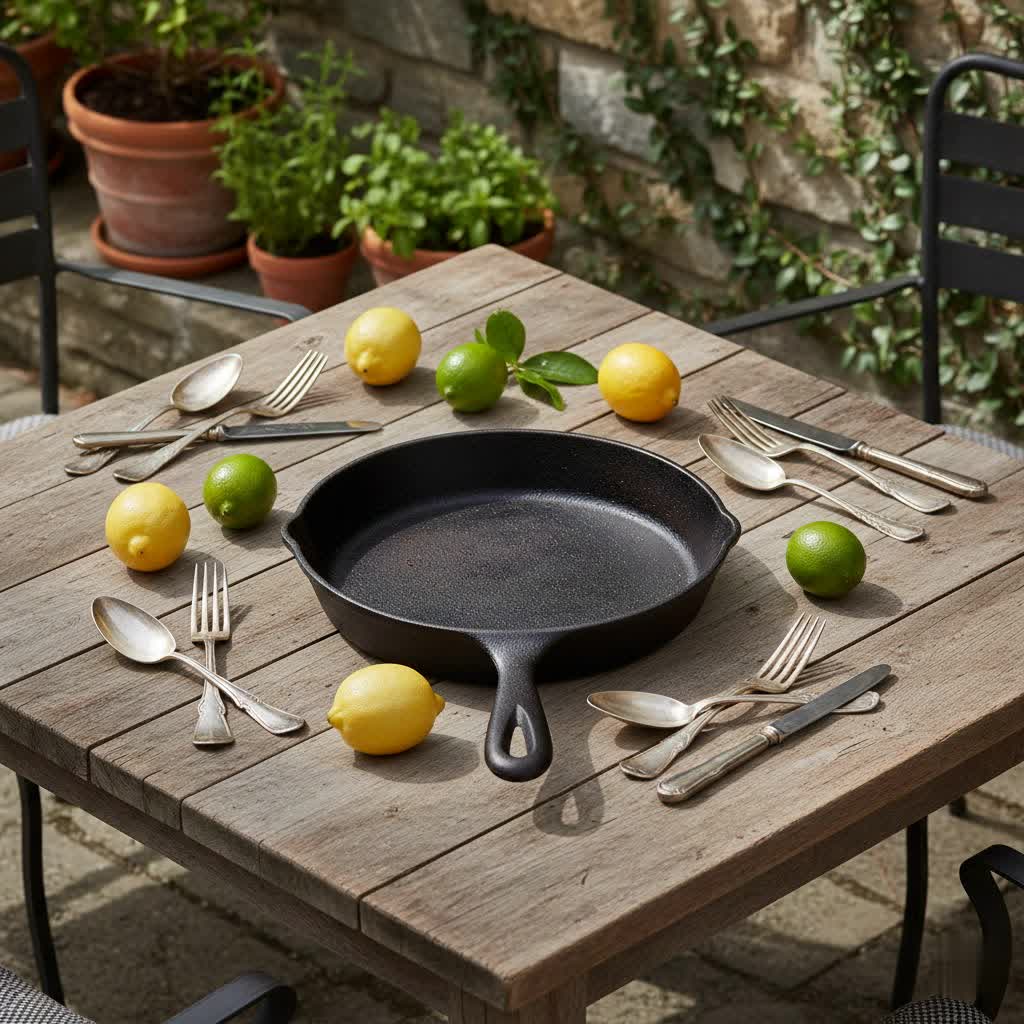
What is an Iron Skillet?
At its core, an iron skillet is a heavy-duty frying pan made from cast iron, a durable alloy of iron and carbon. What distinguishes an old cast iron skillet, however, is not just its age, but often its craftsmanship and unique historical markers. These vintage pieces typically predate mass production methods, offering a glimpse into a time when cookware was built to last for generations. Unlike modern counterparts, old cast iron often features smoother cooking surfaces, thinner walls, and distinct design elements that speak to the individual foundries and artisans who created them. This blend of history, material science, and artistry gives each old skillet a unique character and unparalleled durability.
Superior Advantages of Old Cast Iron Skillets
Old cast iron skillets are revered for a multitude of reasons, often outperforming many modern pans. Their inherent properties make them an exceptional choice for a wide range of cooking tasks.
- Unmatched Durability and Longevity: Vintage cast iron skillets are true survivors, many still in active use after a century or more. They were built with incredible fortitude, designed to withstand daily use over open fires, wood stoves, and eventually gas and electric ranges.
- Exceptional Heat Retention and Even Distribution: The dense nature of cast iron means it retains heat remarkably well, ensuring a consistent cooking temperature. While preheating, this allows for perfect searing and even cooking across the entire surface, making it ideal for everything from steaks to cornbread.
- Natural, Enhanced Non-Stick Surface: Over decades of proper seasoning and use, old cast iron develops a rich, natural non-stick layer. This polymerized oil surface deepens with age, providing a cooking experience that often rivals synthetic non-stick coatings without the concern of chemical breakdown.
- Safe and Chemical-Free Cooking: Unlike some modern non-stick pans that can release chemicals at high temperatures, cast iron is a pure, natural cooking surface. It’s a healthy choice for cooking, and some even believe it can leach small amounts of dietary iron into food, which can be beneficial.
- Incredible Versatility: An old cast iron skillet is a truly adaptable tool. It transitions seamlessly from stovetop to oven, grill, or even campfire. This makes it perfect for dishes that require searing on the stove followed by baking to completion in the oven.
- Lighter Weight and Smoother Finish: Many vintage cast iron skillets are noticeably lighter and have a smoother cooking surface than contemporary cast iron. This is due to more refined casting techniques and hand-finishing processes used in earlier manufacturing eras.
Popular Types of Cast Iron Skillets
While the core material remains cast iron, older skillets often fall into categories defined by their era and unique manufacturing characteristics, distinct from modern variations like enameled cast iron.
- Traditional Cast Iron Skillet (Vintage): These are the focus of our discussion. They are raw cast iron, seasoned over time, and identified by specific marks, weight, and design elements that vary greatly by manufacturer and period. Many lack explicit brand markings, adding to the mystery and charm of their identification.
- Enameled Cast Iron Skillet: While popular today, enameled cast iron is a more modern innovation. It features a vitreous enamel coating, which prevents rust and eliminates the need for seasoning. While beautiful and versatile, it doesn’t offer the same historical feel or the natural, continuously improving non-stick surface of traditional raw cast iron.
Guide to Choosing a Suitable Old Cast Iron Skillet
Acquiring an old cast iron skillet is an exciting endeavor, but knowing what to look for can make all the difference. Beyond cooking performance, collectors and home cooks alike seek specific characteristics that hint at a pan’s history and quality.
- Size and Depth: Consider your primary cooking needs. Smaller skillets (sizes #3-#6) are great for individual servings, eggs, or side dishes, while larger ones (sizes #8-#12 and up) are perfect for family meals, searing large cuts of meat, or baking casseroles.
- Weight: Surprisingly, many vintage cast iron skillets are lighter than their modern counterparts due to thinner, more refined casting. Look for a pan that feels balanced and manageable in your hand, especially if it has a helper handle for larger sizes.
- Material and Finish: Prioritize raw cast iron. Inspect the cooking surface for smoothness. Older pans were often ground smooth after casting, resulting in a nearly glass-like finish that contributes to superior non-stick properties once seasoned. Avoid pans with significant pitting or deep cracks, as these can compromise cooking and value. Minor surface rust is typically easily restorable.
- Handle Design: Vintage handles offer crucial clues to a pan’s origin and age. Look for unique handle shapes, the presence (or absence) of a hanging hole, or specific reinforcement pads where the handle meets the pan body. Some early Lodge pans, for instance, had notches in the heat ring, while Wagner often featured specific handle styles.
- Brand and Price: Research reputable vintage brands like Griswold, Wagner, early Lodge, and Birmingham Stove & Range (BSR). These brands are highly sought after. Prices vary widely based on rarity, condition, and manufacturer. Be wary of reproductions; they are typically heavier and less refined than genuine antique pieces. For personal use, a solid, unmarked vintage pan that sits flat can be a fantastic deal, often available for $20-$30 for common sizes at flea markets. Collectible pieces can fetch hundreds or even thousands.
Comparing Famous Old Cast Iron Skillet Brands
The golden age of cast iron production in America saw several foundries rise to prominence, each with distinctive characteristics that collectors now cherish. Understanding these differences is key to identifying and appreciating old skillets.
- Griswold: Hailing from Erie, Pennsylvania, Griswold is perhaps the most collectible brand. Known for their exceptionally smooth cooking surfaces and lighter weight, Griswold pans often feature a distinct “spider” logo, or the earlier “Erie” mark. They produced various series like the “Iron Mountain” line, which had a teardrop handle design. Griswold logos evolved over time, providing valuable age indicators.
- Wagner Ware: Based in Sidney, Ohio, Wagner skillets are highly prized for their balance, refined craftsmanship, and excellent cooking performance. Many Wagner pans were produced unmarked for various retailers, making identification reliant on characteristic handle shapes, heat rings, and pour spouts. They also produced commemorative “Wagner’s 1891 Original” pans in the 1990s, which are not vintage.
- Lodge: Lodge Manufacturing, still operating today from South Pittsburg, Tennessee, has a long and storied history. Early Lodge cast iron (pre-1960s) is distinct from modern Lodge, often being lighter and having smoother finishes. Look for specific heat ring notches (e.g., three notches from the late 1940s to 1970s) or early un-notched designs as indicators of vintage Lodge. The “Made in USA” stamp appeared on Lodge pans in the late 1960s.
- Birmingham Stove & Range (BSR): From Alabama, BSR produced robust and reliable cast iron cookware, often unmarked. Key identifiers include a prominent heat ring, and sometimes a raised ridge on the outside edge of the ring. BSR began stamping “Made in USA” between 1967-1968.
- Vollrath: Known for quality, Vollrath pans can often be identified by a peaked ridge handle and sometimes a small number on the finished or unfinished bottom.
- Unmarked Pans: Many excellent vintage skillets, rivaling branded pieces in quality, were produced without manufacturer markings. Identifying these often relies on subtle design cues like handle shape, pour spout design, and heat ring patterns. The Cast Iron Collector website is a great resource for identifying these “mystery” pans.
Understanding Old Cast Iron Skillet Characteristics
Instead of a detailed model comparison table, let’s explore the key physical characteristics that help differentiate and date old cast iron skillets. These subtle details are often more revealing than a brand name alone.
- Gate Marks (Pre-1890s): A definitive sign of a very old skillet is a “gate mark” – a raised slash or scar across the bottom. This mark is a byproduct of an older casting process where molten iron was poured into molds through a “gate” at the bottom of the pan. Pans with gate marks are typically pre-1890 and are highly sought after by collectors.
- “Made in USA” Stamp (Post-1960s): If your skillet has a “Made in USA” stamp, it was likely produced after the 1960s. Before this, most American manufacturers did not include such a marking. This serves as a useful benchmark to distinguish true antiques from more recent vintage pieces.
- Heat Rings: Many old cast iron skillets feature a raised “heat ring” on the bottom, designed to create a better seal on old wood-burning stoves. The design and presence of notches on this ring can indicate age and manufacturer. For example, early Lodge pans are known for specific notch patterns.
- Handle Design: The shape, contour, and any markings on the handle are vital. Robert Kellermann, a descendant of Lodge founder Joseph Lodge and an expert in vintage cast iron, suggests examining the handle’s hole (if present), contours, and any raised or incised numbers.
- Pour Spouts: The design and symmetry of pour spouts can also be an identifier. Older skillets often have more pronounced and symmetrical spouts.
- Logos and Markings: For branded pans, compare the logo design, font, and size to historical records. Manufacturers often updated their logos over the years, providing a timeline for your pan. For instance, Lodge’s iconic egg logo was introduced in 1973. Numbers with letters (“pattern letters”) on the bottom might indicate different molds used by a manufacturer.
- Surface Smoothness: Vintage skillets generally have a much smoother cooking surface compared to many modern ones. This fine finish was often achieved through factory grinding, contributing to their superior natural non-stick qualities.
Proper Usage and Care for Old Cast Iron Skillets
Using and caring for an old cast iron skillet is crucial to maintain its legacy and ensure its continued performance. If you acquire a rusty or poorly seasoned vintage piece, a little restoration can bring it back to life.
- Restoring and Seasoning Old Cast Iron:
- Strip Away Old Seasoning/Rust: For severe rust or built-up grime, use steel wool, a wire brush, or even a lye-based oven cleaner (like Easy-Off) or electrolysis. For rust removal, a diluted white vinegar bath (equal parts water and vinegar) for 6-12 hours can be effective, but avoid soaking for more than 24 hours to prevent pitting. Always wear gloves.
- Wash Thoroughly: After stripping, scrub the pan with warm, soapy water. Yes, soap is fine for bare cast iron before re-seasoning. Rinse completely.
- Dry Immediately and Completely: Moisture is the enemy of cast iron. Dry the pan thoroughly with a towel, then place it on the stovetop over low heat for a few minutes to ensure all moisture evaporates.
- Apply Thin Oil Layers: Using a lint-free cloth or paper towel, apply a very thin layer of high smoke-point cooking oil (like vegetable oil, canola oil, or flaxseed oil) to the entire skillet, inside and out, including the handle. Buff it until it looks like there’s no excess oil, just a slight sheen.
- Bake to Polymerize: Preheat your oven to 450-500°F (230-260°C). Place aluminum foil on the bottom rack to catch any drips. Place the skillet upside down on the middle rack. Bake for one hour.
- Cool and Repeat: Turn off the oven and let the skillet cool completely inside. Repeat the oiling and baking process 3-5 times to build a durable, non-stick seasoning layer.
- Daily Cleaning After Use:
- Cool Down: Let the pan cool slightly before cleaning.
- Scrape and Rinse: Scrape off any food residue with a spatula. Rinse with warm water. For stubborn bits, use a stiff brush or a coarse salt paste. A small amount of mild dish soap is acceptable for routine cleaning on a well-seasoned pan.
- Dry Thoroughly: This is paramount. Dry immediately with a towel, then place it back on a low stovetop heat for a minute or two to evaporate all moisture.
- Light Oil Coat: Once dry, apply a very thin layer of cooking oil to the interior surface to protect the seasoning until its next use.
- Storage: Store your cast iron in a dry place. If stacking, place a paper towel between pans to prevent moisture buildup and scratches.
Tips for Better Cooking with Old Cast Iron Skillets
Cooking with old cast iron is a joy, but a few techniques can elevate your results.
- Preheat Properly: Cast iron needs time to heat evenly. Place your skillet on medium-low heat for 5-10 minutes before adding food or oil. This prevents hot spots and ensures consistent cooking.
- Don’t Overcrowd the Pan: Overcrowding lowers the pan’s temperature, leading to steaming instead of searing. Cook in batches if necessary.
- Use Enough Fat: While well-seasoned, a little oil, butter, or animal fat helps prevent sticking and enhances flavor.
- Avoid Extreme Temperature Changes: Do not plunge a hot cast iron skillet into cold water, as this can cause thermal shock and potentially crack the pan.
- Limit Acidic Foods: Cooking highly acidic foods like tomato sauces for extended periods can strip away the seasoning. For occasional use, a very well-seasoned pan can handle it, but it’s best to avoid daily acidic cooking.
- Use Appropriate Utensils: Wooden, silicone, or metal spatulas (carefully used) are suitable. Avoid harsh metal scrubbers unless you intend to re-season.
Delicious Dishes with Old Cast Iron Skillets
The versatility of old cast iron makes it perfect for a vast array of dishes.
- Perfectly Seared Steak: The high, even heat creates a beautiful crust.
- Crispy Fried Chicken: Achieve golden-brown perfection with excellent heat retention.
- Skillet Cornbread: A classic for a reason, developing a wonderfully crispy exterior.
- One-Pan Roast Chicken and Vegetables: Start on the stovetop, finish in the oven.
- Frittatas and Quiches: Cook evenly and achieve a lovely browned bottom.
- Baked Desserts: From apple crumbles to giant chocolate chip cookies, cast iron bakes beautifully.
- Pan-Seared Salmon: Get a crispy skin and flaky interior every time.
Where to Buy Reliable Old Cast Iron Skillets?
Finding a good old cast iron skillet can be a rewarding hunt. Here are some trusted places to look:
- Antique Stores and Flea Markets: These are prime locations for hidden gems. You can inspect the pans in person for flat bottoms, cracks, or excessive pitting. Prices are often negotiable.
- Estate Sales and Yard Sales: Often, you can find old cast iron skillets that have been well-loved and maintained by previous generations, offering a rich seasoning history.
- Online Marketplaces (eBay, Etsy): These platforms offer a vast selection, but be diligent. Ask for detailed photos, especially of the cooking surface, bottom, and handle, and inquire about any wobbles or cracks. Factor in shipping costs.
- Specialized Vintage Cast Iron Dealers/Restorers: These vendors often sell professionally restored and re-seasoned vintage pieces, ready for immediate use. While more expensive, they offer peace of mind regarding authenticity and condition.
Always be cautious of reproductions or “recasts” which might be heavier and lack the fine details of original vintage pieces. Genuine old cast iron has a distinct feel and character that’s hard to replicate.
Buying Guide: Your Old Cast Iron Skillet Checklist
To ensure you make a smart investment in your kitchen’s future, keep this checklist in mind when hunting for an old cast iron skillet:
- Inspect for Damage: Check for cracks, severe pitting, or warping. A slight wobble on a completely flat surface might be acceptable, but significant rocking is a deal-breaker.
- Gauge Smoothness: Run your hand over the cooking surface. It should feel relatively smooth, especially for older, higher-quality pieces.
- Look for Identifying Marks: Familiarize yourself with common brand logos, heat ring patterns, handle designs, and the presence (or absence) of gate marks or “Made in USA” stamps.
- Assess Weight and Balance: Pick it up. Does it feel lighter and more balanced than modern cast iron?
- Consider Condition vs. Price: A rusty but otherwise solid pan can be a great value if you’re willing to restore it. Pristine, rare pieces will command higher prices.
- Trust Your Instincts: If something feels off or too good to be true, it might be. Research is your best friend.
Conclusion
Old cast iron skillets are more than just cooking utensils; they are a bridge to culinary history, embodying durability, performance, and timeless charm. Their ability to retain and distribute heat, develop a natural non-stick surface, and withstand the test of time makes them invaluable assets in any kitchen. By understanding how to identify, restore, and properly care for these cherished pieces, you’re not just acquiring cookware; you’re preserving a legacy and investing in a tool that will deliver delicious meals for generations to come. So, embrace the hunt, enjoy the restoration process, and savor the rich flavors only an old cast iron skillet can provide. What culinary adventures will you embark on with your newfound vintage treasure?
Frequently Asked Questions
How can I tell how old my cast iron skillet is?
|
Our Picks for the Best Iron Skillet in 2026
As an Amazon Associate I earn from qualifying purchases.
|
||
| Num | Product | Action |
|---|---|---|
| 1 | Cuisinel Cast Iron Skillet with Lid - 12"-inch Pre-Seasoned Covered Frying Pan Set + Silicone Handle & Lid Holders + Scraper/Cleaner - Indoor/Outdoor, Oven, Stovetop, Camping Fire, Grill Safe Cookware |

|
| 2 | EWFEN Cast Iron Skillet 3-Piece Set, Heavy-Duty Professional Restaurant Chef Quality Pre-Seasoned Pan Cookware Set, 6", 8", 10" Pans For Frying, Saute, Cooking, Use Indoor/Outdoor, Oven, Grill |
|
| 3 | Lodge 12 Inch Cast Iron Skillet with Red Silicone Hot Handle Holder – Pre-Seasoned Frying Pan for Stove, Oven, Grill & Campfire – Made in the USA – Durable, Nonstick Cast Iron Cookware – Black |
|
| 4 | Utopia Kitchen Cast Iron Skillets 12 Inch, Chef's Pan, Pre-Seasoned Frying Pan, Stovetop, Oven, Campfire and Grill Large Skillet, Even Heat Distribution Multipurpose Cast Iron Pan - Black |
|
| 5 | Lodge 12 Inch Pre-Seasoned Cast Iron Skillet - Dual Assist Handles - Use in the Oven, on the Stove, on the Grill, or Over a Campfire - Black |
|
| 6 | Stargazer 10.5-Inch Cast Iron Skillet - Made in USA, Seasoned, Premium Frying Pan for Grilling, Searing, Baking & More – Durable Cast Iron with Smooth Cooking Surface |
|
| 7 | Lodge 10.25 Inch Cast Iron Skillet – Pre-Seasoned Frying Pan with Teardrop Handle – Oven, Stovetop, Grill & Campfire Use – Made in USA – Durable, Non-Toxic, Even-Heating Cookware – Black |
|
| 8 | Mercer Culinary Pre-Seasoned Cast Iron Skillet, 10.25-Inch |
|
| 9 | Lodge Pre-Seasoned Cast Iron Skillet Set - Set Includes 8 Inch Skillet, 10.25 Inch Skillet, and 12 inch Skillet - 3 Piece |
|
| 10 | Cuisinel Cast Iron Skillet with Lid - 12"-Inch Frying Pan + Glass Cover + Silicone Handle Holder - Pre-Seasoned Oven Safe Cookware - Indoor/Outdoor Use - Grill, BBQ, Fire, Stovetop. PFAS and PFOA-free |
|
To determine the age of your cast iron skillet, look for key features such as gate marks (pre-1890s), heat ring design, handle style, pour spout characteristics, and any manufacturer logos or numbers. The presence of a “Made in USA” stamp typically indicates it was made after the 1960s. Comparing these details to known historical records of cast iron foundries can help narrow down its manufacturing period.
Are old cast iron skillets better than new ones?
Many enthusiasts believe old cast iron skillets are superior to many modern counterparts. They often feature lighter weight, thinner walls, and significantly smoother cooking surfaces due to older casting and grinding techniques. This smoother finish contributes to a naturally more effective non-stick seasoning over time, making them highly prized for their cooking performance and feel.
What is a “gate mark” on cast iron?
A “gate mark” is a raised line or slash found on the bottom of very old cast iron skillets, typically those made before 1890. It’s a remnant from an early manufacturing process where molten iron was poured into the mold through an opening at the bottom, leaving a distinct mark where the “gate” was removed after casting. Its presence is a strong indicator of an antique piece.
Can I restore a rusty old cast iron skillet?
Absolutely! Most rusty old cast iron skillets can be fully restored to a usable condition. The process involves removing all rust and old seasoning (often with steel wool, vinegar, or lye-based cleaners), thoroughly washing and drying the pan, and then applying multiple thin layers of cooking oil, baking it at high temperatures to build a new, durable seasoning.
What are the most collectible old cast iron brands?
Griswold and Wagner are generally considered the most collectible and valuable vintage cast iron brands due to their exceptional quality, smooth finishes, and historical significance. Early Lodge pieces and certain rare items from other foundries like Birmingham Stove & Range (BSR), Vollrath, and Favorite Piqua Ware are also highly sought after by collectors.
