For many home cooks, the cast iron skillet is more than just a piece of cookware; it’s a culinary legacy, a workhorse that promises delicious meals and lasting memories. But when it comes to truly expanding your cooking horizons, the “big cast iron skillet” stands in a league of its own. Imagine searing a whole family-sized steak, baking a colossal cornbread, or crafting a deep-dish pizza that feeds a crowd – all in one glorious pan. This guide delves into everything you need to know about these impressive culinary tools, from choosing the right one to mastering its care and unlocking its full potential in your kitchen.
What is a Cast Iron Skillet?
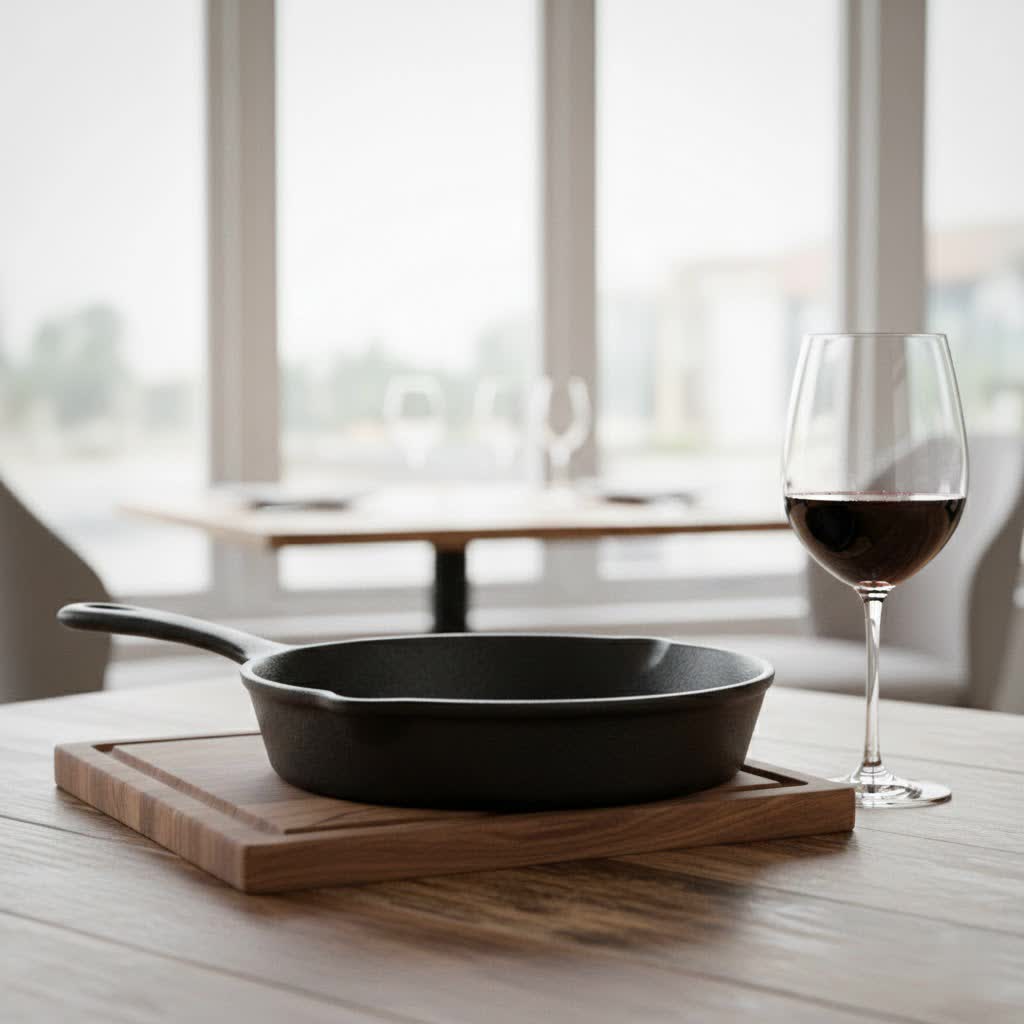
At its core, a cast iron skillet is a heavy-duty frying pan crafted from cast iron, an alloy of iron, carbon, and silicon. Unlike modern non-stick pans with chemical coatings, cast iron relies on a natural, polymerized layer of oil, known as seasoning, to create its non-stick surface. This ancient form of cookware boasts a rich history, with evidence of its use dating back centuries, evolving from basic cooking vessels to the refined kitchen essentials we cherish today. When we talk about a “big cast iron skillet,” we’re typically referring to pans with a diameter of 12 inches or more, often extending to 15 or even 17 inches, designed to handle larger quantities of food and more substantial culinary tasks than their smaller counterparts.
Unmatched Advantages of a Big Cast Iron Skillet
The allure of a big cast iron skillet lies in its exceptional characteristics, making it an indispensable tool for serious home cooks and culinary enthusiasts alike.
- Durability and Longevity: Built to last for generations, cast iron skillets are virtually indestructible with proper care. Many enthusiasts proudly use skillets passed down through their families, some well over a century old. James Beard Award-winning Southern cookbook author and chef Virginia Willis shared that when she moved from New York, she prioritized taking “the jewelry, the irreplaceable art, and the cast iron skillet” from her grandmother, estimating it to be 100 years old. She adds, “Mine is so old and well-seasoned that it can cook anything. It’s a great metal, heats up fast, and holds an even heat. It would be one of the first pans I would suggest to anyone building a cookware collection.”
- Superior Heat Retention and Even Distribution: The dense nature of cast iron allows it to retain heat exceptionally well, ensuring consistent cooking temperatures even when cold ingredients are added. This even heat distribution across a large surface is crucial for achieving perfect searing, uniform browning, and thoroughly cooked dishes.
- Natural Non-Stick Layer: With consistent seasoning and use, a big cast iron skillet develops a natural, chemical-free non-stick surface. This allows food to release easily and even contributes a subtle depth of flavor to your dishes over time.
- Health Safety: Unlike some contemporary non-stick coatings that can degrade and release chemicals when overheated, bare cast iron is free from synthetic materials. It can even subtly fortify your food with dietary iron.
- Unrivaled Versatility: A big cast iron skillet is a true all-rounder. It transitions seamlessly from the stovetop to the oven, can be used on grills, over open campfires, and on induction cooktops. Its robust construction can handle high heat needed for searing, slow cooking in the oven, or baking.
- Generous Capacity: The larger surface area is ideal for cooking family-sized meals, entertaining guests, or preparing batches of food for meal prepping. From roasting a whole chicken to baking a large skillet pizza or a dozen pancakes, a big skillet handles it all.
Popular Types of Big Cast Iron Skillets
When considering a big cast iron skillet, you’ll primarily encounter two main types, each with distinct features:
- Traditional (Bare) Cast Iron Skillets: These are the classic workhorses, typically pre-seasoned by the manufacturer and ready for use after a quick rinse. They are celebrated for their ability to achieve incredible searing temperatures, their robust durability, and the deepening of their natural non-stick layer with every use. However, they require ongoing seasoning maintenance and are not ideal for cooking highly acidic foods for extended periods, as this can strip the seasoning.
- Enameled Cast Iron Skillets: These skillets feature a protective layer of glass-based enamel coated over the cast iron core. While they offer the excellent heat retention of cast iron, the enamel eliminates the need for seasoning, makes them much easier to clean (often dishwasher-safe, though handwashing is recommended), and allows them to cook acidic foods without issue. They also come in a wide array of vibrant colors. The trade-off is often a higher price point, increased weight, and less direct contact with the iron for that specific cast iron “flavor.”
- Specialty Large Pans: Beyond the standard skillet, larger cast iron can be found in forms like deeper “chicken fryers” for ample oil, or reversible grill/griddle plates designed to span two burners, offering even more cooking surface for big meals.
How to Choose the Perfect Big Cast Iron Skillet
Selecting the right big cast iron skillet involves more than just picking the largest one. Consider these factors to ensure it meets your specific cooking needs.
Size and Depth
|
Our Picks for the Best Iron Skillet in 2026
As an Amazon Associate I earn from qualifying purchases.
|
||
| Num | Product | Action |
|---|---|---|
| 1 | Mercer Culinary Pre-Seasoned Cast Iron Skillet, 10.25-Inch |

|
| 2 | EWFEN Cast Iron Skillet 3-Piece Set, Heavy-Duty Professional Restaurant Chef Quality Pre-Seasoned Pan Cookware Set, 6", 8", 10" Pans For Frying, Saute, Cooking, Use Indoor/Outdoor, Oven, Grill |
|
| 3 | Lodge 10.25 Inch Cast Iron Skillet – Pre-Seasoned Frying Pan with Teardrop Handle – Oven, Stovetop, Grill & Campfire Use – Made in USA – Durable, Non-Toxic, Even-Heating Cookware – Black |
|
| 4 | Lodge 12 Inch Pre-Seasoned Cast Iron Skillet - Dual Assist Handles - Use in the Oven, on the Stove, on the Grill, or Over a Campfire - Black |
|
| 5 | Cuisinel Cast Iron Skillet with Lid - 12"-inch Pre-Seasoned Covered Frying Pan Set + Silicone Handle & Lid Holders + Scraper/Cleaner - Indoor/Outdoor, Oven, Stovetop, Camping Fire, Grill Safe Cookware |
|
| 6 | Utopia Kitchen Cast Iron Skillets 12 Inch, Chef's Pan, Pre-Seasoned Frying Pan, Stovetop, Oven, Campfire and Grill Large Skillet, Even Heat Distribution Multipurpose Cast Iron Pan - Black |
|
| 7 | Cuisinel Cast Iron Skillet with Lid - 12"-Inch Frying Pan + Glass Cover + Silicone Handle Holder - Pre-Seasoned Oven Safe Cookware - Indoor/Outdoor Use - Grill, BBQ, Fire, Stovetop. PFAS and PFOA-free |
|
| 8 | Lodge 12 Inch Cast Iron Skillet with Red Silicone Hot Handle Holder – Pre-Seasoned Frying Pan for Stove, Oven, Grill & Campfire – Made in the USA – Durable, Nonstick Cast Iron Cookware – Black |
|
| 9 | Stargazer 10.5-Inch Cast Iron Skillet - Made in USA, Seasoned, Premium Frying Pan for Grilling, Searing, Baking & More – Durable Cast Iron with Smooth Cooking Surface |
|
| 10 | Lodge Pre-Seasoned Cast Iron Skillet Set - Set Includes 8 Inch Skillet, 10.25 Inch Skillet, and 12 inch Skillet - 3 Piece |
|
The “big” in big cast iron skillet means finding the right capacity for your lifestyle. A 10- to 10.25-inch skillet is often recommended for 1-2 people, but for families of four or more, a 12-inch or larger pan is essential to avoid overcrowding. For those who frequently cook for larger gatherings, or want to roast whole poultry or large cuts of meat, sizes up to 15 or even 17 inches are available. Deeper sides are beneficial for dishes involving more liquid, such as casseroles, stews, or for pan-frying chicken.
Weight
Large cast iron skillets can be quite heavy, sometimes weighing upwards of 22 pounds (10 kg) when empty, and even more when filled with food. While weight contributes to heat retention, it can also impact maneuverability. Consider your ability to lift and move the pan, especially when hot or full. Some brands offer lighter-weight cast iron options that maintain performance. As Longenecker points out, “High-quality antique cast iron was once made to be lightweight and smooth. Smooth and lightweight cast iron is not only easier to handle, especially when filled with food, but it is also easier to clean, responds more quickly to heat, and will still have all the amazing benefits of cast iron, such as durability and heat retention.” Look for models that strike a balance between heat mass and manageable weight.
Material and Coating
Decide between traditional bare cast iron and enameled cast iron. Bare cast iron offers superior searing and develops a unique patina over time, but requires diligent seasoning. Enameled cast iron provides ease of cleaning and versatility for acidic foods, but often comes at a higher price and doesn’t build the same “seasoning” layer. Most traditional skillets come pre-seasoned, making them ready to use out of the box, though a foundational seasoning is always a good idea.
Handles
Given the substantial weight of big cast iron skillets, handle design is paramount. Look for a robust main handle that provides a secure grip, and critically, a large helper handle on the opposite side. This second handle is invaluable for safely lifting and maneuvering the heavy pan, especially when transferring it from stovetop to oven. Some models include silicone covers for the main handle, offering heat protection.
Brand and Price
While cast iron can be a lifelong investment, prices vary widely. Reputable brands offer a range of options catering to different budgets and preferences. Researching established manufacturers known for quality and durability will ensure you get a pan that performs well and lasts.
Comparing Top Big Cast Iron Skillet Brands
The market offers several excellent brands, each with its unique selling points for large cast iron skillets.
| Brand | Key Characteristics (Large Skillets) | Price Range | Ideal For |
|---|---|---|---|
| Lodge | Durable, pre-seasoned, excellent value; offers traditional and lighter “Blacklock” lines. Sizes up to 17-inch. | Budget-Mid | Everyday use, budget-conscious, first-time buyers, those needing very large sizes. |
| Le Creuset | Enameled cast iron, vibrant colors, superior heat retention, no seasoning required, easy clean. Sizes up to 11.75-inch. | High-End | Aesthetic appeal, acidic foods, less maintenance, those willing to invest. |
| Staub | Enameled cast iron, excellent heat distribution, often darker interiors, self-basting lids. Similar to Le Creuset. | High-End | Similar to Le Creuset, often preferred for braising or oven-to-table. |
| Field Company | Lighter weight, smoother cooking surface, machine-finished, artisan feel. Sizes up to 12-inch. | Premium | Those valuing lighter weight and a smoother finish for easier handling, willing to splurge. |
| Victoria | Good value for quality, often features longer, more ergonomic handles and larger helper handles. Sizes up to 12-inch+. | Budget-Mid | Value-driven buyers seeking improved ergonomics without premium cost. |
Detailed Comparison Table: Popular Big Cast Iron Skillet Models
Choosing a specific model can make all the difference. Here’s a closer look at some popular large cast iron skillets:
| Model | Size (Diameter) | Weight (approx.) | Material | Key Features | Pros | Cons |
|---|---|---|---|---|---|---|
| Lodge 12-inch Seasoned Cast Iron Skillet | 12 inches | 8 lbs | Bare Cast Iron | Pre-seasoned, helper handle, dual pour spouts. | Excellent value, incredibly durable, versatile, widely available. | Can be heavy, rougher surface texture compared to premium brands. |
| Lodge Blacklock 12-inch Skillet | 12 inches | 7 lbs | Bare Cast Iron | Triple seasoned, lighter weight design, longer handle. | Heats faster, easier to maneuver, improved handle ergonomics. | Still requires seasoning upkeep, slightly higher price than classic Lodge. |
| Le Creuset 11.75-inch Enameled Skillet | 11.75 inches | 9.5 lbs | Enameled Cast Iron | Enameled interior/exterior, large helper handle. | No seasoning needed, very easy to clean, excellent for acidic foods, stunning aesthetics. | Very expensive, heavier than bare cast iron, not ideal for extreme high-heat searing like bare iron. |
| Field Company No.10 Skillet | 11.125 inches | 5.9 lbs | Bare Cast Iron | Smoother polished cooking surface, lightweight design. | Very smooth surface (like antique cast iron), significantly lighter, excellent performance. | Premium price point, still requires diligent seasoning and care. |
Essential Care for Your Big Cast Iron Skillet
Proper care is the secret to a long-lasting and perfectly performing big cast iron skillet. It’s simpler than many myths suggest.
Seasoning Your Big Cast Iron Skillet
Seasoning is the foundation of cast iron cooking. It’s the polymerized oil layer that creates a natural non-stick surface and protects against rust.
- Initial Seasoning (for unseasoned pans or restoration): Start by thoroughly washing and drying the pan. Apply a very thin layer of neutral cooking oil (like vegetable or canola oil) to all surfaces, inside and out. Buff it meticulously until the pan looks almost dry. Place the skillet upside down in a preheated 450-500°F (230-260°C) oven for one hour, with foil on the rack below to catch drips. Turn off the oven and let it cool completely inside. Repeat this oiling and baking process three to four times to build a solid initial layer.
- Maintaining Seasoning: The best way to maintain seasoning is simply to use your pan regularly, especially when cooking with oils or fats. Each cooking session adds a new microscopic layer. If you notice dull spots or food sticking, it’s time for a quick re-seasoning cycle in the oven. Avoid flaxseed oil for seasoning, as some users find it prone to flaking.
Cleaning Your Big Cast Iron Skillet
Forget the myth that soap is forbidden.
- After Each Use: As soon as the pan cools slightly, scrape out any food residue. Wash it with hot water and a stiff brush or scraper. Mild dish soap is generally fine and won’t harm established seasoning, but avoid harsh detergents.
- What to Avoid: Steer clear of metal scouring pads or abrasive cleaners that can strip seasoning. Never put bare cast iron in a dishwasher, as this will lead to rust.
- Thorough Drying: This is crucial. After washing, immediately dry your skillet completely with a towel. For extra assurance, place it back on a burner over low heat for a few minutes until all moisture evaporates.
Storing Your Big Cast Iron Skillet
Once clean and dry, apply another very thin layer of cooking oil to the interior of the skillet. This provides a protective barrier against moisture and air, preventing rust. Store it in a dry place. If stacking other pans on top, place a paper towel inside to absorb any residual moisture and protect the cooking surface.
Tips for Cooking Better with a Big Cast Iron Skillet
Unlocking the full potential of your big cast iron skillet means understanding a few key cooking principles.
- Preheat Properly: Cast iron needs time to heat up thoroughly and evenly. Place your skillet over medium heat for 5-10 minutes before adding food or oil. This slow preheating ensures consistent temperatures across the large surface and helps prevent sticking.
- Use Enough Fat: While well-seasoned cast iron is naturally non-stick, a little oil, butter, or other cooking fat is still essential. It enhances flavor, aids browning, and further builds your pan’s seasoning.
- Manage Heat: Cast iron retains heat exceptionally well, so you often don’t need to cook on high heat. Medium-high is usually sufficient for searing, and medium or low heat is perfect for simmering and baking.
- Avoid Overly Acidic Foods for Too Long (for bare cast iron): While quick deglazing with wine or a short simmer with tomato paste is fine, prolonged cooking of highly acidic foods like tomato sauce in bare cast iron can strip the seasoning and impart a metallic taste. For these dishes, enameled cast iron is a better choice.
- Choose the Right Utensils: Metal utensils are generally safe on well-seasoned cast iron, but for delicate seasoning or if you’re concerned about scratching, opt for wooden or silicone tools.
Delicious Recipes for Your Big Cast Iron Skillet
The generous size of these skillets makes them perfect for a wide array of hearty and crowd-pleasing dishes.
- One-Pan Roasts: Roast a whole chicken or a substantial cut of beef alongside vegetables for a complete meal, all in one pan.
- Searing Excellence: Achieve a perfect, crusty sear on large steaks, pork chops, or even a batch of chicken thighs.
- Family-Sized Breakfasts: Whip up a giant frittata, a skillet full of crispy hash browns, or a stack of fluffy pancakes.
- Baking Wonders: Bake a golden, crusty cornbread, a deep-dish pizza, or an enormous chocolate chip skillet cookie that’s perfect for sharing.
- Grill and Campfire Cooking: Take your big cast iron skillet outdoors to cook directly over coals or on a grill, imparting a unique smoky flavor to anything from fajitas to grilled vegetables.
Where to Buy a Reliable Big Cast Iron Skillet
Finding a quality big cast iron skillet is easier than ever.
- Online Retailers: Websites like Amazon, Lodge Cast Iron’s official site, Le Creuset, and Field Company offer extensive selections, detailed product descriptions, and customer reviews.
- Specialty Kitchen Stores: Stores dedicated to cookware often carry a range of cast iron brands and sizes, allowing you to handle the pans and assess their weight and feel firsthand.
- Department Stores: Larger department stores with home goods sections typically stock popular cast iron brands, including both traditional and enameled options.
Buying Guide: Your Checklist for a Big Cast Iron Skillet
Before making your purchase, run through this quick checklist to ensure your new big cast iron skillet is the perfect fit for your culinary adventures:
- Size: Does it comfortably accommodate your family’s needs or your typical batch cooking requirements? (e.g., 12-inch for 4-6 people, larger for bigger groups).
- Weight: Can you comfortably lift and maneuver it, especially when full? Consider models with lighter designs if weight is a concern.
- Type: Do you prefer traditional bare cast iron for its searing ability and seasoning ritual, or enameled for easier maintenance and acidic cooking?
- Handles: Does it have a sturdy main handle and, crucially, a comfortable helper handle?
- Pre-Seasoned: Is it pre-seasoned, making it ready to use out of the box?
- Budget: Does the quality and features align with your investment comfort level?
Conclusion
The big cast iron skillet is an exceptional kitchen tool that, with the right knowledge and care, will transform your cooking and stand the test of time. Its unparalleled heat retention, versatility, and ability to create delicious, family-sized meals make it a worthy investment for any passionate cook. Embrace the journey of seasoning, cooking, and caring for this magnificent piece of cookware, and you’ll soon wonder how you ever managed without it. What culinary masterpieces will you create first in your new big cast iron skillet?
Frequently Asked Questions
What size cast iron skillet should I get for a family of 4-6?
For a family of 4-6 people, a 12-inch cast iron skillet is generally the ideal size. It offers enough surface area for searing multiple steaks, roasting a small chicken, baking a substantial cornbread, or preparing a large one-pan meal without overcrowding, which is crucial for even cooking.
Can I put a large cast iron skillet in the oven?
Yes, nearly all traditional and enameled cast iron skillets are oven-safe, typically up to 500°F (260°C) or even higher for bare cast iron. This versatility allows you to start dishes on the stovetop and finish them in the oven, making them perfect for roasts, frittatas, and skillet-baked goods. Always check the manufacturer’s specific temperature guidelines, especially if your skillet has non-metal handles.
Is a heavy cast iron skillet better?
While a heavier cast iron skillet generally indicates thicker casting, which can lead to superior heat retention and more even heat distribution, “better” is subjective. Thicker, heavier pans take longer to heat up but hold temperature very steadily. Lighter, thinner cast iron pans heat faster and are easier to maneuver, which can be a significant advantage, especially with larger sizes. The best choice balances heat performance with manageable weight for your comfort.
How do I clean a big cast iron skillet without losing its seasoning?
To clean a big cast iron skillet without stripping its seasoning, scrape off food residue with a flat-edged spatula, then wash immediately with hot water and a stiff brush or non-abrasive sponge. A small amount of mild dish soap is acceptable. Crucially, dry the pan thoroughly after washing, ideally by placing it over low heat on the stovetop for a few minutes, then apply a very thin layer of cooking oil before storing.
Can I cook acidic foods like tomato sauce in a large cast iron skillet?
For traditional (bare) cast iron skillets, it’s generally best to avoid cooking highly acidic foods like tomato sauce or lemon juice for extended periods. The acid can react with the bare iron, potentially stripping the seasoning and imparting a metallic taste to your food. If you frequently cook acidic dishes, an enameled cast iron skillet is a much better choice, as its protective enamel coating makes it impervious to acid.
