Embarking on the journey of acquiring a used iron skillet can be incredibly rewarding, offering a blend of history, unparalleled cooking performance, and remarkable value. Far from being “old junk,” a pre-loved cast iron pan often carries a legacy of smoother cooking surfaces and superior craftsmanship compared to many modern counterparts. With a little knowledge and care, you can transform a neglected piece into a cherished heirloom that will serve you faithfully for generations. This comprehensive guide will equip you with everything you need to confidently choose, meticulously restore, and lovingly maintain your next culinary treasure.
What is an Iron Skillet?
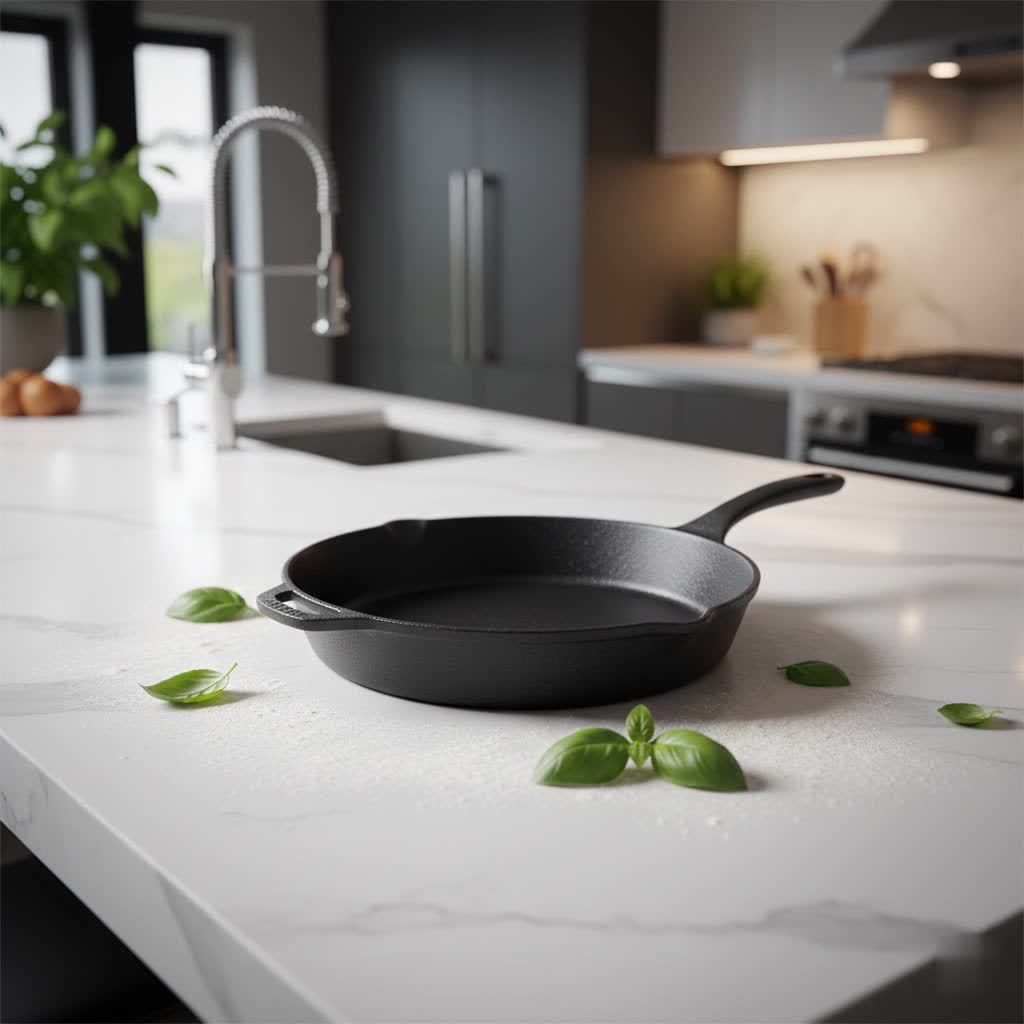
An iron skillet, commonly known as a cast iron skillet, is a heavy-duty frying pan made from cast iron. This material is an alloy of iron and carbon, poured into molds to create durable cookware. Known for its robust construction, the cast iron skillet has been a culinary staple for centuries, with its origins tracing back to ancient China. It gained widespread popularity in Europe during the Middle Ages and became indispensable in American kitchens throughout the 18th and 19th centuries, evolving from open-hearth cooking vessels to stove-top essentials.
Outstanding Advantages of Iron Skillets
Iron skillets boast a range of benefits that set them apart from other cookware, making them a favorite among home cooks and professional chefs alike.
- Exceptional Durability and Longevity: These pans are virtually indestructible. With proper care, a cast iron skillet can last for decades, even centuries, often being passed down through generations as a cherished family heirloom.
- Superior Heat Retention and Even Heat Distribution: Cast iron excels at absorbing and retaining heat, ensuring a consistent cooking temperature. Once heated, it maintains its warmth remarkably well, which is ideal for searing meats, frying, and baking, as it prevents significant temperature drops when food is added. While it may take longer to heat up, the even distribution across the entire cooking surface results in perfectly cooked dishes.
- Natural Non-Stick Properties: A well-seasoned cast iron skillet develops a natural, chemical-free non-stick surface. This seasoning, a layer of polymerized oil baked onto the iron, improves with every use, creating a smooth cooking surface that rivals synthetic non-stick coatings over time.
- Health-Safe Cookware: Unlike non-stick pans with synthetic coatings that can degrade and release chemicals, cast iron is a safe and natural cooking surface. Furthermore, cooking with cast iron can subtly fortify your food with dietary iron, which can be beneficial for those with iron deficiencies.
- Incredible Versatility: From stovetop to oven, grill to campfire, cast iron skillets can handle virtually any heat source. They are perfect for searing, frying, baking, roasting, braising, and even slow-cooking, making them one of the most versatile pieces of cookware you can own.
Common Types of Iron Skillets
While the core material remains the same, iron skillets come in a few common variations, each with its own characteristics.
- Traditional Cast Iron Skillet: This is the most classic form, characterized by its bare, seasoned iron surface. It requires regular seasoning and careful maintenance to prevent rust and maintain its non-stick qualities. These are what most people refer to when discussing “used” or “vintage” cast iron.
- Enameled Cast Iron Skillet: These skillets have a vitreous enamel glaze applied to the cast iron surface. The enamel coating prevents rust, eliminates the need for seasoning, and allows for cooking acidic foods without reactivity. However, the enamel can chip or crack if mishandled, and they typically come with a higher price tag.
- Cast Iron with Wooden Handles: Some skillets feature wooden handles, which stay cool to the touch during stovetop cooking. However, these are generally not oven-safe due to the handle’s material.
- Mini Cast Iron Skillets: Smaller versions of traditional skillets, perfect for individual servings, side dishes, or even baking personal desserts.
Guide to Choosing the Right Used Iron Skillet
Finding the perfect used iron skillet is a treasure hunt. Knowing what to look for can turn a seemingly rusty piece into a kitchen hero.
Size and Depth
Consider your cooking habits and household size.
- For single servings or small side dishes, a 6-inch or 8-inch skillet might be perfect.
- For daily cooking for 2-4 people, a 10-inch or 12-inch skillet is a versatile workhorse, handling everything from frying eggs to searing steaks.
- For larger families or entertaining, a 13-inch or 15-inch skillet provides ample space for bigger meals.
- Deeper skillets are excellent for frying, braising, or preparing dishes with sauces, minimizing splatters.
|
Our Picks for the Best Iron Skillet in 2026
As an Amazon Associate I earn from qualifying purchases.
|
||
| Num | Product | Action |
|---|---|---|
| 1 | Utopia Kitchen Cast Iron Skillets 12 Inch, Chef's Pan, Pre-Seasoned Frying Pan, Stovetop, Oven, Campfire and Grill Large Skillet, Even Heat Distribution Multipurpose Cast Iron Pan - Black |

|
| 2 | Lodge 10.25 Inch Cast Iron Skillet – Pre-Seasoned Frying Pan with Teardrop Handle – Oven, Stovetop, Grill & Campfire Use – Made in USA – Durable, Non-Toxic, Even-Heating Cookware – Black |
|
| 3 | Stargazer 10.5-Inch Cast Iron Skillet - Made in USA, Seasoned, Premium Frying Pan for Grilling, Searing, Baking & More – Durable Cast Iron with Smooth Cooking Surface |
|
| 4 | Cuisinel Cast Iron Skillet with Lid - 12"-inch Pre-Seasoned Covered Frying Pan Set + Silicone Handle & Lid Holders + Scraper/Cleaner - Indoor/Outdoor, Oven, Stovetop, Camping Fire, Grill Safe Cookware |
|
| 5 | Lodge Pre-Seasoned Cast Iron Skillet Set - Set Includes 8 Inch Skillet, 10.25 Inch Skillet, and 12 inch Skillet - 3 Piece |
|
| 6 | Lodge 12 Inch Cast Iron Skillet with Red Silicone Hot Handle Holder – Pre-Seasoned Frying Pan for Stove, Oven, Grill & Campfire – Made in the USA – Durable, Nonstick Cast Iron Cookware – Black |
|
| 7 | Cuisinel Cast Iron Skillet with Lid - 12"-Inch Frying Pan + Glass Cover + Silicone Handle Holder - Pre-Seasoned Oven Safe Cookware - Indoor/Outdoor Use - Grill, BBQ, Fire, Stovetop. PFAS and PFOA-free |
|
| 8 | Mercer Culinary Pre-Seasoned Cast Iron Skillet, 10.25-Inch |
|
| 9 | Lodge 12 Inch Pre-Seasoned Cast Iron Skillet - Dual Assist Handles - Use in the Oven, on the Stove, on the Grill, or Over a Campfire - Black |
|
| 10 | EWFEN Cast Iron Skillet 3-Piece Set, Heavy-Duty Professional Restaurant Chef Quality Pre-Seasoned Pan Cookware Set, 6", 8", 10" Pans For Frying, Saute, Cooking, Use Indoor/Outdoor, Oven, Grill |
|
Weight
Cast iron is inherently heavy. While a heavier pan often signifies better heat retention, consider your ability to lift and maneuver it, especially when full of food or when washing. If you struggle with heavy objects, opt for a slightly smaller or lighter-gauge pan. Modern cast iron can sometimes be lighter than vintage pieces due to different manufacturing processes.
Material and Coating
When buying used, you’ll primarily encounter traditional cast iron.
- Bare Cast Iron: Look for solid, uniform iron without any strange residues. Rust is often superficial and easily removed, but a pan with severe pitting may be difficult to season effectively.
- Enameled Cast Iron: Inspect the enamel carefully for chips, cracks, or significant wear on the cooking surface. Damaged enamel can expose the underlying cast iron, which may rust or react with food.
- Lead Testing: For vintage pans, especially smaller ones, it’s highly recommended to use a lead test kit. Historically, some cast iron was used for melting lead for fishing weights or bullets. If a pan tests positive for lead, it should be drilled and discarded for cooking use. Look for off-white or yellow powdery residue as a visual cue for possible lead use.
Handle
- Integrated Cast Iron Handles: These are common and highly durable, allowing the pan to go from stovetop to oven without issue. Ensure the handle is firmly attached and free of cracks.
- Wooden Handles: While comfortable and cool to touch, wooden handles limit oven use. Check for looseness, cracks, or charring on the wood.
Brand and Price
While newer Lodge skillets are excellent, vintage brands like Griswold, Wagner, Birmingham Stove & Range, and others are often sought after for their smoother cooking surfaces and lighter weight. Don’t shy away from unmarked vintage pans; many are of excellent quality and can be a fraction of the price of branded collectibles. Generally, expect to pay anywhere from a few dollars at a yard sale to $30-$50 for a good used pan. Rare vintage pieces from reputable dealers can fetch hundreds, even thousands, but for a practical cooking pan, you often don’t need to spend that much.
Critical Inspection Points for Used Skillets:
- The “Ring Test”: Hold the skillet by the handle and gently tap the rim or bottom with your knuckle. A crack-free pan will produce a clear, bell-like ring. A dull “thunk” or dead sound indicates a crack, which cannot be repaired and renders the pan unsafe for cooking.
- Warping/Spinning: Place the skillet on a flat surface (like a countertop or glass stove). If it wobbles or spins, it’s warped. A minor wobble might be acceptable for gas stoves or outdoor cooking, but a significant warp will cause uneven heating on flat-top electric or induction stoves.
- Pitting: Small cosmetic pitting on the exterior is fine, but significant pitting on the cooking surface can make it difficult to achieve a smooth, non-stick seasoning.
- Cracks: Visually inspect for any hairline fractures, especially around the handle attachment and the rim. These can be hidden under layers of old seasoning or rust.
- Smoothness: Vintage cast iron often features a much smoother cooking surface than many modern pans, which were typically ground down by hand after casting. This smoother surface contributes to better non-stick performance and easier cleaning once properly seasoned.
Comparing Famous Iron Skillet Brands
When delving into the world of iron skillets, especially used and vintage pieces, certain brands consistently rise to the top for their quality and historical significance.
| Brand | Quality | Durability | Price Range (New/Used) | Special Features | Notes |
|---|---|---|---|---|---|
| Lodge | Good to Excellent | Very High | $20 – $100+ | Pre-seasoned, robust, widely available. | Modern workhorse. Excellent value. Vintage Lodge can be very good, sometimes with smoother surfaces. |
| Griswold | Excellent | Exceptionally High | $75 – $1000+ | Lighter weight, extremely smooth cooking surface. | Highly collectible vintage brand (pre-1957). Prized for superior craftsmanship. Earlier “large logo” pieces are more valuable. |
| Wagner Ware | Excellent | Exceptionally High | $75 – $800+ | Lighter weight, very smooth finish, often thinner walls. | Another highly collectible vintage brand (pre-1957). Often rivaled Griswold in quality. Look for “Sidney, O.” markings. |
| Le Creuset | Premium | High (Enameled) | $150 – $400+ | Enameled, vibrant colors, excellent heat distribution. | Primarily known for enameled cast iron. No seasoning required, great for acidic foods. Durable enamel, but can chip. |
| Staub | Premium | High (Enameled) | $100 – $400+ | Enameled, unique self-basting lids, excellent heat retention. | High-end enameled brand. Often has a slightly rougher interior enamel for better searing. |
| Field Company | Excellent | Very High | $125 – $200+ | Lightweight, smooth, modern take on vintage designs. | Modern boutique brand, aims to replicate vintage Griswold/Wagner feel with a smoother, lighter design. Comes pre-seasoned. |
| Finex | Premium | Very High | $200 – $400+ | Octagonal design, coiled stainless steel handle, polished cooking surface. | Modern high-end brand with distinctive aesthetics. Excellent for even heating. Handle stays cooler. |
Detailed Comparison of Iron Skillet Models (General)
While specific models vary widely, here’s a general comparison focusing on common features you might encounter, especially when considering a used pan.
| Feature | Standard Cast Iron Skillet (New/Used) | Enameled Cast Iron Skillet | Vintage Cast Iron Skillet (Griswold/Wagner-era) |
|---|---|---|---|
| Size Range | 6-inch to 15-inch+ diameter | 6-inch to 15-inch+ diameter | 3-size to 14-size (approx. 6-1/2″ to 14″) |
| Weight | Moderate to Heavy | Heavy | Often lighter than modern bare cast iron |
| Material | Bare cast iron | Cast iron with enamel coating | Bare cast iron |
| Price | $20 – $100 (new), $5 – $50 (used) | $100 – $400+ | $50 – $1000+ (depending on rarity/condition) |
| Pros | Durable, excellent heat retention, affordable, develops natural non-stick. | No seasoning, non-reactive, easy to clean, attractive colors. | Superior smoothness, lighter, excellent heat retention, collectible. |
| Cons | Requires seasoning, can rust, reacts with acidic foods. | Can chip/crack, heavier, expensive, not always non-stick. | Can be expensive, requires restoration, potential for lead. |
How to Properly Use and Maintain an Iron Skillet
Once you’ve found your perfect used iron skillet, understanding how to season, clean, and store it is paramount to its longevity and performance.
Seasoning a Cast Iron Skillet
Seasoning is the process of baking thin layers of oil onto the cast iron, creating a natural, non-stick, and rust-resistant surface.
-
How to Season a Newly Acquired (or Stripped) Cast Iron Skillet:
- Clean Thoroughly: If the pan is used or rusty, strip off all old seasoning and rust. Use steel wool, a wire brush, or a lye-based oven cleaner (e.g., Easy-Off, following safety instructions, in a sealed trash bag for 24-48 hours). For rust, a vinegar soak (equal parts white vinegar and water for up to an hour, or pure vinegar for 6-12 hours, never more than 24 hours) followed by scrubbing can be effective. Wash with hot, soapy water after stripping and rinsing.
- Dry Immediately and Completely: This is crucial to prevent rust. Towel dry, then place on a stovetop over low heat for 5-10 minutes until absolutely no moisture remains.
- Apply a Thin Layer of Oil: Using a lint-free cloth or paper towel, apply a very thin, even coat of high smoke point cooking oil (like vegetable oil, canola oil, grapeseed oil, or flaxseed oil) to all surfaces of the pan – inside, outside, and handle. It should look barely shiny, not greasy. Wipe off any excess.
- Bake the Skillet: Place the skillet upside down on the middle rack of a preheated oven (450-500°F / 232-260°C). Place a sheet of aluminum foil on the bottom rack to catch any drips. Bake for one hour.
- Cool Slowly: Turn off the oven and let the skillet cool completely inside the oven. This slow cooling helps solidify the seasoning.
- Repeat: For best results, repeat the oiling and baking process 3-5 times, allowing the pan to cool completely between layers. This builds a robust, durable seasoning.
-
How to Restore a Damaged Seasoning Layer:
- If the seasoning is patchy or sticky, a thorough scrub with a stiff brush and hot water, followed by a lighter version of the re-seasoning process (1-2 coats), can often revive it. For more severe damage, a full strip and re-seasoning may be necessary.
Cleaning a Cast Iron Skillet
Proper cleaning maintains the seasoning and prevents rust.
-
After Each Use:
- Cool Down: Let the pan cool slightly, but clean while still warm.
- Scrape/Rinse: Use a pan scraper or stiff brush (non-metal) to remove food residue. Rinse with hot water.
- Gentle Soap (Optional): For stubborn bits, a small amount of mild dish soap can be used with a soft sponge or brush. Despite old myths, mild soap won’t ruin a well-established seasoning. Avoid abrasive cleaners or steel wool for regular cleaning as they can strip seasoning.
- Dry Thoroughly: Immediately towel dry the pan, then place it on a stovetop over low heat for a few minutes to ensure it’s completely dry.
- Light Oil Coat: Once dry, apply a very thin layer of cooking oil to the interior surface. Wipe off excess.
-
What to Avoid When Cleaning:
- Dishwashers: Never put cast iron in a dishwasher, as it will strip the seasoning and cause rust.
- Harsh Abrasives: Avoid steel wool or harsh scouring pads for regular cleaning, unless you intend to strip and re-season.
- Soaking: Do not soak cast iron in water for extended periods, as this will lead to rust.
Storing a Cast Iron Skillet
Correct storage protects your pan and its seasoning.
- Prevent Rust: Ensure the pan is completely dry and has a thin layer of oil before storing.
- Aerate: Store in a dry, airy place. If stacking, place a paper towel or cloth between pans to prevent scratching and allow air circulation.
- Moisture-Free: Avoid humid environments.
Tips for Better Cooking with an Iron Skillet
Maximize your cast iron’s potential with these cooking tips:
- Preheat Properly: Cast iron needs time to heat up evenly. Place it on medium-low heat for 5-10 minutes before adding food or oil. This prevents hot spots and ensures consistent cooking.
- Hot Pan, Cold Oil: Once preheated, add your cooking oil. It should shimmer quickly, indicating the pan is ready.
- Don’t Overcrowd: Give food space. Overcrowding can lower the pan’s temperature, leading to steaming instead of searing.
- Avoid Acidic Foods for Too Long: While occasional cooking of acidic foods (like tomato sauce) in a well-seasoned pan is fine, prolonged simmering can strip the seasoning and impart a metallic taste to your food.
- Use Appropriate Utensils: Metal spatulas are generally fine and can even help to smooth the seasoning over time. However, avoid aggressively scraping with sharp metal objects, and opt for wood or silicone for gentler cooking.
Delicious Dishes to Cook in an Iron Skillet
The versatility of the iron skillet means a world of culinary possibilities.
- Perfectly Seared Steak: The high, even heat creates an incredible crust.
- Crispy Fried Chicken: Achieves that sought-after golden-brown crunch.
- Skillet Cornbread: Delivers a beautifully crispy exterior and tender interior.
- One-Pan Roasts: Roasting chicken or vegetables in the oven.
- Skillet Pizza: For a deliciously crispy crust.
- Frittatas and Quiches: Easy oven-finish for fluffy results.
- Baked Desserts: From apple crumbles to giant chocolate chip cookies.
Where to Buy Used Iron Skillets
Finding a used iron skillet can be an exciting hunt, often yielding fantastic results at a fraction of the cost of new pans.
- Garage Sales and Yard Sales: Often the best places for bargains, as sellers may not know the true value.
- Estate Sales: Can reveal entire collections, sometimes well-maintained.
- Flea Markets and Antique Shops: Good variety, but prices might be higher. Don’t be afraid to haggle.
- Online Marketplaces: Craigslist, Facebook Marketplace, eBay, and Etsy offer a wide selection, but require careful inspection of photos and communication with sellers to assess condition.
- Specialized Dealers: For fully restored, high-quality vintage pieces, specialized cast iron dealers offer reliability, but at a premium price.
Buying Guide: Your Checklist for a Used Iron Skillet
To ensure you make a smart purchase, keep this checklist handy when hunting for your next iron skillet.
- Check for Cracks: Perform the “ring test.” A dull thud means a crack; pass on it.
- Inspect for Warping: Place on a flat surface. Avoid significant wobbling or spinning for flat cooktops. Minor warp is acceptable for gas or grill.
- Look for Pitting: Minor pitting is okay, but extensive pitting on the cooking surface will make seasoning difficult.
- Lead Test (Crucial for Vintage): Especially for smaller, older pans, use a lead test kit. If positive, do not use for cooking.
- Assess Rust: Surface rust is generally fine and can be restored. Don’t let it deter you from an otherwise good pan.
- Examine the Cooking Surface: Vintage pans often have a desirable smooth cooking surface.
- Consider the Brand and Markings: While not essential for cooking, specific brands (Griswold, Wagner) and unique markings can indicate age and potential collector’s value.
- Price Appropriately: Don’t overpay for a pan needing significant restoration unless it’s a rare collectible you identify. Most functional used pans should be affordable.
A well-chosen used iron skillet isn’t just a cooking tool; it’s a piece of history, a testament to enduring quality, and a commitment to delicious, wholesome meals for years to come.
Frequently Asked Questions
Can you really make a rusty used iron skillet safe to cook with again?
Yes, absolutely! With proper restoration, including stripping off all rust and old seasoning, thoroughly cleaning, and then re-seasoning multiple times, a rusty used iron skillet can be completely revived and made safe and effective for cooking. The key is diligence in removing all corrosion and building a new, protective seasoning layer.
How can I tell if a used iron skillet has lead in it?
The most reliable way to check for lead in a used iron skillet is to use an inexpensive home lead test kit, readily available online or at hardware stores. Visually, beware of any off-white, yellow, or plastic-like residue on the cooking surface, as this could indicate past lead melting. If in doubt, always test.
Is vintage cast iron better than new cast iron?
Many enthusiasts prefer vintage cast iron (like Griswold or Wagner) due to its often lighter weight and exceptionally smooth cooking surface, which was achieved through hand-grinding during manufacturing. These qualities can lead to better non-stick performance and easier cleaning. Modern cast iron, while durable and effective, often has a rougher texture.
Why do some used iron skillets wobble on my stove?
A wobble indicates that the skillet is warped, likely due to rapid temperature changes (e.g., heating too quickly on high heat, or plunging a hot pan into cold water). While a minor wobble might be manageable on gas stoves, it can cause uneven heating and instability on flat-top electric or induction cooktops.
