Welcome to the world of iron skillets, where durability meets exceptional cooking performance. For over a decade, I’ve immersed myself in understanding these kitchen powerhouses, from their rugged construction to the nuanced art of maintaining their pristine condition. An iron skillet isn’t just cookware; it’s a legacy piece, transforming raw ingredients into culinary masterpieces with its unique heat properties. This guide will demystify the essential aspects of treating your iron skillet, ensuring it serves you for generations to come.
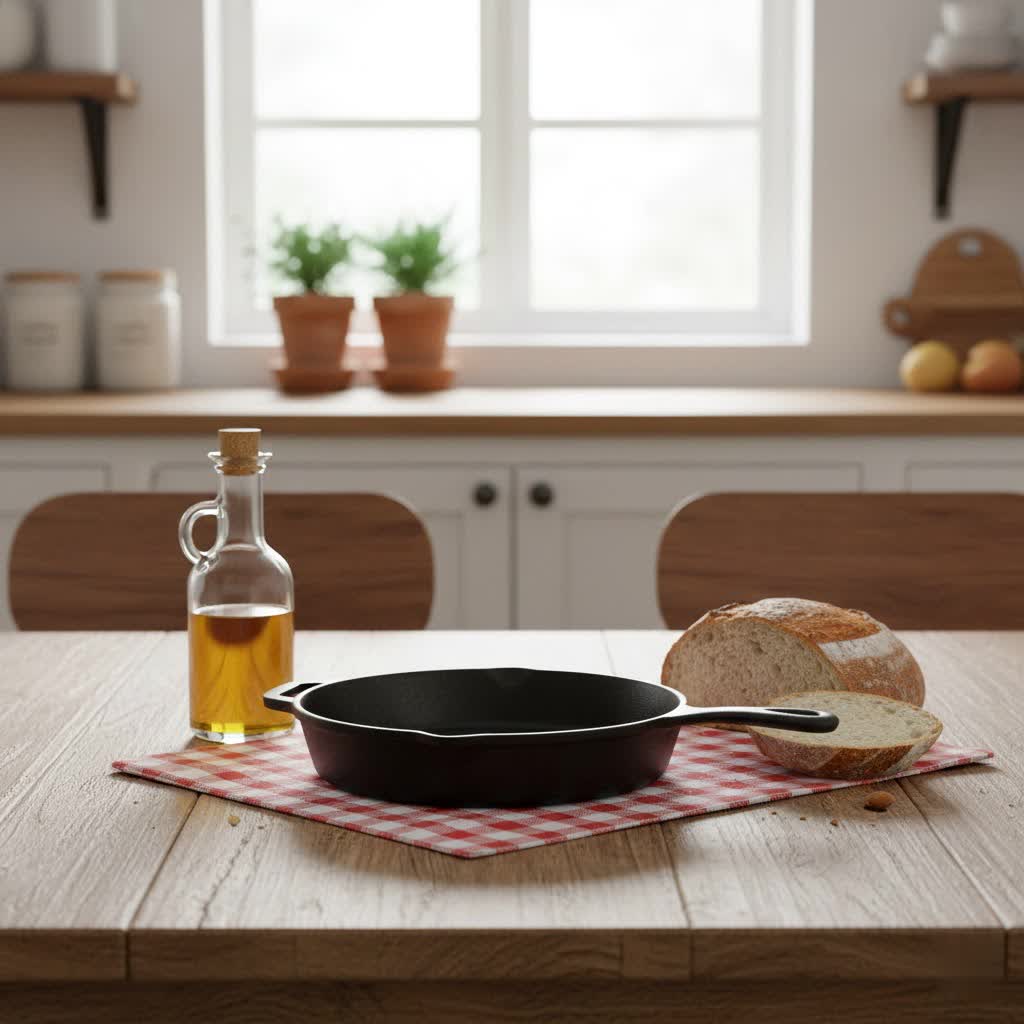
What is an Iron Skillet?
An iron skillet, commonly known as a cast iron skillet, is a heavy-duty frying pan made from cast iron. This material is known for its incredible heat retention and even distribution, making it a favorite among home cooks and professional chefs alike. The history of cast iron cookware dates back centuries, with evidence suggesting its use in China as early as the 6th century BCE. It became popular in Europe in the 16th century and was a staple in American households for cooking over open fires and on stovetops, celebrated for its robustness and versatility.
Superior Advantages of Iron Skillets
Iron skillets offer a host of benefits that set them apart from other cookware. Their inherent qualities contribute to both exceptional cooking results and remarkable longevity.
Firstly, their durability and longevity are unparalleled. A well-maintained iron skillet can literally last for centuries, often passed down as cherished family heirlooms. This makes them a sustainable and economical choice in the long run. Secondly, the ability to retain and distribute heat evenly is a hallmark of cast iron. Once heated, it maintains a consistent temperature across its surface, preventing hot spots and ensuring perfectly cooked food, especially for searing and frying.
A unique advantage is the natural non-stick layer that develops over time through a process called seasoning. This polymerized oil surface provides a cooking experience similar to conventional non-stick pans but without the synthetic chemicals. Speaking of which, iron skillets are safe for health, as they don’t leach harmful chemicals into your food. Instead, they can even fortify food with small amounts of dietary iron. Lastly, their versatility is unmatched. Iron skillets can be used on virtually any heat source—gas, electric, induction, oven, grill, and even over an open campfire—making them indispensable for a wide array of cooking tasks.
Popular Types of Iron Skillets
While the core material remains cast iron, skillets come in a few distinct types, each offering specific characteristics for different cooking needs.
The most common is the traditional cast iron skillet. These are bare cast iron, typically pre-seasoned by manufacturers, and require ongoing seasoning and specific care to maintain their non-stick surface and prevent rust. They are celebrated for their rustic appeal and exceptional searing capabilities.
Enameled cast iron skillets feature a vitreous enamel glaze applied to the cast iron. This coating eliminates the need for seasoning, prevents rust, and makes them easier to clean. They are often vibrant in color and resist acidic foods better than traditional cast iron. However, the enamel can chip or crack if dropped or exposed to extreme temperature changes.
Some skillets come with wooden handles. These offer a comfortable grip and stay cool on the stovetop, but they are generally not oven-safe unless the handle is removable. Lastly, mini cast iron skillets are smaller versions, perfect for individual servings, side dishes, or baking small desserts like a single cookie.
Guide to Choosing the Right Iron Skillet
Selecting the perfect iron skillet involves considering your cooking habits, storage space, and budget. It’s an investment that pays off with years of reliable performance.
When it comes to size and depth, think about your typical cooking volume. A small skillet (6-8 inches) is ideal for single servings, frying eggs, or toasting nuts. Medium skillets (10-12 inches) are versatile workhorses for most family meals, from searing steaks to sautéing vegetables. Larger skillets (13 inches and up) are best for big batches, entertaining, or cooking whole chickens. Deeper skillets are excellent for frying and stews, minimizing splatter.
Weight is another crucial factor. Cast iron is heavy, which contributes to its heat retention but can be challenging to lift, especially when full of food. Test the weight in-store if possible, ensuring it’s manageable for you. Choose a skillet with a comfortable weight for your strength.
The material and coating depend on your preference for maintenance. Pure cast iron offers the best searing and develops a deep, natural seasoning, but requires diligent care to prevent rust. Enameled cast iron is easier to clean and maintain, available in various colors, but doesn’t build up seasoning and can be more expensive. Inspect any non-stick coating on other types for quality and safety.
A sturdy handle is essential. Look for handles that are well-integrated and comfortable to grip, especially when the pan is heavy. Some traditional skillets have helper handles on the opposite side, which are invaluable for lifting. For oven use, ensure the handle is oven-safe (most cast iron handles are, but wooden or plastic ones are not, unless removable).
Finally, consider brand and price. Established brands like Lodge have a long-standing reputation for quality and affordability. Premium enameled brands like Le Creuset or Staub come at a higher price point but offer exceptional craftsmanship and aesthetics. Researching different brands and reading reviews can guide your decision, ensuring you select a product that aligns with your budget and expectations for longevity.
Comparing Famous Iron Skillet Brands
The market offers a range of esteemed iron skillet brands, each with its own loyal following. Understanding their differences can help you make an informed choice.
Lodge is often considered the entry point into quality cast iron. Known for its rugged durability and affordability, Lodge skillets are pre-seasoned and offer excellent value, making them a popular choice for everyday cooking. Their textured surface helps seasoning adhere well.
On the higher end, Le Creuset is renowned for its vibrant enameled cast iron. These skillets boast superior craftsmanship, beautiful color options, and ease of maintenance due to the enamel coating. While significantly pricier, they are celebrated for their aesthetic appeal and consistent cooking performance.
Staub, another French brand, also specializes in enameled cast iron. Similar to Le Creuset in quality and price, Staub often features a slightly more rustic design and specific innovations like self-basting lids on their Dutch ovens, which extend to their skillet ranges in terms of quality finish.
For those seeking a smoother, lighter alternative to traditional cast iron, brands like Field Company and Finex have gained popularity. Field Company skillets are known for their polished cooking surfaces that improve natural non-stick properties, while Finex stands out with its distinctive octagonal shape and polished, often lighter, finish, commanding a premium price for its unique design and performance.
| Brand | Quality | Durability | Price Range | Special Features |
|---|---|---|---|---|
| Lodge | High | Excellent | Affordable | Pre-seasoned, robust, widely available |
| Le Creuset | Premium | Excellent | High | Enameled, wide color range, easy to clean |
| Staub | Premium | Excellent | High | Enameled, durable, often darker interiors |
| Field Company | High | Excellent | Mid-High | Smoother, lighter design, often unseasoned |
| Finex | Premium | Excellent | High | Unique octagonal shape, polished finish, coiled handle |
Detailed Comparison Table of Iron Skillet Models
Choosing a specific model often comes down to balancing practical needs with the type of cooking you enjoy. Here’s a conceptual comparison focusing on common attributes across various iron skillet options:
| Attribute | Small Skillet (e.g., 6.5″) | Medium Skillet (e.g., 10″) | Large Skillet (e.g., 12″) | Enameled Skillet (e.g., 10″) |
|---|---|---|---|---|
| Size | Compact | Standard | Spacious | Standard |
| Weight | Light (for cast iron) | Moderate | Heavy | Moderate to Heavy |
| Material | Traditional Cast Iron | Traditional Cast Iron | Traditional Cast Iron | Enameled Cast Iron |
| Price | Low | Moderate | Moderate-High | High |
| Pros | Single servings, portable, quick to heat | Versatile, everyday use, excellent searing | Feeds crowds, large cuts of meat, baking | Easy cleanup, no seasoning needed, vibrant colors, acid-resistant |
| Cons | Limited capacity | Can be heavy for some | Very heavy, requires more storage | Higher cost, can chip, less direct searing contact |
How to Properly Use and Maintain Your Iron Skillet
Proper treatment is the cornerstone of a long-lasting and effective iron skillet. This involves a consistent routine of seasoning, cleaning, and storage.
Seasoning Your Iron Skillet
Seasoning is the process of baking thin layers of oil onto the cast iron surface, creating a natural, non-stick, and rust-resistant finish.
- Initial seasoning (new or stripped pan): Even pre-seasoned skillets benefit from additional layers. Start by washing the pan with warm, soapy water and a scrub brush to remove any factory residue. Dry it thoroughly immediately, then place it on a stovetop over low heat for a few minutes to ensure all moisture evaporates. Apply a very thin, even layer of high smoke-point oil (like canola, vegetable, grapeseed, or flaxseed oil) to the entire skillet—inside, outside, and handle. Wipe off any excess until the pan appears almost dry to the touch; too much oil will result in a sticky surface. Place the skillet upside down in a preheated oven (typically 350-400°F or 175-200°C) for one hour, placing foil on the rack below to catch any drips. Turn off the oven and let the skillet cool completely inside. Repeat this process 3-5 times for a robust initial seasoning.
- Restoring damaged seasoning: If your seasoning becomes dull, patchy, or flakes, you can restore it. First, scrub off any loose bits or rust with a stiff brush or chainmail scrubber, using soap if necessary. Rinse and dry thoroughly. Then, follow the same seasoning steps as for a new pan, applying several thin coats of oil and baking.
|
Our Picks for the Best Iron Skillet in 2026
As an Amazon Associate I earn from qualifying purchases.
|
||
| Num | Product | Action |
|---|---|---|
| 1 | Lodge 12 Inch Cast Iron Skillet with Red Silicone Hot Handle Holder – Pre-Seasoned Frying Pan for Stove, Oven, Grill & Campfire – Made in the USA – Durable, Nonstick Cast Iron Cookware – Black |

|
| 2 | Utopia Kitchen Cast Iron Skillets 12 Inch, Chef's Pan, Pre-Seasoned Frying Pan, Stovetop, Oven, Campfire and Grill Large Skillet, Even Heat Distribution Multipurpose Cast Iron Pan - Black |
|
| 3 | EWFEN Cast Iron Skillet 3-Piece Set, Heavy-Duty Professional Restaurant Chef Quality Pre-Seasoned Pan Cookware Set, 6", 8", 10" Pans For Frying, Saute, Cooking, Use Indoor/Outdoor, Oven, Grill |
|
| 4 | Lodge 12 Inch Pre-Seasoned Cast Iron Skillet - Dual Assist Handles - Use in the Oven, on the Stove, on the Grill, or Over a Campfire - Black |
|
| 5 | Cuisinel Cast Iron Skillet with Lid - 12"-inch Pre-Seasoned Covered Frying Pan Set + Silicone Handle & Lid Holders + Scraper/Cleaner - Indoor/Outdoor, Oven, Stovetop, Camping Fire, Grill Safe Cookware |
|
| 6 | Lodge 10.25 Inch Cast Iron Skillet – Pre-Seasoned Frying Pan with Teardrop Handle – Oven, Stovetop, Grill & Campfire Use – Made in USA – Durable, Non-Toxic, Even-Heating Cookware – Black |
|
| 7 | Mercer Culinary Pre-Seasoned Cast Iron Skillet, 10.25-Inch |
|
| 8 | Stargazer 10.5-Inch Cast Iron Skillet - Made in USA, Seasoned, Premium Frying Pan for Grilling, Searing, Baking & More – Durable Cast Iron with Smooth Cooking Surface |
|
| 9 | Lodge Pre-Seasoned Cast Iron Skillet Set - Set Includes 8 Inch Skillet, 10.25 Inch Skillet, and 12 inch Skillet - 3 Piece |
|
| 10 | Cuisinel Cast Iron Skillet with Lid - 12"-Inch Frying Pan + Glass Cover + Silicone Handle Holder - Pre-Seasoned Oven Safe Cookware - Indoor/Outdoor Use - Grill, BBQ, Fire, Stovetop. PFAS and PFOA-free |
|
> “The secret to a truly great cast iron skillet isn’t just about the pan itself, but the commitment to consistent seasoning. Each layer you build is a step towards culinary perfection.” – Chef Elena Rodriguez, Cast Iron Enthusiast
Cleaning Your Iron Skillet
Cleaning an iron skillet correctly is vital to preserve its seasoning and prevent rust.
- After each use: While the old adage warned against soap, modern mild dish soaps are generally fine. Immediately after cooking, while the pan is still warm, rinse it with hot water. Use a stiff nylon brush, a plastic scraper, or even a chainmail scrubber to remove food particles. For stubborn bits, you can create a paste with coarse salt and a little oil, then scrub. Rinse thoroughly.
- Things to avoid: Never leave your cast iron skillet to soak in water, as this will lead to rust. Avoid putting it in the dishwasher for the same reason. Unless you’re intentionally stripping the seasoning, avoid harsh abrasives like steel wool or overly aggressive scrubbing pads, which can remove the hard-earned patina.
Storing Your Iron Skillet
Proper storage is the final piece of the maintenance puzzle, protecting your skillet from moisture and damage.
- Ensure completely dry: After cleaning, always place your skillet on a burner over low heat for a few minutes to evaporate any residual moisture. This is critical for preventing rust.
- Light oil coat: Once completely dry and slightly cooled, apply another very thin layer of cooking oil to the entire surface, wiping off any excess. This protective film seals out moisture.
- Prevent moisture and damage: Store your skillet in a dry place. If stacking with other pans, place a paper towel or cloth between them to absorb any moisture and prevent scratches. Hanging them is also a great option to ensure air circulation.
Tips for Better Cooking with an Iron Skillet
To unlock the full potential of your iron skillet, understanding a few cooking nuances can make a big difference.
- Use appropriate heat: Cast iron heats slowly but retains heat exceptionally well. Always preheat your skillet gradually over medium heat for 5-10 minutes before adding food. This ensures even cooking and prevents sticking.
- Heat skillet before adding oil: Add your cooking oil to an already hot skillet, just before adding food. This helps create a non-stick surface and prevents the oil from smoking prematurely.
- Avoid highly acidic foods (initially): While a well-seasoned pan can handle acidic ingredients like tomatoes or wine for short periods, cooking highly acidic foods for extended durations, especially in a newly seasoned pan, can strip the seasoning and impart a metallic taste. Wait until your seasoning is well-established.
- Use appropriate utensils: Opt for wooden, silicone, or heat-resistant plastic utensils to avoid scratching or damaging your seasoning. Metal spatulas are generally fine for well-seasoned pans and can even help scrape up fond, but avoid sharp metal objects.
Delicious Dishes with Iron Skillets
The versatility of an iron skillet means a vast repertoire of dishes can be perfected within its sturdy confines.
- Perfectly Seared Steak: The intense, even heat of cast iron creates an unparalleled crust on steaks.
- Crispy Roasted Chicken and Vegetables: Roast whole chickens or root vegetables to golden perfection, with a beautifully browned exterior and juicy interior.
- Fluffy Cornbread: A classic for a reason, baking cornbread in a cast iron skillet yields a wonderfully crispy crust.
- Homemade Skillet Pizza: Achieve a crispy, chewy crust for your pizza by baking it directly in a hot cast iron skillet.
- Decadent Skillet Cookies and Desserts: From giant chocolate chip cookies to fruit crumbles, cast iron bakes desserts evenly and beautifully, often served straight from the pan.
Where to Buy Reliable Iron Skillets?
Finding a quality iron skillet is easy with many reputable retailers available. You can typically find a good selection at dedicated home goods stores that specialize in kitchenware, where staff can often provide expert advice. Large supermarkets and hypermarkets also carry basic to mid-range options, often including popular brands like Lodge. For the widest selection, competitive pricing, and user reviews, online retailers like Amazon, Wayfair, or the official websites of brands like Lodge, Le Creuset, and Field Company are excellent choices. Always check reviews and product specifications to ensure authenticity and quality.
Buying Guide: Your Iron Skillet Companion
Navigating the world of iron skillets can feel overwhelming, but a few key considerations will simplify your decision. Prioritize size based on your typical meal portions, remembering that larger skillets mean more weight. Consider the material—traditional for searing mastery and developing seasoning, or enameled for ease of cleaning and aesthetic appeal. Don’t overlook the handle design for comfort and oven compatibility. Finally, balance brand reputation with your budget, recognizing that a well-cared-for skillet, regardless of initial price, is a lifetime investment. Choose wisely, treat it well, and your iron skillet will be an indispensable partner in your culinary adventures.
Conclusion
The journey with an iron skillet is a rewarding one, steeped in culinary tradition and practical expertise. Understanding the nuances of treating, seasoning, and cleaning this remarkable piece of cookware transforms it from a simple pan into an indispensable kitchen tool. From its unmatched heat retention to the joy of building a natural non-stick surface, the benefits are clear. With consistent care and a little know-how, your iron skillet will not only enhance your cooking but also stand the test of time, ready to be passed down through generations. What cherished family recipes will you bring to life in your perfectly treated iron skillet?
Frequently Asked Questions
How often should I season my cast iron skillet?
For frequent cooks, seasoning after every use is ideal. Otherwise, aim for at least once a month, or whenever the surface looks dull, dry, or food starts to stick, to maintain its protective, non-stick layer.
Can I use soap to clean my cast iron skillet?
Yes, mild dish soap is generally safe for cleaning cast iron, especially after a good seasoning has been established. The key is to rinse thoroughly and immediately dry the pan completely to prevent rust.
What is the best oil for seasoning cast iron?
High smoke-point, neutral oils like canola, vegetable, grapeseed, or flaxseed oil are excellent choices. Many experts also recommend shortening. The most important factor is applying a very thin layer and baking it properly.
How do I remove rust from my iron skillet?
To remove rust, scrub the affected areas with a stiff brush, chainmail scrubber, or steel wool (for severe rust) using warm, soapy water. Rinse well, dry immediately and thoroughly, then re-season the pan multiple times to restore its protective coating.
Why is my cast iron skillet sticky after seasoning?
A sticky surface usually indicates that too much oil was applied during the seasoning process, or the oil didn’t reach a high enough temperature to fully polymerize. Reheat the pan to burn off the excess oil, or wash and re-season with a much thinner coat.
Can I cook acidic foods in my cast iron skillet?
While a very well-seasoned skillet can handle acidic foods for short periods, it’s generally best to avoid cooking highly acidic dishes (like tomato sauce) for prolonged periods in cast iron, as they can strip the seasoning, especially on newer pans, and impart a metallic flavor.
