Step into any well-equipped kitchen, and you’ll likely find a trusty cast iron skillet. But for those looking to expand their culinary horizons with precision and charm, the Tiny Cast Iron Skillet emerges as an indispensable tool. Far from being a mere novelty, these compact powerhouses offer unique advantages for individual servings, small-batch cooking, and delightful presentations that elevate everyday meals and special occasions alike. Whether you’re a seasoned chef or a home cook eager to explore new possibilities, understanding the world of tiny cast iron skillets will unlock a dimension of cooking you never knew you needed. This comprehensive guide will delve into what makes these miniature marvels so special, their myriad benefits, how to choose the perfect one, and how to care for it to ensure it lasts for generations.
What is a Tiny Cast Iron Skillet?
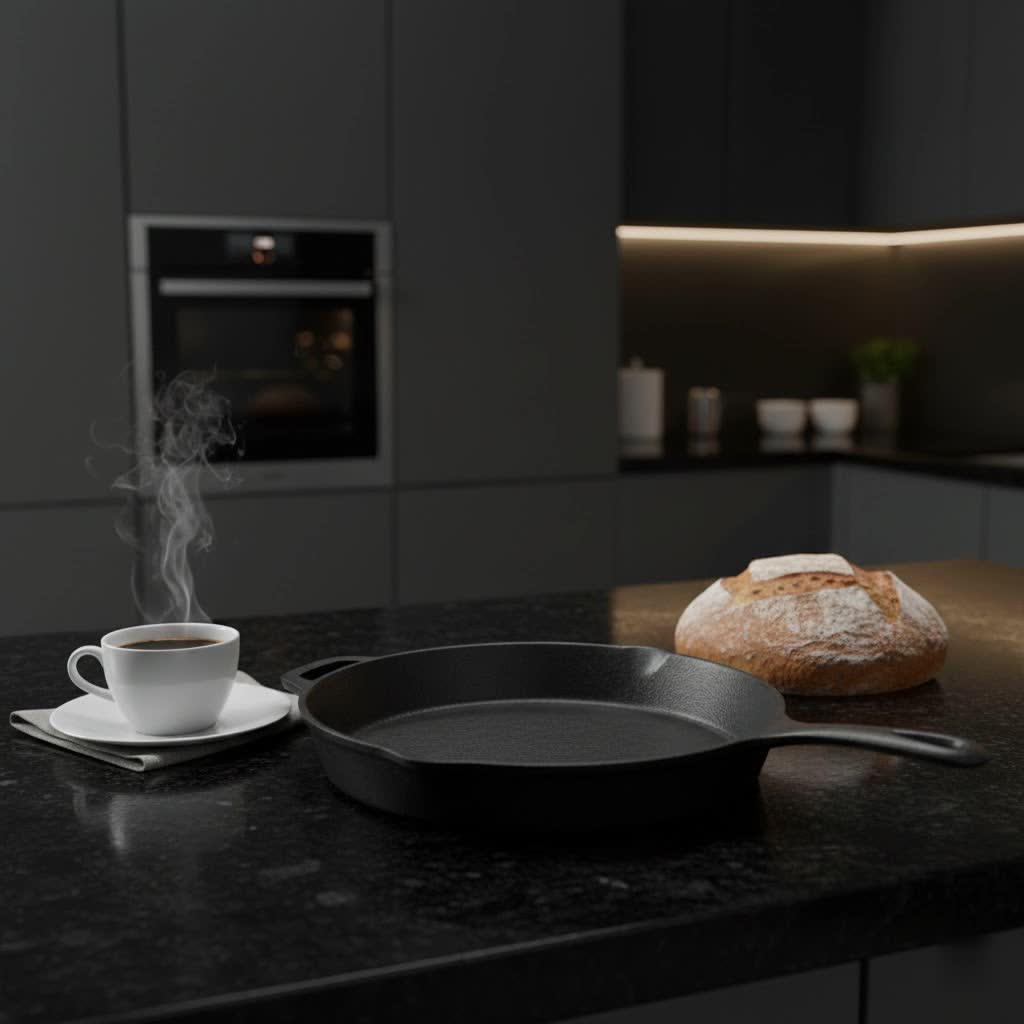
A tiny cast iron skillet is essentially a scaled-down version of its larger, traditional counterpart, typically ranging from 3.5 to 8 inches in diameter. These small but mighty kitchen tools bring all the celebrated properties of full-sized cast iron into a compact form factor. While the exact origins of cast iron cooking stretch back centuries, the appeal of miniature versions has grown as home cooks seek versatility for smaller households, individual portion control, and elegant serving options. Despite their diminutive size, they retain the impressive heat retention and durability that make cast iron a beloved staple in kitchens worldwide, proving that great things often come in small packages.
Superior Advantages of Tiny Cast Iron Skillets
Tiny cast iron skillets pack a surprising punch of benefits, making them a worthwhile addition to any kitchen. Their compact design and inherent cast iron properties contribute to a versatile and rewarding cooking experience.
One of their most significant advantages is their perfect suitability for small-batch cooking and individual servings. No longer do you need to pull out a large pan for a single fried egg or a quick side dish. These mini skillets are ideal for crafting personalized portions of mac and cheese, individual skillet cookies, or baked eggs, ensuring even cooking without wasted space. They also excel in entertaining and decorative presentations, allowing you to serve dishes directly from the hot skillet for an impressive touch, such as a sizzling brownie à la mode.
Like all cast iron, tiny skillets boast unmatched heat retention and even heat distribution. Once preheated, they maintain a consistent temperature across their surface, which is crucial for achieving perfect searing, caramelization, and thorough baking. This means your food cooks evenly and stays warm longer, from stovetop to table. Furthermore, with proper care and regular seasoning, these skillets develop a natural, chemical-free non-stick surface that improves with every use, making both cooking and cleaning easier over time.
Beyond their practical uses, tiny cast iron skillets are incredibly durable and long-lasting. Crafted from robust material, they can withstand high temperatures and rigorous use, often lasting for generations when maintained correctly. This durability also extends to their versatility across various heat sources, functioning flawlessly on gas, electric, induction stovetops, in the oven (up to 500°F), on the grill, or even over an open campfire. This makes them perfect for diverse culinary techniques, from searing a small cut of meat to baking a miniature cobbler. Some experts also suggest that cooking with cast iron can infuse a small amount of dietary iron into your food, offering a potential health benefit, particularly for those with iron deficiencies.
Popular Types of Tiny Cast Iron Skillets
While the core material remains cast iron, tiny skillets come in a few distinct types, each offering specific characteristics to suit different preferences and cooking needs.
The most common type is the traditional pre-seasoned cast iron skillet. These are bare cast iron, typically treated with a layer of cooking oil baked onto the surface to provide an initial non-stick coating and protection against rust. They require ongoing seasoning and specific care to maintain their finish, but they develop a robust, naturally non-stick patina that improves with age. Brands like Lodge are well-known for their durable, pre-seasoned traditional mini skillets.
Another popular option is the enameled cast iron skillet. These skillets feature a vibrant, glass-based enamel coating over the cast iron. The enamel eliminates the need for seasoning, provides a non-reactive cooking surface (meaning acidic foods won’t strip the seasoning or absorb metallic flavors), and makes cleaning considerably easier. Enameled tiny skillets often come in a wide array of colors, making them attractive for serving. High-end brands like Le Creuset and Staub offer exquisite enameled mini skillets, though they typically come with a higher price tag.
Less common but still available are tiny cast iron skillets with wooden handles. While aesthetically pleasing and comfortable to grip, it’s crucial to remember that these handles are usually not oven-safe and may limit the skillet’s versatility for baking or finishing dishes under a broiler. Lastly, you might encounter decorative or novelty mini skillets, which, while functional, might be primarily purchased for their unique shapes (like animal designs) or for serving purposes rather than daily heavy-duty cooking.
How to Choose the Right Tiny Cast Iron Skillet
Selecting the perfect tiny cast iron skillet involves considering several factors to ensure it meets your specific cooking style and needs.
When it comes to size and depth, think about your primary uses. A 3.5-inch skillet is ideal for a single fried egg, small sides, or as an individual serving dish for sauces. A 5 or 6.5-inch skillet is more versatile for single-serving skillet cookies, mini frittatas, or searing small cuts of meat. Deeper skillets are better for baking individual cobblers or mac and cheese, while shallower ones excel at searing and sautéing. Consider how many people you typically cook for and what types of dishes you envision preparing to determine the optimal dimensions.
Weight is another practical consideration. Even tiny cast iron skillets have a surprising heft due to the density of the material. While this weight contributes to their heat retention, ensure you’re comfortable handling it, especially when full of hot food.
The material and coating are crucial. Do you prefer the traditional bare cast iron that requires seasoning and develops a rich patina over time, offering a classic cooking experience? Or would you benefit from an enameled cast iron skillet, which is easier to clean, non-reactive to acidic foods, and comes in various colors, though at a higher cost and without the need for seasoning? Both have their merits; your choice depends on your willingness for maintenance and aesthetic preferences. Check the finish; some traditional cast iron skillets have a smoother, more polished cooking surface, which can be an advantage for delicate foods.
Handle design is important for comfort and safety. Most tiny skillets feature an integrated cast iron handle, which is oven-safe but gets very hot. Look for skillets with an assist handle opposite the main handle if you anticipate needing extra grip for lifting or pouring, though this is less common on the very smallest sizes. If considering a skillet with a wooden handle, remember its oven limitations.
Finally, consider brand and price. Reputable brands like Lodge offer excellent value and durability, making them a great starting point. Premium brands such as Le Creuset, Staub, Field Company, and Finex provide higher-quality finishes, specialized designs, and often come with a significantly higher price tag. Researching reviews and comparing features will help you find a skillet that fits both your budget and your expectations for quality and performance.
Comparing Famous Tiny Cast Iron Skillet Brands
When venturing into the world of tiny cast iron skillets, several brands stand out for their quality, durability, and unique offerings. While specific models may vary, here’s a general comparison of some of the most famous names in cast iron cookware:
Lodge: A cornerstone of American cast iron manufacturing, Lodge is renowned for its durability, affordability, and widespread availability. Their tiny skillets (often 3.5-inch, 5-inch, or 6.5-inch options) are typically pre-seasoned, making them ready to use right out of the box. They represent an excellent entry point into cast iron cooking, offering reliable performance and robust construction that can last for generations with proper care. Lodge skillets are a workhorse, focusing on function and longevity.
Le Creuset: Hailing from France, Le Creuset is synonymous with premium enameled cast iron. Their miniature skillets, identifiable by their vibrant colors and iconic design, are prized for their exceptional heat distribution, superior enamel coating, and aesthetic appeal. While significantly more expensive than traditional cast iron, Le Creuset skillets require no seasoning, are easier to clean, and are non-reactive to acidic foods, making them a luxurious and low-maintenance option for those who prioritize style and convenience.
Staub: Another esteemed French brand, Staub also specializes in high-quality enameled cast iron, often with a slightly more rustic or matte finish compared to Le Creuset. Their tiny skillets offer similar benefits—excellent heat retention, ease of cleaning, and beautiful presentation—and are often favored by professional chefs for their robust performance. Staub pieces frequently feature self-basting lids (though less common on the smallest skillets), enhancing their utility for slow cooking or baking.
Field Company & Finex: These American brands represent the “new guard” of premium cast iron, focusing on lighter-weight designs and exceptionally smooth cooking surfaces. Field Company skillets, for instance, are known for their vintage-inspired aesthetic and finely milled interiors that often require less vigorous seasoning to achieve a natural non-stick surface. Finex skillets are distinctive for their octagonal shape and ergonomic spring handles, offering a unique blend of heritage craftsmanship and modern design. Both brands command a higher price point than Lodge but appeal to enthusiasts looking for a refined cooking experience.
Lancaster Cast Iron: Another newer American brand, Lancaster Cast Iron is celebrated for its lightweight, smooth-finished skillets that often feature a vintage design. Their “No. 4” skillet (around 6.5 inches) is praised for its responsiveness and ease of use, particularly for delicate tasks like frying eggs. Similar to Field and Finex, Lancaster skillets offer a premium feel and performance at a higher cost than basic traditional cast iron.
Detailed Comparison Table of Tiny Cast Iron Skillet Models
Choosing the right tiny cast iron skillet means weighing different features against your preferences and budget. Here’s a conceptual comparison to highlight the general characteristics you might find among various brands and types:
| Feature | Traditional Cast Iron (e.g., Lodge Mini Skillet) | Enameled Cast Iron (e.g., Le Creuset Signature Skillet) | Premium Smooth Cast Iron (e.g., Field Skillet No. 4) |
|---|---|---|---|
| Typical Sizes | 3.5″, 5″, 6.5″ | 6.33″ (16 cm) | 6.75″ (No. 4) |
| Material | Bare cast iron | Cast iron with porcelain enamel exterior/interior | Finely milled, bare cast iron |
| Seasoning Req. | Essential, ongoing | Not required | Required, but easier to maintain due to smooth finish |
| Maintenance | Hand wash, dry immediately, oil after use | Hand wash or dishwasher safe (check brand), no oiling | Hand wash, dry immediately, oil after use |
| Heat Retention | Excellent | Excellent | Excellent |
| Reactive to Acid | Yes, can strip seasoning | No | Yes, can strip seasoning |
| Aesthetic | Rustic, classic, develops unique patina | Vibrant colors, glossy finish, elegant | Vintage, minimalist, sleek |
| Price Range | Affordable ($10 – $30) | High ($100 – $180+) | Mid-High ($80 – $130) |
| Key Advantage | Durability, natural non-stick development, value | Easy care, non-reactive, wide color selection | Lighter weight, extremely smooth cooking surface |
| Consideration | Requires diligent care to prevent rust | Can chip, still prone to sticking if not used correctly | Higher cost than basic, still requires traditional care |
How to Use and Care for Tiny Cast Iron Skillets Properly
Proper use and care are paramount to ensuring your tiny cast iron skillet remains a cherished kitchen tool for many years. With the right routine, your skillet will not only last but also improve with age, developing a naturally non-stick surface.
Seasoning your tiny cast iron skillet is the cornerstone of its longevity and performance. Most new cast iron skillets, especially from brands like Lodge, come pre-seasoned, meaning they have a protective layer of polymerized oil baked onto the surface. However, this initial seasoning can always be enhanced. To properly season (or re-season) your skillet:
- Clean thoroughly: Wash with hot water and a stiff brush (avoid harsh soaps for bare cast iron).
- Dry completely: Place on the stovetop over low heat for a few minutes until all moisture evaporates.
- Apply a thin layer of oil: Using a paper towel, apply a very thin, even coat of high smoke point oil (like flaxseed, grapeseed, or vegetable oil) to the entire skillet, inside and out. Wipe off any excess so it appears dry.
- Bake: Place the skillet upside down in an oven preheated to 400-450°F (200-230°C) for one hour. Turn off the oven and let the skillet cool completely inside. Repeat this process a few times for best results.
Regular seasoning, by simply wiping a thin layer of oil after each wash, will maintain and strengthen this non-stick layer. If your skillet develops rust, you can usually restore it by scrubbing away the rust, then repeating the seasoning process.
Cleaning your tiny cast iron skillet after each use is straightforward but requires specific steps. After cooking, allow the skillet to cool slightly.
- Wash with hot water: Use a stiff brush or a pan scraper to remove food residue. For stubborn bits, you can use a small amount of mild dish soap occasionally, but avoid strong detergents, especially on unseasoned or newly seasoned pans. Many cast iron enthusiasts avoid soap altogether, relying on salt scrubs for abrasive cleaning.
- Avoid abrasive tools: Steel wool or metal scouring pads can strip the seasoning.
- Dry immediately and thoroughly: This is crucial to prevent rust. You can wipe it dry with a towel, then place it on low heat on the stovetop for a minute or two to ensure all moisture has evaporated.
- Apply a thin coat of oil: Once dry and slightly warm, apply a very thin layer of cooking oil to the interior surface before storing.
For enameled cast iron skillets, the care is different. They do not require seasoning and are generally easier to clean. They can often be washed with warm, soapy water and a sponge, and some are even dishwasher-safe (though hand washing is usually recommended to preserve the enamel’s luster). Avoid harsh abrasives or sudden temperature changes that could chip the enamel.
Storing your tiny cast iron skillet correctly will prevent rust and damage. Ensure it’s completely dry before storing in a cool, dry place. If stacking other cookware on top, place a paper towel or cloth inside the skillet to absorb any moisture and prevent scratches.
Tips for Better Cooking with Tiny Cast Iron Skillets
Mastering your tiny cast iron skillet can significantly enhance your cooking, transforming simple dishes into culinary delights. Here are some tips to get the most out of these miniature powerhouses:
Firstly, always preheat your skillet slowly and thoroughly. Cast iron takes time to heat up, but once it does, it retains heat exceptionally well. Place your skillet over medium-low heat for 5-10 minutes before adding any oil or food. This ensures even heat distribution, preventing hot spots and promoting consistent cooking. A properly preheated skillet is also key to preventing food from sticking.
When cooking, don’t be shy with fat. Cast iron benefits from a generous amount of cooking oil, butter, or animal fat. This not only aids in browning and flavor but also contributes to the skillet’s non-stick properties and helps build up the seasoning over time. Ensure the oil is shimmering but not smoking before adding your ingredients.
Be mindful of acidic foods, especially when using traditional, unenameled cast iron. Prolonged cooking of highly acidic ingredients like tomato sauce, lemon juice, or wine can strip away the seasoning and impart a metallic taste to your food. While occasional, quick cooking of acidic items is generally fine on well-seasoned pans, it’s best to limit their duration or opt for enameled cast iron for such dishes.
Always use appropriate cooking utensils. Wooden or silicone spatulas are ideal as they won’t scratch or damage the seasoning layer. Avoid metal utensils that can scrape the surface and potentially harm your skillet’s non-stick finish.
Finally, leverage the unique properties of cast iron for specific cooking techniques. Tiny cast iron skillets are exceptional for searing, creating beautifully caramelized crusts on small cuts of meat or vegetables. Their oven-safe nature also makes them perfect for baking individual desserts like skillet cookies, cornbread, or miniature cobblers, yielding wonderfully crispy edges and evenly cooked interiors. The ability to go from stovetop to oven seamlessly is a major advantage for dishes that require both searing and finishing in the oven.
Delicious Dishes Perfect for Tiny Cast Iron Skillets
The versatility of tiny cast iron skillets makes them ideal for a range of delightful dishes, especially those designed for individual enjoyment or small portions.
For breakfast, these mini skillets are unmatched. Imagine a perfectly fried egg for one, nestled in a skillet fresh off the stove. You can also whip up fluffy mini frittatas with your favorite fillings, savory baked egg cups, or a vibrant individual shakshuka. Crispy hash browns also cook wonderfully, achieving a golden-brown crust that’s hard to replicate in other pans.
Beyond breakfast, tiny skillets shine for side dishes and appetizers. An individual skillet mac & cheese with a perfectly browned top is pure comfort. You can also prepare roasted potatoes with herbs, small portions of seared asparagus, or even miniature pizzas with crispy crusts that are ready in minutes. For an elegant appetizer, consider baking a small wheel of brie with fruit preserves, or infusing olive oil with garlic and herbs for dipping bread.
And of course, desserts are where tiny cast iron skillets truly steal the show. A warm, gooey skillet cookie topped with ice cream is an ultimate treat, especially when served directly from its own personal pan. You can also bake charming mini cobblers, crumbles, or crisps with seasonal fruits, or even individual brownies, creating a rustic and appealing presentation that’s sure to impress. These small skillets allow for portion control and ensure everyone gets their own perfectly cooked, warm dessert.
Where to Buy Reliable Tiny Cast Iron Skillets?
Finding a reliable tiny cast iron skillet is relatively easy due to their popularity. Several reputable retailers, both online and brick-and-mortar, carry a wide selection.
Online retailers offer the broadest range and convenience. Major e-commerce platforms like Amazon are excellent sources, featuring brands like Lodge, Utopia Kitchen, and many others, often with competitive pricing and customer reviews. For premium brands, you can visit their official websites, such as Lodge Cast Iron, Le Creuset, Staub, Field Company, and Finex, to explore their full collections and ensure authenticity. Specialty kitchenware websites like Williams Sonoma and Sur La Table also stock high-quality tiny cast iron skillets, including exclusive lines.
If you prefer to see and feel the product before purchasing, specialty kitchen stores in your local area are a great option. These stores often have knowledgeable staff who can offer advice and demonstrate product features. Department stores like Macy’s, Kohl’s, or JCPenney frequently carry well-known cast iron brands, including their smaller skillets. Lastly, home goods stores such as HomeGoods or even hardware stores like Home Depot or Lowe’s sometimes have a selection of basic cast iron cookware, including mini sizes, especially during holiday seasons. Always check for proper pre-seasoning (if applicable) and inspect for any defects before buying.
Tiny Cast Iron Skillet Buying Guide
Navigating the options for tiny cast iron skillets doesn’t have to be daunting. This quick buying guide summarizes the essential factors to consider, ensuring you make an informed decision tailored to your culinary adventures.
First and foremost, define your primary use case. Are you looking for a skillet exclusively for single-serving eggs (3.5-inch to 5-inch is perfect)? Do you envision baking individual desserts like skillet cookies or mini cobblers (5-inch to 6.5-inch is ideal)? Or do you need something slightly larger for small side dishes or searing a small cut of meat (6.5-inch to 8-inch offers more versatility)? Your intended purpose will dictate the optimal size and depth for your purchase.
Next, consider the material type: traditional bare cast iron or enameled cast iron. If you appreciate the classic cast iron experience, are willing to commit to regular seasoning and careful cleaning, and want an affordable, durable workhorse, a traditional pre-seasoned skillet from brands like Lodge is an excellent choice. However, if ease of maintenance, vibrant aesthetics, and a non-reactive cooking surface are priorities (and budget allows), an enameled cast iron skillet from brands like Le Creuset or Staub might be a better fit.
Brand reputation and price also play significant roles. Entry-level brands offer fantastic value and performance for everyday use. Mid-to-high-tier brands provide enhanced features like lighter weight, smoother finishes, or designer aesthetics, which can justify their higher cost for enthusiasts. Balance your desired features with your budget to find the best fit.
Finally, think about handle design and overall ergonomics. While most tiny skillets have integrated cast iron handles, ensure it feels comfortable and provides a secure grip, especially when hot. For oven use, an all-cast iron construction is necessary.
By carefully considering these factors—size for purpose, material preference, brand reputation, and ergonomic design—you’ll confidently choose a tiny cast iron skillet that becomes a treasured, versatile tool in your kitchen.
Conclusion
The tiny cast iron skillet, a scaled-down marvel of culinary engineering, offers a unique blend of functionality, charm, and enduring quality. From its unparalleled heat retention and even distribution to its robust durability and naturally developing non-stick surface, it stands as a testament to timeless cookware. Perfect for crafting individual servings, experimenting with small-batch recipes, or simply adding a rustic elegance to your table, these miniature skillets prove that great things indeed come in small packages. With proper seasoning and care, your tiny cast iron skillet will not only enhance countless meals but also become a cherished heirloom, improving with every single use. Embrace the versatile world of mini cast iron, and discover the joy of precise, flavorful, and beautifully presented dishes.
What delicious individual creation will you craft first in your new mini skillet?
Frequently Asked Questions
How small is a tiny cast iron skillet?
|
Our Picks for the Best Iron Skillet in 2026
As an Amazon Associate I earn from qualifying purchases.
|
||
| Num | Product | Action |
|---|---|---|
| 1 | Lodge 12 Inch Pre-Seasoned Cast Iron Skillet - Dual Assist Handles - Use in the Oven, on the Stove, on the Grill, or Over a Campfire - Black |

|
| 2 | Lodge 10.25 Inch Cast Iron Skillet – Pre-Seasoned Frying Pan with Teardrop Handle – Oven, Stovetop, Grill & Campfire Use – Made in USA – Durable, Non-Toxic, Even-Heating Cookware – Black |
|
| 3 | Cuisinel Cast Iron Skillet with Lid - 12"-inch Pre-Seasoned Covered Frying Pan Set + Silicone Handle & Lid Holders + Scraper/Cleaner - Indoor/Outdoor, Oven, Stovetop, Camping Fire, Grill Safe Cookware |
|
| 4 | Stargazer 10.5-Inch Cast Iron Skillet - Made in USA, Seasoned, Premium Frying Pan for Grilling, Searing, Baking & More – Durable Cast Iron with Smooth Cooking Surface |
|
| 5 | Mercer Culinary Pre-Seasoned Cast Iron Skillet, 10.25-Inch |
|
| 6 | Lodge Pre-Seasoned Cast Iron Skillet Set - Set Includes 8 Inch Skillet, 10.25 Inch Skillet, and 12 inch Skillet - 3 Piece |
|
| 7 | Lodge 12 Inch Cast Iron Skillet with Red Silicone Hot Handle Holder – Pre-Seasoned Frying Pan for Stove, Oven, Grill & Campfire – Made in the USA – Durable, Nonstick Cast Iron Cookware – Black |
|
| 8 | Utopia Kitchen Cast Iron Skillets 12 Inch, Chef's Pan, Pre-Seasoned Frying Pan, Stovetop, Oven, Campfire and Grill Large Skillet, Even Heat Distribution Multipurpose Cast Iron Pan - Black |
|
| 9 | EWFEN Cast Iron Skillet 3-Piece Set, Heavy-Duty Professional Restaurant Chef Quality Pre-Seasoned Pan Cookware Set, 6", 8", 10" Pans For Frying, Saute, Cooking, Use Indoor/Outdoor, Oven, Grill |
|
| 10 | Cuisinel Cast Iron Skillet with Lid - 12"-Inch Frying Pan + Glass Cover + Silicone Handle Holder - Pre-Seasoned Oven Safe Cookware - Indoor/Outdoor Use - Grill, BBQ, Fire, Stovetop. PFAS and PFOA-free |
|
Tiny cast iron skillets typically range from 3.5 to 8 inches (about 9 to 20 cm) in diameter. The smallest ones, around 3.5 to 5 inches, are perfect for single fried eggs, small portions of sauces, or individual desserts. Larger “tiny” skillets, like 6.5 or 8 inches, offer more versatility for small side dishes or personal-sized baked goods.
Do I need to season a tiny cast iron skillet?
Yes, if it’s traditional, bare cast iron, it absolutely needs seasoning. Most come pre-seasoned, but regular maintenance by applying a thin layer of oil after each wash will build up and preserve the non-stick surface and protect against rust. Enameled cast iron skillets, however, do not require seasoning.
What are the best things to cook in a mini cast iron skillet?
Mini cast iron skillets are excellent for individual servings and small portions. Popular dishes include single fried eggs, baked egg cups, mini frittatas, personal skillet cookies, small mac & cheese, individual cobblers or crisps, and searing small cuts of meat or vegetables. They’re also great for toasting nuts and spices.
Can I put a tiny cast iron skillet in the oven?
Yes, traditional all-cast iron skillets (without wooden or plastic handles) are completely oven-safe, typically up to 500°F (260°C). This makes them incredibly versatile for dishes that start on the stovetop and finish in the oven, or for baking individual desserts. Always use oven mitts as the entire skillet will become extremely hot.
How do I clean a rusty mini cast iron skillet?
To clean a rusty mini cast iron skillet, first scrub off the rust using a stiff brush or steel wool (for rust removal only, not regular cleaning). Rinse it thoroughly, dry it completely on the stovetop over low heat, and then proceed to re-season it multiple times. This process restores the protective layer and prevents further rusting.
