Are you passionate about cooking, seeking that perfect sear on a steak, or dreaming of golden-brown cornbread baked to perfection? If so, the Seasoned Iron Skillet is not just a piece of cookware; it’s a culinary cornerstone. With a decade of hands-on experience in home appliances, especially the revered cast iron skillet, I’ve spent countless hours researching, testing, and evaluating these incredible tools. This guide distills that expertise, offering you the precise, useful information needed to select, use, and maintain your iron skillet like a seasoned pro. Let’s unlock the world of cast iron and find the perfect companion for your kitchen adventures!
What is an Iron Skillet?
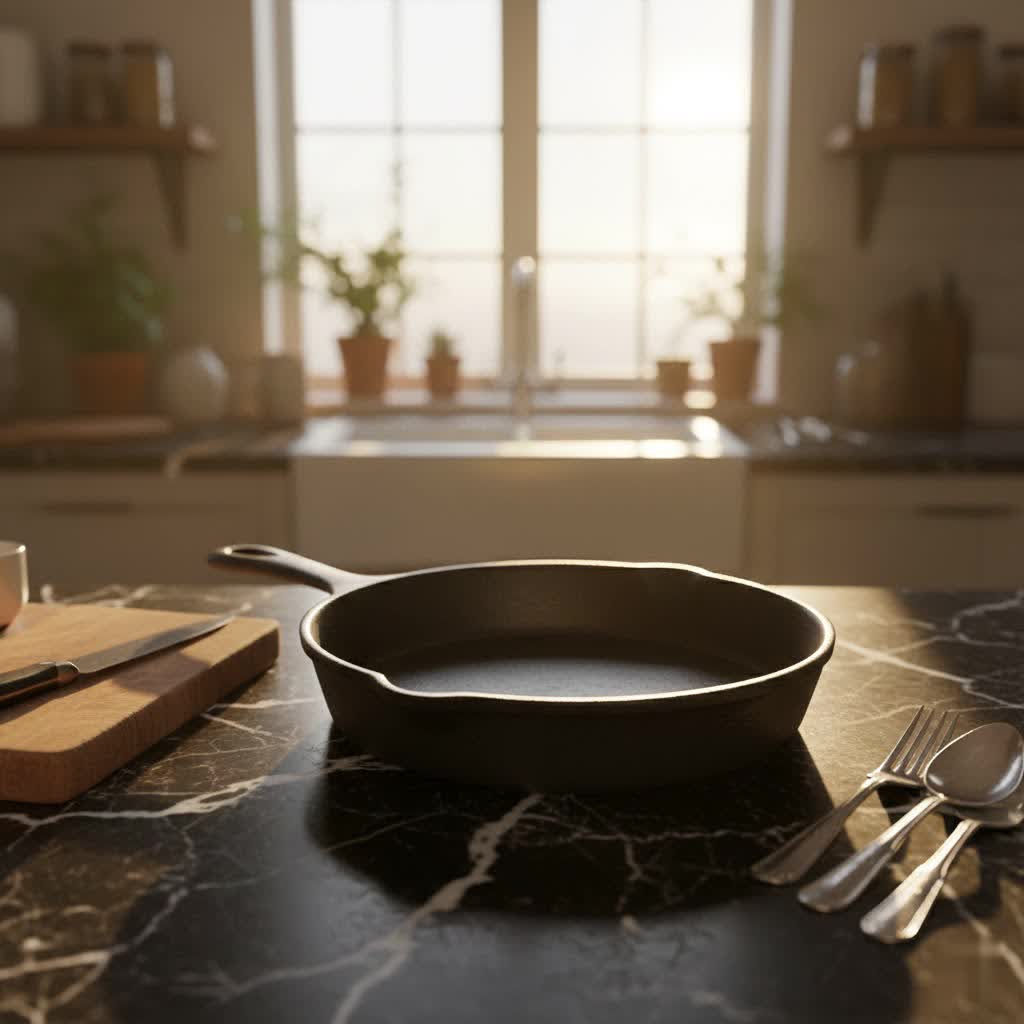
An iron skillet, commonly known as a cast iron skillet, is a heavy-duty frying pan made from cast iron. This material is an alloy of iron and carbon, poured into a mold to create a single, seamless piece of cookware. Historically, cast iron has been used for centuries, with its origins tracing back to ancient China. Its enduring presence in kitchens worldwide is a testament to its reliability and superior cooking properties, evolving from basic utility to a cherished culinary instrument. Modern iron skillets often come pre-seasoned, meaning they have a factory-applied layer of baked-on oil that provides an initial non-stick surface and protects against rust.
Superior Advantages of Iron Skillets
Iron skillets offer a host of benefits that make them a favorite among home cooks and professional chefs alike.
- Exceptional Durability and Longevity: Built to last for generations, iron skillets are incredibly robust. With proper care, they can withstand rigorous use and even be restored from significant wear and tear, truly becoming a family heirloom.
- Unrivaled Heat Retention and Even Distribution: The dense nature of cast iron allows it to retain heat exceptionally well and distribute it evenly across the cooking surface. This eliminates hot spots, ensuring consistent cooking and perfect results for searing, frying, and baking.
- Natural Non-Stick Surface: A well-seasoned iron skillet develops a natural, chemical-free non-stick surface. This “seasoning” is a layer of polymerized oil baked onto the iron, which improves with every use, creating a slicker, more effective cooking surface over time.
- Health-Safe Cooking: Unlike some non-stick pans that can release perfluorinated compounds (PFCs) when overheated, iron skillets are chemical-free. Cooking with cast iron can also fortify your food with a small amount of dietary iron, which can be beneficial for those with iron deficiencies.
- Remarkable Versatility: Iron skillets are incredibly adaptable. They transition seamlessly from stovetop (gas, electric, induction) to oven, broiler, grill, and even over an open campfire. This versatility makes them ideal for a wide range of cooking methods, from searing meats to baking bread.
- Enhanced Flavor Development: The unique properties of a seasoned cast iron skillet contribute to richer, deeper flavors in your food. As the seasoning builds, it imparts a subtle, desirable taste that enhances many dishes, creating a unique culinary signature.
Common Types of Iron Skillets
While the core material remains cast iron, skillets come in various forms to suit different cooking needs.
- Traditional Cast Iron Skillet: This is the classic, bare cast iron pan that requires diligent seasoning and care. It’s known for its ruggedness and the ability to achieve incredibly high temperatures.
- Enameled Cast Iron Skillet: These skillets feature a vitreous enamel coating over the cast iron. They don’t require seasoning, are easier to clean, and are less reactive to acidic foods. However, they are generally more expensive and have a lower maximum heat tolerance than traditional cast iron.
- Wood-Handled Cast Iron Skillet: Some skillets come with a wooden handle for a cooler grip. While comfortable, these are not typically oven-safe due to the handle material.
- Mini Cast Iron Skillets: Perfect for individual servings, side dishes, or even baking small desserts, these compact skillets offer the same benefits in a smaller package.
Guide to Choosing the Right Iron Skillet
Selecting the perfect iron skillet involves considering several factors to match your cooking style and needs.
Size and Depth
- Determine Your Usage Needs: Consider how many people you typically cook for and the types of dishes you’ll prepare. A single person or couple might find a 6- to 8-inch skillet sufficient for eggs or small portions.
- Choose Appropriate Dimensions: A 10-inch skillet is a versatile workhorse for most families, suitable for searing two steaks or cooking a family-sized breakfast. Larger 12-inch or 15-inch skillets are excellent for entertaining, roasting whole chickens, or preparing bigger meals. Deeper skillets are better for frying or dishes with more liquid.
|
Our Picks for the Best Iron Skillet in 2026
As an Amazon Associate I earn from qualifying purchases.
|
||
| Num | Product | Action |
|---|---|---|
| 1 | Cuisinel Cast Iron Skillet with Lid - 12"-Inch Frying Pan + Glass Cover + Silicone Handle Holder - Pre-Seasoned Oven Safe Cookware - Indoor/Outdoor Use - Grill, BBQ, Fire, Stovetop. PFAS and PFOA-free |

|
| 2 | Lodge 12 Inch Pre-Seasoned Cast Iron Skillet - Dual Assist Handles - Use in the Oven, on the Stove, on the Grill, or Over a Campfire - Black |
|
| 3 | Lodge Pre-Seasoned Cast Iron Skillet Set - Set Includes 8 Inch Skillet, 10.25 Inch Skillet, and 12 inch Skillet - 3 Piece |
|
| 4 | Stargazer 10.5-Inch Cast Iron Skillet - Made in USA, Seasoned, Premium Frying Pan for Grilling, Searing, Baking & More – Durable Cast Iron with Smooth Cooking Surface |
|
| 5 | Utopia Kitchen Cast Iron Skillets 12 Inch, Chef's Pan, Pre-Seasoned Frying Pan, Stovetop, Oven, Campfire and Grill Large Skillet, Even Heat Distribution Multipurpose Cast Iron Pan - Black |
|
| 6 | Cuisinel Cast Iron Skillet with Lid - 12"-inch Pre-Seasoned Covered Frying Pan Set + Silicone Handle & Lid Holders + Scraper/Cleaner - Indoor/Outdoor, Oven, Stovetop, Camping Fire, Grill Safe Cookware |
|
| 7 | Lodge 10.25 Inch Cast Iron Skillet – Pre-Seasoned Frying Pan with Teardrop Handle – Oven, Stovetop, Grill & Campfire Use – Made in USA – Durable, Non-Toxic, Even-Heating Cookware – Black |
|
| 8 | EWFEN Cast Iron Skillet 3-Piece Set, Heavy-Duty Professional Restaurant Chef Quality Pre-Seasoned Pan Cookware Set, 6", 8", 10" Pans For Frying, Saute, Cooking, Use Indoor/Outdoor, Oven, Grill |
|
| 9 | Lodge 12 Inch Cast Iron Skillet with Red Silicone Hot Handle Holder – Pre-Seasoned Frying Pan for Stove, Oven, Grill & Campfire – Made in the USA – Durable, Nonstick Cast Iron Cookware – Black |
|
| 10 | Mercer Culinary Pre-Seasoned Cast Iron Skillet, 10.25-Inch |
|
Weight
- Consider Your Comfort: Cast iron is inherently heavy. While this contributes to its heat retention, it can be challenging for some to maneuver, especially when full. Test the weight to ensure you’re comfortable lifting and moving the pan, particularly from stovetop to oven.
- Balance Strength and Ease of Use: Some newer brands offer lighter-weight cast iron options, which can heat up faster. However, traditional heavy skillets often excel at heat retention.
Material and Coating
- Traditional vs. Enameled: Decide between the classic, bare cast iron that requires seasoning and develops a robust non-stick surface, or the enameled version that is easier to clean, non-reactive to acidic foods, and maintenance-free from a seasoning perspective.
- Quality Check: For bare cast iron, look for a smooth finish (though some popular brands have a slightly rougher texture that still performs well). For enameled, ensure the coating is even, without chips or cracks, as damage can compromise its protective layer.
Handle
- Prioritize Safety and Ergonomics: Choose a skillet with a sturdy handle that feels secure in your hand. Consider if it needs a helper handle for easier lifting, especially on larger pans.
- Heat-Resistant Options: Metal handles are oven-safe but require oven mitts or silicone covers. Wood handles offer a cooler grip but limit oven use.
Brand and Price
- Research Reputable Brands: Investigate established brands known for their quality and durability. While some high-end brands come with a hefty price tag, many affordable options offer excellent performance.
- Compare Value: A cast iron skillet is a long-term investment. Consider the balance between initial cost and expected lifespan. Often, a mid-range skillet from a respected brand will provide decades of reliable service.
Comparing Popular Iron Skillet Brands
The market offers a range of excellent iron skillet brands, each with its unique characteristics.
| Brand | Quality & Durability | Price Range | Special Features |
|---|---|---|---|
| Lodge | Excellent, very durable | Affordable | Often pre-seasoned, workhorse, widely available |
| Le Creuset | Premium, highly durable | High | Enameled cast iron, vibrant colors, no seasoning |
| Staub | Premium, highly durable | High | Enameled cast iron, self-basting lids (for Dutch ovens), excellent heat retention |
| Field Company | High, smooth finish | Mid-to-high | Lighter weight, polished surface, heirloom quality |
| Finex | Premium, robust | High | Polished finish, octagonal shape, coiled handles |
| Lancaster | High, smooth finish | Mid-to-high | Lighter weight, fast heating, ergonomic design |
| Victoria | Very Good, durable | Affordable-Mid | Pre-seasoned, often with longer handles and pour spouts |
Detailed Comparison Table of Iron Skillet Models
Here’s a generalized comparison of various iron skillet types, highlighting their common attributes rather than specific product models.
| Feature | Traditional Cast Iron Skillet | Enameled Cast Iron Skillet | Lightweight Cast Iron Skillet |
|---|---|---|---|
| Seasoning | Required & improves over time | Not required | Required & improves over time |
| Weight | Heavy | Very heavy | Moderate |
| Heat Retention | Excellent | Excellent | Very good |
| Heat Distribution | Excellent | Excellent | Excellent |
| Acidic Foods | Avoid prolonged cooking | Safe for acidic foods | Avoid prolonged cooking |
| Cleaning | Hand wash, dry, oil | Easy, soap & water safe | Hand wash, dry, oil |
| Oven Safe | Yes (high temps) | Yes (up to 500°F typically) | Yes (high temps) |
| Price | Affordable – Mid | High | Mid – High |
| Durability | Extremely high, can restore | High, but can chip/crack | High, durable |
How to Use and Care for Your Iron Skillet Properly
Proper use and care are crucial for maintaining your iron skillet’s performance and ensuring its longevity.
Seasoning the Iron Skillet
Seasoning is the foundation of a great iron skillet. It creates a natural non-stick surface and protects against rust.
- Initial Seasoning for New Skillets: While many modern skillets come pre-seasoned, adding a few extra layers can significantly enhance their performance. Wash the skillet with warm, soapy water (yes, it’s okay for new or fully stripped pans!), dry it thoroughly, then apply a very thin, even layer of neutral cooking oil (like flaxseed, grapeseed, or vegetable oil) over the entire surface, inside and out. Wipe off all excess oil until the pan looks almost dry. Bake the skillet upside down in an oven at 350-400°F (175-200°C) for one hour, with foil on a rack below to catch any drips. Let it cool completely in the oven. Repeat this process 3-5 times for a robust initial seasoning.
- Restoring or Re-seasoning: If your seasoning becomes patchy, food starts to stick, or rust appears, it’s time to re-season. Clean the pan thoroughly (using steel wool for rust), dry completely, then follow the same oiling and baking steps as above. Consistent cooking, especially with fats, will also naturally build up seasoning over time.
Cleaning the Iron Skillet
Cleaning your iron skillet after each use is essential, but it requires a specific approach.
- After Each Use: Hand-wash your skillet immediately after cooking while it’s still warm (but cool enough to handle). Use hot water and a stiff-bristle brush or a pan scraper to remove food residue. For stubborn bits, you can use coarse kosher salt as an abrasive.
- Soap Debate: Modern dish soaps are generally mild enough not to strip a well-established seasoning, so a small amount of mild soap is acceptable for daily cleaning. However, some purists prefer to avoid soap entirely.
- What to Avoid: Never put your cast iron skillet in the dishwasher, as the harsh detergents and intense heat will strip the seasoning and cause rust. Do not let your skillet soak in water for extended periods. Avoid abrasive scrubbers like steel wool unless you are intentionally stripping the seasoning to re-season.
Storing the Iron Skillet
Proper storage prevents rust and keeps your skillet ready for its next use.
- Dry Thoroughly: After cleaning, ensure the skillet is completely dry. You can place it on the stovetop over low heat for a few minutes to evaporate any residual moisture.
- Apply a Thin Oil Layer: Once dry and cool, wipe the entire surface with a very thin layer of cooking oil. This acts as a protective barrier against moisture.
- Prevent Scratches: Store your skillet in a dry place. If stacking with other pans, place a paper towel or a pan protector between them to prevent scratching the seasoning.
Tips for Better Cooking with Iron Skillets
Unlock the full potential of your iron skillet with these expert tips.
- Preheat Thoroughly: Cast iron needs time to heat up evenly. Place it on the stovetop over medium heat for 5-10 minutes before adding oil or food. This ensures consistent cooking and prevents sticking.
- Use the Right Temperature: Due to its excellent heat retention, you often don’t need to cook on high heat. Medium-high is usually sufficient for searing, while medium to low heat is perfect for simmering and baking.
- Avoid Overcrowding: Cooking too much food at once can lower the pan’s temperature, leading to steaming instead of searing. Cook in batches if necessary.
- Mind Acidic Foods: For traditional (bare) cast iron, avoid cooking highly acidic foods like tomato sauces or citrus juices for extended periods, as they can strip the seasoning and potentially impart a metallic taste. Enameled cast iron is safe for acidic ingredients.
- Choose Appropriate Utensils: Use wood, silicone, or heat-resistant plastic utensils to avoid scratching the seasoning. Metal utensils are generally okay on very well-seasoned or enameled pans but use with caution.
Delicious Dishes to Cook in an Iron Skillet
The versatility of an iron skillet means you can prepare an astonishing array of dishes.
- Perfectly Seared Steaks: Achieve a beautiful crust and juicy interior.
- Crispy Fried Chicken: The even heat creates a golden, crunchy coating.
- Golden Cornbread: A staple for skillet baking, yielding a wonderfully crisp crust.
- One-Pan Dinners: From roasted chicken and vegetables to sausage and potatoes.
- Skillet Pizzas: Creates a delightfully crispy bottom crust.
- Breakfast Favorites: Fluffy pancakes, crispy bacon, and perfectly fried eggs.
- Baked Desserts: Skillet cookies, fruit crumbles, and even upside-down cakes.
Where to Buy Trustworthy Iron Skillets?
Finding a reliable iron skillet is easier than ever.
- Specialty Home Goods Stores: These stores often carry a good selection of quality brands, allowing you to feel the weight and inspect the finish in person.
- Large Retailers and Department Stores: Many major retailers stock popular and affordable brands like Lodge.
- Online Marketplaces: Websites like Amazon, Williams Sonoma, and the brands’ direct websites offer the widest selection, often with customer reviews that can guide your purchase. Look for official brand stores to ensure authenticity.
Buying Guide
Choosing an iron skillet is an investment in your culinary journey. Focus on these key elements:
- Understand Your Needs: How often will you use it? What will you cook? How many people?
- Traditional vs. Enameled: Decide if you prefer the hands-on seasoning of traditional iron or the lower maintenance of enameled.
- Size Matters: A 10- or 12-inch skillet is a great starting point for most households.
- Weight and Comfort: Ensure you can comfortably handle the pan.
- Quality Brands: Stick to reputable manufacturers like Lodge, Field Company, or Le Creuset for reliability.
- Budget: Excellent skillets are available across all price points, so find one that fits yours.
“An iron skillet isn’t just cookware; it’s a living tool that improves with every meal, connecting you to generations of culinary tradition.” – Chef Elena Rodriguez, Cast Iron Expert at Sizzling Kitchens
Conclusion
The seasoned iron skillet is a testament to timeless craftsmanship and unparalleled cooking performance. Its ability to retain and distribute heat, develop a natural non-stick surface, and offer incredible versatility makes it an indispensable tool in any kitchen. By understanding its unique advantages, choosing the right type and size, and committing to proper seasoning and care, you can ensure your iron skillet serves you faithfully for decades. Embrace the ritual of cast iron cooking, and you’ll discover a world of richer flavors and unforgettable meals.
What’s the first dish you’re excited to master in your new or newly-rejuvenated iron skillet?
Frequently Asked Questions
Can I use soap to clean my seasoned iron skillet?
Yes, most modern mild dish soaps are now safe for cleaning seasoned cast iron. The common misconception that soap strips seasoning comes from older lye-based soaps that were harsh. Always dry your skillet immediately and thoroughly after washing, then apply a thin layer of oil to maintain the seasoning and prevent rust.
How often should I season my cast iron skillet?
For optimal performance, aim to season your cast iron skillet after every few uses, or whenever you notice food starting to stick or the surface appears dull and dry. Regular cooking with fats and oils also contributes to building and maintaining a strong seasoning layer over time.
