Are you tired of non-stick pans that promise convenience but quickly degrade, leaving you with chipped coatings and health concerns? For over a decade, I’ve immersed myself in the world of cast iron, and I can tell you firsthand that the true magic lies in a well-loved, perfectly seasoned iron skillet. While it doesn’t come with a factory-applied synthetic coating, a properly cared-for cast iron pan develops a remarkable, natural non-stick surface that improves with every delicious meal you create. It’s a kitchen workhorse, an heirloom, and a testament to timeless cooking. Let’s unlock the secrets to achieving and maintaining that coveted non-stick performance with your cast iron skillet.
What Exactly is a Non-Stick Cast Iron Skillet?
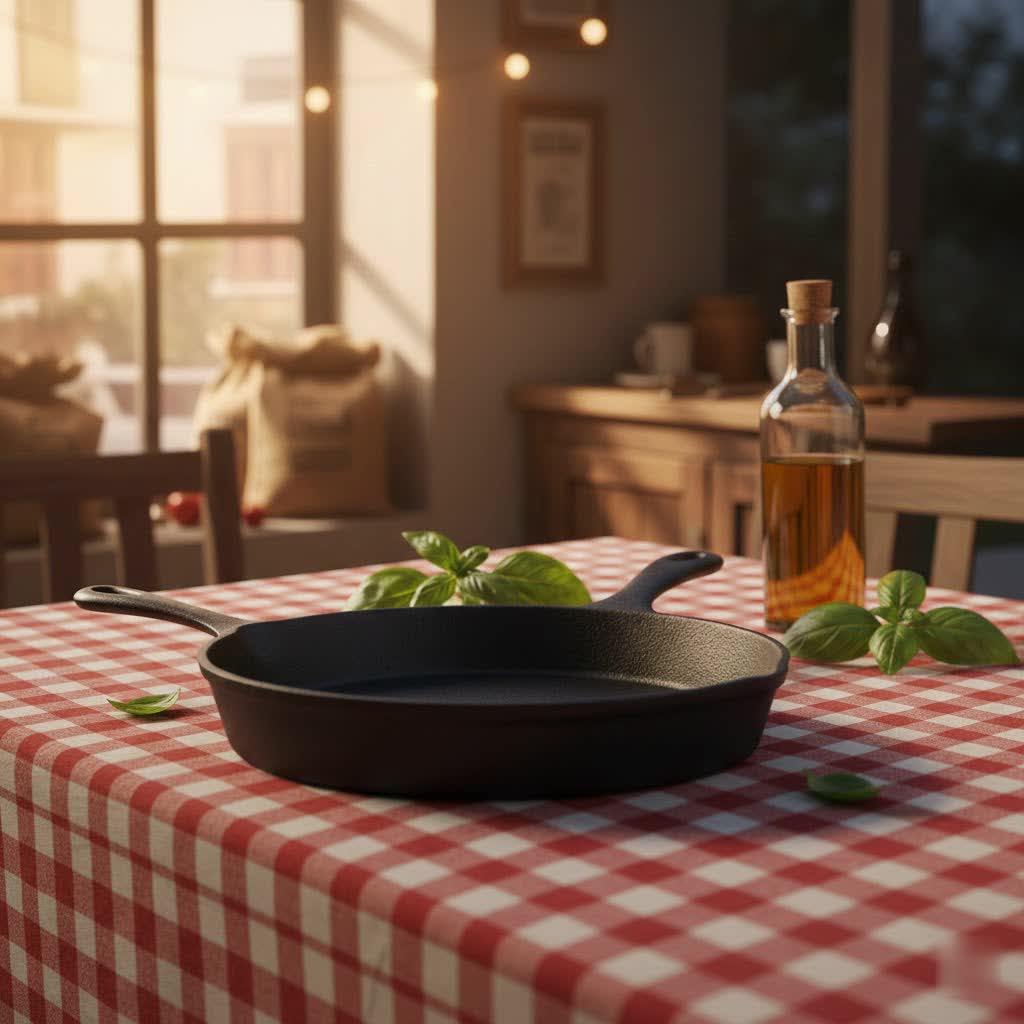
When we talk about a “non-stick cast iron skillet,” it’s important to clarify that this isn’t a pan coated with synthetic materials like PTFE (Teflon). Instead, the non-stick quality of cast iron comes from a natural, polymerized layer called “seasoning.” This seasoning isn’t merely a layer of oil; it’s a thin, hardened, plastic-like substance that has chemically bonded to the surface of the metal through a process of applying oil and then baking it at high temperatures. This creates a protective coating that not only prevents rust but also provides a naturally easy-release cooking surface that actually gets better with consistent use and proper care.
The science behind this transformation is called polymerization. When specific cooking oils (those with high smoke points) are heated past their smoke point in contact with the iron, they break down and rearrange their molecular structure, forming a durable, slick, and non-porous layer. This layer fills the microscopic pores in the cast iron, creating a smoother surface where food is less likely to cling. While vintage cast iron pans were often polished to a satiny smooth finish, modern cast iron typically retains a pebbly texture from the sand-casting process. Regardless of the initial texture, proper seasoning is the key to developing an effective non-stick surface.
Unrivaled Advantages of Non-Stick Cast Iron
Choosing a non-stick cast iron skillet offers a multitude of benefits that far outweigh the initial learning curve, making it a favorite among experienced cooks.
Exceptional Durability and Lifespan
|
Our Picks for the Best Iron Skillet in 2026
As an Amazon Associate I earn from qualifying purchases.
|
||
| Num | Product | Action |
|---|---|---|
| 1 | Lodge 12 Inch Cast Iron Skillet with Red Silicone Hot Handle Holder – Pre-Seasoned Frying Pan for Stove, Oven, Grill & Campfire – Made in the USA – Durable, Nonstick Cast Iron Cookware – Black |

|
| 2 | Cuisinel Cast Iron Skillet with Lid - 12"-Inch Frying Pan + Glass Cover + Silicone Handle Holder - Pre-Seasoned Oven Safe Cookware - Indoor/Outdoor Use - Grill, BBQ, Fire, Stovetop. PFAS and PFOA-free |
|
| 3 | EWFEN Cast Iron Skillet 3-Piece Set, Heavy-Duty Professional Restaurant Chef Quality Pre-Seasoned Pan Cookware Set, 6", 8", 10" Pans For Frying, Saute, Cooking, Use Indoor/Outdoor, Oven, Grill |
|
| 4 | Utopia Kitchen Cast Iron Skillets 12 Inch, Chef's Pan, Pre-Seasoned Frying Pan, Stovetop, Oven, Campfire and Grill Large Skillet, Even Heat Distribution Multipurpose Cast Iron Pan - Black |
|
| 5 | Lodge 12 Inch Pre-Seasoned Cast Iron Skillet - Dual Assist Handles - Use in the Oven, on the Stove, on the Grill, or Over a Campfire - Black |
|
| 6 | Stargazer 10.5-Inch Cast Iron Skillet - Made in USA, Seasoned, Premium Frying Pan for Grilling, Searing, Baking & More – Durable Cast Iron with Smooth Cooking Surface |
|
| 7 | Lodge 10.25 Inch Cast Iron Skillet – Pre-Seasoned Frying Pan with Teardrop Handle – Oven, Stovetop, Grill & Campfire Use – Made in USA – Durable, Non-Toxic, Even-Heating Cookware – Black |
|
| 8 | Cuisinel Cast Iron Skillet with Lid - 12"-inch Pre-Seasoned Covered Frying Pan Set + Silicone Handle & Lid Holders + Scraper/Cleaner - Indoor/Outdoor, Oven, Stovetop, Camping Fire, Grill Safe Cookware |
|
| 9 | Lodge Pre-Seasoned Cast Iron Skillet Set - Set Includes 8 Inch Skillet, 10.25 Inch Skillet, and 12 inch Skillet - 3 Piece |
|
| 10 | Mercer Culinary Pre-Seasoned Cast Iron Skillet, 10.25-Inch |
|
Unlike synthetic non-stick pans that have a limited lifespan and often end up in landfills, a quality cast iron skillet is built to last for generations. Its solid iron construction makes it virtually indestructible, resistant to scratches, dents, and warping. With proper care, your cast iron skillet can be a cherished family heirloom, constantly improving its performance over time.
Superior Heat Retention and Even Distribution
Cast iron excels at retaining and distributing heat evenly across its surface. Once heated, it maintains a consistent temperature, which is crucial for achieving perfect sears on meats, crispy crusts on baked goods, and thorough cooking without hot spots. This impressive thermal mass ensures your food cooks uniformly and deliciously.
Health Benefits: Chemical-Free Cooking
One of the most significant advantages of a naturally non-stick cast iron skillet is the absence of potentially harmful chemicals. Traditional non-stick coatings, when overheated or scratched, can release fumes or flake into food. Cast iron, relying on polymerized oil for its non-stick properties, offers a pure, single material cooking surface that poses no risk of chemical exposure, promoting healthier cooking.
Natural, Improving Non-Stick Surface
The non-stick quality of cast iron isn’t static; it evolves and improves. Every time you cook with fats and oils, especially during high-heat cooking, you contribute to building up and reinforcing the seasoning layer. This dynamic, natural non-stick surface becomes more robust and effective with consistent use, surpassing the temporary convenience of synthetic coatings.
Unmatched Versatility for Every Dish
A cast iron skillet is an incredibly versatile piece of cookware. It transitions seamlessly from stovetop to oven, and can even be used on grills or over campfires. From searing steaks and frying eggs to baking cornbread, roasting vegetables, or simmering sauces, a cast iron skillet handles a vast array of cooking tasks, making it an indispensable tool in any kitchen.
Exploring the Types of Cast Iron Skillets
When considering a non-stick cast iron skillet, you’ll primarily encounter two main categories, each with distinct characteristics regarding their non-stick properties and maintenance.
Traditional (Uncoated) Cast Iron
This is the classic cast iron skillet, often recognized by its dark, matte black finish. Its non-stick capabilities are entirely dependent on the seasoning layer that you build and maintain. Most traditional cast iron comes “pre-seasoned” from the factory, meaning it’s ready for initial use, but its non-stick performance will significantly improve with additional seasoning and regular cooking. These skillets are incredibly durable and offer the full benefits of cast iron’s heat retention and versatility. However, they require consistent care, including re-seasoning, and some caution with acidic foods, especially when the seasoning is new or weak.
Enameled Cast Iron Skillets
Enameled cast iron skillets feature a vitreous enamel coating, typically on both the interior and exterior. This glass-like layer is inherently non-stick, though not as slick as a freshly seasoned bare cast iron for certain tasks like frying eggs. The enamel negates the need for seasoning, making these pans easier to clean and maintain, and they are generally dishwasher-safe. A major advantage of enameled cast iron is its ability to handle acidic foods (like tomato sauces or wine reductions) without reacting with the iron or stripping the seasoning, which can be an issue with traditional cast iron. Brands like Le Creuset are renowned for their high-quality enameled cast iron. While offering similar heat retention to traditional cast iron, they can be heavier and often come with a higher price tag.
How to Choose Your Perfect Non-Stick Cast Iron Skillet
Selecting the right non-stick cast iron skillet involves considering your cooking habits, preferences, and budget. Here’s a guide to help you make an informed decision.
Size and Depth: Matching Your Culinary Needs
The size and depth of your skillet should align with the type and quantity of food you typically cook.
- Small Skillets (6-8 inches): Ideal for single servings, frying an egg, or toasting nuts.
- Medium Skillets (10-12 inches): The most versatile size, perfect for everyday cooking, searing steaks, frying chicken, or baking cornbread for a small family.
- Large Skillets (12+ inches): Best for cooking for larger families, entertaining guests, or preparing bigger cuts of meat. Deeper skillets are excellent for frying, stewing, or baking layered dishes.
Weight: Balancing Durability and Handling
Cast iron is known for its heft, which contributes to its durability and heat retention. However, extremely heavy pans can be challenging to maneuver, especially when full.
- Traditional Cast Iron: Tends to be heavy. Consider if you can comfortably lift and move it, especially if it’s a larger size. Brands like Lodge Blacklock and Field Company offer lighter-weight options without compromising performance.
- Enameled Cast Iron: Often even heavier due to the additional enamel coating.
Choose a weight that feels manageable for your strength, especially if you plan to transfer the pan from stovetop to oven frequently.
Surface and Coating: The Smoothness Factor
The surface of the cast iron plays a role in its non-stick potential.
- Pre-seasoned Traditional Cast Iron: Most new pans come pre-seasoned, which means they have an initial layer of polymerized oil. While ready to use, additional seasoning will significantly improve their non-stick performance. Brands like Lodge are well-regarded for their pre-seasoned offerings.
- Polished/Smoother Surfaces: Some newer, premium brands (e.g., Smithey Ironware, Stargazer, Finex) polish their cast iron to a smoother finish, which some cooks find makes seasoning easier to build and results in a more naturally non-stick surface from the outset.
- Enameled Coatings: As discussed, these pans have a non-stick enamel layer that doesn’t require seasoning. Check the quality of the enamel for evenness and durability.
Handles: Ergonomics and Safety
The design and material of the handle can greatly impact usability and safety.
- Integrated Cast Iron Handles: Most traditional skillets have a handle cast from the same piece of iron. These get hot, so always use oven mitts or a silicone handle cover. Look for a comfortable grip and a helper handle (a small loop opposite the main handle) on larger pans for easier lifting.
- Wooden Handles: Some skillets feature wooden handles, which stay cool to the touch but often limit oven use due to the wood’s heat tolerance.
- Ergonomic Designs: Look for handles with a good curve or thumb imprint for a secure grip.
Brand Reputation and Price: Investing Wisely
Investing in a reputable brand often means better quality and longevity.
- Established Brands: Lodge is a classic, affordable choice known for its durability and reliable performance. Le Creuset and Staub are top-tier for enameled cast iron.
- Boutique Brands: Field Company, Smithey Ironware, Finex, and Stargazer offer premium, often lighter-weight or smoother-surface options, typically at a higher price point.
- Budget vs. Investment: While you can find inexpensive cast iron, consider it a long-term investment. A well-maintained skillet will last a lifetime, so a slightly higher initial cost for better quality or specific features can be worthwhile.
A Head-to-Head: Popular Cast Iron Skillet Brands
Navigating the world of cast iron can be overwhelming with numerous brands vying for your attention. Here’s a comparative overview of some leading names, focusing on aspects relevant to their non-stick performance and overall value.
| Brand | Quality & Reputation | Durability | Non-Stick Performance (Initial/Developed) | Price Range | Special Features |
|---|---|---|---|---|---|
| Lodge | Excellent, industry standard, American-made | Extremely high | Good (pre-seasoned), improves significantly with user seasoning and use | Affordable | Workhorse, pre-seasoned, accessible, Blacklock series is lighter & “super nonstick” |
| Le Creuset | Premium, French heritage, enameled cast iron | Very high | Excellent (enameled, no seasoning needed), resistant to acidic foods | High | Beautiful colors, superior heat distribution, dishwasher-safe, iconic design |
| Staub | Premium, French, enameled cast iron | Very high | Excellent (enameled, no seasoning needed), resistant to acidic foods | High | Self-basting lids, excellent heat retention, stylish designs |
| Field Company | High-end, American-made, smooth finish | Very high | Very good (smooth surface makes seasoning easier to build and more effective) | Mid-High | Lighter weight, vintage-inspired smooth cooking surface |
| Smithey Ironware | Premium, artisan, American-made | Very high | Exceptional (expertly polished for satin-smooth, builds natural seasoning beautifully) | High | Hand-finished, polished surface, elegant design, ideal for collectors |
| Finex | Premium, unique design, American-made | Very high | Very good (machined smooth surface, rapid seasoning buildup) | High | Octagonal shape, polished surface, coiled stainless steel handle (stays cooler) |
| Stargazer | High-end, American-made, smooth finish | Very high | Excellent (smooth surface, non-stick out of the box with proper seasoning) | Mid-High | Smooth polished finish, sloped sides for easy flipping, ergonomic handle |
Detailed Comparison of Cast Iron Skillet Models
Beyond brands, specific models offer unique features. Here’s a look at some popular options, highlighting their non-stick related attributes.
| Model | Size (Diameter) | Weight (approx.) | Material/Coating | Price (approx.) | Pros | Cons |
|---|---|---|---|---|---|---|
| Lodge 10.25-inch Seasoned Skillet | 10.25 inches | 5.4 lbs | Traditional, pre-seasoned | $25 | Affordable, durable, pre-seasoned (ready to use), builds excellent non-stick over time. | Can be heavy, surface can feel rougher initially, needs regular user seasoning. |
| Lodge Blacklock Triple-Seasoned Skillet | 10.25 inches | 4.6 lbs | Traditional, triple-seasoned | $60 | Lighter weight, “super nonstick” (triple-seasoned), faster heating, ergonomic handle. | Higher price than classic Lodge, still needs care. |
| Le Creuset Enameled Cast Iron Skillet | 11.75 inches | 7 lbs | Enameled | $230 | No seasoning needed, handles acidic foods, beautiful, durable enamel, easy to clean. | Heavy, expensive, enamel can chip if dropped, not as “slippery” as well-seasoned bare iron. |
| Stargazer Cast Iron Skillet | 10.5 inches | 5.2 lbs | Traditional, polished surface | $155 | Very smooth cooking surface, excellent natural non-stick potential, good heat retention, ergonomic. | More expensive than Lodge, can be heavy. |
| Smithey Ironware No. 10 Cast Iron Skillet | 10 inches | 6.5 lbs | Traditional, hand-polished | $200 | Exquisitely smooth surface, builds incredible seasoning, artisan quality, stunning aesthetics. | Very expensive, heavier, requires meticulous care for the price point. |
| Field Company No. 8 Cast Iron Skillet | 10.25 inches | 4.5 lbs | Traditional, smooth-machined | $165 | Very lightweight for cast iron, smooth cooking surface, excellent heat conductivity, quick seasoning. | Expensive, handles can get hot quickly. |
Mastering the Art of Non-Stick Cast Iron: Usage and Care
The true potential of a non-stick cast iron skillet is unlocked through proper usage and diligent care, especially when it comes to seasoning.
The Cornerstone: Seasoning Your Cast Iron
Seasoning is the magical process that transforms a bare iron pan into a naturally non-stick powerhouse.
-
Initial Seasoning for New Skillets: Most modern cast iron comes pre-seasoned, meaning it has an initial layer of polymerized oil and is ready to use. However, for optimal non-stick performance, it’s highly recommended to add several more layers of seasoning.
- Clean and Dry: Wash your new or newly stripped pan with hot, soapy water and a stiff brush (yes, soap is okay this one time!). Dry it completely to prevent rust.
- Apply a Thin Oil Layer: Using a lint-free cloth or paper towel, apply a very thin, even layer of high smoke point oil (like vegetable oil, canola oil, flaxseed oil, lard, or shortening) to the entire surface of the pan, inside and out. The key is thin – wipe off any excess as if trying to remove it all. Too much oil will result in a sticky, uneven finish.
- Bake: Preheat your oven to 400-500°F (200-260°C). Place the skillet upside down on the middle rack (you can place aluminum foil on the rack below to catch any drips). Bake for 1 hour.
- Cool Down: Turn off the oven and let the pan cool completely inside the oven. This helps the seasoning bond.
- Repeat: Repeat the oiling and baking process 3-4 times, or even more, to build up a robust, glossy, non-stick surface.
-
Restoring a Damaged Seasoning: If your pan becomes dull, rusty, or food starts sticking consistently, it’s time to re-season. Follow the steps above, focusing on building multiple layers. For rust, you might need to scrub it off thoroughly first using steel wool or a baking soda paste.
-
Best Oils for Seasoning:
- High Smoke Point Vegetable Oils: Canola, grapeseed, sunflower, vegetable oil are popular, affordable choices.
- Lard/Tallow/Coconut Oil: Offer excellent results and a hard finish.
- Flaxseed Oil: Often cited for creating a very hard, durable seasoning, though it can be more expensive and sometimes prone to flaking if applied too thickly.
Cleaning Your Cast Iron (Without Ruining the Non-Stick)
One of the biggest myths about cast iron is that you can never use soap. This is largely outdated advice.
- Daily Cleaning Practices: After cooking, while the pan is still warm, scrape out any food bits with a stiff brush, plastic scraper, or even a metal spatula (for well-seasoned pans). Rinse with hot water. For stubborn bits, you can use a small amount of mild dish soap – it won’t strip polymerized seasoning.
- Myths About Soap Debunked: Modern dish soaps are less harsh than lye-based soaps of the past. A properly polymerized seasoning is a chemically bonded layer, not just a greasy film, and is not significantly affected by mild soap.
- What to Avoid:
- Harsh Abrasives (unless stripping): Avoid steel wool or abrasive cleaners for daily cleaning, as they can scratch off seasoning.
- Dishwashers: Never put cast iron in a dishwasher, as the harsh detergents and prolonged moisture will strip the seasoning and cause rust.
- Soaking: Do not let cast iron soak in water, as this will lead to rust.
Long-Term Care and Storage: Preventing Rust and Maintaining Seasoning
After cleaning, always dry your cast iron thoroughly. You can do this by hand with a towel or by placing it on a stovetop over low heat for a few minutes until completely dry. While still warm, apply a very thin coat of cooking oil to the entire pan, inside and out, using a paper towel. This thin layer protects against rust and continues to build the seasoning. Store your cast iron in a dry place. If stacking, place a paper towel or cloth between pans to prevent scratches and absorb any residual moisture.
Elevate Your Cooking with Non-Stick Cast Iron Tips
Using your non-stick cast iron effectively involves a few key techniques that will enhance your cooking experience and the longevity of your pan.
Achieving the Right Temperature
Cast iron retains heat exceptionally well, so proper preheating is crucial.
- Preheat Gradually: Place your empty cast iron skillet over low to medium heat for 5-10 minutes. This allows the pan to heat evenly across its entire surface, preventing hot spots and ensuring a truly non-stick experience.
- Test the Heat: A good test is to flick a few drops of water into the pan; they should sizzle and evaporate immediately. Alternatively, a thermal gun can confirm the surface temperature. Avoid adding food to a cold or insufficiently preheated pan, as this is a common cause of sticking.
The Role of Cooking Fats
Even with a beautifully seasoned pan, a small amount of cooking fat is usually beneficial for truly non-stick results.
- Add Fat After Preheating: Once your pan is properly preheated, add your cooking oil or fat (butter, ghee, lard, vegetable oil). Allow the fat to heat up for a minute or two until it shimmers slightly or just before it smokes. This creates an additional barrier between the food and the pan.
- Choose Wisely: Different fats have different smoke points and flavors. Match your fat to your cooking needs.
Patience is a Virtue: Allowing Food to Release
Food sticking is often a result of impatience.
- Don’t Force It: When searing or frying, allow the food to cook undisturbed for a few minutes. As the surface of the food caramelizes and forms a crust, it will naturally release from the pan. Trying to move it too soon will cause it to tear and stick.
- Listen to Your Food: You’ll often hear a distinct change in sizzling or feel less resistance when the food is ready to be flipped.
Navigating Acidic Foods
Acidic ingredients can react with and strip the seasoning on traditional cast iron, especially if the seasoning is new or weak.
- Avoid in New Pans: For newly seasoned or less robustly seasoned pans, it’s best to avoid cooking highly acidic dishes like tomato sauces, lemon curds, or vinegar-based braises for extended periods.
- Well-Seasoned Exception: A very well-established, thick layer of seasoning can often withstand occasional exposure to acidic foods without significant damage.
- Enameled Solution: If you frequently cook acidic dishes, an enameled cast iron skillet is an excellent alternative, as its enamel coating is impervious to acid.
Delicious Dishes Perfect for Your Non-Stick Cast Iron
Your non-stick cast iron skillet is a culinary canvas, ready to transform everyday ingredients into extraordinary meals.
- Searing Steaks to Perfection: The superior heat retention creates an unparalleled crust, locking in juices for a tender, flavorful steak. From ribeyes to filet mignon, cast iron delivers steakhouse quality every time.
- Fluffy Pancakes and Eggs: Once properly seasoned, your skillet becomes a dream for delicate foods. Achieve golden-brown pancakes that slide right off, and perfectly cooked fried or scrambled eggs with minimal sticking.
- Crispy Fried Chicken: The even heat ensures a consistently golden and crispy coating, while the deep sides allow for generous oil use for a perfect fry.
- Baked Cornbread and Desserts: From savory cornbread with a perfectly crunchy crust to fruit crumbles and skillet cookies, cast iron provides a unique texture and flavor that baking pans can’t replicate.
- Roasted Vegetables: Achieve beautifully caramelized and tender roasted vegetables, whether it’s Brussels sprouts, potatoes, or asparagus, all with minimal sticking.
Mua Chảo Gang Ở Đâu Uy Tín?
Finding a reliable source for your non-stick cast iron skillet ensures you get a quality product that will last.
- Online Retailers: Websites like Amazon, Williams Sonoma, Sur La Table, and directly from brand websites (Lodge, Field Company, Smithey Ironware, Le Creuset) offer a wide selection and often competitive pricing.
- Specialty Kitchen Stores: Local kitchenware stores provide the opportunity to see and feel the skillets in person, and knowledgeable staff can offer personalized advice.
- Department Stores: Many larger department stores carry popular brands like Lodge and Le Creuset, especially in their home goods sections.
Your Ultimate Buying Guide for Non-Stick Cast Iron Skillets
Choosing a non-stick cast iron skillet is an investment in your culinary journey. Here’s a concise guide to help you make the best decision:
- Seasoning is Key: Remember, “non-stick” in cast iron means a well-developed, polymerized seasoning layer, not a synthetic coating. Prioritize pans that will season well.
- Traditional vs. Enameled: Choose traditional for ultimate durability and dynamic seasoning, or enameled for easier maintenance and acidic food compatibility.
- Surface Matters: Smoother surfaces (like those from Field, Smithey, Stargazer) can make initial seasoning and long-term non-stick performance more effortless, though classic Lodge pans season up beautifully with consistent use.
- Match to Your Needs: Consider size, weight, and handle comfort based on your cooking style and physical ability.
- Invest in Quality: While budget options exist, a reputable brand offers better longevity and performance.
“A well-seasoned cast iron skillet is more than just cookware; it’s a living tool that improves with every meal, offering a natural, chemical-free non-stick surface that synthetic pans can only dream of imitating.” – Admin, reviewfiest.com
Conclusion
The journey with a non-stick cast iron skillet is a rewarding one. It’s about embracing a cooking tradition that values durability, performance, and natural processes over temporary convenience. By understanding the science of seasoning, diligently caring for your pan, and practicing a few essential cooking techniques, you’ll develop a naturally non-stick surface that empowers you to create incredible meals for years, even generations, to come. So, are you ready to ditch the disposable and discover the enduring magic of true non-stick cast iron?
Frequently Asked Questions
Is “non-stick cast iron” truly non-stick like Teflon?
No, “non-stick cast iron” is not coated with synthetic materials like Teflon. Its non-stick properties come from a naturally formed layer of polymerized oil, called seasoning, which builds up over time with proper care and use, offering an excellent easy-release surface though not as slick as new Teflon.
How often should I season my cast iron for non-stick performance?
For new cast iron, aim for several initial seasoning layers. After that, consistent cooking with fats helps maintain it. You should re-season whenever food starts sticking persistently, if dull patches appear, or if rust forms, which could be anywhere from a few times a year to rarely, depending on usage.
Can I use soap to clean my non-stick cast iron skillet?
Yes, you can use mild dish soap on a properly seasoned cast iron skillet. The seasoning is a layer of polymerized oil that is chemically bonded to the iron, and modern mild soaps will not strip it. However, always dry your pan thoroughly immediately after washing and apply a thin coat of oil.
What are the best oils for seasoning a cast iron skillet?
Oils with high smoke points are best for seasoning. Popular choices include vegetable oil, canola oil, grapeseed oil, flaxseed oil, lard, or solid vegetable shortening. The most important factor is applying a very thin layer and baking it at a high temperature to achieve polymerization.
What if food still sticks to my seasoned cast iron?
If food is sticking, it’s usually due to insufficient seasoning, not enough cooking fat, or not preheating the pan properly. Re-season your pan, ensure you’re using adequate oil/fat for cooking, and always preheat your cast iron slowly and thoroughly before adding food. Patience, allowing food to develop a crust before moving it, also helps.
