Stepping into the world of high-end cast iron skillets is an exciting journey for any culinary enthusiast. These are not merely cooking vessels; they are crafted pieces designed for exceptional performance, durability, and a lifetime of delicious meals. If you’re passionate about cooking and seeking an investment piece that elevates your kitchen experience, a premium cast iron skillet offers unparalleled heat retention, even cooking, and the potential to become a cherished family heirloom. From perfectly seared steaks to beautifully baked cornbread, a high-end cast iron skillet transforms everyday cooking into an art form, providing consistent, professional-grade results that cheaper alternatives simply cannot match.
What is a Cast Iron Skillet?
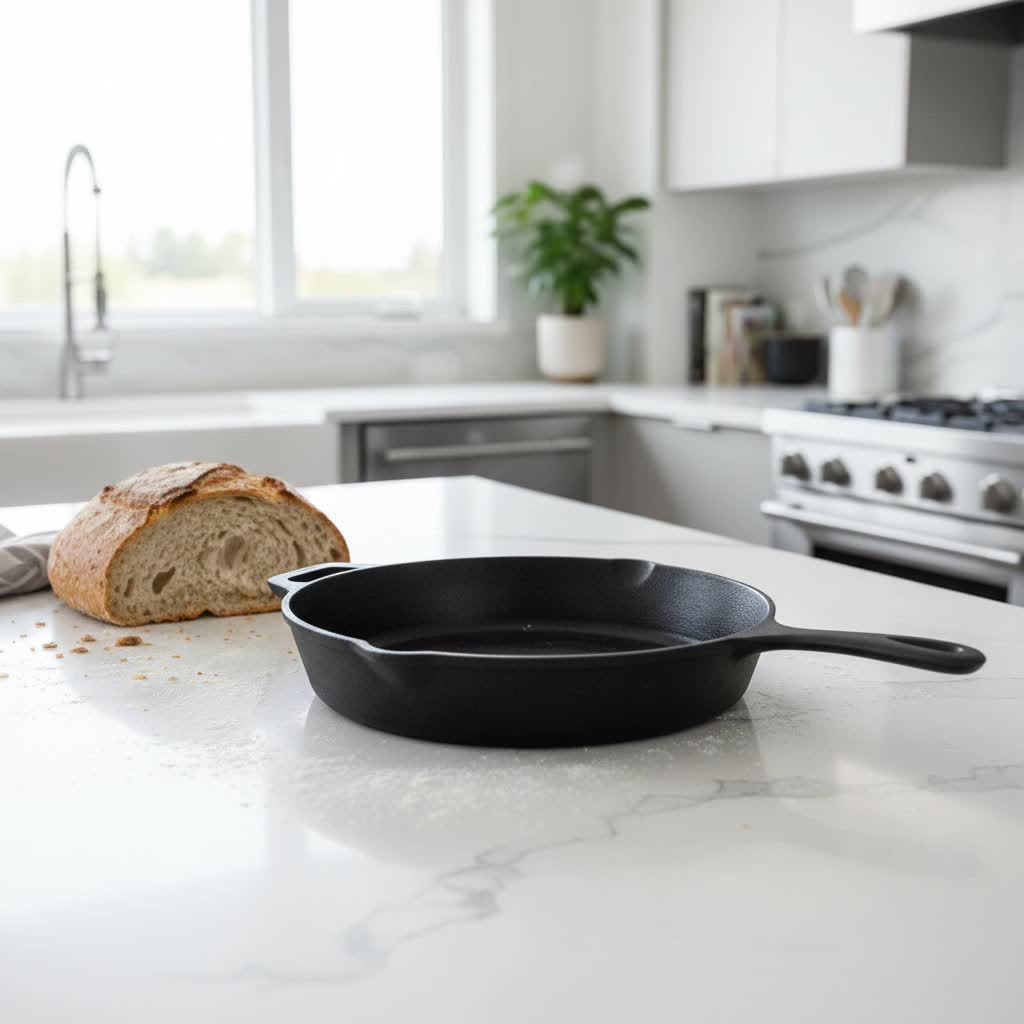
A cast iron skillet is a heavy-duty frying pan made from molten iron poured into a mold, creating a single, solid piece of cookware. This method gives the skillet its signature heft and incredible durability. While all cast iron shares fundamental properties, high-end variations distinguish themselves through superior craftsmanship, refined materials, and enhanced design features, moving beyond basic utility to offer a truly elevated cooking experience.
The history of cast iron cookware dates back centuries, with its origins rooted in practicality and necessity. From ancient China to European hearths, cast iron has been prized for its robustness and ability to withstand intense heat. Modern high-end cast iron skillets build upon this legacy, incorporating contemporary design and manufacturing techniques to refine traditional strengths, offering smoother cooking surfaces, better ergonomics, and often pre-seasoning that sets them apart.
The Superior Advantages of High-End Cast Iron Skillets
High-end cast iron skillets offer several compelling advantages that justify their premium price tag, making them a worthwhile investment for serious home cooks and professional chefs alike.
One of the most significant benefits is their exceptional durability and longevity. Crafted from robust materials with meticulous attention to detail, these skillets are built to last for generations, often becoming cherished family heirlooms. Unlike flimsier cookware, a high-end cast iron skillet can withstand rigorous use and maintain its integrity for decades.
Furthermore, high-end cast iron excels in heat retention and even heat distribution. Its dense composition ensures that heat is absorbed and spread uniformly across the cooking surface, eliminating hot spots and providing consistent results. This even heating is crucial for achieving perfect sears on meats, consistent browning, and uniform baking.
Over time, traditional cast iron skillets develop a natural, non-stick seasoning layer through repeated use and proper care. High-end skillets, especially those with finely machined or polished surfaces, tend to build a more robust and effective seasoning faster, offering a superior release for food. This natural non-stick property improves with age, reducing the need for excessive cooking oil and making cleanup easier.
These skillets are also safe for health, as they are free from the synthetic chemicals often found in conventional non-stick coatings. Cooking with cast iron can even subtly increase the iron content in food, offering a minor health benefit. High-end brands ensure their products are made with pure, high-quality iron, free from contaminants.
Finally, high-end cast iron skillets are incredibly versatile. They can be used on virtually any heat source, including gas, electric, induction, ceramic stovetops, in the oven, on the grill, and even over an open flame. This adaptability makes them ideal for a wide range of cooking techniques, from searing and frying to baking, roasting, and braising.
Popular Types of High-End Cast Iron Skillets
When exploring the premium market, you’ll primarily encounter two main categories of high-end cast iron skillets, each with distinct characteristics and advantages.
Traditional Cast Iron Skillets (Bare Cast Iron) are the classic choice, valued for their ability to develop a natural non-stick surface over time through seasoning. High-end versions often feature machined or polished cooking surfaces, which are significantly smoother than standard, rough-textured cast iron. This smoother surface not only enhances the seasoning process but also provides a superior cooking experience, allowing food to release more easily and cook more evenly. Brands like Field Company, Finex, and Smithey Ironware are renowned for their meticulously crafted, bare cast iron skillets that emphasize a refined finish and ergonomic design. These skillets require regular seasoning and proper care to maintain their non-stick properties and prevent rust, but they offer unparalleled heat performance and durability.
Enameled Cast Iron Skillets are another prominent high-end option, characterized by a durable glass enamel coating applied over the cast iron. The enamel finish eliminates the need for seasoning, makes the skillet resistant to rust, and allows for easier cleaning. It also comes in a wide array of vibrant colors, making these skillets aesthetically pleasing and suitable for serving directly from the stove to the table. Brands like Le Creuset and Staub are leaders in this category, known for their exceptional quality, vibrant palettes, and robust enamel that resists chipping and staining. Enameled cast iron is particularly excellent for acidic foods that might strip the seasoning from bare cast iron, such as tomato sauces, and they are incredibly versatile for braising, stewing, and baking. While they don’t develop a natural non-stick layer in the same way as traditional cast iron, their smooth enameled surface often provides adequate food release with proper oiling.
While less common as specific “types” in the high-end market, some premium brands might offer traditional cast iron skillets with specialized handle designs, such as ergonomic coiled steel handles for cooler touch (Finex) or specially angled handles for better balance. Mini cast iron skillets are also available from high-end brands, often as elegant individual serving dishes, maintaining the same superior quality and finish as their larger counterparts.
How to Choose the Right High-End Cast Iron Skillet
Selecting a high-end cast iron skillet requires careful consideration of several factors to ensure it meets your specific culinary needs and preferences. Investing in premium cookware means looking beyond the basic and focusing on craftsmanship, design, and performance.
Size and Depth
The size and depth of your skillet are crucial for determining its versatility in your kitchen.
- Determine your usage needs: Consider how many people you typically cook for and the types of dishes you prepare most often. A smaller 8-inch skillet might be perfect for single servings or side dishes, while a 12-inch or larger skillet is ideal for family meals, searing multiple steaks, or baking larger casseroles.
- Match size to your cooking habits: For instance, if you frequently cook for 1-2 people, an 8-inch or 10-inch high-end skillet might suffice. For larger families or entertaining, a 12-inch or even 15-inch skillet would be more appropriate. Deeper skillets are better for frying or dishes with sauces, while shallower ones are great for searing and pancakes.
|
Our Picks for the Best Iron Skillet in 2026
As an Amazon Associate I earn from qualifying purchases.
|
||
| Num | Product | Action |
|---|---|---|
| 1 | EWFEN Cast Iron Skillet 3-Piece Set, Heavy-Duty Professional Restaurant Chef Quality Pre-Seasoned Pan Cookware Set, 6", 8", 10" Pans For Frying, Saute, Cooking, Use Indoor/Outdoor, Oven, Grill |

|
| 2 | Lodge 12 Inch Pre-Seasoned Cast Iron Skillet - Dual Assist Handles - Use in the Oven, on the Stove, on the Grill, or Over a Campfire - Black |
|
| 3 | Cuisinel Cast Iron Skillet with Lid - 12"-inch Pre-Seasoned Covered Frying Pan Set + Silicone Handle & Lid Holders + Scraper/Cleaner - Indoor/Outdoor, Oven, Stovetop, Camping Fire, Grill Safe Cookware |
|
| 4 | Lodge 10.25 Inch Cast Iron Skillet – Pre-Seasoned Frying Pan with Teardrop Handle – Oven, Stovetop, Grill & Campfire Use – Made in USA – Durable, Non-Toxic, Even-Heating Cookware – Black |
|
| 5 | Cuisinel Cast Iron Skillet with Lid - 12"-Inch Frying Pan + Glass Cover + Silicone Handle Holder - Pre-Seasoned Oven Safe Cookware - Indoor/Outdoor Use - Grill, BBQ, Fire, Stovetop. PFAS and PFOA-free |
|
| 6 | Lodge Pre-Seasoned Cast Iron Skillet Set - Set Includes 8 Inch Skillet, 10.25 Inch Skillet, and 12 inch Skillet - 3 Piece |
|
| 7 | Stargazer 10.5-Inch Cast Iron Skillet - Made in USA, Seasoned, Premium Frying Pan for Grilling, Searing, Baking & More – Durable Cast Iron with Smooth Cooking Surface |
|
| 8 | Mercer Culinary Pre-Seasoned Cast Iron Skillet, 10.25-Inch |
|
| 9 | Utopia Kitchen Cast Iron Skillets 12 Inch, Chef's Pan, Pre-Seasoned Frying Pan, Stovetop, Oven, Campfire and Grill Large Skillet, Even Heat Distribution Multipurpose Cast Iron Pan - Black |
|
| 10 | Lodge 12 Inch Cast Iron Skillet with Red Silicone Hot Handle Holder – Pre-Seasoned Frying Pan for Stove, Oven, Grill & Campfire – Made in the USA – Durable, Nonstick Cast Iron Cookware – Black |
|
Weight
While all cast iron is heavy, the weight of a high-end skillet can vary, and it’s an important factor for comfort and ease of use.
- Consider your ability to lift and maneuver: High-end brands like Field Company are specifically known for producing lighter-weight cast iron through thinner, yet still durable, casting techniques. If you struggle with heavy pots, a lighter premium option might be more suitable.
- Choose a weight that suits your strength: A well-balanced, high-end skillet, even if heavy, can feel more manageable due to thoughtful design. Always consider if you can comfortably lift and move the skillet, especially when full of food.
Material and Finish
The material and finish are defining characteristics of high-end cast iron, significantly impacting performance and care.
- Prioritize pure cast iron or high-quality enameled cast iron: For traditional bare cast iron, look for brands that offer smooth, machined, or hand-finished cooking surfaces, which improve seasoning and food release. For enameled, seek out thick, chip-resistant enamel from reputable brands like Le Creuset or Staub.
- Inspect the finish carefully: Ensure traditional skillets have a consistently smooth, pre-seasoned surface. For enameled, check for any imperfections, chips, or inconsistencies in the coating, as these can affect durability and cooking performance over time. The quality of the finish is a direct indicator of the skillet’s overall craftsmanship.
Handle
The handle design contributes significantly to a skillet’s ergonomics and safety.
- Select a sturdy, heat-resistant handle: Many high-end traditional cast iron skillets feature a single cast handle that stays hot. Look for designs that offer a comfortable grip and, if possible, consider a helper handle for easier lifting when the skillet is full. Brands like Finex offer unique coiled handles designed to dissipate heat more effectively.
- Prioritize comfort and safety: If a skillet comes with a silicone or wooden sleeve, ensure it’s securely attached and provides adequate heat protection. While some handles might be removable for cleaning, this is less common for high-end cast iron skillets, where the handle is often an integral part of the single-piece casting.
Brand and Price
When entering the high-end market, brand reputation and price become even more critical indicators of quality and value.
- Research reputable high-end brands: Familiarize yourself with brands known for their superior craftsmanship, such as Le Creuset, Staub, Finex, Field Company, and Smithey Ironware. Each offers unique features and philosophies.
- Compare prices and features to your budget: High-end cast iron skillets are an investment, with prices ranging from $150 to $400+. While more expensive, they offer unparalleled durability and performance that often outweighs the initial cost over a lifetime of use. Consider the long-term value, warranty, and specific features that justify the price for your cooking style.
Comparing Leading High-End Cast Iron Skillet Brands
Choosing a high-end cast iron skillet often comes down to personal preference and specific brand characteristics. Here’s a detailed comparison of some of the top names in the luxury cast iron market.
| Brand | Type | Key Features | Price Range (Approx.) | Unique Selling Proposition |
|---|---|---|---|---|
| Lodge (Blacklock) | Traditional (Bare) | Triple-seasoned, lighter weight than standard Lodge, thinner walls, longer handles. | $100 – $200 | Modern take on classic cast iron, pre-seasoned for immediate use, good value for high quality. |
| Field Company | Traditional (Bare) | Smooth, polished cooking surface, lightweight design, ergonomic handle, vintage aesthetic. | $150 – $350 | Exceptionally smooth finish and lighter weight, ideal for discerning cooks. |
| Finex | Traditional (Bare) | Unique octagonal shape, polished cooking surface, ergonomic spring handle, heavy-duty build. | $200 – $450 | Distinctive design and highly polished surface for superior searing and release. |
| Smithey Ironware | Traditional (Bare) | Hand-polished, highly seasoned finish, heirloom quality, vintage-inspired design. | $200 – $500 | Artisan craftsmanship, mirror-smooth finish, and exceptional pre-seasoning. |
| Le Creuset | Enameled | Vibrant colors, chip-resistant enamel, excellent heat distribution, no seasoning needed. | $180 – $400 | Iconic design, wide color range, superior enameled quality, versatility. |
| Staub | Enameled | Matte black enamel interior, excellent heat retention, self-basting spikes on lids (for Dutch ovens, also on some skillet lids). | $150 – $350 | Durable enamel, superior browning, and a slightly more rustic aesthetic. |
Lodge (Blacklock Series): While Lodge is known for its affordable and reliable cast iron, their Blacklock line elevates the experience with lighter designs, triple seasoning, and enhanced ergonomics. It offers a significant step up in quality and finish compared to their standard line without reaching the highest price points of artisan brands.
Field Company: Praised for their vintage-inspired design and significantly lighter weight, Field skillets boast incredibly smooth, polished cooking surfaces. This allows for superior seasoning development and effortless food release, making them a favorite for those who appreciate traditional craftsmanship with modern refinements.
Finex: Instantly recognizable by its octagonal shape and coiled spring handle, Finex skillets are heavy-duty workhorses. Their polished cooking surface ensures excellent searing, and the unique handle design is aimed at staying cooler longer. They are a statement piece for any kitchen.
Smithey Ironware: For the ultimate in traditional cast iron luxury, Smithey delivers hand-polished, mirror-smooth cooking surfaces and exquisite craftsmanship. Each skillet feels like an heirloom from day one, offering exceptional heat performance and a truly beautiful aesthetic.
Le Creuset: The quintessential enameled cast iron brand, Le Creuset is celebrated for its vibrant color range, consistent quality, and durable enamel. These skillets require no seasoning and are perfect for a variety of dishes, especially acidic ones, and can go directly from stove to table.
Staub: Another leader in enameled cast iron, Staub features a unique matte black enamel interior that’s excellent for browning and searing. Their designs are often more understated than Le Creuset, appealing to those who prefer a classic, robust look.
Detailed Comparison of High-End Cast Iron Skillet Models
Choosing the best high-end cast iron skillet often comes down to a specific model’s features, balancing performance with your budget.
| Model / Brand | Size (Diameter) | Weight (Approx.) | Material/Finish | Price (Approx.) | Pros | Cons |
|---|---|---|---|---|---|---|
| Field Company No. 10 | 10.25 inches | 4.6 lbs | Bare, machined smooth | $175 | Lightweight, superior smooth finish, excellent seasoning. | Bare cast iron requires seasoning/care. |
| Finex 10″ Skillet | 10 inches | 6.8 lbs | Bare, polished smooth | $250 | Octagonal design, coiled handle, superior searing, aesthetics. | Heavy, premium price. |
| Smithey No. 10 Chef | 10 inches | 6.4 lbs | Bare, hand-polished | $275 | Heirloom quality, mirror-smooth, deep seasoning. | Very high price, bare cast iron care. |
| Le Creuset Signature Skillet | 10.25 inches | 5.8 lbs | Enameled, various colors | $220 | No seasoning, easy clean, vibrant colors, acid-safe. | Can chip, heavier than some bare cast iron. |
| Staub Fry Pan | 10 inches | 5.5 lbs | Enameled, matte black interior | $180 | Excellent browning, durable enamel, aesthetic. | Can chip, slightly rougher enamel than Le Creuset. |
| Lodge Blacklock Skillet 10.25″ | 10.25 inches | 4.8 lbs | Bare, triple seasoned | $110 | Good value, lighter than standard Lodge, enhanced seasoning. | Still rougher than artisan brands. |
The Field Company No. 10 offers a fantastic balance of a smooth cooking surface and a lighter weight, making it incredibly user-friendly for everyday cooking. Its vintage aesthetic and excellent heat retention are highly valued. The Finex 10″ Skillet is a true statement piece, with its distinctive octagonal shape and ergonomic coiled handle. It excels in searing, delivering a beautiful crust on meats thanks to its highly polished surface. For those seeking the absolute pinnacle of traditional cast iron craftsmanship, the Smithey No. 10 Chef Skillet is an unparalleled choice. Its hand-polished interior and deep initial seasoning provide an extraordinary cooking experience, embodying true heirloom quality.
If you prefer the convenience of enameled cast iron, the Le Creuset Signature Skillet is a timeless classic. Its vibrant colors, durable enamel, and ease of cleaning make it a versatile choice for a wide range of dishes, including acidic sauces. The Staub Fry Pan offers similar benefits with its robust enamel and excellent browning capabilities, often preferred for its slightly more rustic feel and ability to develop a fond with its matte interior. Finally, the Lodge Blacklock Skillet provides an accessible entry into high-end traditional cast iron. Its triple seasoning and lighter design offer a significant upgrade from standard cast iron, making it a great value for those looking to experience enhanced performance without the top-tier price.
Proper Use and Care of High-End Cast Iron Skillets
Maintaining your high-end cast iron skillet properly is crucial for preserving its performance, extending its lifespan, and ensuring it remains a joy to cook with for years to come.
Seasoning Cast Iron Skillets
For traditional (bare) cast iron, seasoning is a vital process that creates a natural non-stick surface and protects against rust.
- How to season a new skillet: Even if pre-seasoned (which most high-end bare skillets are), adding a few initial seasoning layers can enhance performance. Apply a very thin, even layer of high smoke point oil (like flaxseed, grapeseed, or avocado oil) to the entire skillet. Wipe off any excess until it looks almost dry. Bake upside down in an oven at 400-450°F (200-230°C) for one hour, then let it cool completely in the oven. Repeat 3-5 times.
- Restoring a damaged seasoning layer: If your skillet becomes sticky or rusty, you may need to strip and re-season it. Scrub off rust with steel wool, wash thoroughly, dry completely, and then proceed with the seasoning steps as for a new skillet. Regular use with fats also naturally builds seasoning over time.
Cleaning Cast Iron Skillets
Proper cleaning after each use is essential for both traditional and enameled high-end cast iron.
- How to clean after each use: For traditional cast iron, scrape off food residue with a spatula while the pan is still warm. Wash with hot water and a stiff brush or non-abrasive scrubber. Avoid harsh soaps, as they can strip seasoning. For stubborn bits, use kosher salt as an abrasive. Dry immediately and thoroughly on the stovetop over low heat, then apply a thin layer of cooking oil. For enameled cast iron, simply wash with warm soapy water and a sponge or soft brush.
- What to avoid when cleaning: Never put hot cast iron directly into cold water, as this can cause thermal shock and crack the skillet. Avoid dishwashers for traditional cast iron, as they will strip the seasoning and cause rust. For both types, avoid abrasive scrubbers like steel wool on enameled surfaces to prevent scratching.
Storing Cast Iron Skillets
Correct storage prevents rust and damage, especially for valuable high-end pieces.
- Preventing rust for traditional cast iron: Ensure the skillet is completely dry before storing. A thin layer of oil after cleaning helps protect the surface. Store in a dry place, ideally with a paper towel inside to absorb any moisture and protect the surface from scratches if stacking.
- Storing enameled cast iron: Enameled skillets do not rust, but the enamel can chip. Store them carefully, preferably not stacked directly on top of other heavy pots. Use pan protectors or towels between stacked pieces to prevent damage.
Tips for Enhanced Cooking with High-End Cast Iron
Unlocking the full potential of your high-end cast iron skillet involves a few key techniques that leverage its superior properties for outstanding culinary results.
- Utilize appropriate temperatures: Cast iron retains heat exceptionally well, so you often need lower heat settings than with other pans. Preheat your skillet slowly over medium-low heat for 5-10 minutes to ensure even temperature distribution across the entire surface. This prevents hot spots and promotes uniform cooking, which is especially important for delicate items or even baking.
- Preheat before adding oil: Always allow your cast iron skillet to fully preheat before adding cooking oil or food. A properly preheated skillet creates a better sear and helps to prevent sticking, particularly for traditional, seasoned cast iron. You can test if it’s hot enough by flicking a few drops of water onto the surface; they should sizzle and evaporate immediately.
- Limit high-acid foods (for traditional bare cast iron): While versatile, traditional bare cast iron can react with highly acidic foods like tomato sauce, lemon juice, or wine if cooked for extended periods. This can strip the seasoning and impart a metallic taste to your food. For these dishes, consider using your enameled cast iron skillet, which is completely acid-resistant.
- Employ gentle cooking tools: To protect both the seasoning of bare cast iron and the enamel of coated skillets, always use cooking utensils made of wood, silicone, or heat-resistant plastic. Metal utensils can scratch and damage the cooking surface, compromising both performance and longevity.
> “A high-end cast iron skillet isn’t just a tool; it’s a partner in the kitchen. Understanding its unique thermal properties and treating it with respect will reward you with decades of perfectly cooked meals.” – Chef Elena Rodriguez, Culinary Instructor and Cast Iron Enthusiast
Delicious Meals to Create with Your High-End Cast Iron Skillet
The versatility of a high-end cast iron skillet makes it perfect for an incredibly wide range of dishes, bringing out the best in ingredients with its consistent heat.
- Perfectly Seared Steaks: Achieving that ideal crust on a steak is a cast iron specialty. The high, even heat creates a beautiful maillard reaction, locking in juices.
- Crispy Roasted Chicken: Whether it’s a whole spatchcocked chicken or individual thighs, cast iron delivers incredibly crispy skin and moist, tender meat.
- Fluffy Cornbread or Biscuits: Baking in cast iron yields a golden-brown, perfectly crusty exterior that’s unmatched by other bakeware.
- Deep-Dish Pizza: Create a fantastic homemade deep-dish pizza with a deliciously crispy crust right in your skillet.
- Sautéed Vegetables: From delicate asparagus to hearty Brussels sprouts, vegetables cook evenly and develop a delightful char.
- Skillet Cookies or Brownies: For a warm, gooey dessert straight from the oven, a cast iron skillet is ideal for baking large format cookies or brownies.
Where to Purchase High-End Cast Iron Skillets
Investing in a high-end cast iron skillet means seeking out reputable sources that guarantee authenticity and quality.
- Specialty Kitchenware Stores: Stores like Williams Sonoma, Sur La Table, or local gourmet kitchen shops often carry a curated selection of premium cast iron brands, allowing you to see and feel the skillets before purchasing. Their staff can also offer expert advice.
- Direct from Brand Websites: For the widest selection and often exclusive models, purchasing directly from the manufacturer’s website (e.g., Le Creuset, Field Company, Finex, Smithey Ironware) is an excellent option. This ensures you receive genuine products and can access direct customer support and warranty information.
- High-End Department Stores: Luxury department stores with a home goods section may stock top-tier enameled cast iron brands like Le Creuset and Staub.
Buying Guide: Your High-End Cast Iron Skillet Checklist
Making an informed decision on a high-end cast iron skillet can feel daunting, but focusing on these key factors will guide you to the perfect investment for your kitchen.
- Budget: High-end skillets range from roughly $100 to over $400. Determine what you’re willing to invest, remembering that these are heirloom pieces designed to last a lifetime.
- Type (Bare vs. Enameled):
- Bare Cast Iron (e.g., Field Company, Finex, Smithey): Choose for superior natural non-stick with proper seasoning, intense searing, and a traditional aesthetic. Be prepared for seasoning and specific care. Look for smooth, machined, or polished surfaces.
- Enameled Cast Iron (e.g., Le Creuset, Staub): Opt for convenience (no seasoning), acid-resistance, vibrant colors, and easier cleanup. Be mindful of potential chipping.
- Size and Weight: Match the skillet’s diameter and depth to your typical cooking volume and stovetop space. Consider lighter-weight options if maneuverability is a concern.
- Handle Ergonomics: Look for comfortable handles, potentially with helper handles for larger skillets, to ensure ease of lifting and control.
- Brand Reputation: Prioritize brands known for exceptional craftsmanship, durability, and customer satisfaction in the high-end market.
Ultimately, the best high-end cast iron skillet is one that you will use and cherish for years. Consider your cooking style, maintenance preferences, and aesthetic desires to find a piece that truly elevates your culinary journey.
Frequently Asked Questions
Is a high-end cast iron skillet really worth the extra cost?
Yes, for serious cooks, a high-end cast iron skillet is often worth the investment due to its superior craftsmanship, refined cooking surface, enhanced durability, and exceptional heat performance. These factors contribute to a more enjoyable cooking experience and often result in better culinary outcomes, lasting generations.
How often should I season my high-end bare cast iron skillet?
For a high-end bare cast iron skillet, you should ideally apply a very thin coat of oil and heat it after every few uses, especially if you’ve done a thorough cleaning. Regular cooking with fats also helps maintain the seasoning, so consistent use is often the best seasoning method.
Can I put my enameled cast iron skillet in the dishwasher?
While some manufacturers claim their enameled cast iron is dishwasher safe, it is generally recommended to handwash enameled skillets. Dishwasher detergents can be abrasive and dull the enamel’s finish over time, reducing its luster and potentially leading to chipping.
What is the advantage of a machined or polished cast iron surface?
A machined or polished cast iron surface, common in high-end bare skillets, offers several advantages. It provides a smoother cooking surface for better food release, allows for the development of a more robust and even seasoning layer, and is generally easier to clean than rougher, sand-cast surfaces.
Can high-end cast iron be used on an induction cooktop?
Yes, both bare and enameled high-end cast iron skillets are excellent choices for induction cooktops. Their ferrous (iron) material makes them highly compatible with induction technology, allowing for efficient and precise heating.
