Embarking on a culinary journey often begins with the right tools, and for many home cooks and professional chefs alike, the iron skillet stands as an unrivaled foundation. If you’ve ever wondered how to achieve that perfect sear on a steak, bake a flawlessly crispy cornbread, or simply elevate your everyday cooking, a Good Cast Iron Skillet is your answer. This comprehensive guide will equip you with everything you need to know about choosing, using, and maintaining this timeless kitchen essential, ensuring you find the ideal iron skillet to transform your culinary endeavors.
What is an Iron Skillet?
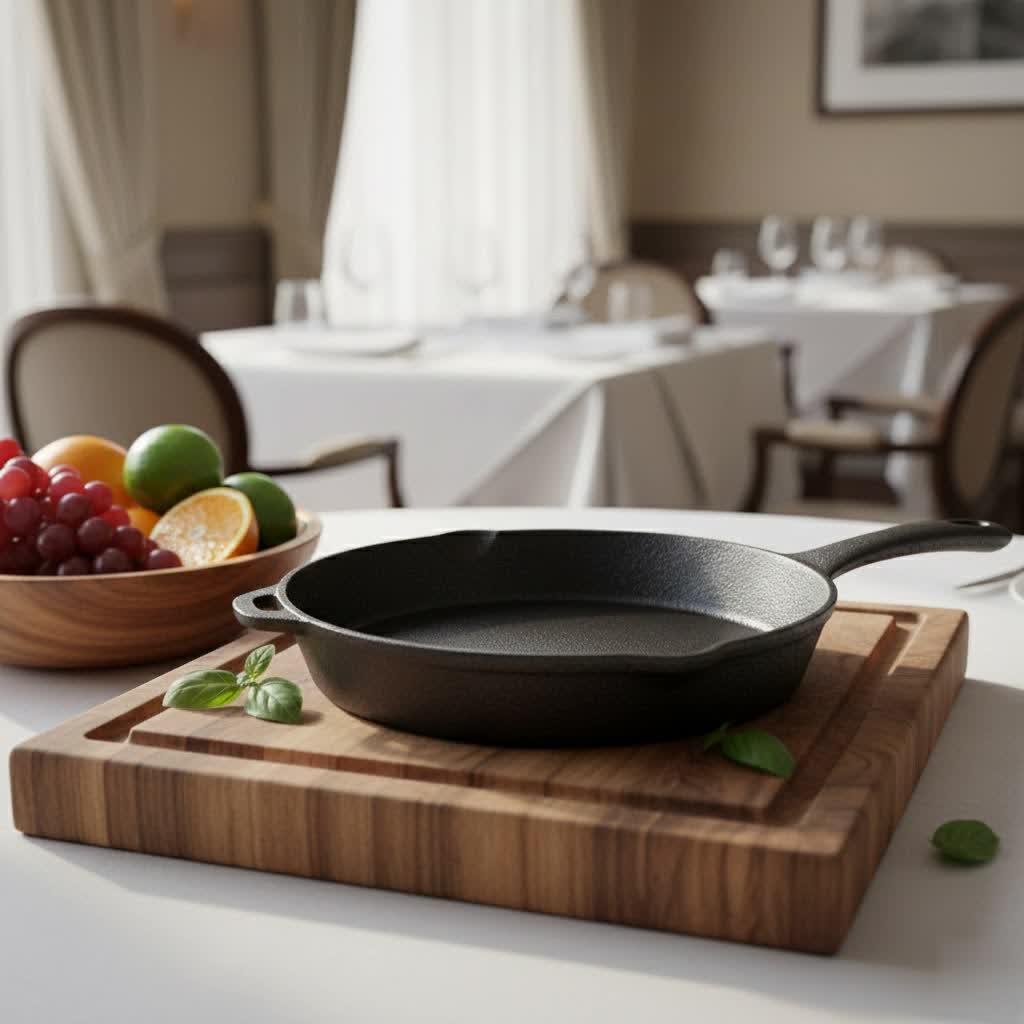
An iron skillet, commonly known as a cast iron skillet, is a heavy-duty frying pan made by pouring molten iron into a mold. This simple yet incredibly effective design has remained largely unchanged for centuries, a testament to its enduring utility and performance. The history of cast iron cookware dates back to ancient China, with its widespread use in Europe and America becoming prominent in the 18th and 19th centuries. Initially a staple for hearth cooking, the iron skillet evolved with the advent of modern stoves, maintaining its status as a versatile and reliable cooking vessel beloved for its robust nature and exceptional cooking properties.
Superior Benefits of Iron Skillets
The enduring popularity of the iron skillet is rooted in its remarkable advantages, which set it apart from other cookware materials.
- Exceptional Durability and Longevity: Iron skillets are built to last for generations. Unlike non-stick pans with coatings that can chip or wear off, a well-cared-for cast iron skillet can be passed down as a family heirloom, often improving with age. Its virtually indestructible nature means it can withstand rigorous use and even harsh conditions like open fires, making it a reliable workhorse in any kitchen.
- Outstanding Heat Retention and Even Distribution: One of the most significant benefits of cast iron is its ability to retain heat. Once hot, it maintains a consistent temperature, which is crucial for achieving a perfect sear on meats without significant temperature drops when food is added. While it may take a little longer to heat up initially, this thermal mass ensures even cooking and superior browning across the entire surface.
- Natural Non-Stick Layer with Seasoning: With proper seasoning—a layer of polymerized oil baked onto the surface—an iron skillet develops a natural, chemical-free non-stick coating. This seasoned surface not only prevents food from sticking but also deepens and improves with continued use, providing a healthier alternative to synthetic non-stick coatings.
- Health-Safe and Chemical-Free Cooking: Unlike some modern non-stick pans that can release harmful chemicals at high temperatures, cast iron is inert and safe. Cooking in a cast iron skillet can even subtly fortify your food with dietary iron, a beneficial bonus for many.
- Incredible Versatility for All Cooking Methods: An iron skillet is incredibly adaptable. It can transition seamlessly from the stovetop (gas, electric, induction) to the oven, broiler, grill, or even a campfire. This versatility makes it ideal for everything from searing and frying to baking, roasting, and braising, allowing you to cook a wide array of dishes with a single pan.
Popular Types of Iron Skillets
While the core material remains cast iron, there are two primary types of skillets you’ll encounter, each with distinct characteristics:
- Traditional Cast Iron Skillet (Bare/Uncoated): This is the classic, heavy, black skillet known for its rugged durability. It requires regular seasoning to build and maintain its non-stick surface and protect it from rust. Traditional cast iron can withstand extremely high temperatures, making it perfect for intense searing or outdoor cooking.
- Enameled Cast Iron Skillet: These skillets feature a layer of vitreous enamel fused to the cast iron core, often in vibrant colors. The enamel coating eliminates the need for seasoning, provides a naturally smooth, non-stick surface, and protects the iron from rust. Enameled cast iron is also non-reactive, meaning you can cook acidic foods like tomato sauces without worrying about stripping the seasoning or imparting a metallic taste. However, they can be more susceptible to chipping if dropped and usually have a lower maximum oven temperature than bare cast iron.
Guide to Choosing the Right Iron Skillet
Selecting the best iron skillet for your kitchen involves considering several factors to match your cooking style and needs.
Size and Depth
The size of your skillet should align with your typical cooking volume.
- Small skillets (6-8 inches): Ideal for single servings, frying an egg, or toasting nuts.
- Medium skillets (10-12 inches): The most versatile choice for most households, suitable for searing a few steaks, sautéing vegetables, or baking cornbread.
- Large skillets (13 inches and up): Great for family meals, roasting a whole chicken, or cooking for larger gatherings.
Deeper skillets are useful for frying or dishes with sauces, while shallower ones are better for searing and baking.
|
Our Picks for the Best Iron Skillet in 2026
As an Amazon Associate I earn from qualifying purchases.
|
||
| Num | Product | Action |
|---|---|---|
| 1 | Lodge 12 Inch Pre-Seasoned Cast Iron Skillet - Dual Assist Handles - Use in the Oven, on the Stove, on the Grill, or Over a Campfire - Black |

|
| 2 | Utopia Kitchen Cast Iron Skillets 12 Inch, Chef's Pan, Pre-Seasoned Frying Pan, Stovetop, Oven, Campfire and Grill Large Skillet, Even Heat Distribution Multipurpose Cast Iron Pan - Black |
|
| 3 | Cuisinel Cast Iron Skillet with Lid - 12"-inch Pre-Seasoned Covered Frying Pan Set + Silicone Handle & Lid Holders + Scraper/Cleaner - Indoor/Outdoor, Oven, Stovetop, Camping Fire, Grill Safe Cookware |
|
| 4 | Stargazer 10.5-Inch Cast Iron Skillet - Made in USA, Seasoned, Premium Frying Pan for Grilling, Searing, Baking & More – Durable Cast Iron with Smooth Cooking Surface |
|
| 5 | Mercer Culinary Pre-Seasoned Cast Iron Skillet, 10.25-Inch |
|
| 6 | Lodge 10.25 Inch Cast Iron Skillet – Pre-Seasoned Frying Pan with Teardrop Handle – Oven, Stovetop, Grill & Campfire Use – Made in USA – Durable, Non-Toxic, Even-Heating Cookware – Black |
|
| 7 | EWFEN Cast Iron Skillet 3-Piece Set, Heavy-Duty Professional Restaurant Chef Quality Pre-Seasoned Pan Cookware Set, 6", 8", 10" Pans For Frying, Saute, Cooking, Use Indoor/Outdoor, Oven, Grill |
|
| 8 | Cuisinel Cast Iron Skillet with Lid - 12"-Inch Frying Pan + Glass Cover + Silicone Handle Holder - Pre-Seasoned Oven Safe Cookware - Indoor/Outdoor Use - Grill, BBQ, Fire, Stovetop. PFAS and PFOA-free |
|
| 9 | Lodge 12 Inch Cast Iron Skillet with Red Silicone Hot Handle Holder – Pre-Seasoned Frying Pan for Stove, Oven, Grill & Campfire – Made in the USA – Durable, Nonstick Cast Iron Cookware – Black |
|
| 10 | Lodge Pre-Seasoned Cast Iron Skillet Set - Set Includes 8 Inch Skillet, 10.25 Inch Skillet, and 12 inch Skillet - 3 Piece |
|
Weight
Cast iron skillets are inherently heavy. Consider your ability to comfortably lift and maneuver the pan, especially when it’s full of food. Lighter models exist, often with thinner walls, but may sacrifice some heat retention. A good balance between weight and cooking performance is key.
Material and Coating
- Pure Cast Iron: Opt for high-quality, pre-seasoned raw cast iron for ultimate durability and high-temperature cooking. You’ll need to maintain its seasoning.
- Enameled Cast Iron: If ease of maintenance, colorful aesthetics, and cooking acidic dishes are priorities, an enameled skillet is an excellent choice. Ensure the enamel is chip-resistant and of good quality.
Handle
A comfortable and secure handle is vital.
- Integrated Cast Iron Handles: These are common but get very hot, requiring a potholder or silicone cover. Look for an ergonomic design.
- Helper Handles: Larger skillets often include a small helper handle on the opposite side, making it much easier to lift and carry with two hands.
- Wooden or Silicone Handles: Some skillets feature these for heat insulation, but they may limit oven use to lower temperatures.
Brand and Price
Researching reputable brands can assure quality and longevity. While higher prices often correlate with premium features or enameled finishes, excellent functional cast iron skillets are available at more affordable price points.
Comparing Leading Iron Skillet Brands
The market offers a range of iron skillet brands, each with its unique selling points. Here’s a comparison of some top contenders:
| Brand | Quality & Durability | Price Range | Special Features | Ideal For |
|---|---|---|---|---|
| Lodge | Excellent, highly durable, reliable workhorse | Affordable ($20-$60) | Often pre-seasoned, made in the USA, wide availability | Everyday cooking, beginners, budget-conscious, reliable performance |
| Le Creuset | Premium enameled cast iron, exceptional craftsmanship | High ($180-$300+) | Vibrant colors, superior enamel, even heating, rust-resistant | Gifting, aesthetics, acidic foods, those seeking high-end quality |
| Staub | High-end enameled cast iron, very durable | High ($150-$280+) | Self-basting lids (for Dutch ovens), rich colors, excellent heat retention | Serious cooks, aesthetic appeal, slow cooking (with lids) |
| Field Company | Lightweight, polished smooth surface, vintage feel | Mid-High ($100-$200) | Smoother cooking surface (less need for intense seasoning buildup) | Those seeking lighter weight, refined cooking surface, vintage style |
| Finex | High-end, distinctive design, modern aesthetics | High ($180-$350+) | Octagonal shape, coil handle (stays cooler), highly polished surface | Design enthusiasts, heirloom quality, unique cooking experience |
| Victoria | Good quality, often pre-seasoned, comfortable handles | Affordable ($25-$70) | Longer handles, larger pour spouts, good value | Everyday cooking, those seeking better ergonomics than basic Lodge |
Detailed Comparison of Iron Skillet Models
Choosing a specific model can further refine your decision. Here’s a comparative look at popular options:
| Model | Size (Diameter) | Weight (approx.) | Material | Price (approx.) | Pros | Cons |
|---|---|---|---|---|---|---|
| Lodge 10.25-inch Pre-Seasoned Skillet | 10.25 inches | 5.4 lbs | Bare Cast Iron | $25 | Excellent value, pre-seasoned, durable, versatile | Can be heavy, rougher surface initially, requires seasoning upkeep |
| Le Creuset 10.25-inch Enameled Skillet | 10.25 inches | 6.5 lbs | Enameled Cast Iron | $220 | No seasoning needed, easy to clean, handles acidic foods, beautiful | Expensive, heavier than bare iron, can chip if dropped |
| Field Company No. 8 Skillet | 10.25 inches | 4.5 lbs | Bare Cast Iron | $165 | Lighter weight, very smooth cooking surface, quick to heat | High price point for bare cast iron, less common |
| Victoria 10-inch Skillet | 10 inches | 5.5 lbs | Bare Cast Iron | $30 | Great pour spouts, good helper handle, pre-seasoned, affordable | Similar weight to Lodge, still requires seasoning |
Proper Use and Care for Your Iron Skillet
The secret to a truly good cast iron skillet lies in consistent care. Proper seasoning and cleaning ensure its longevity and non-stick performance.
Seasoning Your Iron Skillet
Seasoning is the process of baking thin layers of oil onto the cast iron, creating a smooth, non-stick, rust-resistant surface.
-
How to Season a New Cast Iron Skillet (or Restore):
- Clean: If unseasoned or rusty, scrub thoroughly with hot soapy water and a stiff brush or steel wool. Rinse well and dry immediately. For pre-seasoned pans, a light wash is enough.
- Oil: Apply a very thin, even layer of neutral cooking oil (like vegetable, canola, grapeseed, or flaxseed oil) to the entire skillet – inside, outside, and handle. Wipe off any excess oil with a paper towel until the pan looks almost dry; too much oil will result in a sticky surface.
- Bake: Preheat your oven to 450-500°F (230-260°C). Place aluminum foil on the bottom rack to catch drips. Place the skillet upside down on the middle rack.
- Cool: Bake for 1 hour. Turn off the oven and let the skillet cool completely inside the oven. This allows the seasoning to fully bond.
- Repeat: For best results, especially with new or stripped pans, repeat this process 3-4 times.
-
How to Maintain Seasoning: The best way is simply to use your skillet regularly! Each time you cook with oil or fat, you’re reinforcing the seasoning. If the surface appears dry or food starts to stick, it’s time for a quick re-seasoning.
Cleaning Your Iron Skillet
Many myths surround cleaning cast iron, but it’s simpler than you think.
- After Each Use:
- Scrub: While the pan is still warm (but not scorching hot), scrape out any food bits. Wash with hot water and a stiff nylon brush or a chainmail scrubber. Contrary to old beliefs, a small amount of dish soap is fine and won’t strip well-established seasoning.
- Rinse & Dry: Rinse thoroughly and, most critically, dry the skillet immediately and completely. You can place it on a burner over low heat for a few minutes to ensure all moisture evaporates.
- Oil Lightly: Apply a tiny amount (about half a teaspoon) of cooking oil to the pan’s interior with a paper towel, then wipe off any excess. This protects it until its next use.
- What to Avoid:
- Dishwasher: Never put cast iron in the dishwasher, as it will strip the seasoning and cause rust.
- Soaking: Avoid soaking cast iron, as this also leads to rust.
- Harsh Abrasives (unless removing rust): Steel wool can be too abrasive for regular cleaning and might remove your seasoning layer.
Storing Your Iron Skillet
Proper storage prevents rust and keeps your skillet ready for action.
- Bare Cast Iron: Store in a dry place. If stacking, place a paper towel between skillets to prevent moisture buildup and scratches.
- Enameled Cast Iron: These are less prone to rust and can be stored like other cookware. Avoid harsh impacts that could chip the enamel.
Tips for Better Cooking with Iron Skillets
Unlock the full potential of your iron skillet with these expert tips:
- Preheat Properly: Cast iron needs time to heat up evenly. Place your skillet on medium-low heat for 5-10 minutes before adding food or oil. This ensures a consistent cooking surface and prevents sticking.
- Use the Right Temperature: Due to its excellent heat retention, you often need less heat than with other pans. Start with medium heat and adjust as needed.
- Be Mindful of Acidic Foods (for Bare Iron): While a well-seasoned bare cast iron can handle short bursts of acidic ingredients, prolonged cooking of highly acidic foods like tomato sauce or lemon juice can strip the seasoning. For these dishes, enameled cast iron is a better choice.
- Choose Appropriate Utensils: Use wooden, silicone, or heat-resistant plastic utensils to avoid scratching the seasoned surface of bare cast iron. Metal spatulas are generally fine for well-seasoned pans, but exercise caution.
Delicious Dishes to Cook in an Iron Skillet
The versatility of an iron skillet means a world of culinary possibilities. Here are some favorites that shine when cooked in cast iron:
- Perfectly Seared Steak: The high, even heat of cast iron creates an incredible crust.
- Crispy Roasted Chicken: Start on the stovetop for a golden skin, then transfer to the oven to finish.
- Fluffy Cornbread: Cast iron yields a beautifully browned, crispy crust that’s hard to replicate.
- Homemade Pizza: Get a crispy bottom crust by preheating the skillet in the oven before adding your dough.
- Fried Eggs and Bacon: A well-seasoned pan makes for perfectly cooked, easily released breakfast staples.
- Skillet Cookies/Brownies: For a decadent, shareable dessert with crispy edges and a gooey center.
Where to Buy Reliable Iron Skillets
You can find high-quality iron skillets at various reputable retailers:
- Department Stores and Home Goods Stores: Many offer popular brands like Lodge and often have sales.
- Specialty Kitchen Stores: These shops often carry a wider range of premium brands like Le Creuset, Staub, Field Company, and Finex, with knowledgeable staff.
- Online Retailers: Websites like Amazon, Williams Sonoma, Sur La Table, and directly from brand websites offer extensive selections and competitive pricing, often with customer reviews to help guide your choice.
Buying Guide (Iron Skillet Edition)
Choosing a good cast iron skillet is an investment in your culinary future. Here’s a concise summary to guide your purchase:
- Assess Your Needs: How many people do you cook for? What types of dishes do you make most often? This will determine the ideal size and depth.
- Consider Maintenance: Are you willing to commit to seasoning and specific cleaning routines for traditional cast iron, or do you prefer the lower maintenance of enameled?
- Prioritize Features: Look for a comfortable handle, a helper handle for larger pans, and a pre-seasoned finish if you want to cook right away.
- Set a Budget: While premium brands offer exceptional quality, excellent functional cast iron is available at all price points. Lodge and Victoria are fantastic value options.
- Read Reviews: Customer feedback can offer valuable insights into a skillet’s performance and durability.
By considering these factors, you can confidently select an iron skillet that will serve you faithfully for decades, becoming a cherished part of your kitchen.
Conclusion
The iron skillet is more than just a piece of cookware; it’s a culinary legacy, offering unparalleled durability, heat retention, and a natural non-stick surface that improves with every meal. From the robust, workhorse traditional models to the elegant, easy-to-care-for enameled versions, there’s a perfect iron skillet for every cook and every kitchen. By understanding its benefits, choosing wisely, and committing to proper care, you’ll unlock a world of delicious possibilities and enjoy cooking with this timeless tool for years to come. What will be the first dish you master in your new iron skillet?
Frequently Asked Questions
How do I prevent my cast iron skillet from rusting?
To prevent rust, always dry your cast iron skillet immediately and thoroughly after washing. You can place it on low heat on the stovetop for a few minutes to ensure all moisture evaporates. After drying, apply a very thin layer of cooking oil to the entire surface.
Is it really okay to use soap on cast iron?
Yes, it is generally okay to use a small amount of mild dish soap on a well-seasoned cast iron skillet. Modern dish soaps are less harsh than lye soaps of the past and won’t strip established seasoning. Just avoid harsh detergents, steel wool (for regular cleaning), and the dishwasher, and always re-oil after cleaning.
What kind of oil is best for seasoning cast iron?
Neutral cooking oils with a high smoke point are best for seasoning. Good options include vegetable oil, canola oil, grapeseed oil, and flaxseed oil. Apply a very thin layer and wipe off excess before baking to prevent a sticky finish.
Why does my cast iron skillet stick even after seasoning?
If your cast iron skillet sticks, it’s often due to insufficient seasoning layers, not preheating the pan properly, or using too low a cooking temperature. Ensure your seasoning layers are built up over time, always preheat your skillet on medium heat for several minutes before adding food, and use enough cooking fat.
Can I cook acidic foods like tomato sauce in my cast iron skillet?
With traditional (bare) cast iron, it’s generally best to avoid or limit cooking highly acidic foods for extended periods, as they can strip the seasoning. For dishes like tomato sauce or citrus-based recipes, an enameled cast iron skillet is the ideal choice as its coating is non-reactive.
