For those who cherish exceptional cookware, the Enameled Cast Iron Skillet stands out as a true culinary workhorse. Merging the robust heat retention of traditional cast iron with a vibrant, low-maintenance finish, these skillets are designed to elevate your cooking experience and beautify your kitchen. Whether you’re a seasoned chef or just starting your culinary journey, understanding the nuances of enameled cast iron will empower you to unlock its full potential.
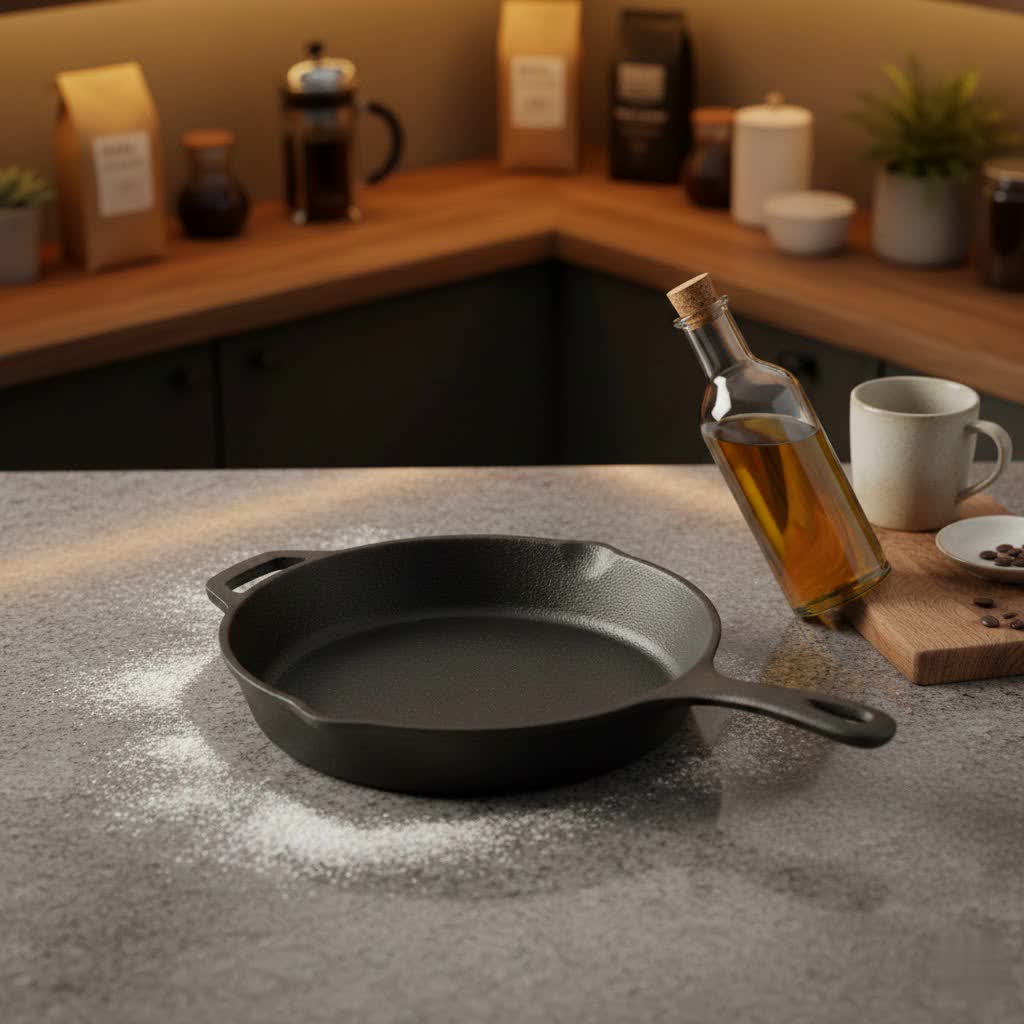
What is an Enameled Cast Iron Skillet?
At its core, an enameled cast iron skillet begins with a traditional cast iron body, renowned for its incredible ability to absorb and evenly distribute heat. However, what sets it apart is a distinctive, glass-like (vitreous) enamel coating applied to its surface. This coating is fused to the iron at extremely high temperatures, creating a smooth, non-porous finish. This specialized layer not only protects the underlying iron but also introduces a host of benefits that make enameled cast iron a favorite in kitchens worldwide.
The history of cast iron cookware stretches back centuries, with its durability and cooking properties long appreciated. The innovation of enameling, popularized in the 20th century, addressed some of the traditional material’s maintenance demands, offering a more versatile and visually appealing alternative without sacrificing performance.
Superior Advantages of Enameled Cast Iron
Enameled cast iron skillets bring a wealth of benefits to the kitchen, making them a wise investment for any home cook.
- Exceptional Durability and Longevity: Built to last for generations, these skillets are incredibly robust. The cast iron core provides a solid foundation, while the enamel coating adds a layer of protection, making them resistant to corrosion and rust.
- Even Heat Retention and Distribution: Like bare cast iron, enameled skillets excel at maintaining a consistent temperature. They heat up slowly but retain heat remarkably well, ensuring your food cooks evenly and stays warm longer. This property is ideal for searing, braising, and slow cooking.
- Non-Reactive Cooking Surface: One of the most significant advantages of the enamel coating is its non-reactive nature. Unlike traditional cast iron, you can cook highly acidic ingredients like tomato sauces, citrus, or wine without concern for metallic flavors or damage to the pan’s surface.
- Low-Maintenance Convenience: Forget the intricate seasoning process required for bare cast iron. Enameled cast iron comes ready to use and does not require seasoning. This makes cleanup far simpler and less time-consuming.
- Healthy Cooking: The non-porous enamel surface prevents the leaching of iron into food, which can be a concern for some with traditional cast iron. It also doesn’t absorb odors or flavors from previous meals, ensuring a pure taste every time.
- Versatility in the Kitchen: These skillets are incredibly adaptable. They can be used on all stovetop types, including induction, electric, and gas, and are oven-safe, making them perfect for transitioning dishes from stovetop searing to oven finishing.
- Aesthetic Appeal: Available in a vast array of vibrant colors and elegant designs, enameled cast iron skillets add a touch of style and sophistication to any kitchen decor. They are often beautiful enough to go straight from the oven or stove to the dining table.
Common Types of Enameled Cast Iron
While this guide focuses on skillets, enameled cast iron is used across a variety of cookware types, each serving distinct culinary purposes:
- Enameled Cast Iron Skillets (Frying Pans): Designed for searing, frying, sautéing, and baking, these are versatile workhorses for everyday cooking.
- Enameled Cast Iron Dutch Ovens (Cocottes): Perhaps the most iconic enameled cast iron piece, Dutch ovens are perfect for stews, braises, soups, baking bread, and slow cooking.
- Braisers: With wider bases and shallower sides than Dutch ovens, braisers are ideal for searing meat and then slowly cooking it in liquid.
- Saucepans: Smaller enameled pots suitable for sauces, gravies, and smaller batches of soup.
Choosing the Right Enameled Cast Iron Skillet
Selecting the perfect enameled cast iron skillet involves considering several factors to match your cooking needs and preferences.
Size and Depth
The size of your skillet should align with your typical cooking volume.
- Smaller skillets (6-8 inches): Ideal for individual servings, eggs, or small side dishes.
- Medium skillets (9-11 inches): Excellent for daily cooking, serving 2-4 people, and versatile enough for most recipes.
- Larger skillets (12 inches or more): Best for families, entertaining, roasting whole chickens, or preparing larger quantities of food.
- Consider the depth; a deeper skillet is better for dishes with more liquid or for preventing splattering.
|
Our Picks for the Best Iron Skillet in 2026
As an Amazon Associate I earn from qualifying purchases.
|
||
| Num | Product | Action |
|---|---|---|
| 1 | Cuisinel Cast Iron Skillet with Lid - 12"-inch Pre-Seasoned Covered Frying Pan Set + Silicone Handle & Lid Holders + Scraper/Cleaner - Indoor/Outdoor, Oven, Stovetop, Camping Fire, Grill Safe Cookware |

|
| 2 | Utopia Kitchen Cast Iron Skillets 12 Inch, Chef's Pan, Pre-Seasoned Frying Pan, Stovetop, Oven, Campfire and Grill Large Skillet, Even Heat Distribution Multipurpose Cast Iron Pan - Black |
|
| 3 | Stargazer 10.5-Inch Cast Iron Skillet - Made in USA, Seasoned, Premium Frying Pan for Grilling, Searing, Baking & More – Durable Cast Iron with Smooth Cooking Surface |
|
| 4 | Lodge 12 Inch Cast Iron Skillet with Red Silicone Hot Handle Holder – Pre-Seasoned Frying Pan for Stove, Oven, Grill & Campfire – Made in the USA – Durable, Nonstick Cast Iron Cookware – Black |
|
| 5 | EWFEN Cast Iron Skillet 3-Piece Set, Heavy-Duty Professional Restaurant Chef Quality Pre-Seasoned Pan Cookware Set, 6", 8", 10" Pans For Frying, Saute, Cooking, Use Indoor/Outdoor, Oven, Grill |
|
| 6 | Cuisinel Cast Iron Skillet with Lid - 12"-Inch Frying Pan + Glass Cover + Silicone Handle Holder - Pre-Seasoned Oven Safe Cookware - Indoor/Outdoor Use - Grill, BBQ, Fire, Stovetop. PFAS and PFOA-free |
|
| 7 | Lodge Pre-Seasoned Cast Iron Skillet Set - Set Includes 8 Inch Skillet, 10.25 Inch Skillet, and 12 inch Skillet - 3 Piece |
|
| 8 | Mercer Culinary Pre-Seasoned Cast Iron Skillet, 10.25-Inch |
|
| 9 | Lodge 12 Inch Pre-Seasoned Cast Iron Skillet - Dual Assist Handles - Use in the Oven, on the Stove, on the Grill, or Over a Campfire - Black |
|
| 10 | Lodge 10.25 Inch Cast Iron Skillet – Pre-Seasoned Frying Pan with Teardrop Handle – Oven, Stovetop, Grill & Campfire Use – Made in USA – Durable, Non-Toxic, Even-Heating Cookware – Black |
|
Weight
Enameled cast iron is inherently heavy due to its material.
- Assess your ability to comfortably lift and maneuver the skillet, especially when full. A heavier pan offers superior heat retention, but a lighter model might be more practical for everyday use if weight is a concern.
- Many larger skillets come with a “helper handle” for easier lifting with two hands.
Material and Coating Quality
The quality of the enamel finish is paramount.
- Look for skillets with a smooth, even, and chip-resistant enamel coating, both inside and out. High-quality enamel is less likely to stain or crack over time.
- Some interiors are light-colored, making it easier to monitor browning and fond development, while others feature a darker, satin enamel that resembles bare cast iron but still offers the non-reactive benefits.
Handle Design
A comfortable and secure handle is crucial.
- Choose a skillet with a sturdy, ergonomic main handle that provides a good grip.
- A well-designed helper handle on the opposite side is a valuable feature for larger or heavier skillets, offering better balance and control when transferring the pan.
- Ensure the handles are heat-resistant or that you have appropriate oven mitts for safe handling.
Brand and Price
While enameled cast iron can be an investment, there are quality options across various price points.
- Reputable brands often offer superior enamel quality, heat performance, and customer support.
- Consider your budget but view this as a long-term investment that, with proper care, will last for many years.
Comparing Popular Enameled Cast Iron Brands
The enameled cast iron market features several renowned brands, each with its own characteristics and loyal following.
| Brand | Quality | Durability | Price Point | Special Features |
|---|---|---|---|---|
| Le Creuset | Premium | Excellent | High | Iconic colorful enamel, light interior for fond visibility, wide handles |
| Staub | Premium | Excellent | High | Self-basting lids, darker interior (often matte black enamel), exceptional heat retention |
| Lodge | Good/Excellent | Very Good | Mid-Range/Value | Reliable performance, often a more utilitarian aesthetic, accessible price point |
| Cuisinart | Good | Good | Mid-Range | Often offers good value for the quality |
| All-Clad | Premium | Excellent | High | Known for overall cookware quality, high-performance enamel |
- Le Creuset: Often considered the gold standard, Le Creuset is famous for its wide range of vibrant colors and light-colored interiors, which make it easy to see how food is browning. Their pieces are durable, offer excellent heat distribution, and come with a hefty price tag.
- Staub: Another top-tier French brand, Staub is known for its self-basting lids (often with spikes or concentric rings) and typically darker, often matte black enamel interiors, which some prefer for searing. Their pieces are equally durable and perform exceptionally well.
- Lodge: A long-standing American brand, Lodge offers a more budget-friendly entry into enameled cast iron. While perhaps not as aesthetically polished as Le Creuset or Staub, their enameled skillets provide excellent performance and durability for the price, making them a great value option.
- Other Brands: Cuisinart, All-Clad, and other brands also produce quality enameled cast iron, often balancing features and price effectively.
Detailed Comparison of Enameled Cast Iron Skillet Models
While specific models vary widely, understanding common differentiators can help in your selection:
- Interior Finish: Some skillets feature a smooth, glossy, often light-colored enamel interior, making it easy to see browning and for food release. Others have a matte black enamel interior that can sometimes mimic the look of seasoned traditional cast iron but still offers the non-reactive benefits.
- Handle Configuration: Beyond the main handle, look for helper handles on larger skillets to ensure comfortable and safe lifting. Some designs may have integrated handles, while others feature riveted or bolted handles.
- Lid Inclusion: Many enameled cast iron skillets are sold with a matching lid, which is excellent for simmering, braising, or retaining heat for serving. Lids can also feature self-basting nubs or tight seals.
- Shape and Depth: Standard skillets have flared sides, ideal for searing and sautéing. Some models might be deeper or have straighter sides, lending themselves better to braising or baking.
- Pour Spouts: A convenient feature on many skillets, pour spouts allow for easy draining of liquids or pouring of sauces.
Proper Use and Care for Enameled Cast Iron
To ensure your enameled cast iron skillet remains a treasured piece of cookware for years, proper use and care are essential.
Seasoning Enameled Cast Iron
Unlike traditional cast iron, enameled cast iron does not require seasoning. The vitreous enamel coating acts as a natural barrier, preventing rust and providing a relatively smooth cooking surface. Attempting to season enameled surfaces is unnecessary and can damage the finish. However, some skillets may have exposed cast iron rims, particularly around the top edge or lid. It’s a good practice to occasionally wipe these bare spots with a thin layer of cooking oil to prevent rust.
Cleaning Enameled Cast Iron
Cleaning is straightforward, but a few rules ensure longevity:
- Cool Down First: Always allow your skillet to cool completely to room temperature before washing. Sudden temperature changes (thermal shock) can cause the enamel to crack or chip.
- Gentle Washing: Use warm water and a mild dish soap with a soft sponge, nylon brush, or dishcloth. Avoid abrasive cleaners, steel wool, or metal scouring pads, as these can scratch and damage the enamel surface.
- For Stuck-On Food: If food is stubborn, fill the skillet with warm, soapy water and let it soak for 15-20 minutes to loosen debris. For more persistent residue, a paste of baking soda and water, or a specialized ceramic cleaner like Bar Keepers Friend, can be gently rubbed with a soft sponge. Boiling water with a few tablespoons of baking soda for 5-10 minutes can also help loosen burnt-on food.
- Hand Wash Recommended: While some manufacturers claim their enameled cast iron is dishwasher safe, handwashing is generally recommended to preserve the finish and prevent dulling or potential chipping over time.
- Rinse and Dry Thoroughly: After washing, rinse the skillet completely and dry it immediately with a lint-free towel to prevent water spots and rust on any exposed cast iron edges.
Storing Enameled Cast Iron
Proper storage protects your investment:
- Ensure the skillet is completely dry before storing to prevent rust, especially on exposed rims.
- Store it in a dry cupboard, away from steam or excessive moisture.
- If stacking other pots or pans on top, place a cookware protector, paper towel, or cloth between them to prevent scratching or chipping the enamel.
Tips for Better Cooking with Enameled Cast Iron
Unlock the full potential of your enameled cast iron skillet with these expert cooking tips:
- Preheat Slowly and Evenly: Enameled cast iron needs time to heat up properly. Start on low to medium heat and allow the skillet to preheat for 5-10 minutes before adding oil or food. This ensures even heat distribution and prevents hot spots. Avoid using high heat from the start, as this can damage the enamel.
- Always Use Cooking Fat: While the enamel surface is non-stick in a non-reactive sense, it is not truly non-stick like a chemically coated pan. Always use a small amount of oil, butter, or other cooking fat to prevent food from sticking and to enhance flavor.
- Avoid Overcrowding: Give your food space. Overcrowding the skillet can lower the pan’s temperature, leading to steaming instead of searing, and can cause food to stick. Cook in batches if necessary.
- Use Appropriate Utensils: To protect the delicate enamel surface, always use wooden, silicone, or heat-resistant plastic utensils. Metal utensils can scratch or chip the coating.
- Practice Temperature Control: Due to excellent heat retention, you often won’t need high heat. Most cooking can be done on medium or even medium-low heat. Adjust as needed, but remember that high heat can lead to burnt food and potential enamel damage.
- Let Food Release Naturally: When searing, resist the urge to move food around too soon. Allow a crust to form; the food will naturally release from the pan when it’s ready to be flipped.
Delicious Recipes for Your Enameled Cast Iron Skillet
The versatility of enameled cast iron makes it ideal for a vast array of dishes:
- Perfectly Seared Steaks: Achieve a beautiful, caramelized crust and juicy interior.
- Roasted Chicken or Vegetables: From stovetop searing to oven roasting, for crispy skin and tender meat.
- Flavorful Braises and Stews: Its excellent heat retention makes it perfect for slow-cooked, tender meats and rich sauces.
- One-Pan Frittatas and Quiches: Easily transition from stovetop to oven for a fluffy, golden finish.
- Skillet Cornbread or Deep-Dish Pizza: A crispy crust and evenly baked interior are guaranteed.
- Creamy Sauces and Gravies: The non-reactive surface is ideal for tomato-based sauces or deglazing for pan gravies.
Where to Buy Trustworthy Enameled Cast Iron?
Investing in enameled cast iron cookware means choosing quality from reputable sources.
- Specialty Cookware Stores: These stores often carry premium brands like Le Creuset and Staub, offering knowledgeable staff and a chance to handle the products.
- Department Stores: Many large department stores feature cookware sections with a selection of well-known enameled cast iron brands, often with sales events.
- Online Retailers: Websites like Amazon, Williams Sonoma, Sur La Table, and the official brand websites (Lodge, Le Creuset, Staub) offer wide selections and competitive pricing. Always check reviews and return policies.
- Manufacturer Websites: Buying directly from the brand’s website often ensures authenticity and access to their full product lines and customer support.
Enameled Cast Iron Buying Guide
Choosing an enameled cast iron skillet is an investment in your culinary future. Consider these key points:
- Purpose: What will you primarily cook? This dictates size and depth.
- Quality of Enamel: Look for a smooth, even, and durable coating from a reputable brand.
- Weight & Handles: Ensure you can comfortably lift and maneuver the pan, especially when full. Helper handles are a bonus.
- Budget: Balance your desired features with your budget, remembering that higher initial cost often means longer lifespan and better performance.
- Aesthetics: Choose a color and style that you’ll love having in your kitchen.
> “Enameled cast iron offers the best of both worlds: the unparalleled heat retention of cast iron with the ease of cleaning and non-reactivity of modern cookware. It’s a cornerstone for any serious cook.” – Chef Elena Rodriguez, Culinary Instructor
Conclusion
The enameled cast iron skillet is a magnificent blend of tradition and modern convenience, offering superior heat performance, unparalleled versatility, and elegant design. Its non-reactive surface and low-maintenance nature free you from the specific care requirements of bare cast iron, allowing you to focus on the joy of cooking. By choosing a quality piece and adhering to simple care guidelines, your enameled cast iron skillet will not only enhance your culinary creations but also become a cherished heirloom in your kitchen for decades to come.
Ready to transform your cooking? Which enameled cast iron skillet will you choose to become your next kitchen legend?
Frequently Asked Questions
Does enameled cast iron need to be seasoned?
No, enameled cast iron does not require traditional seasoning. The enamel coating acts as a protective, non-reactive layer, eliminating the need for oil polymerizing into the surface. However, any exposed cast iron rims should be occasionally wiped with oil to prevent rust.
Can you use metal utensils on enameled cast iron?
It is strongly recommended to avoid metal utensils. Using wooden, silicone, or heat-resistant plastic tools will protect the enamel surface from scratches and chips, preserving its integrity and appearance over time.
Is enameled cast iron non-stick?
Enameled cast iron is not inherently non-stick in the same way as chemically coated non-stick pans or well-seasoned bare cast iron. It performs best with the addition of a small amount of cooking oil or fat to prevent food from sticking.
How do I clean burnt food from enameled cast iron?
For stubborn burnt-on food, let the pan cool completely, then fill it with warm water and a few tablespoons of baking soda. Bring to a simmer for 5-10 minutes, then gently scrape with a wooden or silicone utensil. A paste of baking soda and water or a ceramic cleaner can also be used.
Can enameled cast iron go in the dishwasher?
While some manufacturers state their enameled cast iron is dishwasher safe, handwashing is generally recommended. Dishwashers can be harsh on the enamel finish, potentially dulling its sheen or causing damage over time, and may lead to rust on exposed edges.
What heat setting should I use for enameled cast iron?
Enameled cast iron excels at retaining and distributing heat, so it typically performs best on low to medium heat settings. Always preheat slowly and avoid very high heat, as excessive temperatures can damage the enamel coating and burn your food.
