The enduring legacy of the cast iron skillet speaks for itself. For generations, these rugged kitchen workhorses have been prized for their incredible durability, exceptional heat retention, and the unique, non-stick surface they develop over time. But with great power comes great responsibility – specifically, the responsibility of proper cleaning and maintenance. Many home cooks feel intimidated by the nuances of cleaning their iron skillet, fearing they might strip away its precious seasoning or cause rust. This comprehensive guide will equip you with the knowledge and techniques to keep your cast iron in pristine condition, ensuring it performs beautifully for decades to come.
What is an Iron Skillet?
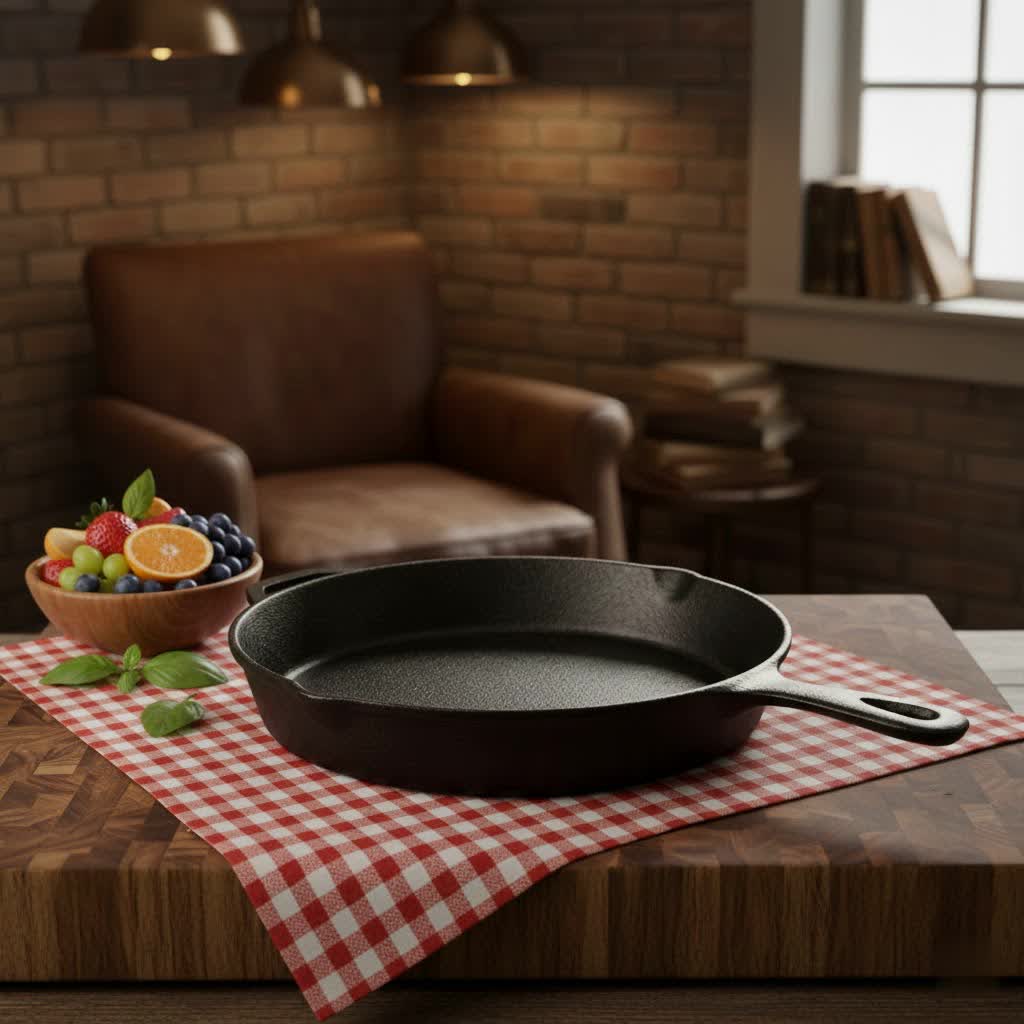
An iron skillet, commonly known as a cast iron skillet, is a heavy-duty frying pan made from cast iron. This material is melted and poured into a mold, creating a single, seamless piece of cookware. Its history dates back centuries, with early versions appearing in China around the 6th century A.D. and becoming commonplace in European and American kitchens by the 18th century. Known for its rustic charm and incredible resilience, the iron skillet has stood the test of time as a culinary staple, cherished by chefs and home cooks alike for its ability to produce beautifully seared meats, perfectly baked cornbread, and much more.
Superior Advantages of Iron Skillets
Iron skillets offer a host of benefits that set them apart from other cookware:
- Exceptional Durability and Longevity: Crafted from a single piece of metal, cast iron skillets are virtually indestructible and can last for generations with proper care.
- Outstanding Heat Retention and Even Distribution: The dense material holds heat incredibly well and distributes it evenly across the cooking surface, preventing hot spots and ensuring consistent cooking.
- Natural Non-Stick Layer (Seasoning): With regular use and proper maintenance, cast iron develops a natural, chemical-free non-stick surface called seasoning, which actually improves over time.
- Health Safety: Unlike some non-stick coatings, cast iron does not contain synthetic chemicals. It can also subtly fortify your food with dietary iron.
- Remarkable Versatility: Iron skillets can be used on nearly any heat source, including gas, electric, induction stovetops, in the oven, on the grill, and even over an open campfire.
Common Types of Iron Skillets
While the core material remains cast iron, there are a few common variations you’ll encounter:
- Traditional (Bare) Cast Iron: This is the classic, uncoated version, recognizable by its dark, often slightly textured surface. It requires seasoning and consistent care to maintain its non-stick properties and prevent rust.
- Enameled Cast Iron: These skillets feature a vitreous enamel coating, usually in vibrant colors, over the cast iron. The enamel prevents rust and eliminates the need for seasoning, making them easier to clean and suitable for acidic foods.
- Wood-Handled Cast Iron: Some skillets combine a cast iron body with a wooden handle for a comfortable, stay-cool grip. While aesthetically pleasing, these are typically not oven-safe due to the wood.
- Mini Cast Iron Skillets: Smaller versions are perfect for individual servings, sides, or desserts like skillet cookies.
Guide to Choosing the Right Iron Skillet
Selecting the ideal iron skillet involves considering how its features align with your cooking habits and ease of cleaning.
- Size and Depth: A larger, deeper skillet might handle bigger batches but can be heavier and more cumbersome to clean in a standard sink. Smaller skillets are easier to maneuver and wash.
- Weight: Cast iron is inherently heavy. Consider your ability to lift and move the skillet, especially when it’s full of food or water during cleaning. A lighter skillet might be easier for daily washing.
- Material and Coating:
- Bare Cast Iron: Requires seasoning maintenance but is incredibly robust and versatile. Cleaning involves specific steps to preserve seasoning.
- Enameled Cast Iron: Offers easier cleaning as it’s non-porous and doesn’t rust, but the enamel can chip if dropped or scraped with metal utensils.
- Handle: Look for a sturdy, ergonomic handle. If it’s all cast iron, it will get hot, so a good handle grip or a silicone sleeve is essential for handling during cleaning and cooking. Removable silicone handles can simplify washing.
- Brand and Price: Invest in reputable brands known for quality construction, as a well-made skillet will last longer and be more forgiving of minor cleaning mishaps. Brands like Lodge are known for their durable, affordable bare cast iron, while Le Creuset and Staub offer premium enameled options.
Comparing Popular Iron Skillet Brands
When it comes to iron skillets, several brands have earned stellar reputations, each with its own nuances regarding quality, durability, and ease of cleaning.
| Brand | Type | Quality | Durability | Price Range | Cleaning Considerations |
|---|---|---|---|---|---|
| Lodge | Traditional (Pre-seasoned) | Excellent | Exceptional | Affordable | Very durable, tolerates mild soap, needs re-oiling. |
| Le Creuset | Enameled Cast Iron | Premium | High | High | Easy to clean, dishwasher-safe (though handwashing recommended). |
| Staub | Enameled Cast Iron | Premium | High | High | Easy to clean, scratch-resistant enamel. |
| Field Company | Traditional (Smoother finish) | High-end | Excellent | Premium | Smoother surface may make cleaning easier than traditional rougher textures. |
| Finex | Traditional (Octagonal shape) | High-end, Artisan | Excellent | Premium | Unique shape, needs traditional cast iron care. |
How to Clean and Care for Your Iron Skillet Properly
Proper cleaning is the cornerstone of maintaining a healthy, well-seasoned iron skillet. Here’s a detailed guide to keeping your pan in top shape.
Daily Cleaning (After Each Use)
Consistent cleaning after every use is vital to prevent sticky residue and rust.
- Cool Down Slightly: Allow your skillet to cool down enough to handle safely, but don’t let it get completely cold with food still stuck on. Cleaning it while it’s still warm makes the process much easier.
- Scrape Off Stuck-On Food: Use a pan scraper, a wooden spatula, or a stiff-bristle nylon brush to dislodge any cooked-on food bits.
- Washing – Debunking the Soap Myth:
- For years, cooks were told never to use soap on cast iron, but this is largely a myth from an era when soaps contained lye that would strip seasoning. Modern mild dish soap is generally safe for well-seasoned cast iron and can help prevent grease buildup.
- Wash with warm water and a few drops of mild dish soap using a stiff-bristle brush or a non-scratch scrubber. Avoid steel wool or harsh scouring pads for daily cleaning as they can abrade the seasoning.
- Alternative Method (Coarse Salt): If you prefer not to use soap or have particularly stubborn food, use coarse salt (like kosher salt) and a paper towel or damp sponge. The salt acts as a gentle abrasive to scrub away food particles without harming the seasoning.
Our Picks for the Best Iron Skillet in 2026As an Amazon Associate I earn from qualifying purchases.Num Product Action 1 Cuisinel Cast Iron Skillet with Lid - 12"-inch Pre-Seasoned Covered Frying Pan Set + Silicone Handle & Lid Holders + Scraper/Cleaner - Indoor/Outdoor, Oven, Stovetop, Camping Fire, Grill Safe Cookware 
2 Utopia Kitchen Cast Iron Skillets 12 Inch, Chef's Pan, Pre-Seasoned Frying Pan, Stovetop, Oven, Campfire and Grill Large Skillet, Even Heat Distribution Multipurpose Cast Iron Pan - Black
3 Cuisinel Cast Iron Skillet with Lid - 12"-Inch Frying Pan + Glass Cover + Silicone Handle Holder - Pre-Seasoned Oven Safe Cookware - Indoor/Outdoor Use - Grill, BBQ, Fire, Stovetop. PFAS and PFOA-free
4 Lodge 10.25 Inch Cast Iron Skillet – Pre-Seasoned Frying Pan with Teardrop Handle – Oven, Stovetop, Grill & Campfire Use – Made in USA – Durable, Non-Toxic, Even-Heating Cookware – Black
5 Lodge 12 Inch Pre-Seasoned Cast Iron Skillet - Dual Assist Handles - Use in the Oven, on the Stove, on the Grill, or Over a Campfire - Black
6 Lodge 12 Inch Cast Iron Skillet with Red Silicone Hot Handle Holder – Pre-Seasoned Frying Pan for Stove, Oven, Grill & Campfire – Made in the USA – Durable, Nonstick Cast Iron Cookware – Black
7 Lodge Pre-Seasoned Cast Iron Skillet Set - Set Includes 8 Inch Skillet, 10.25 Inch Skillet, and 12 inch Skillet - 3 Piece
8 EWFEN Cast Iron Skillet 3-Piece Set, Heavy-Duty Professional Restaurant Chef Quality Pre-Seasoned Pan Cookware Set, 6", 8", 10" Pans For Frying, Saute, Cooking, Use Indoor/Outdoor, Oven, Grill
9 Stargazer 10.5-Inch Cast Iron Skillet - Made in USA, Seasoned, Premium Frying Pan for Grilling, Searing, Baking & More – Durable Cast Iron with Smooth Cooking Surface
10 Mercer Culinary Pre-Seasoned Cast Iron Skillet, 10.25-Inch
- Crucial Drying Step: Thorough drying is paramount to prevent rust. After rinsing, immediately dry your skillet completely with a clean paper towel or lint-free cloth. To ensure all moisture is gone, place the skillet on the stovetop over low heat for a few minutes until it’s thoroughly dry.
- Light Oiling/Re-seasoning: Once dry and still warm, apply a very thin layer of neutral cooking oil (like vegetable, canola, or grapeseed oil) to the entire surface of the skillet, inside and out, using a paper towel. Wipe off any excess oil; you want a barely visible film, not a thick coating, to prevent stickiness. This step helps maintain and build your seasoning.
Deep Cleaning / Removing Stubborn Stuck-on Food
For exceptionally stubborn food that won’t budge with daily cleaning:
- Boiling Water Method: Fill the skillet with a small amount of water and bring it to a boil on the stovetop. Use a wooden spatula to scrape away the loosened food particles as the water simmers. Once clean, pour out the water, dry thoroughly, and re-oil.
- For Very Sticky Residue: If your pan feels sticky all over, it often means there’s too much oil or uneven seasoning. Wash the pan thoroughly with soap and hot water to remove the excess oil, then re-season with a very thin coat of oil and bake in the oven.
Removing Rust from Your Iron Skillet
Rust can happen if cast iron is left in moisture for too long, but it’s thankfully easy to fix.
- Mild Rust: For light rust spots, scrub the affected areas with steel wool or a stiff brush and warm, soapy water. Rinse thoroughly.
- Heavy Rust:
- Vinegar Bath: Combine equal parts white vinegar and water in the pan and let it sit for up to 30 minutes to an hour. Vinegar is acidic and can damage the seasoning and even the iron itself if left too long.
- Baking Soda Paste: Alternatively, create a paste with baking soda and a little water, apply it to the rusted areas, and scrub with a stiff brush or steel wool.
- Scrub and Rinse: After soaking, scrub the rust away with steel wool or a heavy-duty scouring pad. Rinse the skillet thoroughly with water to remove all vinegar or baking soda residue.
- Thorough Dry and Reseason: Immediately dry the pan completely, preferably by heating it on the stovetop. Since rust removal can strip existing seasoning, it’s crucial to re-season the pan afterward. Apply a thin layer of oil and bake upside down in a preheated oven at 450-500°F (230-260°C) for one hour, allowing it to cool in the oven.
What to AVOID When Cleaning Cast Iron
To preserve your skillet and its seasoning, avoid these common mistakes:
- Soaking in Water: Never leave cast iron soaking in water, as this is the quickest way to invite rust.
- Dishwasher: The harsh detergents and prolonged exposure to water in a dishwasher will strip the seasoning and almost certainly cause rust. Always hand-wash your cast iron.
- Harsh Abrasives for Daily Use: While steel wool is acceptable for rust removal or stripping a pan for re-seasoning, avoid using it for everyday cleaning as it can prematurely wear down your hard-earned seasoning.
- Air Drying: Always dry your cast iron immediately and thoroughly, ideally by heating it on the stovetop, to prevent rust formation.
Tips for Better Cooking with Iron Skillets
Proper cooking techniques can also contribute to easier cleanup and better seasoning:
- Preheat Thoroughly: Always preheat your cast iron skillet gradually before adding oil or food. A properly preheated pan reduces sticking, making cleanup much simpler.
- Use Appropriate Heat: While cast iron can handle high heat, using excessively high temperatures unnecessarily can burn food onto the surface, creating tougher messes.
- Avoid Overcrowding: Don’t overcrowd the pan, as this lowers the temperature and can lead to steaming instead of searing, potentially causing food to stick.
- Limit Acidic Foods: Cooking highly acidic foods (like tomato sauce or lemon juice) for prolonged periods can strip away the seasoning. It’s best to use a well-seasoned pan for these, or opt for an enameled cast iron skillet.
- Use Proper Utensils: Wooden, silicone, or plastic utensils are best to avoid scratching the seasoning. Metal spatulas are generally fine for a well-established seasoning, but use caution.
Delicious Dishes to Cook in Your Iron Skillet
A well-maintained cast iron skillet opens up a world of culinary possibilities. Here are a few favorites that thrive in its unique cooking environment:
- Perfectly Seared Steaks: The superior heat retention creates an incredible crust.
- Crispy Roasted Chicken: Achieves beautifully browned skin and juicy meat.
- Golden Cornbread: Cooks evenly with a delightfully crispy edge.
- Homemade Skillet Pizza: Delivers a wonderfully crunchy crust.
- Fluffy Frittatas and Omelets: A well-seasoned pan makes non-stick eggs a breeze.
- Pan-Fried Potatoes and Vegetables: Develops excellent caramelization and texture.
Where to Buy Reliable Iron Skillets
You can find high-quality iron skillets at various reputable retailers:
- Specialty Kitchen Stores: Offer a curated selection and knowledgeable staff.
- Department Stores: Often carry well-known brands like Lodge and Le Creuset.
- Online Retailers: Websites like Amazon, Williams Sonoma, and directly from brand websites offer a wide array of options and customer reviews.
- Antique Shops and Flea Markets: A great place to find vintage cast iron, which often requires restoration and re-seasoning, but can be incredibly rewarding.
Buying Guide: Your Iron Skillet Checklist
Before making a purchase, consider these key factors to ensure you select a skillet that matches your cooking style and cleaning commitment:
- Pre-seasoned vs. Bare: Many new cast iron skillets come pre-seasoned, offering a head start on maintenance. If you’re new to cast iron, a pre-seasoned option can make initial care much easier.
- Surface Texture: Some high-end traditional cast iron skillets have a smoother, milled surface, which can be slightly easier to clean than rougher, sand-cast finishes.
- Maintenance Commitment: Be honest about how much time you’re willing to dedicate to care. If minimal maintenance is your priority, an enameled cast iron skillet might be a better fit.
- Ergonomics: Always check the handle comfort and overall weight. A comfortable grip is vital for both cooking and cleaning.
“A well-cared-for cast iron skillet isn’t just cookware; it’s a legacy. The patina, built over years of proper cleaning and cooking, tells a story in every dish.” – Chef Alice Chen, Culinary Historian
Conclusion
Mastering the art of cleaning your iron skillet is not just about keeping it spotless; it’s about preserving a valuable tool that enriches your cooking experience. By understanding the simple, yet essential, steps of washing, drying, and re-oiling, you can prevent rust, maintain a naturally non-stick surface, and ensure your skillet performs optimally for generations. Dispelling myths and embracing proper care techniques will transform your cast iron from a daunting piece of cookware into a cherished kitchen companion. With consistent attention, your iron skillet will continue to be a source of countless delicious meals and culinary memories. What will you cook in your perfectly cleaned and seasoned iron skillet next?
Frequently Asked Questions
Can I use soap on my cast iron skillet?
Yes, modern mild dish soap is generally safe for cleaning well-seasoned cast iron. The old advice against soap stemmed from lye-based soaps that would strip seasoning, but today’s detergents are milder and won’t harm your pan’s polymerized oil layer if used judiciously.
How do I remove rust from my cast iron?
For mild rust, scrub with steel wool and warm soapy water. For heavier rust, you can use a 50:50 white vinegar and water solution (for up to an hour) or a baking soda paste. Always thoroughly dry and re-season your skillet after removing rust.
How often should I season my cast iron pan?
For a well-seasoned pan used regularly, a light re-oiling after each wash is often sufficient. If your pan looks dull, food starts sticking, or you’ve done a deep clean or rust removal, a more thorough re-seasoning in the oven is recommended.
What should I do if food sticks to my cast iron?
If food sticks, it often indicates insufficient preheating or a compromised seasoning. Try scraping with a wooden spatula while the pan is still warm, or boil a little water in the pan to loosen stubborn bits. After cleaning, ensure you dry thoroughly and apply a thin layer of oil.
Can I put my cast iron skillet in the dishwasher?
No, never put your cast iron skillet in the dishwasher. The harsh detergents and prolonged exposure to water in a dishwasher will strip its seasoning and inevitably lead to rust. Always hand-wash your cast iron cookware.
Why is drying my cast iron skillet thoroughly so important?
Thorough drying is the most critical step after cleaning to prevent rust. Cast iron is prone to oxidation when exposed to moisture, so ensuring it is completely dry, ideally by heating it on the stovetop, is essential for its longevity and performance.
