For many home cooks and professional chefs, the allure of cast iron is undeniable. Its exceptional heat retention, even cooking, and natural non-stick properties make it a kitchen workhorse. But what about when you need to cook for a crowd, sear multiple steaks, or prepare a grand holiday feast? That’s when the appeal of the Biggest Cast Iron Skillets truly shines. While the “World’s Largest Cast Iron Skillet” might be an 18-foot, 14,360-pound marvel displayed at the Lodge Museum in Tennessee—a true spectacle—our focus here is on the largest usable skillets that bring unparalleled capacity and performance to your kitchen, outdoor grill, or campfire.
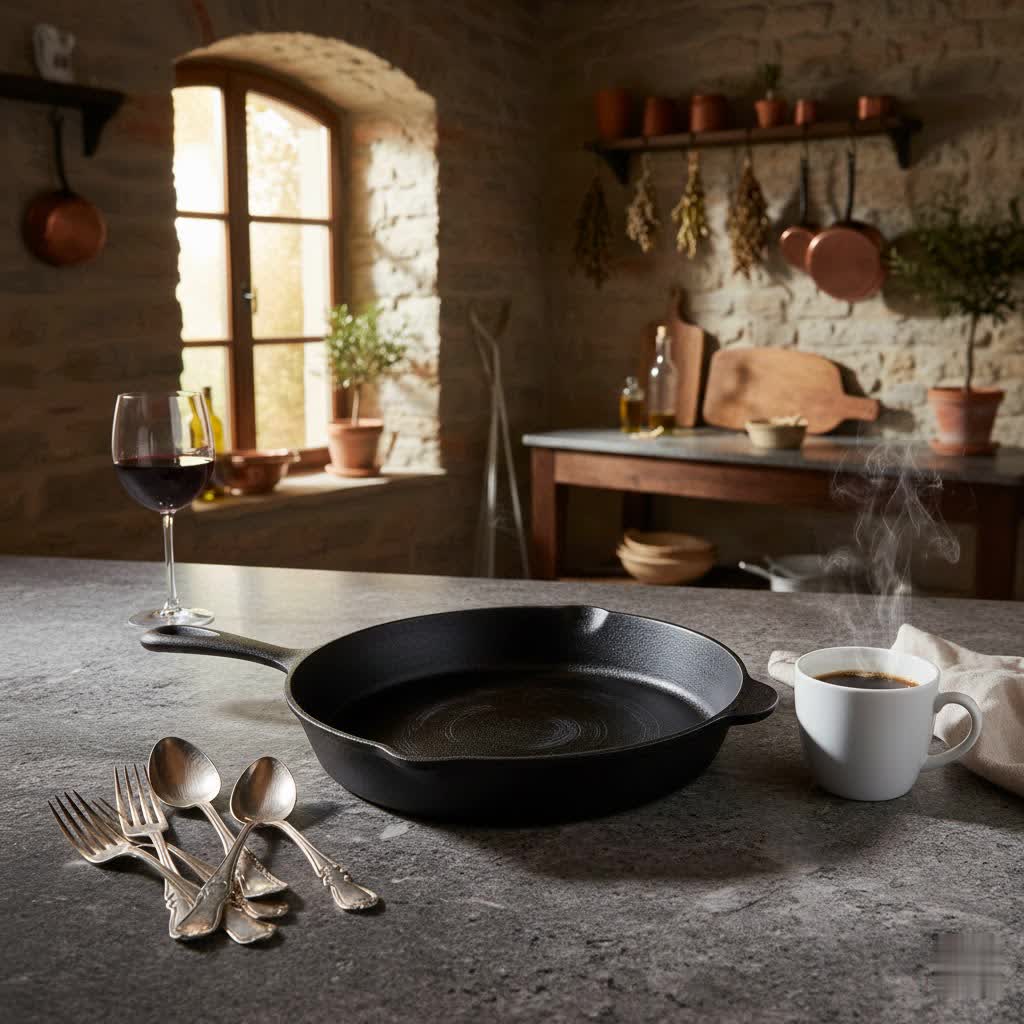
What is an Iron Skillet?
An iron skillet, commonly known as a cast iron skillet, is a heavy-duty frying pan made from cast iron. This material is an alloy of iron, carbon, and silicon, known for its robust and durable nature. Cast iron cookware has a rich history, dating back centuries, favored for its ability to withstand high temperatures and distribute heat evenly. Unlike modern non-stick pans with synthetic coatings, traditional cast iron develops a natural non-stick surface through a process called “seasoning,” where layers of polymerized oil create a protective, low-friction layer.
Superior Advantages of Cast Iron Skillets
Cast iron skillets offer a host of benefits that make them a favorite in kitchens worldwide, especially when considering larger sizes for ambitious cooking projects:
- Exceptional Durability and Longevity: Built to last for generations, cast iron skillets are incredibly tough and resistant to warping or denting. With proper care, they can be passed down as cherished family heirlooms.
- Superior Heat Retention and Even Distribution: The dense nature of cast iron allows it to absorb and retain heat remarkably well, ensuring consistent cooking temperatures across the entire surface. This is particularly crucial for large skillets, preventing hot spots and allowing food to cook uniformly.
- Natural Non-Stick Properties: A well-seasoned cast iron skillet develops a slick, natural non-stick surface that improves with every use. This eliminates the need for unhealthy chemical coatings found in many modern pans.
- Health Benefits: Cooking with cast iron can naturally fortify food with small amounts of dietary iron, a beneficial bonus for many. It’s also free from per- and polyfluoroalkyl substances (PFAS) and other potentially harmful chemicals.
- Unmatched Versatility: Cast iron skillets can transition seamlessly from stovetop (gas, electric, induction) to oven, broiler, grill, and even open campfires. This makes them ideal for a wide array of cooking techniques, from searing and frying to baking and braising.
Common Types of Cast Iron Skillets
While the core material remains cast iron, different styles cater to various needs:
- Traditional Cast Iron Skillets: These are the most common type, often pre-seasoned and ready to use. They require ongoing seasoning and specific cleaning methods to maintain their non-stick surface and prevent rust. They offer a rustic charm and robust performance.
- Enameled Cast Iron Skillets: Featuring a vitreous enamel glaze, these skillets boast a smooth, non-reactive surface. They don’t require seasoning, are easier to clean, and come in a vibrant array of colors. However, they are typically more expensive and can be prone to chipping if mishandled.
- Deep Skillets and Braisers: While similar to traditional skillets, these variations offer higher sides, making them excellent for dishes with more liquid, such as stews, sauces, or deep-frying. Braisers often have two helper handles and shallower, wider cooking surfaces for browning and slow cooking.
- Specialty Shapes: Beyond round skillets, you can find square griddles, grill pans with raised ridges, and even rectangular or oval shapes designed for specific foods or stovetop configurations.
How to Choose the Right Cast Iron Skillet for Big Cooking
When venturing into the realm of larger cast iron skillets, your selection criteria become even more critical due to their increased size and weight.
Size and Depth
Determining the right size is paramount, directly impacting your cooking capacity and practicality.
- Identify Your Needs: Consider the number of people you typically cook for and the types of dishes you plan to prepare. A 12-inch skillet is often considered a versatile “kitchen workhorse” for family meals, while a 14-inch or larger skillet excels for batch cooking, entertaining, or outdoor events.
- Stovetop and Oven Compatibility: Ensure your chosen skillet fits comfortably on your largest burner and, crucially, inside your oven, especially if you plan to use it for baking or roasting large cuts of meat. Measure your oven’s interior dimensions carefully.
- Cooking Surface vs. Diameter: Remember that the stated diameter usually refers to the top rim of the pan. The actual flat cooking surface will be slightly smaller, especially with sloped sides. For large skillets, a wider, flatter cooking surface maximizes usable space.
|
Our Picks for the Best Iron Skillet in 2026
As an Amazon Associate I earn from qualifying purchases.
|
||
| Num | Product | Action |
|---|---|---|
| 1 | Lodge 10.25 Inch Cast Iron Skillet – Pre-Seasoned Frying Pan with Teardrop Handle – Oven, Stovetop, Grill & Campfire Use – Made in USA – Durable, Non-Toxic, Even-Heating Cookware – Black |

|
| 2 | Utopia Kitchen Cast Iron Skillets 12 Inch, Chef's Pan, Pre-Seasoned Frying Pan, Stovetop, Oven, Campfire and Grill Large Skillet, Even Heat Distribution Multipurpose Cast Iron Pan - Black |
|
| 3 | Cuisinel Cast Iron Skillet with Lid - 12"-inch Pre-Seasoned Covered Frying Pan Set + Silicone Handle & Lid Holders + Scraper/Cleaner - Indoor/Outdoor, Oven, Stovetop, Camping Fire, Grill Safe Cookware |
|
| 4 | Mercer Culinary Pre-Seasoned Cast Iron Skillet, 10.25-Inch |
|
| 5 | EWFEN Cast Iron Skillet 3-Piece Set, Heavy-Duty Professional Restaurant Chef Quality Pre-Seasoned Pan Cookware Set, 6", 8", 10" Pans For Frying, Saute, Cooking, Use Indoor/Outdoor, Oven, Grill |
|
| 6 | Cuisinel Cast Iron Skillet with Lid - 12"-Inch Frying Pan + Glass Cover + Silicone Handle Holder - Pre-Seasoned Oven Safe Cookware - Indoor/Outdoor Use - Grill, BBQ, Fire, Stovetop. PFAS and PFOA-free |
|
| 7 | Lodge 12 Inch Pre-Seasoned Cast Iron Skillet - Dual Assist Handles - Use in the Oven, on the Stove, on the Grill, or Over a Campfire - Black |
|
| 8 | Lodge Pre-Seasoned Cast Iron Skillet Set - Set Includes 8 Inch Skillet, 10.25 Inch Skillet, and 12 inch Skillet - 3 Piece |
|
| 9 | Lodge 12 Inch Cast Iron Skillet with Red Silicone Hot Handle Holder – Pre-Seasoned Frying Pan for Stove, Oven, Grill & Campfire – Made in the USA – Durable, Nonstick Cast Iron Cookware – Black |
|
| 10 | Stargazer 10.5-Inch Cast Iron Skillet - Made in USA, Seasoned, Premium Frying Pan for Grilling, Searing, Baking & More – Durable Cast Iron with Smooth Cooking Surface |
|
Weight
Larger cast iron skillets can be significantly heavy, influencing handling and maneuverability.
- Consider Your Strength: A 14-inch skillet can weigh 10-12 pounds or more when empty, becoming substantially heavier when filled with food. Assess your comfort level with lifting and moving such weights, particularly when transferring from stovetop to oven or sink.
- Helper Handles are Essential: For skillets 12 inches and larger, a helper handle (a small loop opposite the main handle) is almost universally recommended. It provides crucial support for safe, two-handed lifting.
Material and Coating
Decide between traditional seasoned cast iron and enameled options based on your preferences for maintenance and aesthetics.
- Traditional (Seasoned) Cast Iron: Offers superior searing capabilities and develops a rich patina over time. It requires seasoning and specific cleaning, but many enthusiasts appreciate this hands-on approach.
- Enameled Cast Iron: Provides a non-reactive surface that’s easier to clean and doesn’t require seasoning. It’s often more visually appealing for serving, but typically comes at a higher price point and might not achieve the same intense sear as bare cast iron. Check for quality enamel that resists chipping.
Handles
The design and material of the handles are important for comfort and safety.
- Sturdy and Ergonomic: Look for handles that provide a secure grip, even when wearing oven mitts. For larger skillets, ensure the helper handle is substantial enough to offer real support.
- Heat Resistance: Traditional cast iron handles will get hot. Silicone handle covers or sturdy pot holders are essential. Enameled cast iron handles also retain heat, so caution is always advised.
Brand and Price
While a bigger skillet generally means a higher price, reputable brands often offer better quality and customer support.
- Reputation Matters: Invest in brands known for quality cast iron. They often have better casting, smoother finishes, and reliable pre-seasoning.
- Budget vs. Investment: View a large cast iron skillet as a long-term investment. While entry-level options exist, spending a bit more often translates to better performance and durability over decades.
Comparing Famous Cast Iron Skillet Brands
When it comes to cast iron, several brands stand out for their quality, tradition, and range of products, including their larger skillet offerings.
- Lodge: An American icon, Lodge is renowned for its affordable, durable, and widely available pre-seasoned cast iron. They offer a comprehensive range of sizes, including some of the largest traditional skillets designed for home use.
- Le Creuset: A French legacy brand famous for its vibrant enameled cast iron. While primarily known for Dutch ovens, Le Creuset also offers high-quality enameled skillets in larger sizes, known for their even heat and aesthetic appeal.
- Staub: Another premium French brand specializing in enameled cast iron. Staub skillets often feature a textured black matte interior for superior browning. They offer robust larger skillets, typically with double handles for easier lifting.
- Field Company: Known for producing lighter, smoother, vintage-style cast iron skillets made in the USA. Field Company focuses on a refined finish that is reminiscent of antique cast iron, and their larger skillets come with practical double-handle designs.
- Finex: This brand offers distinctive octagonal cast iron skillets with polished surfaces and “speed cool” spring handles. They are known for their premium craftsmanship and unique design, including sizable skillets for those who appreciate artisan quality.
- Smithey Ironware: Producing premium cast iron cookware with a signature polished, satin-smooth finish, Smithey skillets are designed for exceptional cooking and aesthetic appeal. Their larger skillets feature helper handles and thoughtful designs.
- Stargazer Cast Iron: A US-based company known for its smooth-surfaced, naturally non-stick, and easy-to-clean cast iron. Stargazer skillets are well-regarded for their flared rims for drip-free pouring and stay-cool handles.
Detailed Comparison of Large Cast Iron Skillet Models
Choosing the “biggest” often comes with trade-offs. Here’s a comparison focusing on some of the largest usable skillet options from leading brands:
| Feature | Lodge (Traditional) | Le Creuset (Enameled, Oval) | Staub (Enameled, Double Handle) | Field Company (Traditional) | Finex (Traditional, Octagonal) | Smithey Ironware (Traditional) | Stargazer Cast Iron (Traditional) |
|---|---|---|---|---|---|---|---|
| Max Size (approx) | 17-inch (round, two-handle) | 15.75-inch (oval) / 12-inch (round) | 13.4-inch (34cm) Round | 16.75-inch (No. 16, two-handle) | 14-inch (octagonal) | 14-inch (No. 14) | 12-inch (round) |
| Weight (approx) | 15-20 lbs (for 17″) | ~10-12 lbs (for 15.75″) | ~10-11 lbs (for 13.4″) | ~14-16 lbs (for No. 16) | ~12-14 lbs (for 14″) | ~12 lbs (for No. 14) | ~6.5-7 lbs (for 12″) |
| Material | Seasoned Cast Iron | Enameled Cast Iron | Enameled Cast Iron | Seasoned Cast Iron | Seasoned Cast Iron | Seasoned Cast Iron | Seasoned Cast Iron |
| Handles | Main + Helper (often two loops on largest sizes) | Main + Helper | Two Loop Handles | Two Loop Handles | Two “Speed Cool” Spring Handles | Main + Helper | Main (Stay-cool design) |
| Special Features | Pre-seasoned, workhorse | Vibrant colors, easy clean | Black matte interior for searing | Lighter, smoother finish | Octagonal shape, unique handle | Polished interior, elegant | Smooth surface, flared rim |
| Price Range | $$ | $$$$ | $$$$ | $$$ | $$$$ | $$$$ | $$$ |
| Pros | Excellent value, widely available, robust | Low maintenance, aesthetic, non-reactive | Superior browning, durable enamel | Vintage feel, lighter for its size, smooth | Distinctive design, good heat retention | Artisan quality, naturally non-stick | Ergonomic, lighter for its size, smooth |
| Cons | Can be rougher finish, heavy | Higher cost, can chip | High cost, heavy | Premium price, can be heavy | Very high cost, heavy | High cost, heavy | Limited largest size compared to others |
> “Choosing a large cast iron skillet is about balancing capacity with manageability. You want the cooking surface for your grand meals, but you also need to be able to lift it safely.” – Chef Eleanor Vance, Culinary Institute Professor and Cast Iron Enthusiast
How to Use and Care for Cast Iron Skillets Correctly
Proper care is the secret to a long-lasting and effective cast iron skillet, especially important for larger, heavier pieces.
Seasoning Cast Iron
Seasoning is crucial for non-stick performance and rust prevention.
- Initial Seasoning (for new bare cast iron): Even if pre-seasoned, an extra layer or two helps. Apply a very thin layer of high smoke point oil (like grapeseed or flaxseed oil) to the entire skillet. Bake upside down in an oven at 450-500°F (230-260°C) for one hour, then let it cool completely in the oven. Repeat 2-3 times.
- Restoring Seasoning: If your seasoning is damaged (food sticks, rust appears), clean it thoroughly, removing any rust, and then repeat the initial seasoning process.
- Enameled Cast Iron: Enameled skillets do not require seasoning as the enamel provides the non-stick surface.
Cleaning Cast Iron
Cleaning correctly prevents damage and maintains seasoning.
- After Each Use (Traditional): While still warm, scrape out food residue with a spatula or stiff brush. Rinse with hot water. For stubborn bits, use a little salt as an abrasive with a damp cloth. Avoid harsh soaps, as they can strip seasoning.
- Drying is Key: Immediately after rinsing, dry the skillet thoroughly on the stovetop over low heat for a few minutes until completely dry. Apply a very thin layer of cooking oil before storing.
- Enameled Cast Iron: Enameled skillets can be cleaned with soap and water, and many are dishwasher safe (though hand washing is often recommended to preserve the finish). Avoid abrasive cleaners or metal scouring pads.
Storing Cast Iron
Proper storage prevents rust and damage.
- Keep it Dry: Store your seasoned cast iron in a dry place to prevent rust.
- Protect the Surface: If stacking, place a paper towel or cloth between skillets to protect the cooking surface and absorb any residual moisture.
- Enameled Care: Store enameled skillets carefully to prevent chipping the enamel, especially around the rim.
Tips for Better Cooking with Cast Iron Skillets
Unlock the full potential of your cast iron skillet with these expert tips:
- Preheat Thoroughly: Cast iron needs time to heat evenly. Place it on medium heat for 5-10 minutes before adding food to ensure a consistent cooking surface.
- Use Enough Oil/Fat: While a well-seasoned skillet is non-stick, a little oil or cooking fat helps food release easily and contributes to the seasoning.
- Avoid Overcrowding: This is especially true for large skillets. While they offer more space, overcrowding can lower the pan’s temperature and steam food instead of searing it, leading to a less desirable texture.
- Limit Acidic Foods (for Traditional): Cooking highly acidic foods (like tomato sauce or lemon juice) for extended periods in traditional cast iron can strip the seasoning and impart a metallic taste. Enameled cast iron is non-reactive and perfectly safe for acidic ingredients.
- Use Appropriate Utensils: Wooden, silicone, or heat-resistant plastic utensils are best to protect your skillet’s seasoned or enameled surface. Metal spatulas are generally fine for traditional cast iron, as they can help scrape up fond and further smooth the seasoning.
Delicious Dishes to Cook with Cast Iron Skillets
Large cast iron skillets are perfect for preparing a wide array of mouth-watering dishes, especially when cooking for a crowd or meal prepping.
- Perfectly Seared Steaks or Chops: Achieve a beautiful crust and juicy interior for multiple cuts of meat simultaneously.
- Roasted Chicken or Vegetables: Roast a whole chicken or a large batch of vegetables in the oven for a flavorful, one-pan meal.
- Family-Sized Breakfasts: Fry up bacon, eggs, and pancakes all at once, or bake a generous frittata.
- Crispy Skillet Pizza: Create a deep-dish pizza with an incredibly crispy crust right in your skillet.
- Golden Cornbread or Skillet Cakes: Enjoy a perfectly golden, evenly baked cornbread or a large dessert cake.
- Large-Batch Stir-Fries or Paella: The expansive surface is ideal for sautéing big quantities of ingredients, allowing them to caramelize rather than steam.
Where to Buy Reliable Cast Iron Skillets
Investing in a quality cast iron skillet means knowing where to find reputable sources.
- Direct from Brands: Many leading cast iron manufacturers have their own websites where you can purchase directly, often with exclusive deals or full product lines.
- Specialty Cookware Stores: Stores specializing in kitchenware often carry a curated selection of high-quality cast iron brands, allowing you to see and feel the products before buying.
- Online Retailers: Large online marketplaces like Amazon, Wayfair, and Williams Sonoma offer a vast selection of cast iron skillets from various brands, often with competitive pricing and customer reviews.
- Department Stores: Major department stores typically have a kitchenware section featuring popular brands.
Buying Guide: Your Comprehensive Companion to Large Cast Iron Skillets
Choosing a large cast iron skillet is a significant decision that promises to enhance your culinary journey for years to come. Here’s a concise guide to help you make the best choice:
- Assess Your Capacity Needs: Clearly define how much food you typically need to cook. While a 12-inch skillet handles most family meals, consider 14-inch, 16-inch, or even 17-inch options for large gatherings, batch cooking, or specialized dishes.
- Mind the Weight: Larger skillets are heavy. Prioritize models with sturdy, comfortable helper handles for safe two-handed lifting and maneuvering.
- Check Compatibility: Ensure the skillet’s diameter fits your largest stovetop burner and, importantly, your oven interior if baking or roasting is part of your plan.
- Traditional vs. Enameled: Decide if you prefer the hands-on seasoning and searing power of traditional cast iron or the low-maintenance, colorful aesthetics of enameled cast iron.
- Research Brands: Opt for reputable brands known for their quality casting, durability, and reliable performance.
- Consider Your Budget: Cast iron skillets are an investment. While some premium brands come with a higher price tag, their longevity often justifies the cost.
By carefully considering these factors, you’ll find a large cast iron skillet that not only meets your needs but becomes an indispensable part of your kitchen for a lifetime of delicious meals.
Conclusion
The biggest cast iron skillets open up a world of culinary possibilities, allowing you to tackle everything from everyday family dinners to grand feasts with confidence and control. Their unmatched durability, superior heat retention, and natural non-stick properties make them a cornerstone of any well-equipped kitchen. Whether you opt for a hefty 17-inch traditional Lodge or a beautifully enameled 15-inch Le Creuset, understanding their unique advantages and committing to proper care will ensure your investment lasts for generations. Embrace the versatility and power of these magnificent pieces of cookware, and elevate your cooking to new heights.
What grand culinary adventures will your new, biggest cast iron skillet inspire?
Frequently Asked Questions
What is the largest practical cast iron skillet size for home use?
For most home kitchens, a 14-inch cast iron skillet strikes an excellent balance between generous cooking capacity and manageable weight. While larger 15-inch or 17-inch skillets exist, they require ample stovetop and oven space and can be very heavy, often needing two people to handle safely, making 14-inch a more practical maximum for many.
How heavy is a typical 14-inch cast iron skillet?
A 14-inch cast iron skillet typically weighs between 10 to 14 pounds when empty. This weight can increase significantly once filled with food, emphasizing the importance of models with robust helper handles for safe and easy maneuvering.
Can I use an extra-large cast iron skillet on an induction cooktop?
Yes, most traditional cast iron skillets are compatible with induction cooktops due to their ferrous metal composition. However, for extra-large skillets (e.g., 14 inches or larger), you might experience uneven heating if the skillet’s base significantly exceeds the diameter of your induction burner. Preheating in the oven can help mitigate this.
What are the main differences between a large traditional and a large enameled cast iron skillet?
The primary differences lie in maintenance and aesthetics. Traditional large skillets require regular seasoning and specific cleaning to prevent rust and maintain a non-stick surface, offering robust searing. Large enameled skillets, while often more expensive, require no seasoning, are easier to clean, and are non-reactive to acidic foods, making them versatile and visually appealing for serving.
How do I prevent my big cast iron skillet from rusting?
To prevent rust on your large cast iron skillet, always ensure it is thoroughly dried immediately after washing. Placing it on a stovetop burner over low heat for a few minutes after drying helps evaporate any residual moisture. Finish by applying a very thin layer of cooking oil to the entire surface before storing it in a dry environment.
