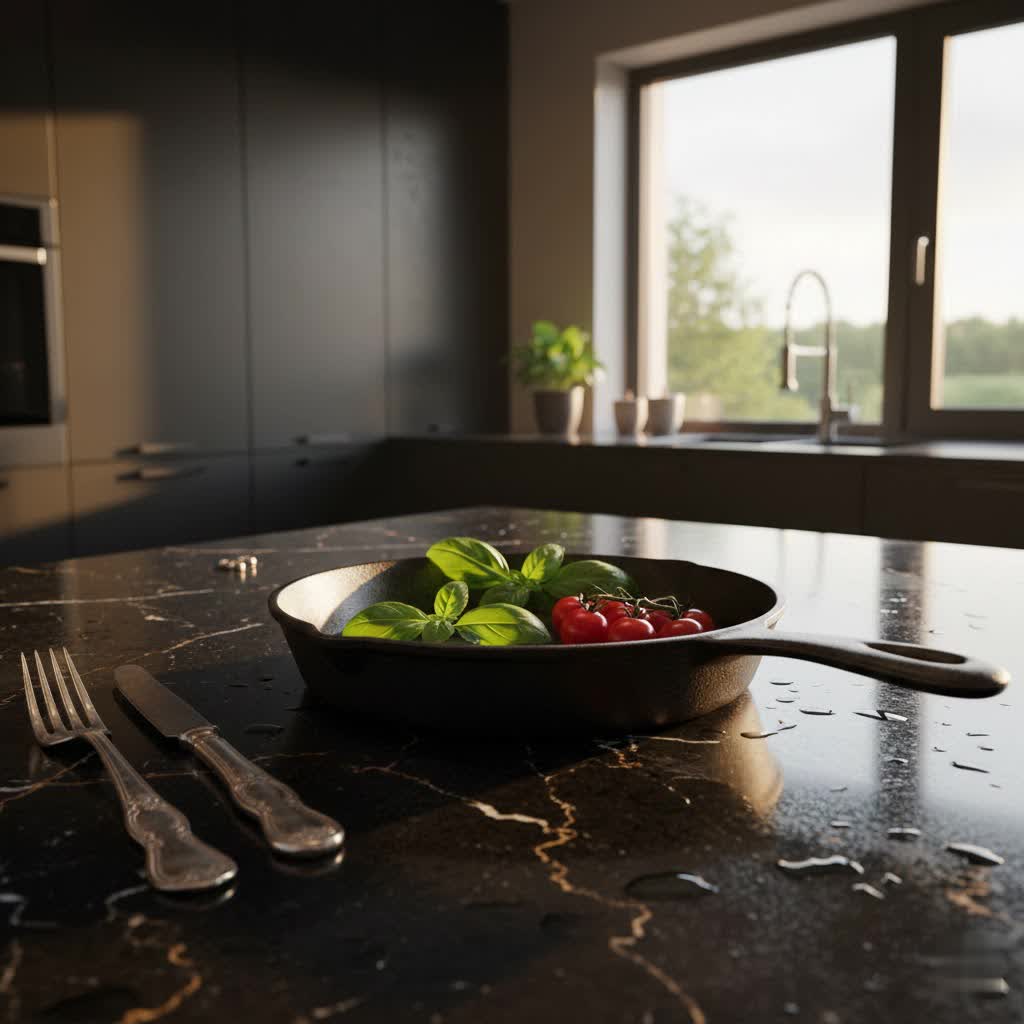
Discovering an Antique Cast Iron Skillet isn’t just finding old cookware; it’s uncovering a piece of culinary history. These revered cooking tools, often passed down through generations, offer unparalleled performance and a rich narrative that modern pans simply can’t replicate. Whether you’ve inherited a seasoned family heirloom or stumbled upon a hidden gem at an estate sale, understanding the unique world of vintage cast iron is essential. This comprehensive guide will walk you through identifying, valuing, restoring, and cherishing your antique cast iron skillet, transforming it into a centerpiece of your kitchen for years to come.
What is an Antique Cast Iron Skillet?
An antique cast iron skillet refers to cookware primarily manufactured before the mid-20th century, typically before the 1950s. Unlike their modern counterparts, these older skillets were often made with thinner walls and a smoother cooking surface, a testament to the refined casting techniques of their era. Foundries of the late 19th and early 20th centuries perfected the art of creating durable, high-performing cast iron, making these pieces highly sought after by collectors and home cooks alike. Many antique skillets still in active use today are a century old or even older, proving their exceptional longevity and enduring quality.
Why the Enduring Appeal of Antique Cast Iron?
The fascination with antique cast iron isn’t merely nostalgic; it’s rooted in distinct practical advantages and a profound sense of heritage.
- Superior Craftsmanship and Smoothness: Early cast iron production involved meticulous finishing processes, often resulting in cooking surfaces that were polished to an almost glass-like smoothness. This refined texture contributes to better non-stick properties once properly seasoned.
- Lighter Weight: Due to different manufacturing methods, many vintage skillets are noticeably lighter than their modern equivalents, making them easier to handle, especially for larger sizes.
- Exceptional Heat Distribution: The thinner yet denser casting of antique iron often leads to more even heat distribution across the cooking surface, preventing hot spots and ensuring consistent cooking results.
- Enhanced Seasoning: A well-cared-for antique skillet benefits from decades, if not a century, of baked-on seasoning. This deep, polymerized oil layer creates a naturally non-stick finish that improves with every use, imbuing food with distinct flavors.
- Historical Value and Durability: Each scratch and patina tells a story of countless meals and family gatherings. These pans were built to last for generations, embodying a level of durability rarely seen in contemporary cookware.
Key Characteristics of Antique Cast Iron Skillets
Identifying an antique cast iron skillet goes beyond just its age; it involves recognizing specific design elements and manufacturing nuances that distinguish older pieces from newer ones.
- Weight and Smoothness: A tell-tale sign of vintage cast iron is its comparatively lighter weight and incredibly smooth cooking surface. Modern cast iron often has a rougher texture due indicative of sand casting.
- Heat Rings: Many antique skillets feature a raised “heat ring” on the bottom circumference. This design element was crucial for stability and efficient heating on older wood-burning or coal stoves, and it’s commonly found on pieces made before the 1950s.
- Pour Spouts: Observe the pour spouts (if present) on the sides of the skillet. Older designs often showcase more pronounced, symmetrical, and elegantly tapered pour spouts.
- Gate Marks: A definitive marker of very early cast iron, typically pre-1890s, is a “gate mark.” This small, raised scar or line is found on the bottom of the pan, indicating where molten iron entered the mold. Its presence is a strong indicator of a true 19th-century piece.
- Absence of “Made in USA” Markings: Generally, cast iron produced before the 1960s did not include “Made in USA” stamps. If you find this marking, it likely dates the skillet to the mid-20th century or later.
Identifying Your Antique Cast Iron Skillet: A Collector’s Guide
Deciphering the marks on an antique cast iron skillet is like reading a historical map, revealing its origins, manufacturer, and even its approximate age.
Maker’s Marks and Logos
The most direct way to identify an antique skillet is through its maker’s mark or logo, usually found on the bottom or sometimes on the handle. Key brands to look for include:
- Griswold: Renowned for their exceptionally smooth cooking surfaces and iconic spider web or cross logos. Collectors often distinguish between “large block” (older, more valuable) and “small block” (later production) logos.
- Wagner Ware (Sidney, Ohio): Known for light, well-balanced skillets with understated, often stylized, markings. They produced a vast range of cookware.
- Early Lodge: While Lodge is a prominent modern manufacturer, their early pieces (pre-1970s) are distinct, often lighter and smoother, sometimes identified by raised numbers or letters.
- Birmingham Stove & Range (BSR): These skillets are practical and robust, often found with a solid heat ring and sometimes “Red Mountain” or “Century” series markings.
- Erie: Highly collectible, Erie skillets often feature a distinct “spider” logo or series numbers (e.g., Erie No. 7).
- Wapak: From Wapakoneta, Ohio, these can be identified by their distinctive Indian head logo or other specific markings.
|
Our Picks for the Best Iron Skillet in 2026
As an Amazon Associate I earn from qualifying purchases.
|
||
| Num | Product | Action |
|---|---|---|
| 1 | Utopia Kitchen Cast Iron Skillets 12 Inch, Chef's Pan, Pre-Seasoned Frying Pan, Stovetop, Oven, Campfire and Grill Large Skillet, Even Heat Distribution Multipurpose Cast Iron Pan - Black |

|
| 2 | Lodge 12 Inch Cast Iron Skillet with Red Silicone Hot Handle Holder – Pre-Seasoned Frying Pan for Stove, Oven, Grill & Campfire – Made in the USA – Durable, Nonstick Cast Iron Cookware – Black |
|
| 3 | Mercer Culinary Pre-Seasoned Cast Iron Skillet, 10.25-Inch |
|
| 4 | Lodge 10.25 Inch Cast Iron Skillet – Pre-Seasoned Frying Pan with Teardrop Handle – Oven, Stovetop, Grill & Campfire Use – Made in USA – Durable, Non-Toxic, Even-Heating Cookware – Black |
|
| 5 | Lodge 12 Inch Pre-Seasoned Cast Iron Skillet - Dual Assist Handles - Use in the Oven, on the Stove, on the Grill, or Over a Campfire - Black |
|
| 6 | EWFEN Cast Iron Skillet 3-Piece Set, Heavy-Duty Professional Restaurant Chef Quality Pre-Seasoned Pan Cookware Set, 6", 8", 10" Pans For Frying, Saute, Cooking, Use Indoor/Outdoor, Oven, Grill |
|
| 7 | Lodge Pre-Seasoned Cast Iron Skillet Set - Set Includes 8 Inch Skillet, 10.25 Inch Skillet, and 12 inch Skillet - 3 Piece |
|
| 8 | Cuisinel Cast Iron Skillet with Lid - 12"-inch Pre-Seasoned Covered Frying Pan Set + Silicone Handle & Lid Holders + Scraper/Cleaner - Indoor/Outdoor, Oven, Stovetop, Camping Fire, Grill Safe Cookware |
|
| 9 | Stargazer 10.5-Inch Cast Iron Skillet - Made in USA, Seasoned, Premium Frying Pan for Grilling, Searing, Baking & More – Durable Cast Iron with Smooth Cooking Surface |
|
| 10 | Cuisinel Cast Iron Skillet with Lid - 12"-Inch Frying Pan + Glass Cover + Silicone Handle Holder - Pre-Seasoned Oven Safe Cookware - Indoor/Outdoor Use - Grill, BBQ, Fire, Stovetop. PFAS and PFOA-free |
|
Pattern Numbers and Foundry Locations
Beyond primary logos, you might find subtle numbers or letters, known as pattern numbers or mold numbers. These were internal foundry codes used for tracking specific molds. While they don’t always align with the pan’s size, they are crucial for collectors in identifying specific production runs or variations within a series. Some pans may also bear the foundry’s city name, like “Piqua” or “Sydney.”
The Mystery of Unmarked Pans
It’s important to remember that many high-quality vintage skillets were never branded at all. These “unmarked” pans can be just as exceptional as their named counterparts. Identifying them often relies on a combination of other physical characteristics like weight, smoothness, heat rings, pour spout design, and gate marks.
Common vs. Rare Sizes
The size of an antique skillet can significantly impact its collectibility and value. While sizes #3, #6, and #8 are quite common, rare sizes like #1, #2, #11, #13, and #20 are highly sought after by collectors and can fetch premium prices. For example, a rare Griswold “spider skillet” from the 1890s in mint condition could be worth thousands.
Assessing Condition: What to Look For (and Avoid)
When evaluating an antique cast iron skillet, condition is paramount. While some imperfections are part of its charm, certain flaws can render a pan unusable or significantly diminish its value.
- Rust: Superficial, light rust is almost always restorable. However, deep, flaky rust that has led to extensive pitting of the metal indicates irreparable damage and uneven cooking.
- Warping or Wobbling: Place the skillet on a flat surface and check for any movement or wobbling. A warped bottom will not sit flat on a modern glass-top stove and can affect heat distribution on any stovetop. Minor warping might be acceptable for gas stoves or open-fire cooking, but severe warping significantly reduces usability and value.
- Cracks: Any visible cracks in the skillet are deal-breakers. Cast iron cracks are structural and cannot be safely repaired for cooking, making the pan suitable only for decorative purposes.
- “Buttered Over” Logos or Ghost Marks: These are unique historical features where an older logo or pattern faintly shows through a newer one, often due to foundries reusing or modifying molds. While interesting, they might affect aesthetic appeal for some, but can increase value for others as a testament to manufacturing history.
Restoring and Seasoning Your Antique Cast Iron Skillet
Even the rustiest, cruddiest antique skillet can often be brought back to life with patience and the right techniques. The goal is to strip away old gunk and rust, revealing the pristine iron underneath, and then building a fresh, durable seasoning.
Stripping Old Seasoning and Rust
Several methods can be employed to strip an antique skillet:
- Lye Bath / Oven Cleaner (Easy-Off): For pans with heavy carbon buildup and old seasoning, a lye-based solution (such as heavy-duty oven cleaner) is highly effective. Spray the pan thoroughly, seal it in a heavy-duty garbage bag, and let it sit for 24-48 hours. This process dissolves old seasoning and crud, making it easier to scrub off. Always wear protective gloves and eye protection.
- Vinegar Bath: For rust removal, a diluted vinegar solution (50/50 white vinegar and water) works wonders. Soak the pan for a few hours (6-12 hours is often recommended, but never longer than 24 hours, as vinegar can pit the iron if left too long). After soaking, scrub the rust away.
- Electrolysis: For the most stubborn rust and carbon, an electrolysis tank setup is a highly effective, non-destructive method preferred by many serious collectors. It uses an electrical current to remove rust and carbon buildup.
After stripping, scrub the pan with a stiff brush or steel wool under hot water until it reveals a uniform gunmetal gray color.
Re-Seasoning Your Skillet
Once stripped and thoroughly cleaned, your antique skillet needs immediate re-seasoning to prevent rust and build its non-stick surface.
- Dry Thoroughly: Immediately after washing, dry the pan completely with a cloth. For extra assurance, place it in a warm oven (around 200°F) for 10-15 minutes to evaporate all moisture.
- Apply a Thin Oil Coat: While still warm, apply a very thin, even layer of high smoke-point cooking oil (like grapeseed, flaxseed, or vegetable oil) to all surfaces of the skillet, inside and out. Crucially, wipe off almost all the oil with a clean cloth until it looks dry to the touch; too much oil will result in a sticky, uneven seasoning.
- Bake: Place the skillet upside down in a preheated oven (350-450°F, depending on the oil’s smoke point). Place a baking sheet or aluminum foil on the rack below to catch any drips. Bake for one hour.
- Cool and Repeat: Turn off the oven and let the skillet cool completely inside. Repeat this oiling and baking process 3-5 times to build a durable, non-stick seasoning layer.
Ongoing Care for Your Antique Iron
Maintaining your seasoned antique cast iron skillet is simple:
- Cleaning: After cooking, wash with hot water and a sponge or stiff brush. Modern, gentle dish soap is now considered safe and won’t strip well-established seasoning. Avoid harsh abrasives or steel wool unless you are intentionally re-stripping.
- Drying: Always dry your skillet thoroughly immediately after washing. A quick wipe and then a few minutes over low heat on the stovetop will ensure all moisture is gone, preventing rust.
- Re-oiling: After drying, apply a very thin coat of cooking oil to the interior surface before storing.
> “The beauty of antique cast iron is its resilience. Even the most neglected pan can often be brought back to life, honoring its past and preparing it for a new generation of delicious meals.” – John Taylor, Cast Iron Expert
Cooking with Vintage Iron: Tips for Culinary Success
Cooking with an antique cast iron skillet is a truly rewarding experience, offering superior results for many dishes.
- Preheat Properly: Cast iron excels at retaining heat, but it takes time to heat evenly. Always preheat your skillet over medium heat for several minutes before adding food to ensure consistent cooking and prevent sticking.
- Use Appropriate Temperatures: Once hot, cast iron retains heat exceptionally well, so you often need less heat than with other pans. Avoid extreme temperature changes, which can cause cracking (thermal shock).
- Oil Generously (Initially): While your seasoning builds, don’t be shy with oil or fat when cooking. Over time, as your seasoning strengthens, you’ll need less.
- Avoid Overly Acidic Foods (for long periods): Highly acidic foods like tomato sauce, while fine for short stints, can strip away nascent seasoning if cooked for extended periods in a newly seasoned or poorly seasoned pan. Well-seasoned pans are more forgiving.
- Use Proper Utensils: Wooden or silicone utensils are always recommended to protect your seasoning. Metal spatulas are generally fine on well-seasoned cast iron and can even help to polish the surface.
Where to Find Authentic Antique Cast Iron Skillets
The thrill of the hunt is a significant part of antique cast iron collecting. Here are the best places to discover these culinary treasures:
- Antique Shops and Malls: These are prime locations, though prices can vary widely depending on the dealer’s knowledge.
- Estate Sales: Often yield excellent finds, sometimes entire collections, as people clear out old homes. Inspect thoroughly before buying.
- Flea Markets and Yard Sales: True treasure troves where you might find diamonds in the rough for very low prices. Be prepared to restore.
- Online Auctions and Marketplaces (eBay, Facebook Marketplace): Offer a vast selection, but require careful inspection of photos and descriptions, and asking direct questions to sellers. Look for reputable sellers with clear return policies.
- Specialized Forums and Collector Groups: Online communities dedicated to cast iron often have members selling, trading, or sharing information about where to find pieces.
Buying Guide for Antique Cast Iron Skillets
Navigating the market for antique cast iron can be daunting, but a few key considerations will guide you to a worthwhile purchase.
- Prioritize Condition: Above all, seek pans free of cracks, severe warping, and deep pitting. Surface rust and old carbon buildup are generally restorable.
- Identify Markings: Look for clear maker’s marks or other identifying features. Research brands like Griswold, Wagner, early Lodge, and BSR. Even unmarked pans can be excellent if they exhibit other antique characteristics.
- Consider Rarity and Value: While rare sizes and specific brand variations (like large block Griswold logos) command higher prices, a common, well-made skillet in good condition can be a fantastic, affordable user pan.
- Inspect Thoroughly: Bring a straightedge to check for wobbling and a flashlight to examine markings. Don’t be afraid to ask sellers questions about the pan’s history or condition.
- Set a Budget: Decide whether you’re collecting for display or for daily cooking, as this will influence how much you’re willing to spend. A functional, unrestored user pan can be had for significantly less than a pristine collector’s item.
Conclusion
Antique cast iron skillets are more than just cooking tools; they are enduring legacies of craftsmanship and culinary tradition. Their superior cooking performance, unique historical character, and incredible durability make them a cherished addition to any kitchen. By understanding how to identify, assess, and lovingly restore these vintage treasures, you not only preserve a piece of history but also unlock a lifetime of exceptional cooking experiences. So, the next time you encounter an old cast iron pan, consider the stories it could tell and the meals it has yet to create. What culinary adventures will you embark on with your antique cast iron?
Frequently Asked Questions
How can I tell if my cast iron skillet is truly antique?
Look for characteristics like lighter weight, smoother cooking surfaces, the presence of a heat ring, pronounced pour spouts, or a gate mark (for very old pieces). Also, check for specific maker’s marks from renowned early foundries like Griswold or Wagner, and note the absence of “Made in USA” stamps, which generally appeared after the 1960s.
Are antique cast iron skillets safe to cook with?
Yes, absolutely. Once properly cleaned and re-seasoned, antique cast iron skillets are perfectly safe for cooking. They are free from the synthetic non-stick coatings found in many modern pans, offering a naturally non-stick surface created by polymerized oil layers. Ensure there are no deep pits or cracks that could compromise food safety or cooking performance.
Which antique cast iron brands are the most valuable?
Griswold and Wagner Ware are generally considered the most valuable and sought-after antique cast iron brands due to their superior quality and detailed craftsmanship. Other collectible brands include early Lodge, Birmingham Stove & Range (BSR), Erie, and Wapak. Specific rare pieces or sizes within these brands can fetch premium prices.
How do I restore a very rusty antique cast iron skillet?
For rusty skillets, a diluted white vinegar bath (50/50 vinegar and water, soaked for 6-12 hours) is effective for removing surface rust. For heavy rust and old seasoning, a lye-based oven cleaner or an electrolysis setup are more powerful options. Always follow up with thorough cleaning, drying, and multiple layers of seasoning to protect the pan.
Can I use my antique cast iron skillet on a glass-top stove?
You can use antique cast iron on a glass-top stove, but with caution. Ensure the skillet’s bottom is perfectly flat and free of warping to prevent scratches or uneven heating. The heavier weight of cast iron also necessitates careful handling to avoid dropping it on the delicate glass surface.
What is seasoning, and why is it important for antique cast iron?
Seasoning is a layer of polymerized oil baked onto the cast iron surface, creating a natural, durable, non-stick finish and protecting the pan from rust. For antique cast iron, a strong seasoning enhances its cooking performance, contributes to even heat distribution, and is crucial for preserving the metal’s integrity for generations.
