For generations, the cast iron skillet has been a cornerstone of American kitchens, revered for its robust durability and unmatched cooking performance. In an age of disposable cookware, an American-made cast iron skillet stands apart, embodying a tradition of quality craftsmanship and a commitment to longevity. Choosing a skillet crafted right here in the USA means investing in a piece of culinary heritage that promises to deliver exceptional results for decades, often becoming a cherished family heirloom. This comprehensive guide will help you navigate the world of American-made cast iron, from understanding its unique benefits to selecting the perfect skillet for your home and mastering its care.
What is a Cast Iron Skillet?
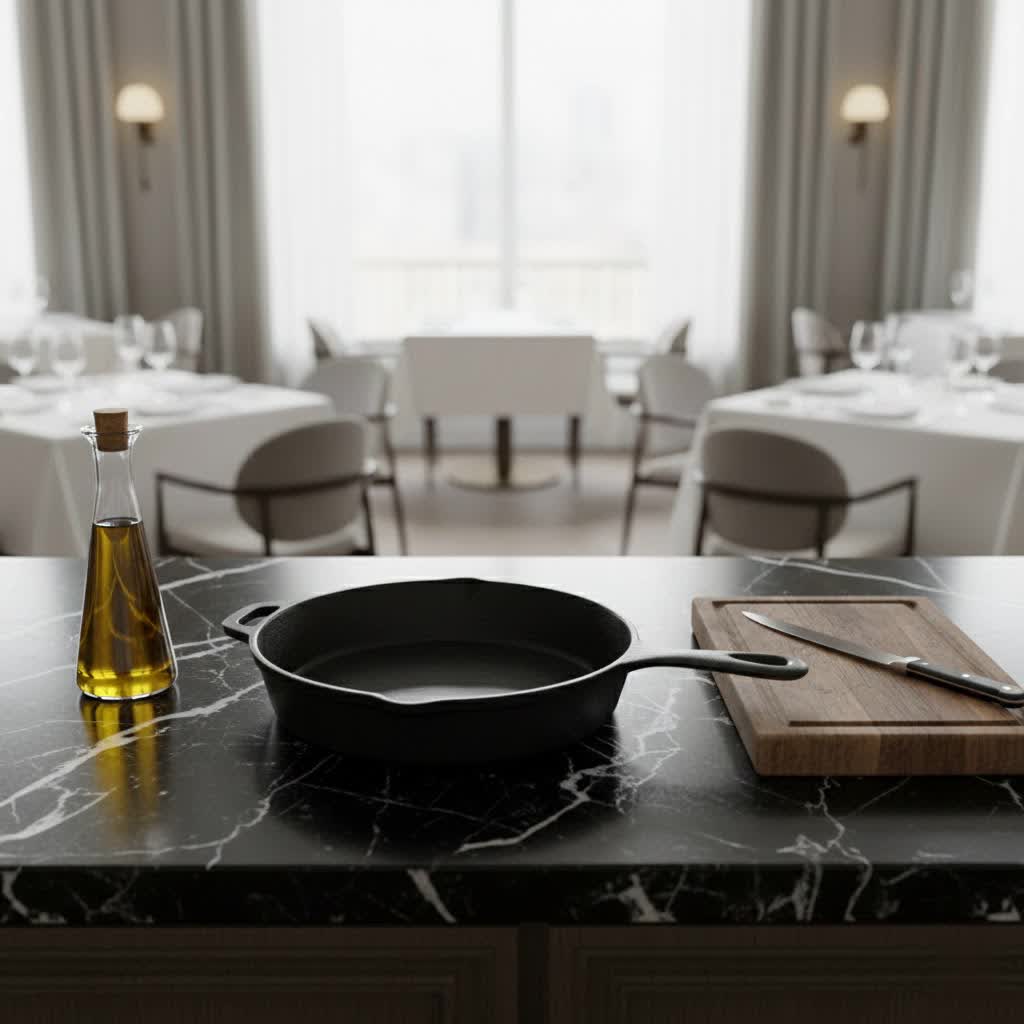
A cast iron skillet is a heavy-duty frying pan made from casting molten iron into a mold. This process creates a single, seamless piece of cookware known for its exceptional heat retention and even cooking. Historically, cast iron cookware played a vital role in early American households, cherished for its resilience and ability to perform diverse cooking tasks over open fires and in hearths. Its simple yet effective design has changed little over centuries, making it a timeless tool in modern kitchens.
Superior Advantages of Cast Iron Skillets
The enduring popularity of cast iron skillets, especially those made in America, stems from their remarkable array of benefits:
- Exceptional Durability and Longevity: Crafted from a single piece of iron, these skillets are virtually indestructible. With proper care, they can last for generations, often outliving their owners.
- Consistent Heat Retention and Distribution: Cast iron excels at absorbing and holding heat, distributing it evenly across the cooking surface. This ensures consistent browning and reduces hot spots, perfect for searing steaks or baking cornbread.
- Natural Non-Stick Surface: When properly seasoned—a process of baking thin layers of oil onto the surface—cast iron develops a naturally slick, non-stick patina that improves with every use. This eliminates the need for chemical coatings found in many modern non-stick pans.
- Health-Safe Cooking: Free from synthetic chemicals like PFOA and PTFE, cast iron offers a healthier cooking alternative. It can even leach small amounts of dietary iron into food, which can be beneficial.
- Unrivaled Versatility: American-made cast iron skillets are true workhorses. They can be used on all stovetop types (gas, electric, induction), in the oven, on the grill, or even over a campfire, making them ideal for a wide range of recipes from frying and sautéing to baking and roasting.
Types of Cast Iron Skillets
While the core material remains the same, cast iron skillets come in a few common variations:
- Traditional (Bare) Cast Iron: These are the classic black skillets, typically pre-seasoned by the manufacturer or ready for home seasoning. They require diligent care to maintain their non-stick surface and prevent rust, but offer unparalleled performance and longevity.
- Enameled Cast Iron: While many renowned enameled cast iron brands are European, some American manufacturers may offer enameled pieces. Enameled cast iron features a durable porcelain glaze over the iron, which prevents rust and eliminates the need for seasoning. It’s easier to clean and comes in vibrant colors, though it may not develop the same natural non-stick quality as bare cast iron.
- Specialty Designs: This category includes skillets with unique features like integrated pour spouts, helper handles, deeper sides, or even lighter-weight designs, all aiming to enhance usability and cooking experience.
How to Choose the Right Cast Iron Skillet
Selecting the ideal American-made cast iron skillet involves considering several factors to match your cooking style and needs.
Size and Depth
- Determine Your Needs: Consider how many people you typically cook for and the types of dishes you prepare. A small 6-8 inch skillet is perfect for single servings or fried eggs, while a 10-12 inch pan is versatile for most family meals.
- Versatility: Larger skillets (12 inches and up) are excellent for roasting whole chickens, baking large casseroles, or preparing meals for entertaining. Deeper skillets are beneficial for frying or stewing.
|
Our Picks for the Best Iron Skillet in 2026
As an Amazon Associate I earn from qualifying purchases.
|
||
| Num | Product | Action |
|---|---|---|
| 1 | Cuisinel Cast Iron Skillet with Lid - 12"-Inch Frying Pan + Glass Cover + Silicone Handle Holder - Pre-Seasoned Oven Safe Cookware - Indoor/Outdoor Use - Grill, BBQ, Fire, Stovetop. PFAS and PFOA-free |

|
| 2 | Lodge 10.25 Inch Cast Iron Skillet – Pre-Seasoned Frying Pan with Teardrop Handle – Oven, Stovetop, Grill & Campfire Use – Made in USA – Durable, Non-Toxic, Even-Heating Cookware – Black |
|
| 3 | Utopia Kitchen Cast Iron Skillets 12 Inch, Chef's Pan, Pre-Seasoned Frying Pan, Stovetop, Oven, Campfire and Grill Large Skillet, Even Heat Distribution Multipurpose Cast Iron Pan - Black |
|
| 4 | Cuisinel Cast Iron Skillet with Lid - 12"-inch Pre-Seasoned Covered Frying Pan Set + Silicone Handle & Lid Holders + Scraper/Cleaner - Indoor/Outdoor, Oven, Stovetop, Camping Fire, Grill Safe Cookware |
|
| 5 | Lodge 12 Inch Pre-Seasoned Cast Iron Skillet - Dual Assist Handles - Use in the Oven, on the Stove, on the Grill, or Over a Campfire - Black |
|
| 6 | Lodge Pre-Seasoned Cast Iron Skillet Set - Set Includes 8 Inch Skillet, 10.25 Inch Skillet, and 12 inch Skillet - 3 Piece |
|
| 7 | Mercer Culinary Pre-Seasoned Cast Iron Skillet, 10.25-Inch |
|
| 8 | EWFEN Cast Iron Skillet 3-Piece Set, Heavy-Duty Professional Restaurant Chef Quality Pre-Seasoned Pan Cookware Set, 6", 8", 10" Pans For Frying, Saute, Cooking, Use Indoor/Outdoor, Oven, Grill |
|
| 9 | Stargazer 10.5-Inch Cast Iron Skillet - Made in USA, Seasoned, Premium Frying Pan for Grilling, Searing, Baking & More – Durable Cast Iron with Smooth Cooking Surface |
|
| 10 | Lodge 12 Inch Cast Iron Skillet with Red Silicone Hot Handle Holder – Pre-Seasoned Frying Pan for Stove, Oven, Grill & Campfire – Made in the USA – Durable, Nonstick Cast Iron Cookware – Black |
|
Weight
- Maneuverability vs. Heat Mass: Traditional cast iron is heavy, which contributes to its superior heat retention. However, some modern American brands offer lighter designs for easier handling without sacrificing much performance.
- Consider Your Strength: Choose a weight you are comfortable lifting, especially when the pan is full of food. Helper handles on larger skillets can significantly aid in this.
Material and Finish
- Bare Cast Iron: Look for high-quality, evenly cast iron. Some brands offer a smoother cooking surface, which can enhance the natural non-stick properties and make cleaning easier. Most come pre-seasoned, providing an immediate head start.
- Enameled (if applicable): If considering enameled, ensure the finish is chip-resistant and durable.
Handle
- Ergonomics and Safety: Opt for a handle that provides a comfortable and secure grip. Many American brands design handles that stay cooler on the stovetop, but always assume it’s hot and use a potholder or handle cover.
- Helper Handles: For larger or heavier skillets, a secondary “helper” handle opposite the main handle is invaluable for safe transport from stovetop to oven or table.
Brand and Price
- Reputation for Quality: Focus on reputable American brands known for their consistent quality and customer support.
- Investment Piece: While prices vary, consider your purchase an investment. A well-made American cast iron skillet is a one-time purchase that will serve you for life.
Comparing Renowned American Cast Iron Skillet Brands
The market for American-made cast iron is rich with brands that uphold a legacy of quality. Here’s a comparison of some top contenders:
| Brand | Origin | Key Features | Price Range (Approx.) |
|---|---|---|---|
| Lodge | South Pittsburg, TN | Classic workhorse, pre-seasoned, excellent value, robust, wide range of sizes. | $ – $$ |
| Lancaster | Pennsylvania | Lighter weight, vintage design, ultra-smooth machined surface, refined feel. | $$$ |
| Stargazer | Pennsylvania | Modern design, lighter, elongated handle, smooth, customizable initial seasoning. | $$$ |
| Smithey Ironware | Charleston, SC | Polished, glassy-smooth finish, ergonomic handle, premium craftsmanship. | $$$$ |
| Field Company | New York | Lightweight, ultra-smooth machined surface, vintage-inspired design, excellent heat retention. | $$$ |
- Lodge: A household name, Lodge has been producing cast iron in Tennessee since 1896. They are renowned for their durable, affordable, and readily available pre-seasoned skillets, making them an excellent entry point for new cast iron users.
- Lancaster Cast Iron: Focusing on modernizing vintage designs, Lancaster skillets are known for their lighter weight and exceptionally smooth cooking surfaces, providing a more refined cooking experience, particularly for delicate foods like eggs.
- Stargazer Cast Iron: This brand merges traditional American craftsmanship with innovative design. Their skillets feature a unique, lighter build and an elongated handle, along with a distinct, slightly pre-seasoned surface that allows users to truly “break in” their pan.
- Smithey Ironware: For those seeking a premium experience, Smithey offers skillets with a stunning, hand-polished, mirror-smooth finish. Their attention to detail and ergonomic design make them a luxurious option for serious cooks.
- Field Company: Emulating the beloved smooth finish and lighter weight of vintage cast iron, Field Company skillets are highly sought after for their exceptional balance, rapid heating, and superior cooking surface.
Detailed Comparison of American Cast Iron Skillet Characteristics
While specific models vary, here’s a look at some characteristics you’ll find among top American brands:
| Characteristic | Lodge (Traditional) | Lancaster/Field/Stargazer (Modern Artisan) | Smithey (Premium Artisan) |
|---|---|---|---|
| Surface Finish | Textured (factory) | Ultra-smooth (machined) | Glassy-smooth (hand-polished) |
| Weight | Heavier, robust | Lighter, more maneuverable | Mid-weight, balanced |
| Pre-Seasoning | Good factory pre-seasoning | Good factory pre-seasoning (some lighter) | Excellent factory pre-seasoning |
| Handle Design | Classic, often with helper | Ergonomic, often elongated, stay-cool | Ergonomic, integrated |
| Versatility | High | High | High |
Proper Use and Care for Cast Iron Skillets
To ensure your American-made cast iron skillet performs optimally and lasts a lifetime, proper use and care are essential.
Seasoning Your Cast Iron Skillet
- Initial Seasoning (if needed): Most American-made skillets come pre-seasoned. If yours doesn’t, or if you strip the seasoning, apply a very thin layer of high smoke point oil (like flaxseed, grapeseed, or vegetable oil) over the entire pan. Bake it upside down in a 450-500°F (232-260°C) oven for one hour, then let it cool completely. Repeat this process 3-4 times.
- Restoring Damaged Seasoning: If your seasoning becomes dull or flaky, clean the pan thoroughly, removing any rust, and then re-season it using the steps above. Consistent use with fats will naturally build and strengthen the seasoning over time.
Cleaning Your Cast Iron Skillet
- After Each Use: While warm, scrape off food residue with a spatula. Wash with hot water and a stiff brush or non-abrasive scrubber. Contrary to popular belief, a small amount of mild dish soap can be used for tough grime without damaging established seasoning, as long as you rinse thoroughly.
- Avoid: Never put your cast iron skillet in the dishwasher, as this will strip the seasoning and promote rust. Avoid harsh scouring pads or metal scrapers that can scratch the surface.
- Immediate Drying: Crucially, dry your skillet immediately and thoroughly after washing. You can place it on low heat on the stovetop for a few minutes to ensure all moisture evaporates.
Storing Your Cast Iron Skillet
- Prevent Rust: After drying, apply a very thin layer of cooking oil to the entire surface (inside and out) before storing. This creates a protective barrier against moisture.
- Proper Placement: Store your skillet in a dry place. If stacking, place a paper towel between pans to absorb any residual moisture and prevent scratching.
Tips for Enhanced Cast Iron Cooking
Unlock the full potential of your cast iron skillet with these expert tips:
- Preheat Properly: Always preheat your cast iron skillet slowly and thoroughly over medium heat for 5-10 minutes before adding food. This ensures even heat and prevents sticking.
- Add Oil After Heating: Once the pan is hot, add your cooking oil or fat. This allows the oil to spread evenly and heat quickly without burning.
- Avoid Acidic Foods for Prolonged Cooking: While occasional use is fine, highly acidic foods like tomato sauces can strip the seasoning if cooked for extended periods, especially in a newly seasoned pan.
- Use Appropriate Utensils: Wood or silicone spatulas are ideal to protect your seasoning. Metal spatulas are acceptable on well-seasoned, smooth surfaces as they can help further smooth the seasoning.
- Don’t Overcrowd the Pan: Cooking too much food at once can lower the pan’s temperature, leading to steaming instead of searing. Cook in batches if necessary.
Delicious Recipes to Master with Your Cast Iron Skillet
Your American-made cast iron skillet is perfect for a myriad of dishes, transforming everyday meals into culinary delights.
- Perfectly Seared Steaks: Achieve a restaurant-quality crust on your favorite cuts of beef.
- Crispy Fried Chicken: The even heat of cast iron ensures a perfectly golden and crunchy exterior.
- Fluffy Cornbread: Baking cornbread in a hot, seasoned skillet results in a delicious, crispy crust.
- One-Pan Dinners: From roasted chicken and vegetables to hearty frittatas, cast iron makes clean-up a breeze.
- Gourmet Pizzas: Achieve a wonderfully crisp bottom crust by baking your pizza directly in a hot skillet.
Where to Purchase Reliable Cast Iron Skillets
When investing in an American-made cast iron skillet, it’s crucial to purchase from reputable sources.
- Direct from Manufacturers: Many American brands, such as Lodge, Lancaster, Stargazer, Field Company, and Smithey, offer their full range of products directly through their websites, often with detailed product information and customer support.
- Specialty Cookware Stores: Local kitchenware boutiques or dedicated culinary shops often carry premium American cast iron brands, allowing you to feel the weight and inspect the finish in person.
- Major Online Retailers: Websites like Amazon, Williams Sonoma, and Sur La Table stock a selection of American-made cast iron, providing convenience and competitive pricing. Always verify the “Made in USA” claim on product listings.
Buying Guide: Your Essential Checklist for American Made Cast Iron
Choosing an American-made cast iron skillet is a rewarding decision. Here’s a concise checklist to guide your purchase:
- Origin: Confirm “Made in USA” to support domestic craftsmanship.
- Size: Match to your cooking needs (e.g., 10-12 inch for versatility).
- Weight: Balance maneuverability with heat retention.
- Finish: Consider smooth (machined/polished) for delicate foods or traditional textured.
- Handles: Look for ergonomic design and a helper handle for larger sizes.
- Pre-seasoning: Most come pre-seasoned, a good starting point.
- Brand Reputation: Choose established American brands known for quality.
- Budget: Cast iron is an investment; pick the best quality within your price range.
Your ideal skillet will combine functional design with the quality assurance that comes from American manufacturing, offering a piece of cookware that performs beautifully and lasts indefinitely.
Conclusion
An American-made cast iron skillet is more than just a piece of cookware; it’s an investment in a tradition of quality, durability, and exceptional cooking. By understanding the advantages of cast iron, exploring the distinguished American brands, and committing to proper care, you welcome into your home a versatile kitchen workhorse that promises to enhance your culinary journey for years to come. The rich history and enduring performance of these skillets make them a truly indispensable tool for any home cook.
What delicious memories will you create with your American-made cast iron skillet?
Frequently Asked Questions
Are American-made cast iron skillets truly superior to imported options?
Many believe American-made cast iron offers superior quality due to stringent manufacturing standards, higher-grade materials, and a legacy of craftsmanship. Brands like Lodge, Lancaster, and Smithey are renowned for their durable construction, excellent heat characteristics, and often smoother finishes, distinguishing them in the global market.
How often should I re-season my cast iron skillet?
The frequency of re-seasoning depends on usage and care. For well-maintained skillets used regularly, a light re-seasoning every few months might suffice. If you notice food sticking more, or the surface looks dull or dry, it’s a good indication that your skillet could benefit from another layer of seasoning.
Can I cook acidic foods like tomato sauce in my cast iron skillet?
Yes, you can cook acidic foods in cast iron, but it’s generally best to limit prolonged cooking of highly acidic dishes, especially in new or poorly seasoned pans. The acid can strip away the seasoning and potentially impart a metallic taste to your food. With a well-established, robust seasoning, occasional use for acidic foods is usually fine.
What makes modern American cast iron different from vintage pieces?
Modern American cast iron brands often prioritize a smoother cooking surface and sometimes lighter designs, reminiscent of vintage pieces. While traditional brands like Lodge still offer robust, textured surfaces, newer artisan brands like Lancaster and Field Company aim to replicate the highly polished, lighter feel of antique skillets using contemporary manufacturing techniques.
