Stepping into the world of iron skillets can transform your cooking, offering unparalleled durability and performance that few other pieces of cookware can match. For over a decade, I’ve immersed myself in the art and science of these kitchen workhorses, testing and evaluating countless models to uncover what truly makes an iron skillet indispensable. If you’re ready to unlock the secrets to choosing, using, and maintaining your perfect iron skillet, you’ve come to the right place. This comprehensive guide will equip you with all the knowledge you need to master this timeless culinary tool.
What is an Iron Skillet?
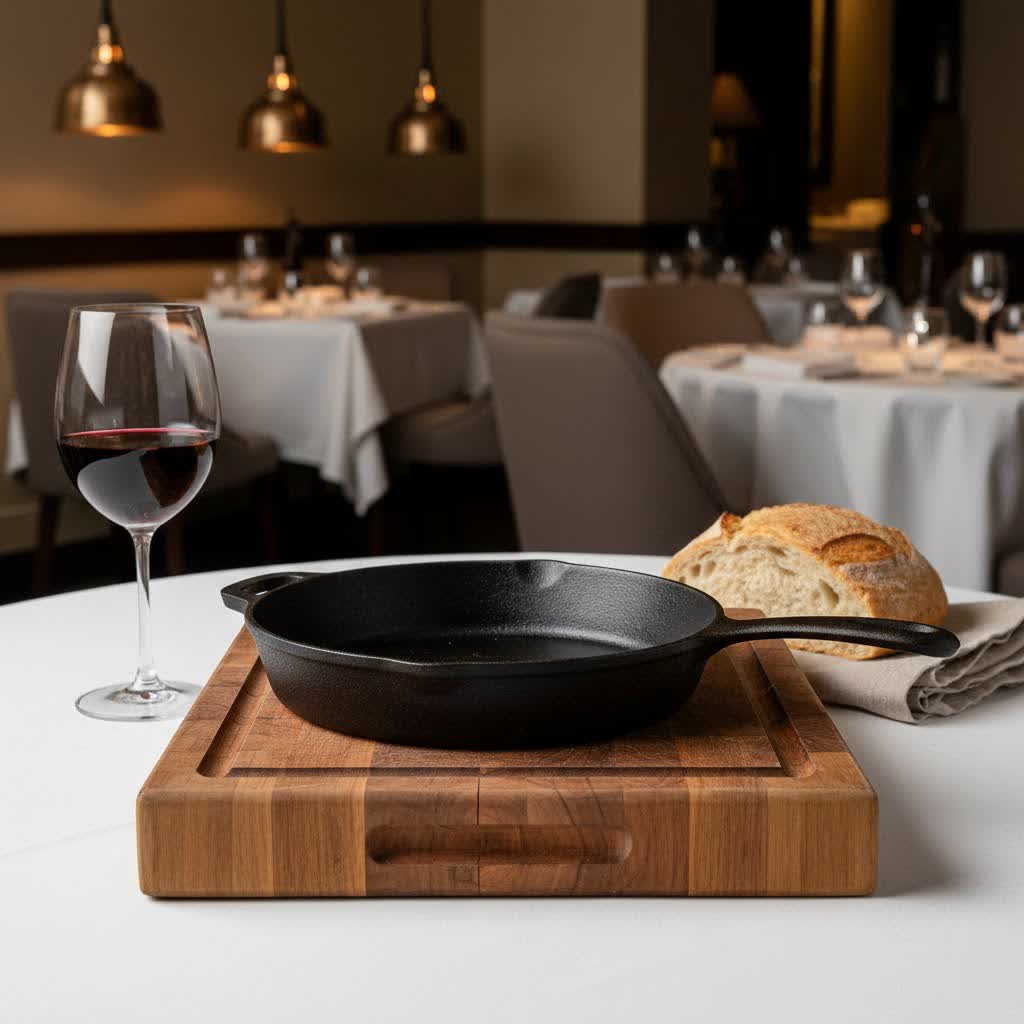
An iron skillet, commonly known as a cast iron skillet, is a heavy-duty frying pan made from cast iron. This alloy of iron, carbon, and silicon is renowned for its incredible strength, longevity, and exceptional heat retention properties. Unlike modern non-stick pans with synthetic coatings, traditional iron skillets develop a natural, chemical-free non-stick surface through a process called “seasoning,” which involves baking layers of polymerized oil onto the metal. Historically, iron skillets have been staples in kitchens for centuries, valued for their ability to withstand high temperatures and their versatile use across various cooking methods and heat sources, from stovetops to campfires.
Unmatched Advantages of Iron Skillets
Iron skillets offer a host of benefits that set them apart from other cookware, making them a favorite among home cooks and professional chefs alike.
- Exceptional Durability and Longevity: Built to last, iron skillets are nearly indestructible. With proper care, they can withstand decades of heavy use and often become cherished family heirlooms, passed down through generations.
- Superior Heat Retention and Even Distribution: The dense material of cast iron excels at retaining heat, ensuring a consistent cooking temperature. Once hot, it stays hot, making it ideal for searing meats to perfection, achieving crispy crusts on baked goods, and maintaining warmth for serving. It also distributes heat evenly across the cooking surface, preventing hot spots.
- Natural Non-Stick Surface: When properly seasoned, an iron skillet develops a slick, naturally non-stick coating. This eliminates the need for potentially harmful chemical non-stick surfaces and actually improves with every use and re-seasoning.
- Health Benefits: Cooking with an iron skillet can subtly infuse small amounts of dietary iron into your food, which can be beneficial for those looking to increase their iron intake. Furthermore, it offers a chemical-free cooking experience, avoiding the PFOA and PTFE often found in synthetic non-stick coatings.
- Incredible Versatility: An iron skillet is a true multi-tasker. It can go from the stovetop (gas, electric, induction) directly into the oven, under the broiler, or even over an open campfire. This makes it perfect for a wide range of cooking techniques, including frying, searing, baking, roasting, and braising.
Types of Iron Skillets
While the term “iron skillet” often conjures images of the classic black pan, there are several types available, each with unique characteristics.
- Traditional (Bare) Cast Iron Skillets: These are the most common type, made entirely of cast iron with no coating. They require regular seasoning to build and maintain their natural non-stick surface and protect against rust. Many modern bare cast iron skillets come pre-seasoned, meaning they have an initial layer of seasoning applied during manufacturing. They can have either a slightly rough or a polished smooth cooking surface, with smoother surfaces often found in premium or antique models.
- Enameled Cast Iron Skillets: These skillets feature a layer of vitreous enamel glaze applied over the cast iron. This coating prevents rusting, eliminates the need for seasoning, and makes the pan easier to clean. Enameled cast iron is also non-reactive, meaning you can cook acidic foods like tomato sauces without affecting the pan’s surface or taste. However, they are typically more expensive and should not be used over extremely high heat or open flames, as the enamel can chip or crack.
- Specialty Iron Skillets: Beyond the standard skillet, cast iron is used for various other cookware forms, including grill pans (with raised ridges), deep fryers, griddles, and even mini skillets for individual servings or side dishes.
How to Choose the Perfect Iron Skillet
Selecting the right iron skillet can feel daunting with so many options. Consider these key factors to find one that perfectly suits your culinary needs.
Size and Depth
|
Our Picks for the Best Iron Skillet in 2026
As an Amazon Associate I earn from qualifying purchases.
|
||
| Num | Product | Action |
|---|---|---|
| 1 | Stargazer 10.5-Inch Cast Iron Skillet - Made in USA, Seasoned, Premium Frying Pan for Grilling, Searing, Baking & More – Durable Cast Iron with Smooth Cooking Surface |

|
| 2 | Lodge 12 Inch Cast Iron Skillet with Red Silicone Hot Handle Holder – Pre-Seasoned Frying Pan for Stove, Oven, Grill & Campfire – Made in the USA – Durable, Nonstick Cast Iron Cookware – Black |
|
| 3 | Lodge Pre-Seasoned Cast Iron Skillet Set - Set Includes 8 Inch Skillet, 10.25 Inch Skillet, and 12 inch Skillet - 3 Piece |
|
| 4 | Utopia Kitchen Cast Iron Skillets 12 Inch, Chef's Pan, Pre-Seasoned Frying Pan, Stovetop, Oven, Campfire and Grill Large Skillet, Even Heat Distribution Multipurpose Cast Iron Pan - Black |
|
| 5 | Cuisinel Cast Iron Skillet with Lid - 12"-Inch Frying Pan + Glass Cover + Silicone Handle Holder - Pre-Seasoned Oven Safe Cookware - Indoor/Outdoor Use - Grill, BBQ, Fire, Stovetop. PFAS and PFOA-free |
|
| 6 | Cuisinel Cast Iron Skillet with Lid - 12"-inch Pre-Seasoned Covered Frying Pan Set + Silicone Handle & Lid Holders + Scraper/Cleaner - Indoor/Outdoor, Oven, Stovetop, Camping Fire, Grill Safe Cookware |
|
| 7 | Mercer Culinary Pre-Seasoned Cast Iron Skillet, 10.25-Inch |
|
| 8 | EWFEN Cast Iron Skillet 3-Piece Set, Heavy-Duty Professional Restaurant Chef Quality Pre-Seasoned Pan Cookware Set, 6", 8", 10" Pans For Frying, Saute, Cooking, Use Indoor/Outdoor, Oven, Grill |
|
| 9 | Lodge 12 Inch Pre-Seasoned Cast Iron Skillet - Dual Assist Handles - Use in the Oven, on the Stove, on the Grill, or Over a Campfire - Black |
|
| 10 | Lodge 10.25 Inch Cast Iron Skillet – Pre-Seasoned Frying Pan with Teardrop Handle – Oven, Stovetop, Grill & Campfire Use – Made in USA – Durable, Non-Toxic, Even-Heating Cookware – Black |
|
The ideal size of your iron skillet depends heavily on your typical cooking habits and household size. A 10 to 10.25-inch skillet is a versatile choice for most individuals or small families, perfect for daily tasks like frying eggs, searing a couple of steaks, or making cornbread. For larger families or when cooking for guests, a 12-inch skillet provides ample space for roasting whole chickens or preparing substantial meals. Consider the depth as well; deeper skillets are better for frying or dishes with sauces, while shallower ones excel at searing and baking.
Weight
Cast iron is inherently heavy, and this weight contributes to its excellent heat retention. Thicker-walled pans are heavier and hold heat exceptionally well, leading to stable cooking temperatures, especially beneficial for electric or induction cooktops. However, a lighter skillet can be easier to maneuver, particularly when full or transferring from stovetop to oven. Some modern brands prioritize a lighter, thinner cast for faster heating and easier handling. It’s a trade-off between thermal mass and comfort.
Material and Finish
Decide between traditional bare cast iron and enameled cast iron. Bare cast iron offers rugged durability and develops a unique seasoning over time, but requires more specific care. Enameled cast iron provides easier cleaning and acid resistance but often comes at a higher price and can chip if mishandled. For bare skillets, note the surface finish: smoother surfaces (often found in premium brands) are excellent for delicate foods, while rougher surfaces are ideal for creating a deep sear.
Handles and Pour Spouts
Ergonomics are crucial. Look for a main handle that feels comfortable and secure in your grip. A helper handle on the opposite side is a significant advantage, especially for larger or heavier skillets, making it easier to lift and transfer with two hands. Many skillets feature one or two pouring spouts, which are incredibly useful for draining excess fat or pouring sauces without dripping. Avoid skillets with silicone or wooden handles if you plan to use them frequently in the oven or on a grill, as these materials are not always oven-safe at high temperatures.
Brand and Price
While price often reflects quality and features, a functional and durable iron skillet doesn’t have to break the bank. Well-established brands like Lodge offer excellent value and performance for everyday use. Premium brands provide features like smoother finishes, lighter weight, or aesthetic enamel coatings, which come at a higher cost. It’s often better to invest in one high-quality pan that will last a lifetime than multiple cheaper, less durable alternatives.
Comparing Leading Iron Skillet Brands
The market offers a range of excellent iron skillet brands, each with its own strengths. Here’s a comparison of some of the most popular and respected names:
| Brand | Key Features | Price Range (Approx.) | Ideal For |
|---|---|---|---|
| Lodge | Durable, pre-seasoned, excellent heat retention, rugged finish, USA-made. | $20 – $80 | Everyday cooking, searing, baking, budget-conscious. |
| Le Creuset | High-end enameled cast iron, vibrant colors, no seasoning needed, easy clean. | $180 – $300+ | Braising, slow cooking, acidic foods, aesthetic appeal. |
| Field Company | Lightweight, smooth polished surface, quick heating, vintage feel. | $150 – $250+ | Delicate cooking, easier handling, premium experience. |
| Finex | Heavy-duty, octagonal design, polished smooth surface, coiled spring handle. | $170 – $300+ | Searing, roasting, unique design, high performance. |
| Staub | Premium enameled cast iron, exceptional heat distribution, self-basting lids. | $150 – $300+ | Braising, oven cooking, gourmet dishes, durability. |
| Victoria | Good value, pre-seasoned, larger helper handles, dual pour spouts. | $25 – $60 | Affordable performance, versatility, easy handling. |
Detailed Comparison of Popular Iron Skillet Models
Choosing a specific model can further refine your selection. Here’s a look at some popular options:
| Model | Size | Weight (Approx.) | Material/Finish | Price (Approx.) | Pros | Cons |
|---|---|---|---|---|---|---|
| Lodge Pre-Seasoned Skillet 10.25″ | 10.25-inch | 5.35 lbs | Bare Cast Iron (rough) | $25 | Excellent value, durable, widely available, pre-seasoned. | Rougher surface, heavier than some modern options. |
| Le Creuset Enameled Skillet 10.25″ | 10.25-inch | 6 lbs | Enameled Cast Iron (smooth) | $200 | No seasoning, easy clean, acid-resistant, vibrant colors. | Expensive, can chip, not for extreme high heat. |
| Field Company Skillet No. 8 | 10.25-inch | 4.5 lbs | Bare Cast Iron (smooth) | $165 | Lightweight, smooth cooking surface, heats quickly. | Premium price point, requires seasoning. |
| Victoria Cast Iron Skillet 12″ | 12-inch | 8 lbs | Bare Cast Iron (rough) | $40 | Great size for families, good value, pre-seasoned. | Quite heavy, rougher surface, handle can get hot. |
Mastering Iron Skillet Use and Care
The secret to a long-lasting, high-performing iron skillet lies in proper use and consistent care.
Seasoning Your Iron Skillet
Seasoning is the cornerstone of iron skillet maintenance, creating a natural non-stick surface and preventing rust.
- Initial Seasoning (for bare skillets): Even if pre-seasoned, adding your own layers helps. Wash the pan thoroughly with warm soapy water (yes, soap is okay for initial cleaning or re-seasoning), scrub well, and dry completely. Apply a very thin layer of neutral cooking oil (like vegetable, canola, or grapeseed oil) to the entire surface, inside and out, wiping away any excess until it looks almost dry. Place the skillet upside down on the middle rack of a preheated oven (450-500°F or 230-260°C) with aluminum foil on the bottom rack to catch drips. Bake for one hour, then turn off the oven and let the skillet cool completely inside. Repeat this process 2-3 times for a robust initial seasoning.
- Maintaining Seasoning: The best way to maintain seasoning is to simply cook with your skillet regularly, especially with fats and oils. Each time you cook, you’re essentially adding another layer of seasoning.
- Restoring Damaged Seasoning: If your seasoning becomes dull, sticky, or starts flaking, simply scrub the pan with a nylon brush or salt, rinse, dry, and re-season it in the oven. For rust, use steel wool or a chain mail scrubber to remove it, then re-season.
Cleaning Your Iron Skillet
Forget the myth: you can use mild soap on your iron skillet. The key is proper drying.
- After Each Use: Immediately after cooking, scrape out any food residue. Wash the skillet by hand with hot water and a nylon brush or a small amount of mild dish soap. Avoid harsh detergents or abrasive pads that can strip seasoning (unless you intend to re-season).
- Dealing with Stuck Food: For stubborn bits, add a little water to the skillet and bring it to a simmer on the stovetop, then scrape with a wooden spatula. Alternatively, use coarse salt as an abrasive with a paper towel.
- Crucial Drying: The most important step! After washing, immediately dry your skillet thoroughly with a clean, lint-free cloth or paper towel. You can also place it on low heat on the stovetop for a few minutes to ensure all moisture evaporates. Any lingering moisture will lead to rust.
- Re-oiling (Post-Cleaning): Once dry, apply a very thin layer of cooking oil to the inside surface with a paper towel. This protects the seasoning and prevents rust.
Storing Your Iron Skillet
Proper storage is essential to keep your skillet in prime condition.
- Preventing Rust: Always ensure your skillet is completely dry and lightly oiled before storing. Humidity is cast iron’s enemy.
- Storage Methods: Store your skillet in a dry place. Some prefer to keep it in a warm oven (once cooled) to ensure dryness. If stacking with other pans, place a paper towel or cloth liner inside to prevent scratches and absorb any residual moisture.
Tips for Enhanced Iron Skillet Cooking
Maximize your iron skillet’s potential with these simple cooking tips:
- Preheat Properly: Always preheat your iron skillet slowly and thoroughly. Place it over medium heat for 5-10 minutes before adding oil or food. A properly preheated pan ensures even cooking and prevents sticking. You’ll know it’s ready when a drop of water sizzles and evaporates quickly.
- Use Enough Oil/Fat: While seasoning creates a non-stick surface, a little oil or fat is still necessary for most cooking to prevent sticking and enhance flavor.
- Avoid Overcrowding: Don’t overcrowd your pan, especially when searing. This lowers the pan’s temperature, leading to steaming instead of searing, and prevents a good crust from forming. Cook in batches if necessary.
- Watch Acidic Foods: For bare cast iron, limit cooking highly acidic foods like tomato sauces or lemon juice for prolonged periods, as they can strip away the seasoning. Enameled cast iron is safe for acidic ingredients.
- Choose the Right Utensils: Opt for wooden, silicone, or metal utensils with care. While metal can be used on well-seasoned cast iron, avoid aggressively scraping to preserve the seasoning.
Delicious Dishes to Cook in Your Iron Skillet
The versatility of an iron skillet truly shines in the variety of dishes it can create.
- Perfectly Seared Steaks: Achieve a restaurant-quality crust with an unbelievably tender interior.
- Crispy Fried Chicken: The even heat ensures a golden, crunchy exterior and juicy meat.
- Homestyle Cornbread: Bakes up with an irresistible golden, crispy crust.
- Skillet Pizza: Create a delicious, chewy-crusted pizza directly on your stovetop and finish in the oven.
- Roasted Vegetables: From root vegetables to delicate asparagus, achieve beautiful caramelization.
- Frittatas and Quiches: Perfect for dishes that start on the stovetop and finish in the oven.
- Baked Desserts: From apple crisps to giant chocolate chip cookies, the skillet provides even baking and a charming presentation.
Where to Purchase Reliable Iron Skillets
Investing in an iron skillet is a decision for a lifetime, so purchase from reputable sources.
- Department Stores and Home Goods Retailers: Many larger stores carry popular brands like Lodge and sometimes enameled options from Le Creuset or Staub.
- Specialty Kitchen Stores: These shops often offer a wider selection of premium brands and knowledgeable staff who can guide your purchase.
- Online Marketplaces: Websites like Amazon, Williams Sonoma, or direct-from-brand sites offer extensive choices, competitive pricing, and user reviews, but ensure you buy from authorized sellers.
Iron Skillet Buying Guide: Your Essential Checklist
Before making your final choice, use this checklist to ensure you’re getting the best iron skillet for your kitchen:
- Determine Your Primary Use: Will it be for searing, baking, frying, or a mix of everything?
- Consider Your Household Size: This will dictate the ideal skillet diameter (10-inch for singles/couples, 12-inch for families).
- Evaluate Your Comfort with Maintenance: Are you prepared for seasoning and specific cleaning routines (bare cast iron), or do you prefer lower-maintenance enameled options?
- Assess Weight and Handle Comfort: Can you comfortably lift and maneuver the skillet, especially when full? Is a helper handle a necessity?
- Set Your Budget: Excellent options exist across all price points, from affordable workhorses to luxury pieces.
- Read Reviews: Look for consistent feedback on heat retention, cooking performance, and durability for specific models.
> “An iron skillet isn’t just cookware; it’s a connection to culinary history, a tool that rewards your care with unparalleled results and a lifetime of delicious memories.” – Admin, ReviewFiest.com
Conclusion
The iron skillet stands as a testament to enduring quality and timeless utility in the kitchen. Its ability to sear, bake, fry, and roast with unmatched heat retention and natural non-stick properties makes it an indispensable tool for any aspiring or seasoned cook. By understanding the different types, carefully considering your needs, and embracing the simple rituals of seasoning and cleaning, you can transform this humble piece of iron into a powerhouse of flavor and efficiency. Embrace the journey of mastering your iron skillet, and you’ll soon wonder how you ever cooked without it. What culinary adventure will your iron skillet take you on next?
Frequently Asked Questions
Can I use soap on my iron skillet?
Yes, you can use mild dish soap on your iron skillet. The old myth about avoiding soap is largely outdated. Modern dish soaps are gentler and won’t strip away well-established seasoning. The key is to dry the skillet immediately and thoroughly after washing to prevent rust.
How often should I season my iron skillet?
There’s no strict rule, but a good practice is to re-season your bare cast iron skillet in the oven every few months or whenever you notice food starting to stick or the surface looking dull. Regular cooking with oil also contributes to maintaining the seasoning.
Are iron skillets safe for all cooktops?
Yes, iron skillets are highly versatile and safe for use on almost all heat sources, including gas, electric coil, ceramic, and induction stovetops, as well as in the oven, under the broiler, and even over open campfires. Enameled cast iron should be used with care on ceramic or induction to avoid scratching the cooktop and should not be exposed to open flames or extremely high dry heat to prevent enamel damage.
Why is my iron skillet sticky?
A sticky iron skillet usually indicates too much oil was applied during seasoning, or the oil didn’t polymerize completely. To fix this, scrub the pan with hot water and soap, or even a chain mail scrubber to remove the sticky residue, then re-season with a very thin, even layer of oil, ensuring to wipe off all excess before baking.
Can I put my iron skillet in the dishwasher?
No, never put a bare iron skillet in the dishwasher. The harsh detergents and prolonged exposure to moisture in a dishwasher will strip away the seasoning and lead to significant rust. Enameled cast iron is often dishwasher-safe, but handwashing is generally recommended to preserve its finish.
