For generations, the cast iron skillet has been a kitchen workhorse, celebrated for its unparalleled durability and cooking performance. More than just a stovetop staple, its ability to seamlessly transition into the oven unlocks a world of culinary possibilities, from perfectly seared meats to golden, crispy baked goods. Whether you’re a seasoned chef or new to the cast iron world, understanding how to effectively use this versatile pan in your oven can elevate your cooking to new heights.
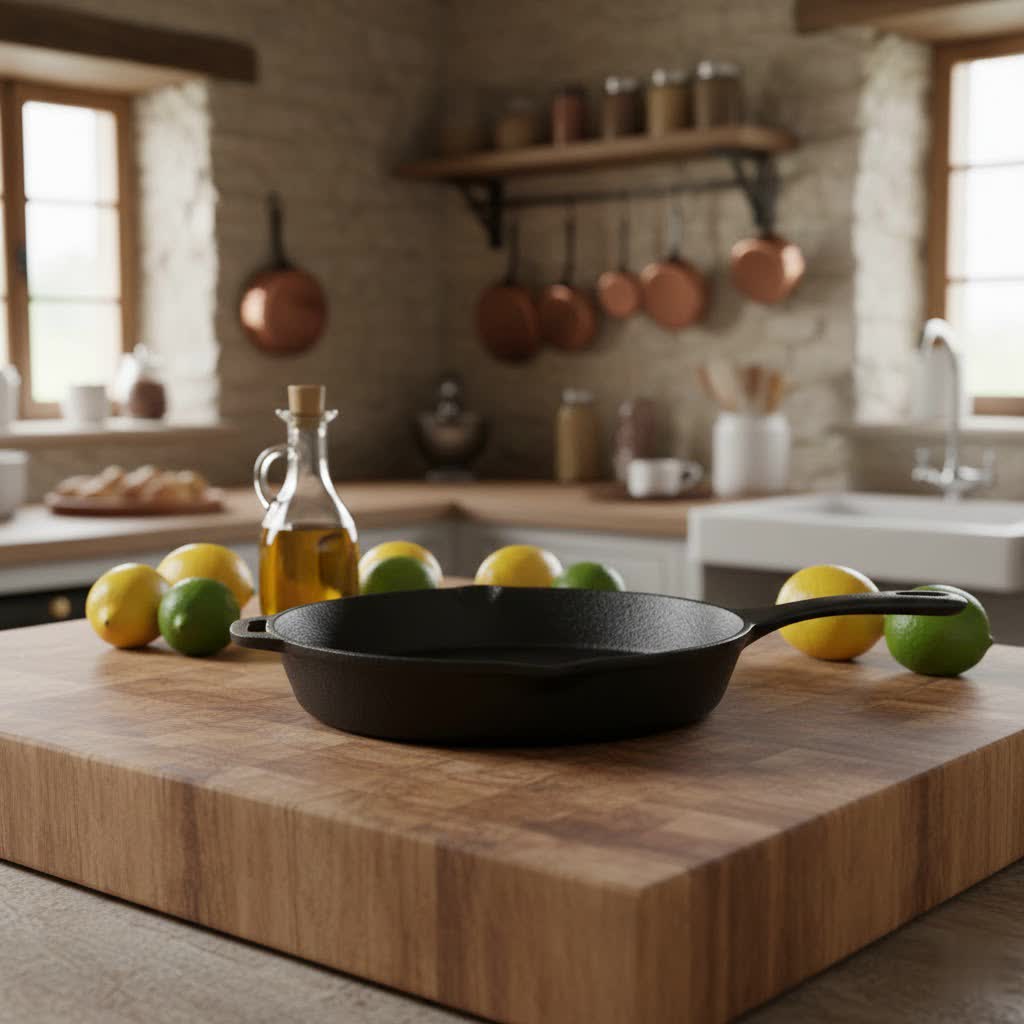
Cast Iron Skillet: What Is It?
A cast iron skillet is a heavy-duty frying pan made from a single piece of cast iron, a ferrous alloy known for its impressive strength and heat retention. Its history spans centuries, with cooks relying on its robust nature to prepare meals over open fires, on stovetops, and inside ovens. Unlike modern non-stick pans with chemical coatings, traditional cast iron develops a natural non-stick surface through a process called “seasoning,” which is essentially polymerized oil baked onto the metal.
Superior Advantages of Cast Iron Skillets
Using a cast iron skillet, especially in the oven, offers several distinct advantages that set it apart from other cookware:
- Durability and Longevity: Properly cared for, a cast iron skillet can last for decades, even generations. It’s incredibly resilient, making it a true investment piece for your kitchen.
- Even Heat Retention and Distribution: Cast iron excels at absorbing and holding heat, distributing it uniformly across the cooking surface. This characteristic is particularly beneficial in the oven, ensuring consistent cooking and browning without hot spots, which can lead to superior results for dishes like cornbread or roasted chicken.
- Natural Non-Stick Layer (Seasoning): With regular use and proper seasoning, cast iron develops a slick, natural non-stick surface. This allows food to release easily and can even impart beneficial iron into your meals, unlike pans with synthetic non-stick coatings.
- Health Safety: Traditional cast iron contains no artificial coatings or harmful chemicals, making it a safe and healthy choice for cooking.
- Versatility: A cast iron skillet is incredibly adaptable. It can go from the stovetop to the oven, under the broiler, onto a grill, or even over a campfire, making it suitable for a vast array of cooking methods and recipes.
Common Types of Cast Iron Skillets
While the term “cast iron skillet” often brings to mind the traditional, bare black pan, there are a few variations you might encounter:
- Traditional (Bare) Cast Iron Skillet: This is the classic, heavy, black skillet that requires seasoning and regular maintenance. It’s prized for its natural non-stick properties and ability to withstand extremely high temperatures.
- Enameled Cast Iron Skillet: These skillets have a vitreous enamel coating, usually in a variety of colors, over the cast iron. The enamel provides a smooth, non-reactive, and often non-stick surface that doesn’t require seasoning. Enameled cast iron is excellent for acidic foods and offers easier cleanup, but typically has lower oven temperature limits due to the enamel.
Guide to Choosing the Right Cast Iron Skillet
Selecting the perfect cast iron skillet depends on your cooking style and needs, especially if you plan to use it frequently in the oven.
- Size and Depth: Consider what you’ll be cooking. A 10-inch or 12-inch skillet is versatile for most families, suitable for searing a few steaks, baking cornbread, or roasting a whole chicken. Smaller skillets are great for individual portions or desserts, while deeper pans are better for frying or stewing.
- Weight: Cast iron is inherently heavy. While a heavier pan signifies quality and heat retention, ensure you can comfortably lift and maneuver it, especially when full of food and hot from the oven.
- Material and Coating: For maximum oven temperature tolerance and a developing non-stick surface, a traditional bare cast iron skillet is ideal. If ease of cleaning, aesthetic appeal, and cooking acidic foods are priorities, an enameled cast iron skillet might be better, but be mindful of its specific oven temperature limits.
- Handle: For oven use, an all-metal handle is crucial. Skillets with wood, plastic, or silicone handles are generally not oven-safe or have very low temperature restrictions. Always confirm the handle material’s oven safety before purchase.
- Brand and Price: Reputable brands like Lodge, Le Creuset, and Staub are known for quality and durability. While some high-end brands can be an investment, there are also excellent, affordable options that perform exceptionally well.
Using a Cast Iron Skillet in the Oven
The oven is where a cast iron skillet truly shines, offering unique cooking advantages. Its ability to retain and distribute heat evenly is perfect for dishes that benefit from consistent, all-around cooking.
- Oven Safe Temperatures:
- Traditional (Bare) Cast Iron: These skillets are safe at virtually any temperature your home oven can reach, typically up to 500-600°F (260-315°C) or even higher. While the metal itself can withstand extreme heat, prolonged exposure to temperatures above 500°F might cause the seasoning to break down or smoke.
- Enameled Cast Iron: The enamel coating dictates the maximum oven temperature. Most enameled cast iron, like Lodge, is oven-safe up to 500°F (260°C). Brands like Le Creuset specify limits, often 550°F (280°C) without a lid, and lower if a glass lid is used (e.g., 425°F/220°C). Always check the manufacturer’s instructions for your specific pan.
- Handle Considerations: Crucially, any skillet with a wooden, plastic, or silicone handle is NOT oven-safe. Even certain metal components like phenolic knobs on enameled lids may have lower temperature ratings. Ensure your skillet is entirely oven-safe before placing it in a hot oven.
- Preheating for Optimal Results: Cast iron takes time to heat up, but once hot, it retains that heat remarkably. For many oven-cooked dishes, especially baked goods like cornbread or skillet pizzas, preheating the empty cast iron skillet in the oven can help achieve a beautifully crispy crust from the moment food hits the pan.
- Avoiding Thermal Shock: To prevent potential damage like warping or cracking, never place a cold cast iron skillet directly into a very hot oven, and vice versa. Allow the pan to come closer to room temperature before significant temperature changes.
Using and Maintaining Your Cast Iron Skillet Correctly
Proper care is paramount for a cast iron skillet, especially when it frequently goes into the oven, to maintain its seasoning and prevent rust.
Seasoning Your Cast Iron Skillet
Seasoning creates the natural non-stick surface and protects the pan from rust. Many new skillets come pre-seasoned, but regular cooking and occasional re-seasoning are beneficial.
- Initial Seasoning (or Re-seasoning a Stripped Pan):
- Clean: Wash the pan with warm water and a small amount of soap (this is one of the few times soap is acceptable for bare cast iron), then dry it thoroughly.
- Oil: Apply a very thin, even layer of neutral cooking oil (like canola, vegetable, or flaxseed oil) over the entire surface of the pan—inside, outside, and handle. Wipe away any excess oil; the pan should look barely oiled, not greasy.
- Bake: Place the skillet upside down on the middle rack of your oven, with a sheet of aluminum foil on the rack below to catch any drips. Bake at 350-450°F (175-230°C) for one hour.
- Cool: Turn off the oven and let the skillet cool completely inside the oven. Repeat this process 2-3 times for a durable, smooth finish.
- Maintaining Seasoning Through Cooking: The best way to maintain seasoning is to simply cook with your cast iron often, especially foods with oil or fat.
|
Our Picks for the Best Iron Skillet in 2026
As an Amazon Associate I earn from qualifying purchases.
|
||
| Num | Product | Action |
|---|---|---|
| 1 | Lodge 12 Inch Pre-Seasoned Cast Iron Skillet - Dual Assist Handles - Use in the Oven, on the Stove, on the Grill, or Over a Campfire - Black |

|
| 2 | Mercer Culinary Pre-Seasoned Cast Iron Skillet, 10.25-Inch |
|
| 3 | EWFEN Cast Iron Skillet 3-Piece Set, Heavy-Duty Professional Restaurant Chef Quality Pre-Seasoned Pan Cookware Set, 6", 8", 10" Pans For Frying, Saute, Cooking, Use Indoor/Outdoor, Oven, Grill |
|
| 4 | Cuisinel Cast Iron Skillet with Lid - 12"-Inch Frying Pan + Glass Cover + Silicone Handle Holder - Pre-Seasoned Oven Safe Cookware - Indoor/Outdoor Use - Grill, BBQ, Fire, Stovetop. PFAS and PFOA-free |
|
| 5 | Stargazer 10.5-Inch Cast Iron Skillet - Made in USA, Seasoned, Premium Frying Pan for Grilling, Searing, Baking & More – Durable Cast Iron with Smooth Cooking Surface |
|
| 6 | Lodge Pre-Seasoned Cast Iron Skillet Set - Set Includes 8 Inch Skillet, 10.25 Inch Skillet, and 12 inch Skillet - 3 Piece |
|
| 7 | Lodge 12 Inch Cast Iron Skillet with Red Silicone Hot Handle Holder – Pre-Seasoned Frying Pan for Stove, Oven, Grill & Campfire – Made in the USA – Durable, Nonstick Cast Iron Cookware – Black |
|
| 8 | Cuisinel Cast Iron Skillet with Lid - 12"-inch Pre-Seasoned Covered Frying Pan Set + Silicone Handle & Lid Holders + Scraper/Cleaner - Indoor/Outdoor, Oven, Stovetop, Camping Fire, Grill Safe Cookware |
|
| 9 | Lodge 10.25 Inch Cast Iron Skillet – Pre-Seasoned Frying Pan with Teardrop Handle – Oven, Stovetop, Grill & Campfire Use – Made in USA – Durable, Non-Toxic, Even-Heating Cookware – Black |
|
| 10 | Utopia Kitchen Cast Iron Skillets 12 Inch, Chef's Pan, Pre-Seasoned Frying Pan, Stovetop, Oven, Campfire and Grill Large Skillet, Even Heat Distribution Multipurpose Cast Iron Pan - Black |
|
Cleaning Your Cast Iron Skillet
After oven use, and generally after any cooking, proper cleaning is essential.
- After Each Use: Avoid harsh soaps for routine cleaning as they can strip the seasoning. Instead, scrape out any food residue (a metal spatula works well on cast iron). Rinse the pan with hot water. For stubborn bits, use a stiff brush or a paste of coarse salt and a little water to gently scrub.
- Drying: Immediately and thoroughly dry the skillet with a towel. Do not let it air dry, as this can lead to rust.
- Light Oil Coat: After drying, place the pan back on low heat on the stovetop for a minute to ensure all moisture evaporates, then rub a very thin layer of cooking oil over the entire surface with a paper towel. Wipe off any excess, and let it cool.
Storing Your Cast Iron Skillet
Store your clean, dry, and lightly oiled skillet in a dry place. You can place a paper towel inside if stacking with other pans to absorb any residual moisture.
Tips for Better Cooking with Cast Iron in the Oven
Mastering your cast iron skillet in the oven requires a few key techniques:
- Preheat Thoroughly: For optimal searing and even baking, ensure your cast iron skillet is fully preheated before adding food. This can be done on the stovetop or by placing it in a hot oven for 10-15 minutes.
- Use Appropriate Temperatures: While bare cast iron can withstand high heat, cooking some delicate items or maintaining seasoning might require adjusting your oven temperature.
- Mind Acidic Foods: Prolonged cooking of highly acidic foods (like tomato sauce or citrus-based dishes) in bare cast iron can strip the seasoning and impart a metallic taste to food. For such dishes, well-seasoned pans or enameled cast iron are preferred.
- Always Use Oven Mitts: Cast iron handles become extremely hot in the oven. Always use a dry, thick cloth or oven mitts when handling a hot skillet.
- Sear on Stovetop, Finish in Oven: This is a classic technique for steaks, chicken, or pork chops. Sear the meat on the stovetop in a screaming hot cast iron skillet to develop a beautiful crust, then transfer the entire skillet to the preheated oven to finish cooking through evenly.
Delicious Dishes to Make in Your Cast Iron Skillet in the Oven
The versatility of a cast iron skillet in the oven opens up a world of mouth-watering possibilities:
- Perfectly Seared Steaks: Achieve a restaurant-quality crust by searing on the stovetop and finishing in the oven.
- Crispy Roasted Chicken: Cook whole chickens or chicken pieces to juicy perfection with incredibly crispy skin. “Chicken Under a Brick” is a popular method.
- Deep-Dish Pizza: The cast iron creates a wonderfully crisp, golden crust for homemade pizzas.
- Fluffy Cornbread: For a traditional Southern side, bake cornbread in a preheated cast iron skillet for an unbeatable crispy exterior.
- Frittatas and Baked Eggs: From savory vegetable frittatas to individually baked eggs, cast iron distributes heat evenly for delicate egg dishes.
- Skillet Pies and Desserts: Apple crisps, berry crumbles, skillet cookies, or even a unique olive oil cake can be baked beautifully, developing a delicious, caramelized bottom crust.
- Roasted Vegetables: Achieve perfectly tender and caramelized roasted vegetables like potatoes, Brussels sprouts, or root vegetables.
Where to Buy Reliable Cast Iron Skillets
You can find cast iron skillets at various reputable retailers:
- Household Goods Stores: Many larger department stores or kitchenware specialty stores carry a selection of cast iron.
- Supermarkets: Some larger grocery stores or hypermarkets stock basic, good-quality cast iron skillets.
- Online Retailers: Websites like Amazon, Lodge Cast Iron’s official site, Le Creuset, and others offer a vast selection, often with customer reviews and competitive pricing.
Buying Guide: Your Cast Iron Skillet Checklist
When looking for a cast iron skillet to use in the oven, keep this checklist in mind:
- All-Metal Construction: Essential for oven safety.
- Size: Matches your typical cooking needs.
- Pre-Seasoned (Optional but convenient): Ready to use out of the box.
- Brand Reputation: Known for quality and durability.
- Weight: Manageable for your comfort level.
- Type: Traditional for high heat, enameled for aesthetics and acidic foods (with specific temp limits).
“A well-loved cast iron skillet is more than just a pan; it’s a testament to good food and enduring craftsmanship. Its magic in the oven transforms everyday ingredients into extraordinary meals.”
Conclusion
Embracing the cast iron skillet in your oven is a game-changer for home cooks. Its ability to retain and distribute heat evenly, coupled with its natural non-stick properties and incredible versatility, makes it an indispensable tool for everything from sizzling steaks to hearty baked goods. With proper care and understanding of its unique characteristics, your cast iron skillet will become a cherished heirloom, consistently delivering delicious results for years to come.
What delicious oven-baked masterpiece will you create with your cast iron skillet next?
Frequently Asked Questions
Is a cast iron skillet truly oven-safe?
Yes, traditional bare cast iron skillets are exceptionally oven-safe and can withstand temperatures far exceeding most home ovens’ maximums. However, ensure the skillet has an all-metal handle, as wood, plastic, or silicone handles are not oven-safe and will melt or burn.
What are the maximum oven temperatures for cast iron skillets?
Bare cast iron can handle very high temperatures, typically 500-600°F (260-315°C) and often higher, though seasoning may begin to smoke or degrade above 500°F. Enameled cast iron usually has a lower limit, often around 400-550°F (205-280°C); always check your specific manufacturer’s guidelines.
How do I clean my cast iron skillet after using it in the oven?
Allow the skillet to cool down sufficiently after removing it from the oven. Then, clean it with hot water and a stiff brush or scraper. Avoid harsh soaps for routine cleaning. Dry it thoroughly immediately after washing, and apply a thin layer of cooking oil before storing to maintain the seasoning and prevent rust.
Can I put an enameled cast iron skillet in the oven?
Yes, enameled cast iron skillets are oven-safe, but their maximum temperature tolerance is typically lower than bare cast iron due to the enamel coating and potential handle materials. Always consult the manufacturer’s instructions for the specific temperature limit of your enameled skillet to avoid damaging the finish.
