Have you ever wondered what makes a cast iron skillet truly exceptional, capable of transforming everyday meals into culinary masterpieces? For many passionate home cooks and seasoned collectors, the answer lies in the vintage charm and unparalleled performance of a Griswold cast iron skillet. These cherished pieces of cookware are more than just cooking tools; they are a testament to a bygone era of meticulous craftsmanship and enduring quality, often passed down through generations.
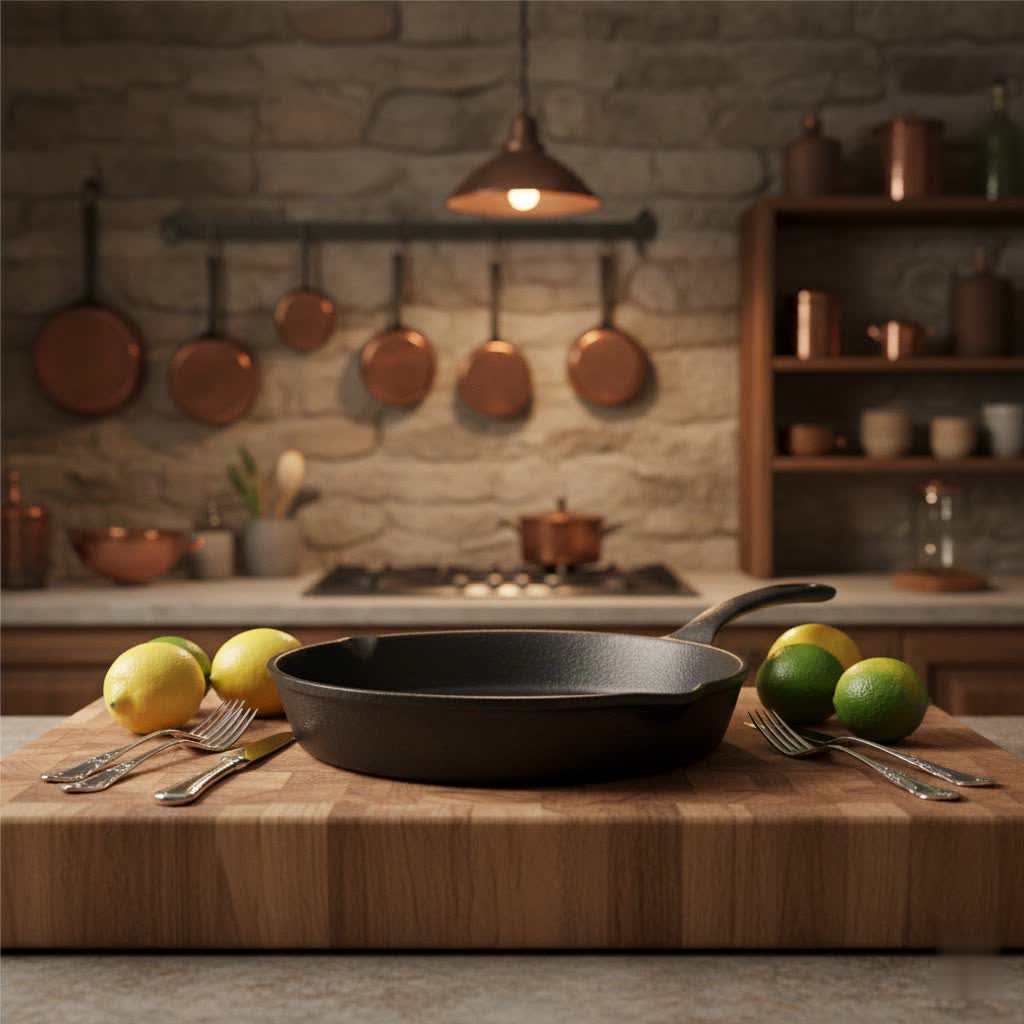
If you’re looking to understand the allure of these classic pans, learn how to identify them, or simply master their care for perfect cooking, you’ve come to the right place. Dive into the world of Griswold, where tradition meets exceptional culinary capability, and discover why these skillets remain highly coveted today.
Griswold Cast Iron: A Historical Perspective
What exactly defines a Griswold cast iron skillet, and what is its story? Griswold cast iron cookware originates from the Griswold Manufacturing Company, established in Erie, Pennsylvania, in 1865. The company initially focused on hardware but quickly expanded into producing cast iron cookware, establishing a reputation for superior quality. By 1873, it was known as Selden & Griswold Manufacturing Company, eventually reorganizing in 1887 to become the Griswold Manufacturing Company. Over the decades, Griswold became one of America’s most respected cast iron manufacturers, even venturing into aluminum and enamel-coated items before its eventual acquisition by Wagner in the mid-22th century.
The company’s legacy is rooted in its dedication to craftsmanship, producing cookware that was both functional and beautiful, often cherished as family heirlooms.
Why Griswold Cast Iron Stands Apart
Why do chefs and collectors alike sing the praises of Griswold cast iron? Griswold skillets are renowned for several distinguishing qualities that set them apart from much of the cast iron available today. Their most celebrated feature is an exceptionally smooth cooking surface, achieved through a meticulous grinding and polishing process after casting. This smooth finish contributes significantly to a naturally non-stick layer when properly seasoned, making cooking and cleaning a delight.
Beyond the surface, Griswold pans are also prized for their relatively lighter weight compared to many modern counterparts, making them easier to handle. They boast excellent heat retention and remarkably even heat distribution, ensuring consistent cooking results whether you’re searing a steak or baking cornbread. The durability and longevity of these skillets are legendary; many are still in active use after more than a century, proving their robust construction and timeless design. Furthermore, like all bare cast iron, they are a healthy alternative to chemical-laden non-stick pans.
Identifying Your Griswold Cast Iron Skillet
Identifying an authentic Griswold cast iron skillet involves examining specific markings and characteristics. The company used several distinctive logos throughout its history, which can help pinpoint the era of manufacture. Early pieces, for instance, might bear the “Erie” logo. Later, the iconic “Slant Logo,” featuring the word “Griswold” in italics, was used from around 1906 to 1916, sometimes accompanied by “E.P.U.” (Erie, PA, U.S.A.). Following this, the “Block Logo,” with “Griswold” in straight, bold block lettering, became prevalent from the 1920s to the 1930s. The most recognizable emblem is the distinctive Griswold cross logo—a cross within two circles—which was a registered trademark.
Many older Griswold skillets also feature a “heat ring,” a circular raised rim on the bottom. This ring was originally designed to stabilize the pan and equalize heat on old coal or wood-burning stoves, though Griswold catalogs often referred to it simply as a “rim” or “rimmed bottom.” This feature was largely abandoned in the 1930s for smooth-bottomed designs. Additionally, griswold pieces often have four-digit pattern numbers on their underside, which can further aid identification, particularly for series like the Iron Mountain line. Griswold also manufactured cookware under other brands such as Victor, Iron Mountain, Good Health, Puritan, and “Best Made” for Sears, Roebuck & Co.
The value of a Griswold skillet is influenced by its rarity, condition, and specific markings. Sizes like the #13 and #20 are particularly rare and sought after by collectors, as is the #4 in the large block logo series.
Choosing a Vintage Griswold Skillet: What to Look For
When considering a vintage Griswold cast iron skillet, careful inspection is crucial to ensure you’re making a worthwhile investment. The primary factors to evaluate are the skillet’s overall condition, its size, and the clarity of its markings. Look for pans free of cracks, significant pitting, or warping, especially on the cooking surface, as these issues can greatly affect performance and value. A pan with a smooth cooking surface is highly desirable, as this was a hallmark of Griswold’s quality.
Consider the size based on your cooking needs; while common sizes like #8 or #10 are versatile, rare sizes can command higher prices from collectors. Check for clear logo and pattern number markings, as these authenticate the piece and aid in dating it. The handle should be sturdy and free from deep cracks or repairs. While some surface rust can often be removed and the pan re-seasoned, severe damage might render a piece purely decorative. Choosing a skillet with intact features and minimal wear ensures both historical value and continued utility in your kitchen.
Griswold vs. Modern Cast Iron: The Craftsmanship Difference
The comparison between vintage Griswold and modern cast iron cookware often highlights a significant difference in manufacturing philosophy and finished product. Modern cast iron brands, such as Lodge, are widely available and affordable, but they typically skip the post-casting grinding and polishing process. This results in a rough, pebbly texture straight from the mold, which can make initial seasoning more challenging and food more prone to sticking until a robust seasoning layer is built up through extensive use.
Griswold, on the other hand, invested in the extra steps to create a satin-smooth cooking surface from the start. This smooth finish not only contributes to a superior non-stick performance but also makes the pan lighter and easier to maintain. While modern brands like Le Creuset and Staub offer high-quality enameled cast iron, providing an easy-to-clean, non-reactive surface, they are a different category from bare cast iron and come with a much higher price tag. For those seeking the traditional bare cast iron experience with exceptional performance, vintage Griswold often outshines modern, mass-produced counterparts.
| Feature | Vintage Griswold Cast Iron | Modern Lodge Cast Iron | Enamel Cast Iron (e.g., Le Creuset) |
|---|---|---|---|
| Cooking Surface | Exceptionally smooth, polished | Rough, pebbly texture | Smooth enamel coating |
| Weight | Generally lighter | Heavier, thicker | Heavy |
| Seasoning | Easier to season due to smooth surface | Requires more effort/time to build seasoning | No traditional seasoning required |
| Non-Stick | Excellent natural non-stick with good seasoning | Develops with diligent seasoning | Chemical-free non-stick from enamel |
| Durability | Legendary, often lasts over 100 years | Very durable, but can chip/crack if mishandled | Durable enamel, can chip if dropped/abused |
| Price | Varies, often higher for collectible pieces | Affordable | Premium, significantly higher |
| Maintenance | Requires seasoning, careful cleaning | Requires seasoning, careful cleaning | Easier to clean, less specific care |
Mastering the Art of Griswold Cast Iron Care
Caring for your Griswold cast iron skillet is key to preserving its legacy and ensuring optimal cooking performance. The cornerstone of cast iron maintenance is proper seasoning, which creates a natural, non-stick surface and protects against rust.
Initial Seasoning and Re-seasoning
|
Our Picks for the Best Iron Skillet in 2026
As an Amazon Associate I earn from qualifying purchases.
|
||
| Num | Product | Action |
|---|---|---|
| 1 | Cuisinel Cast Iron Skillet with Lid - 12"-Inch Frying Pan + Glass Cover + Silicone Handle Holder - Pre-Seasoned Oven Safe Cookware - Indoor/Outdoor Use - Grill, BBQ, Fire, Stovetop. PFAS and PFOA-free |

|
| 2 | EWFEN Cast Iron Skillet 3-Piece Set, Heavy-Duty Professional Restaurant Chef Quality Pre-Seasoned Pan Cookware Set, 6", 8", 10" Pans For Frying, Saute, Cooking, Use Indoor/Outdoor, Oven, Grill |
|
| 3 | Lodge 10.25 Inch Cast Iron Skillet – Pre-Seasoned Frying Pan with Teardrop Handle – Oven, Stovetop, Grill & Campfire Use – Made in USA – Durable, Non-Toxic, Even-Heating Cookware – Black |
|
| 4 | Mercer Culinary Pre-Seasoned Cast Iron Skillet, 10.25-Inch |
|
| 5 | Lodge Pre-Seasoned Cast Iron Skillet Set - Set Includes 8 Inch Skillet, 10.25 Inch Skillet, and 12 inch Skillet - 3 Piece |
|
| 6 | Lodge 12 Inch Pre-Seasoned Cast Iron Skillet - Dual Assist Handles - Use in the Oven, on the Stove, on the Grill, or Over a Campfire - Black |
|
| 7 | Lodge 12 Inch Cast Iron Skillet with Red Silicone Hot Handle Holder – Pre-Seasoned Frying Pan for Stove, Oven, Grill & Campfire – Made in the USA – Durable, Nonstick Cast Iron Cookware – Black |
|
| 8 | Utopia Kitchen Cast Iron Skillets 12 Inch, Chef's Pan, Pre-Seasoned Frying Pan, Stovetop, Oven, Campfire and Grill Large Skillet, Even Heat Distribution Multipurpose Cast Iron Pan - Black |
|
| 9 | Cuisinel Cast Iron Skillet with Lid - 12"-inch Pre-Seasoned Covered Frying Pan Set + Silicone Handle & Lid Holders + Scraper/Cleaner - Indoor/Outdoor, Oven, Stovetop, Camping Fire, Grill Safe Cookware |
|
| 10 | Stargazer 10.5-Inch Cast Iron Skillet - Made in USA, Seasoned, Premium Frying Pan for Grilling, Searing, Baking & More – Durable Cast Iron with Smooth Cooking Surface |
|
For a new-to-you vintage Griswold skillet, or one needing a refresh, thorough seasoning is essential. Begin by cleaning the pan thoroughly to remove any old residue or rust. Some collectors recommend starting with a half-cup of kosher salt and a paper towel to scour the surface, followed by washing with hot, soapy water. Yes, the myth that soap destroys seasoning is largely outdated; modern dish soaps are milder and won’t strip a well-established layer. After washing, dry the pan immediately and completely to prevent rust.
Next, preheat your oven to about 125°F (50°C) for 15 minutes to ensure it’s completely dry and warm. Then, apply a very thin layer of high-smoke-point oil (like Crisco shortening, vegetable, or canola oil) to all surfaces of the pan using a paper towel. Wipe off any excess meticulously; the goal is an almost invisible layer of oil. Place the skillet upside down in the oven and increase the temperature to 400-450°F (200-230°C). Bake for 30 minutes, then turn off the oven and let the pan cool inside. Repeat this oiling and baking process three to four times to build a solid initial seasoning layer.
> “The secret to a truly non-stick cast iron isn’t just one layer of seasoning, but many thin, polymerized layers built up over time through consistent use and proper care.” – Admin, reviewfiest.com
Daily Cleaning and Storage
After each use, clean your Griswold skillet with hot water and a stiff brush or a non-abrasive scrubber. Avoid harsh detergents or steel wool, which can strip the seasoning. For stubborn food residue, you can use a small amount of coarse salt as an abrasive. Always dry the pan immediately and thoroughly after cleaning. A common practice is to place it back on a burner over low heat for a few minutes until all moisture has evaporated. Once dry, apply a very light coat of cooking oil before storing. Store your skillet in a dry place, perhaps with a paper towel inside to absorb any residual moisture, to prevent rust. For enameled cast iron, follow the manufacturer’s cleaning instructions, typically mild soap and water.
Restoring a Neglected Skillet
For Griswold skillets with heavy rust or baked-on grime, more intensive methods may be necessary. For thick grease build-up, some recommend spraying with oven cleaner and sealing the pan in a plastic bag for a couple of days before scrubbing. For rust, a solution of 50% white vinegar and 50% water can be effective, but do not soak the pan for more than a few hours without checking, as vinegar can eventually eat through the iron. Always neutralize the acid with a baking soda paste or by re-cleaning with soap and water after a vinegar soak, then re-season the pan immediately.
Elevating Your Culinary Experience with Griswold
Cooking with a Griswold cast iron skillet offers a unique and rewarding experience. Here are some tips to maximize its performance:
- Preheating is Key: Always preheat your cast iron skillet gradually over medium heat for 5-10 minutes before adding oil or food. This ensures even heat distribution and prevents food from sticking.
- Use Proper Fats: While modern research suggests unsaturated oils are best for initial seasoning, cooking with fats like butter, lard, or bacon grease significantly enhances the seasoning over time.
- Avoid Extreme Temperature Changes: Rapid heating or cooling can warp or even crack cast iron. Allow your skillet to cool naturally before cleaning with water.
- Mind Acidic Foods: While occasional cooking of acidic foods (like tomato sauce) is fine, prolonged simmering of highly acidic dishes in un-enameled cast iron can strip the seasoning and impart a metallic taste. For such dishes, enameled cast iron is a better choice.
- Choose the Right Tools: Opt for wooden, silicone, or heat-resistant plastic utensils to avoid scratching the seasoning.
Delectable Dishes to Prepare in Your Griswold Skillet
The versatility of a Griswold cast iron skillet means it can handle a vast array of dishes, from breakfast to dinner and even dessert. Its ability to achieve a perfect sear, transition from stovetop to oven, and hold heat makes it ideal for:
- Perfectly Seared Steaks: Achieve that coveted crust and juicy interior.
- Crispy Fried Chicken: The even heat creates a uniformly golden, crunchy coating.
- Fluffy Cornbread: A classic that browns beautifully in cast iron.
- One-Pan Roasts: Vegetables and meats roast evenly and deliciously.
- Frittatas and Omelets: A well-seasoned pan makes for easy release.
- Skillet Pizza: For a crispy, chewy crust that rivals a pizza oven.
- Baked Desserts: From apple crisps to giant cookies, cast iron bakes them perfectly.
Where to Discover Authentic Griswold Skillets
Finding an authentic Griswold cast iron skillet can be an exciting treasure hunt. They are no longer manufactured, so all pieces are vintage or antique. You can typically find them at:
- Antique Shops and Flea Markets: These are prime locations for discovering hidden gems. Look carefully, as they might need restoration.
- Online Marketplaces: Websites like eBay are popular for buying and selling vintage cast iron. Be sure to check seller ratings, detailed photos, and descriptions for any flaws.
- Specialized Vintage Cookware Dealers: Some retailers specialize in restoring and selling vintage cast iron, offering expertly re-seasoned and ready-to-use pieces, often at a higher price point.
- Estate Sales and Auctions: These can be excellent sources for finding well-preserved or even rare Griswold pieces.
Griswold Cast Iron Skillet Buying Guide
When embarking on your journey to acquire a Griswold cast iron skillet, remember these essential points to ensure a wise purchase:
- Assess Condition: Prioritize skillets free from warps, cracks, or severe pitting. Minor surface rust is often treatable, but structural damage is not.
- Identify Markings: Familiarize yourself with Griswold’s various logos (Erie, Slant, Block, Cross) and understand what they signify regarding age and authenticity.
- Check for Smoothness: The signature smooth cooking surface is a hallmark of Griswold quality; run your hand across it to feel for imperfections.
- Consider Size and Rarity: Determine the size that best suits your cooking needs. Be aware that certain sizes, like #4 (in the block logo series), #13, and #20, are rare and command higher prices for collectors.
- Inspect for Wobble: Place the skillet on a flat surface to check for any rocking, indicating a warped bottom which can affect heat distribution.
- Research Value: Check recent “sold” prices on platforms like eBay for similar Griswold pieces to understand current market value. Remember that asking prices are not always realized prices.
Conclusion
The Griswold cast iron skillet represents a pinnacle of vintage American cookware, offering a unique blend of historical significance, superior craftsmanship, and exceptional culinary performance. Whether you’re a seasoned chef, a passionate collector, or simply seeking to elevate your home cooking, investing in a Griswold skillet is an investment in a legacy of quality that promises decades, if not centuries, of delicious meals. With proper identification, care, and a little culinary creativity, your Griswold skillet will become an indispensable tool and a cherished heirloom in your kitchen.
What culinary adventures will you embark on with your Griswold cast iron skillet?
Frequently Asked Questions
What makes Griswold cast iron so special compared to other brands?
Griswold cast iron is celebrated for its exceptionally smooth, polished cooking surface, which was achieved through a unique grinding process that modern manufacturers often skip. This results in a lighter, naturally more non-stick pan that heats evenly and is highly durable, making it a favorite among cooks and collectors.
How can I identify an authentic Griswold skillet?
Look for specific logos such as “Erie,” the “Slant Logo,” or the “Block Logo,” often accompanied by “E.P.U.” or the distinctive Griswold cross logo. Many vintage pieces also feature a “heat ring” on the bottom. Pattern numbers and size indicators are usually cast into the underside of the pan.
Is it safe to clean Griswold cast iron with soap?
Yes, it is generally safe to clean Griswold cast iron with mild dish soap and hot water. The old myth that soap strips seasoning is largely outdated, as modern soaps are less harsh. The key is to dry the pan immediately and thoroughly after washing to prevent rust, and then apply a light coat of oil.
How often should I season my Griswold skillet?
For skillets in regular use, a full re-seasoning in the oven is typically only needed if the existing seasoning is damaged or stripped. Otherwise, the pan will naturally build up its non-stick layer through regular cooking with fats. A light oiling after each cleaning helps maintain the surface and prevents rust.
Are Griswold skillets worth the high price often seen in collector markets?
For many, the superior quality, lighter weight, smooth cooking surface, and historical significance make Griswold skillets a worthwhile investment, especially for cooking enthusiasts and collectors. While prices can be high, a well-cared-for Griswold can last for generations and often outperforms many modern cast iron options.
