Few kitchen tools command the reverence and loyalty of a well-seasoned cast iron skillet. For centuries, these versatile workhorses have been the secret weapon of home cooks and professional chefs alike, cherished for their incredible durability, superior heat retention, and the unique flavors they impart to food. More than just cookware, a quality cast iron skillet is an heirloom, passed down through generations, growing richer in character and performance with every meal.
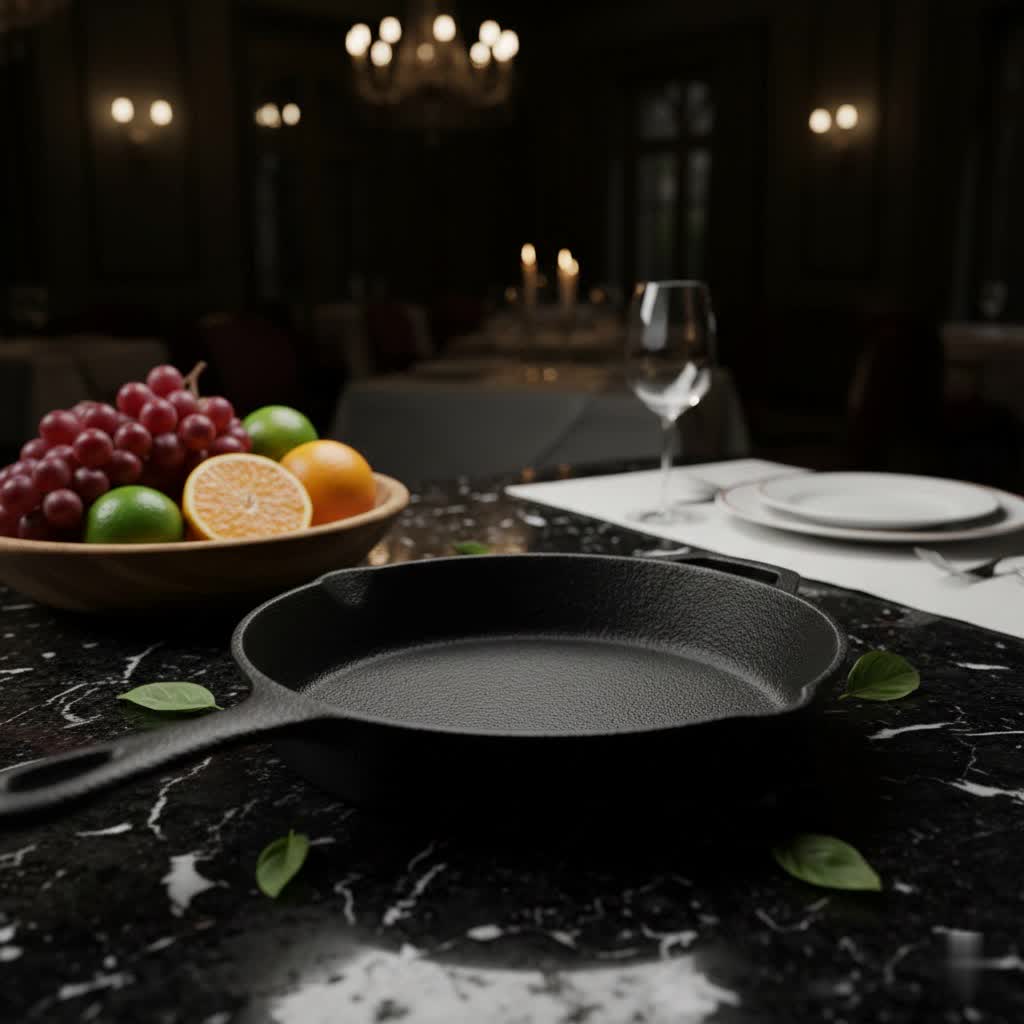
But with so many brands on the market, how do you choose the one that’s right for your kitchen? Whether you’re a seasoned chef or just beginning your culinary journey, finding the best cast iron skillet brand involves understanding the nuances of different types and weighing their features against your cooking needs. This comprehensive guide will explore the top cast iron skillet brands, helping you navigate the options to find your perfect pan.
What is an Iron Skillet?
An iron skillet, more commonly known as a cast iron skillet, is a type of heavy-duty frying pan made by pouring molten iron into a mold. Its robust construction makes it exceptionally durable and capable of enduring high temperatures, distinguishing it from other cookware. The history of cast iron cookware dates back centuries, with its widespread use becoming prominent in the 17th and 18th centuries in Europe, and later becoming a staple in American kitchens, particularly known for its resilience and ability to be used over open flames or in ovens.
Traditionally, these skillets are made from a single piece of iron, giving them immense strength. Their simplistic yet effective design has remained largely unchanged, a testament to their timeless utility and enduring appeal in modern cooking.
Superior Advantages of Cast Iron Skillets
Cast iron skillets offer a host of benefits that make them a beloved choice for serious cooks. Understanding these advantages can highlight why investing in a good quality pan is worthwhile.
Firstly, their durability and longevity are virtually unmatched. A properly cared-for cast iron skillet can last a lifetime, often becoming an heirloom passed down through families. They are incredibly resistant to wear and tear, making them a wise long-term investment for any kitchen.
Secondly, cast iron excels in heat retention and even heat distribution. Once heated, these pans maintain a consistent temperature, which is crucial for achieving perfect searing, browning, and slow cooking. This even heat prevents hot spots, ensuring your food cooks uniformly.
Over time and with proper care, cast iron develops a natural nonstick surface through a process called “seasoning.” This layer of polymerized oil not only prevents food from sticking but also enhances the flavor of your dishes, making them a healthier alternative to pans with chemical coatings.
Cast iron is also safe for health, as it doesn’t leach harmful chemicals into food. In fact, cooking with cast iron can even add a small amount of dietary iron to your meals, which can be beneficial.
Finally, their versatility is a major draw. Cast iron skillets can be used on almost any heat source, including gas, electric, induction stovetops, in the oven, on the grill, and even over campfires. This makes them ideal for a wide range of cooking techniques, from searing meats to baking cornbread or roasting vegetables.
Types of Cast Iron Skillets
While all cast iron skillets share core characteristics, there are a few distinct types to consider, each with its own advantages.
Traditional Cast Iron Skillet: These are the classic, bare cast iron pans that require seasoning. They are known for their ruggedness, excellent heat properties, and the ability to develop a superior natural nonstick surface over time. Most come pre-seasoned from the factory, meaning they are ready for immediate use, though continued seasoning improves their performance.
Enameled Cast Iron Skillet: These skillets feature a vitreous enamel glaze applied to the cast iron surface. The enamel eliminates the need for seasoning, makes the pan easier to clean, and prevents rust. Enameled cast iron is also non-reactive, meaning you can cook acidic foods like tomato sauces without affecting the pan or imparting a metallic taste. They often come in a variety of attractive colors. However, the enamel can chip if dropped or subjected to extreme thermal shock.
Other Variations: Some brands offer specialized designs, such as lightweight cast iron skillets for easier handling, double-handled pans ideal for baking and serving, or mini skillets perfect for individual portions or side dishes. Some newer companies focus on polished or machine-smoothed surfaces to mimic the smooth finish of vintage cast iron from the start.
How to Choose the Right Cast Iron Skillet
Selecting the perfect cast iron skillet involves considering several factors to ensure it meets your specific cooking style and needs.
Size and Depth
|
Our Picks for the Best Iron Skillet in 2026
As an Amazon Associate I earn from qualifying purchases.
|
||
| Num | Product | Action |
|---|---|---|
| 1 | Lodge 12 Inch Pre-Seasoned Cast Iron Skillet - Dual Assist Handles - Use in the Oven, on the Stove, on the Grill, or Over a Campfire - Black |

|
| 2 | Cuisinel Cast Iron Skillet with Lid - 12"-inch Pre-Seasoned Covered Frying Pan Set + Silicone Handle & Lid Holders + Scraper/Cleaner - Indoor/Outdoor, Oven, Stovetop, Camping Fire, Grill Safe Cookware |
|
| 3 | Cuisinel Cast Iron Skillet with Lid - 12"-Inch Frying Pan + Glass Cover + Silicone Handle Holder - Pre-Seasoned Oven Safe Cookware - Indoor/Outdoor Use - Grill, BBQ, Fire, Stovetop. PFAS and PFOA-free |
|
| 4 | Utopia Kitchen Cast Iron Skillets 12 Inch, Chef's Pan, Pre-Seasoned Frying Pan, Stovetop, Oven, Campfire and Grill Large Skillet, Even Heat Distribution Multipurpose Cast Iron Pan - Black |
|
| 5 | Lodge 12 Inch Cast Iron Skillet with Red Silicone Hot Handle Holder – Pre-Seasoned Frying Pan for Stove, Oven, Grill & Campfire – Made in the USA – Durable, Nonstick Cast Iron Cookware – Black |
|
| 6 | Stargazer 10.5-Inch Cast Iron Skillet - Made in USA, Seasoned, Premium Frying Pan for Grilling, Searing, Baking & More – Durable Cast Iron with Smooth Cooking Surface |
|
| 7 | Lodge 10.25 Inch Cast Iron Skillet – Pre-Seasoned Frying Pan with Teardrop Handle – Oven, Stovetop, Grill & Campfire Use – Made in USA – Durable, Non-Toxic, Even-Heating Cookware – Black |
|
| 8 | EWFEN Cast Iron Skillet 3-Piece Set, Heavy-Duty Professional Restaurant Chef Quality Pre-Seasoned Pan Cookware Set, 6", 8", 10" Pans For Frying, Saute, Cooking, Use Indoor/Outdoor, Oven, Grill |
|
| 9 | Lodge Pre-Seasoned Cast Iron Skillet Set - Set Includes 8 Inch Skillet, 10.25 Inch Skillet, and 12 inch Skillet - 3 Piece |
|
| 10 | Mercer Culinary Pre-Seasoned Cast Iron Skillet, 10.25-Inch |
|
The size and depth of your skillet are crucial. A common 10-inch skillet is versatile for many everyday tasks, from frying eggs for a couple to searing a steak. For single servings or small side dishes, an 8-inch skillet might suffice. If you regularly cook for a large family or prepare substantial meals like roasted chicken, a 12-inch or even 15-inch skillet offers ample space. Remember, larger skillets will be significantly heavier. Consider the types of dishes you cook most often and the number of people you typically feed.
Weight
Cast iron is inherently heavy, but there can be variations between brands and models. Weight affects maneuverability. If you find lifting heavy objects challenging, look for lightweight cast iron options or skillets with well-designed helper handles. While heavier pans retain heat exceptionally well, a slightly lighter pan might be more comfortable for daily use and easier to move from stovetop to oven.
Material and Coating
Decide between traditional seasoned cast iron and enameled cast iron. Traditional pans require maintenance (seasoning) but offer unparalleled durability and a naturally evolving nonstick surface. Enameled pans are low-maintenance, aesthetically pleasing, and non-reactive, but generally more expensive and can chip. For traditional cast iron, ensure it’s made from high-quality pure iron to guarantee the best cooking performance and longevity.
Handles
The design of the handle significantly impacts usability. Look for a sturdy, ergonomic main handle that offers a secure grip. Many larger skillets include a “helper handle” opposite the main handle, which is invaluable for lifting and transferring heavy pans, especially when full. Be aware that all cast iron handles get extremely hot, so always use oven mitts or a silicone handle cover. Some specialized pans feature removable handles, which can aid in cleaning and storage.
Brand and Price
Finally, consider the brand’s reputation and the price point. Established brands often provide reliable quality and customer support. While there are excellent budget-friendly options, high-end brands might offer superior craftsmanship, smoother finishes, or unique designs. Determine your budget and balance it with the features and quality that matter most to you. Sometimes, a “splurge” is justified for a pan that will truly last a lifetime and enhance your cooking experience.
Comparing Top Cast Iron Skillet Brands
When it comes to cast iron skillets, a few brands consistently rise to the top for their quality, performance, and innovation. Here’s a look at some of the best:
-
Lodge: Often considered the industry standard, Lodge is an American legacy brand known for its affordable, durable, and highly functional pre-seasoned cast iron. Their skillets are workhorses, perfect for everyday cooking and ideal for beginners due to their robust nature and value. Lodge offers a wide range of sizes and also produces enameled cast iron and specialized dual-handle pans.
-
Le Creuset: A French brand synonymous with high-end enameled cast iron, Le Creuset offers stunning, colorful skillets that require no seasoning and are easy to clean. While significantly more expensive than traditional cast iron, their quality, even heat distribution, and aesthetic appeal make them a coveted choice for many.
-
Staub: Another premium French brand specializing in enameled cast iron, Staub skillets are known for their heavy construction, exceptional heat retention, and signature black matte enamel interior, which is excellent for browning and searing. Like Le Creuset, they are a significant investment but offer top-tier performance and beauty.
-
Field Company: These skillets are designed to be lighter than typical cast iron and boast a remarkably smooth, polished cooking surface, reminiscent of vintage cast iron. Field Company pans are pricier but offer excellent maneuverability and naturally nonstick properties right out of the box, appealing to those who prefer a more refined cooking experience without the weight.
-
Smithey Ironware Co.: Smithey specializes in handcrafted, heirloom-quality cast iron with a beautifully polished, satin-smooth finish. Their pans are often described as elegant and are built to develop a robust seasoning over time. They represent a significant investment, targeting enthusiasts who appreciate artisanal craftsmanship and superior cooking performance.
-
Yeti: Known for its rugged outdoor gear, Yeti also offers high-quality cast iron skillets that are lightweight, extremely durable, and feature a smooth cooking surface with ergonomic handles and pour spouts. They are designed for both home kitchen use and demanding outdoor adventures, making them a great splurge for the adventurous cook.
-
KitchenAid: This brand offers well-regarded enameled cast iron skillets that provide durability and impressive heating capabilities without the maintenance of traditional seasoning. They are praised for their attractive design, comfortable handles, and versatile performance, making them a solid choice for those seeking the benefits of enameled cast iron at a competitive price.
-
Caraway: Emerging as a popular choice for stylish and functional cookware, Caraway’s enameled cast iron skillets are beautiful, low-maintenance, and scratch-resistant. They are particularly favored for gifting due to their aesthetic appeal and ease of cleaning, coming in a variety of modern colors.
Detailed Comparison of Top Cast Iron Skillet Brands
| Brand | Type | Key Feature/Surface | Price Range (Approx.) | Pros | Cons | Ideal User |
|---|---|---|---|---|---|---|
| Lodge | Traditional (Pre-seasoned) | Rough, pre-seasoned texture | $20 – $80 | Affordable, extremely durable, widely available, made in USA | Heavier, surface can be rougher initially, requires seasoning upkeep | Everyday cook, beginners, budget-conscious |
| Le Creuset | Enameled | Smooth, colorful enamel exterior | $150 – $300+ | No seasoning needed, easy to clean, non-reactive, beautiful | Expensive, enamel can chip, heavier | Gourmet cook, design-conscious, low-maintenance |
| Staub | Enameled | Matte black enamel interior | $150 – $300+ | Excellent heat retention, superior browning, durable enamel | Expensive, very heavy | Serious chef, gourmet cook, heirloom quality |
| Field Company | Traditional (Smoothed) | Polished, smooth cooking surface | $100 – $200+ | Lighter weight, smooth surface, excellent performance | Pricey | Enthusiast, seeks vintage feel, lighter weight |
| Smithey | Traditional (Hand-forged) | Satin-smooth, polished finish | $150 – $300+ | Heirloom quality, superior craftsmanship, beautiful aesthetic | Very expensive, specialized | Collector, enthusiast, gift-giver |
| Yeti | Traditional (Smoothed) | Smooth cooking surface, lightweight | $100 – $200+ | Extremely durable, ergonomic, versatile for indoor/outdoor | Expensive, limited sizes | Outdoor enthusiast, minimalist, splurge |
| KitchenAid | Enameled | Smooth enamel, comfortable handles | $80 – $150 | Good value for enameled, attractive, easy to clean, versatile | Sides may be lower than some traditional pans | Home cook, wants enameled benefits at mid-range price |
| Caraway | Enameled | Visually appealing, scratch-resistant | $150 – $200+ | Stylish design, easy maintenance, good for gifting | Interior texture less smooth than others, pricey for enamel | Gifting, design-focused, new homeowners |
Proper Use and Care for Your Cast Iron Skillet
To ensure your cast iron skillet lasts a lifetime and performs optimally, proper use and care are essential.
Seasoning Cast Iron Skillet
Seasoning is the process of baking thin layers of oil onto your cast iron, which creates a natural, stick-resistant coating.
- New Skillet: Most modern cast iron comes pre-seasoned, but a light re-seasoning can enhance it. Wash with mild soap and water, dry thoroughly, apply a very thin layer of high-smoke point oil (like vegetable or flaxseed oil), wipe off excess until the pan looks dry, then bake upside down in a 375-400°F (190-205°C) oven for one hour. Let it cool completely in the oven.
- Restoring Seasoning: If your seasoning is damaged (e.g., from rust or harsh scrubbing), scrub off any rust, wash, dry, and repeat the seasoning process multiple times until a dark, even finish is achieved.
Cleaning Cast Iron Skillet
Cleaning cast iron after each use is straightforward but requires specific techniques to protect the seasoning.
- After Each Use: Scrape off food residue, rinse with hot water. For stuck-on bits, use a stiff brush or a cast iron scrubber (chainmail scrubber). You can use a very small amount of mild soap occasionally, but avoid harsh detergents, as they can strip seasoning.
- Things to Avoid: Never put cast iron in the dishwasher, soak it in water for extended periods, or use abrasive steel wool, as these will damage the seasoning and promote rust.
Storing Cast Iron Skillet
Proper storage is key to preventing rust and maintaining your skillet.
- Preventing Rust: After cleaning, always dry your skillet thoroughly. You can place it on a low burner for a few minutes to evaporate any remaining moisture. Once dry, apply a very thin layer of cooking oil to the entire surface (inside and out) before storing.
- Enameled Cast Iron: Enameled pans do not require seasoning and are less prone to rust. Clean with soap and water, and dry thoroughly before storing.
Tips for Better Cooking with Cast Iron
Unlock the full potential of your cast iron skillet with these expert tips:
- Preheat Properly: Cast iron needs time to heat up evenly. Place your skillet on medium-low heat for 5-10 minutes before adding food. This ensures consistent cooking and prevents sticking.
- Use Enough Fat: While well-seasoned cast iron is naturally nonstick, using a decent amount of cooking oil, butter, or animal fat will further enhance nonstick properties and contribute to a better crust and flavor.
- Avoid Overcrowding: Don’t overload the pan, as this lowers the temperature and steams food instead of searing it. Cook in batches if necessary to maintain high heat.
- Mind Acidic Foods: Cooking highly acidic foods (like tomato sauce or lemon juice) for prolonged periods in traditional cast iron can strip the seasoning and impart a metallic taste. Enameled cast iron is non-reactive and suitable for acidic dishes.
- Use the Right Utensils: Opt for wooden, silicone, or heat-resistant plastic utensils to avoid scratching the seasoning on traditional cast iron. Metal utensils are generally fine for enameled surfaces, but be mindful to prevent chipping.
Delicious Dishes to Cook in Your Cast Iron Skillet
The versatility of cast iron makes it perfect for a wide array of delectable meals:
- Perfectly Seared Steak: Achieve an incredible crust and juicy interior.
- Crispy Pan-Fried Chicken: Get that golden-brown, crispy skin every time.
- Fluffy Cornbread: A classic for a reason, baking in cast iron yields a perfect crust.
- Sheet Pan Dinners: Roast vegetables and proteins together for an easy meal.
- Skillet Pizza: Create a crispy-crusted homemade pizza.
- Rustic Apple Crisp or Cobbler: Bake directly in the skillet for a warm, comforting dessert.
- Sunny-Side Up Eggs: A well-seasoned pan ensures eggs slide right off.
- Hash and Home Fries: Achieve uniform crispiness and flavor.
Where to Buy Reputable Cast Iron Skillets?
Finding a high-quality cast iron skillet is easier than ever. You can purchase them from:
- Specialty Cookware Stores: These stores often carry a range of brands, including high-end options, and offer knowledgeable staff.
- Major Retailers and Department Stores: Stores like Target, Walmart, and Macy’s stock popular brands like Lodge and KitchenAid.
- Online Marketplaces: Amazon, Wayfair, and the official websites of brands like Lodge, Field Company, Smithey, and Le Creuset offer extensive selections and often competitive pricing. Always check seller reviews when buying from third-party marketplaces.
Buying Guide: Your Cast Iron Skillet Checklist
Here’s a quick recap of what to look for when choosing your ideal cast iron skillet:
- Size: Match to your cooking volume (8-inch for individuals, 10-inch for versatility, 12-inch+ for families).
- Type: Traditional (for seasoning and ruggedness) or Enameled (for low maintenance and color).
- Weight: Consider your comfort level, especially for larger pans; look for lightweight options if needed.
- Handles: Prioritize ergonomic main handles and beneficial helper handles for heavy lifting.
- Surface: Decide if you prefer pre-seasoned rough texture (Lodge) or a smoother, polished surface (Field, Smithey, vintage).
- Budget: Determine how much you’re willing to invest, balancing value with premium features.
- Brand Reputation: Stick to well-regarded brands known for quality and durability.
Conclusion
Choosing the best cast iron skillet brand is a personal journey that depends on your cooking style, budget, and aesthetic preferences. From the rugged reliability of Lodge to the artisanal elegance of Smithey and the vibrant luxury of Le Creuset, there’s a perfect cast iron companion waiting to elevate your culinary adventures. By understanding the advantages of cast iron, knowing the different types available, and considering key factors like size, weight, and handle design, you can confidently select a skillet that will serve you well for decades. Invest wisely, care for it lovingly, and your cast iron skillet will reward you with countless delicious meals and become a cherished part of your kitchen’s legacy. What culinary masterpiece will you create first in your new cast iron skillet?
Frequently Asked Questions
How do I properly season a new cast iron skillet?
Most new cast iron skillets come pre-seasoned, but for optimal performance, you can add an extra layer. Wash the skillet with hot water and mild soap, dry it completely, then apply a very thin coat of high-smoke point oil. Wipe off any excess, then bake it upside down in a 375-400°F (190-205°C) oven for an hour, letting it cool naturally in the oven.
Can I cook acidic foods like tomato sauce in my cast iron skillet?
It depends on the type. Enameled cast iron skillets are non-reactive and perfectly safe for cooking acidic foods without damaging the pan or altering the food’s taste. However, for traditional, bare cast iron, cooking highly acidic foods for extended periods can strip its seasoning and potentially impart a metallic flavor to your dish, so it’s generally best to avoid this or limit the cooking time.
How do I clean stuck-on food from my cast iron skillet without damaging the seasoning?
For stubborn stuck-on food, avoid harsh soaps or steel wool. Instead, try scrubbing with hot water and a stiff brush, plastic scraper, or a chainmail scrubber. For extra tough spots, you can simmer a bit of water in the skillet on the stove for a few minutes to loosen the residue before scraping. Always dry thoroughly and apply a thin layer of oil after cleaning.
What are the main differences between traditional and enameled cast iron?
Traditional cast iron requires regular seasoning to build a natural nonstick surface and prevent rust, and it’s generally more affordable. Enameled cast iron has a protective glass-like coating that eliminates the need for seasoning, makes it easier to clean, is non-reactive to acidic foods, and often comes in decorative colors. However, enameled cast iron is typically more expensive and its coating can chip.
