Step into any well-loved kitchen, and you’ll likely find a trusty companion: the iron skillet. More than just a cooking vessel, it’s a culinary legend, revered for its remarkable durability, even heat distribution, and the incomparable flavors it helps create. Whether you’re a seasoned chef or just beginning your culinary journey, understanding the world of cast iron can transform your cooking. This guide will walk you through everything you need to know, from its rich history and outstanding benefits to selecting the perfect skillet and mastering its care, ensuring your investment serves you for generations.
What is an Iron Skillet?
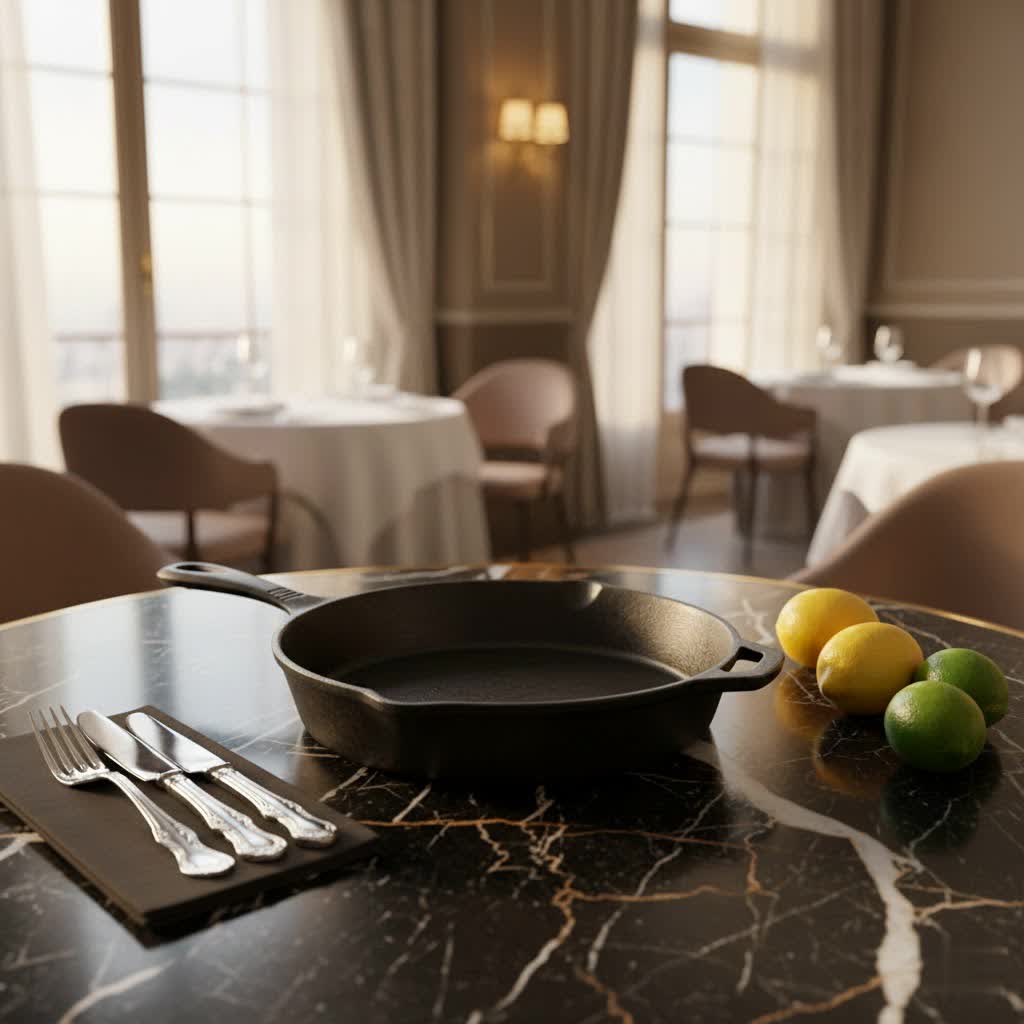
An iron skillet, commonly known as a cast iron skillet, is a heavy-duty frying pan made from cast iron. This material is an alloy of iron, carbon, and silicon, poured into molds to create a seamless, robust cooking surface. Its unique composition and manufacturing process give it distinct properties that set it apart from other cookware.
The history of cast iron cookware stretches back centuries, with early forms found in China as far back as the 6th century BC. In Europe, cast iron began to gain popularity in the Middle Ages, evolving into the familiar kitchen staple we know today, especially during the 17th and 18th centuries. Its enduring presence in kitchens worldwide is a testament to its reliability and superior cooking capabilities.
Superior Advantages of an Iron Skillet
Iron skillets offer a host of benefits that make them a favorite among home cooks and professional chefs alike.
- Exceptional Durability and Longevity: Crafted from a single piece of robust metal, an iron skillet is virtually indestructible and can last for decades, often becoming a cherished family heirloom passed down through generations.
- Unrivaled Heat Retention and Even Distribution: Cast iron heats slowly but retains heat incredibly well, distributing it uniformly across the cooking surface. This ensures consistent cooking and perfect searing results.
- Natural Non-Stick Surface: With proper seasoning—a process of baking oil onto the surface—cast iron develops a naturally non-stick layer that improves with every use, eliminating the need for chemical coatings found in many modern pans.
- Health-Safe Cooking: Unlike non-stick pans that can release chemicals when overheated, cast iron is free from harmful toxins. It can even leach small amounts of dietary iron into your food, offering a slight health benefit.
- Versatile for All Cooking Surfaces: An iron skillet is incredibly adaptable, suitable for use on gas, electric, induction, and ceramic stovetops, in the oven, on the grill, and even over an open campfire.
Popular Types of Iron Skillets
While the classic cast iron skillet is widely recognized, several variations cater to different cooking needs and preferences.
- Traditional Cast Iron Skillet: This is the most common type, made entirely of cast iron and typically pre-seasoned. It requires ongoing seasoning and care to maintain its non-stick properties and prevent rust.
- Enameled Cast Iron Skillet: These skillets feature a porcelain enamel coating over the cast iron. The enamel provides a naturally non-reactive, low-stick surface that doesn’t require seasoning and is easier to clean. They come in a wide array of colors but are generally heavier and more expensive than traditional cast iron.
- Wood-Handled Cast Iron Skillet: Some skillets feature a wooden handle for a comfortable, cool grip. However, these are generally not oven-safe, limiting their versatility.
- Mini Cast Iron Skillets: Perfect for individual servings, frying a single egg, or baking small desserts, these compact skillets offer all the benefits of larger cast iron in a smaller format.
Guide to Choosing the Right Iron Skillet
Selecting the ideal iron skillet involves considering several factors to match your cooking style and needs.
Size and Depth
- Assess Your Usage Needs: Consider how many people you typically cook for and the types of dishes you prepare. A smaller skillet (6-8 inches) is great for individual meals or side dishes, while a medium one (10-12 inches) is versatile for families. Larger skillets (13+ inches) are excellent for big family meals, roasting, or outdoor cooking.
- Consider Depth: Deeper skillets are better for frying, braising, or preparing dishes with sauces, while shallower pans excel at searing, baking cornbread, or cooking pancakes.
|
Our Picks for the Best Iron Skillet in 2026
As an Amazon Associate I earn from qualifying purchases.
|
||
| Num | Product | Action |
|---|---|---|
| 1 | Utopia Kitchen Cast Iron Skillets 12 Inch, Chef's Pan, Pre-Seasoned Frying Pan, Stovetop, Oven, Campfire and Grill Large Skillet, Even Heat Distribution Multipurpose Cast Iron Pan - Black |

|
| 2 | Cuisinel Cast Iron Skillet with Lid - 12"-inch Pre-Seasoned Covered Frying Pan Set + Silicone Handle & Lid Holders + Scraper/Cleaner - Indoor/Outdoor, Oven, Stovetop, Camping Fire, Grill Safe Cookware |
|
| 3 | Lodge 12 Inch Pre-Seasoned Cast Iron Skillet - Dual Assist Handles - Use in the Oven, on the Stove, on the Grill, or Over a Campfire - Black |
|
| 4 | Stargazer 10.5-Inch Cast Iron Skillet - Made in USA, Seasoned, Premium Frying Pan for Grilling, Searing, Baking & More – Durable Cast Iron with Smooth Cooking Surface |
|
| 5 | Mercer Culinary Pre-Seasoned Cast Iron Skillet, 10.25-Inch |
|
| 6 | Lodge 10.25 Inch Cast Iron Skillet – Pre-Seasoned Frying Pan with Teardrop Handle – Oven, Stovetop, Grill & Campfire Use – Made in USA – Durable, Non-Toxic, Even-Heating Cookware – Black |
|
| 7 | Lodge Pre-Seasoned Cast Iron Skillet Set - Set Includes 8 Inch Skillet, 10.25 Inch Skillet, and 12 inch Skillet - 3 Piece |
|
| 8 | Cuisinel Cast Iron Skillet with Lid - 12"-Inch Frying Pan + Glass Cover + Silicone Handle Holder - Pre-Seasoned Oven Safe Cookware - Indoor/Outdoor Use - Grill, BBQ, Fire, Stovetop. PFAS and PFOA-free |
|
| 9 | Lodge 12 Inch Cast Iron Skillet with Red Silicone Hot Handle Holder – Pre-Seasoned Frying Pan for Stove, Oven, Grill & Campfire – Made in the USA – Durable, Nonstick Cast Iron Cookware – Black |
|
| 10 | EWFEN Cast Iron Skillet 3-Piece Set, Heavy-Duty Professional Restaurant Chef Quality Pre-Seasoned Pan Cookware Set, 6", 8", 10" Pans For Frying, Saute, Cooking, Use Indoor/Outdoor, Oven, Grill |
|
Weight
- Handleability: Cast iron is inherently heavy. Lift a few skillets to gauge their weight and ensure you can comfortably handle it, especially when full of food. A lighter skillet might be easier to maneuver, but heavier ones often offer superior heat retention.
- Strength Consideration: Choose a skillet with a weight that matches your physical capability, as heavy cookware can be challenging for some.
Material and Coating
- Pure Cast Iron vs. Enameled: Decide between raw, seasoned cast iron (for optimal searing and a natural non-stick surface with maintenance) or enameled cast iron (for ease of cleaning, no seasoning required, and acidic food compatibility).
- Quality Check: For traditional cast iron, look for a smooth finish and solid construction. For enameled, ensure the coating is even, chip-free, and of high quality.
Handle Design
- Ergonomics and Safety: Opt for a sturdy handle that feels secure in your grip. Helper handles on larger skillets are a significant advantage for safe lifting. Consider silicone or fabric handle covers for heat protection.
- Oven Compatibility: If oven use is important, ensure the handle material is oven-safe (typically cast iron handles are, but wooden or plastic handles are not). Removable handles can offer versatility.
Brand and Price
- Reputable Brands: Invest in well-known brands that have a history of quality and durability. While price varies, quality cast iron is a long-term investment.
- Budget-Friendly vs. Premium: There are excellent options across all price points. Brands like Lodge offer fantastic value, while Le Creuset or Finex represent premium choices with distinct aesthetics and features.
Comparing Leading Iron Skillet Brands
The market offers a range of acclaimed iron skillet brands, each with unique characteristics.
| Brand | Quality | Durability | Price Range | Special Features |
|---|---|---|---|---|
| Lodge | Excellent | High | Affordable | Pre-seasoned, Made in USA, wide availability |
| Le Creuset | Premium | Very High | High | Enameled, vibrant colors, exceptional heat disp. |
| Staub | Premium | Very High | High | Enameled, self-basting lids (for Dutch ovens) |
| Field Company | High | High | Mid-High | Lighter weight, smoother finish, vintage style |
| Finex | Premium | Very High | Very High | Polished cooking surface, ergonomic spring handle |
| Victoria | Excellent | High | Affordable | Longer, curved handles, pre-seasoned |
Detailed Comparison of Iron Skillet Models
Choosing a specific model often comes down to dimensions and specific features.
| Model/Size | Diameter (inches) | Weight (lbs) | Material | Price (approx.) | Pros | Cons |
|---|---|---|---|---|---|---|
| Lodge 10.25″ Skillet | 10.25 | 5.3 | Cast Iron | $25 – $35 | Affordable, durable, good everyday use | Rougher finish than premium brands |
| Victoria 12″ Skillet | 12 | 7.3 | Cast Iron | $35 – $45 | Longer handle, excellent searing | Can be heavy, requires seasoning |
| Le Creuset 10.25″ Enameled Skillet | 10.25 | 6.2 | Enameled Cast Iron | $200 – $250 | Easy to clean, no seasoning, colorful | Expensive, can chip if dropped |
| Field Co. No. 8 Skillet | 10.25 | 4.5 | Cast Iron | $150 – $180 | Smoother finish, lighter weight | Higher price point than Lodge/Victoria |
| Finex 10″ Skillet | 10 | 6.5 | Cast Iron | $200 – $230 | Polished surface, unique aesthetics | Very expensive, heavy |
Essential Care for Your Iron Skillet
Proper care is key to maintaining your iron skillet’s performance and ensuring its longevity.
Seasoning Your Iron Skillet
- Initial Seasoning: Most new cast iron skillets come pre-seasoned, but an extra layer helps. Apply a very thin layer of high smoke point oil (like flaxseed, grapeseed, or vegetable oil) to the entire skillet. Bake upside down in an oven at 450-500°F (232-260°C) for one hour, then let it cool completely in the oven. Repeat this process a few times for the best start.
- Restoring Seasoning: If your skillet becomes sticky or rusty, scrub it clean with steel wool, dry thoroughly, and repeat the seasoning process until a smooth, dark surface is restored.
Cleaning Your Iron Skillet
- After Every Use: While the skillet is still warm, scrape out any food residue with a flat spatula. For stubborn bits, use a stiff brush and hot water. Avoid harsh soaps, as they can strip the seasoning. For tough spots, use a paste of coarse salt and a little oil to scrub gently.
- Things to Avoid: Never put your traditional cast iron skillet in the dishwasher. Avoid soaking it in water for extended periods, which can lead to rust.
Storing Your Iron Skillet
- Preventing Rust: Always dry your cast iron skillet immediately and thoroughly after washing. You can even place it on low heat on the stovetop for a few minutes to ensure all moisture evaporates.
- Optimal Storage: Store it in a dry place. For stacked skillets, place a paper towel or cloth between them to prevent moisture buildup and scratches.
- Enameled Cast Iron Storage: Enameled cast iron requires less strict drying but should still be kept dry. It can be stored similarly to other pots and pans.
Tips for Better Cooking with an Iron Skillet
Maximize your cast iron’s potential with these cooking insights.
- Preheat Properly: Always preheat your iron skillet slowly and thoroughly on medium-low heat for 5-10 minutes before adding food. This ensures even heat distribution and prevents sticking.
- Add Fat After Preheating: Once the skillet is hot, add your cooking oil or fat. This helps create a better non-stick surface and prevents food from sticking.
- Avoid High-Acid Foods for Prolonged Cooking: While occasional use is fine, cooking highly acidic foods like tomato sauce or lemon juice for extended periods in traditional cast iron can strip the seasoning and impart a metallic taste. Enameled cast iron is suitable for acidic dishes.
- Use Appropriate Utensils: Metal spatulas and scrapers are generally fine for traditional cast iron as they can help maintain the seasoning by smoothing it out. However, for enameled cast iron, stick to wood or silicone to prevent chipping the enamel.
Delicious Dishes to Cook in an Iron Skillet
The versatility of an iron skillet makes it ideal for a wide range of culinary delights.
- Perfectly Seared Steaks: Achieve a beautiful, crusty sear and a juicy interior that’s hard to replicate with other pans.
- Crispy Roasted Chicken: Roast a whole chicken or pieces for incredibly crispy skin and tender meat.
- Garlic Butter Skillet Bread: Bake golden, flavorful bread right in your skillet.
- Homemade Skillet Pizza: Create a perfectly crispy crust on the stovetop, then finish in the oven.
- Warm Skillet Desserts: From apple crumbles to chocolate chip cookies, cast iron is excellent for baking desserts.
Where to Find Your Iron Skillet
Finding a quality iron skillet is easier than you think, with options available for every preference.
- Department Stores: Major department stores like Macy’s, Kohl’s, and JCPenney often carry popular brands like Lodge and some enameled options.
- Home Goods Stores: Retailers such as HomeGoods, Marshalls, and TJ Maxx can sometimes have great deals on various cast iron skillets, including lesser-known but quality brands.
- Superstores: Walmart and Target are excellent places to find affordable and reliable cast iron skillets from brands like Lodge and Victoria, often with options for in-store pickup.
- Hardware Stores: Stores like The Home Depot and Lowe’s frequently stock Lodge cast iron, especially their basic seasoned skillets, often available for immediate pickup.
- Specialty Kitchen Stores: For higher-end or unique pieces, visit stores like Sur La Table, Williams Sonoma, or Crate & Barrel. They offer premium brands like Le Creuset, Staub, and Field Company.
- Online Retailers with Local Pickup: Many large online retailers, including Amazon, offer “ship to store” or “local pickup” options through their partner networks, combining online convenience with local availability. Always check the retailer’s website for “in stock at store today” features to ensure immediate availability.
Buying Guide: Your Iron Skillet Checklist
To ensure you make the best purchase for your kitchen, keep this checklist in mind:
- Purpose: What will you primarily use it for (searing, baking, frying)?
- Size: Does it match your family size and stovetop capacity?
- Type: Do you prefer traditional (requires seasoning) or enameled (easier care)?
- Weight: Can you comfortably lift and maneuver it, especially when full?
- Handle: Is it sturdy, oven-safe, and does it have a helper handle if needed?
- Budget: What’s your comfortable spending range? (Lodge for value, Le Creuset for luxury).
- Availability: Will you buy it online, or do you need to find “cast iron skillet near me” for immediate purchase?
Remember, an iron skillet is an investment in your culinary future. Choose wisely, care for it diligently, and it will reward you with countless delicious meals.
Frequently Asked Questions
Why do chefs love using iron skillets?
Chefs adore iron skillets for their exceptional heat retention and even heat distribution, which are crucial for achieving perfect sears and consistent cooking results. The natural non-stick surface, developed through seasoning, also contributes to their preference, along with their durability and versatility across various cooking methods.
Is a pre-seasoned iron skillet ready to use immediately?
Yes, most pre-seasoned iron skillets are ready to use right out of the box after a quick rinse and dry. However, adding a few initial layers of seasoning yourself can further enhance its non-stick properties and create a more robust cooking surface from the start.
Can an iron skillet be used on an induction cooktop?
Absolutely! Iron skillets are highly compatible with induction cooktops because cast iron is a ferromagnetic material. This means it responds efficiently to the electromagnetic fields generated by induction cooktops, allowing for quick and effective heating.
How do I prevent rust on my iron skillet?
The key to preventing rust is thorough drying. Always dry your iron skillet immediately after washing, either by hand or by placing it on low heat on the stovetop for a few minutes. Applying a very thin layer of cooking oil before storing also helps create a protective barrier against moisture.
What are the best brands for a beginner’s iron skillet?
For beginners, Lodge and Victoria are excellent choices. They offer high-quality, pre-seasoned iron skillets at affordable prices, making them accessible entry points into the world of cast iron cooking. Their durability and ease of initial use make them very forgiving for those new to cast iron care.
