The flat cast iron skillet stands as a timeless emblem of culinary tradition, revered by home cooks and professional chefs alike for its unmatched performance and durability. If you’ve ever felt intimidated by this kitchen workhorse, fear not. This comprehensive guide will demystify the flat cast iron skillet, transforming you into a confident cast iron cooking enthusiast. With over a decade of personal experience using and evaluating various cast iron products, I’m here to share the secrets to choosing, using, and maintaining your skillet for a lifetime of delicious meals.
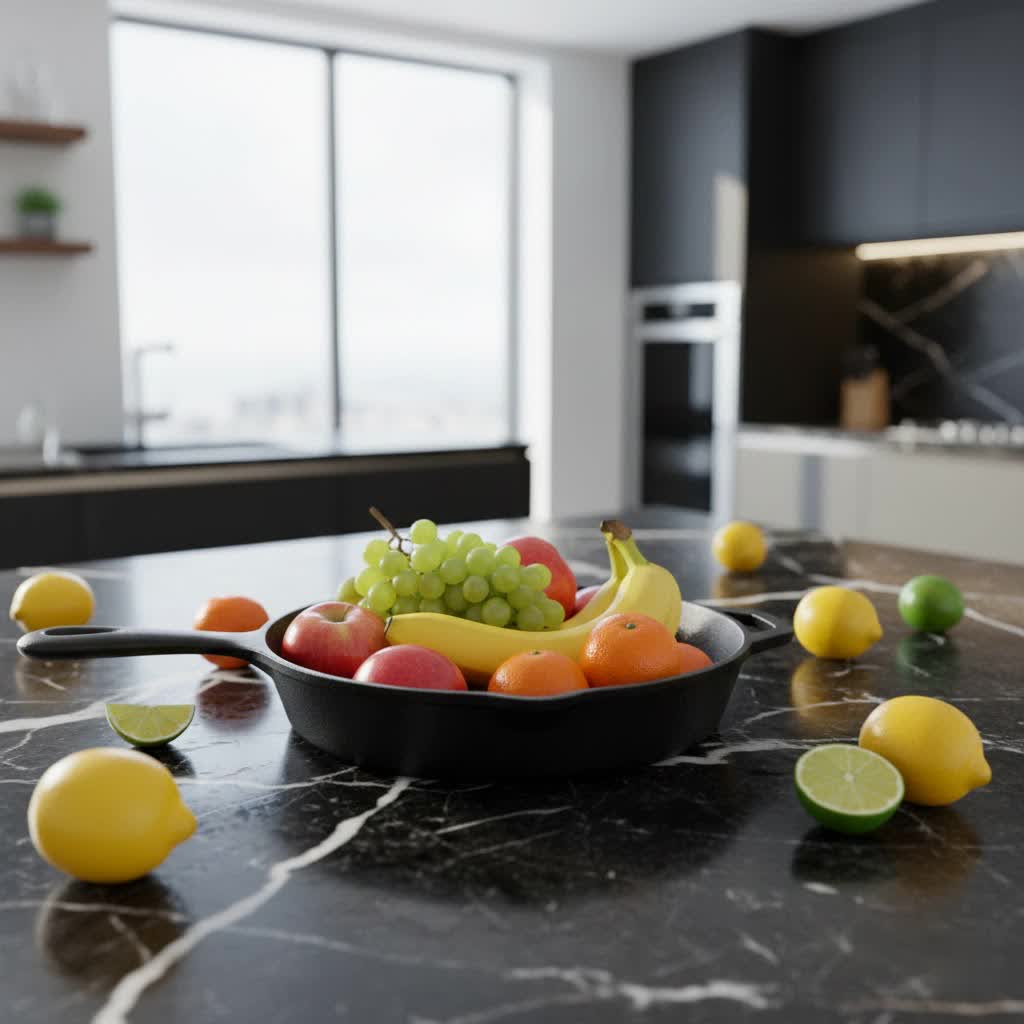
What is a Flat Cast Iron Skillet?
A flat cast iron skillet is a heavy-duty frying pan made from a single piece of cast iron, distinguished by its uniformly flat cooking surface and typically shallow sides. Unlike specialized grill pans that feature raised ridges, the flat design offers maximum contact with food, ensuring even cooking and exceptional searing. Its history dates back centuries, with cast iron cookware being a staple in kitchens around the world for its robustness and ability to withstand intense heat. This humble pan has evolved little over time, a testament to its enduring and effective design.
Outstanding Advantages of Flat Cast Iron Skillets
Flat cast iron skillets boast a range of benefits that set them apart from other cookware. These advantages contribute to their legendary status in the kitchen and make them a worthwhile investment for any cook.
- Exceptional Durability and Longevity: Crafted from robust iron, these skillets are built to last for generations. Unlike non-stick pans with coatings that can degrade, cast iron improves with age and proper care. Many enthusiasts cherish skillets passed down through their families, still performing beautifully after decades of use.
- Superior Heat Retention and Even Distribution: Cast iron excels at absorbing and retaining heat, ensuring a consistent cooking temperature across the entire surface. This even heat distribution prevents hot spots, allowing for perfectly browned crusts on steaks and uniformly cooked dishes. Once heated, it stays hot, making it ideal for searing and frying.
- Natural Non-Stick Surface with Seasoning: The secret to cast iron’s non-stick properties lies in “seasoning,” a layer of polymerized oil that bonds to the metal. Over time, with consistent use and proper care, this layer builds up, creating a slick, naturally non-stick cooking surface that can rival modern chemical coatings.
- Health-Safe Cooking: Uncoated cast iron is free from synthetic chemicals like PTFE found in many non-stick pans. For those concerned about chemical exposure, cast iron offers a safe alternative. Moreover, cooking with cast iron can subtly increase the iron content in your food, which can be a beneficial dietary boost for some.
- Incredible Versatility: A flat cast iron skillet is remarkably versatile. It transitions seamlessly from the stovetop (gas, electric, induction) to the oven, grill, or even an open campfire. This makes it perfect for a wide array of cooking methods, from searing meats and frying eggs to baking cornbread, roasting vegetables, and simmering sauces.
Popular Types of Cast Iron Skillets
While the core material remains the same, cast iron skillets come in a few distinct types, each with its own characteristics and uses.
- Traditional (Uncoated) Cast Iron Skillet: This is the classic, raw cast iron pan that requires seasoning and diligent maintenance to prevent rust and build a non-stick surface. They are known for their dark, rich patina that deepens with use and are exceptionally durable. These are the workhorses prized for their searing capabilities.
- Enameled Cast Iron Skillet: These skillets feature a cast iron core coated with a layer of porcelain enamel, which can be smooth or textured. The enamel eliminates the need for seasoning, makes them resistant to rust, and allows for cooking acidic foods without stripping the finish. Enameled cast iron is often available in vibrant colors, adding aesthetic appeal to functionality. While generally easier to clean and sometimes dishwasher-safe, hand washing is usually recommended to preserve their longevity.
- Cast Iron Grill/Griddle: While a “flat cast iron skillet” implies a smooth surface, some cast iron cookware offers a flat griddle side (often reversible with a ribbed grill side). These larger, flat surfaces are excellent for pancakes, eggs, bacon, and grilled sandwiches, providing expansive, even heat.
- Specialty Cast Iron Skillets: These include smaller “mini” skillets for individual servings or side dishes, and those with unique handle designs like wooden handles (though these are not oven-safe).
Guide to Choosing the Right Flat Cast Iron Skillet
Selecting the perfect flat cast iron skillet involves considering several factors to match your cooking style and needs.
Size and Depth
The right size depends on your household and cooking habits.
- Determine Your Needs: Consider how many people you typically cook for and the types of dishes you prepare.
- Common Recommendations: A 10- to 10.25-inch skillet is often recommended as the most versatile for individuals or small families, suitable for frying a couple of eggs, searing a single steak, or baking cornbread. For larger families or those who frequently cook bigger meals, a 12-inch skillet offers ample cooking space for multiple servings or a whole roasted chicken.
|
Our Picks for the Best Iron Skillet in 2026
As an Amazon Associate I earn from qualifying purchases.
|
||
| Num | Product | Action |
|---|---|---|
| 1 | Cuisinel Cast Iron Skillet with Lid - 12"-Inch Frying Pan + Glass Cover + Silicone Handle Holder - Pre-Seasoned Oven Safe Cookware - Indoor/Outdoor Use - Grill, BBQ, Fire, Stovetop. PFAS and PFOA-free |

|
| 2 | Utopia Kitchen Cast Iron Skillets 12 Inch, Chef's Pan, Pre-Seasoned Frying Pan, Stovetop, Oven, Campfire and Grill Large Skillet, Even Heat Distribution Multipurpose Cast Iron Pan - Black |
|
| 3 | Lodge Pre-Seasoned Cast Iron Skillet Set - Set Includes 8 Inch Skillet, 10.25 Inch Skillet, and 12 inch Skillet - 3 Piece |
|
| 4 | Lodge 10.25 Inch Cast Iron Skillet – Pre-Seasoned Frying Pan with Teardrop Handle – Oven, Stovetop, Grill & Campfire Use – Made in USA – Durable, Non-Toxic, Even-Heating Cookware – Black |
|
| 5 | Mercer Culinary Pre-Seasoned Cast Iron Skillet, 10.25-Inch |
|
| 6 | Lodge 12 Inch Cast Iron Skillet with Red Silicone Hot Handle Holder – Pre-Seasoned Frying Pan for Stove, Oven, Grill & Campfire – Made in the USA – Durable, Nonstick Cast Iron Cookware – Black |
|
| 7 | Lodge 12 Inch Pre-Seasoned Cast Iron Skillet - Dual Assist Handles - Use in the Oven, on the Stove, on the Grill, or Over a Campfire - Black |
|
| 8 | Cuisinel Cast Iron Skillet with Lid - 12"-inch Pre-Seasoned Covered Frying Pan Set + Silicone Handle & Lid Holders + Scraper/Cleaner - Indoor/Outdoor, Oven, Stovetop, Camping Fire, Grill Safe Cookware |
|
| 9 | Stargazer 10.5-Inch Cast Iron Skillet - Made in USA, Seasoned, Premium Frying Pan for Grilling, Searing, Baking & More – Durable Cast Iron with Smooth Cooking Surface |
|
| 10 | EWFEN Cast Iron Skillet 3-Piece Set, Heavy-Duty Professional Restaurant Chef Quality Pre-Seasoned Pan Cookware Set, 6", 8", 10" Pans For Frying, Saute, Cooking, Use Indoor/Outdoor, Oven, Grill |
|
Weight
Cast iron is inherently heavy, but there’s a spectrum.
- Consider Maneuverability: Heavier skillets offer superior heat retention and stability, but can be challenging to lift, especially when full. Lighter options, like those from Lancaster or Field Company, exist and are easier on the wrists.
- Personal Comfort: Choose a weight that you can comfortably manage, particularly when transferring from stovetop to oven or pouring liquids.
Material and Coating
Your choice here dictates maintenance and use.
- Pure Cast Iron (Uncoated): Ideal for those who enjoy the ritual of seasoning and desire maximum searing power. Most modern cast iron comes pre-seasoned, meaning it’s ready to use after a quick wash.
- Enameled Cast Iron: A great choice if you prefer low maintenance, want to cook acidic foods, or appreciate a splash of color in your kitchen. Remember, enameled pans do not require seasoning.
- Surface Finish: Some traditional cast iron has a rough, pebbled texture, while others (often higher-end or vintage reproductions) have a machine-polished, smooth finish. Both perform well, but smoother surfaces are often considered easier to clean and develop seasoning more quickly. Rougher surfaces are excellent for seasoning adhesion.
Handle
A well-designed handle enhances usability and safety.
- Sturdy and Heat-Resistant: Look for a handle that feels robust and provides a secure grip. Cast iron handles will get hot, so always use an oven mitt or a silicone handle cover.
- Helper Handles: For larger or heavier skillets, a secondary “helper handle” opposite the main handle is invaluable for safe lifting and maneuvering, especially when full of food or moving the pan in and out of the oven.
- Removable Handles: Some specialized cast iron pans might feature wooden handles that are removable for oven use or cleaning, though this is less common for traditional flat skillets.
Brand and Price
Research reputable brands that fit your budget.
- Reputable Brands: Investigate well-known brands recognized for quality and customer satisfaction.
- Value vs. Splurge: Excellent cast iron can be found at various price points. Budget-friendly options often offer superb performance, while pricier, artisan brands may feature refined finishes and unique designs.
Comparison of Famous Cast Iron Skillet Brands
The market offers a diverse range of cast iron skillet brands, from affordable staples to luxury pieces. Here’s a comparison of some prominent names:
| Brand | Quality | Durability | Price Range | Special Features |
|---|---|---|---|---|
| Lodge | High | Excellent | Affordable ($25-$60) | Pre-seasoned, workhorse, widely available, good value |
| Le Creuset | Premium | Excellent | High ($180-$300+) | Enameled, vibrant colors, no seasoning, easy to clean |
| Staub | Premium | Excellent | High ($180-$300+) | Enameled, self-basting lids (for Dutch ovens), strong |
| Field Co. | High | Excellent | High ($130-$200+) | Lightweight, smooth polished finish, elegant design |
| Finex | Premium | Excellent | High ($200-$300+) | Octagonal shape, “speed cool” spring handle, heavy |
| Victoria | Good | Very Good | Affordable ($20-$50) | Often smoother finish than Lodge, ergonomic handles |
| YETI | High | Excellent | High ($200-$250+) | Polished surface, robust construction, modern design |
| Stargazer | High | Excellent | High ($130-$200+) | Smooth polished surface, unique handle design |
| Smithey | Premium | Excellent | High ($170-$300+) | Heirloom quality, hand-finished, smooth surface |
Lodge is often hailed as the best value, offering durable, pre-seasoned skillets that perform exceptionally well at an accessible price point. Many experts, like Jennifer Zyman, Testing Editor for Food & Wine, attest to Lodge’s consistent performance, noting its reliable heat distribution and searing capabilities. For those seeking a lighter, smoother experience, Lancaster and Field Company are excellent choices, embodying the craftsmanship of vintage cast iron with a polished finish and reduced weight, though they come at a higher cost. Le Creuset and Staub dominate the enameled cast iron market, known for their vibrant colors, exceptional heat retention, and low maintenance.
How to Use and Care for Your Cast Iron Skillet Correctly
Proper use and care are crucial for maintaining your cast iron skillet and ensuring it performs optimally for years.
Seasoning Your Cast Iron Skillet
Seasoning is the foundation of a great cast iron skillet.
- Initial Seasoning (for new or restored pans):
- Preheat your oven to 350-400°F (175-200°C).
- Apply a very thin, even layer of high-smoke-point cooking oil (like vegetable, canola, or grapeseed oil) to all surfaces of the skillet using a cloth or paper towel. Wipe off any excess so the pan doesn’t feel sticky.
- Place a baking sheet on the bottom rack of the oven to catch drips. Place the skillet upside down on the middle rack.
- Bake for 1 hour, then turn off the oven and let the skillet cool completely inside.
- Repeat these steps 3-4 times to build a strong, dark, and smooth seasoning.
- Maintaining and Restoring Seasoning: The best way to maintain seasoning is to cook with your skillet regularly, especially with fats. If your seasoning starts to flake or food sticks, a good scrub and a re-seasoning cycle can restore it.
Cleaning Your Cast Iron Skillet
Despite common myths, cleaning cast iron is straightforward.
- After Each Use:
- Allow the skillet to cool slightly, but clean it while still warm.
- Scrape off any food residue with a spatula.
- Wash with hot water and a stiff brush or a chainmail scrubber.
- Regarding Soap: While some purists avoid it, modern mild dish soap is generally safe and won’t harm well-established seasoning. “Soap doesn’t make your cast-iron rust,” says Chris Wing, a cast iron specialist. “Water doesn’t make your cast-iron rust. Not drying your cast iron will make it rust.”
- For stubborn food, use coarse salt as an abrasive scrub with a paper towel or sponge.
- Avoid Soaking: Never soak your cast iron skillet, as prolonged exposure to water will cause rust.
- Drying: Immediately after washing, thoroughly towel-dry the skillet. To ensure all moisture is gone, place it on a burner over low heat for a few minutes until it is completely dry.
- Rust Removal: If rust appears, scrub the affected areas with steel wool, a chainmail scrubber, or a mixture of baking soda and lemon juice. Rinse, dry thoroughly, and re-season. A 50-50 vinegar and water solution can also effectively remove rust.
Storing Your Cast Iron Skillet
Proper storage prevents damage and rust.
- Prevent Rust: After cleaning and drying, apply a very thin layer of cooking oil to the entire surface (inside and out) before storing. This adds a protective barrier against moisture.
- Avoid Moisture: Store your skillet in a dry place. If stacking, place a paper towel between pans to absorb any residual moisture and prevent scratching.
- Enameled Cast Iron: Enameled cast iron is less prone to rust and can be stored like other cookware, but avoid harsh abrasives during cleaning to protect the enamel.
Tips for Better Cooking with Cast Iron Skillets
Unlock the full potential of your cast iron with these expert tips:
- Preheat Properly: Cast iron needs more time to heat up than lighter pans, but once hot, it retains heat exceptionally well. Always preheat your skillet over medium-low to medium heat for 5-10 minutes before adding food. This ensures even heating and prevents sticking.
- Use Adequate Fat: While seasoning creates a non-stick surface, using a good amount of cooking fat (oil, butter, bacon fat) is crucial for preventing sticking, enhancing flavor, and continually building up your seasoning layer.
- Adjust Temperature: Due to its excellent heat retention, you often don’t need to cook on high heat. Start at medium-low and adjust as needed. Patience is key—don’t fiddle with your food too much; let it develop a crust before flipping.
- Mind Acidic Foods (for Uncoated Pans): Avoid slow-cooking highly acidic dishes like tomato sauce or lemon-based recipes in uncoated cast iron, especially if your seasoning is new or weak, as the acid can strip the seasoning. For these dishes, enameled cast iron is a better choice. Quick deglazing with wine or vinegar is usually fine.
- Use Appropriate Utensils: Cast iron is robust. You can safely use metal spatulas and utensils without fear of scratching the surface, unlike delicate non-stick coatings. Wooden or silicone utensils are also excellent choices.
Delicious Dishes with Cast Iron Skillets
The versatility of a flat cast iron skillet means it can handle nearly any dish. Here are some favorites that truly shine when cooked in cast iron:
- Perfectly Seared Steaks: The high, even heat creates an incredible crust.
- Crispy Fried Chicken: Ideal for shallow frying, achieving a golden-brown exterior.
- Fluffy Cornbread: Baking in a preheated cast iron skillet yields a beautifully crispy crust.
- Scrambled or Fried Eggs: With good seasoning and enough fat, eggs slide right off.
- Skillet Pizza: Achieve a perfectly crispy, chewy crust for homemade pizza.
- Roasted Vegetables: Brussels sprouts, potatoes, or root vegetables get wonderfully caramelized.
- Skillet Desserts: From giant chocolate chip cookies to fruit crisps, baking desserts in cast iron is a treat.
- Pan-Seared Salmon: A great way to get a crispy skin on fish.
Where to Buy Trustworthy Flat Cast Iron Skillets?
Finding a high-quality flat cast iron skillet is easier than ever.
- Home Goods Stores: Many large retailers and specialty kitchen stores carry reputable brands like Lodge.
- Supermarkets: Some larger grocery chains or department stores with kitchen sections may stock basic cast iron skillets.
- Online Retailers: Websites like Amazon, Target, Macy’s, and dedicated brand sites (Lodge, Le Creuset, Field Company) offer a vast selection with various price points and models, often with customer reviews to guide your decision. Always ensure you are buying from an authorized seller.
Buying Guide: Your Cast Iron Skillet Checklist
To summarize, here’s a quick checklist to help you make an informed decision:
- Consider Your Cooking Volume: A 10-inch skillet is versatile for most, a 12-inch for larger families.
- Assess Weight Preference: Opt for a lighter model if maneuverability is key, or a heavier one for ultimate heat retention.
- Decide on Material: Traditional (uncoated) for purists who enjoy seasoning; Enameled for ease of use and acidic cooking.
- Check for Helper Handles: Essential for heavier pans.
- Read Reviews and Research Brands: Lodge for value, Field Company or Lancaster for lightweight premium, Le Creuset for enameled excellence.
- Set Your Budget: Quality cast iron is available at all price points.
> “The cast iron skillet is an upstanding citizen that by God does what it’s supposed to do. You want it hot? It gets damn hot. You want it in the oven? It goes in the oven. You want it to, like, cook your food? It will COOK your food.” – Faith Durand, Senior Vice President of Content at Apartment Therapy Media.
Conclusion
The flat cast iron skillet is more than just a piece of cookware; it’s an heirloom that promises years, even generations, of exceptional cooking. With its unparalleled heat retention, natural non-stick surface, and incredible versatility, it’s a kitchen essential that genuinely improves with age. By understanding its benefits, choosing the right type, and committing to proper seasoning and care, you can unlock a world of culinary possibilities. Embrace the journey of mastering your cast iron skillet, and you’ll discover why so many cooks consider it their most cherished tool.
Are you ready to join the legions of cast iron enthusiasts and transform your cooking?
Frequently Asked Questions
Can I use metal utensils on my cast iron skillet?
Yes, absolutely! Unlike delicate non-stick coatings, cast iron is incredibly durable, and you can safely use metal spatulas and other utensils without fear of damaging the cooking surface. In fact, scraping with a metal spatula can even help smooth out the seasoning over time.
How do I prevent my cast iron skillet from rusting?
The key to preventing rust is thorough drying and proper seasoning. After washing, always dry your skillet immediately with a towel and then place it on a stovetop burner over low heat for a few minutes to evaporate any residual moisture. Finish with a thin coat of cooking oil before storing.
Is a pre-seasoned cast iron skillet ready to use right out of the box?
Yes, most pre-seasoned cast iron skillets are ready for cooking after a quick wash. However, adding a few extra layers of seasoning at home can further enhance its non-stick properties and protect the pan. Regular cooking with fats will also continue to build up the seasoning over time.
Why does my food stick to my cast iron skillet?
Food sticking usually indicates insufficient seasoning or improper heating. Ensure your skillet is well-seasoned and always preheat it thoroughly over medium-low heat before adding food. Using a generous amount of cooking fat also helps prevent sticking and promotes a better cooking experience.
Can I cook acidic foods like tomato sauce in my cast iron skillet?
For uncoated cast iron, it’s generally best to avoid slow-cooking highly acidic foods, especially if the seasoning is new or weak, as the acid can strip the seasoning. However, quick deglazing is usually fine. For frequently cooking acidic dishes, an enameled cast iron skillet is a more suitable choice.
How often should I re-season my cast iron skillet?
There’s no strict schedule for re-seasoning. If you use your skillet regularly and maintain it properly after each use (cleaning, drying, light oiling), additional oven seasoning might only be needed once or twice a year, or when you notice food sticking persistently or rust spots appearing. The more you cook, the better the seasoning becomes.
