Stepping into the world of cast iron cookware can feel like inheriting a culinary secret, one passed down through generations of home cooks and professional chefs alike. For over a decade, as the Admin of reviewfiest.com and a passionate enthusiast, I’ve delved deep into the nuances of iron skillets, meticulously researching, testing, and reviewing countless models. This comprehensive guide distills that extensive experience, offering you the precise, practical insights needed to choose, use, and maintain your cast iron skillet effectively. Discover with me the enduring appeal and unparalleled performance of these kitchen workhorses, and find the perfect companion for your culinary adventures.
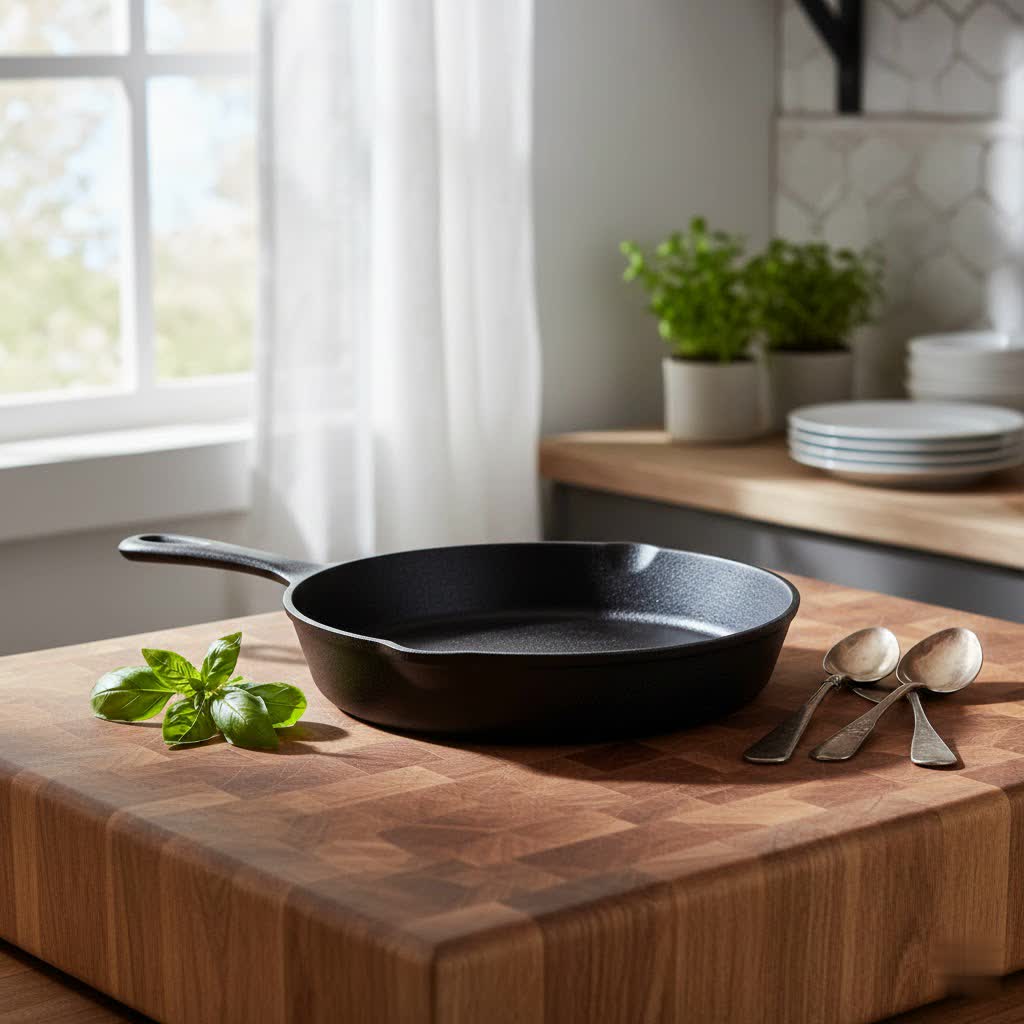
What is an Iron Skillet?
An iron skillet, commonly known as a cast iron skillet, is a heavy, thick-bottomed frying pan made from cast iron. This type of cookware has a rich history, dating back centuries, with its origins often traced to 16th-century Flanders. By the 18th century, advancements in casting technology, particularly in England, made cast iron cookware more widely available and durable. Historically, cast iron was valued for its robustness and ability to withstand direct flames, making it essential for cooking over open fires and hearths. Today, it remains a beloved kitchen staple, revered for its unique cooking properties and longevity.
Superior Advantages of Cast Iron Skillets
Cast iron skillets offer a host of benefits that set them apart from other cookware. Their inherent qualities make them a favorite among discerning cooks and a valuable addition to any kitchen.
- Exceptional Durability and Longevity: Properly cared for, a cast iron skillet can last for decades, often becoming a cherished heirloom passed down through families. Its robust construction makes it resistant to warping, dents, and scratches.
- Excellent Heat Retention and Even Distribution: Cast iron excels at holding heat, ensuring consistent cooking temperatures across the entire surface. This even heat distribution is crucial for achieving perfectly seared meats, crispy crusts, and uniformly cooked dishes.
- Natural Non-Stick Surface Over Time: Through a process called “seasoning,” polymerized oil creates a naturally non-stick layer on the surface of the pan. With regular use and proper care, this seasoning builds up, making the skillet increasingly non-stick without relying on synthetic coatings.
- Food Safety: Unlike some non-stick pans that can release chemicals when overheated, cast iron is generally considered a safer option. It contains no harmful chemicals, and some even believe it can leach small amounts of dietary iron into food, which can be beneficial.
- Versatility Across Heat Sources: Cast iron skillets are incredibly versatile. They can be used on gas, electric, induction stovetops, in the oven, on grills, and even over campfires, making them suitable for a wide range of cooking techniques.
Popular Types of Cast Iron Skillets
While the core material remains cast iron, different styles and finishes cater to various cooking preferences and needs.
- Traditional Cast Iron Skillet: These are the classic, bare cast iron pans that require seasoning. They are known for their rugged durability, excellent searing capabilities, and the ability to develop a truly unique non-stick surface over time.
- Enameled Cast Iron Skillet: Featuring a vitreous enamel coating, these skillets offer the benefits of cast iron heat retention without the need for seasoning. The enamel prevents rust, allows for cooking acidic foods without stripping the seasoning, and often comes in various vibrant colors, making them attractive kitchen pieces. They are also generally easier to clean.
- Wood-Handled Cast Iron Skillet: Some cast iron skillets come with wooden handles for a comfortable, stay-cool grip. However, these are typically not oven-safe due to the wood’s inability to withstand high temperatures.
- Mini Cast Iron Skillets: Smaller in diameter, these skillets are perfect for individual servings, side dishes, or specific tasks like frying a single egg or baking a skillet cookie for one.
How to Choose the Right Cast Iron Skillet
Selecting the ideal cast iron skillet depends on your cooking habits, family size, and personal preferences. Considering these factors will help you make an informed decision.
Size and Depth
|
Our Picks for the Best Iron Skillet in 2026
As an Amazon Associate I earn from qualifying purchases.
|
||
| Num | Product | Action |
|---|---|---|
| 1 | Stargazer 10.5-Inch Cast Iron Skillet - Made in USA, Seasoned, Premium Frying Pan for Grilling, Searing, Baking & More – Durable Cast Iron with Smooth Cooking Surface |

|
| 2 | Cuisinel Cast Iron Skillet with Lid - 12"-inch Pre-Seasoned Covered Frying Pan Set + Silicone Handle & Lid Holders + Scraper/Cleaner - Indoor/Outdoor, Oven, Stovetop, Camping Fire, Grill Safe Cookware |
|
| 3 | Lodge Pre-Seasoned Cast Iron Skillet Set - Set Includes 8 Inch Skillet, 10.25 Inch Skillet, and 12 inch Skillet - 3 Piece |
|
| 4 | EWFEN Cast Iron Skillet 3-Piece Set, Heavy-Duty Professional Restaurant Chef Quality Pre-Seasoned Pan Cookware Set, 6", 8", 10" Pans For Frying, Saute, Cooking, Use Indoor/Outdoor, Oven, Grill |
|
| 5 | Lodge 12 Inch Pre-Seasoned Cast Iron Skillet - Dual Assist Handles - Use in the Oven, on the Stove, on the Grill, or Over a Campfire - Black |
|
| 6 | Lodge 12 Inch Cast Iron Skillet with Red Silicone Hot Handle Holder – Pre-Seasoned Frying Pan for Stove, Oven, Grill & Campfire – Made in the USA – Durable, Nonstick Cast Iron Cookware – Black |
|
| 7 | Lodge 10.25 Inch Cast Iron Skillet – Pre-Seasoned Frying Pan with Teardrop Handle – Oven, Stovetop, Grill & Campfire Use – Made in USA – Durable, Non-Toxic, Even-Heating Cookware – Black |
|
| 8 | Cuisinel Cast Iron Skillet with Lid - 12"-Inch Frying Pan + Glass Cover + Silicone Handle Holder - Pre-Seasoned Oven Safe Cookware - Indoor/Outdoor Use - Grill, BBQ, Fire, Stovetop. PFAS and PFOA-free |
|
| 9 | Mercer Culinary Pre-Seasoned Cast Iron Skillet, 10.25-Inch |
|
| 10 | Utopia Kitchen Cast Iron Skillets 12 Inch, Chef's Pan, Pre-Seasoned Frying Pan, Stovetop, Oven, Campfire and Grill Large Skillet, Even Heat Distribution Multipurpose Cast Iron Pan - Black |
|
When choosing a skillet, think about what you’ll cook and for how many people. A 10 to 10.25-inch skillet is often recommended as a versatile choice for most home cooks, perfect for frying eggs, searing steaks, or cooking a few pancakes. If you’re cooking for a larger family or preparing more substantial dishes, a 12-inch skillet might be more appropriate. Deeper skillets are excellent for frying or making dishes with sauces, while shallower ones are ideal for searing and baking.
Weight
Cast iron is inherently heavy, but there can be variations. While heavier skillets tend to retain heat more effectively, they can also be challenging to maneuver, especially when full. Lightweight options, often made with thinner casting, are easier to handle but might not hold heat quite as long or evenly as their thicker counterparts. Balance your need for heat retention with your comfort in lifting and moving the pan.
Material and Coating
Opt for pure cast iron for traditional seasoning benefits or high-quality enameled cast iron for ease of maintenance and cooking acidic foods. Ensure any pre-seasoned pans use safe, food-grade oils. For enameled skillets, check for a smooth, durable finish without chips or imperfections.
Handle Design
Look for a sturdy, well-designed handle that provides a comfortable and secure grip. Many cast iron skillets include an “assist handle” on the opposite side, which is invaluable for lifting heavy pans, especially when transferring them from stovetop to oven. Avoid silicone or wooden handles if you plan to use your skillet frequently in the oven or on a grill, as they are not always heat-safe.
Brand and Price
Researching reputable brands is key. Established names often offer consistent quality, better customer support, and sometimes lifetime warranties. While cast iron skillets can range widely in price, from budget-friendly options to high-end artisanal pieces, there are excellent choices available at every price point. Consider your budget, but also view a cast iron skillet as a long-term investment.
Comparing Leading Cast Iron Skillet Brands
The market offers a diverse range of cast iron skillet brands, each with its unique characteristics and loyal following. Here’s a comparison of some of the most popular and highly-regarded names.
| Brand | Key Characteristics | Quality & Durability | Price Range | Special Features |
|---|---|---|---|---|
| Lodge | American-made, pre-seasoned, excellent value. A workhorse for everyday cooking. | Very Good | Budget-Mid | Highly durable, widely available, often includes helper handles. Some lines (Blacklock) offer lighter designs. |
| Le Creuset | Premium French enameled cast iron, vibrant colors, no seasoning required. | Excellent | High | Superior enamel resistance to staining and dulling, dishwasher-safe, exceptional heat distribution, ergonomic helper handles. |
| Field Company | Lightweight, smooth polished surface, modern design. Aims to replicate vintage cast iron. | Excellent | Mid-High | Lighter than traditional cast iron, very smooth cooking surface, quick heating, and easy to handle. Offers care kits for upkeep. |
| Staub | French enameled cast iron, often with a matte black interior for better searing. | Excellent | High | Durable enamel, excellent heat retention, often heavier than Le Creuset, preferred by some for its rugged feel and superior searing thanks to the matte interior. |
| Lancaster | Lightweight, smooth pre-seasoned finish, designed for easy handling and performance. | Excellent | Mid-High | Very lightweight for cast iron, smooth cooking surface from the start, excellent heat conductivity, and easy to maneuver. |
| Yeti | Premium, durable, designed for both home and outdoor use. Lightweight construction with ergonomic features. | Excellent | High (Splurge) | Built for rugged use, ergonomic handle, lightweight, and often features pour spouts. Known for thorough and even heating. |
| Victoria | Colombian-made, good value, often features longer handles and double pour spouts. | Good-Very Good | Budget | Pre-seasoned with flaxseed oil, longer main handle for better grip, larger pour spouts, and a good budget-friendly alternative to Lodge. |
| Finex | Unique octagonal design, polished smooth surface, coiled stainless steel handle. High-end, artisanal. | Excellent | High (Splurge) | Distinctive aesthetic, quick-cooling spring handle, polished cooking surface, and superior heat retention. Very heavy. |
Detailed Comparison of 8 Top Cast Iron Skillets
Let’s dive deeper into eight specific models that stand out in the market, providing a clearer picture of what each offers.
| Skillet Model | Size (Diameter) | Weight (Approx.) | Material/Coating | Price Range | Pros | Cons |
|---|---|---|---|---|---|---|
| 1. Lodge 10.25-inch | 10.25 inches | 5.4 lbs | Pre-seasoned Cast Iron | $25-$35 | Excellent value, durable, great heat retention, comes pre-seasoned, assist handle. | Can be heavy, rougher surface initially, small pour spouts can drip. |
| 2. Le Creuset Enameled Skillet | 10.25-11.75 in | 5.8-6.5 lbs | Enameled Cast Iron | $180-$230 | No seasoning required, easy to clean, beautiful design, handles acidic foods, excellent heat distribution. | High price point, susceptible to chipping if dropped, some sticking observed with eggs. |
| 3. Field Company No. 8 Skillet | 10.25 inches | 4.5 lbs | Seasoned Cast Iron | $130-$165 | Very lightweight, smooth polished surface, quick heating, easy to maneuver, replicates vintage feel. | Higher price than budget options, may need initial seasoning build-up. |
| 4. Staub Cast Iron Frying Pan | 10-12 inches | 6-8 lbs | Enameled Cast Iron | $150-$200 | Matte black enamel interior for superior searing, excellent heat retention, robust and durable design, aesthetically pleasing. | Very heavy, high price, some users prefer lighter pans. |
| 5. Lancaster No. 8 Skillet | 10.5 inches | 4.2 lbs | Seasoned Cast Iron | $150-$175 | Extremely lightweight, very smooth surface, excellent heat conductivity, easy to handle and clean, heirloom quality. | Premium price, less widely available than Lodge. |
| 6. Yeti Cast Iron Skillet 10/12 | 10 or 12 inches | 4-6 lbs | Pre-seasoned Cast Iron | $150-$200 | Lightweight construction, ergonomic handle, durable for home & outdoor use, even heating, two pour spouts. | Splurge price, handle design might be uncomfortable for some, relatively new to the cast iron market. |
| 7. Victoria 10-inch Skillet | 10 inches | 5.35 lbs | Pre-seasoned Cast Iron | $25-$35 | Budget-friendly, comes pre-seasoned (flaxseed oil), longer main handle, large pour spouts, good for frying and searing. | Can have a slightly rougher surface, some inconsistency in pre-seasoning quality. |
| 8. Finex 10-inch Skillet | 10 inches | 6.5 lbs | Seasoned Cast Iron | $200-$250 | Unique octagonal shape, polished cooking surface, quick-cooling spring handle, excellent heat retention, very robust. | Very expensive, quite heavy, octagonal shape might not fit all burner sizes perfectly. |
Proper Use and Care of Your Cast Iron Skillet
Caring for cast iron is simpler than many believe, and mastering a few techniques will ensure your skillet performs beautifully for years.
Seasoning Your Cast Iron Skillet
Most modern cast iron skillets come pre-seasoned, meaning they are ready to use after a quick wash. However, maintaining and enhancing this seasoning is key. To re-season or season a bare pan, apply a very thin layer of high smoke point oil (like flaxseed, grapeseed, or vegetable oil) to all surfaces. Wipe off any excess so the pan looks dry. Then, bake it upside down in an oven at 450-500°F (230-260°C) for one hour. Let it cool slowly in the oven. Repeat this process several times to build a durable, non-stick layer. The best way to build seasoning is simply by cooking with your skillet regularly.
Cleaning Your Cast Iron Skillet
After each use, clean your cast iron skillet while it’s still warm.
- Scrape: Use a metal spatula or scraper to remove any stuck-on food.
- Wash: Hand wash with hot water and a stiff brush or non-abrasive sponge. Contrary to popular myth, a small amount of mild soap is generally fine for a well-seasoned pan, but avoid harsh detergents.
- Dry Thoroughly: This is critical to prevent rust. Immediately dry the skillet completely with a towel, or place it on the stovetop over low heat for a few minutes until all moisture evaporates.
- Light Oil Coat: Once dry, apply a very thin layer of cooking oil to the entire surface (inside and out) before storing. Wipe off any excess.
Things to Avoid When Cleaning:
- Dishwashers: Dishwashers will strip the seasoning and cause rust.
- Harsh Abrasives: Steel wool can remove seasoning.
- Soaking: Leaving your cast iron to soak in water can lead to rust.
Storing Your Cast Iron Skillet
Store your cast iron in a dry place. If stacking other pans on top, place a paper towel or cloth between them to absorb moisture and prevent scratches. For enameled cast iron, simply wash with soap and water, dry, and store. No oiling is needed, and they can often go in the dishwasher, though hand washing is recommended for longevity.
Tips for Cooking Better with Cast Iron
Unlock the full potential of your cast iron skillet with these expert cooking tips.
- Preheat Properly: Cast iron needs time to heat up evenly. Always preheat your skillet gradually over medium-low heat for 5-10 minutes before adding food or oil. This prevents sticking and ensures consistent cooking.
- Use the Right Amount of Fat: While cast iron develops a non-stick surface, using a little butter or cooking oil is still beneficial for most dishes, especially when frying eggs or searing delicate foods.
- Avoid Overcrowding: Give your food space. Overcrowding the pan can lower its temperature, leading to steaming instead of searing, and make food stick.
- Mind Acidic Foods: While a well-seasoned traditional cast iron skillet can handle brief encounters with acidic foods like tomato sauce, prolonged cooking of highly acidic dishes can strip the seasoning. For these, an enameled cast iron skillet is a better choice.
- Choose Appropriate Utensils: Wooden or silicone utensils are best to avoid scratching the seasoning. Metal spatulas are generally fine for well-seasoned pans and can even help to smooth the cooking surface over time, but be gentle.
Delicious Dishes Perfect for Cast Iron Skillets
The versatility of cast iron makes it ideal for a wide array of delectable meals.
- Perfectly Seared Steak: Achieves an incredible crust and juicy interior.
- Crispy Roasted Chicken or Chicken Thighs: Moves seamlessly from stovetop to oven for a golden-brown finish.
- Golden Cornbread: Bakes with a wonderfully crispy edge and tender center.
- Skillet Pizza: Creates a delicious, chewy crust.
- Frittatas and Omelets: Cooks eggs evenly and beautifully.
- Skillet Cookies or Brownies: A delightful dessert, baked and served warm.
- Sautéed Vegetables: Achieves a lovely char and tender texture.
Where to Buy Trustworthy Cast Iron Skillets
When investing in a cast iron skillet, purchasing from reputable sources ensures authenticity and quality.
- Specialty Cookware Stores: Often carry a curated selection of high-quality brands and offer expert advice.
- Department Stores: Many large department stores have kitchenware sections with popular brands.
- Online Retailers: Websites like Amazon, Williams Sonoma, and the official brand websites (Lodge, Le Creuset, Field Company, etc.) offer vast selections, often with competitive pricing and detailed customer reviews. Be sure to buy from authorized sellers to avoid counterfeits.
Buying Guide: Your Cast Iron Skillet Checklist
Navigating the options for cast iron skillets can be simplified with a clear checklist. Here’s what to prioritize when making your purchase:
- Understand Your Needs: How many people do you typically cook for? What types of dishes do you love to make? This will guide your size and depth choices.
- Traditional vs. Enameled: Decide if you prefer the classic seasoning ritual and superior searing of traditional cast iron or the low-maintenance, colorful aesthetic of enameled.
- Prioritize Weight and Handle Comfort: Lift the skillet if possible, or check reviews for weight descriptions. Ensure the handle, and any helper handle, feels comfortable and secure.
- Inspect the Surface: For traditional cast iron, a smoother surface often performs better from the start. For enameled, check for any chips or imperfections.
- Set a Budget: Cast iron skillets range from under $30 to over $200. There are excellent options at every price point, so align your choice with your budget while considering long-term value.
- Read Reviews and Trust Brands: Rely on reputable brands and customer feedback to inform your decision.
> “A cast iron skillet is more than just a pan; it’s a testament to enduring quality and simple, effective cooking. It rewards care with unmatched performance, getting better with every meal.” – Chef Alice Chen, Culinary Historian specializing in Traditional Cookware.
Conclusion
The cast iron skillet is a timeless kitchen essential, offering exceptional durability, superior heat retention, and a natural non-stick surface that improves with age. From searing the perfect steak to baking a golden cornbread, its versatility across various heat sources is unmatched. By understanding the different types, knowing what to look for when buying, and following simple care routines like proper seasoning and cleaning, you can enjoy this remarkable piece of cookware for a lifetime. Whether you choose a classic Lodge, a lightweight Field Company, or a colorful Le Creuset, investing in a quality cast iron skillet means investing in countless delicious meals and a rich culinary legacy. What will be the first dish you master in your new cast iron skillet?
Frequently Asked Questions
Do cast iron skillets need to be seasoned before first use?
Most new cast iron skillets come pre-seasoned and are ready to use after a quick wash. However, giving it an initial re-seasoning with a thin layer of oil and heating it can help kickstart the non-stick surface and further protect it from rust.
Can I use soap to clean my cast iron skillet?
Yes, a small amount of mild dish soap is generally safe for well-seasoned cast iron. The myth about avoiding soap stems from older lye-based soaps that could strip seasoning. Modern dish soaps are much milder. Always dry your skillet thoroughly immediately after washing to prevent rust.
Why is my cast iron skillet sticky after cooking?
Stickiness usually indicates insufficient seasoning or that the pan wasn’t properly preheated. Ensure you’re cooking with enough fat, and gradually build up your seasoning with regular use and occasional re-seasoning. Proper preheating also helps prevent food from sticking.
Can I cook acidic foods like tomato sauce in cast iron?
Cooking acidic foods in traditional, un-enameled cast iron can strip the seasoning, especially if done for prolonged periods or if your seasoning layer is new or thin. For highly acidic dishes, enameled cast iron skillets are a better, safer choice as their coating protects the iron.
How do I prevent rust on my cast iron skillet?
The key to preventing rust is to keep your cast iron skillet completely dry. Always dry it immediately and thoroughly after washing, either with a towel or by heating it on the stove for a few minutes. Applying a very thin layer of cooking oil after drying also provides an extra protective barrier.
Is a lightweight cast iron skillet as good as a heavy one?
Lighter cast iron skillets are easier to handle but might not retain heat as long or evenly as thicker, heavier pans. However, advancements in manufacturing have led to lightweight options that still offer excellent performance. The “best” choice depends on your preference for maneuverability versus maximum heat retention.
Can I put my cast iron skillet in the oven?
Yes, traditional cast iron skillets are oven-safe and can withstand very high temperatures, making them excellent for dishes that start on the stovetop and finish in the oven, like frittatas or roasted chicken. Always check if your specific skillet has any non-metal parts (like wooden or silicone handles) that might not be oven-safe.
