As a seasoned home cook with over a decade of experience, especially with the enduring cast iron skillet, I’ve come to appreciate this versatile kitchen tool more than most. There’s a certain magic in a well-loved cast iron pan – it tells a story with every sear, sizzle, and golden crust it produces. Among the various sizes, the 10-inch cast iron skillet stands out as a true kitchen workhorse, offering an ideal balance of capacity and maneuverability for everyday cooking. Whether you’re a seasoned chef or just beginning your cast iron journey, understanding the nuances of this remarkable pan can transform your culinary adventures.
What is a Cast Iron Skillet?
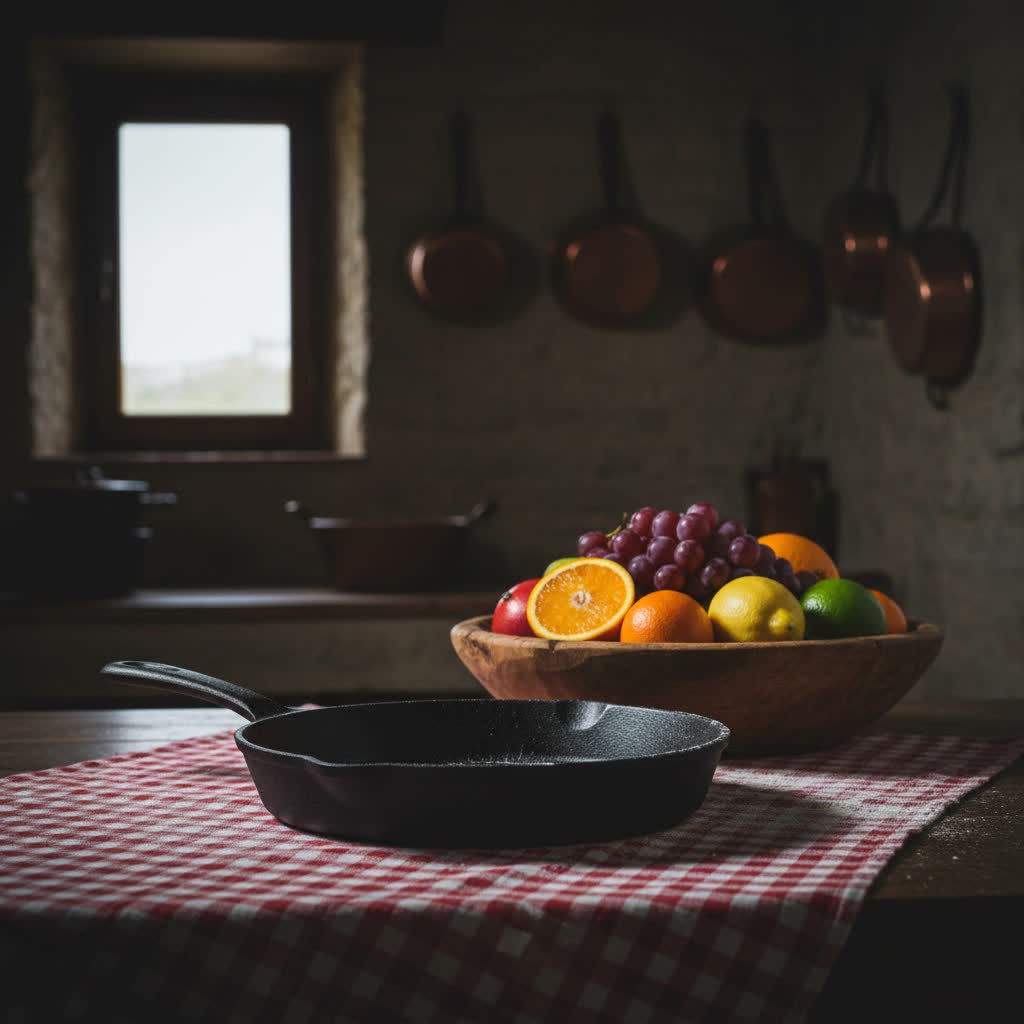
A cast iron skillet is a heavy-duty frying pan made from an alloy of iron, carbon, and silicon. Unlike modern non-stick pans with chemical coatings, traditional cast iron relies on a process called “seasoning”—a baked-on layer of polymerized oil—to create a naturally non-stick surface. This robust cookware boasts a rich history, with its origins tracing back centuries, proving its enduring appeal and functionality in kitchens worldwide.
Why Choose a 10-Inch Cast Iron Skillet?
The 10-inch cast iron skillet is often lauded as the perfect “sweet spot” for many home cooks, balancing ample cooking space with manageable weight and size. It’s ideally suited for individuals, couples, or small families (1-2 people) to prepare a variety of dishes without feeling too cumbersome. This size heats up more quickly and evenly than its larger counterparts, making it a go-to for quick meals. Its versatility extends from perfectly frying a couple of eggs for breakfast to searing a juicy steak for dinner or baking a rustic cornbread.
Superior Advantages of Cast Iron Skillets
Cast iron skillets offer a host of benefits that set them apart from other cookware:
- Exceptional Durability and Longevity: Crafted from a solid piece of metal, cast iron skillets are virtually indestructible and can last for generations with proper care. Many cherished family recipes are passed down along with a well-seasoned cast iron pan.
- Unmatched Heat Retention and Even Distribution: Cast iron boasts high thermal mass, meaning it holds heat incredibly well once preheated. This consistent heat is perfect for achieving deep, even searing and browning, and helps maintain a stable temperature when adding food.
- Natural Non-Stick Surface: While not factory-coated like modern non-stick pans, a properly seasoned cast iron skillet develops a natural, non-stick surface that improves with every use. This seasoning is a layer of polymerized fat that creates a slick, easy-release surface.
- Health-Safe Cooking: Traditional cast iron is free from synthetic chemicals like PTFE found in some non-stick coatings, making it a safe and natural choice for cooking. Research even suggests that cooking in cast iron can increase the iron content of foods, offering a dietary benefit.
- Multi-Cooktop Versatility: A 10-inch cast iron skillet can be used on virtually any heat source, from gas, electric, and induction stovetops to ovens, grills, and even over an open campfire. This makes it incredibly adaptable for a wide range of cooking methods.
Types of Cast Iron Skillets
When exploring the world of cast iron, you’ll primarily encounter two main types:
- Traditional Cast Iron: These are the classic, bare cast iron skillets that require seasoning and ongoing maintenance to develop their non-stick properties and prevent rust. They typically have a rougher, pebbled texture when new, which darkens and smooths with consistent seasoning. Brands like Lodge and Victoria are well-known for their traditional offerings.
- Enameled Cast Iron: These skillets feature a cast iron core coated with a smooth, vitreous enamel finish. This enamel eliminates the need for seasoning, makes the pan easier to clean, and prevents it from reacting with acidic foods like tomato sauces. However, enameled cast iron is generally more expensive and often heavier than traditional cast iron, and may not be suitable for open flames. Le Creuset and Staub are leading brands in this category.
While less common for the 10-inch size, variations like lighter-weight cast iron (e.g., Lancaster, Field Company) and chef-style skillets (e.g., Lodge Chef Collection) with sloped sides for easier stirring also exist, offering enhanced maneuverability or specialized designs.
How to Choose the Perfect 10-Inch Cast Iron Skillet
Selecting the ideal 10-inch cast iron skillet involves considering several factors to ensure it meets your cooking style and preferences.
Size and Depth
|
Our Picks for the Best Iron Skillet in 2026
As an Amazon Associate I earn from qualifying purchases.
|
||
| Num | Product | Action |
|---|---|---|
| 1 | Lodge Pre-Seasoned Cast Iron Skillet Set - Set Includes 8 Inch Skillet, 10.25 Inch Skillet, and 12 inch Skillet - 3 Piece |

|
| 2 | EWFEN Cast Iron Skillet 3-Piece Set, Heavy-Duty Professional Restaurant Chef Quality Pre-Seasoned Pan Cookware Set, 6", 8", 10" Pans For Frying, Saute, Cooking, Use Indoor/Outdoor, Oven, Grill |
|
| 3 | Utopia Kitchen Cast Iron Skillets 12 Inch, Chef's Pan, Pre-Seasoned Frying Pan, Stovetop, Oven, Campfire and Grill Large Skillet, Even Heat Distribution Multipurpose Cast Iron Pan - Black |
|
| 4 | Lodge 12 Inch Pre-Seasoned Cast Iron Skillet - Dual Assist Handles - Use in the Oven, on the Stove, on the Grill, or Over a Campfire - Black |
|
| 5 | Mercer Culinary Pre-Seasoned Cast Iron Skillet, 10.25-Inch |
|
| 6 | Cuisinel Cast Iron Skillet with Lid - 12"-inch Pre-Seasoned Covered Frying Pan Set + Silicone Handle & Lid Holders + Scraper/Cleaner - Indoor/Outdoor, Oven, Stovetop, Camping Fire, Grill Safe Cookware |
|
| 7 | Stargazer 10.5-Inch Cast Iron Skillet - Made in USA, Seasoned, Premium Frying Pan for Grilling, Searing, Baking & More – Durable Cast Iron with Smooth Cooking Surface |
|
| 8 | Lodge 12 Inch Cast Iron Skillet with Red Silicone Hot Handle Holder – Pre-Seasoned Frying Pan for Stove, Oven, Grill & Campfire – Made in the USA – Durable, Nonstick Cast Iron Cookware – Black |
|
| 9 | Cuisinel Cast Iron Skillet with Lid - 12"-Inch Frying Pan + Glass Cover + Silicone Handle Holder - Pre-Seasoned Oven Safe Cookware - Indoor/Outdoor Use - Grill, BBQ, Fire, Stovetop. PFAS and PFOA-free |
|
| 10 | Lodge 10.25 Inch Cast Iron Skillet – Pre-Seasoned Frying Pan with Teardrop Handle – Oven, Stovetop, Grill & Campfire Use – Made in USA – Durable, Non-Toxic, Even-Heating Cookware – Black |
|
While marketed as 10-inch, the actual flat cooking surface is often about two inches smaller due to sloped sides. A 10-inch skillet is perfect for 1-2 servings, whether it’s a generous omelet or two medium-sized pork chops. If you frequently cook for more people or prefer to batch cook, a 12-inch might offer more flexibility, but the 10-inch excels in preventing overcrowding for smaller portions, allowing for better searing and browning.
Weight
Cast iron is inherently heavy. A 10-inch cast iron skillet typically weighs around 4 to 5.5 pounds. While a heavier pan generally offers better heat retention, lighter options (such as the Lancaster No. 8 at just over four pounds or the Lodge Chef Collection at less than five pounds) are easier to maneuver, especially when moving from stovetop to oven or when tossing ingredients. Consider your comfort and strength, particularly if frequent lifting or flipping is part of your cooking routine.
Material and Finish
Most 10-inch cast iron skillets come pre-seasoned, meaning they’re ready to use after a quick rinse. Traditional skillets often have a rougher, pebbled surface, like the classic Lodge, which helps new seasoning layers adhere. Brands like Lancaster and Field Company offer smoother, polished surfaces, inspired by vintage cast iron, which some cooks prefer for easier cleaning and a more refined look. Enameled options provide a slicker surface from the start, require no seasoning, and are excellent for acidic foods, though they come at a higher price point.
Handles
A comfortable and secure handle is crucial. Look for a main handle that provides a good grip, even with an oven mitt. Many 10-inch skillets also include a helper handle—a small loop opposite the main handle—which is invaluable for lifting and transferring the pan, especially when it’s full and heavy.
Pour Spouts
Dual pour spouts are a common and useful feature on many cast iron skillets, allowing for easy draining of liquids like excess fat or sauces. Their effectiveness can vary, so look for wider, deeper spouts to prevent dribbling. Some lighter-weight skillets, like the Field Company, manage pouring effectively even without dedicated spouts, thanks to flared sides.
Budget
The price range for 10-inch cast iron skillets can vary significantly, from affordable options under $30 (like Lodge and Victoria) to premium artisanal models exceeding $100 or even $200 (such as Finex or high-end enameled brands). You can find excellent performing skillets at all price points, so consider your budget and the value you place on specific features like a polished finish or a renowned brand name.
Comparing Top 10-Inch Cast Iron Skillet Brands
The market offers a range of reputable brands, each with its own characteristics:
- Lodge: A long-standing American brand, Lodge is a consistent favorite for its affordability, durability, and reliable performance. Their 10.25-inch pre-seasoned skillet is a benchmark. The Lodge Chef Collection offers a slightly lighter, more ergonomic design.
- Victoria: Hailing from Colombia, Victoria skillets are praised for their ergonomic curved handles, effective pour spouts, and smooth, pre-seasoned surfaces that still grip seasoning well. Often comparable in price to Lodge.
- Le Creuset: A premium French brand, Le Creuset is synonymous with high-quality enameled cast iron. Their 10.25-inch enameled skillet offers vibrant colors, superior heat performance, and easy maintenance without the need for seasoning, though it comes at a significant price.
- Lancaster: Known for producing lightweight, smooth-surfaced skillets inspired by vintage designs. Their No. 8 (10-inch) skillet is highly regarded for its performance, aesthetics, and comfortable handling, albeit at a higher price.
- Field Company: Another brand focused on replicating the lighter, smoother feel of vintage cast iron. Their No. 8 (10.25-inch) skillet is lightweight, has a polished finish, and excels in performance, also positioning it in the premium segment.
- Stargazer: Often recommended for its smooth cooking surface, excellent heat retention, and thoughtful design features like a “no-drip” edge and useful helper handle. It’s a high-end option.
Detailed Comparison Table: Popular 10-Inch Cast Iron Skillet Models
| Model | Size (Diameter) | Weight (approx.) | Material | Price Range (USD) | Pros | Cons |
|---|---|---|---|---|---|---|
| Lodge 10.25-inch Pre-Seasoned Skillet | 10.25 inches | 5 lbs 7 oz | Traditional Cast Iron | $25 – $30 | Affordable, durable, excellent searing, pre-seasoned, helper handle, dual pour spouts. | Can be heavy, rougher surface, initial “asphalt smell” when new. |
| Victoria 10-inch Cast Iron Skillet | 10 inches | 4 lbs 13 oz | Traditional Cast Iron | $25 – $30 | Ergonomic curved handle, effective pour spouts, smooth surface, pre-seasoned, helper handle. | Can be heavy. |
| Lodge Chef Collection 10-inch Skillet | 10 inches | 4 lbs 6 oz | Traditional Cast Iron | $30 – $35 | Lighter weight, sloped sides for easier cooking, fast heating, comfortable handle, helper handle. | Smaller flat cooking area due to curved sides. |
| Lancaster No. 8 Cast Iron Skillet | 10.5 inches | 4 lbs 4 oz | Traditional Cast Iron | $170 – $180 | Very lightweight, smooth polished surface, quick heating, excellent performance. | High price, no helper handle (though light enough it’s not always missed), may wobble on glass cooktops. |
| Le Creuset Signature 10.25-inch Enameled Skillet | 10.25 inches | 5 lbs 7 oz | Enameled Cast Iron | $230 – $250 | No seasoning required, easy to clean, non-reactive to acidic foods, vibrant colors, great heat retention, helper handle. | Very expensive, heavy, not suitable for open flame. |
Mastering Your 10-Inch Cast Iron Skillet: Use and Care
The longevity and performance of your 10-inch cast iron skillet largely depend on proper use and maintenance.
Seasoning Cast Iron
Initial Seasoning: Most new cast iron skillets come pre-seasoned. However, adding an extra layer of seasoning can enhance its non-stick properties. To do this, scrub the pan, dry it thoroughly, then place it over medium heat for a few minutes to ensure all water is evaporated. Preheat your oven to 450°F (232°C). Rub the entire skillet with a thin layer of neutral, high-smoke point oil (like canola or flaxseed oil), wipe off any excess so it appears almost dry, and bake for 30 minutes. Repeat this process three to four times.
Restoring Seasoning: If your seasoning gets damaged or rusty, it’s not the end of the world. Scour the affected areas with steel wool or a chainmail scrubber, wash with warm soapy water, rinse, dry thoroughly, and then re-season using the method above.
Cleaning Cast Iron
After each use, clean your skillet while it’s still warm (but cool enough to handle). Use hot water and a stiff brush or sponge. Contrary to popular belief, a small amount of dish soap can be used on well-seasoned cast iron without stripping the seasoning, as long as you rinse thoroughly. For stubborn food bits, add a bit of coarse salt and scrub with a paper towel, or boil about half an inch of water in the pan for a minute, then scrape and wipe clean. The most crucial step is to dry the skillet completely immediately after washing. You can place it over low heat on the stovetop for a few minutes to evaporate all moisture. Then, apply a very thin layer of cooking oil (e.g., vegetable, canola, grapeseed) to the entire surface before storing.
Storing Cast Iron
Always store your 10-inch cast iron skillet in a clean, dry place to prevent rust. If stacking with other pans, place a paper towel, cork trivet, or cloth between them to prevent scratches and allow for air circulation.
Tips for Cooking Delicious Meals in Your 10-Inch Skillet
- Preheat Properly: Cast iron needs time to heat up thoroughly and evenly. Place your skillet over medium heat for 5-10 minutes before adding food or oil. This ensures consistent cooking and helps prevent sticking.
- Use Enough Fat: While seasoning creates a non-stick surface, a little cooking fat (oil, butter, bacon grease) is still essential, especially for foods prone to sticking.
- Avoid Overcrowding: The 10-inch skillet is designed for smaller portions. Overcrowding will steam your food instead of searing it, leading to a less desirable result. Cook in batches if necessary.
- Be Mindful of Acidic Foods (for traditional cast iron): Prolonged cooking of highly acidic foods (like tomato sauce or lemon juice) can strip the seasoning from traditional cast iron. For these dishes, consider using an enameled cast iron skillet. Quick deglazing with wine or vinegar is generally fine.
- Choose the Right Utensils: Metal utensils are safe to use on well-seasoned cast iron, unlike delicate non-stick coatings. However, avoid gouging the surface, which could lead to rust. Wooden or silicone spatulas are also excellent choices.
Favorite Recipes for Your 10-Inch Cast Iron Skillet
The 10-inch cast iron skillet is incredibly versatile for a range of mouth-watering dishes:
- Perfectly Seared Steak: Its heat retention creates an incredible crust.
- Fluffy Scrambled or Fried Eggs: With good seasoning and proper preheating, eggs slide right off.
- Golden Cornbread: A classic choice, producing a wonderfully crispy crust.
- Pan Pizza: Achieve a crispy bottom crust that’s hard to replicate in other pans.
- Roasted Vegetables: Toss with oil and herbs for perfectly tender-crisp results.
- Skillet Cookies or Brownies: Bake directly in the pan for a delightful dessert, often served warm with ice cream.
- Crispy Smashed Potatoes: Achieve incredible texture and flavor.
Where to Buy a Reliable 10-Inch Cast Iron Skillet
You can find high-quality 10-inch cast iron skillets at various retailers:
- Online Retailers: Amazon, Lodge Cast Iron’s official website, Sur La Table, Williams Sonoma, and specific brand websites (e.g., Lancaster, Field Company) offer a wide selection.
- Department Stores: Macy’s, Target, and Kohl’s often carry popular brands like Lodge and Victoria.
- Specialty Cookware Stores: For artisanal or higher-end brands, visit dedicated kitchenware shops.
- Outdoor/Camping Stores: Brands like Ozark Trail offer budget-friendly options, sometimes in sets, perfect for camping.
Buying Guide: Your Ultimate 10-Inch Cast Iron Skillet Checklist
Before making your purchase, consider these key factors to ensure you choose the best 10-inch cast iron skillet for your needs:
- Cooking Needs: Will it be for single servings, couples, or small family meals? A 10-inch skillet excels for everyday tasks, eggs, and searing individual portions.
- Weight Preference: Do you prioritize a lighter, more maneuverable pan (e.g., Lancaster, Lodge Chef Collection) or a heavier one for maximum heat retention (e.g., classic Lodge, Victoria)?
- Material: Do you prefer traditional cast iron with its seasoning ritual and affordability, or the low-maintenance, non-reactive benefits of enameled cast iron, acknowledging its higher cost?
- Handle Design: Look for a comfortable main handle and ideally a helper handle for easier lifting.
- Surface Finish: Decide if you prefer a traditional rough texture that builds character, or a smoother, more refined finish.
- Budget: Set a realistic budget, knowing you can find excellent performance across different price points.
> “The 10-inch cast iron skillet is the unsung hero of the kitchen – versatile enough for almost any task, and with proper care, it becomes an extension of your culinary hand.” – [Your Name/Title, Admin of reviewfiest.com]
Conclusion
The 10-inch cast iron skillet is more than just a pan; it’s an investment in a durable, versatile, and rewarding cooking experience. Its ability to retain and distribute heat, develop a natural non-stick surface, and transition seamlessly between stovetop and oven makes it an indispensable tool for preparing countless delicious meals. By understanding the different types, key features, and proper care, you can choose a 10-inch cast iron skillet that will serve you faithfully for decades, growing richer in character with every dish you create. Embrace the journey of seasoning and cooking, and you’ll soon discover why this classic piece of cookware remains a culinary favorite. What delicious dishes will you create first in your new 10-inch cast iron skillet?
Frequently Asked Questions
Is a 10-inch cast iron skillet big enough for a family?
A 10-inch cast iron skillet is generally ideal for 1-2 people or small households. While it can handle individual components of a family meal (like searing a couple of steaks), it might be too small for cooking full meals for 3-4 people or more without overcrowding, which can hinder proper cooking and searing.
How do you properly season a new 10-inch cast iron skillet?
Most new 10-inch cast iron skillets come pre-seasoned, but you can enhance it. After washing and thoroughly drying, apply a very thin layer of high-smoke point oil (like canola or flaxseed) to the entire skillet. Wipe off any excess, then bake it upside down in an oven at 450°F (232°C) for an hour. Let it cool, then repeat this process a few times.
Can you put a 10-inch cast iron skillet in the dishwasher?
No, traditional cast iron skillets should never be put in the dishwasher. The harsh detergents and prolonged exposure to moisture in a dishwasher will strip the seasoning and cause the pan to rust. Enameled cast iron skillets can often be put in the dishwasher, but hand-washing is still recommended to preserve their longevity.
What’s the main difference between traditional and enameled 10-inch cast iron?
Traditional 10-inch cast iron requires seasoning to become non-stick and is reactive to acidic foods, potentially stripping seasoning. Enameled cast iron, on the other hand, has a glass-like coating that is non-reactive, easier to clean (no seasoning needed), and often comes in various colors, but it is typically more expensive and heavier.
How do I prevent my 10-inch cast iron skillet from rusting?
To prevent rust, always ensure your 10-inch cast iron skillet is completely dry after washing, ideally by heating it on the stovetop for a few minutes. Then, apply a very thin, even layer of cooking oil to the entire surface before storing it in a dry place. Avoid soaking the pan in water for extended periods.
